
How SLAM Algorithms Affect Real World Navigation Accuracy





In underground mining and tunnelling, real-world navigation accuracy depends on more than sensor quality. SLAM Algorithms shape how autonomous machines interpret drift, dust, poor lighting, changing walls, and repeated tunnel geometry. Their performance directly affects route confidence, machine safety, cycle time, and whether an automated system remains stable during long underground shifts.
Why SLAM Algorithms Need a Checklist-Based Evaluation
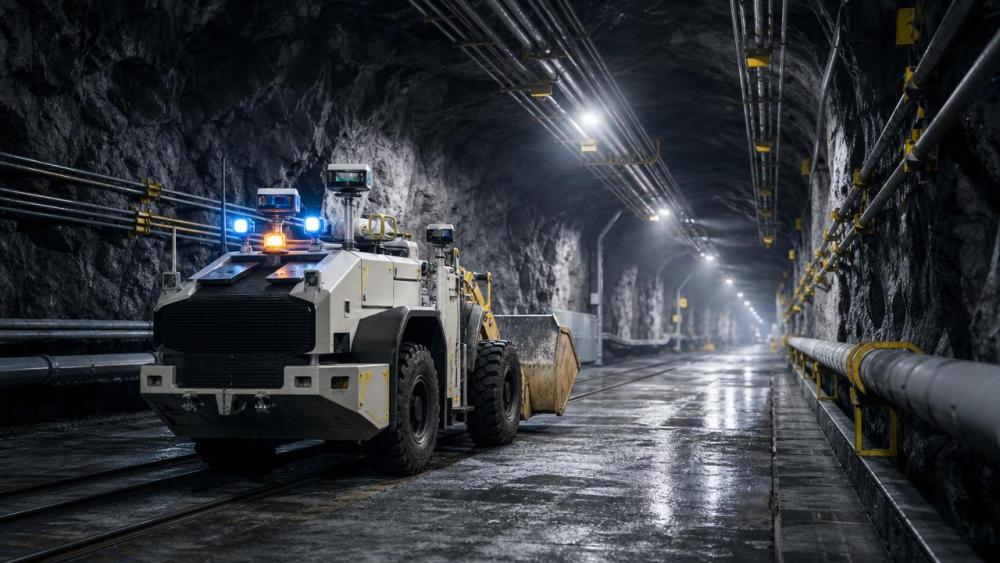
In GPS-denied spaces, localization errors accumulate quietly. A machine can appear accurate in short tests, then lose map consistency after repeated turns, wheel slip, or dust events.
That is why SLAM Algorithms should be judged with a structured checklist. The right review method reveals whether an algorithm is merely impressive in demos or dependable in production tunnels.
For UTMD-relevant equipment such as underground LHDs, drilling jumbos, pipe jacking systems, and smart haulage platforms, navigation accuracy has system-wide consequences. It influences machine utilization, collision risk, production planning, ventilation strategy, and operator trust in autonomy functions.
Core Checklist: What Determines Real-World Navigation Accuracy
Use the following checklist to examine how SLAM Algorithms affect navigation performance in practical underground conditions.
- Measure drift over full duty cycles, not short routes, because SLAM Algorithms may look precise initially yet degrade after repeated loops, stop-start motion, and long tunnel traverses.
- Check loop closure reliability in visually repetitive headings, where near-identical rock walls, service pipes, and support patterns can trigger false matches and map distortion.
- Test robustness under dust, spray, glare, and darkness, since underground navigation accuracy often drops when cameras, LiDAR returns, or reflectivity assumptions become unstable.
- Compare sensor fusion logic with wheel odometry behavior, because SLAM Algorithms must compensate for tire slip, vibration, uneven floor contact, and articulation-induced motion errors.
- Validate map update handling in changing tunnels, where blasting, scaling, temporary barricades, parked equipment, or fresh muck piles can invalidate earlier reference features.
- Review relocalization speed after signal loss or occlusion, since an autonomous LHD or jumbo must recover position quickly without unsafe hesitation or abrupt trajectory corrections.
- Inspect latency between sensing, mapping, and control output, because even accurate SLAM Algorithms can reduce real-world navigation accuracy if decisions arrive too late.
- Assess compute efficiency onboard the vehicle, especially in battery-electric platforms where thermal limits, power draw, and processor load influence sustained autonomous operation.
- Verify confidence scoring and failure reporting, so the navigation stack can downgrade autonomy, slow down, or request intervention before position uncertainty becomes dangerous.
- Benchmark performance against ground truth references, using survey control points, total station checks, or repeatable tunnel markers rather than internal algorithm claims alone.
How SLAM Algorithms Behave Across Underground Applications
Underground LHD Loaders
For battery-electric and autonomous LHDs, SLAM Algorithms must handle articulation, harsh vibration, and frequent reversals. These motions complicate pose estimation more than standard forward-driving vehicles.
Navigation accuracy matters at drawpoints, dumping areas, and narrow passing bays. Small localization errors can reduce bucket approach precision, wall clearance, and loading consistency.
Tunnel Boring and Pipe Jacking Support Systems
TBM and pipe jacking operations rely on precise alignment support, material handling, and service vehicle movement. SLAM Algorithms can improve positioning where satellite navigation and conventional visibility are unavailable.
However, metallic structures, water reflections, and confined geometries can disturb sensing. In these environments, map quality depends heavily on filtering strategy and sensor placement.
Drilling Jumbos and Face Operations
A drilling jumbo needs reliable localization near uneven faces, fresh rock breakage, and changing support installations. SLAM Algorithms must separate stable landmarks from temporary debris and active work zones.
If the algorithm anchors too strongly to unstable features, drill pattern positioning and return-to-location repeatability may suffer, especially after blasting cycles.
Open-Pit to Underground Integrated Haulage
Some mining fleets transition between outdoor and portal zones. Here, SLAM Algorithms must coordinate with GNSS, inertial systems, and vehicle control logic without creating handoff discontinuities.
Real-world navigation accuracy often drops during transitions. The problem is not mapping alone, but how the autonomy stack manages confidence as reference sources change.
Commonly Missed Issues That Distort Navigation Results
Overlooking Environmental Change Rate
Many evaluations treat the tunnel as static. In reality, scaling, blasting, parked machines, water, and ground support changes constantly reshape the scene used by SLAM Algorithms.
Confusing Mapping Quality With Driving Quality
A clean point cloud does not guarantee safe motion. Real-world navigation accuracy depends on control latency, path planning behavior, and how uncertainty is handled during movement.
Ignoring Mechanical Error Sources
Loose mounts, vibration, suspension effects, and wheel slip can degrade sensor fusion. Poor hardware integration can make strong SLAM Algorithms appear weaker than they really are.
Testing Only in Ideal Headings
Straight drifts with clear walls are not enough. Algorithms should be challenged in intersections, loading bays, mucked zones, wet segments, and feature-poor passages.
Practical Execution Recommendations
- Define a navigation accuracy target by task, such as docking, tramming, face approach, or return haul, because each motion pattern stresses SLAM Algorithms differently.
- Build test routes that include dust bursts, reflective water, repeated geometry, steep grades, and moving obstacles to expose failure modes before deployment.
- Record both average error and worst-case deviation, since safety margins are usually determined by rare spikes rather than by mean performance values.
- Link localization confidence to vehicle behavior, ensuring the machine slows, stops, or rechecks position automatically when uncertainty exceeds operational thresholds.
- Revalidate after hardware changes, software updates, or mine layout modifications, because SLAM Algorithms can shift behavior significantly after seemingly minor revisions.
Summary and Next-Step Guidance
SLAM Algorithms affect real-world navigation accuracy through drift control, loop closure quality, sensor fusion logic, relocalization speed, and failure handling. In underground operations, these factors determine whether autonomy stays dependable beyond controlled demonstrations.
A useful evaluation should focus on harsh production conditions, changing tunnel geometry, and full-shift repeatability. For UTMD-related sectors, that means connecting algorithm performance with asset utilization, zero-emission fleet efficiency, and underground safety resilience.
Start with a route-based checklist, test SLAM Algorithms against real disturbance patterns, and compare results with independent ground truth. That approach provides a more credible basis for judging deployment readiness in mining and tunnelling environments.
Related News

What Drives TBM Excavation Cost in Urban Tunneling Projects?
tbm excavation cost in urban tunneling depends on geology, shafts, segment lining, logistics, and risk. Discover the key cost drivers and compare bids with greater confidence.

What Does Energy Metals Mining in Australia Mean for Supply, Cost, and Project Risk?
Energy metals mining Australia is reshaping supply, cost, and project risk. Discover what it means for buyers, investors, and operators.

EU Eases Dual CE and UKCA Path for Chinese Tunnel Boring Equipment
EU eases CE and UKCA certification for Chinese tunnel boring equipment, cutting compliance time and helping importers move faster.
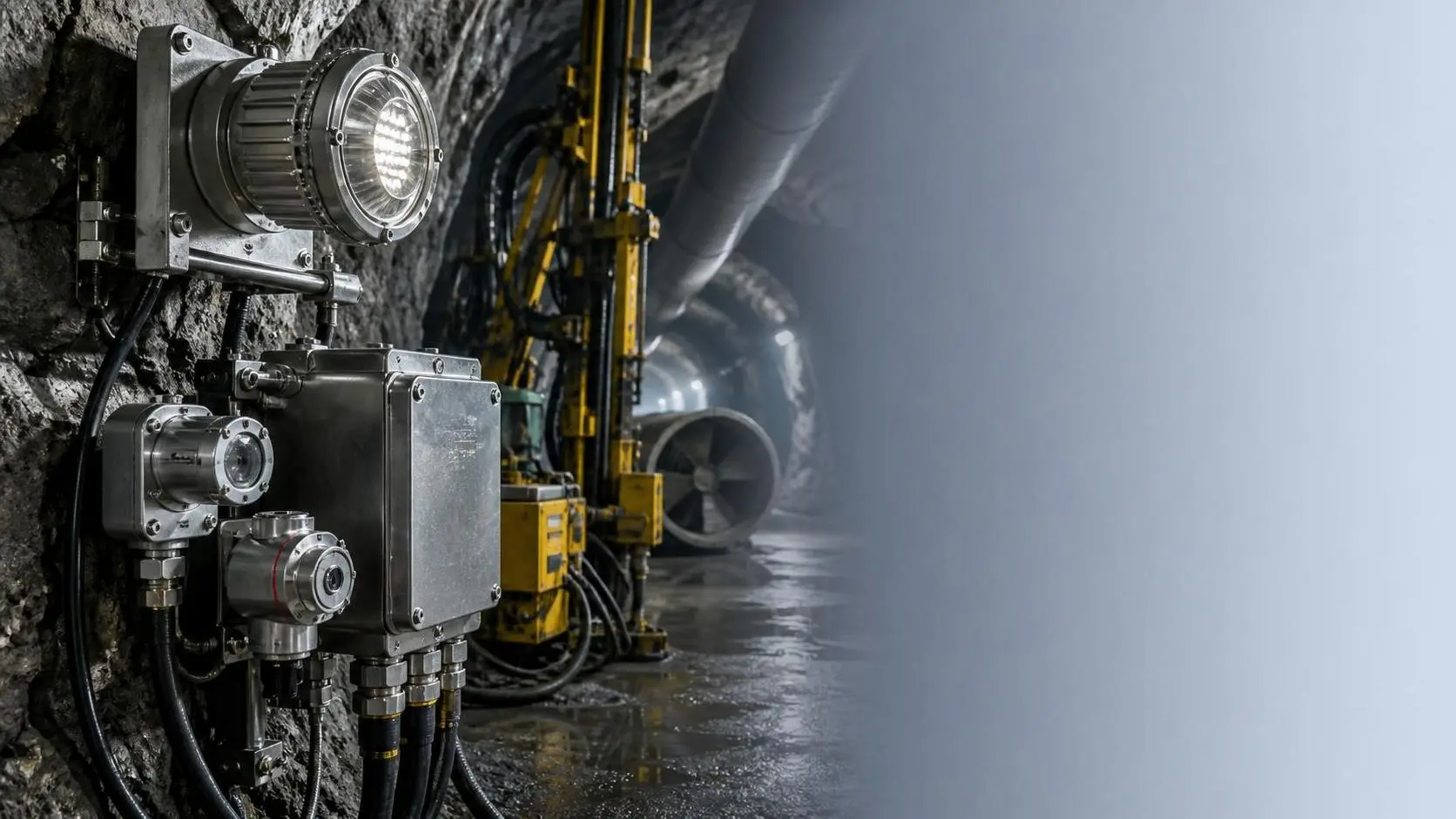
Flameproof Underground Safety Equipment: What Mine Teams Should Check Before Buying
Underground Safety Equipment flameproof buying guide: learn how mine teams should verify certification, durability, serviceability, and supplier support before purchase.
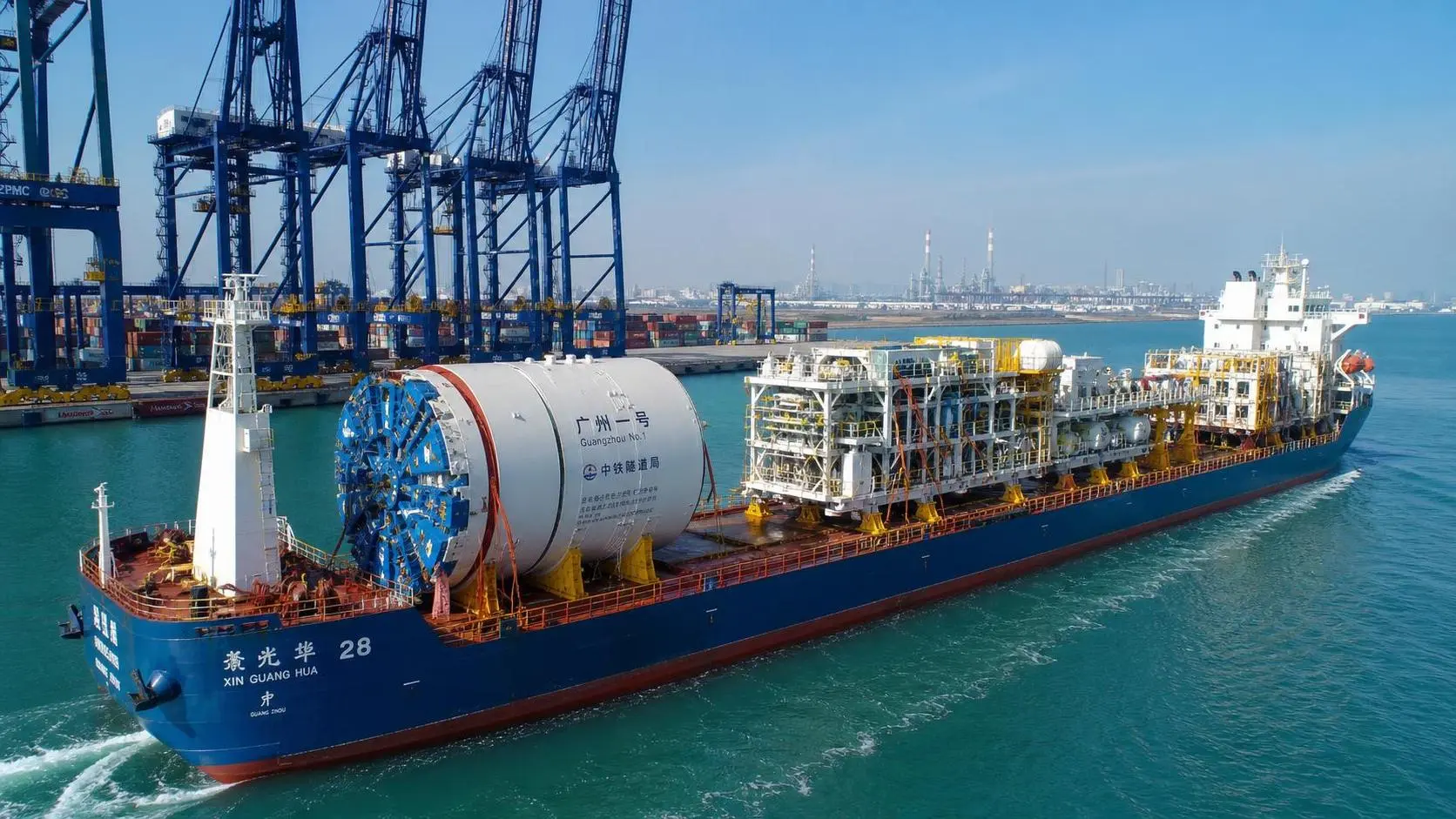
China-UAE Direct Sea Route Cuts TBM and Large Tunneling Equipment Lead Times
China-UAE direct sea route shortens TBM and large tunneling equipment lead times by 12–15 days, improving delivery predictability for major infrastructure projects. Read the full impact.
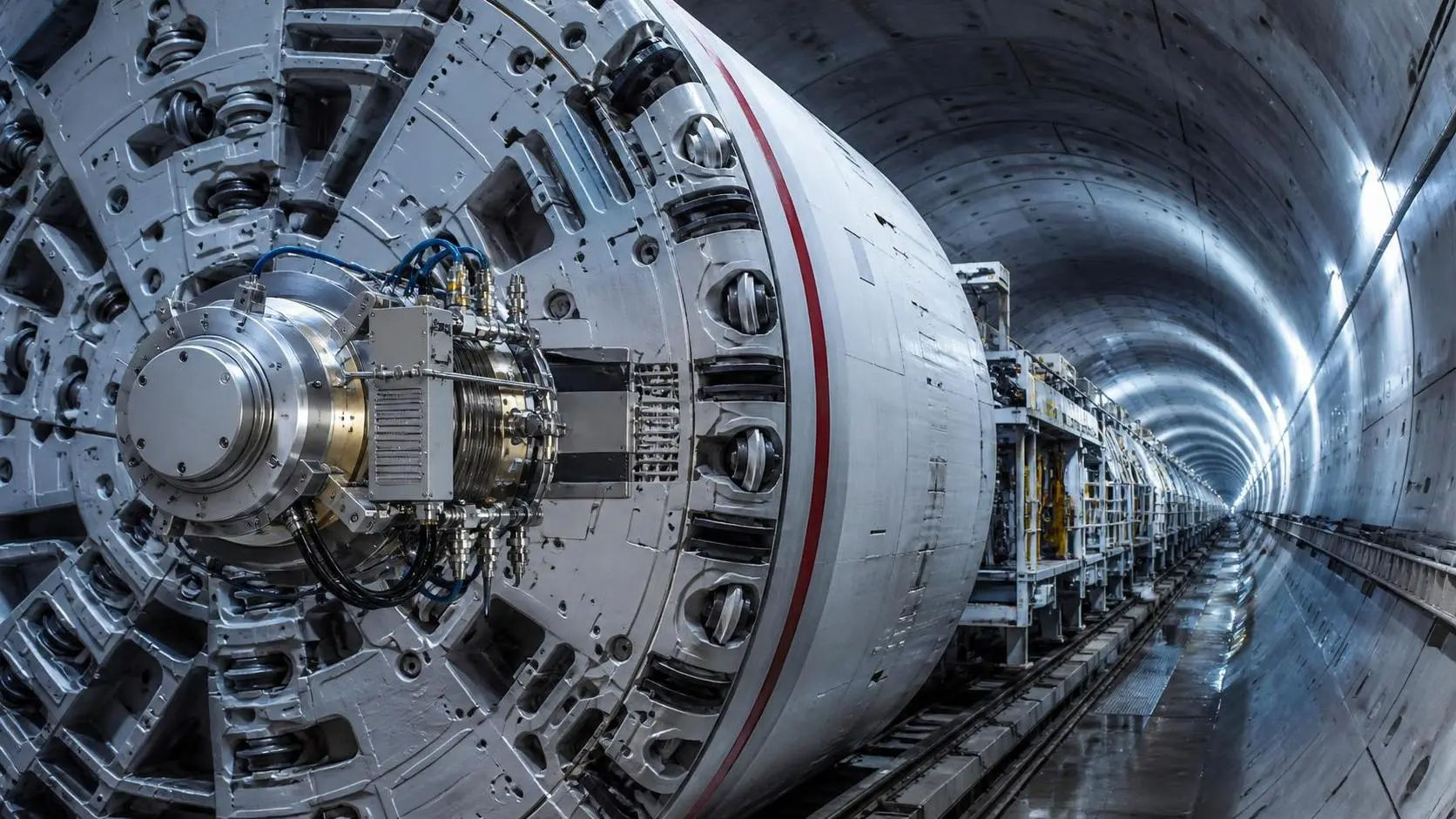
What Is a TBM Guidance System Gyroscope, and Why Does It Matter Underground?
TBM Guidance Systems gyroscope improves underground accuracy, reduces drift, and helps tunnel boring machines stay on line in harsh conditions.

China to Roll Out Nationwide Local and Foreign Currency Cash Pools for Multinationals on Sept. 14
China will roll out nationwide local and foreign currency cash pools for multinationals on Sept. 14, streamlining cross-border treasury management and boosting liquidity efficiency.

How to Choose a Reliable Underground Mining Equipment Supplier for Harsh Site Conditions
Find a reliable underground mining equipment supplier for harsh site conditions with rugged, maintainable solutions that boost uptime, reduce risk, and support long-term production.
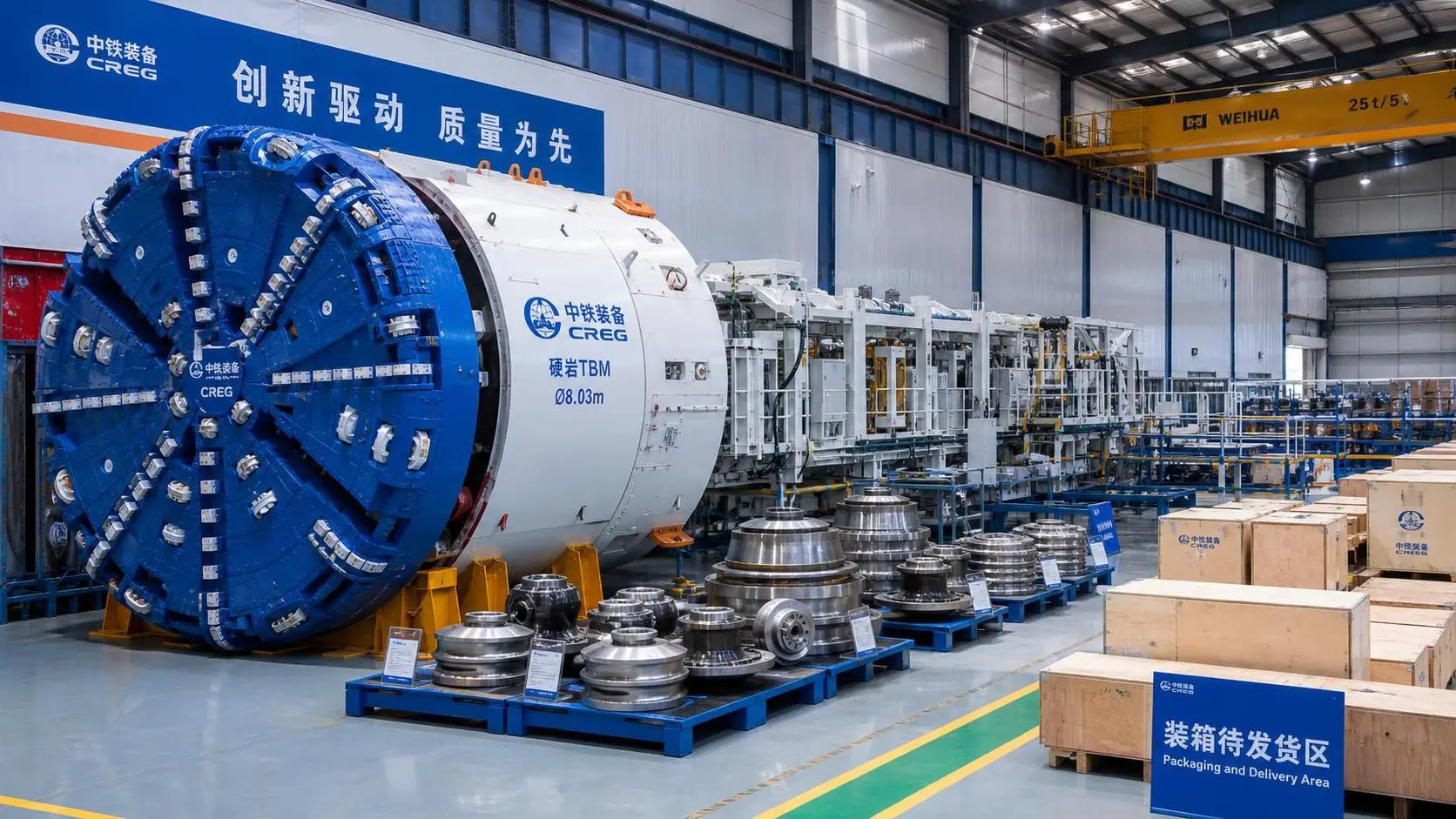
China Customs Tightens TBM Export Checks from Aug. 16
China Customs tightens TBM export checks from Aug. 16, 2026. Learn how new mandatory inspections may affect tunnelling equipment shipments, compliance, and delivery plans.
Related News
- 00
0000-00
What Drives TBM Excavation Cost in Urban Tunneling Projects? - 00
0000-00
What Does Energy Metals Mining in Australia Mean for Supply, Cost, and Project Risk? - 00
0000-00
EU Eases Dual CE and UKCA Path for Chinese Tunnel Boring Equipment - 00
0000-00
Flameproof Underground Safety Equipment: What Mine Teams Should Check Before Buying - 00
0000-00
China-UAE Direct Sea Route Cuts TBM and Large Tunneling Equipment Lead Times
Weekly Insights
Stay ahead with our curated technology reports delivered every Monday.