
Is Underground Automation Worth the Downtime Tradeoff





Is Underground Automation worth the downtime tradeoff for projects under constant schedule pressure? In tunnelling and mining, the answer depends on operating context, asset criticality, and upgrade timing.
Short shutdowns can damage production targets. Yet delaying Underground Automation can extend manual inefficiencies, raise safety exposure, and limit future equipment utilization across deep underground operations.
For TBMs, pipe jacking systems, drilling jumbos, mining trucks, and underground LHD loaders, the real question is not automation alone. It is whether planned disruption creates durable operational advantage.
This article breaks the issue into practical scenarios. It shows where Underground Automation pays back quickly, where downtime risk is harder to justify, and how to judge readiness with discipline.
When Underground Automation becomes a scheduling decision, not just a technology decision
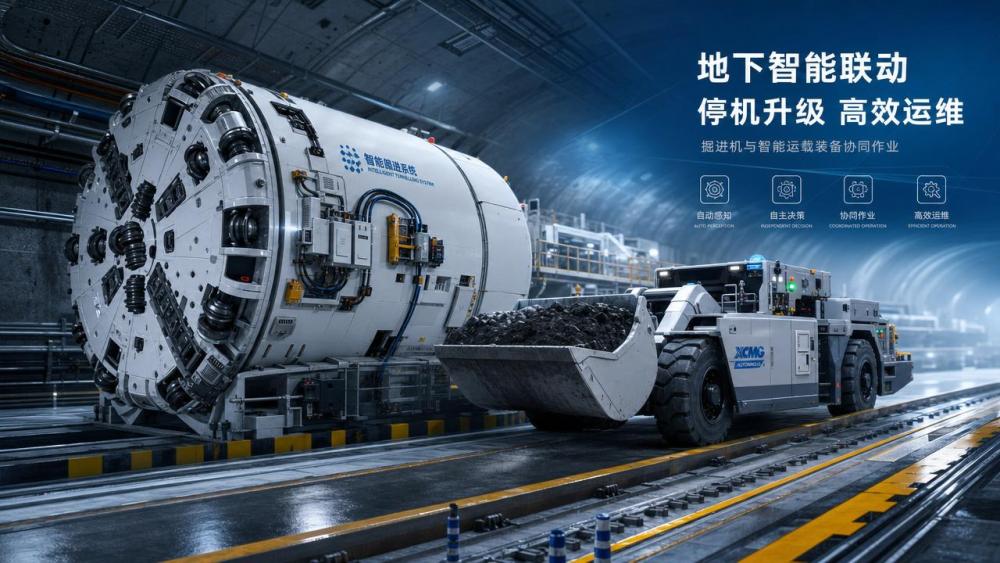
Underground Automation changes more than machine control. It affects maintenance planning, operator workflows, ventilation demand, traffic logic, shift utilization, and digital reporting across constrained underground environments.
That is why the downtime tradeoff varies by scenario. A brownfield mine with aging fleets faces different constraints than a greenfield tunnel project installing automation from day one.
The value case also changes by asset type. A TBM automation upgrade influences excavation continuity differently than autonomous haulage logic for battery LHDs or electric mining dump trucks.
In practice, Underground Automation is most valuable when downtime is planned, measurable, and tied to a bottleneck already limiting output, safety, or lifecycle cost.
Scenario 1: Continuous tunnelling programs where uptime is the dominant KPI
In long tunnel drives, every hour matters. TBM stoppages affect spoil handling, segment logistics, grouting rhythm, and downstream crews. Here, downtime tolerance is usually very low.
Still, Underground Automation may be justified if it improves guidance accuracy, cutterhead diagnostics, segment placement consistency, or predictive maintenance visibility.
Core judgment points for this scenario
- Will automation reduce unplanned stoppages more than the installation shutdown adds?
- Can the upgrade be aligned with scheduled cutter inspections or maintenance windows?
- Does the system improve rock condition response and machine health forecasting?
- Will digital control reduce rework, overbreak, or alignment deviation?
For high-output tunnel programs, Underground Automation works best when introduced during planned interventions, not during peak excavation momentum. Timing often determines whether ROI appears early or late.
Scenario 2: Urban trenchless work where disruption risk extends beyond the jobsite
Pipe jacking and trenchless projects face another reality. Downtime affects municipal schedules, traffic control, utility coordination, and public expectations, even when surface disruption remains limited.
In this setting, Underground Automation often supports steering precision, slurry control, monitoring depth, and remote diagnostics. The value is not only productivity, but also risk containment.
Where the tradeoff often makes sense
If an urban alignment passes through dense utilities or settlement-sensitive zones, better control can prevent larger losses later. A short upgrade pause may avoid expensive claims or corrective excavation.
However, if the project length is short and geology is stable, the payback period may be too narrow. In those cases, selective monitoring tools may outperform full automation retrofits.
Scenario 3: Hard-rock mining headings where labor exposure and cycle consistency drive value
Drilling jumbos and underground LHDs operate in spaces where visibility is limited, rock conditions vary, and ventilation costs remain significant. Here, Underground Automation directly affects safety and repeatability.
Automation can standardize drilling patterns, improve bolting accuracy, enable tele-remote mucking, and keep workers farther from unsupported ground or active drawpoints.
Core judgment points for this scenario
- Are blast results currently inconsistent because drilling quality changes by shift?
- Do re-entry delays after blasting reduce machine utilization?
- Can tele-remote or autonomous cycles extend productive hours between shifts?
- Is workforce availability constraining output more than equipment capacity?
In many mines, Underground Automation becomes worthwhile when cycle losses are chronic. If downtime enables more stable rounds and safer remote operation, the long-term benefit is often substantial.
Scenario 4: Electrified haulage fleets where automation supports energy, traffic, and maintenance goals
Battery LHDs and electric mining dump trucks create a new decision frame. Automation no longer concerns productivity alone. It connects with charging, battery swapping, regenerative braking, and route optimization.
Here, Underground Automation can improve dispatching accuracy, reduce idle time, smooth haul cycles, and support zero-emission targets in confined spaces.
The downtime tradeoff is usually easier to justify when automation is part of a broader electrification roadmap. Installing systems in isolation often weakens the business case.
How scenario differences change the Underground Automation decision
Practical guidance: when Underground Automation is worth the downtime tradeoff
The strongest case for Underground Automation appears when four conditions exist at the same time: repeatable bottlenecks, available data, planned maintenance windows, and measurable post-upgrade KPIs.
Use this decision checklist
- Identify whether losses come from people, process, geology, or machine behavior.
- Quantify unplanned downtime, idle hours, rework, incident exposure, and maintenance delays.
- Compare partial automation with full-system conversion.
- Schedule installation inside existing shutdown windows whenever possible.
- Track post-implementation gains for at least one operating quarter.
This approach prevents technology enthusiasm from replacing disciplined engineering judgment. Underground Automation should solve a defined operational constraint, not simply modernize appearances.
Common misjudgments that weaken automation payback
One frequent mistake is treating all downtime equally. Planned shutdowns for integration are not equivalent to random stoppages caused by failures, poor visibility, or inconsistent human execution.
Another mistake is ignoring change management. Underground Automation depends on training, operating rules, maintenance capability, and digital discipline. Software alone does not create uptime.
A third error is overscoping. Some sites need remote operation, sensing upgrades, or analytics first. Full autonomy may be unnecessary until the operational foundation becomes stable.
Finally, many operations undercount strategic value. Better data quality, safer work zones, and lower ventilation burden can matter as much as immediate tonnage improvement.
A grounded next step for evaluating Underground Automation
Start with one production chain, not the whole site. Measure where delays originate, where people face repeated exposure, and where asset utilization falls below design potential.
Then test Underground Automation against that specific constraint. Review integration timing, expected downtime, maintenance support, and the likely gain in reliability, safety, or cycle efficiency.
For organizations tracking tunnel engineering, trenchless systems, and smart mining transport, this disciplined scenario view creates clearer decisions than broad automation promises.
Underground Automation is worth the downtime tradeoff when interruption is deliberate, targeted, and tied to operational limits that already cost more than the upgrade itself.
Related News
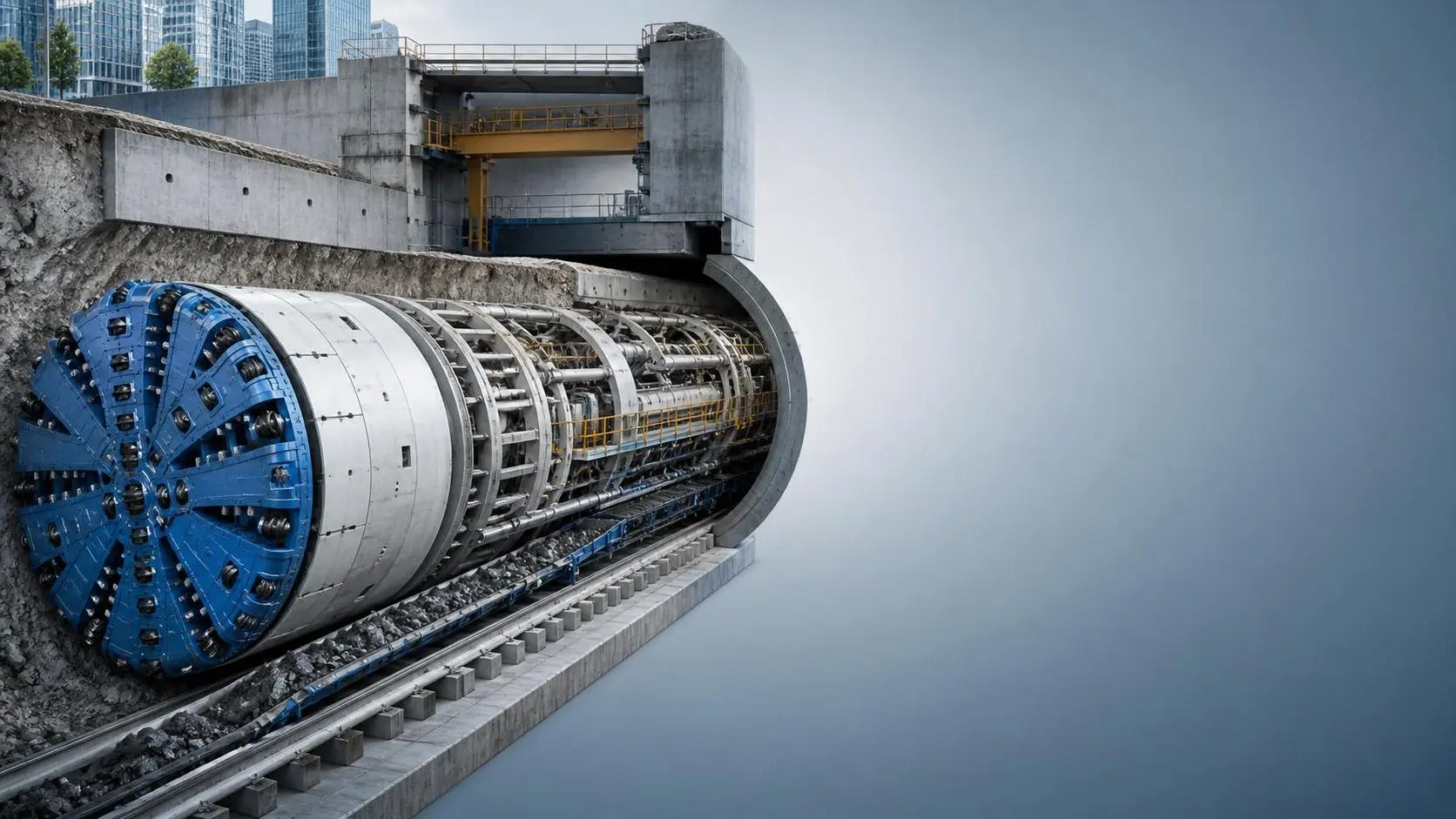
What Drives TBM Excavation Cost in Urban Tunneling Projects?
tbm excavation cost in urban tunneling depends on geology, shafts, segment lining, logistics, and risk. Discover the key cost drivers and compare bids with greater confidence.
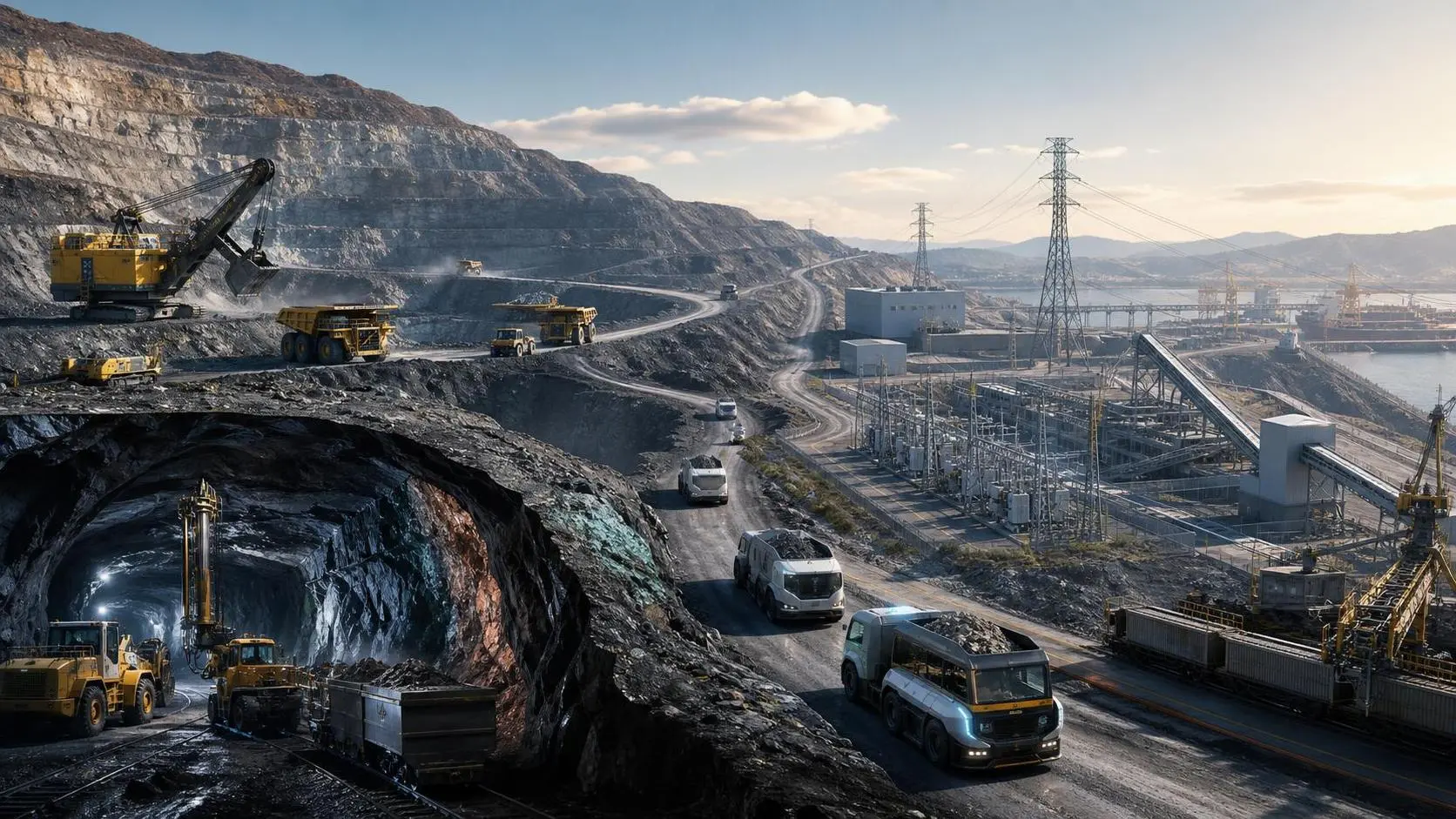
What Does Energy Metals Mining in Australia Mean for Supply, Cost, and Project Risk?
Energy metals mining Australia is reshaping supply, cost, and project risk. Discover what it means for buyers, investors, and operators.
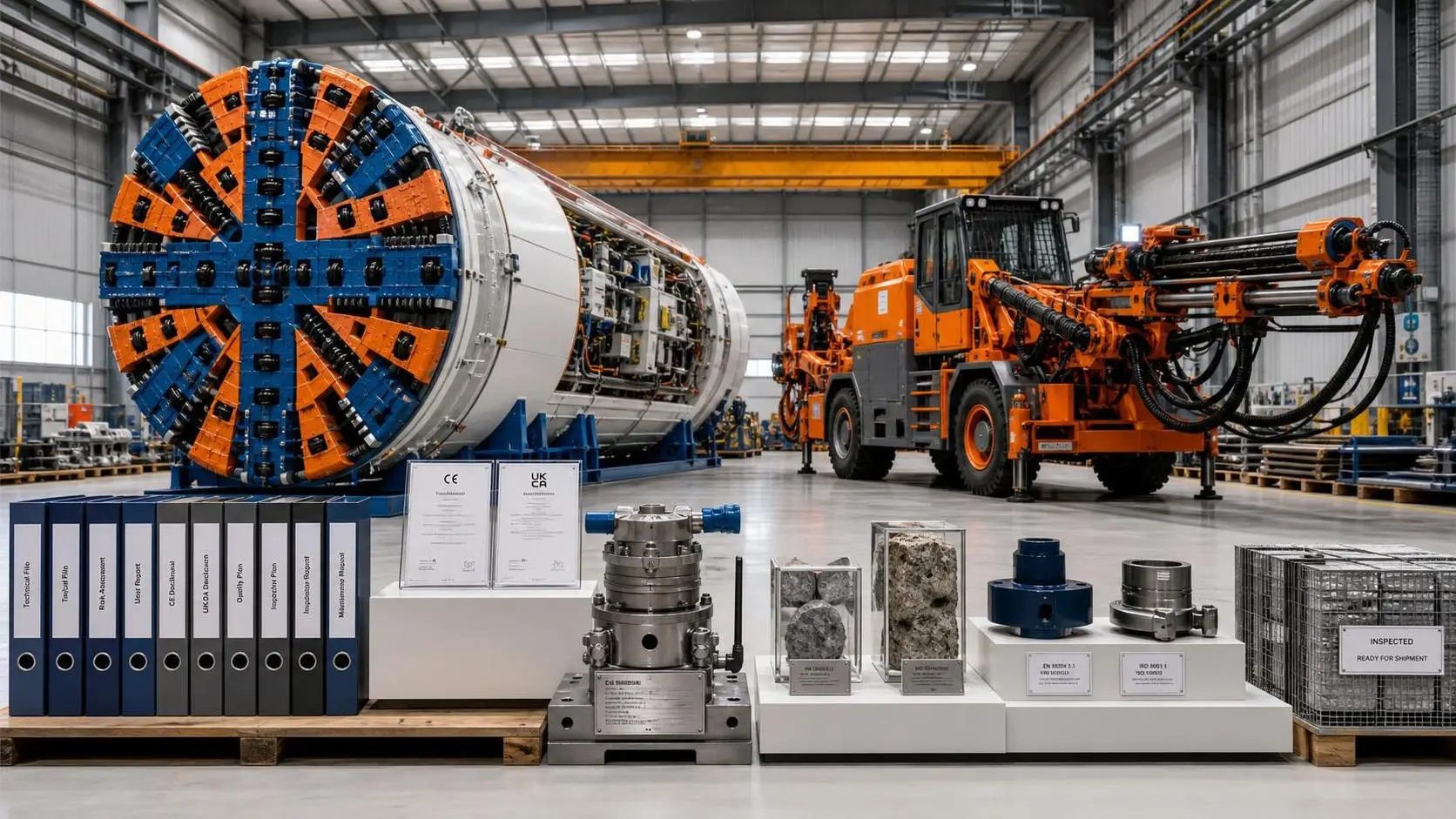
EU Eases Dual CE and UKCA Path for Chinese Tunnel Boring Equipment
EU eases CE and UKCA certification for Chinese tunnel boring equipment, cutting compliance time and helping importers move faster.
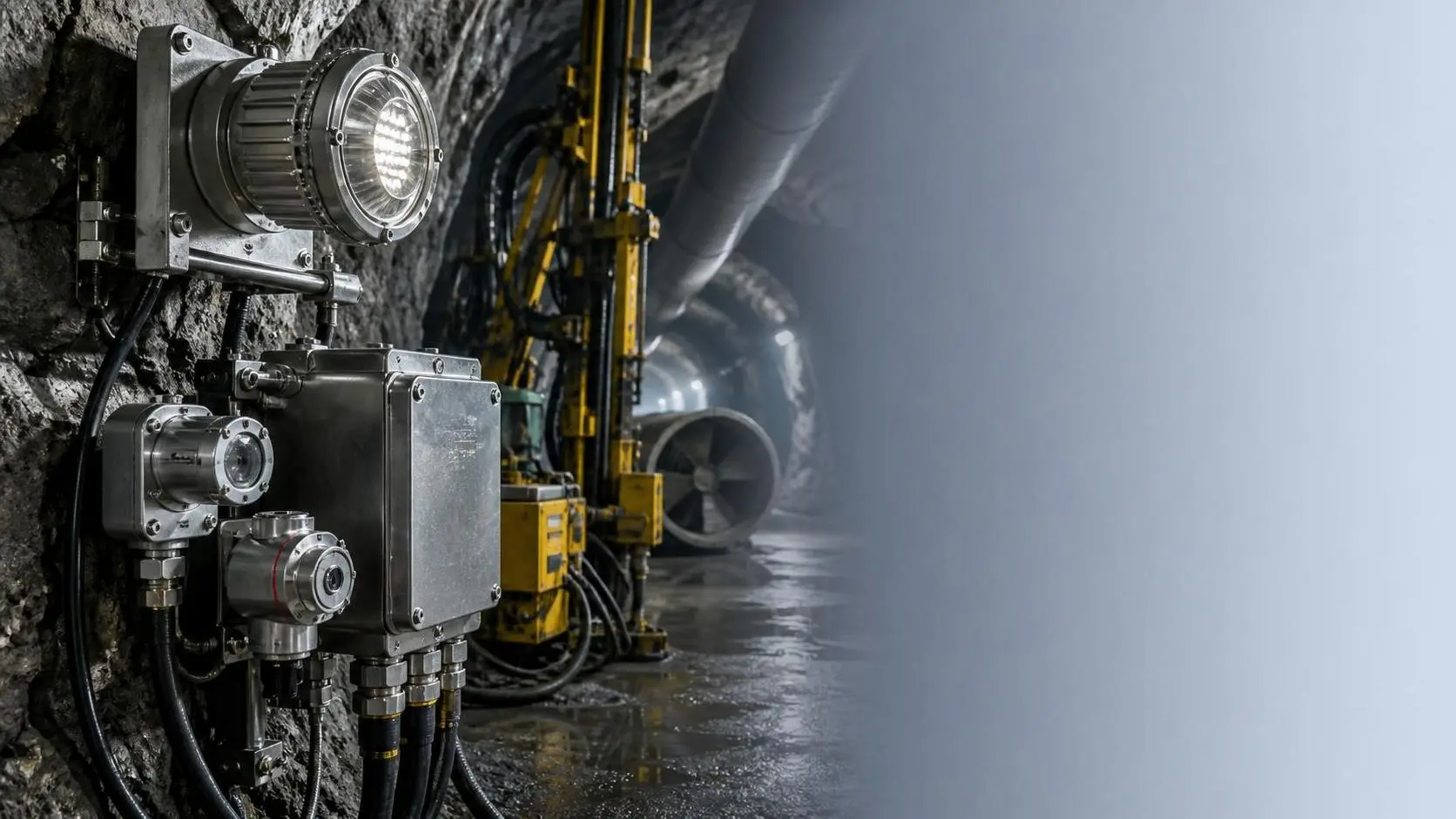
Flameproof Underground Safety Equipment: What Mine Teams Should Check Before Buying
Underground Safety Equipment flameproof buying guide: learn how mine teams should verify certification, durability, serviceability, and supplier support before purchase.
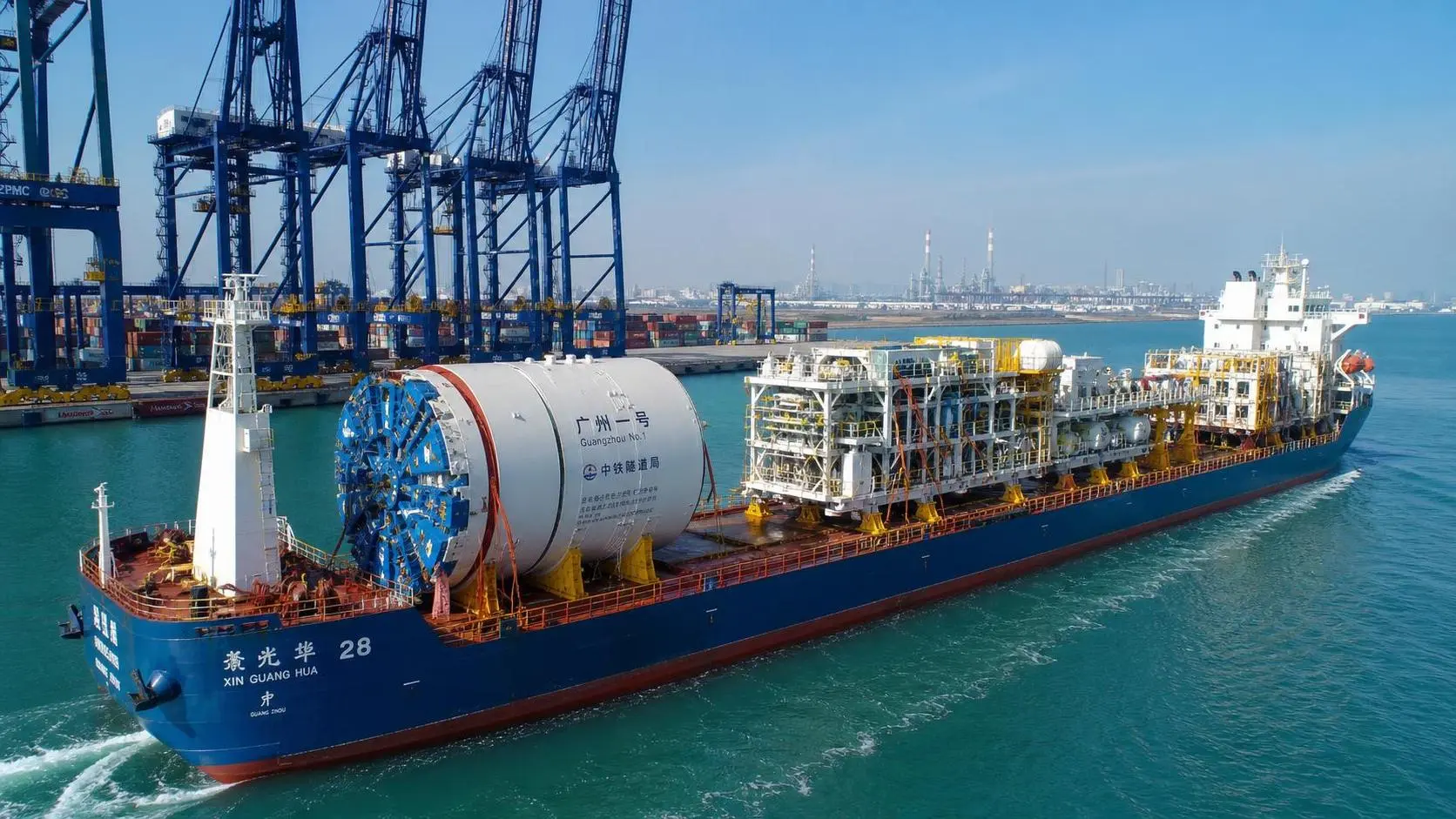
China-UAE Direct Sea Route Cuts TBM and Large Tunneling Equipment Lead Times
China-UAE direct sea route shortens TBM and large tunneling equipment lead times by 12–15 days, improving delivery predictability for major infrastructure projects. Read the full impact.
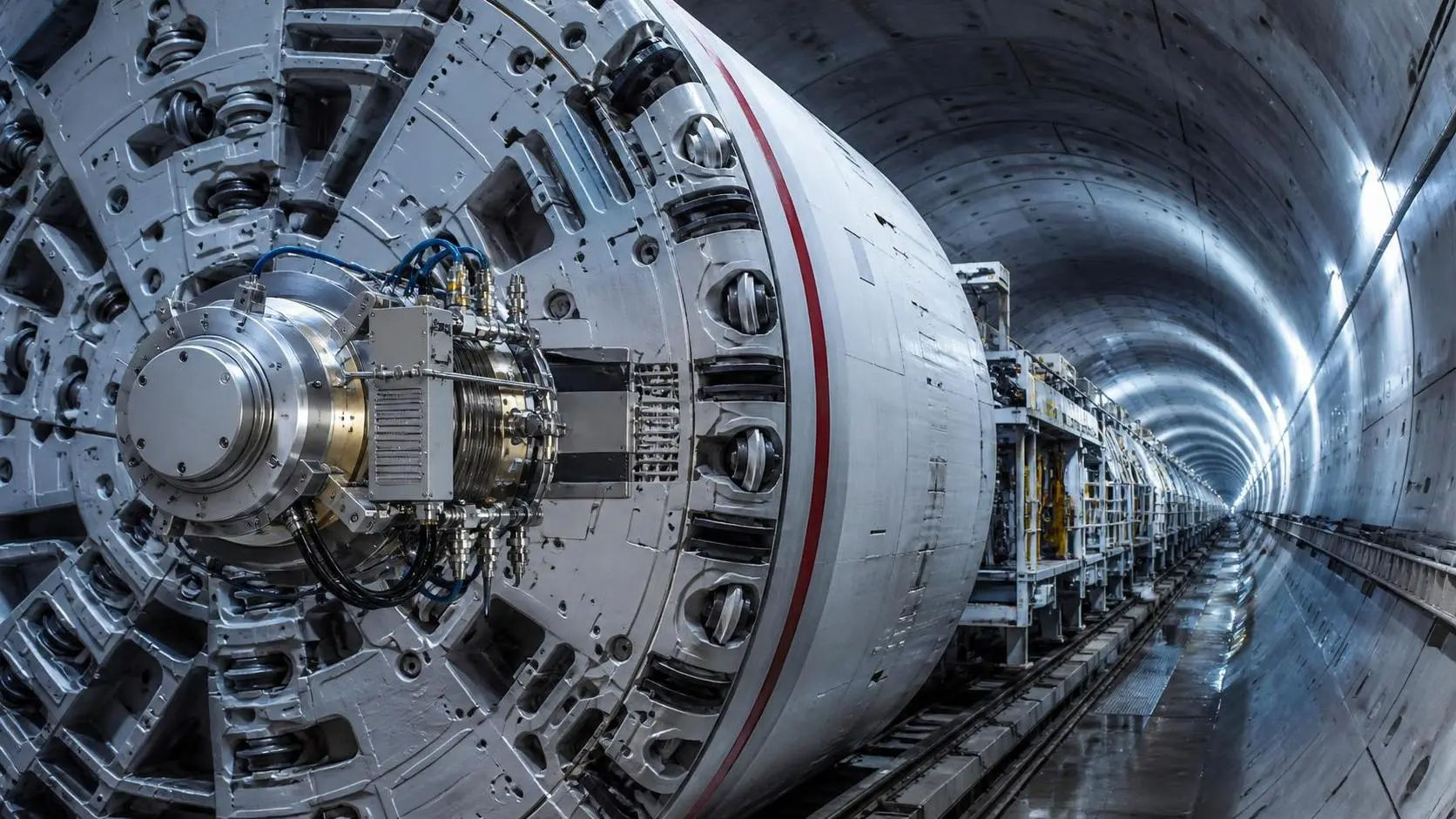
What Is a TBM Guidance System Gyroscope, and Why Does It Matter Underground?
TBM Guidance Systems gyroscope improves underground accuracy, reduces drift, and helps tunnel boring machines stay on line in harsh conditions.

China to Roll Out Nationwide Local and Foreign Currency Cash Pools for Multinationals on Sept. 14
China will roll out nationwide local and foreign currency cash pools for multinationals on Sept. 14, streamlining cross-border treasury management and boosting liquidity efficiency.
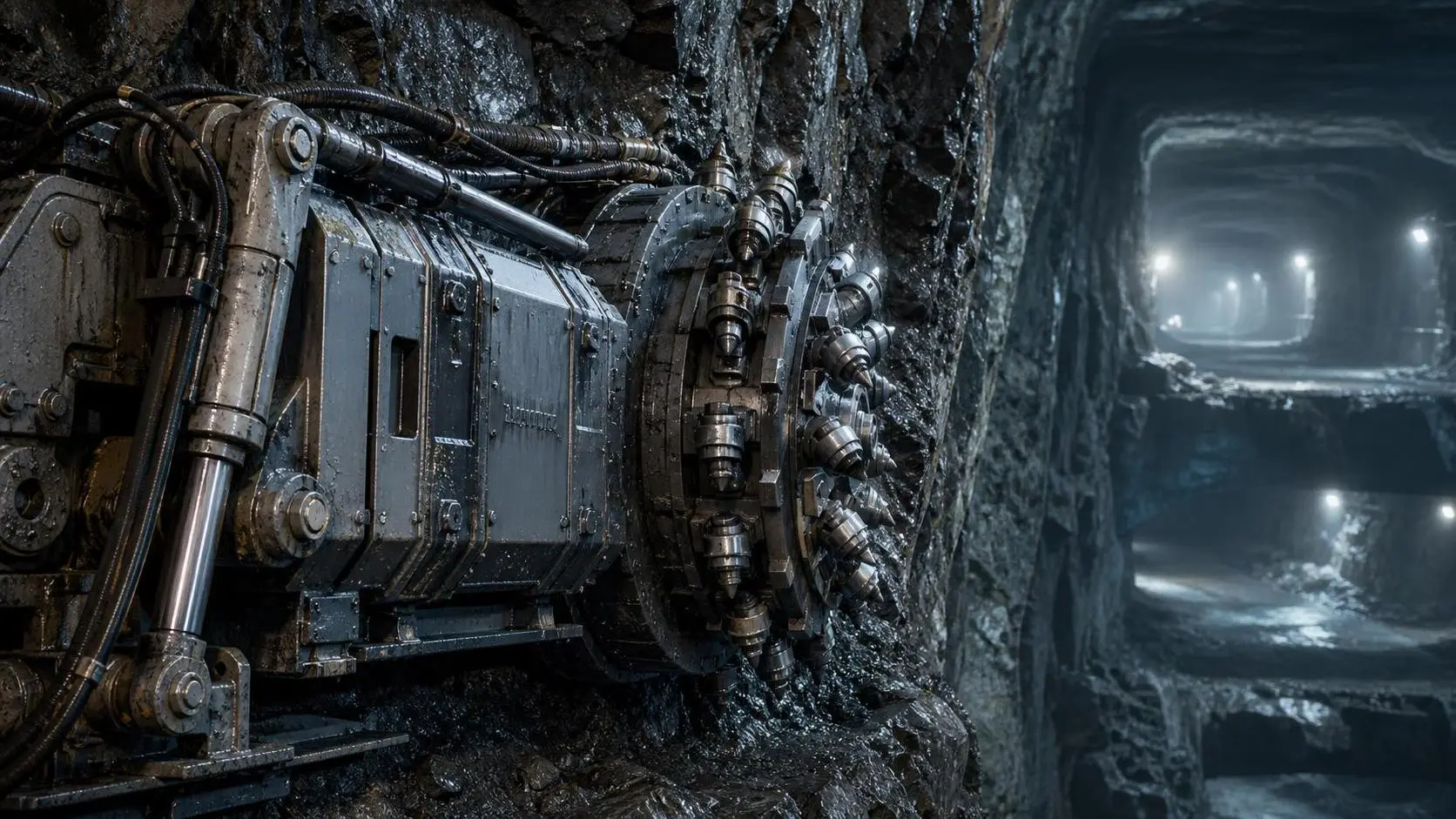
How to Choose a Reliable Underground Mining Equipment Supplier for Harsh Site Conditions
Find a reliable underground mining equipment supplier for harsh site conditions with rugged, maintainable solutions that boost uptime, reduce risk, and support long-term production.
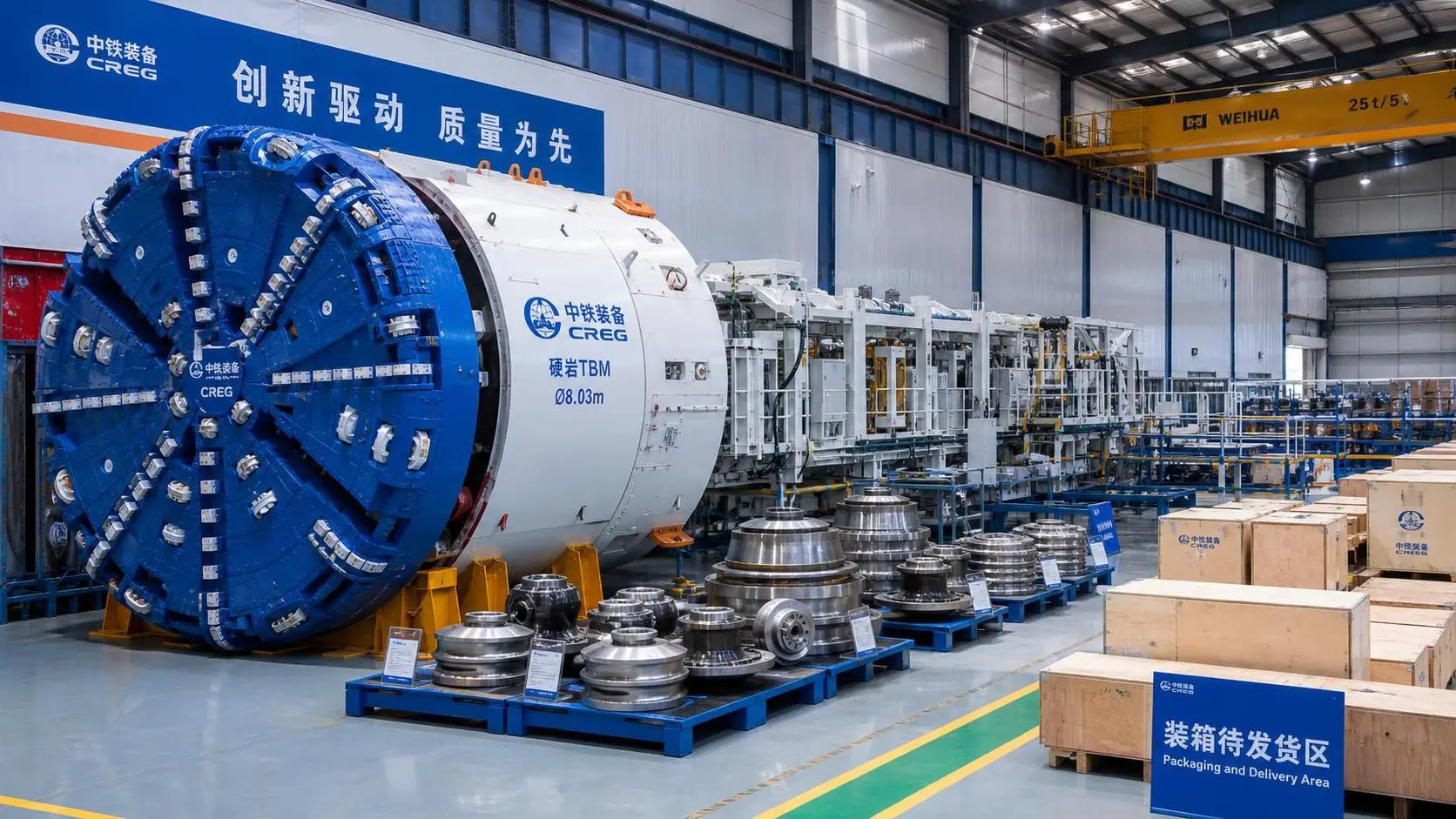
China Customs Tightens TBM Export Checks from Aug. 16
China Customs tightens TBM export checks from Aug. 16, 2026. Learn how new mandatory inspections may affect tunnelling equipment shipments, compliance, and delivery plans.
Related News
- 00
0000-00
What Drives TBM Excavation Cost in Urban Tunneling Projects? - 00
0000-00
What Does Energy Metals Mining in Australia Mean for Supply, Cost, and Project Risk? - 00
0000-00
EU Eases Dual CE and UKCA Path for Chinese Tunnel Boring Equipment - 00
0000-00
Flameproof Underground Safety Equipment: What Mine Teams Should Check Before Buying - 00
0000-00
China-UAE Direct Sea Route Cuts TBM and Large Tunneling Equipment Lead Times
Weekly Insights
Stay ahead with our curated technology reports delivered every Monday.