
Underground Digitalization Is Changing How Mines Run Daily





Underground Digitalization is rapidly reshaping how mines operate every day, from equipment coordination and safety monitoring to energy efficiency and autonomous haulage. For business decision-makers, this shift is no longer a future concept but a strategic pathway to higher productivity, lower emissions, and smarter asset use in demanding underground environments.
Understanding Underground Digitalization in Daily Mining Operations
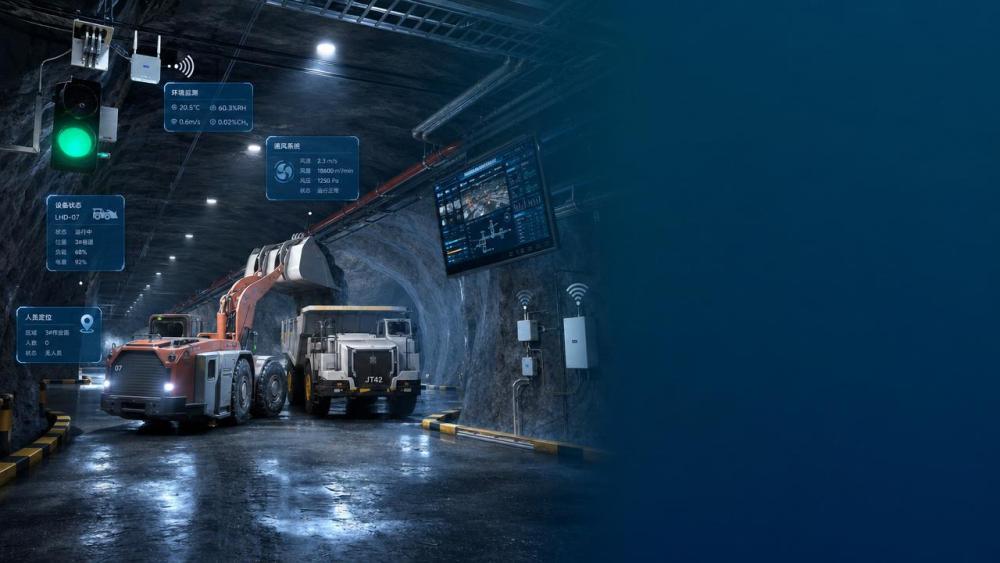
Underground Digitalization refers to the connected use of sensors, software, automation, and communications inside mines and tunnels.
It turns fragmented underground processes into visible, measurable, and manageable operating systems.
In practical terms, Underground Digitalization links drilling, loading, haulage, ventilation, maintenance, and workforce safety into one data-driven workflow.
This approach matters because underground environments are constrained, harsh, and costly to interrupt.
A delayed loader, blocked heading, or ventilation failure can affect the entire production cycle.
Digital systems reduce blind spots by providing live operating status across equipment, routes, energy usage, and geotechnical conditions.
For platforms such as UTMD, Underground Digitalization also connects intelligence across TBMs, pipe jacking systems, drilling jumbos, mining trucks, and underground LHD loaders.
That broader view helps organizations compare technology pathways across tunnelling, trenchless engineering, and mining transport.
Industry Context and Current Signals Shaping Underground Digitalization
Several forces are making Underground Digitalization a central operational theme rather than an optional upgrade.
Energy transition metals are expanding mine development, while ESG pressure is accelerating electrification and emissions control underground.
At the same time, deeper orebodies and complex tunnel networks demand stronger visibility and automation.
Underground Digitalization is therefore tied to both production continuity and risk reduction.
It also supports asset replacement decisions as mines modernize fleets and infrastructure for long-term competitiveness.
Business Value of Underground Digitalization Across the Mining Cycle
The daily value of Underground Digitalization appears first in operating discipline.
When cycle times are measured continuously, dispatch decisions become faster and more accurate.
Idle equipment can be reassigned, bottlenecks identified, and route conflicts avoided before they affect tonnage.
1. Production visibility
Operators gain live insights into drilling progress, loader status, truck location, queue time, and ore movement.
That improves shift handovers and reduces the uncertainty common in isolated underground headings.
2. Safety enhancement
Underground Digitalization supports gas monitoring, geofencing, personnel location, and proximity warning systems.
It creates earlier alerts and helps remove people from high-risk production zones.
3. Energy and emissions control
Ventilation is one of the largest underground operating costs.
Digital controls align airflow with actual machine presence, reducing energy waste.
For battery fleets, Underground Digitalization optimizes charging windows, battery swapping, and regenerative energy recovery analysis.
4. Maintenance performance
Condition monitoring shifts maintenance from reactive repairs to planned intervention.
Vibration, hydraulic pressure, temperature, and brake data help predict failures before downtime spreads.
5. Better capital utilization
Mines often own expensive assets that underperform due to poor coordination.
Underground Digitalization reveals whether constraints come from equipment capacity, infrastructure, or scheduling logic.
Typical Underground Digitalization Scenarios by Equipment and System
The most effective digital strategies match the operating context of each machine class and underground process.
- TBMs: cutter wear tracking, advance rate analysis, segment logistics, and machine health diagnostics.
- Pipe jacking machines: line and grade control, jacking force monitoring, and slurry system visibility.
- Drilling jumbos: automated drilling plans, hole accuracy verification, and digital blast documentation.
- Mining dump trucks: route optimization, battery or fuel performance analytics, and autonomous dispatch coordination.
- Underground LHD loaders: remote operation, SLAM-based navigation, payload tracking, and battery-swapping orchestration.
These scenarios show that Underground Digitalization is not one software layer added at the end.
It is an operating architecture that links mechanical systems, power systems, communications, and decision workflows.
Practical Considerations for Implementing Underground Digitalization
Successful Underground Digitalization depends on design discipline, not only technology ambition.
Many underground projects fail when data sources are disconnected or when communications coverage is incomplete.
- Start with high-value use cases such as fleet coordination, ventilation control, or predictive maintenance.
- Map existing equipment interfaces before selecting software or autonomous functions.
- Build communications reliability across ramps, production levels, refuge areas, and workshops.
- Standardize data definitions for cycles, delays, alarms, and asset condition.
- Align electrification plans with digital monitoring from the beginning.
- Measure return using downtime, energy use, utilization, and safety indicators.
Another key issue is interoperability.
Underground fleets often combine equipment generations, suppliers, and control systems.
A practical roadmap should therefore prioritize integration layers that protect future flexibility.
Cybersecurity also matters because connected mines rely increasingly on remote access, cloud analytics, and centralized control rooms.
Strategic Next Steps for a Stronger Underground Digitalization Roadmap
Underground Digitalization is changing how mines run daily because it turns uncertainty into coordinated action.
It supports safer operations, better energy performance, improved equipment reliability, and stronger visibility across the mining cycle.
For organizations tracking tunnel boring, trenchless engineering, and smart mining transport, the strongest opportunity lies in linking asset intelligence with operating reality.
A practical next step is to assess where digital visibility is weakest today.
That may be loader dispatch, ventilation demand, cutter wear, battery management, or production reporting latency.
From there, build a phased plan that combines equipment data, underground connectivity, and measurable operational targets.
With disciplined implementation, Underground Digitalization becomes more than a technology trend.
It becomes the operating foundation for more resilient, efficient, and future-ready underground projects.
Related News
How to Evaluate Articulated Dump Trucks Payload for Haul Road Conditions and Cycle Efficiency
Articulated Dump Trucks payload evaluation starts with real haul road conditions, not brochure numbers. Learn how to balance payload, traction, grades, and cycle efficiency for safer, higher output.
What Drives TBM Excavation Cost in Urban Tunneling Projects?
tbm excavation cost in urban tunneling depends on geology, shafts, segment lining, logistics, and risk. Discover the key cost drivers and compare bids with greater confidence.
What Does Energy Metals Mining in Australia Mean for Supply, Cost, and Project Risk?
Energy metals mining Australia is reshaping supply, cost, and project risk. Discover what it means for buyers, investors, and operators.
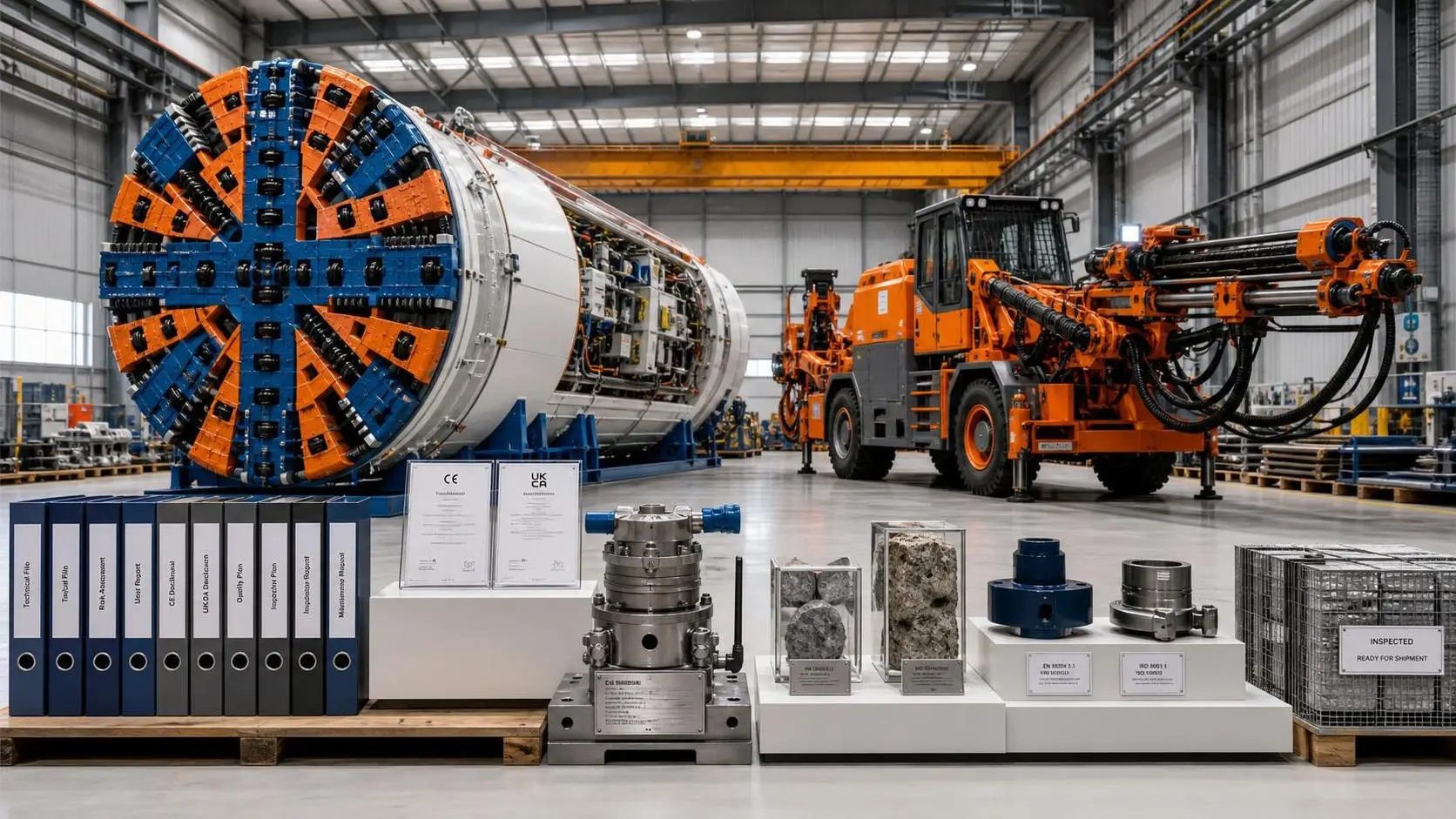
EU Eases Dual CE and UKCA Path for Chinese Tunnel Boring Equipment
EU eases CE and UKCA certification for Chinese tunnel boring equipment, cutting compliance time and helping importers move faster.
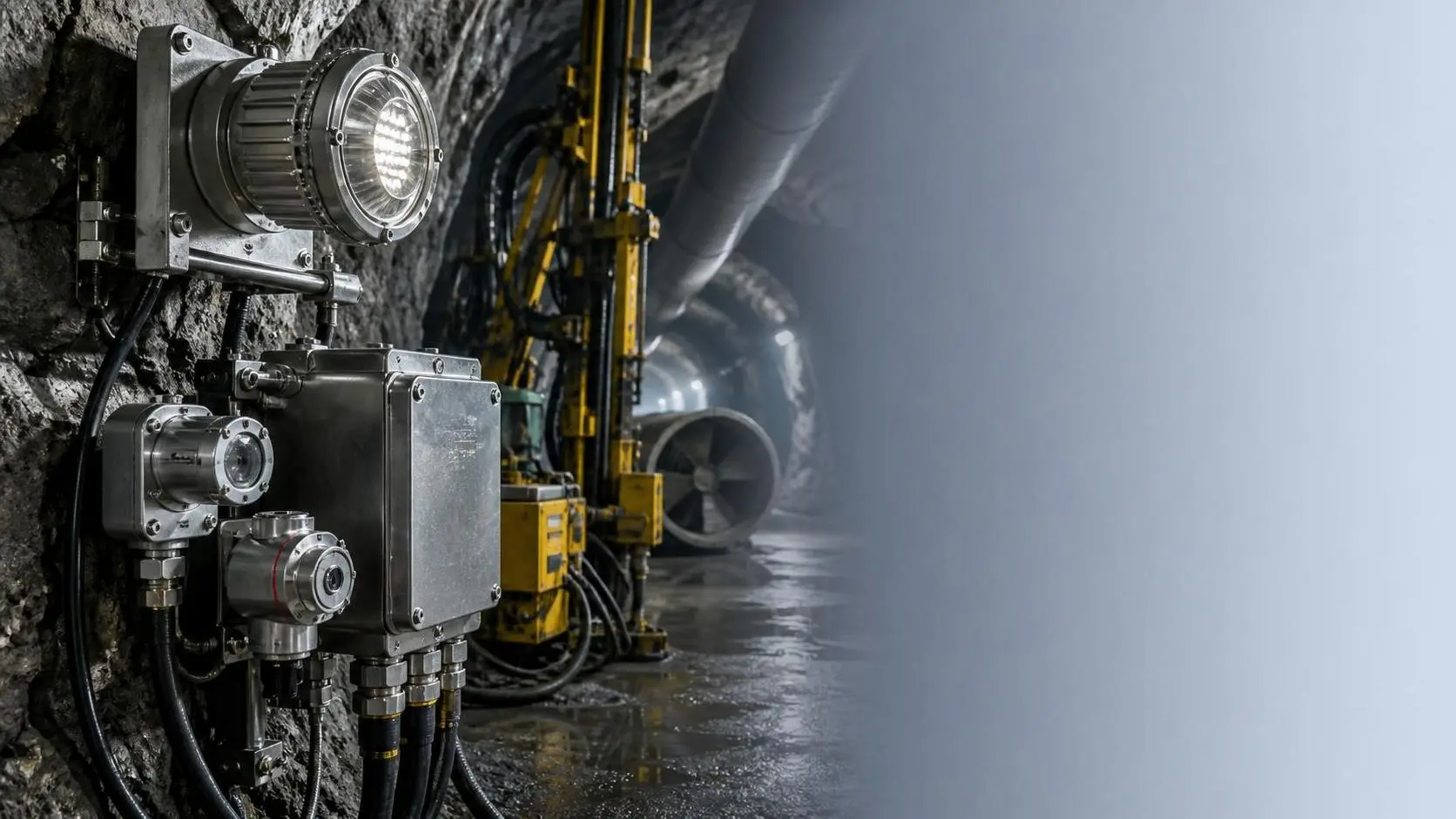
Flameproof Underground Safety Equipment: What Mine Teams Should Check Before Buying
Underground Safety Equipment flameproof buying guide: learn how mine teams should verify certification, durability, serviceability, and supplier support before purchase.
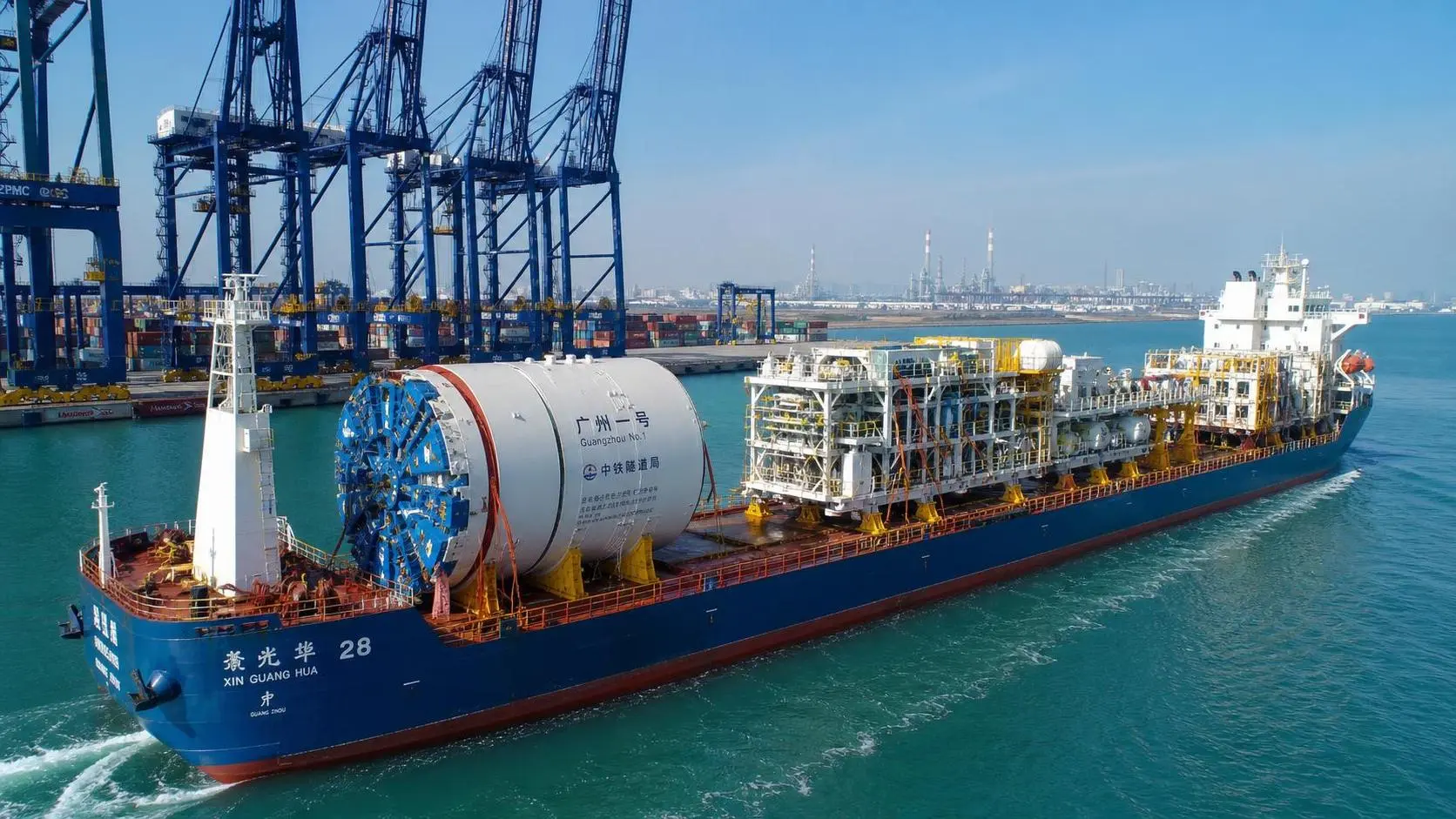
China-UAE Direct Sea Route Cuts TBM and Large Tunneling Equipment Lead Times
China-UAE direct sea route shortens TBM and large tunneling equipment lead times by 12–15 days, improving delivery predictability for major infrastructure projects. Read the full impact.
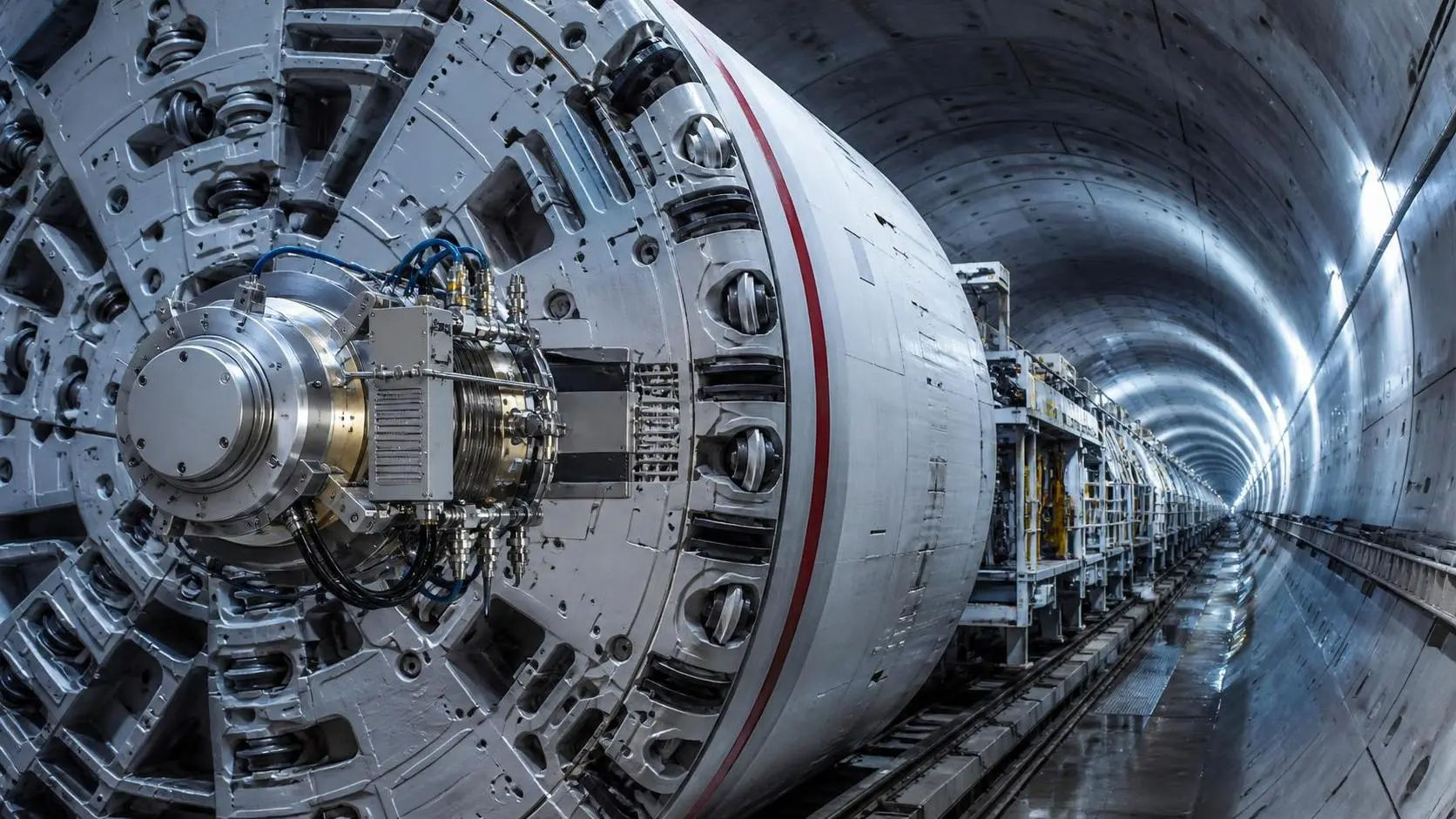
What Is a TBM Guidance System Gyroscope, and Why Does It Matter Underground?
TBM Guidance Systems gyroscope improves underground accuracy, reduces drift, and helps tunnel boring machines stay on line in harsh conditions.

China to Roll Out Nationwide Local and Foreign Currency Cash Pools for Multinationals on Sept. 14
China will roll out nationwide local and foreign currency cash pools for multinationals on Sept. 14, streamlining cross-border treasury management and boosting liquidity efficiency.
How to Choose a Reliable Underground Mining Equipment Supplier for Harsh Site Conditions
Find a reliable underground mining equipment supplier for harsh site conditions with rugged, maintainable solutions that boost uptime, reduce risk, and support long-term production.
Related News
- 00
0000-00
How to Evaluate Articulated Dump Trucks Payload for Haul Road Conditions and Cycle Efficiency - 00
0000-00
What Drives TBM Excavation Cost in Urban Tunneling Projects? - 00
0000-00
What Does Energy Metals Mining in Australia Mean for Supply, Cost, and Project Risk? - 00
0000-00
EU Eases Dual CE and UKCA Path for Chinese Tunnel Boring Equipment - 00
0000-00
Flameproof Underground Safety Equipment: What Mine Teams Should Check Before Buying
Weekly Insights
Stay ahead with our curated technology reports delivered every Monday.