
What Tunnel Ventilation Mistakes Create Hidden Safety Risks





Tunnel Ventilation failures rarely begin with a single obvious breakdown. They usually develop through unnoticed design gaps, weak airflow verification, poor duct positioning, and inconsistent gas control.
In tunnelling and mining, these mistakes can quietly reduce air quality, visibility, and emergency response capacity. They also increase heat stress, dust exposure, diesel fume buildup, and fire escalation potential.
For underground projects tracked by UTMD, strong Tunnel Ventilation is not only a compliance issue. It directly shapes equipment uptime, worker protection, excavation efficiency, and the safe transition toward electrified operations.
What makes Tunnel Ventilation mistakes so dangerous underground?
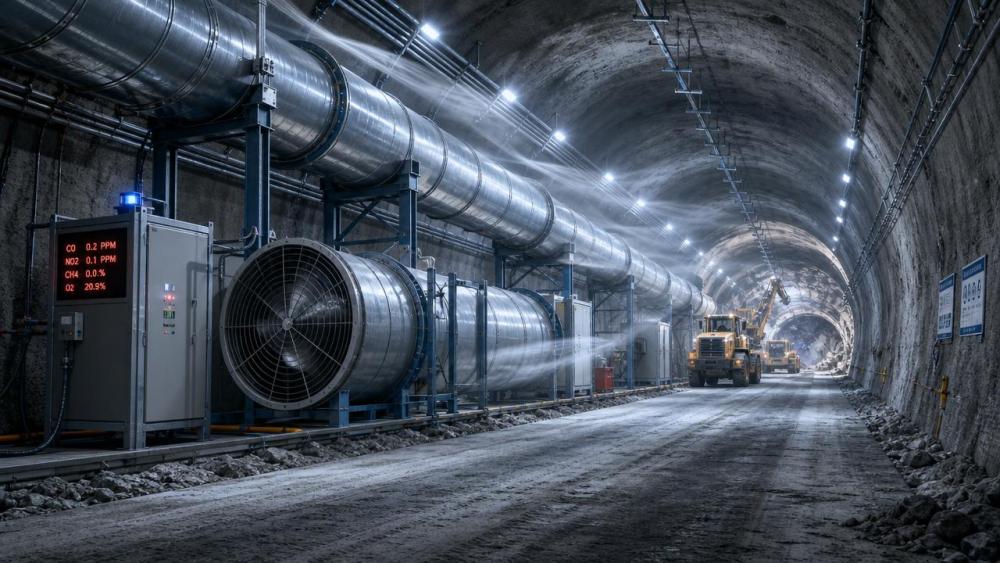
Tunnel Ventilation controls contaminants in a space with limited natural dilution. Once airflow weakens, pollutants can spread faster than teams expect.
A hidden risk appears when acceptable airflow volume is assumed to equal safe distribution. Total volume may look adequate while dead zones remain near headings, refuge areas, or equipment bays.
This matters in drill-and-blast tunnels, TBM drives, shaft development, and underground mining drifts. Different activities release different contaminants, but all depend on predictable air movement.
Common hazard sources include:
- Diesel particulate matter from loaders, trucks, and support vehicles
- Silica and rock dust during drilling, scaling, and muck handling
- Blast gases such as CO, NOx, and residual fumes after firing
- Heat, humidity, and smoke during equipment faults or fire events
Poor Tunnel Ventilation therefore creates compound risks. Exposure rises first, then visibility drops, communication weakens, and evacuation becomes harder under stress.
Which design assumptions most often create hidden Tunnel Ventilation risk?
The first mistake is designing for average conditions instead of peak demand. Underground work rarely stays average for long.
A tunnel heading may suddenly combine drilling, scaling, charging, shotcreting, and hauling. If Tunnel Ventilation was sized for only one activity, exposure margins disappear quickly.
Another frequent error is underestimating resistance losses. Long ducts, bends, leakage points, damaged joints, and dirty fans reduce delivered airflow more than paper calculations suggest.
Projects also overlook future extension. A system that performs well at 600 meters may fail at 1,200 meters if fan pressure and duct integrity were not planned for advancing faces.
Typical design oversights include:
- Ignoring simultaneous equipment loads
- Using outdated emissions assumptions
- Treating duct leakage as minor
- Placing intake and return paths too close together
- Failing to model emergency smoke behavior
In mixed fleets, another hidden issue appears during electrification. Battery equipment reduces exhaust, but it does not remove heat, dust, blast fumes, or fire planning needs.
Good Tunnel Ventilation design must therefore match actual production cycles, development sequence, and emergency scenarios rather than idealized drawings.
How does poor equipment and duct placement undermine Tunnel Ventilation performance?
Even a well-sized system can fail because of bad placement. This is one of the most common hidden safety problems underground.
If auxiliary ducts stop too far from the face, fresh air may never reach the actual working zone. Contaminants then recirculate around crews and machines.
Large equipment can also block flow. A jumbo, LHD, service bay, or temporary bulkhead may create stagnant pockets where gases collect behind the main stream.
Fan location matters too. Fans placed near dusty intakes, blast areas, or congested crosscuts often suffer reduced performance and faster maintenance problems.
Watch for these placement errors:
- Duct ends positioned too high or too far from workers
- Collapsed or torn duct sections after blasting or vehicle contact
- Exhaust discharge short-circuiting back into intake air
- Temporary structures narrowing cross-sectional airflow paths
Tunnel Ventilation should always be checked against the physical reality of the heading. Conditions change daily, so layout reviews must change with them.
Why do weak monitoring routines allow Tunnel Ventilation hazards to stay hidden?
Many sites monitor airflow and gases, yet still miss dangerous trends. The problem is not always missing devices. It is often poor monitoring discipline.
Spot checks can show acceptable values while short spikes go undetected. After blasting, during shift changes, or during heavy hauling, conditions may worsen for brief but critical periods.
Another weakness is measuring only one point. Tunnel Ventilation performance should be confirmed at the face, along travel routes, near returns, and around equipment choke points.
Gas monitoring also loses value when calibration slips or alarm responses are inconsistent. A sensor that works on paper but not in practice creates false confidence.
Monitoring gaps often include:
- No trending of airflow loss over time
- Limited checks after duct extension or blast events
- Poor correlation between production data and air demand
- Alarm fatigue reducing response quality
A stronger approach combines fixed sensors, handheld verification, ventilation surveys, and routine trigger points for corrective action.
How can teams judge whether Tunnel Ventilation controls are truly adequate?
Adequate Tunnel Ventilation is more than meeting a nominal airflow target. The system must perform under changing production, changing geometry, and changing hazard loads.
A practical evaluation starts with three questions. Is fresh air reaching the working zone? Are contaminants being diluted and removed quickly? Can the system recover after disturbance?
The table below helps compare warning signs with likely causes and recommended actions.
In advanced projects, digital ventilation reviews can strengthen this process. Linking sensor trends, equipment dispatch, and heading progress reveals hidden mismatch before incidents occur.
What low-cost actions reduce Tunnel Ventilation risk before major upgrades?
Not every improvement requires a full redesign. Many hidden Tunnel Ventilation risks can be reduced through disciplined operating controls.
Start with inspection quality. Small tears, loose couplings, blocked intakes, and poor fan housekeeping can quietly weaken system performance every shift.
Next, connect ventilation checks with production planning. When blasting schedules, heading extensions, or equipment changes occur, airflow verification should happen immediately, not weeks later.
Useful first-step actions include:
- Create a short checklist for every duct extension
- Trend airflow, gas, and dust readings by location
- Review fan and duct placement after major equipment moves
- Set trigger limits below formal alarm thresholds
- Test emergency smoke assumptions during drills
Where operations are adopting battery fleets, Tunnel Ventilation reviews should also be updated. Lower exhaust does not justify reduced attention to heat, dust, fire load, or escape route integrity.
What are the most searched Tunnel Ventilation questions and direct answers?
The following FAQ summary addresses practical concerns that often appear during underground project reviews.
Tunnel Ventilation mistakes become dangerous when they remain invisible behind routine production. That is why verification must be continuous, practical, and tied to changing underground conditions.
For operations following UTMD intelligence across TBM drives, trenchless works, and smart mining systems, ventilation performance should be reviewed as a live operating system, not a fixed design document.
The next step is simple. Audit one active heading, compare design intent with field airflow reality, and identify where hidden Tunnel Ventilation gaps can be closed before they grow into safety events.
Related News
What Drives TBM Excavation Cost in Urban Tunneling Projects?
tbm excavation cost in urban tunneling depends on geology, shafts, segment lining, logistics, and risk. Discover the key cost drivers and compare bids with greater confidence.
What Does Energy Metals Mining in Australia Mean for Supply, Cost, and Project Risk?
Energy metals mining Australia is reshaping supply, cost, and project risk. Discover what it means for buyers, investors, and operators.
EU Eases Dual CE and UKCA Path for Chinese Tunnel Boring Equipment
EU eases CE and UKCA certification for Chinese tunnel boring equipment, cutting compliance time and helping importers move faster.
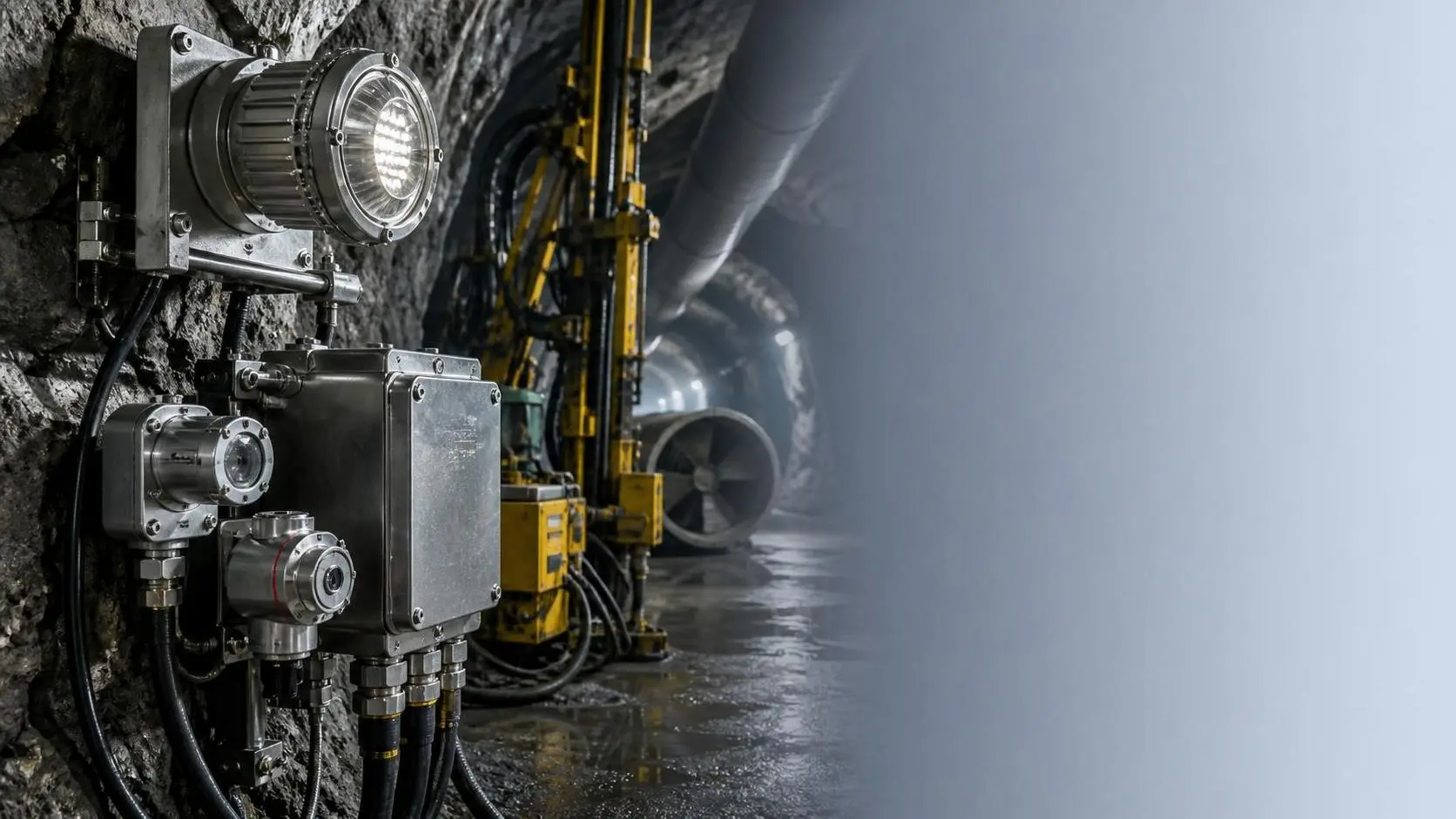
Flameproof Underground Safety Equipment: What Mine Teams Should Check Before Buying
Underground Safety Equipment flameproof buying guide: learn how mine teams should verify certification, durability, serviceability, and supplier support before purchase.
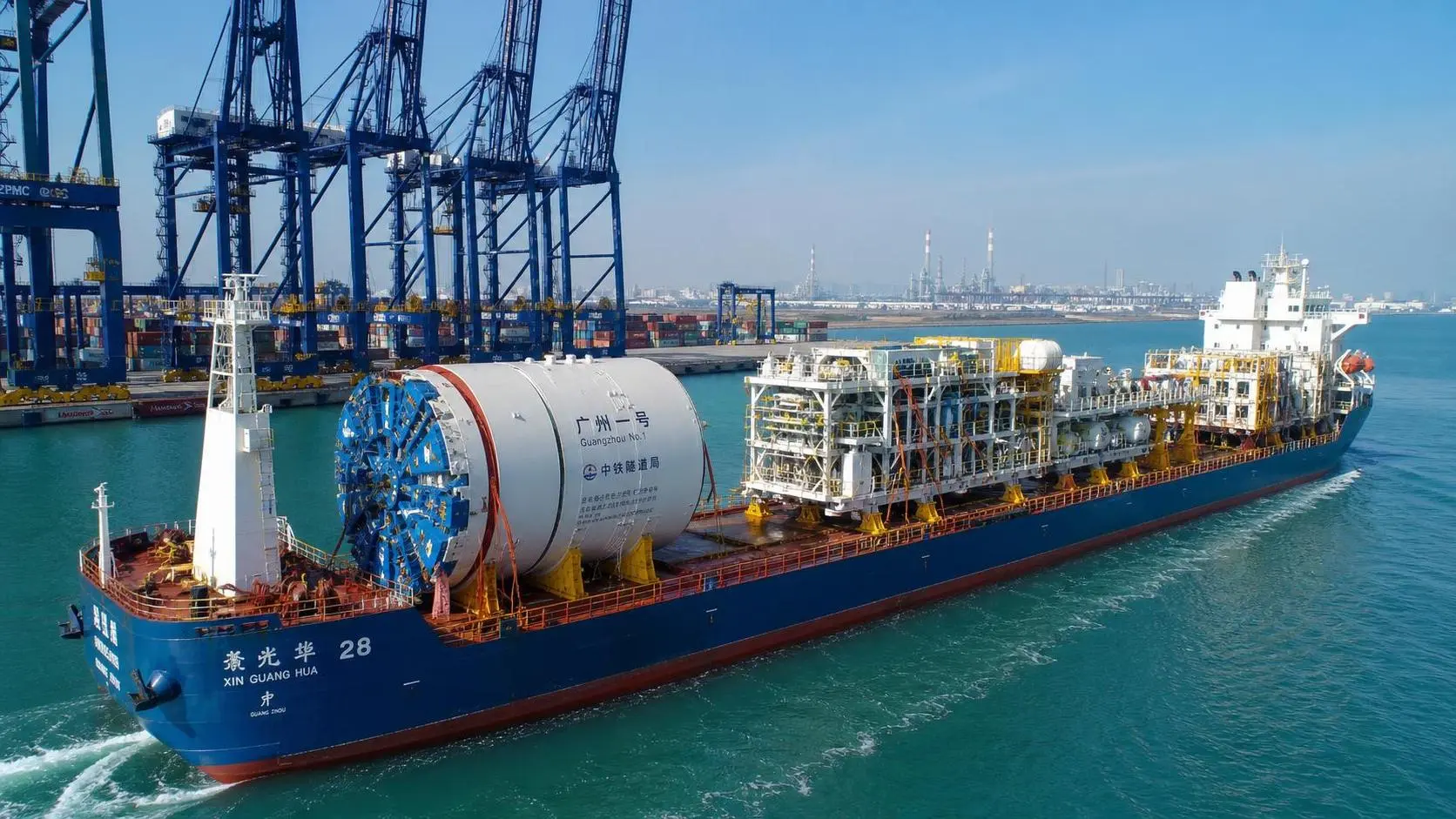
China-UAE Direct Sea Route Cuts TBM and Large Tunneling Equipment Lead Times
China-UAE direct sea route shortens TBM and large tunneling equipment lead times by 12–15 days, improving delivery predictability for major infrastructure projects. Read the full impact.
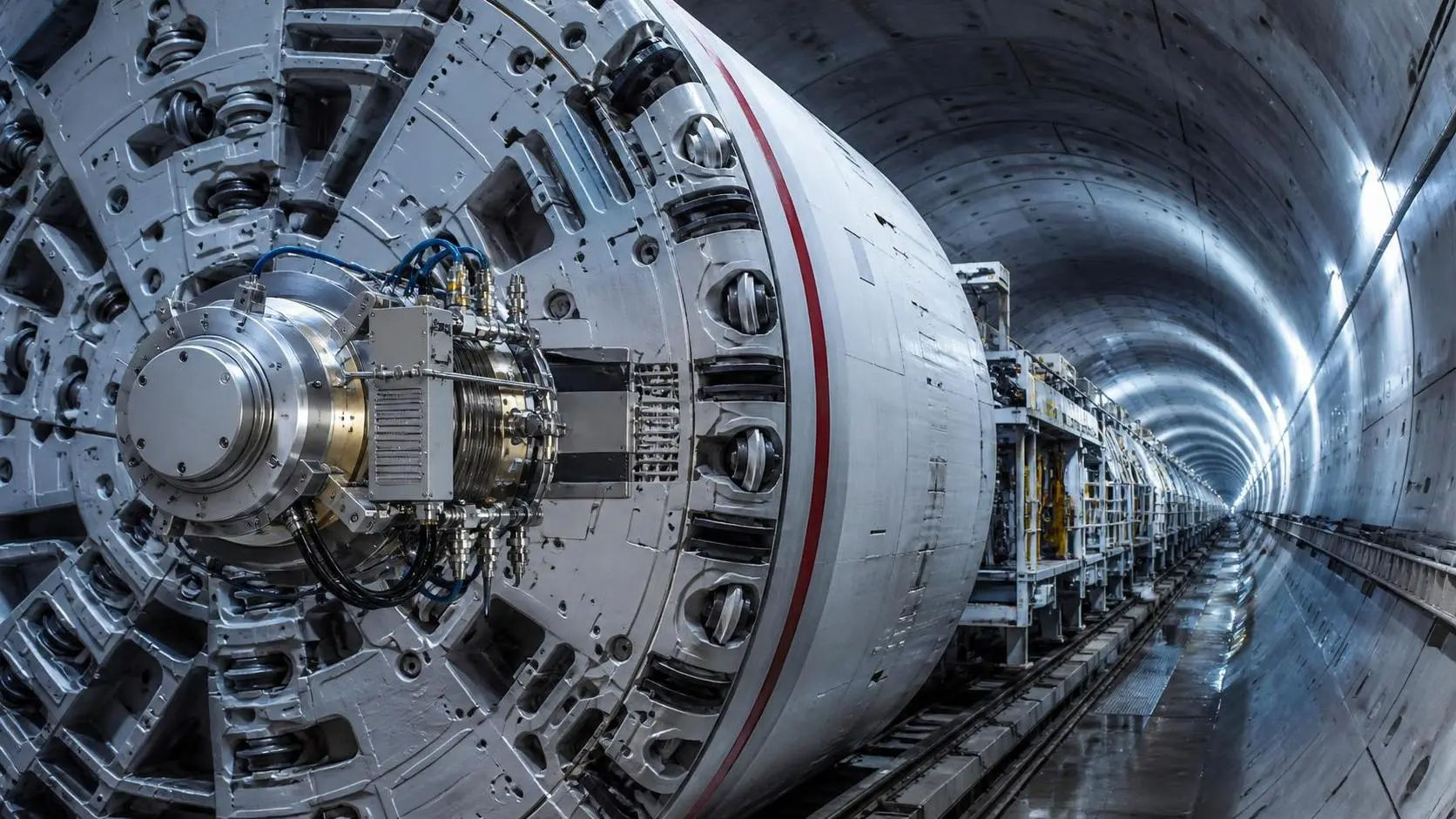
What Is a TBM Guidance System Gyroscope, and Why Does It Matter Underground?
TBM Guidance Systems gyroscope improves underground accuracy, reduces drift, and helps tunnel boring machines stay on line in harsh conditions.

China to Roll Out Nationwide Local and Foreign Currency Cash Pools for Multinationals on Sept. 14
China will roll out nationwide local and foreign currency cash pools for multinationals on Sept. 14, streamlining cross-border treasury management and boosting liquidity efficiency.
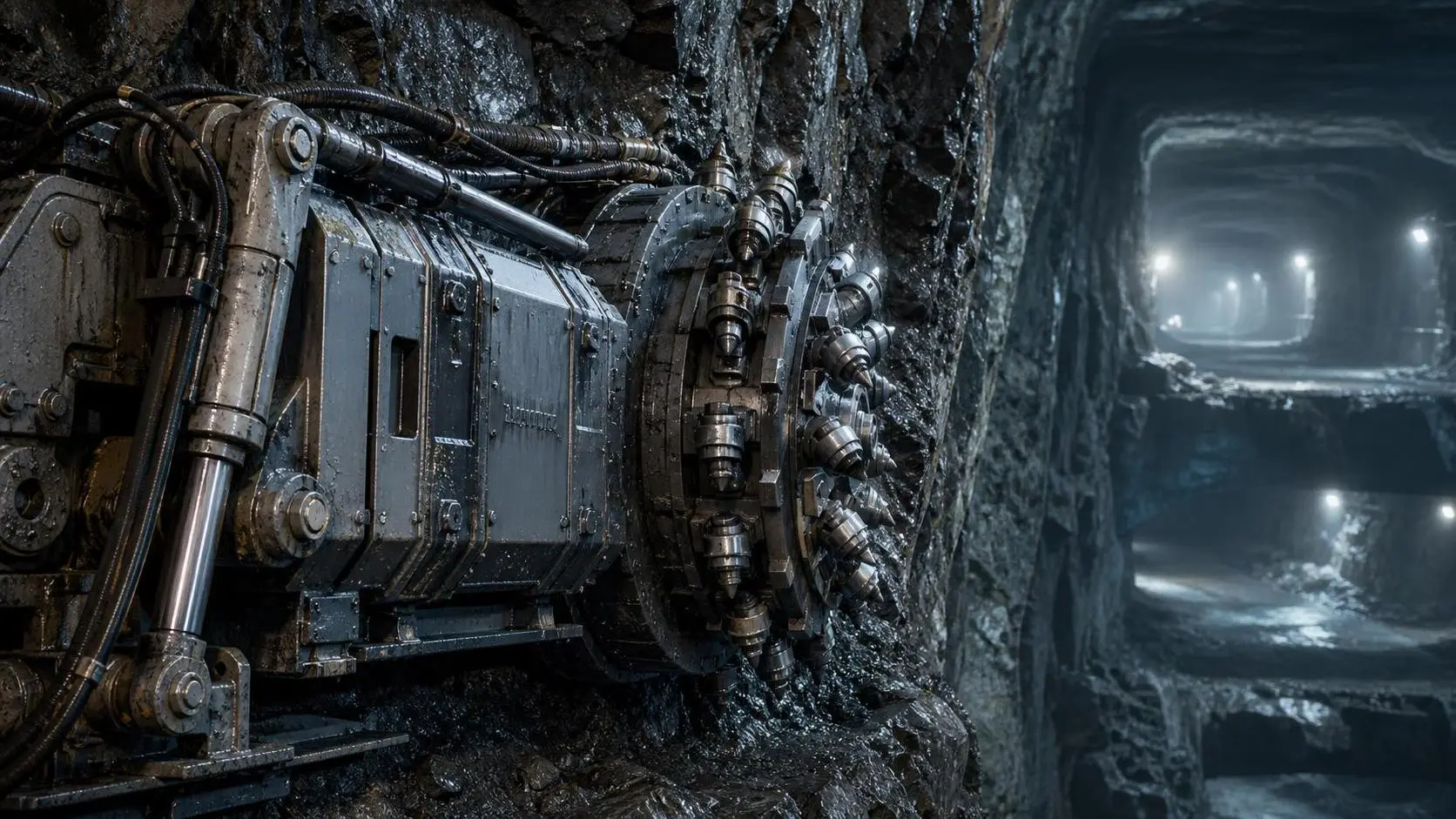
How to Choose a Reliable Underground Mining Equipment Supplier for Harsh Site Conditions
Find a reliable underground mining equipment supplier for harsh site conditions with rugged, maintainable solutions that boost uptime, reduce risk, and support long-term production.
China Customs Tightens TBM Export Checks from Aug. 16
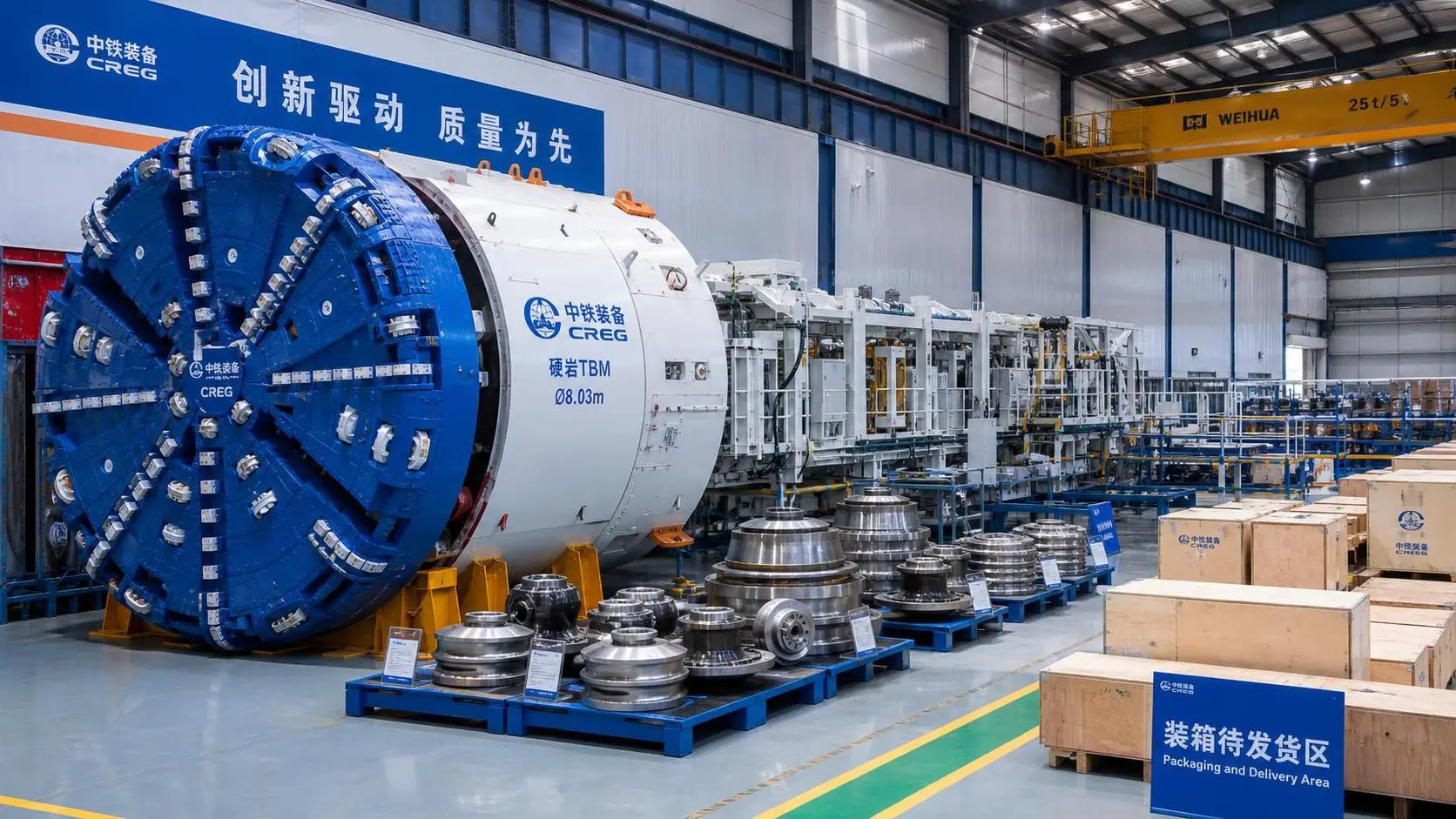
China Customs tightens TBM export checks from Aug. 16, 2026. Learn how new mandatory inspections may affect tunnelling equipment shipments, compliance, and delivery plans.
Related News
- 00
0000-00
What Drives TBM Excavation Cost in Urban Tunneling Projects? - 00
0000-00
What Does Energy Metals Mining in Australia Mean for Supply, Cost, and Project Risk? - 00
0000-00
EU Eases Dual CE and UKCA Path for Chinese Tunnel Boring Equipment - 00
0000-00
Flameproof Underground Safety Equipment: What Mine Teams Should Check Before Buying - 00
0000-00
China-UAE Direct Sea Route Cuts TBM and Large Tunneling Equipment Lead Times
Weekly Insights
Stay ahead with our curated technology reports delivered every Monday.