
Rock Cutting Mechanics Explains Why Tool Wear Jumps Fast





Rock Cutting Mechanics is the practical reason tool wear does not always rise gradually. In hard-rock tunnelling and mining, wear can stay manageable for hours or days, then suddenly accelerate.
For operators, that jump usually means one thing: the machine has crossed a mechanical threshold. Cutter loads, rock structure, heat, vibration, and broken chip formation stop working in a stable way.
The core search intent behind this topic is clear. Users want to know why wear increases so fast, how to recognize the warning signs early, and what actions reduce downtime.
Operators care less about theory for its own sake. They want field-level answers: what changes in the rock, what changes in machine behavior, what signals matter, and what should be adjusted first.
This article focuses on those practical questions. It explains the wear jump through Rock Cutting Mechanics, then connects the theory to TBMs, drilling jumbos, and other underground production equipment.
Why tool wear sometimes jumps instead of rising slowly
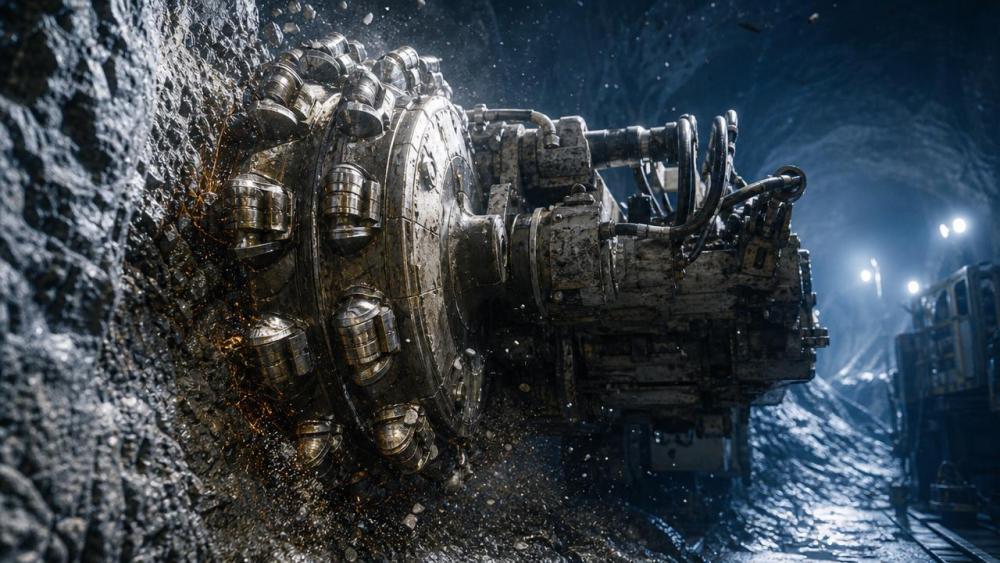
In stable cutting, the tool engages rock at predictable force levels. The cutter edge or disc transfers energy into crack growth, chip separation, and controlled surface breakage.
As long as that process remains efficient, wear tends to be progressive. The tool loses material gradually, temperatures remain within range, and the contact zone does not deteriorate too fast.
The sudden jump begins when rock breaking becomes less efficient. Instead of creating clean fractures, the tool starts rubbing more, sliding more, and concentrating stress into smaller contact areas.
At that point, energy that should break rock becomes heat, vibration, and micro-damage to the tool. Once this shift begins, wear can move from acceptable to severe very quickly.
This is why Rock Cutting Mechanics matters so much. It shows that fast wear is rarely random. It is usually the result of a change in force distribution, fracture behavior, or contact conditions.
What changes in the rock can trigger rapid wear growth
Operators often assume harder rock alone causes the problem. Hardness matters, but it is only one factor. Many rapid wear events come from a combination of hardness, abrasivity, and discontinuities.
Quartz-rich formations are a common example. Even when penetration remains possible, high quartz content increases abrasive interaction at the tool-rock interface and removes cutter material much faster.
Mixed ground is another major trigger. When the tool passes repeatedly between soft and hard bands, impact loading becomes less stable and edge damage can accelerate.
Fractured rock can also be deceptive. In some cases it lowers cutting resistance, but in others it creates unstable loading, tool bouncing, and uneven contact that promotes chipping and localized overheating.
Water, fines, and clay can further complicate behavior. They may change friction, flushing efficiency, and debris removal, causing recutting of broken material and extra rubbing at the contact zone.
So the real question is not simply, “Is the rock hard?” The better question is, “How does this rock break, and how does it change the contact conditions seen by the tool?”
How force concentration turns normal wear into fast failure
One of the most important ideas in Rock Cutting Mechanics is stress concentration. A tool does not wear uniformly when the load becomes uneven across its contact surface.
On a TBM disc cutter, for example, worn rings, poor rotation, or changing rock face geometry can shift load into smaller areas. That raises pressure and increases heat generation.
For drill bits and percussive tools, poor hole collaring, misalignment, or inconsistent feed can produce repeated edge impacts. The result is not just abrasive loss, but fatigue cracking and insert damage.
Once a small damaged area forms, the process often becomes self-accelerating. The damaged zone creates rougher contact, rougher contact generates more heat and vibration, and wear spreads faster.
This is why operators sometimes report that a tool looked acceptable during one inspection, then reached discard condition surprisingly soon after. The system had already entered an unstable wear phase.
Heat is often the hidden reason wear accelerates
Heat is one of the clearest links between cutting mechanics and fast wear. When chip formation becomes inefficient, more cutting energy stays at the interface instead of leaving with broken rock.
That trapped energy raises tool temperature. Higher temperature can soften certain materials, weaken protective surfaces, and increase oxidation or thermal cracking under repeated loading cycles.
In underground operations, heat problems may be easy to miss. Operators feel vibration or see wear, but do not always connect it to poor cooling, insufficient flushing, or excessive rubbing.
On disc cutters, poor rotation can create sliding rather than rolling contact. On drill steels and bits, bad flushing can leave cuttings at the bottom of the hole, increasing friction and recutting.
Once temperature rises together with abrasive contact, the wear rate can multiply. That is why fast wear events often appear suddenly during long shifts, high advance pressure, or poor muck removal conditions.
Why penetration, RPM, and feed settings can make wear worse
Machine settings influence whether the tool breaks rock efficiently or wastes energy. Even in the same geology, poor operating parameters can move the system into a damaging wear regime.
Low penetration with high contact time is a common issue. If the tool stays engaged but does not create effective fracture, it spends more time rubbing and polishing the rock surface.
Excessive thrust or feed is the opposite risk. Too much force can overload edges, increase impact severity, and damage bearings or inserts before useful fracture develops.
Rotation speed also matters. If RPM is too high for the rock and tool condition, heat and sliding friction rise. If too low, chip formation may become inefficient and vibration may increase.
For operators, the lesson is practical: productivity settings and wear settings are not always the same. A parameter that gives short-term cutting progress can still create long-term tool loss.
The best operating window is the one where rock fracture is active, chip removal is clean, and contact stress stays controlled. That window shifts when geology or tool condition changes.
Field signs that tell operators wear is about to jump
Rapid wear rarely arrives without warning. In most cases, the machine starts showing small symptoms before the cost becomes obvious in cutter changes or unplanned stoppages.
Watch for rising vibration, unstable penetration, or a sudden increase in noise at similar operating settings. These often indicate inefficient fracture or worsening contact conditions.
Another sign is reduced cutting response despite higher force. If thrust, feed, or impact energy goes up but rock breakage does not improve, more energy is likely being lost to wear mechanisms.
Inspect the wear pattern itself. Uniform wear usually suggests a stable process, while localized flats, edge chipping, heat discoloration, cracked inserts, or abnormal ring damage suggest instability.
Monitor dust, cuttings, and muck behavior too. Finer recut material, poor evacuation, or sticky debris can indicate that broken rock is not leaving the interface efficiently.
For crews in repetitive headings or mine development drifts, the most useful warning is trend change. If tool life suddenly drops compared with nearby rounds or similar chainages, investigate immediately.
What TBM and jumbo operators should do first when wear rises fast
When wear begins accelerating, the first step is not always changing the tool. The first step is identifying whether the cause is geological, mechanical, or operational.
Start with the rock face or hole condition. Has the machine entered a more abrasive band, a quartz-rich zone, a transition layer, or a fractured interval causing unstable loading?
Then check machine behavior. Are cutters rotating freely? Is there abnormal vibration? Has penetration fallen? Are flushing, cooling, and debris removal still performing as expected?
Next review operating settings. Compare current thrust, RPM, impact energy, feed pressure, and penetration with the last stable period. Look for changes that increased rubbing or overload.
Finally inspect the wear mode. Abrasive flattening, thermal damage, edge breakage, and bearing-related failure do not point to the same corrective action.
For TBMs, actions may include adjusting thrust and penetration strategy, checking cutter rotation and housing condition, and reviewing face mapping against wear locations.
For drilling jumbos, actions may include correcting feed pressure, improving hole flushing, checking bit alignment, and replacing worn components before they create secondary tool damage.
Why understanding wear mechanics improves uptime, not just tool life
Many operators think of wear as a consumables issue. In reality, fast wear affects the whole production system: advance rate, maintenance windows, spare consumption, crew workload, and safety exposure.
A cutter that fails early can lead to unscheduled intervention. A drill bit that loses efficiency can slow an entire round, increase deviation, and worsen blasting quality downstream.
That is why Rock Cutting Mechanics has direct operational value. It helps crews distinguish between normal consumable loss and a process condition that is becoming unstable.
Once operators understand the mechanics, they make better real-time decisions. They stop forcing unproductive settings, recognize bad geology transitions sooner, and report more useful maintenance observations.
In modern underground projects, that knowledge also supports digital monitoring. Force trends, penetration data, vibration records, and wear inspection results become more meaningful when tied to actual mechanics.
How to build a practical wear-control routine underground
Good wear control does not require every operator to become a researcher. It requires a disciplined routine linking geology, operating parameters, inspection, and response timing.
First, record wear against location. Chainage, rock type, groundwater condition, and visible structure should be tied to each unusual wear event whenever possible.
Second, track parameter shifts. Record what changed before the wear spike: thrust, RPM, feed, impact pressure, flushing condition, or advance strategy.
Third, train crews to identify wear mode visually. Abrasion, chipping, thermal marks, and bearing-related issues tell different stories and should not be treated as one generic failure.
Fourth, respond early. It is usually cheaper to correct unstable cutting conditions at the warning stage than to continue until the tool, holder, or nearby components are also damaged.
Finally, close the loop between operators, maintenance teams, and geology staff. The best wear reduction often comes from sharing field observations quickly, not from one department working alone.
Conclusion: fast wear is a mechanics problem before it becomes a cost problem
Tool wear jumps fast when rock breaking stops being efficient and the tool begins absorbing more energy through friction, heat, impact, and concentrated stress.
That is the practical meaning of Rock Cutting Mechanics for underground operators. Sudden wear is usually not bad luck. It is a sign that the cutting system has crossed into an unstable condition.
If you understand the triggers, the warning signs, and the operating responses, you can act before consumable loss turns into downtime, damage, and lost production.
For TBMs, drilling jumbos, and other hard-rock systems, better wear control starts with one clear mindset: do not only ask how fast the tool is wearing. Ask why the rock-tool interaction changed.
Related News
What Drives TBM Excavation Cost in Urban Tunneling Projects?
tbm excavation cost in urban tunneling depends on geology, shafts, segment lining, logistics, and risk. Discover the key cost drivers and compare bids with greater confidence.
What Does Energy Metals Mining in Australia Mean for Supply, Cost, and Project Risk?
Energy metals mining Australia is reshaping supply, cost, and project risk. Discover what it means for buyers, investors, and operators.
EU Eases Dual CE and UKCA Path for Chinese Tunnel Boring Equipment
EU eases CE and UKCA certification for Chinese tunnel boring equipment, cutting compliance time and helping importers move faster.
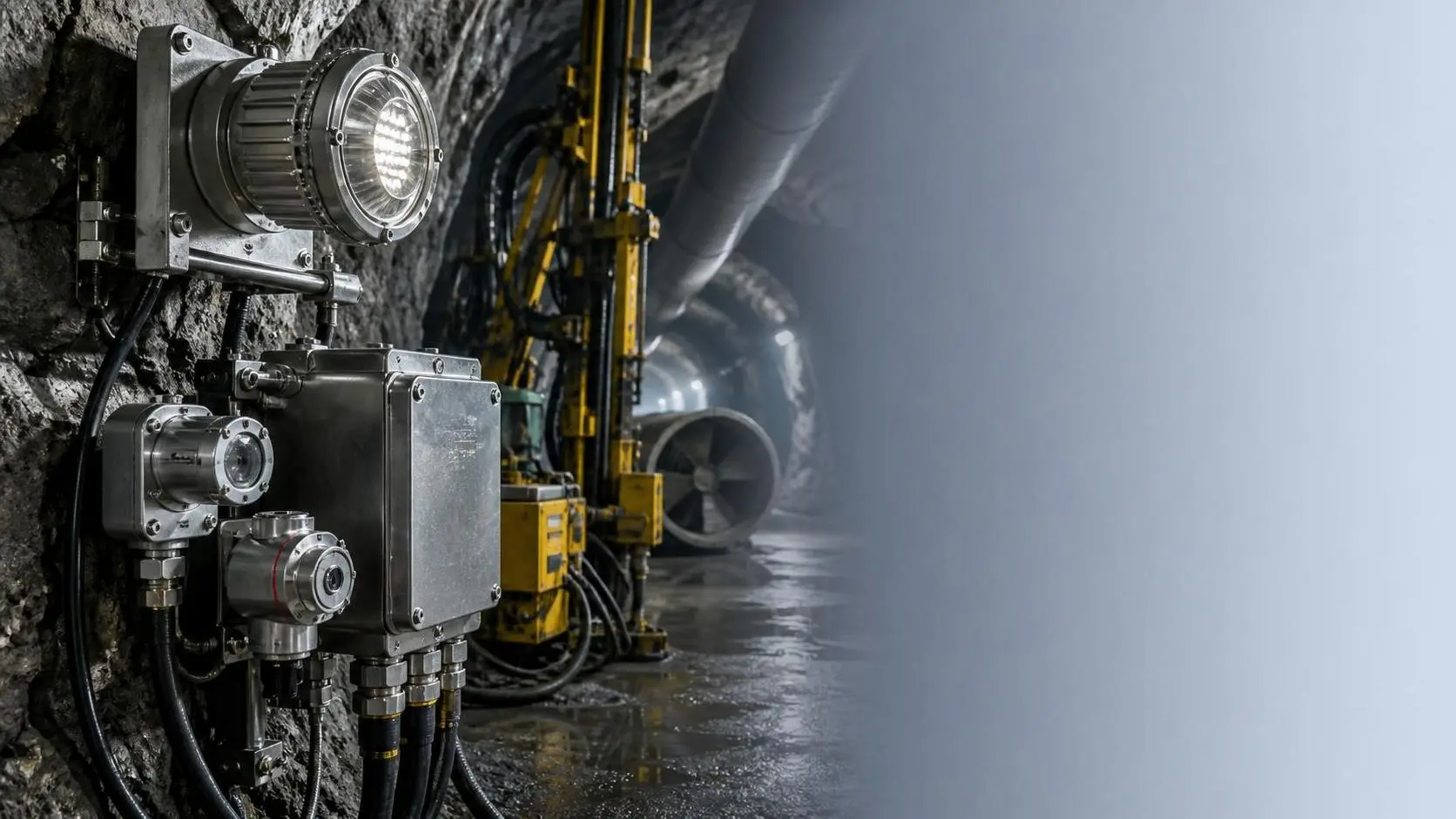
Flameproof Underground Safety Equipment: What Mine Teams Should Check Before Buying
Underground Safety Equipment flameproof buying guide: learn how mine teams should verify certification, durability, serviceability, and supplier support before purchase.
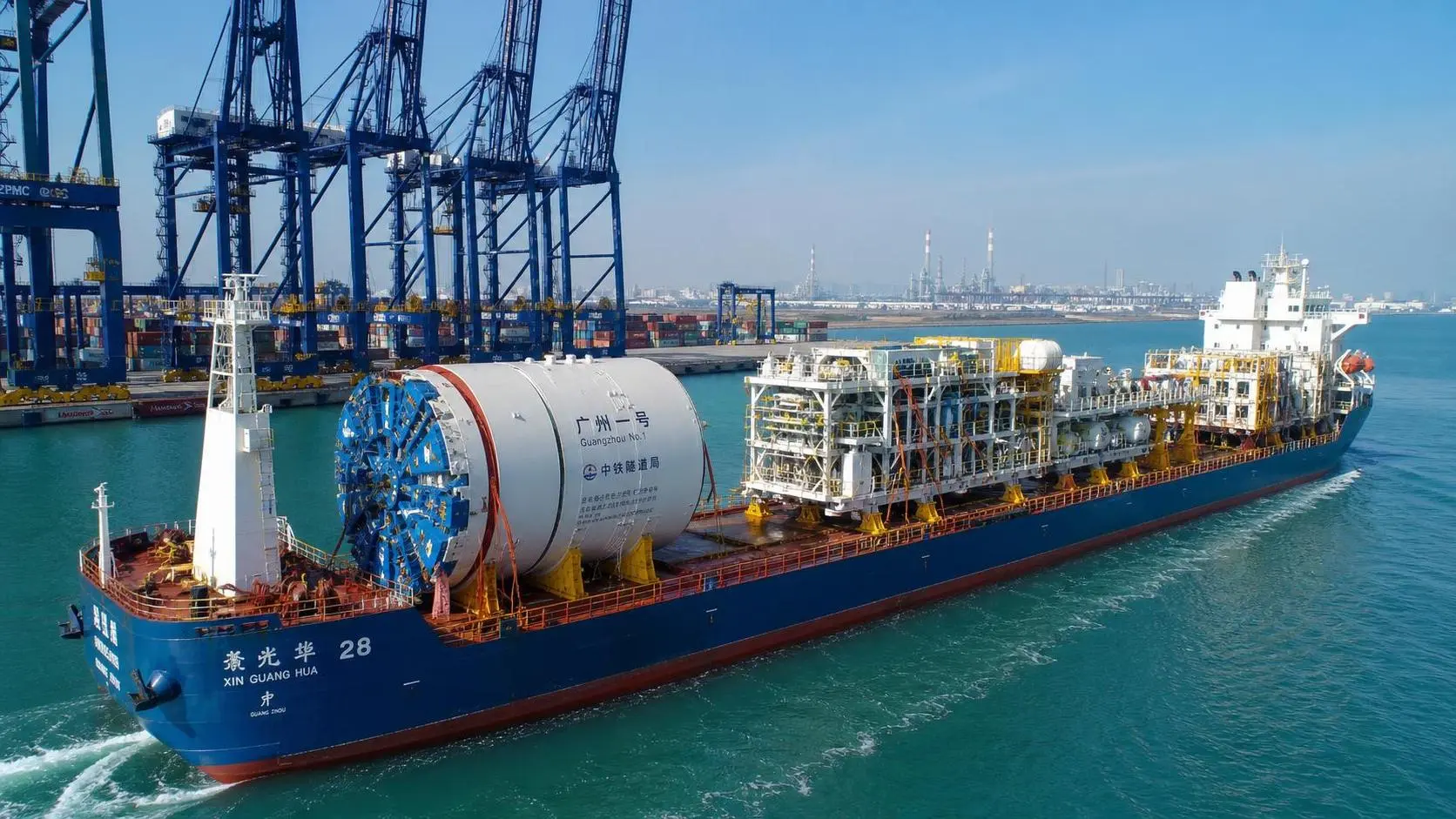
China-UAE Direct Sea Route Cuts TBM and Large Tunneling Equipment Lead Times
China-UAE direct sea route shortens TBM and large tunneling equipment lead times by 12–15 days, improving delivery predictability for major infrastructure projects. Read the full impact.

What Is a TBM Guidance System Gyroscope, and Why Does It Matter Underground?
TBM Guidance Systems gyroscope improves underground accuracy, reduces drift, and helps tunnel boring machines stay on line in harsh conditions.

China to Roll Out Nationwide Local and Foreign Currency Cash Pools for Multinationals on Sept. 14
China will roll out nationwide local and foreign currency cash pools for multinationals on Sept. 14, streamlining cross-border treasury management and boosting liquidity efficiency.
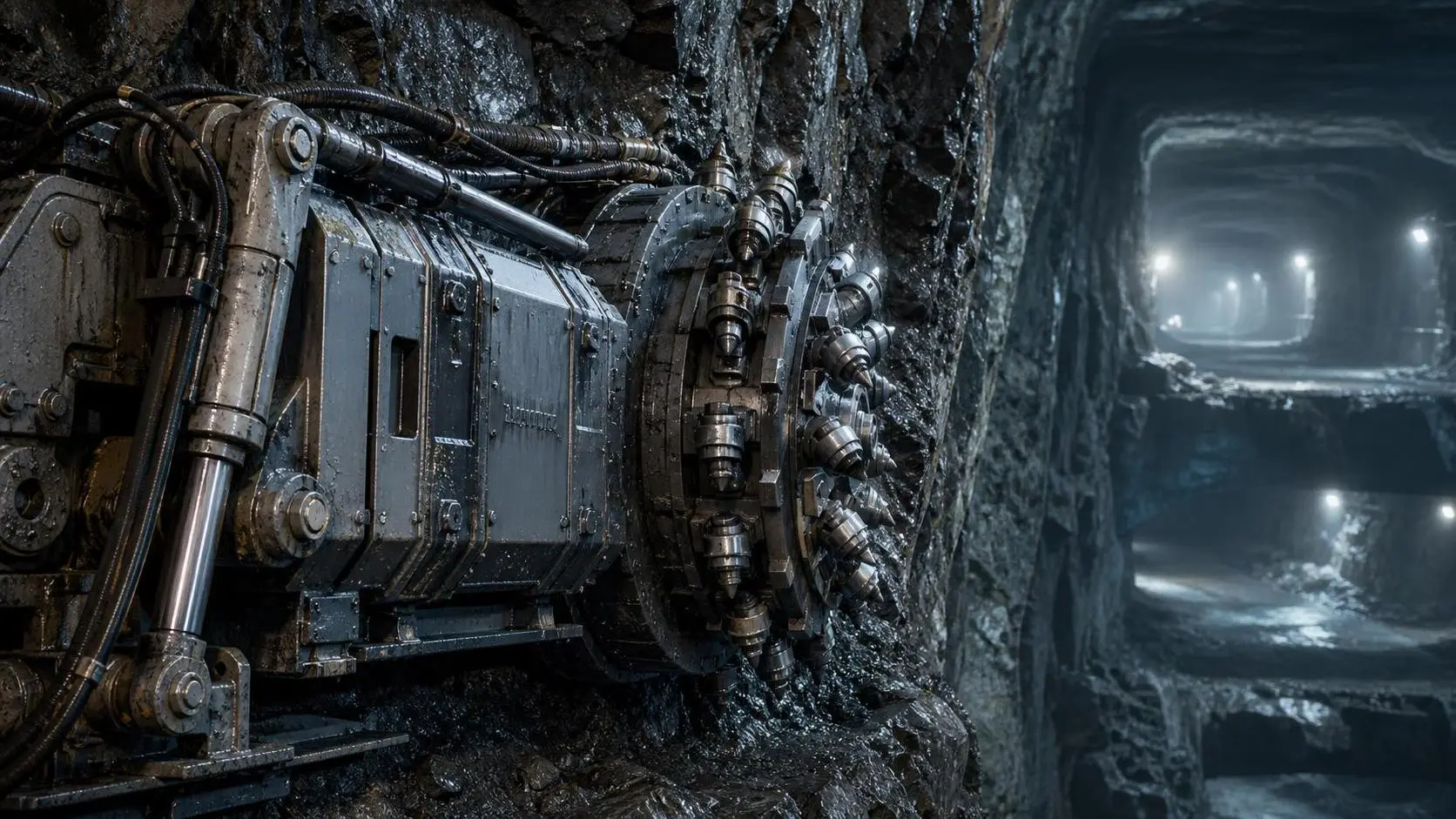
How to Choose a Reliable Underground Mining Equipment Supplier for Harsh Site Conditions
Find a reliable underground mining equipment supplier for harsh site conditions with rugged, maintainable solutions that boost uptime, reduce risk, and support long-term production.
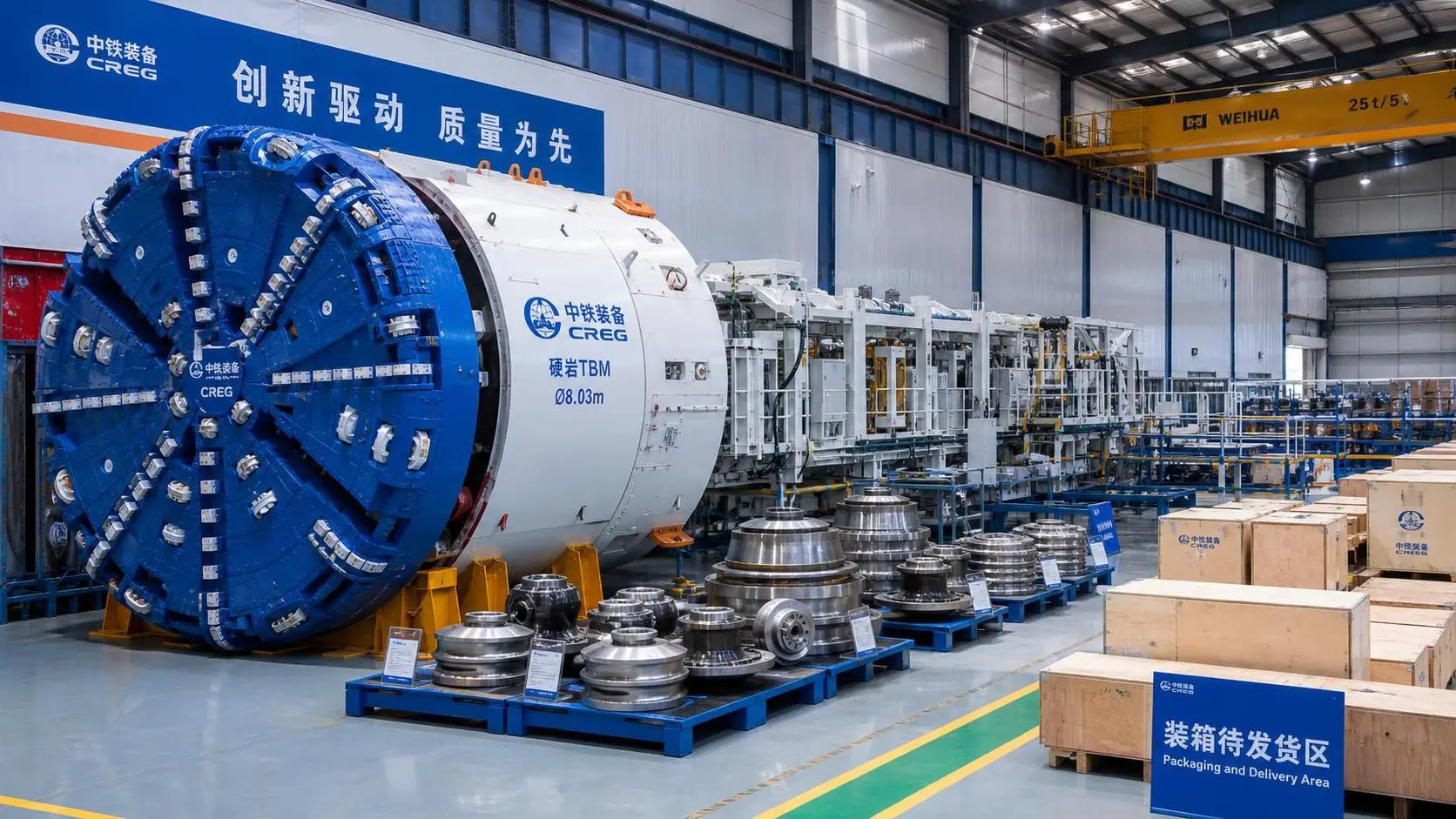
China Customs Tightens TBM Export Checks from Aug. 16
China Customs tightens TBM export checks from Aug. 16, 2026. Learn how new mandatory inspections may affect tunnelling equipment shipments, compliance, and delivery plans.
Related News
- 00
0000-00
What Drives TBM Excavation Cost in Urban Tunneling Projects? - 00
0000-00
What Does Energy Metals Mining in Australia Mean for Supply, Cost, and Project Risk? - 00
0000-00
EU Eases Dual CE and UKCA Path for Chinese Tunnel Boring Equipment - 00
0000-00
Flameproof Underground Safety Equipment: What Mine Teams Should Check Before Buying - 00
0000-00
China-UAE Direct Sea Route Cuts TBM and Large Tunneling Equipment Lead Times
Weekly Insights
Stay ahead with our curated technology reports delivered every Monday.