
What ESG Mining Standards Now Mean for Supplier Approval





ESG Mining Standards are no longer a background compliance issue for procurement teams. They now directly influence who can enter your supplier pool, how bids are scored, and whether equipment partners remain approved through the project lifecycle.
For buyers sourcing tunnel boring machines, drilling jumbos, underground LHD loaders, or mining trucks, the practical question is simple: can this supplier meet environmental, social, and governance expectations without creating cost, delivery, or audit risk later?
The short answer is that supplier approval is becoming more evidence-based, more continuous, and more strategic. ESG Mining Standards now affect technical evaluation, factory audits, emissions pathways, worker safety controls, traceability, financing access, and even after-sales support capability.
Procurement teams that treat ESG as a separate checklist often move too slowly or approve suppliers with hidden weaknesses. Teams that embed ESG criteria into sourcing and qualification processes are better positioned to reduce disruption and secure future-ready equipment partners.
Why ESG Mining Standards now matter at the supplier approval stage

Procurement used to focus heavily on price, lead time, technical fit, and service coverage. Those factors still matter, but ESG Mining Standards now sit alongside them because they can materially affect project execution and supplier resilience.
In mining and underground engineering, the stakes are especially high. Equipment operates in high-risk environments, energy use is intense, safety requirements are strict, and public scrutiny around emissions, labor conditions, and governance is rising across global supply chains.
That means supplier approval is no longer just about whether a vendor can deliver a machine. It is about whether the vendor can support compliance expectations from mine operators, EPCs, lenders, insurers, regulators, and downstream customers.
For procurement personnel, this changes the approval question from “Is this supplier commercially acceptable?” to “Is this supplier commercially, operationally, and ESG-credibly acceptable over the life of the contract?”
What procurement teams are really searching for when they ask about supplier approval
Most buyers are not looking for another generic ESG definition. They want to know how standards translate into approval criteria, what evidence they should request, and how strict they need to be with different categories of suppliers.
They also want to understand how ESG requirements affect practical procurement decisions: whether a lower-cost supplier is worth the risk, how to compare suppliers with uneven maturity, and which red flags should trigger escalation or disqualification.
In capital equipment categories such as TBMs, pipe jacking machines, jumbos, and battery-electric underground vehicles, procurement teams also worry about continuity. A supplier may look acceptable on paper but fail later on reporting, spare parts sustainability, or safety culture.
So the real search intent behind this topic is decision support. Buyers want a clearer framework for approving suppliers in a market where ESG Mining Standards increasingly shape eligibility, reputation, and long-term value.
How ESG Mining Standards are changing supplier approval criteria
The first major change is documentation depth. Basic certifications are no longer enough in many tenders. Buyers increasingly request emissions data, occupational safety records, anti-bribery policies, human rights statements, supplier codes of conduct, and corrective action processes.
The second change is that approval now covers both company-level and product-level performance. A supplier may have formal ESG policies, but procurement also needs to know whether its equipment supports lower-emission operations, safer workflows, and easier compliance reporting.
For example, a mining truck supplier may be asked not only about governance and labor controls, but also about electrification options, energy efficiency, battery safety systems, and maintenance practices that reduce environmental and operational risk.
A third change is ongoing monitoring. Approval is becoming less of a one-time onboarding event and more of a living status. Suppliers may be reviewed periodically against incident records, audit findings, decarbonization progress, and compliance responsiveness.
The supplier evidence buyers should ask for first
Procurement teams need evidence that is decision-useful, not just impressive in appearance. The best starting point is a focused set of documents tied directly to risk, operational impact, and the supplier’s ability to perform under modern mining standards.
Start with environmental evidence: energy use reporting, emissions targets, carbon reduction initiatives, waste handling procedures, hazardous material controls, and product pathways for electrification or reduced fuel consumption where relevant.
Then review social evidence: lost-time injury records, training systems, contractor safety controls, worker grievance mechanisms, labor policy statements, and proof of responsible sourcing practices across critical components or subassemblies.
Finally, assess governance evidence: anti-corruption controls, sanctions screening practices, whistleblower procedures, board oversight or executive accountability, cybersecurity governance, and documented responses to previous compliance issues.
For equipment-intensive sectors, service support should also be tested through an ESG lens. Ask whether field technicians follow standardized safety practices, whether maintenance processes reduce spill and waste risk, and whether spare parts supply is traceable and responsibly managed.
What ESG means for evaluating underground and mining equipment suppliers specifically
ESG Mining Standards are not applied the same way across all categories. Procurement teams in underground and mining operations should evaluate suppliers according to equipment type, operating environment, and the risk profile of each asset in use.
For TBM suppliers, environmental and lifecycle efficiency questions matter more than broad sustainability claims. Buyers should examine power consumption, cutter wear optimization, slurry or spoil handling implications, automation features, and supplier support for efficient operation underground.
For drilling jumbos, social and safety criteria become especially important. Procurement should look at operator protection systems, dust suppression solutions, noise reduction, remote operation capability, and service procedures that lower exposure in hazardous headings.
For underground LHD loaders and mining trucks, electrification and ventilation impact are central. Battery-electric or hybrid pathways, charging or swapping support, thermal risk controls, and digital maintenance visibility can all strengthen a supplier’s approval profile.
In each category, the strongest suppliers are those that connect ESG performance with measurable operational outcomes: lower ventilation demand, reduced fuel dependency, safer operator positioning, better maintenance traceability, and stronger uptime confidence.
Red flags that should slow down or stop approval
One red flag is polished policy language without operational proof. If a supplier publishes ESG commitments but cannot provide site-level safety metrics, emissions baselines, or corrective action records, procurement should treat that as a capability gap.
Another warning sign is inconsistency across the supply chain. A manufacturer may present a strong central profile, while key component sourcing remains opaque. This is particularly important for batteries, electronics, hydraulic systems, and critical wear parts.
Repeated safety incidents, unresolved legal disputes, weak anti-corruption controls, and poor responsiveness during due diligence are also serious concerns. In supplier approval, how a company answers difficult questions often matters as much as the documents it submits.
Procurement teams should also be cautious when a supplier’s decarbonization narrative depends entirely on future plans with no implementation roadmap. Ambition is useful, but approval decisions require evidence of progress, governance, and technical feasibility.
How to build a practical approval workflow around ESG Mining Standards
Effective supplier approval starts with segmentation. Not every supplier needs the same level of ESG review. Strategic equipment partners, high-risk categories, and vendors tied to core production or underground safety should receive the deepest assessment.
Next, integrate ESG into the existing sourcing workflow instead of creating a disconnected side process. Include ESG questions in prequalification forms, RFI templates, bid scoring models, audit protocols, and contract review steps.
Then define minimum thresholds and weighted differentiators. Some ESG criteria should be mandatory, such as compliance policies or safety basics. Others can serve as scoring advantages, such as proven electrification support or advanced lifecycle emissions reporting.
Cross-functional alignment is essential. Procurement should work closely with HSE, engineering, operations, legal, and finance so that approval criteria reflect real technical and business needs rather than generic sustainability language.
Finally, contracts should reinforce approval decisions. Include reporting requirements, audit rights, incident notification clauses, improvement obligations, and escalation mechanisms so ESG expectations remain enforceable after onboarding.
Why stronger ESG screening can improve commercial outcomes, not just compliance
Some procurement teams still worry that ESG-focused approval will shrink the supplier pool or increase cost. In some cases it can narrow choices, but it also helps avoid larger downstream losses tied to delay, non-compliance, safety failures, or weak support performance.
In mining and underground projects, one poor supplier decision can create cascading effects: permit complications, operational stoppages, insurance friction, reputational damage, or expensive retrofits when emissions or safety expectations tighten.
By contrast, suppliers that perform well against ESG Mining Standards often offer stronger long-term value. They may be better prepared for electrification transitions, digital reporting demands, international customer audits, and changing financing requirements.
For procurement, that translates into more resilient sourcing, fewer unpleasant surprises, and a better chance of aligning supplier capability with the future direction of the mine or infrastructure asset.
Questions buyers should ask before approving a mining equipment supplier
Ask how the supplier measures and improves environmental performance at both company and product level. Generic sustainability reports are less useful than evidence tied to equipment efficiency, emissions reduction, and field operating impact.
Ask how worker safety is governed across manufacturing, commissioning, and after-sales service. In underground sectors, supplier safety culture can directly influence installation quality, maintenance risk, and project continuity.
Ask how governance controls are applied in practice. This includes anti-bribery procedures, supplier oversight, data integrity, escalation routes, and executive accountability for ESG-related issues.
Ask what happens when targets are missed or incidents occur. Strong suppliers usually have documented corrective action systems, root-cause processes, and transparent communication practices that support trust during the approval phase.
Most importantly, ask whether the supplier’s ESG claims align with your mine or project roadmap. If your operation is moving toward electrification, automation, and stricter reporting, your supplier approval standards should reward partners who can support that transition.
Conclusion: supplier approval is becoming a strategic ESG decision
What ESG Mining Standards now mean for supplier approval is clear: procurement can no longer treat ESG as a soft, secondary, or purely reputational topic. It has become a practical filter for risk, capability, and long-term supplier fit.
For buyers in mining and underground equipment categories, the goal is not to chase perfect language or the most polished sustainability brochure. The goal is to identify suppliers that can prove responsible operations, support safer and lower-emission performance, and remain reliable under growing scrutiny.
When ESG criteria are embedded into supplier approval with discipline and realism, procurement teams gain more than compliance protection. They gain better decisions, stronger supplier partnerships, and greater confidence that today’s purchase will still make sense tomorrow.
Related News
What Drives TBM Excavation Cost in Urban Tunneling Projects?
tbm excavation cost in urban tunneling depends on geology, shafts, segment lining, logistics, and risk. Discover the key cost drivers and compare bids with greater confidence.
What Does Energy Metals Mining in Australia Mean for Supply, Cost, and Project Risk?
Energy metals mining Australia is reshaping supply, cost, and project risk. Discover what it means for buyers, investors, and operators.
EU Eases Dual CE and UKCA Path for Chinese Tunnel Boring Equipment
EU eases CE and UKCA certification for Chinese tunnel boring equipment, cutting compliance time and helping importers move faster.
Flameproof Underground Safety Equipment: What Mine Teams Should Check Before Buying
Underground Safety Equipment flameproof buying guide: learn how mine teams should verify certification, durability, serviceability, and supplier support before purchase.
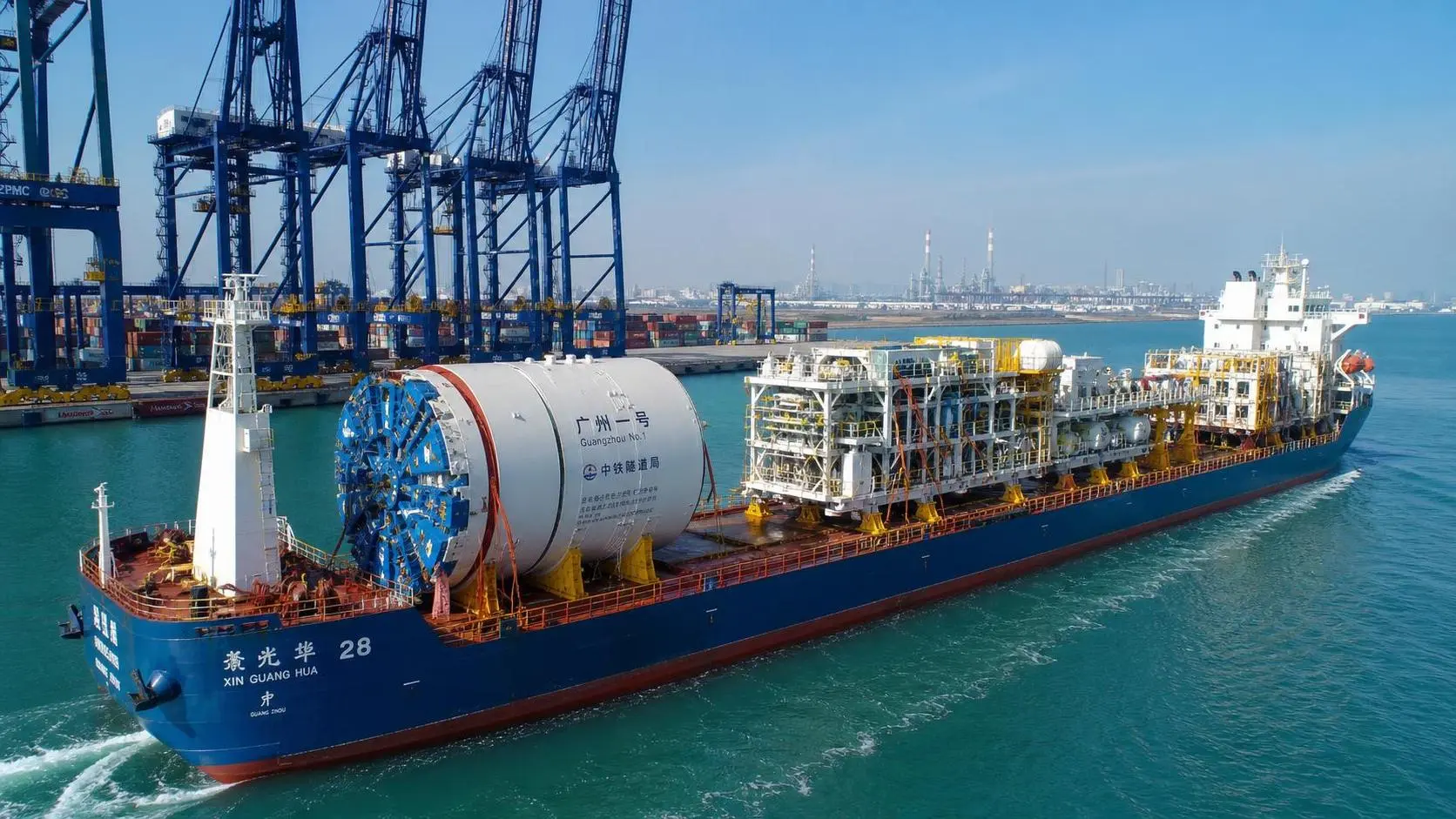
China-UAE Direct Sea Route Cuts TBM and Large Tunneling Equipment Lead Times
China-UAE direct sea route shortens TBM and large tunneling equipment lead times by 12–15 days, improving delivery predictability for major infrastructure projects. Read the full impact.
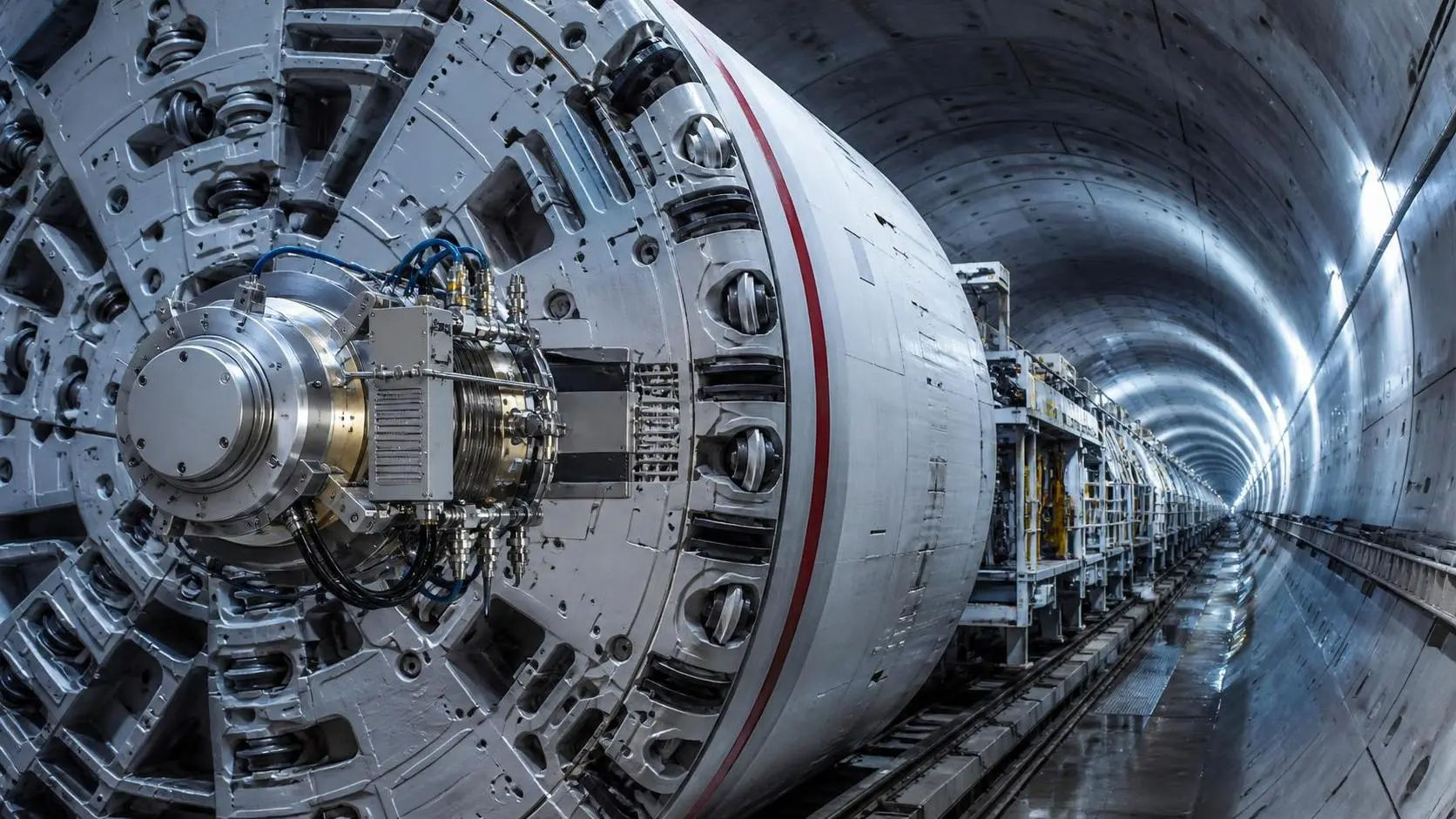
What Is a TBM Guidance System Gyroscope, and Why Does It Matter Underground?
TBM Guidance Systems gyroscope improves underground accuracy, reduces drift, and helps tunnel boring machines stay on line in harsh conditions.
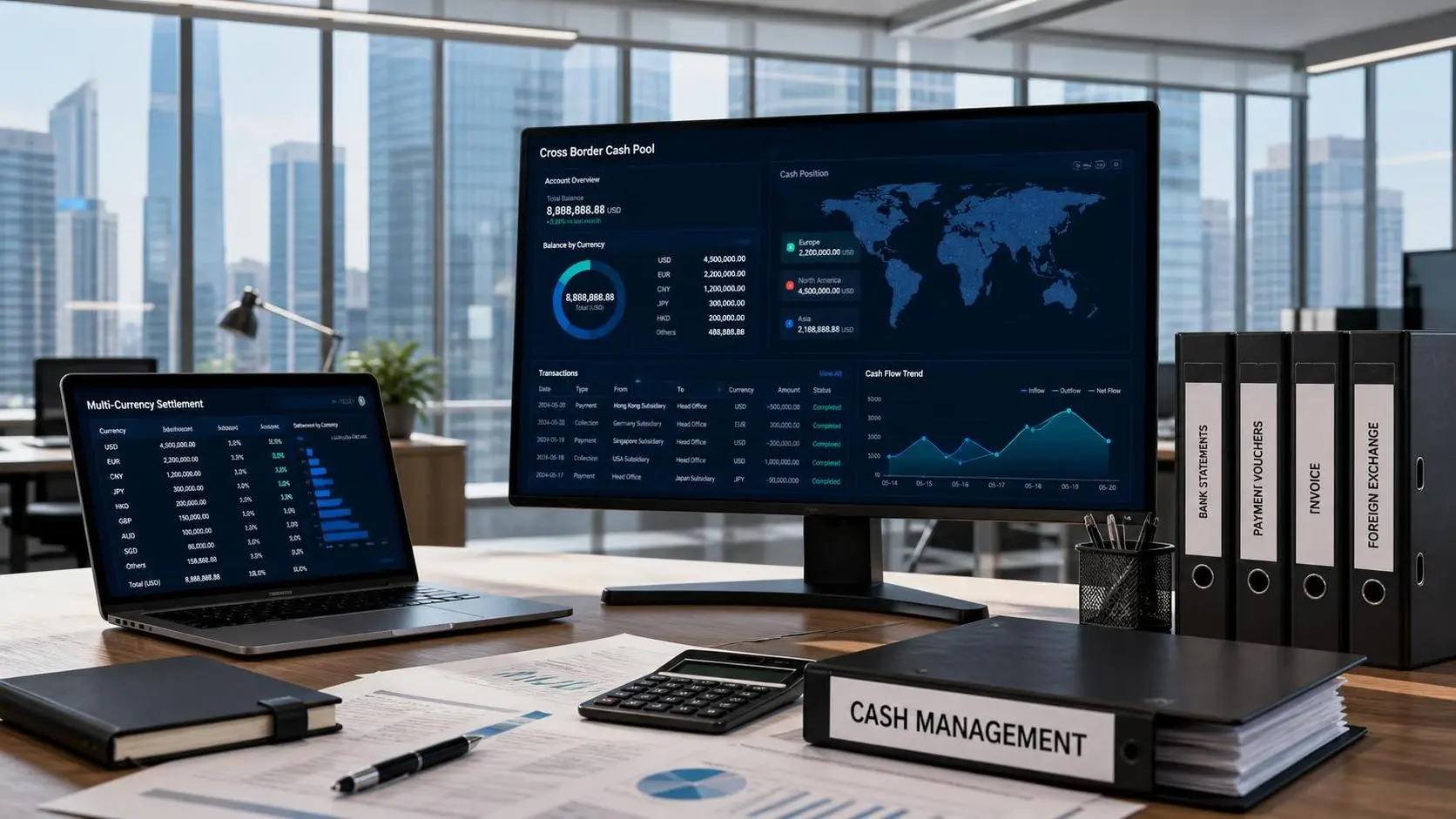
China to Roll Out Nationwide Local and Foreign Currency Cash Pools for Multinationals on Sept. 14
China will roll out nationwide local and foreign currency cash pools for multinationals on Sept. 14, streamlining cross-border treasury management and boosting liquidity efficiency.
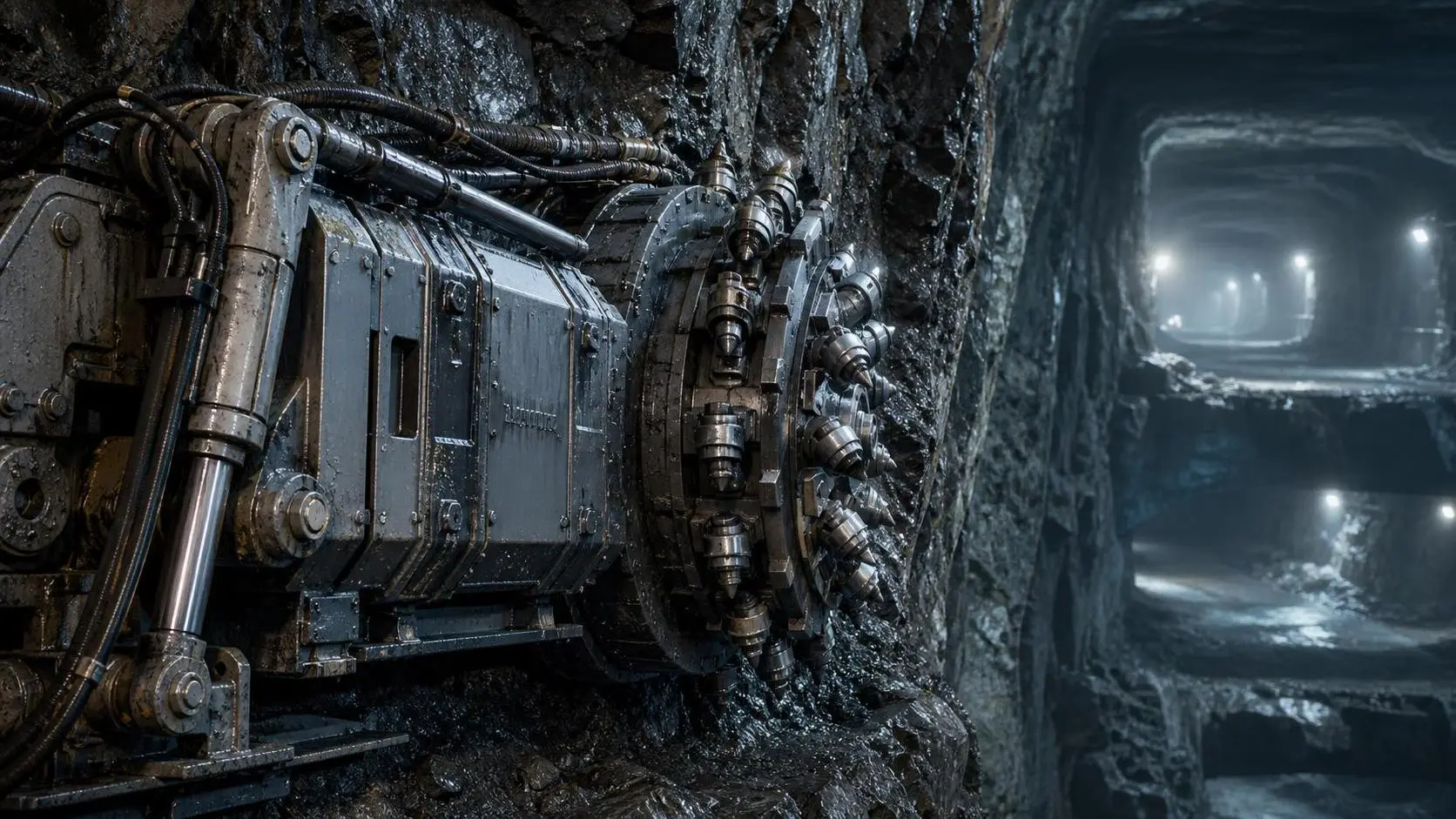
How to Choose a Reliable Underground Mining Equipment Supplier for Harsh Site Conditions
Find a reliable underground mining equipment supplier for harsh site conditions with rugged, maintainable solutions that boost uptime, reduce risk, and support long-term production.
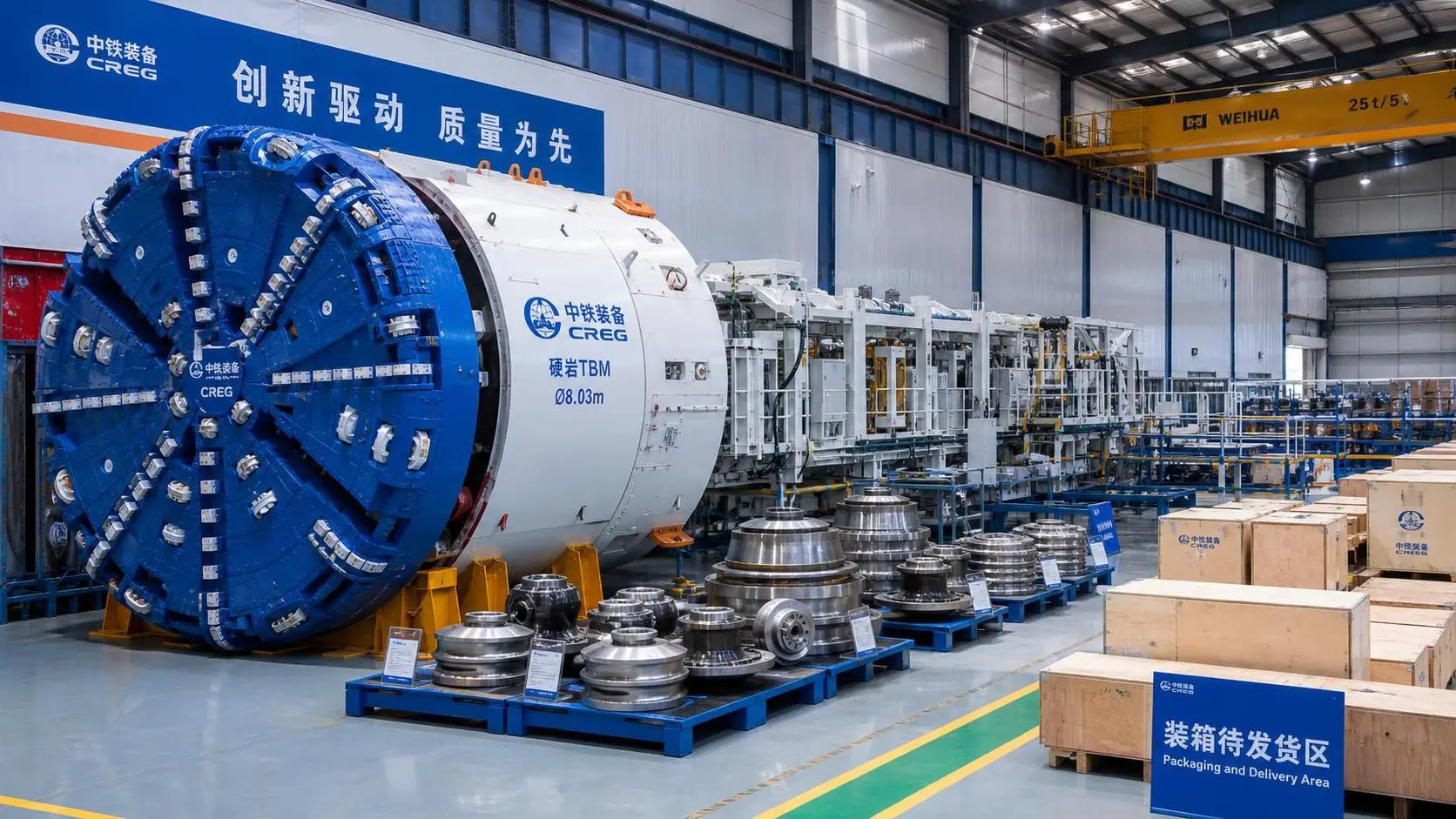
China Customs Tightens TBM Export Checks from Aug. 16
China Customs tightens TBM export checks from Aug. 16, 2026. Learn how new mandatory inspections may affect tunnelling equipment shipments, compliance, and delivery plans.
Related News
- 00
0000-00
What Drives TBM Excavation Cost in Urban Tunneling Projects? - 00
0000-00
What Does Energy Metals Mining in Australia Mean for Supply, Cost, and Project Risk? - 00
0000-00
EU Eases Dual CE and UKCA Path for Chinese Tunnel Boring Equipment - 00
0000-00
Flameproof Underground Safety Equipment: What Mine Teams Should Check Before Buying - 00
0000-00
China-UAE Direct Sea Route Cuts TBM and Large Tunneling Equipment Lead Times
Weekly Insights
Stay ahead with our curated technology reports delivered every Monday.