
Why Mega Infrastructure Projects Miss Early Cost Signals





Mega Infrastructure Projects rarely collapse from one visible mistake. Most failures begin with weak signals that appear early, then stay unchallenged across budgets, schedules, and field reporting.
In underground works, those signals often emerge before overruns become public. They show up in geology variance, cutter wear, logistics friction, contract gaps, and equipment utilization drift.
When these indicators are ignored, forecast accuracy decays quickly. Capital discipline weakens, contingency gets consumed silently, and late-stage cost shocks become almost inevitable.
For Mega Infrastructure Projects tied to tunnelling, mining, and trenchless construction, early cost visibility is not a finance exercise alone. It is an operating capability built on technical intelligence.
Understanding Early Cost Signals in Mega Infrastructure Projects
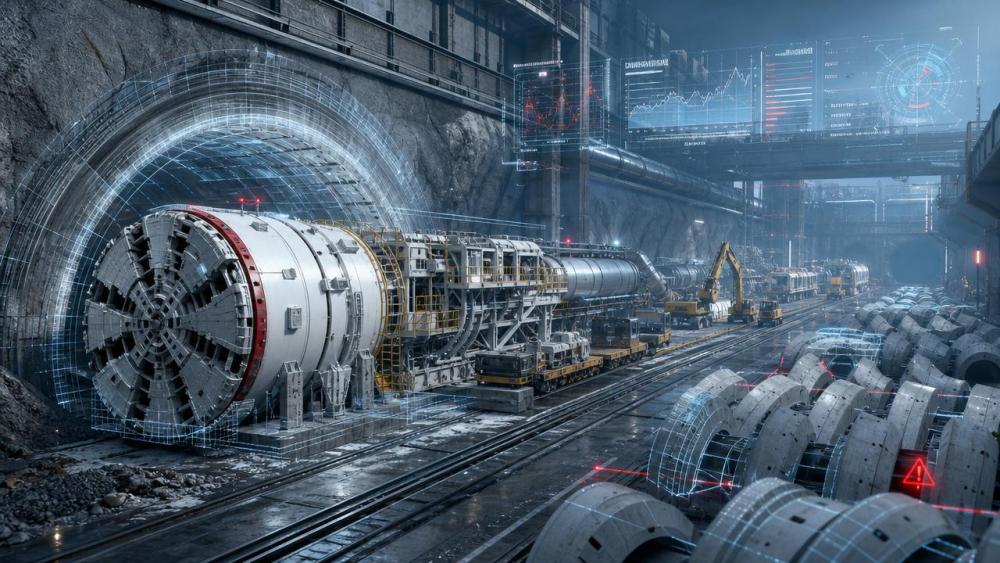
Early cost signals are small deviations that indicate future overruns. They usually appear before formal reforecasting, often hidden inside engineering logs, maintenance records, and procurement updates.
In Mega Infrastructure Projects, these signals matter because fixed assumptions rarely survive real ground conditions. Underground construction especially converts uncertainty into cost at high speed.
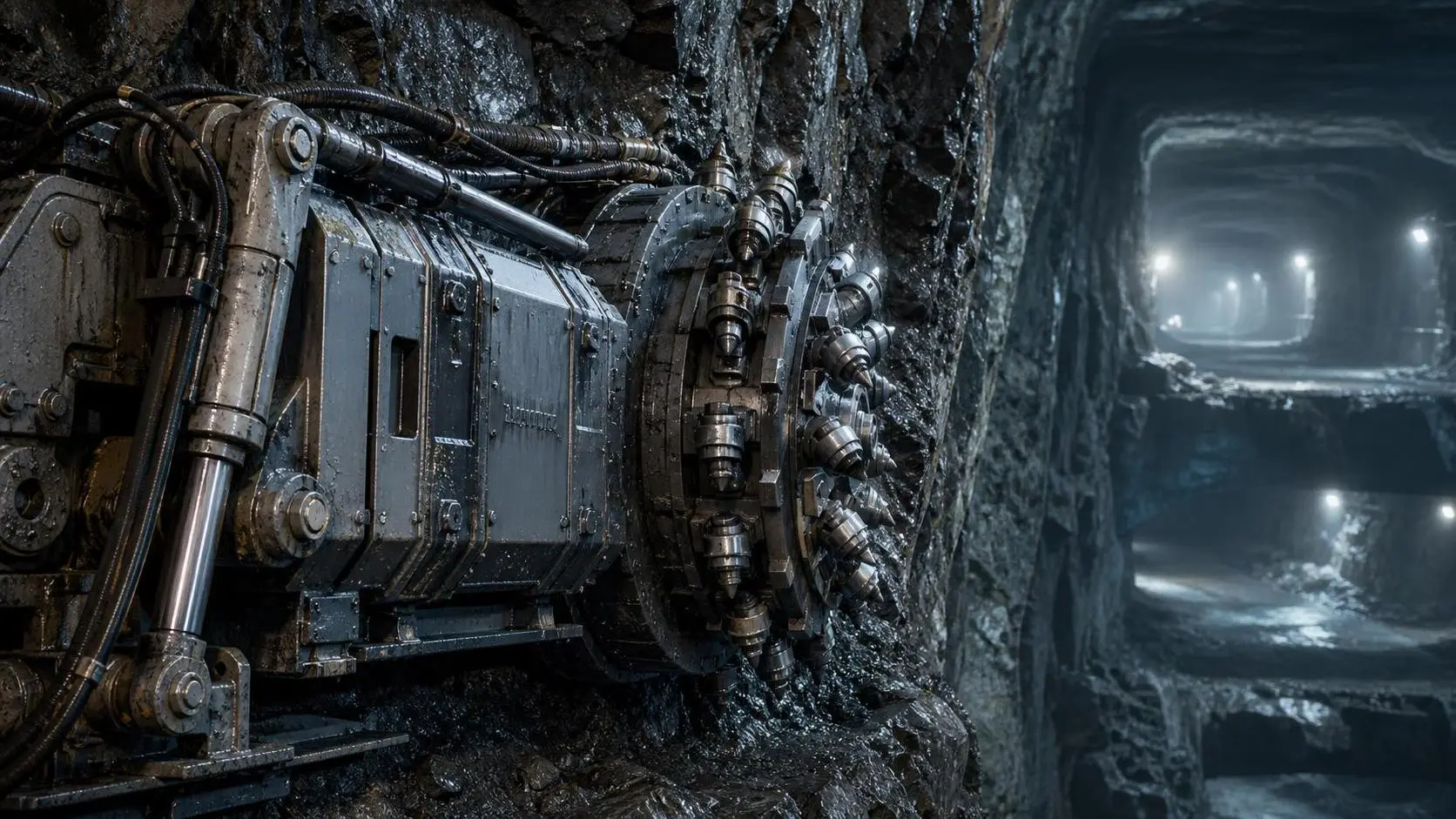
A tunnel boring machine advancing slower than baseline may seem operational. Yet the real issue may include rising cutter consumption, segment delays, extra grout demand, and standby labor exposure.
The same pattern exists in mining expansion works. Haul road redesign, power limits, ventilation constraints, or battery swapping inefficiency can signal broader capital and operating cost pressure.
What qualifies as a meaningful signal
- Repeated variance from production baseline
- Unplanned equipment downtime patterns
- Procurement lead times extending beyond float
- Change requests linked to poorly defined interfaces
- Geological conditions differing from investigation assumptions
Why weak indicators are missed so often
Mega Infrastructure Projects are fragmented by design. Engineering, procurement, construction, commissioning, and finance often measure performance differently and report on different time cycles.
That fragmentation delays interpretation. A mechanical issue may be logged as maintenance, while its cost impact sits in labor inefficiency, spare parts usage, and postponed milestone billing.
Another reason is optimism embedded in baseline models. Teams may assume temporary setbacks will normalize, even when trend data suggests deterioration is becoming structural.
In underground environments, geology intensifies this problem. Initial site data may be technically sound but still insufficient for local variability, water ingress, abrasive rock, or fault zones.
Common blind spots
Industry conditions shaping cost visibility
Today’s Mega Infrastructure Projects face simultaneous pressure from inflation, decarbonization targets, labor shortages, and digital transition. These forces increase both complexity and reporting noise.
UTMD observes that underground programs are particularly exposed. TBM performance, trenchless access constraints, and mine electrification each create technical dependencies with direct cost consequences.
For example, zero-emission requirements underground may alter ventilation design, fleet selection, charging logic, and heat management. Small planning errors can later produce major capex revisions.
Similarly, autonomous haulage and remote LHD operation promise efficiency, but they also depend on communications stability, software integration, and operator transition readiness.
Signals drawing stronger attention across the sector
- Disc cutter wear rates exceeding modeled rock response
- Battery fleet productivity below energy planning assumptions
- SLAM reliability issues in underground autonomous movement
- Long-lead component sourcing for hydraulic and electrical systems
- Regulatory ESG changes affecting equipment replacement timing
Business value of identifying signals early
Early signal detection improves more than budget control. It strengthens capital allocation, protects contingency, and supports realistic decision timing across Mega Infrastructure Projects.
When a project can distinguish noise from meaningful variance, interventions become cheaper. Teams can adjust sequencing, redesign interfaces, renegotiate supply priorities, or revise assumptions before value erodes.
This matters deeply in tunnelling and mining. Underground conditions punish delayed action because access is constrained, equipment is specialized, and recovery windows are narrow.
Accurate early reading also improves portfolio governance. Sponsors comparing multiple Mega Infrastructure Projects need consistent leading indicators, not only lagging monthly cost totals.
Practical business benefits
- More reliable forecast revisions
- Lower surprise exposure at major approvals
- Faster response to equipment and geology variance
- Better contract administration and claims positioning
- Stronger confidence in asset utilization assumptions
Typical scenarios where cost signals first appear
Not all Mega Infrastructure Projects produce the same warning patterns. Signal sources vary by equipment class, excavation method, and operating environment.
Practical methods for stronger early detection
The most effective approach combines technical field data with commercial interpretation. Mega Infrastructure Projects need dashboards that connect engineering variation to financial exposure.
Start with a small set of leading indicators. Too many metrics create noise and allow genuine signals to disappear inside reporting complexity.
Recommended monitoring framework
- Track production rate against ground class, not only total output
- Measure equipment downtime by cause and recurrence
- Review procurement slippage against critical path dependencies
- Flag design clarifications with cost-bearing interface implications
- Link maintenance consumption trends to forecast contingency usage
- Update risk registers using actual field evidence, not narrative optimism
It also helps to define escalation thresholds in advance. If penetration drops beyond a range, or battery turnaround exceeds a limit, action should trigger automatically.
For Mega Infrastructure Projects, this discipline reduces debate over whether a problem is temporary. Decisions become evidence-based and faster.
A grounded next step for better project intelligence
The central lesson is simple. Mega Infrastructure Projects miss early cost signals when technical, operational, and financial data remain disconnected.
A stronger model begins with focused intelligence. Use sector-specific benchmarks for TBM performance, trenchless progress, electrified haulage efficiency, and underground automation reliability.
Then compare live project evidence against those benchmarks regularly. Small deviations, interpreted early, often reveal the largest future cost outcomes.
UTMD supports this perspective by stitching together underground equipment trends, geological performance insights, and commercial intelligence across global Mega Infrastructure Projects.
The most useful next move is to audit current reporting. Identify which operational signals exist today, which cost impacts they imply, and where interpretation still arrives too late.
That step creates a practical foundation for better forecasting, tighter capital protection, and more resilient delivery in complex underground and mining development.
Related News
How to Evaluate Articulated Dump Trucks Payload for Haul Road Conditions and Cycle Efficiency
Articulated Dump Trucks payload evaluation starts with real haul road conditions, not brochure numbers. Learn how to balance payload, traction, grades, and cycle efficiency for safer, higher output.
What Drives TBM Excavation Cost in Urban Tunneling Projects?
tbm excavation cost in urban tunneling depends on geology, shafts, segment lining, logistics, and risk. Discover the key cost drivers and compare bids with greater confidence.
What Does Energy Metals Mining in Australia Mean for Supply, Cost, and Project Risk?
Energy metals mining Australia is reshaping supply, cost, and project risk. Discover what it means for buyers, investors, and operators.
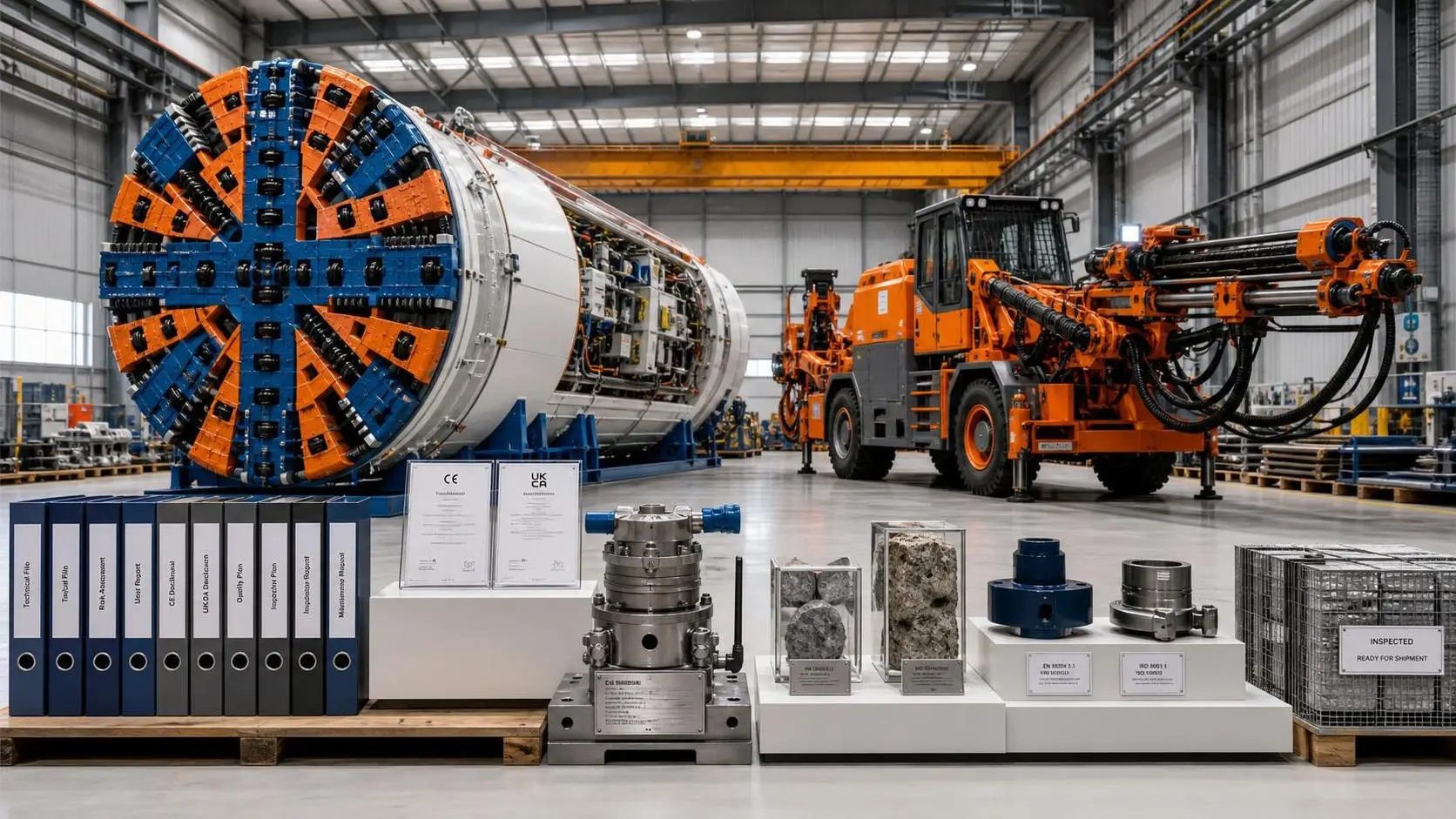
EU Eases Dual CE and UKCA Path for Chinese Tunnel Boring Equipment
EU eases CE and UKCA certification for Chinese tunnel boring equipment, cutting compliance time and helping importers move faster.
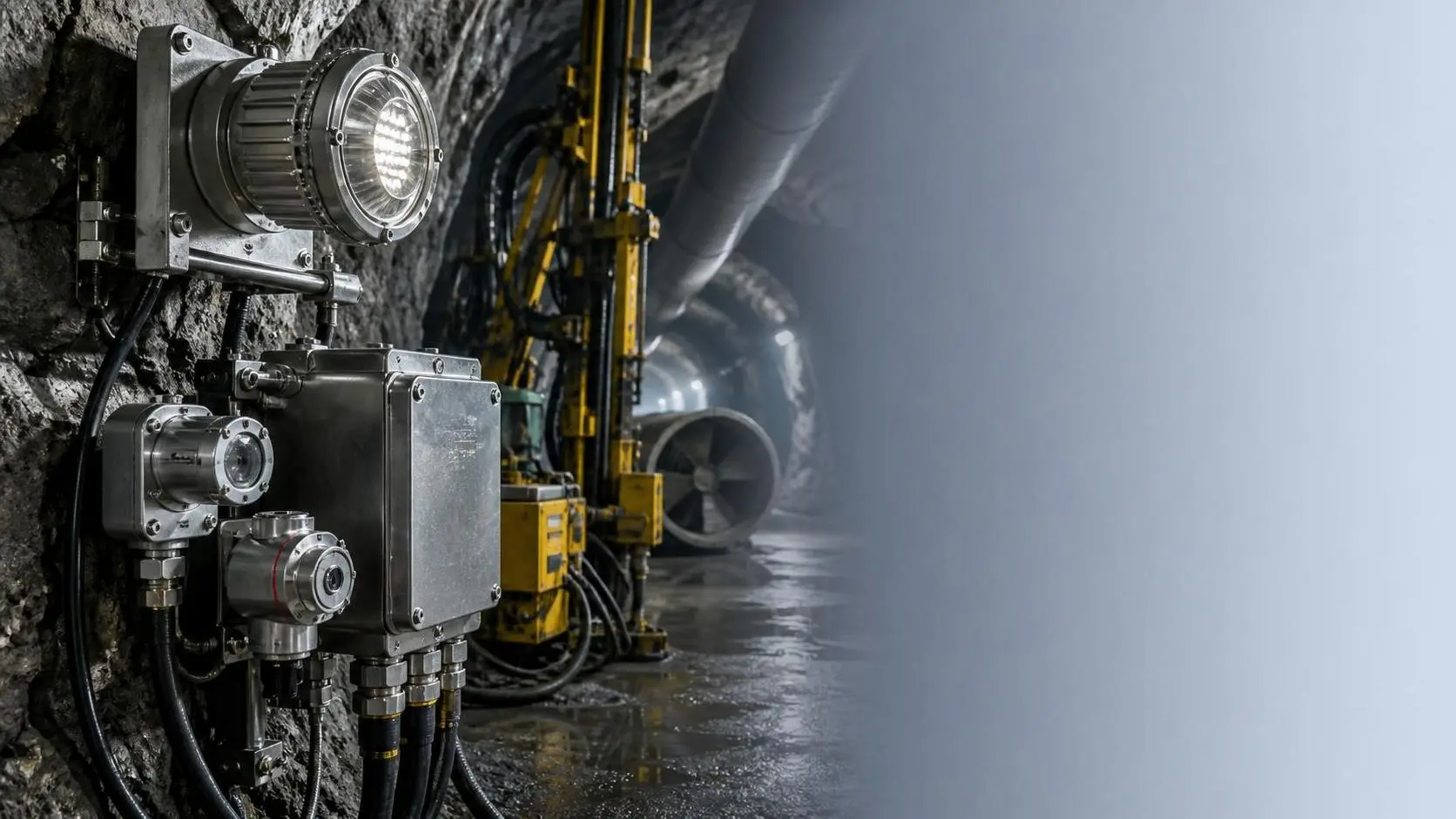
Flameproof Underground Safety Equipment: What Mine Teams Should Check Before Buying
Underground Safety Equipment flameproof buying guide: learn how mine teams should verify certification, durability, serviceability, and supplier support before purchase.
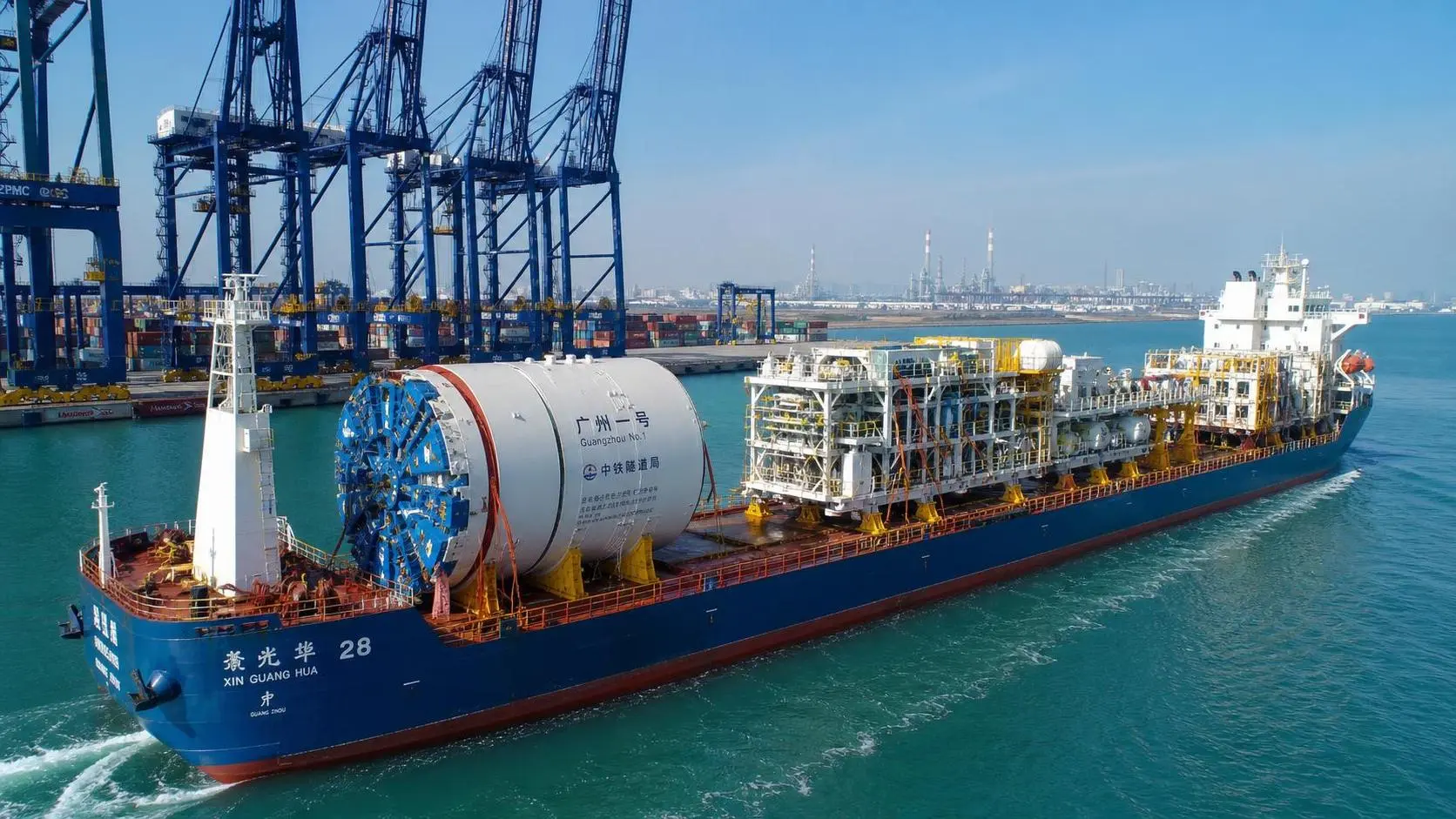
China-UAE Direct Sea Route Cuts TBM and Large Tunneling Equipment Lead Times
China-UAE direct sea route shortens TBM and large tunneling equipment lead times by 12–15 days, improving delivery predictability for major infrastructure projects. Read the full impact.
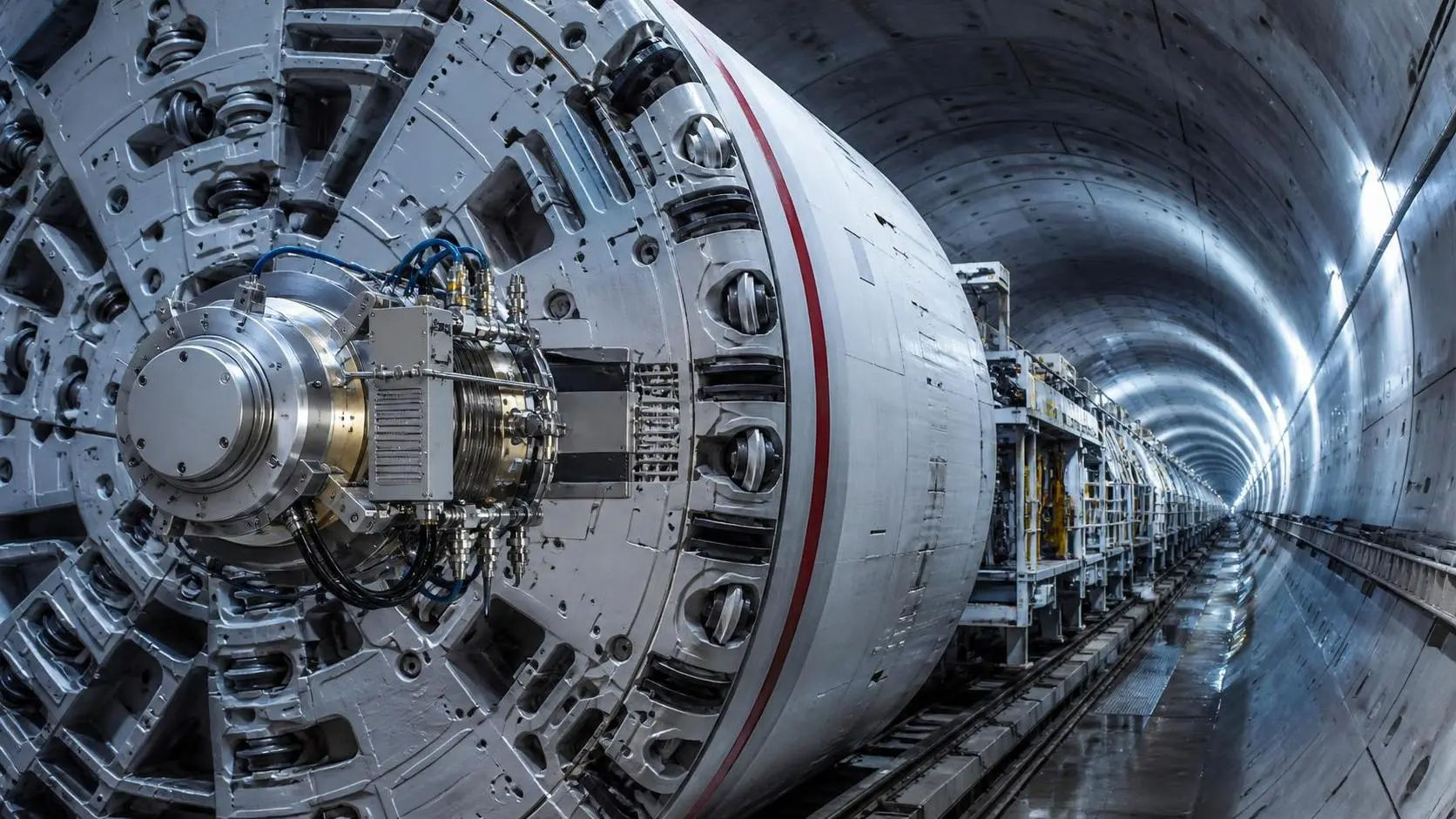
What Is a TBM Guidance System Gyroscope, and Why Does It Matter Underground?
TBM Guidance Systems gyroscope improves underground accuracy, reduces drift, and helps tunnel boring machines stay on line in harsh conditions.

China to Roll Out Nationwide Local and Foreign Currency Cash Pools for Multinationals on Sept. 14
China will roll out nationwide local and foreign currency cash pools for multinationals on Sept. 14, streamlining cross-border treasury management and boosting liquidity efficiency.
How to Choose a Reliable Underground Mining Equipment Supplier for Harsh Site Conditions
Find a reliable underground mining equipment supplier for harsh site conditions with rugged, maintainable solutions that boost uptime, reduce risk, and support long-term production.
Related News
- 00
0000-00
How to Evaluate Articulated Dump Trucks Payload for Haul Road Conditions and Cycle Efficiency - 00
0000-00
What Drives TBM Excavation Cost in Urban Tunneling Projects? - 00
0000-00
What Does Energy Metals Mining in Australia Mean for Supply, Cost, and Project Risk? - 00
0000-00
EU Eases Dual CE and UKCA Path for Chinese Tunnel Boring Equipment - 00
0000-00
Flameproof Underground Safety Equipment: What Mine Teams Should Check Before Buying
Weekly Insights
Stay ahead with our curated technology reports delivered every Monday.