
How mine dewatering equipment affects uptime and costs





Mine dewatering equipment plays a decisive role in keeping underground and open-pit operations productive, safe, and cost-efficient. When water is not controlled, drilling slows, haul roads degrade, electrical risks rise, and unplanned stoppages multiply. Strong dewatering performance supports uptime, stabilizes costs, and protects long-term asset reliability across demanding mining projects.
Why Mine Dewatering Equipment Deserves a Checklist-Based Review
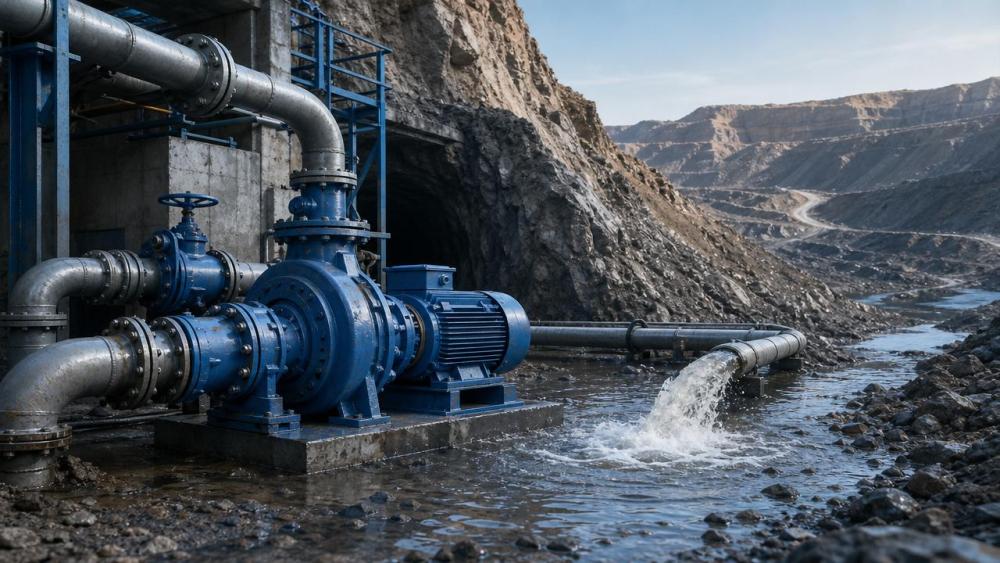
Water management failures rarely stay isolated. A weak pump, blocked line, or poor sump design can disrupt blasting cycles, loading efficiency, ore transport, and maintenance planning within hours.
A checklist approach helps compare Mine Dewatering Equipment beyond nameplate capacity. It forces attention on inflow variability, energy draw, solids handling, service intervals, and system redundancy before downtime becomes expensive.
For intelligence-led sectors such as underground mining, tunnelling, and heavy infrastructure, this method also improves capital discipline. It connects equipment selection to utilization targets, ESG pressure, and site reliability goals.
Core Checklist: What to Evaluate Before Water Becomes a Production Problem
- Measure peak inflow, not average inflow, and size Mine Dewatering Equipment for storm events, fracture zones, and seasonal groundwater shifts that can overwhelm normal pumping assumptions.
- Match pump type to water chemistry and solids content, because abrasive fines, acidic water, and slurry-laden sumps can shorten seal, impeller, and casing life.
- Check total dynamic head across the full route, including lift height, pipe friction, bends, valves, and discharge distance, instead of relying on vertical depth alone.
- Verify energy efficiency at real operating points, since oversized or poorly controlled Mine Dewatering Equipment often cycles inefficiently and raises power cost per cubic meter removed.
- Build redundancy into critical stations, using standby pumps, backup power, and alarm logic to prevent a single component failure from stopping production.
- Inspect sump design and intake conditions, because vortexing, sediment buildup, and poor access can reduce pump performance long before mechanical failure is visible.
- Review monitoring capability, including level sensors, vibration data, motor load, and remote alerts, so corrective action begins before flooding reaches active headings or ramps.
- Plan maintenance around operating reality, not calendar estimates, and stock wear parts according to abrasion rate, duty cycle, and supplier lead times.
- Confirm pipework durability and connection quality, because leaks, collapsed hoses, and scaling can quietly reduce dewatering capacity and waste pumping energy.
- Align Mine Dewatering Equipment with mine sequencing, ensuring pumping stages can adapt as benches deepen, headings advance, and working faces move farther from discharge points.
How Mine Dewatering Equipment Directly Affects Uptime
Underground mines and tunnels
In underground settings, water reduces access, damages ground conditions, and complicates electrical safety. If Mine Dewatering Equipment falls behind, headings become harder to ventilate, scale, support, and load.
Reliable dewatering keeps sumps stable, haulage routes cleaner, and drilling jumbos or LHD fleets moving on schedule. It also lowers the risk of emergency stoppages after inflow spikes from fractured rock zones.
Open-pit operations
In open pits, standing water weakens haul roads, limits pit floor access, and slows shovel-truck cycles. Dewatering delays can reduce tire life, increase rolling resistance, and trigger traffic restrictions.
Well-selected Mine Dewatering Equipment helps maintain bench integrity and safer working surfaces. The result is higher fleet availability and fewer weather-related interruptions during wet seasons.
Shaft sinking and deep development
Deep projects face rising head pressure and long discharge distances. Here, even small dewatering errors quickly become cycle-time losses, especially when sinking, support installation, and mucking depend on dry access.
Mine Dewatering Equipment in these zones must deliver steady output under changing depth and load. Stable pumping protects schedule certainty, which is critical for capital-intensive development programs.
Where the Cost Impact Really Appears
The cost effect of Mine Dewatering Equipment goes far beyond the initial purchase price. The biggest financial impact usually comes from hidden operating penalties and disruption to adjacent systems.
- Reduce energy waste by selecting pumps near their best efficiency point, because constant throttling or oversized motors increase electricity intensity over long operating hours.
- Limit maintenance spend by choosing materials and seals suited to corrosive or abrasive water, avoiding repeated rebuilds and unplanned parts consumption.
- Avoid production losses by treating water control as a system issue, since one flooded ramp or stalled heading can cost more than the pump itself.
- Protect downstream assets by preventing water-driven damage to cables, substations, road surfaces, and mobile equipment working in contaminated wet zones.
This is why lifecycle analysis matters. The right Mine Dewatering Equipment lowers unit water-removal cost while preserving the availability of drills, loaders, trucks, conveyors, and power infrastructure.
Commonly Overlooked Risks
Ignoring inflow volatility
Many systems are selected using normal inflow estimates. They then fail during rainfall peaks, fault intersections, or breakthrough into water-bearing strata. Capacity margin is not waste; it is uptime insurance.
Underestimating solids and scaling
Mine Dewatering Equipment may perform well on clean water curves but deteriorate quickly in real slurry conditions. Sediment, iron bacteria, and mineral scaling can choke lines and distort performance data.
Separating dewatering from digital monitoring
Without telemetry, sites often react after flooding starts. Level trends, current draw, and vibration alarms allow earlier intervention and more disciplined maintenance scheduling.
Treating access as a secondary issue
A pump that is difficult to inspect or lift will stay in service too long. Poor access increases repair time, extends downtime, and raises safety exposure during emergency replacement work.
Practical Execution Steps for Better Results
Start with a site water balance. Map inflow sources, peak events, depth changes, and discharge constraints. Then compare current Mine Dewatering Equipment performance against actual operating demand.
Next, rank pumping stations by production criticality. Prioritize redundancy, remote monitoring, and wear-resistant upgrades at headings, shafts, ramps, and pit sumps that directly affect ore movement.
Finally, connect dewatering reviews with maintenance, energy, and mine planning data. That cross-functional view reveals whether recurring water issues come from equipment limits, layout flaws, or changing geology.
Conclusion and Next Action
Mine Dewatering Equipment is not a background utility. It is a production enabler that directly shapes uptime, cost control, and operational resilience in underground mines, tunnels, and open pits.
The most effective next step is a structured audit of capacity, head, energy use, wear pattern, monitoring coverage, and backup readiness. A disciplined review often uncovers fast improvements before major failures occur.
For sectors tracked by UTMD, where smart mining, deep development, and high-availability equipment define competitiveness, stronger dewatering strategy is a practical route to safer operations and better asset utilization.
Related News
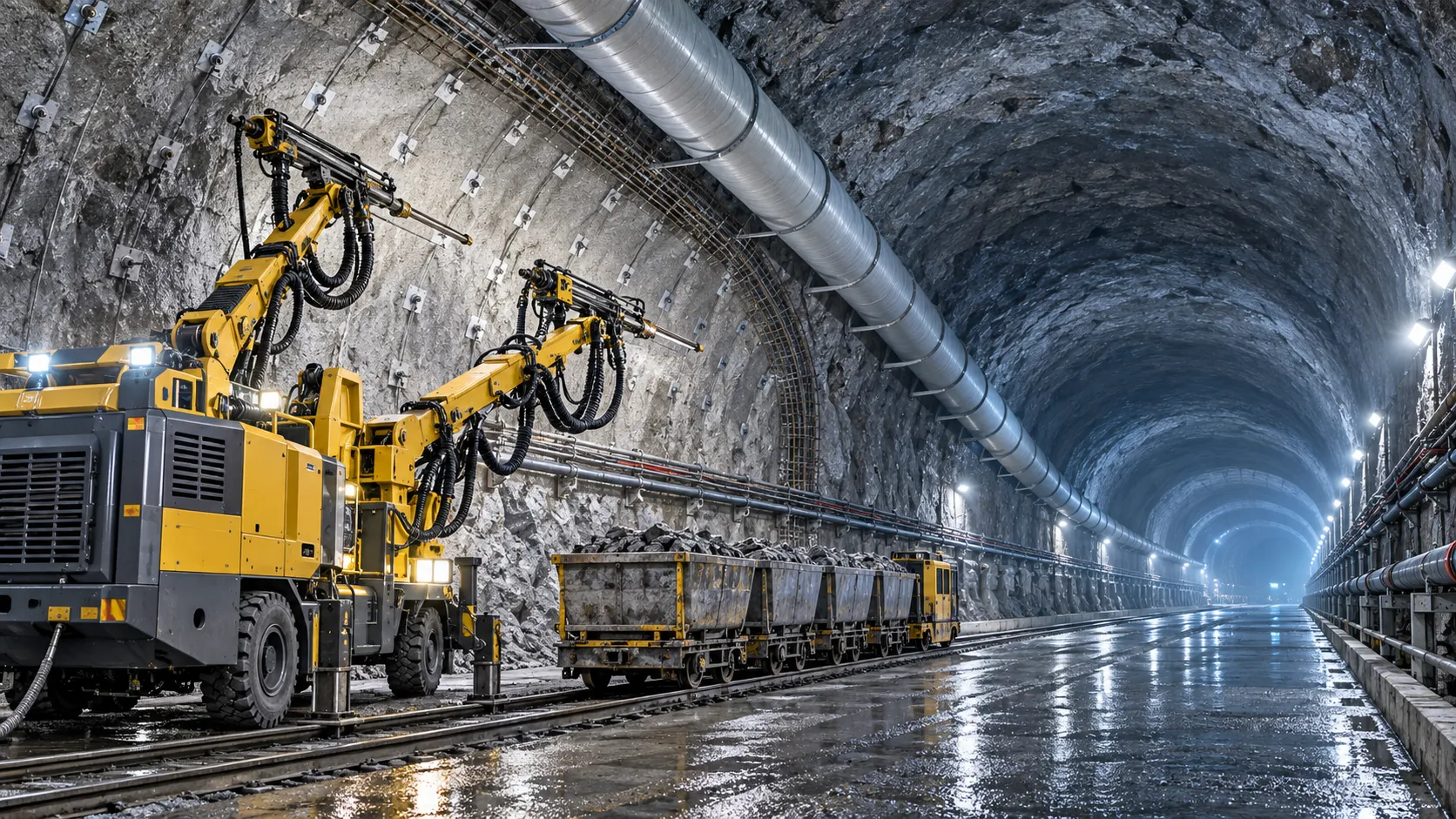
How to Evaluate European Drill-and-Blast Tunnelling Contractors for Complex Projects
Drill and blast tunnelling contractors Europe: learn how to assess geology expertise, blast control, equipment reliability, safety, and programme resilience for complex projects.
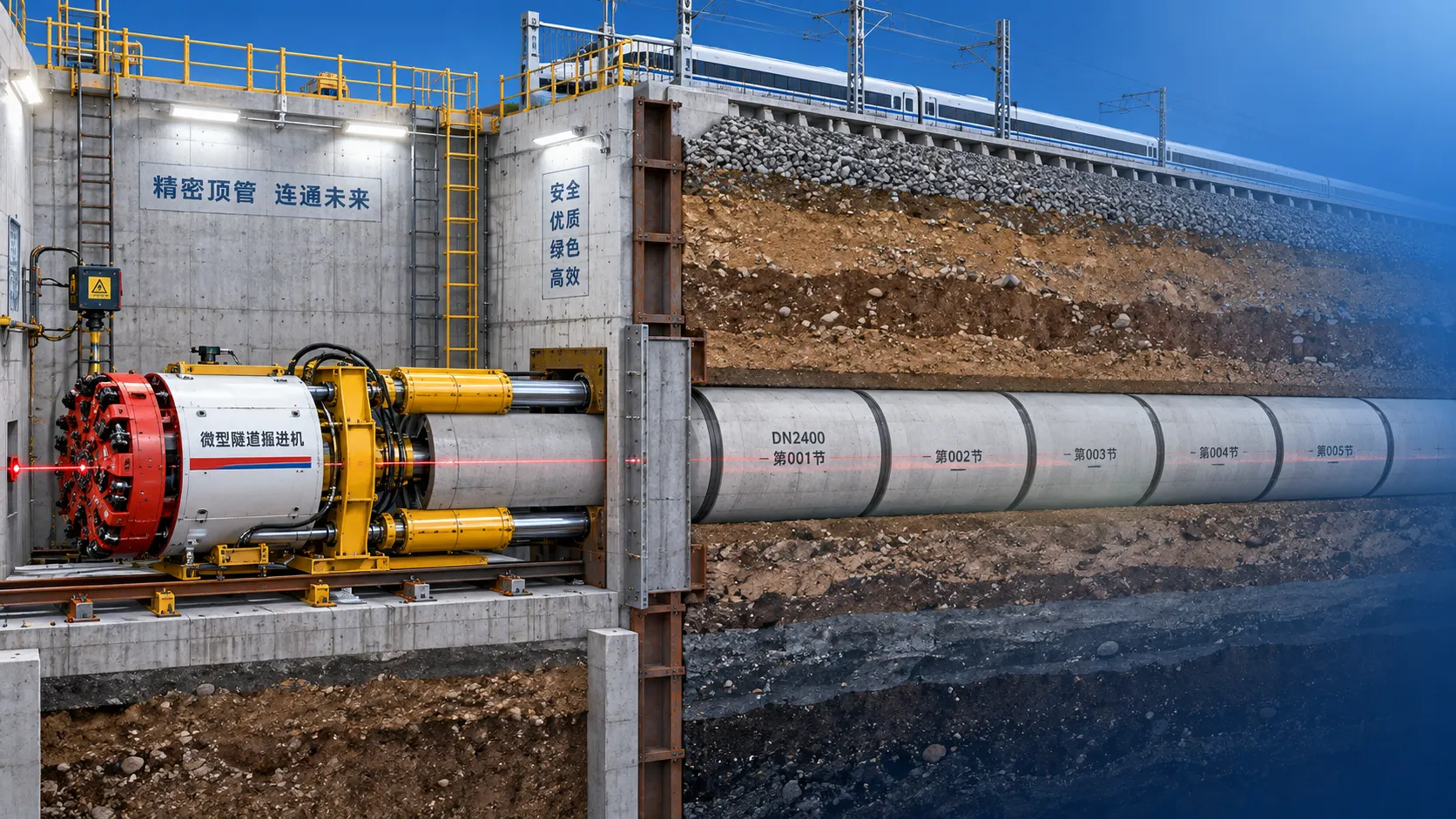
Which Trenchless Construction Technique Fits Your Utility Crossing Conditions?
Trenchless construction techniques compared for utility crossings: choose HDD, microtunnelling, pipe jacking, or auger boring based on ground, accuracy, access, and risk.
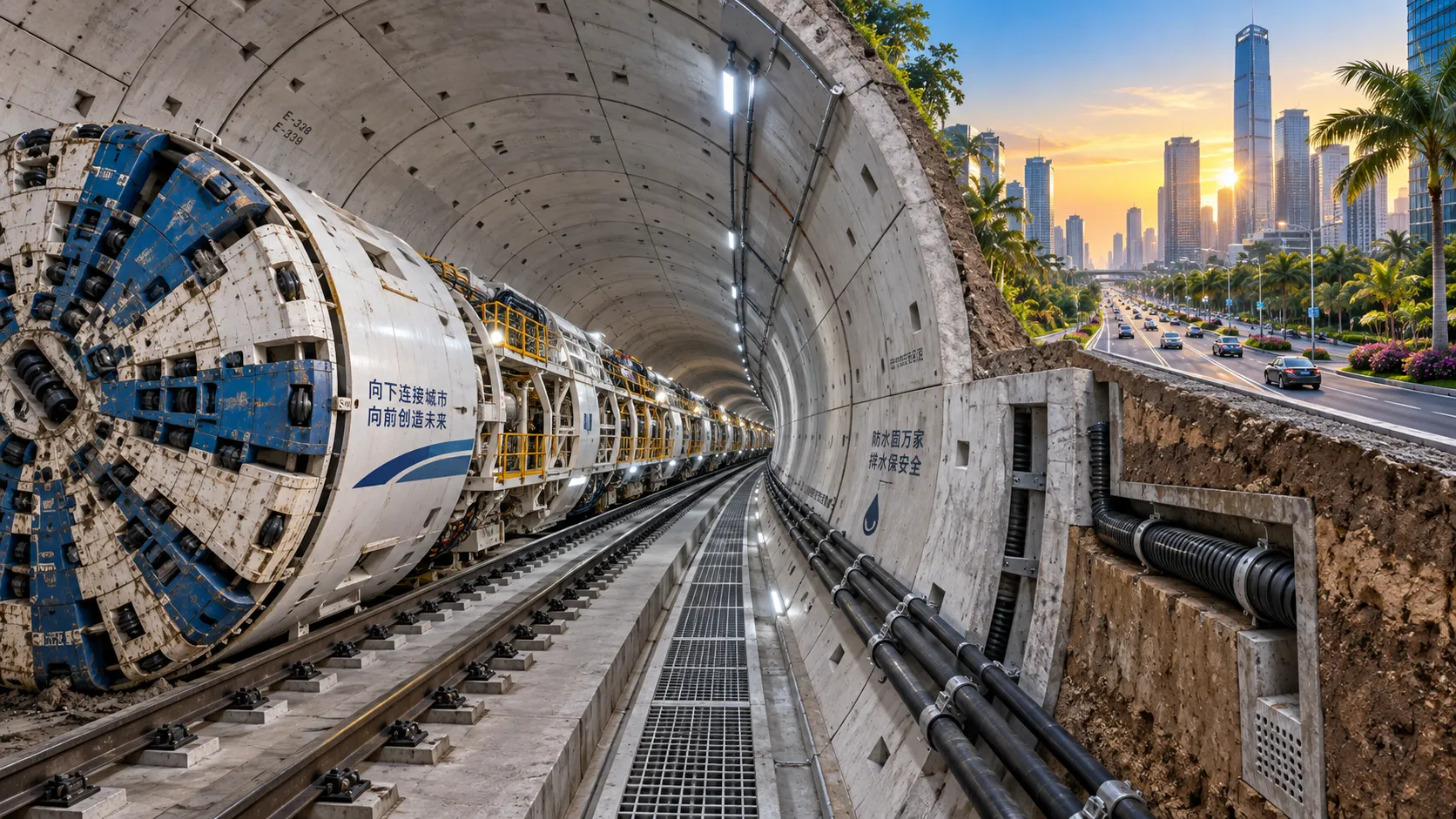
What Is Driving Metro Tunnelling Demand Across Southeast Asia’s Major Cities?
Metro tunnelling Southeast Asia is accelerating as major cities tackle congestion, flooding, and connectivity. Explore the market forces, technical risks, and opportunities shaping demand.
Hard Rock Tunnelling in Australia: Selecting Methods for Variable Ground Conditions
Hard rock tunnelling in Australia: compare TBM, drill-and-blast and hybrid methods to manage variable ground, reduce risk and protect project costs.
Hydropower Tunnel Excavation: Selecting Methods for Variable Rock Conditions
Hydropower tunnel excavation methods for variable rock conditions: compare TBM, drill-and-blast, and hybrid strategies to improve safety, progress, and project control.
How to Select Underground Safety Equipment for Tunnelling by Hazard and Work Zone
Underground Safety Equipment for tunnelling: match protection to hazards, work zones, compliance, and emergency needs with this practical selection guide.
EPB or Slurry Shield? Selecting Soft-Ground Tunnelling Equipment by Soil Conditions
Tunnel Excavation Equipment for soft ground: compare EPB and slurry shields by soil, groundwater, settlement risk, and project logistics to choose confidently.
How to Specify TBM Backup System Parts for Reliable Long-Distance Tunnelling
TBM backup system parts: learn how to specify reliable spares for long-distance tunnelling, reduce downtime, ensure compatibility, and speed underground recovery.
How to Size Open Pit Mining Trucks for Haul Distance, Grade, and Payload?
Open Pit Mining Trucks: learn how to match payload, haul distance, grade, road resistance, and loading capacity for safer, lower-cost mine operations.
Related News
- 00
0000-00
How to Evaluate European Drill-and-Blast Tunnelling Contractors for Complex Projects - 00
0000-00
Which Trenchless Construction Technique Fits Your Utility Crossing Conditions? - 00
0000-00
What Is Driving Metro Tunnelling Demand Across Southeast Asia’s Major Cities? - 00
0000-00
Hard Rock Tunnelling in Australia: Selecting Methods for Variable Ground Conditions - 00
0000-00
Hydropower Tunnel Excavation: Selecting Methods for Variable Rock Conditions
Weekly Insights
Stay ahead with our curated technology reports delivered every Monday.