
Tunnel waterproofing solutions that reduce rework risk





For quality control and safety managers, choosing the right Tunnel Waterproofing Solutions is not only about stopping leaks. It is about reducing rework, preserving structural integrity, and protecting schedule certainty across underground projects.
In deep tunnels, trenchless crossings, and mining drifts, water ingress quickly becomes a multiplier of risk. It can damage linings, weaken interfaces, delay fit-out, and trigger repeated repairs that consume labor, materials, and confidence.
That is why effective Tunnel Waterproofing Solutions should be judged by scenario fit. The best option depends on geology, hydrostatic pressure, excavation method, lifecycle exposure, and inspection access.
For UTMD readers tracking TBM systems, trenchless equipment, and underground mining dynamics, waterproofing is not a secondary trade. It is a control point linking excavation reliability, digital quality records, and long-term asset performance.
Why scenario-based Tunnel Waterproofing Solutions reduce rework risk
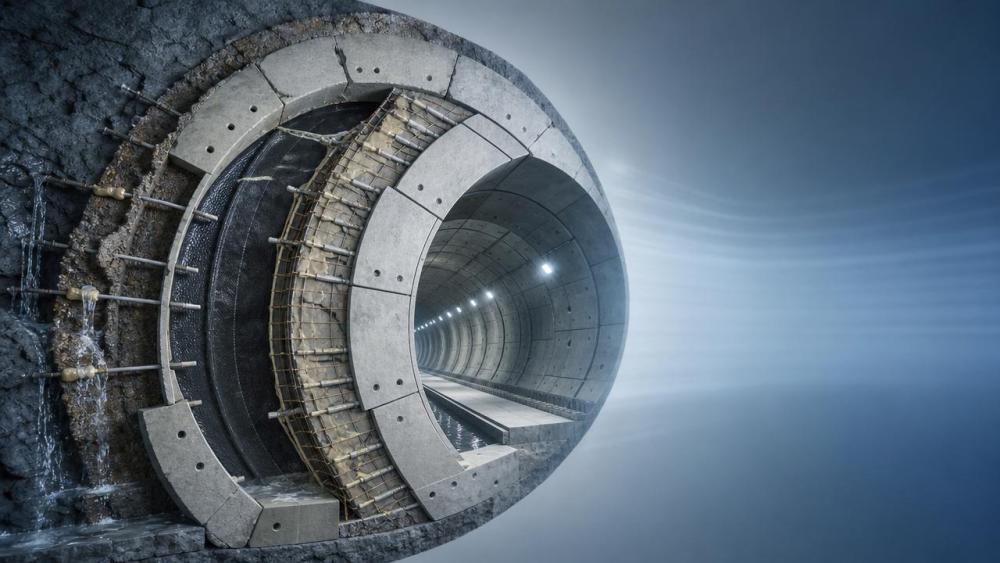
Not every leak has the same cause. Some originate at segment joints. Others come from cracks, cold joints, penetrations, drainage failures, or sudden groundwater changes during excavation.
Using generic Tunnel Waterproofing Solutions often creates hidden rework. A membrane designed for low deformation may fail in squeezing ground. A grout designed for fine cracks may underperform in active inflow.
Scenario-based selection improves first-time quality. It aligns materials, detailing, installation sequence, and inspection methods with the actual underground conditions.
This approach also supports better documentation. In modern underground projects, waterproofing records increasingly sit beside TBM advance data, geology logs, and defect tracking dashboards.
Scenario 1: TBM segmental tunnels under persistent groundwater pressure
Segmental linings face repeatable but demanding waterproofing conditions. The main risk points are gasket compression, ring build accuracy, bolt pockets, tail voids, and damaged segments during handling.
Here, Tunnel Waterproofing Solutions should prioritize system integrity, not isolated products. A durable gasket, precise segment geometry, compatible sealants, and controlled tail void grouting must work together.
Core judgment points
- Expected hydrostatic head and fluctuation range
- Segment joint movement tolerance
- Tail seal performance during long drives
- Grout filling completeness behind rings
- Inspection access after installation
Rework risk rises when teams focus only on post-leak injection. In TBM tunnels, prevention starts at ring assembly quality, joint cleanliness, gasket protection, and documented tolerances.
Scenario 2: Cut-and-cover and station boxes with complex interfaces
Cut-and-cover structures introduce many transitions. Base slabs, retaining walls, roof slabs, movement joints, utility penetrations, and construction joints create multiple leak paths.
In this setting, Tunnel Waterproofing Solutions should emphasize continuity across interfaces. Sheet membranes, waterstops, injection hoses, and protection boards need coordinated detailing from drawing stage onward.
Core judgment points
- Number of penetrations and joint interruptions
- Substrate condition before membrane placement
- Potential for differential settlement
- Protection of waterproofing during rebar and concrete works
Many failures occur after otherwise correct installation. Membranes get punctured by later trades, or poorly sequenced penetrations break continuity. Rework prevention depends on interface control, not material selection alone.
Scenario 3: Drill-and-blast tunnels in fractured or squeezing ground
Rock tunnels present irregular profiles and changing deformation patterns. Water may enter through joints, faults, shears, or heavily weathered zones with variable pressure and chemistry.
For these conditions, Tunnel Waterproofing Solutions often combine drainage layers, flexible membranes, rock support integration, and targeted pre-injection or post-injection grouting.
Core judgment points
- Degree of rock movement after excavation
- Need for drained or fully sealed design
- Chemical aggressiveness of groundwater
- Shotcrete quality and surface preparation demands
In fractured zones, rigid detailing invites rework. Systems should tolerate movement and maintain performance despite rough surfaces and localized stress concentrations.
Scenario 4: Mining drifts and service tunnels needing operational resilience
Underground mines often face moisture, vibration, blasting effects, and limited maintenance windows. Waterproofing must protect power rooms, conveyor drifts, pump chambers, and refuge-related infrastructure.
In these environments, Tunnel Waterproofing Solutions should support uptime. Quick-curing injection systems, durable drainage control, and maintainable sealing details become more valuable than appearance-focused finishes.
Where electrification and automation expand underground, dry conditions matter even more. Battery systems, control cabinets, sensors, and communication assets all benefit from stable water management.
How different scenarios change Tunnel Waterproofing Solutions requirements
Practical adaptation advice for selecting Tunnel Waterproofing Solutions
- Map leak paths by structure type, not by material category alone.
- Check whether the design expects drained, semi-drained, or fully sealed performance.
- Test compatibility among membranes, sealants, gaskets, grout, and substrate treatments.
- Require installation hold points before waterproofing gets covered.
- Link waterproofing records to geology, chainage, and defect logs.
- Plan repair access before final finishes or equipment installation.
- Account for vibration, chemical exposure, and thermal cycling over asset life.
High-value Tunnel Waterproofing Solutions usually include inspection logic. If a system cannot be checked, documented, and repaired in a controlled way, rework risk remains high.
Common misjudgments that increase waterproofing rework
One common mistake is treating all water ingress as a sealing problem. Sometimes the root issue is structural movement, poor drainage, or unstable surrounding ground.
Another error is specifying premium materials without protecting installation quality. Even strong Tunnel Waterproofing Solutions fail when substrate preparation, overlap control, or curing conditions are ignored.
Teams also underestimate lifecycle exposure. A tunnel may appear dry during construction but face different pressure regimes after nearby excavation, seasonal recharge, or network commissioning.
Documentation gaps create hidden costs too. Without precise location records, leak recurrence becomes harder to analyze, and repairs become slower, broader, and more expensive.
A practical next step for lower-risk Tunnel Waterproofing Solutions
Start with a scenario matrix for each tunnel zone. Separate segment joints, cross passages, shafts, station interfaces, service rooms, and high-pressure sections.
Then define the expected water condition, deformation range, access constraint, and repair strategy for each zone. This turns Tunnel Waterproofing Solutions into a controlled engineering decision.
For underground projects tracked through UTMD intelligence, the strongest waterproofing strategy is one that connects material choice with excavation method, equipment behavior, and operational reliability.
When scenario fit is clear, rework declines, compliance improves, and underground assets remain more dependable from first excavation to long-term service.
Related News
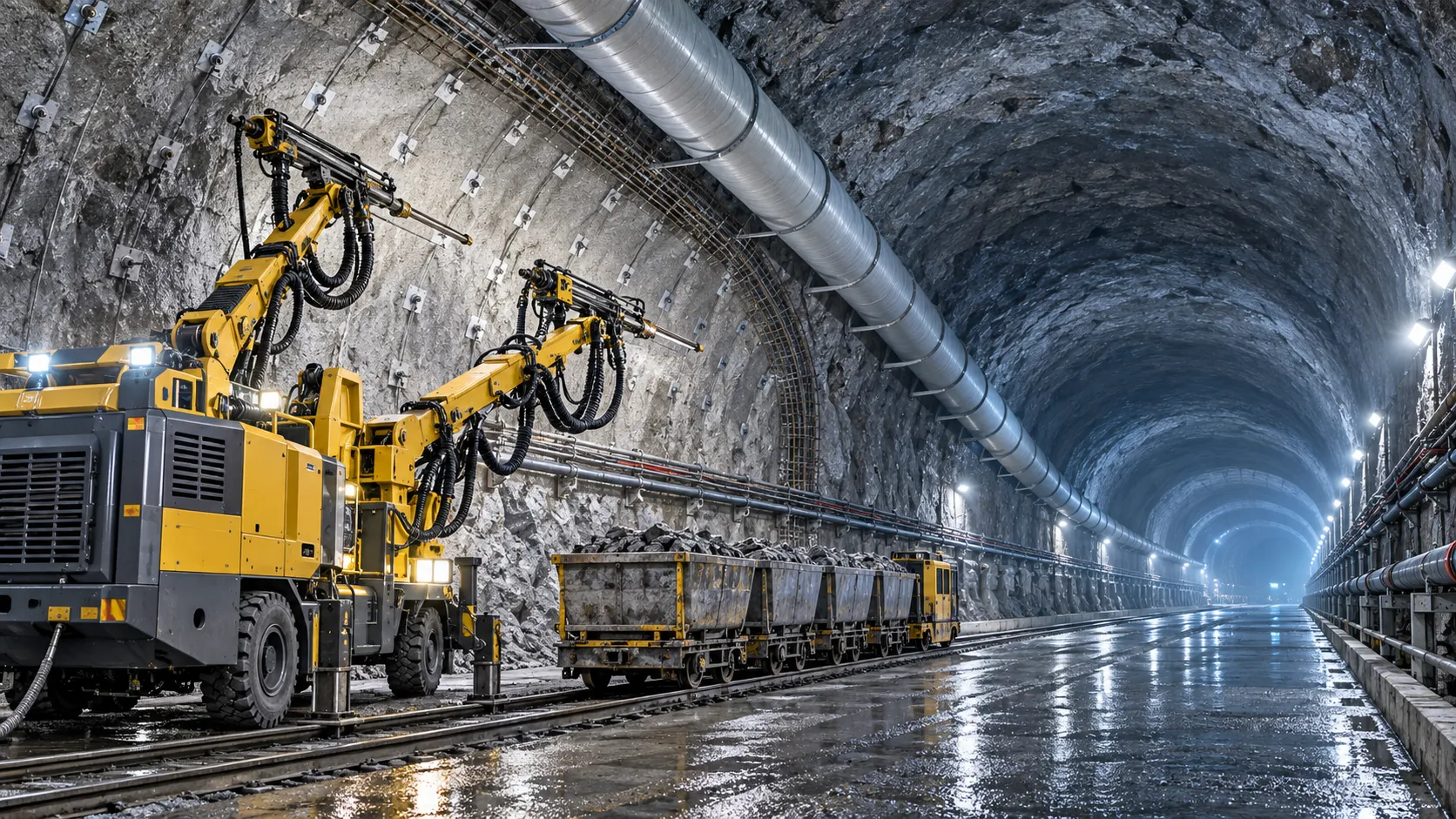
How to Evaluate European Drill-and-Blast Tunnelling Contractors for Complex Projects
Drill and blast tunnelling contractors Europe: learn how to assess geology expertise, blast control, equipment reliability, safety, and programme resilience for complex projects.
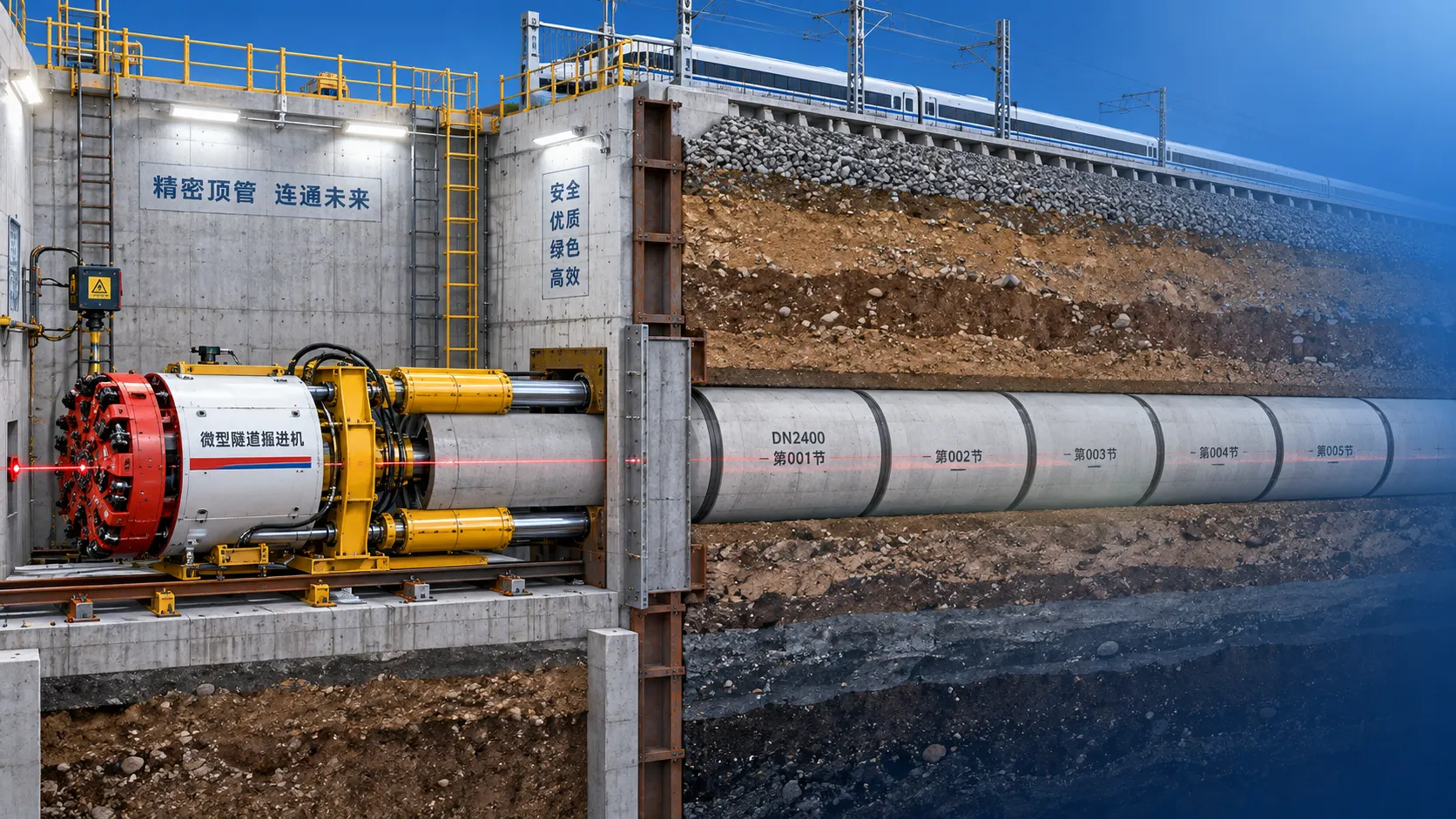
Which Trenchless Construction Technique Fits Your Utility Crossing Conditions?
Trenchless construction techniques compared for utility crossings: choose HDD, microtunnelling, pipe jacking, or auger boring based on ground, accuracy, access, and risk.
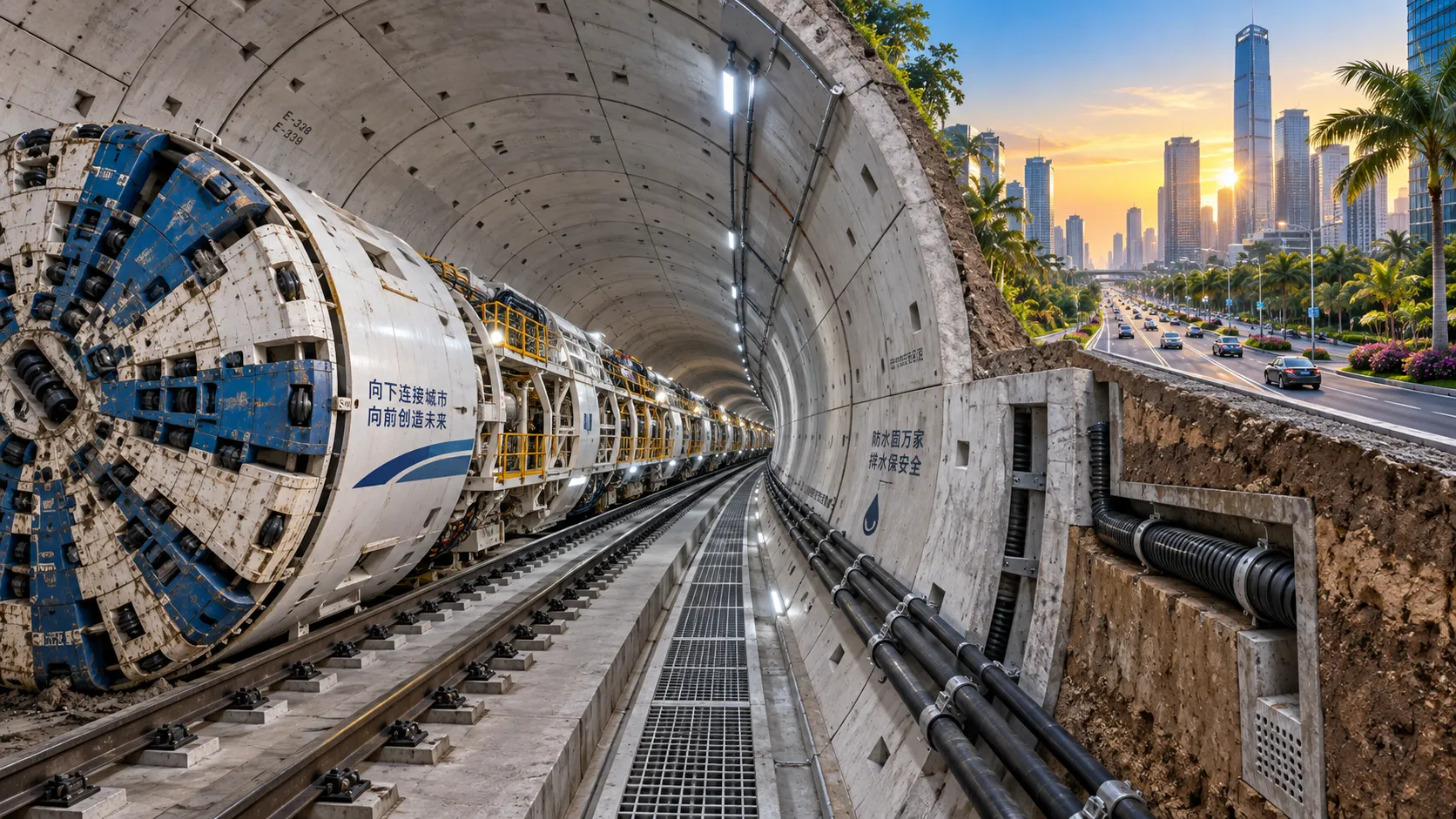
What Is Driving Metro Tunnelling Demand Across Southeast Asia’s Major Cities?
Metro tunnelling Southeast Asia is accelerating as major cities tackle congestion, flooding, and connectivity. Explore the market forces, technical risks, and opportunities shaping demand.
Hard Rock Tunnelling in Australia: Selecting Methods for Variable Ground Conditions
Hard rock tunnelling in Australia: compare TBM, drill-and-blast and hybrid methods to manage variable ground, reduce risk and protect project costs.
Hydropower Tunnel Excavation: Selecting Methods for Variable Rock Conditions
Hydropower tunnel excavation methods for variable rock conditions: compare TBM, drill-and-blast, and hybrid strategies to improve safety, progress, and project control.
How to Select Underground Safety Equipment for Tunnelling by Hazard and Work Zone
Underground Safety Equipment for tunnelling: match protection to hazards, work zones, compliance, and emergency needs with this practical selection guide.
EPB or Slurry Shield? Selecting Soft-Ground Tunnelling Equipment by Soil Conditions
Tunnel Excavation Equipment for soft ground: compare EPB and slurry shields by soil, groundwater, settlement risk, and project logistics to choose confidently.
How to Specify TBM Backup System Parts for Reliable Long-Distance Tunnelling
TBM backup system parts: learn how to specify reliable spares for long-distance tunnelling, reduce downtime, ensure compatibility, and speed underground recovery.
How to Size Open Pit Mining Trucks for Haul Distance, Grade, and Payload?
Open Pit Mining Trucks: learn how to match payload, haul distance, grade, road resistance, and loading capacity for safer, lower-cost mine operations.
Related News
- 00
0000-00
How to Evaluate European Drill-and-Blast Tunnelling Contractors for Complex Projects - 00
0000-00
Which Trenchless Construction Technique Fits Your Utility Crossing Conditions? - 00
0000-00
What Is Driving Metro Tunnelling Demand Across Southeast Asia’s Major Cities? - 00
0000-00
Hard Rock Tunnelling in Australia: Selecting Methods for Variable Ground Conditions - 00
0000-00
Hydropower Tunnel Excavation: Selecting Methods for Variable Rock Conditions
Weekly Insights
Stay ahead with our curated technology reports delivered every Monday.