
Is mining equipment automation ready for daily operations?





Mining Equipment Automation is moving from pilot projects to real-world shifts, but daily operations still demand reliability, safety, and operator trust. For users and equipment operators, the key question is not just whether automation works, but whether it can handle harsh underground conditions, reduce fatigue, and improve productivity without disrupting workflows. This article explores how close the industry truly is to routine automated mining performance.
For crews working with drilling jumbos, underground LHD loaders, mining dump trucks, TBM support systems, and trenchless equipment, automation is no longer a distant concept. In many mines and underground projects, the real debate has shifted from “Can it run?” to “Can it run every shift, across 10–12 hours, through dust, vibration, water ingress, blind corners, and changing rock conditions?”
That distinction matters. A successful 2-week demonstration is not the same as dependable performance over 24/7 production cycles. Operators need systems that are predictable, easy to override, simple to troubleshoot, and compatible with existing workflows. For asset owners, uptime, safety, maintenance intervals, battery performance, and network stability are often more important than automation claims alone.
In the UTMD view of underground engineering, automation readiness depends on how well machine intelligence connects with rock mechanics, confined-space safety, electrification, and field service realities. Daily operations reward practical systems, not just advanced algorithms.
What “ready for daily operations” really means in mining equipment automation
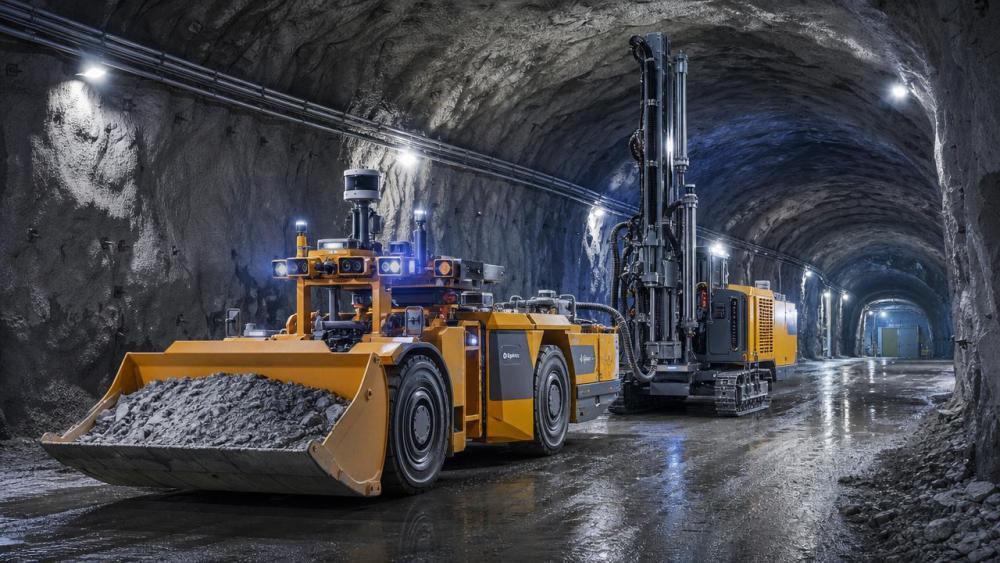
Mining Equipment Automation becomes operationally ready only when it performs consistently across repeated cycles, not just under ideal test conditions. In practical terms, most operators expect three things: stable production output, low unplanned intervention, and safe human-machine interaction during every shift.
For underground fleets, that usually means automated systems should maintain performance during 8-hour, 10-hour, or 12-hour shifts with limited resets. If a machine requires manual recovery every 30–60 minutes, it may still be advanced technology, but it is not yet ready for routine production.
Operational readiness is more than autonomous movement
A loader driving from point A to point B without a driver is only one piece of the puzzle. Daily readiness also includes obstacle detection, communication with dispatch, precise loading and dumping, safe speed control on grades, battery or fuel management, and quick return to service after faults.
In drilling and tunnelling equipment, readiness may include semi-automated boom positioning, drill plan execution, segment placement support, and machine health monitoring. The standard is not full autonomy everywhere. The standard is whether automation reduces manual burden without introducing new production bottlenecks.
Five practical indicators operators can use
- Intervention frequency: fewer than 2–3 unscheduled operator takeovers per shift is a useful target.
- Positioning repeatability: lane keeping, docking, or loading alignment should remain stable within site tolerances.
- Recovery time: common faults should be reset in 5–15 minutes, not half a shift.
- Network resilience: short communication drops should trigger safe fallback behavior, not mission failure.
- Operator usability: control interfaces must be understandable after practical training, often within 1–3 days for experienced personnel.
The table below shows how pilot-stage automation differs from systems that are closer to daily production use in mining and underground operations.
The key takeaway is simple: daily readiness is measured by repeatability and recoverability. Automation that performs well only when engineers are standing beside the machine is not the same as automation that operators can trust at 3 a.m. in a live production heading.
Where mining equipment automation is already proving itself
Not all mining tasks are equally ready for automation. The strongest results today usually appear in repetitive, rule-based, and route-defined workflows. In underground mining and tunnelling support environments, haulage, tramming, drilling assistance, and machine health monitoring are often the most mature categories.
Underground LHD loaders and haul cycles
Underground LHD automation has advanced quickly because loading and haul routes can be mapped, repeated, and optimized. When headings, dump points, and refuge zones are digitally defined, automation can reduce idle movement, improve shift consistency, and remove personnel from high-risk areas.
However, reliability depends on drift width, ventilation conditions, dust suppression, sensor cleanliness, and communications coverage. In narrow tunnels, a 20–30 cm margin issue can become a serious operational event. That is why robust localization and disciplined road maintenance still matter.
Mining dump trucks in open-pit environments
Autonomous haulage in open-pit mines has shown some of the clearest business value, especially on fixed routes with predictable gradients. Trucks operating in repetitive loops can maintain more consistent speed profiles, safer following distances, and better braking discipline over long downhill segments.
For electric or hybrid fleets, automation also supports energy optimization. Regenerative braking and controlled acceleration can improve consistency, though actual gains depend on payload, slope, haul distance, and stop-start frequency. In practice, sites often evaluate performance over 30-day to 90-day windows rather than 1-day snapshots.
Drilling jumbos, TBM systems, and semi-automation
In drilling jumbos and TBM-related systems, the most practical progress is often semi-automation rather than full autonomy. Automatic drill pattern execution, boom assistance, anti-collision logic, and cycle guidance can deliver real value without removing operator judgment where geology changes quickly.
That is an important point for users. Daily operations do not require every machine to become fully driverless. In many cases, a 15%–25% reduction in repetitive manual actions, plus safer stand-off operation, is more useful than an ambitious full-autonomy package that struggles in variable ground.
The biggest obstacles still limiting routine automated performance
Despite real progress, Mining Equipment Automation still faces several barriers before it becomes standard across all shifts and all ore bodies. Most of these are not purely software problems. They sit at the intersection of environment, maintenance discipline, training, and site design.
Underground conditions remain hard on sensors and networks
Water spray, mud, dust, reflective surfaces, vibration, and poor line of sight can affect cameras, lidar, radar, and wireless communication. Even well-designed systems can degrade if sensor cleaning is irregular or if cable and access infrastructure are not maintained to the same standard as the machines.
A mine may have 95% route availability on paper, but the remaining 5% of blind spots, unstable headings, or damaged markers can create disproportionate interruptions. Automation is unforgiving of inconsistent ground rules.
Operator trust is earned shift by shift
Users do not reject automation because they dislike technology. They reject it when system behavior is hard to predict. If alarms are unclear, overrides are delayed by 3–5 seconds, or restart logic is inconsistent, crews will quickly return to manual mode, especially under production pressure.
The human factor is critical. Operators need training that goes beyond interface buttons. They need to understand system limits, fallback modes, stopping distances, and what conditions trigger degraded operation. For many sites, 2-stage training that combines classroom instruction with live shift simulation works better than a single handover session.
Maintenance teams need different skills and routines
Routine automation support requires more than hydraulic and mechanical expertise. It also requires networking basics, sensor calibration practice, software update control, and fault log interpretation. A mine that adds autonomous functions without updating maintenance workflows usually creates hidden downtime.
The table below outlines common readiness gaps and practical responses for operations teams.
What this means for operators is clear: automation readiness is not just a machine specification. It is a site-wide operating discipline. Mines that treat connectivity, sensor care, and training as secondary items usually see unstable outcomes.
How operators and site managers should evaluate automation before rollout
If the goal is to make Mining Equipment Automation work in daily operations, evaluation should focus on production fit rather than feature count. A long technical brochure does not tell you how a system behaves after 6 weeks underground.
Start with the task, not the marketing label
Ask which task needs automation first: tramming, loading, dump approach, drilling alignment, remote mucking, or hazard-zone access. A site may get faster returns from automating one narrow pain point than from buying a broad package that crews use only 30% of the time.
Four questions to ask before purchase or deployment
- What operating scenario is being automated, and how often does it occur per shift?
- What is the expected intervention rate after the first 30 days?
- Can the system run with current ventilation, power, and communications infrastructure?
- Who owns resets, updates, and diagnostics during night shifts and weekends?
Use a phased implementation path
A 3-phase rollout is often more reliable than a full fleet switch. Phase 1 can validate route mapping and communications. Phase 2 can test one machine over 30–60 days across normal shift cycles. Phase 3 can scale to multiple units only after intervention patterns, maintenance load, and operator feedback are understood.
This is especially relevant for mixed fleets where some machines are battery-electric, some are diesel, and some depend on remote 5G or Wi-Fi coverage. Daily operations are smoother when digital infrastructure matures alongside the equipment.
Measure the right success indicators
Sites often focus first on tons moved per hour, but that is only one metric. Better indicators include operator exposure reduction, delay minutes per shift, reset frequency, battery swap time, drill cycle repeatability, and utilization across 7-day production windows.
When those measures improve together, automation is usually becoming operationally useful. When output rises but delays, training burden, and maintenance calls also rise sharply, the site may be forcing technology ahead of readiness.
So, is mining equipment automation ready now?
The honest answer is yes in some tasks, some fleets, and some mine layouts—and not yet everywhere. Mining Equipment Automation is ready for daily operations when the application is repetitive, the environment is digitally prepared, operators are trained, and maintenance teams can support both hardware and software layers.
It is most ready today in structured haulage, remote loading, semi-automated drilling functions, protected hazard-zone work, and monitored repetitive cycles. It is less ready where headings change constantly, visibility is poor, communications are unstable, and production plans shift hour by hour.
For users and operators, the right expectation is not a flawless autonomous mine from day one. The right expectation is a controlled transition: fewer high-risk exposures, less fatigue, more repeatable cycles, and better utilization over time. That is where the strongest value appears.
UTMD tracks this transition across TBMs, pipe jacking systems, drilling jumbos, mining dump trucks, and underground LHD loaders because real progress happens when machine intelligence meets field practicality. If you are assessing automation for underground transport, drilling, or tunnelling support, now is the time to compare workflows, identify bottlenecks, and define realistic deployment targets.
To evaluate the next step for your operation, contact us to discuss equipment scenarios, automation readiness factors, and tailored solution paths. Get a customized plan, review product details, and explore more underground equipment intelligence with UTMD.
Related News
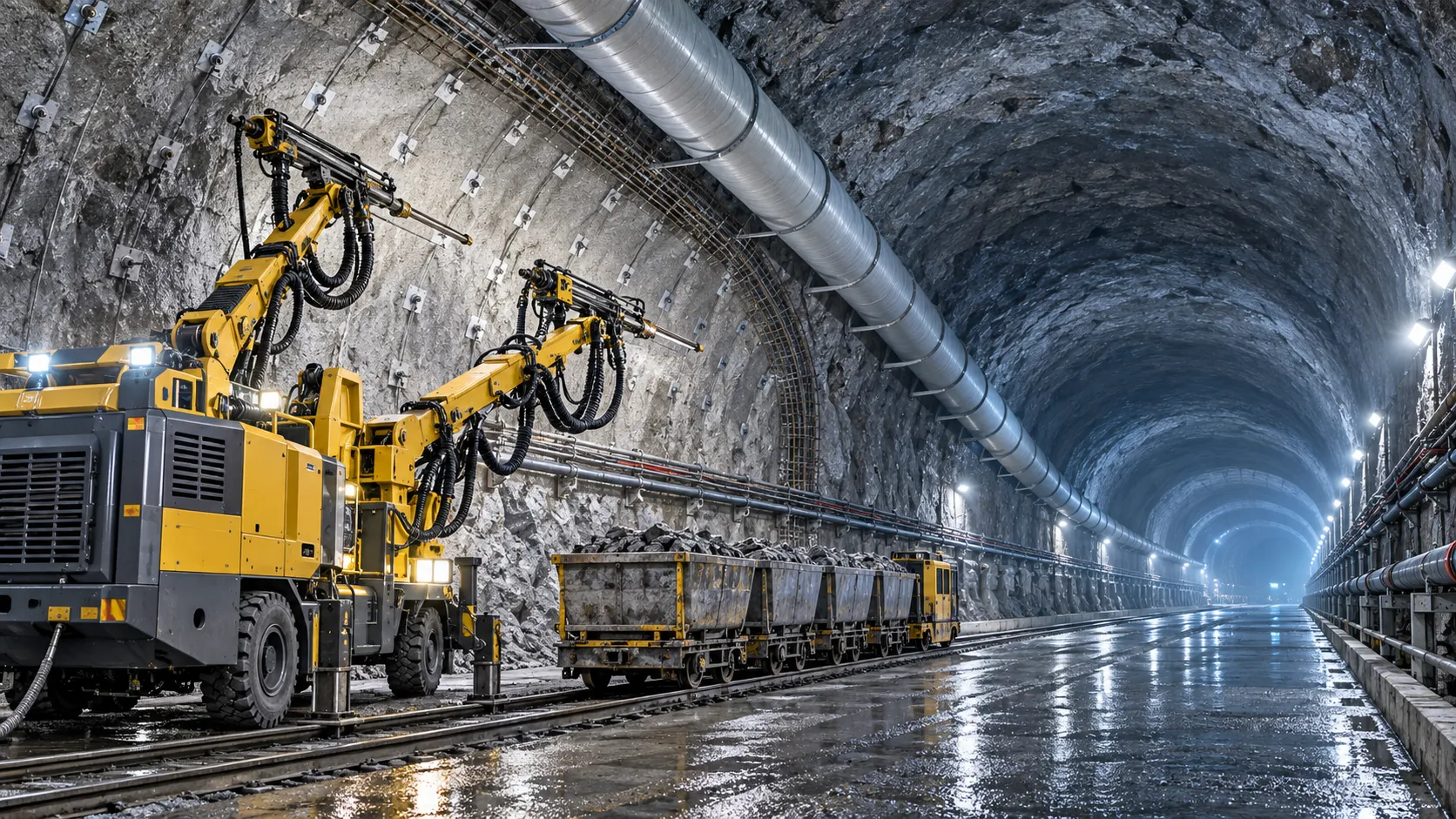
How to Evaluate European Drill-and-Blast Tunnelling Contractors for Complex Projects
Drill and blast tunnelling contractors Europe: learn how to assess geology expertise, blast control, equipment reliability, safety, and programme resilience for complex projects.
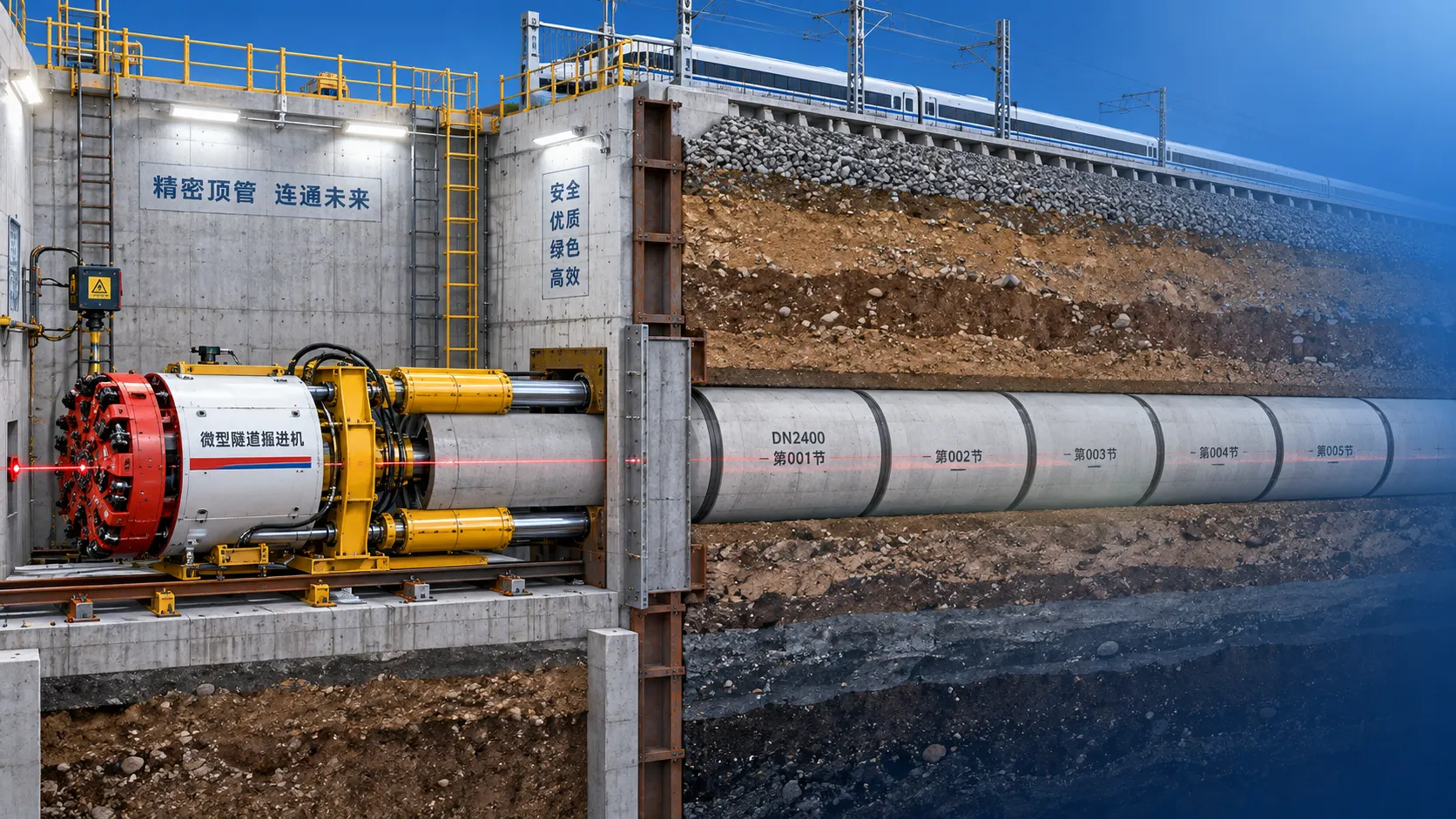
Which Trenchless Construction Technique Fits Your Utility Crossing Conditions?
Trenchless construction techniques compared for utility crossings: choose HDD, microtunnelling, pipe jacking, or auger boring based on ground, accuracy, access, and risk.
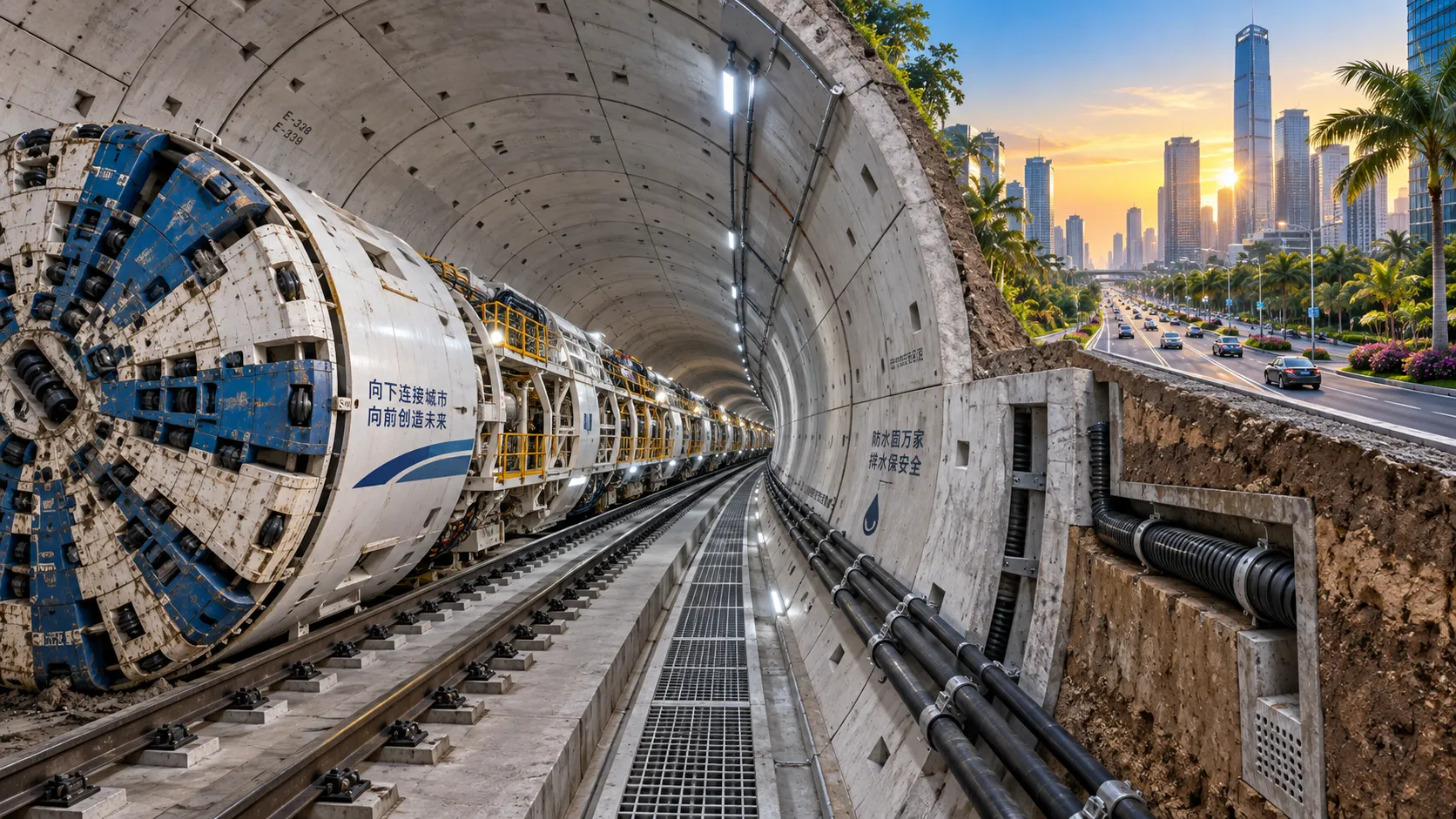
What Is Driving Metro Tunnelling Demand Across Southeast Asia’s Major Cities?
Metro tunnelling Southeast Asia is accelerating as major cities tackle congestion, flooding, and connectivity. Explore the market forces, technical risks, and opportunities shaping demand.
Hard Rock Tunnelling in Australia: Selecting Methods for Variable Ground Conditions
Hard rock tunnelling in Australia: compare TBM, drill-and-blast and hybrid methods to manage variable ground, reduce risk and protect project costs.
Hydropower Tunnel Excavation: Selecting Methods for Variable Rock Conditions
Hydropower tunnel excavation methods for variable rock conditions: compare TBM, drill-and-blast, and hybrid strategies to improve safety, progress, and project control.
How to Select Underground Safety Equipment for Tunnelling by Hazard and Work Zone
Underground Safety Equipment for tunnelling: match protection to hazards, work zones, compliance, and emergency needs with this practical selection guide.
EPB or Slurry Shield? Selecting Soft-Ground Tunnelling Equipment by Soil Conditions
Tunnel Excavation Equipment for soft ground: compare EPB and slurry shields by soil, groundwater, settlement risk, and project logistics to choose confidently.
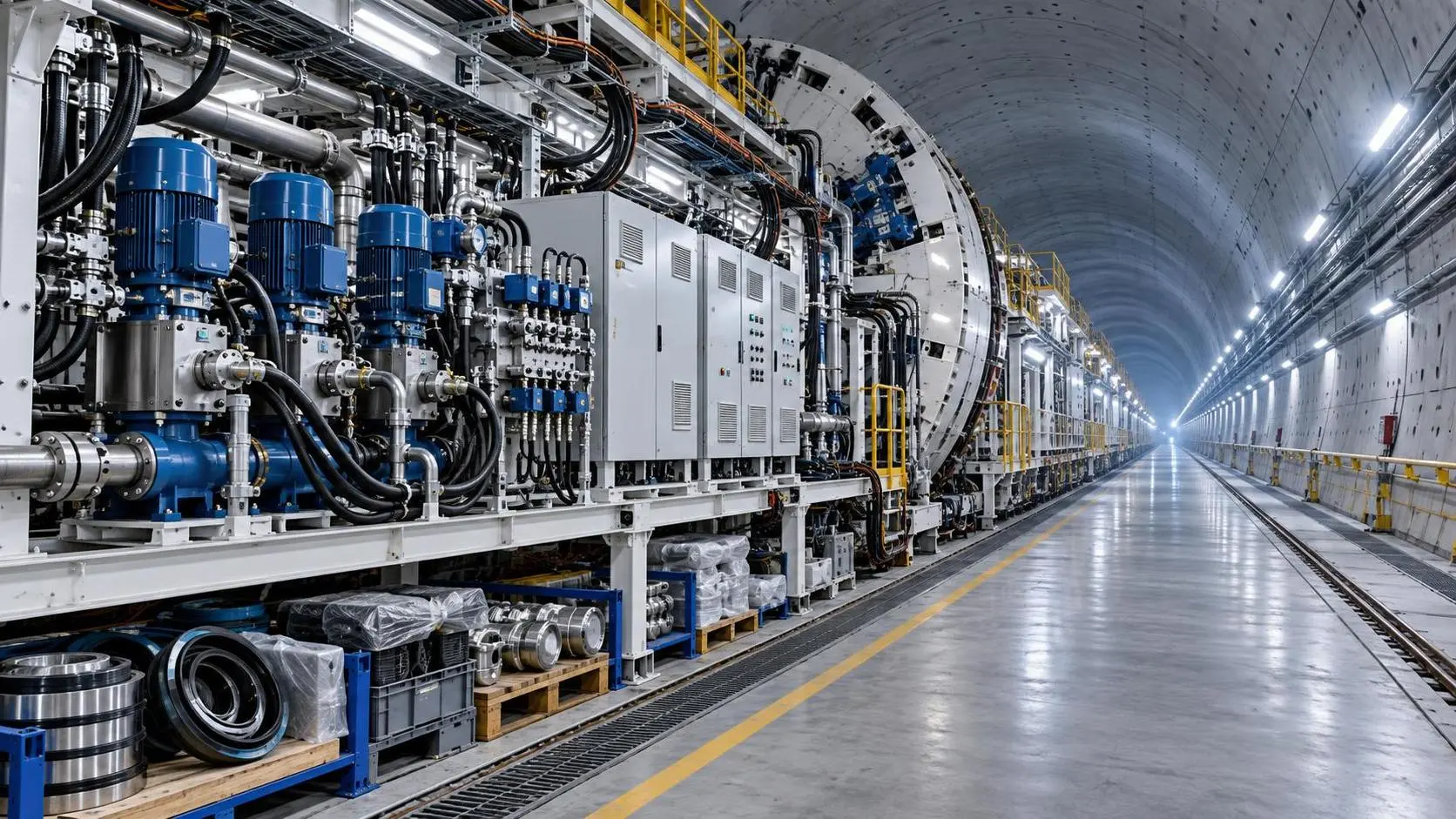
How to Specify TBM Backup System Parts for Reliable Long-Distance Tunnelling
TBM backup system parts: learn how to specify reliable spares for long-distance tunnelling, reduce downtime, ensure compatibility, and speed underground recovery.
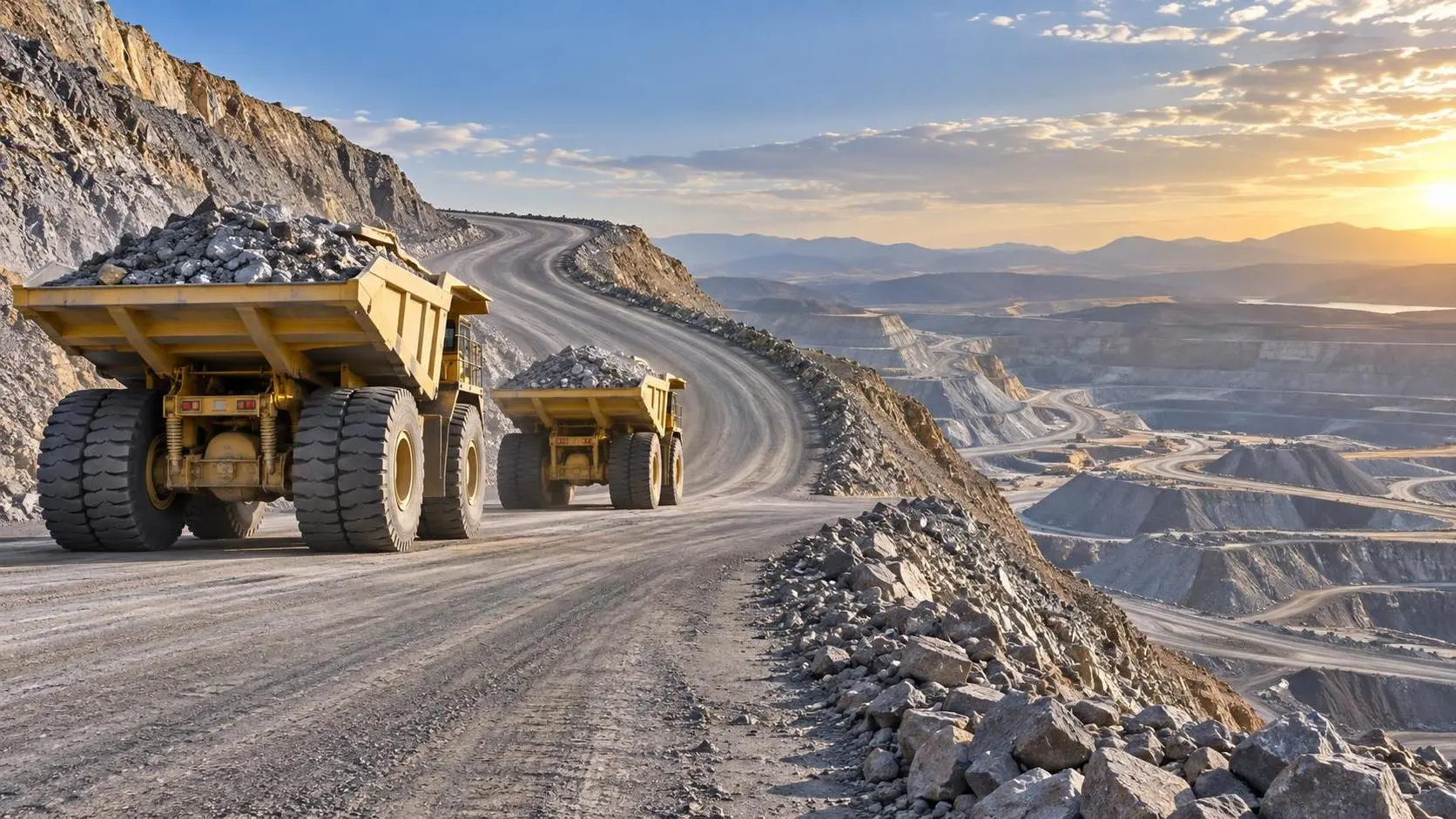
How to Size Open Pit Mining Trucks for Haul Distance, Grade, and Payload?
Open Pit Mining Trucks: learn how to match payload, haul distance, grade, road resistance, and loading capacity for safer, lower-cost mine operations.
Related News
- 00
0000-00
How to Evaluate European Drill-and-Blast Tunnelling Contractors for Complex Projects - 00
0000-00
Which Trenchless Construction Technique Fits Your Utility Crossing Conditions? - 00
0000-00
What Is Driving Metro Tunnelling Demand Across Southeast Asia’s Major Cities? - 00
0000-00
Hard Rock Tunnelling in Australia: Selecting Methods for Variable Ground Conditions - 00
0000-00
Hydropower Tunnel Excavation: Selecting Methods for Variable Rock Conditions
Weekly Insights
Stay ahead with our curated technology reports delivered every Monday.