
How to Build a Mining Decarbonization Strategy That Balances Emissions, Cost, and Fleet Reality





A workable mining decarbonization strategy starts by treating the fleet as a physical system rather than a reporting category. Emissions are created by haul cycles, idle time, road gradients, ventilation demand, explosive usage, rehandle, tire losses, and power instability. Cost is created by the same factors, just measured differently. When a decarbonization roadmap ignores how trucks queue at the shovel, how underground loaders wait at ore passes, or how battery swaps interrupt a constrained heading schedule, the plan may look clean in a slide deck and fail in daily production.
The first discipline is to define the operating boundary with precision. Separate direct fuel combustion, purchased electricity, and process-related emissions, but map them by equipment class and production step instead of leaving them in accounting buckets. An open-pit operation may find that uphill loaded haulage dominates both diesel burn and tire wear, while an underground mine may discover that ventilation demand attached to diesel equipment is as important as tailpipe emissions themselves. A shaft-constrained mine with long tramming distances faces a different transition path than a short-cycle mine with multiple loading points. The decarbonization strategy should therefore begin with route lengths, gradient profiles, payload variance, shift structure, queue time, and maintenance stoppages.
Build the baseline from machine reality
Do not begin with a technology preference. Begin with a fleet-state baseline that is granular enough to expose where carbon and cost move together and where they conflict. For each major asset group, capture fuel or electricity consumption per productive hour, tonnes moved per cycle, average idle duration, standby patterns, and the effect of environmental conditions such as heat, dust, water ingress, and altitude. A battery-electric underground loader operating in a cool, short haul loop may perform very differently from one working on a long ramp with frequent congestion. A trolley-assist truck on a stable main ramp may offer a strong emissions case, but only if traffic flow, overhead line placement, and power supply quality are engineered together.
Baseline work also needs to identify assets that are technically decarbonizable but operationally trapped. Aging drill rigs with poor hydraulic efficiency, haul trucks nearing major component overhaul, and auxiliary equipment with fragmented spare-parts support can distort the economics of transition. Replacing a single high-visibility machine may reduce reported emissions while leaving the hardest diesel consumers untouched. A better method is to rank assets by three combined dimensions: emissions intensity, operational criticality, and replacement timing. The intersection of those three usually reveals the real starting point.
Segment the fleet instead of forcing one pathway
Most mines run a mixed fleet because duty cycles are mixed. The decarbonization pathway for a production drill is rarely the same as for a dewatering pump, a light vehicle, an underground LHD, and a large dump truck. Some equipment classes can move quickly toward electrification; others may need an interim phase built around diesel displacement, better dispatch logic, renewable power integration, or ventilation reduction.
A practical segmentation often looks like this:
- Ready now: equipment with predictable cycles, fixed charging or swap locations, and clear ventilation or fuel savings. Underground loaders, utility vehicles, and some support units often fall into this category if roadway geometry and charging windows are manageable.
- Conditional transition: machines whose decarbonization case depends on infrastructure sequencing. Haul trucks, large drills, and mobile crushers may require substation upgrades, trolley corridors, cable handling logic, or revised pit designs before the numbers make sense.
- Hold and optimize: assets with low annual utilization, harsh duty swings, or limited technology maturity. These should still be included in the strategy through idle control, route redesign, hybridization where feasible, and tighter maintenance practices.
This segmentation prevents a common error: assuming that a single powertrain decision can be rolled across the entire site. In practice, the mine often decarbonizes in layers, with support equipment, underground haulage, fixed infrastructure, and then the most demanding mobile assets following different clocks.
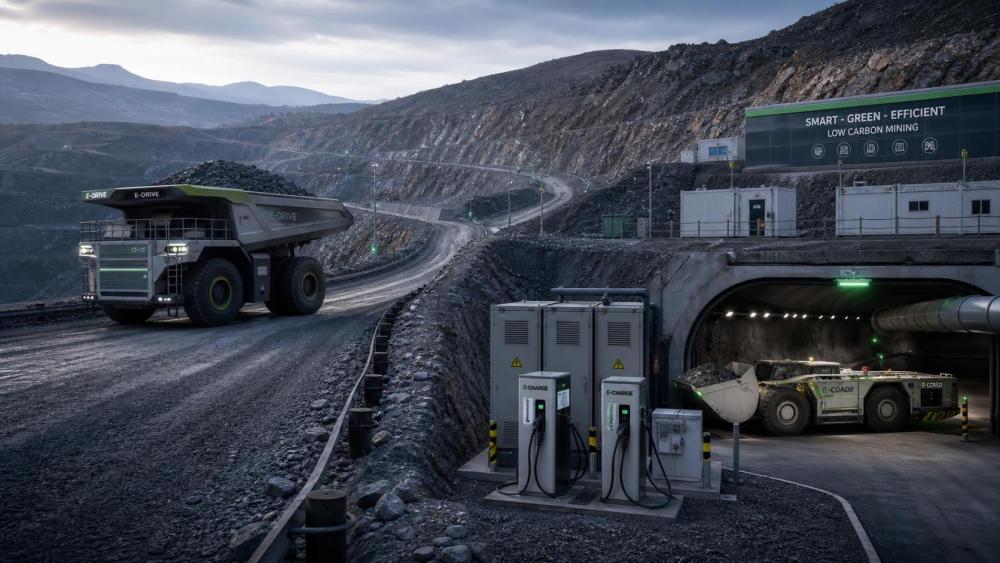
Model ventilation, power, and material movement together
Underground operations usually gain the most from integrating decarbonization with ventilation planning. A battery-electric fleet can reduce diesel particulate and heat loads, but the outcome depends on charging behavior, battery thermal management, and traffic density in active headings. If chargers are placed far from working faces, tramming distance may rise enough to offset part of the gain. If battery swaps are too slow or poorly sequenced, spare-machine demand can increase. A ventilation reduction benefit that looks obvious at mine level may disappear if auxiliary fans still run at near-constant settings because the control logic was never retuned.
For that reason, emissions modelling should be tied to ventilation network simulations, mine schedule constraints, and power distribution layouts. The same integrated view matters in open-pit mines. Electrifying haulage without revisiting road maintenance, queue discipline, and downhill regenerative opportunities can lead to oversized charging infrastructure or underused trolley segments. Carbon strategy, traffic engineering, and mine design should be read from the same drawing set.
Use capital timing as a design variable
Many transition plans fail because they treat capital cost as a static barrier instead of a sequencing problem. Fleet renewal, major component rebuilds, workshop expansion, substation replacement, and ventilation upgrades rarely happen in the same year unless forced. A better mining decarbonization strategy arranges these events so that each one unlocks the next. If a truck fleet is still mid-life, it may be more rational to first prepare trolley-ready ramps, strengthen power distribution, and improve dispatch visibility rather than force early retirement. If underground equipment is due for replacement, battery rooms, fire separation, washdown design, and lifting arrangements should be engineered before orders are placed.
That sequencing discipline should extend to procurement specifications. Too many tenders ask for low-emission equipment without defining charging interface standards, battery handling envelopes, cable routing constraints, ramp gradient limits, or maintainability in wet, abrasive conditions. The result can be a technically compliant machine that is difficult to service or impossible to integrate cleanly. Procurement documents should connect emissions goals to actual site parameters: turning radii, stope access dimensions, allowable axle loads, heat rejection limits, shift windows for charging, and spare-parts stocking expectations.
Do not separate maintenance from decarbonization
Maintenance determines whether lower-emission equipment remains lower-emission equipment in practice. A truck with poor tire pressure discipline, dragging brakes, or degraded wheel alignment burns more energy regardless of power source. Underground battery machines with contaminated connectors, inconsistent cooling performance, or damaged cable protection can lose availability and trigger diesel backup deployment. Likewise, a ventilation-on-demand system with dirty sensors or unreliable communication can drift back toward conservative, high-power operation.
For each equipment category, the roadmap should specify the maintenance changes that the transition requires: insulation testing routines, high-voltage isolation procedures, battery quarantine areas, thermal-event response steps, connector inspection intervals, software patch control, and parts storage conditions. Even simple details matter. A charging bay floor that does not drain properly can create persistent contamination risk. A workshop crane sized for legacy components may not safely handle battery modules. Carbon targets that ignore these practicalities tend to convert into downtime and emergency rentals.
Judge technologies by operating window, not by headline promise
Different decarbonization technologies succeed in different operating windows. Battery-electric systems tend to fit repeatable cycles and enclosed environments where ventilation savings carry operational value. Trolley assist may suit heavy uphill haulage on fixed routes. Renewable power and storage improve the emissions profile of electrified fleets only if charging load profiles align with site power constraints. Transitional fuels may have a place where electrification lead times are long, but their handling, cold-start behavior, storage stability, or supply chain reliability must be tested against the site’s actual climate and logistics exposure.
The mistake is to compare technologies as abstract categories. Compare them at the level where mines actually run: metres of ramp climbed, minutes at the face, charger dwell per shift, reticulation losses, cable damage exposure, workshop retraining burden, and the penalty when one unit is out of service. A strategy built from those operating windows is usually less dramatic and more durable.
Track transition risk in the production schedule
Decarbonization becomes disruptive when it is managed as a side program. It belongs inside the mine plan, weekly maintenance horizon, and shift-level dispatch rules. New charging infrastructure may interfere with traffic flow during installation. Battery swap bays can create bottlenecks if positioned near ore-pass intersections. Trolley construction can temporarily narrow haul roads or alter drainage. Underground cable routes may compete with ventilation ducting, water lines, and escape-way clearances. These are not secondary details; they are the route through which emission goals either survive or fail.
Schedule risk should therefore be modeled in the same way as any other critical-path activity. Define where production could slip during commissioning, what standby capacity is genuinely needed, how operator retraining intersects with roster coverage, and which temporary operating modes are acceptable. Where autonomy is also being introduced, keep the interface risk explicit. Automated dispatch logic, battery state-of-charge management, and traffic control have to agree with each other. If they do not, the mine can lose both productivity and confidence in the transition.
Measure fewer things, but measure the right ones
A useful scorecard is operational before it is reputational. Track emissions per tonne moved or per metre advanced, but pair those with queue time, effective payload, ventilation power per active zone, energy consumed during non-productive states, unplanned downtime by powertrain type, and the share of charging or swapping events completed inside the scheduled window. These indicators expose whether decarbonization is improving the mine or merely relocating inefficiency.
It also helps to separate structural gains from temporary gains. A lower-emission month caused by reduced stripping, lighter ore movement, curtailed development, or deferred maintenance should not be mistaken for strategic progress. The right baseline is one that can survive a hard operating month with weather disruption, equipment failures, and changing ore access.
In the end, a mining decarbonization strategy is credible when the fleet can still hit its required work under constrained conditions. If the plan remains sound after accounting for roadway geometry, ventilation limits, charging interruptions, rebuild cycles, and installation windows, it is probably grounded enough to scale. If it only works in a simplified model, the emissions pathway still needs engineering.
Related News
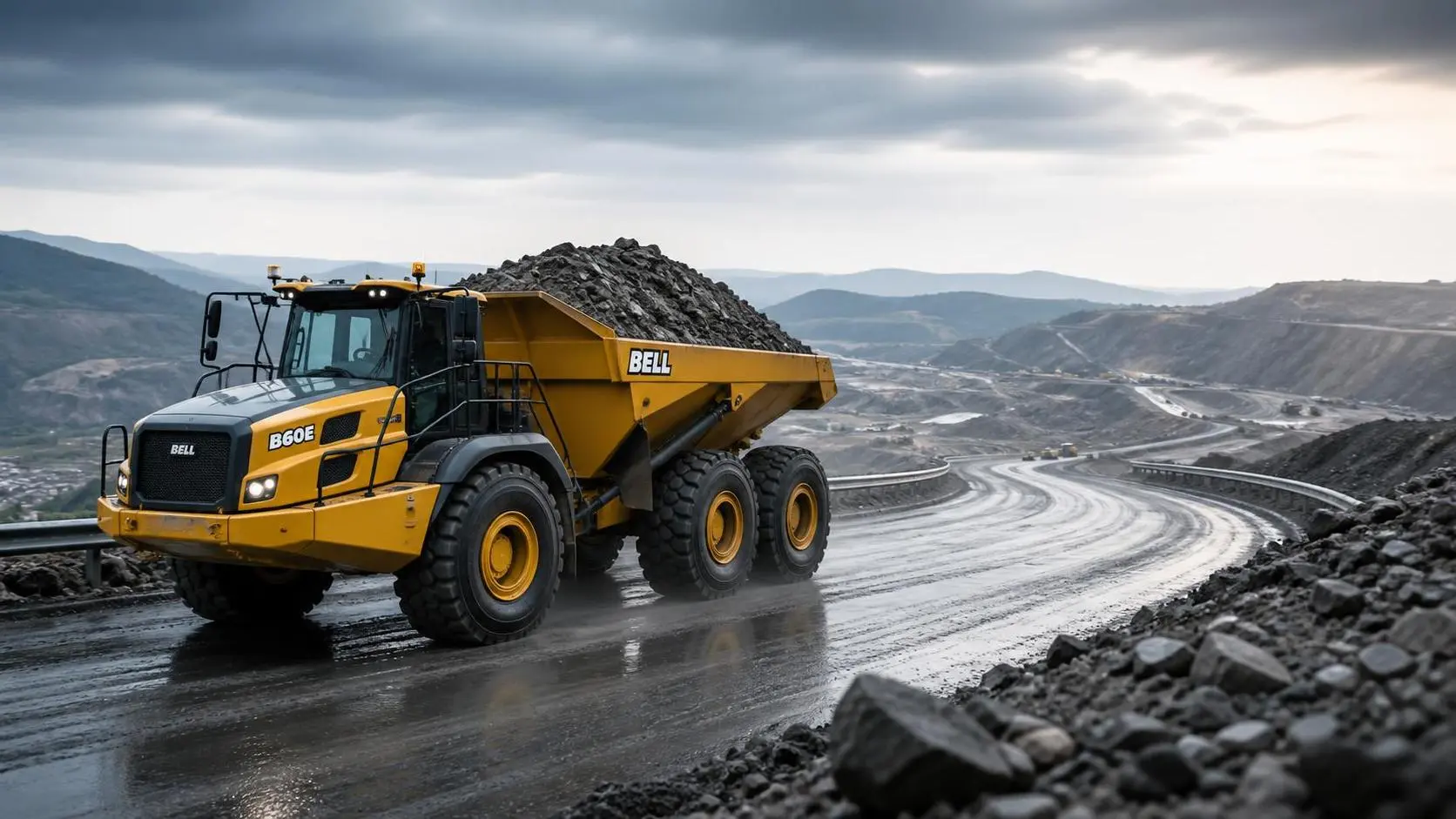
How to Evaluate Articulated Dump Trucks Payload for Haul Road Conditions and Cycle Efficiency
Articulated Dump Trucks payload evaluation starts with real haul road conditions, not brochure numbers. Learn how to balance payload, traction, grades, and cycle efficiency for safer, higher output.
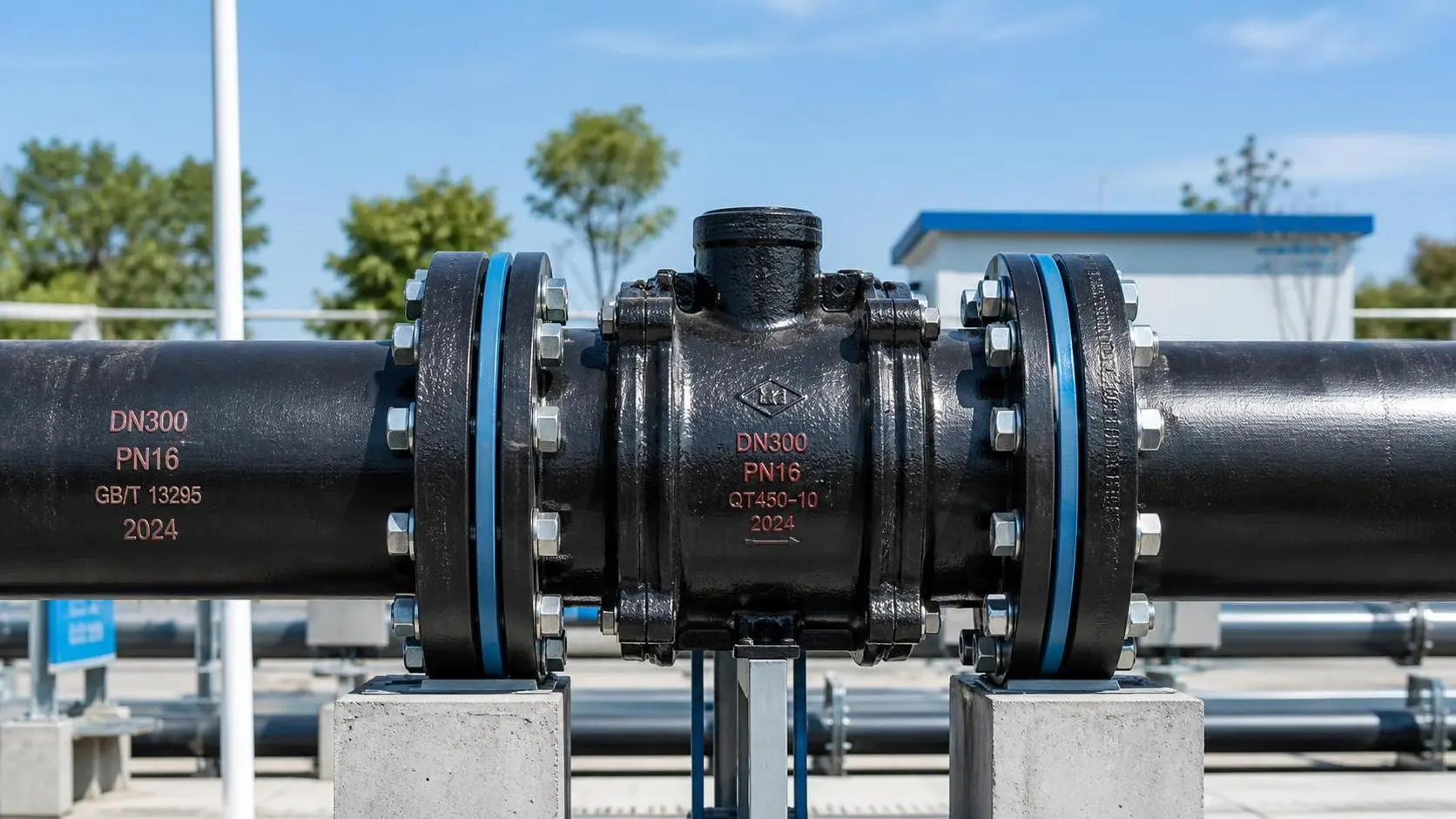
How Pipe Fittings Material and Pressure Class Affect Water Line Selection
Pipe fittings selection starts with material and pressure class. Learn how these factors affect water line reliability, corrosion resistance, installation, and long-term cost.
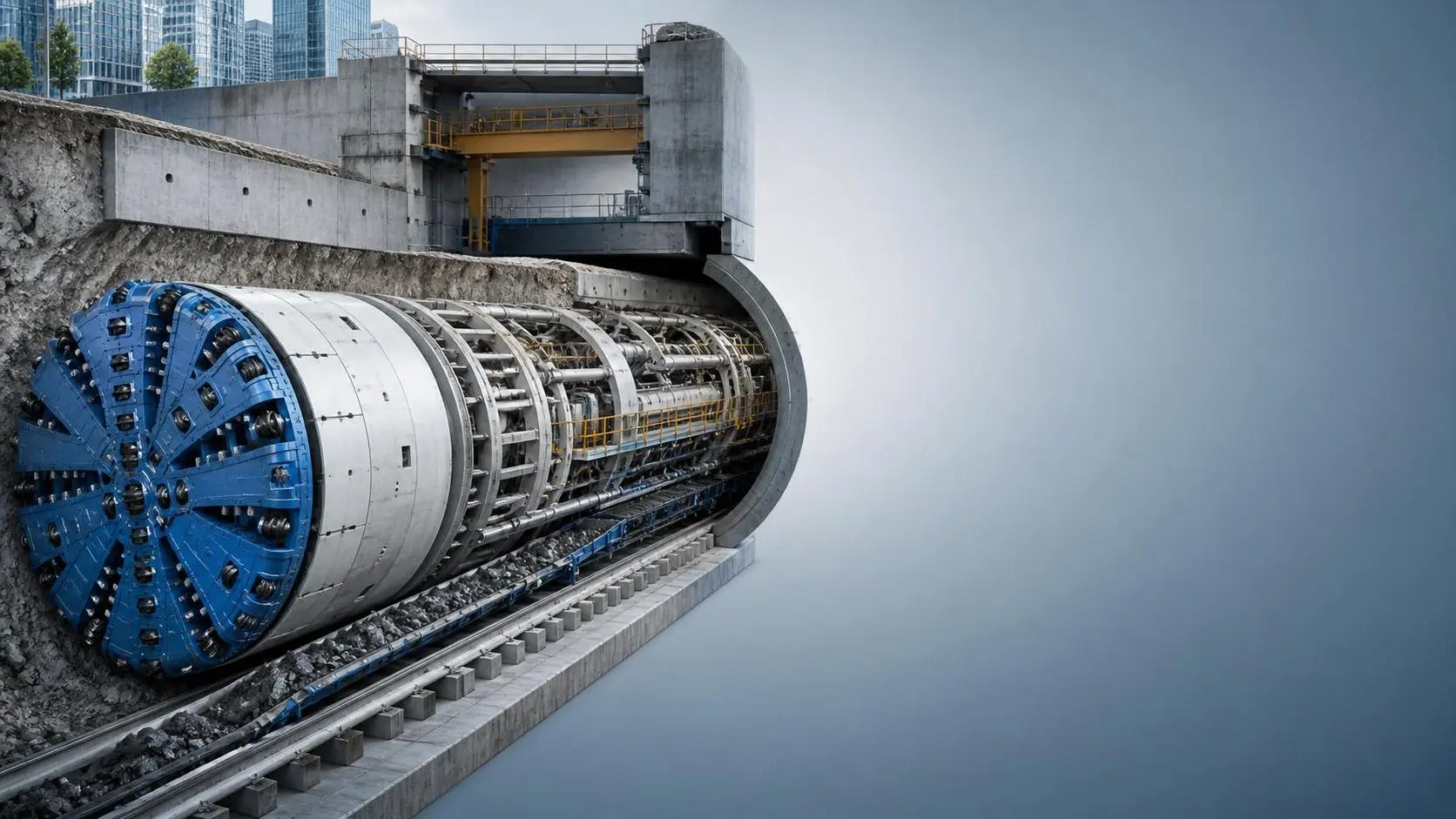
What Drives TBM Excavation Cost in Urban Tunneling Projects?
tbm excavation cost in urban tunneling depends on geology, shafts, segment lining, logistics, and risk. Discover the key cost drivers and compare bids with greater confidence.
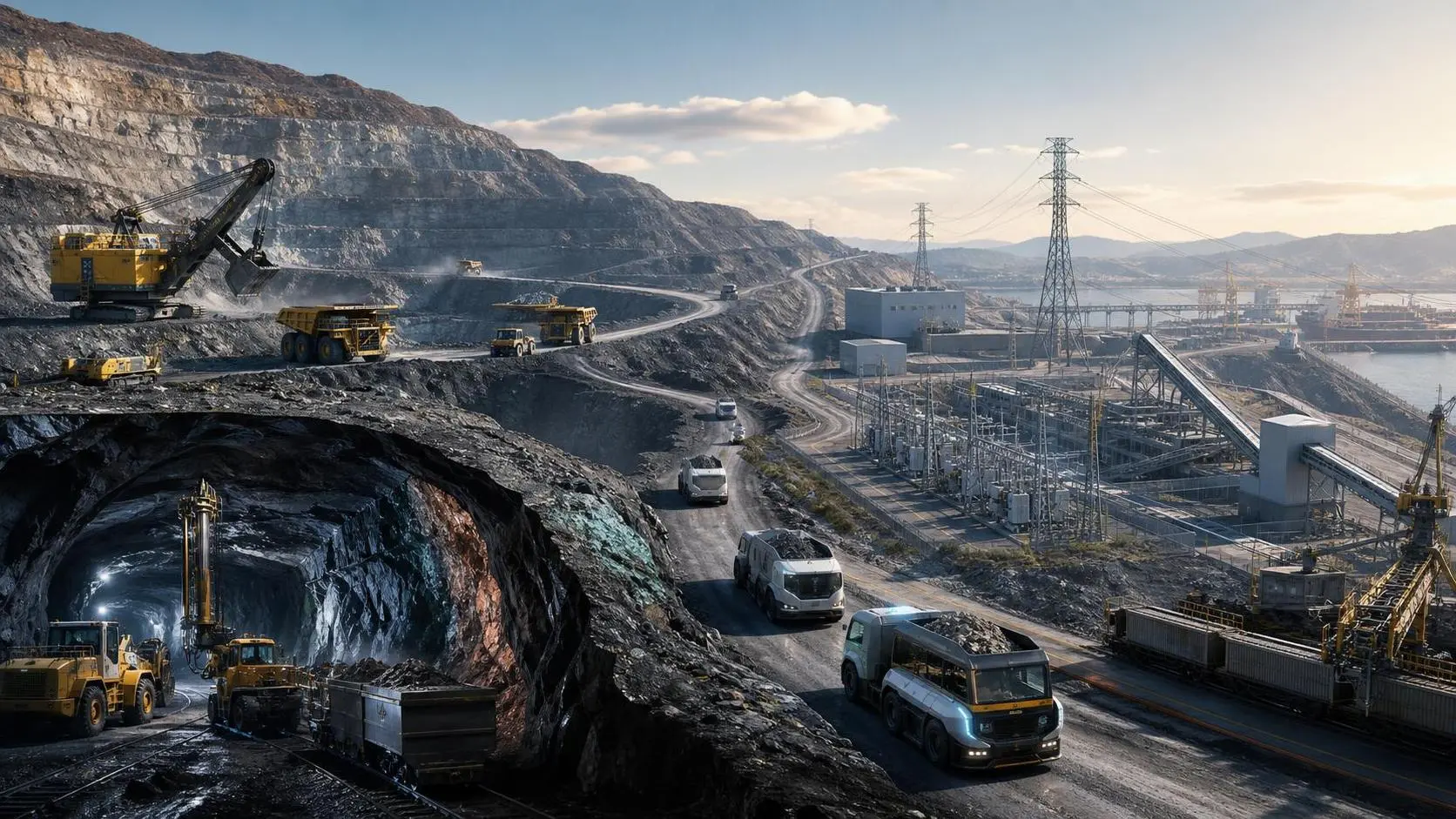
What Does Energy Metals Mining in Australia Mean for Supply, Cost, and Project Risk?
Energy metals mining Australia is reshaping supply, cost, and project risk. Discover what it means for buyers, investors, and operators.
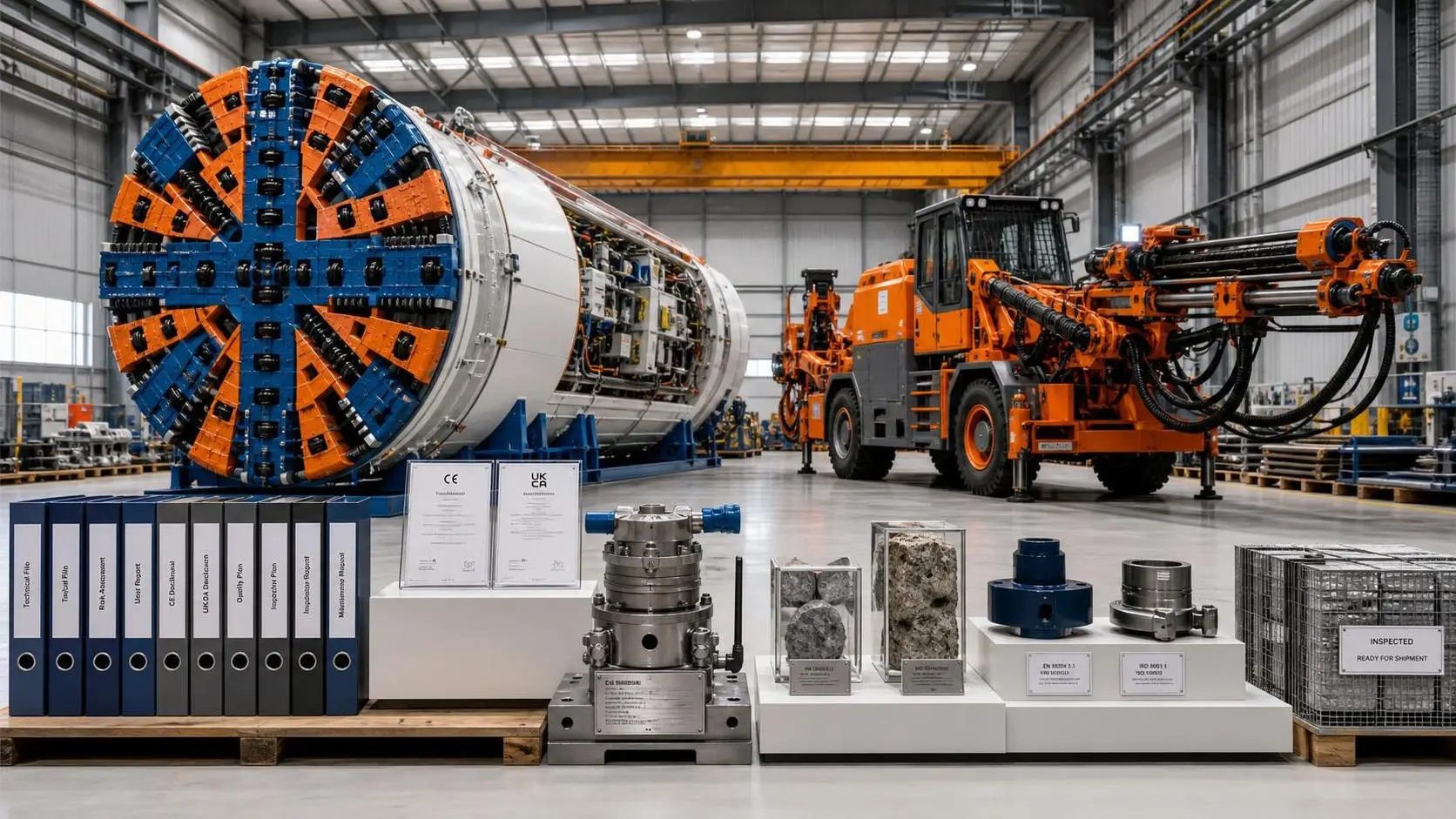
EU Eases Dual CE and UKCA Path for Chinese Tunnel Boring Equipment
EU eases CE and UKCA certification for Chinese tunnel boring equipment, cutting compliance time and helping importers move faster.
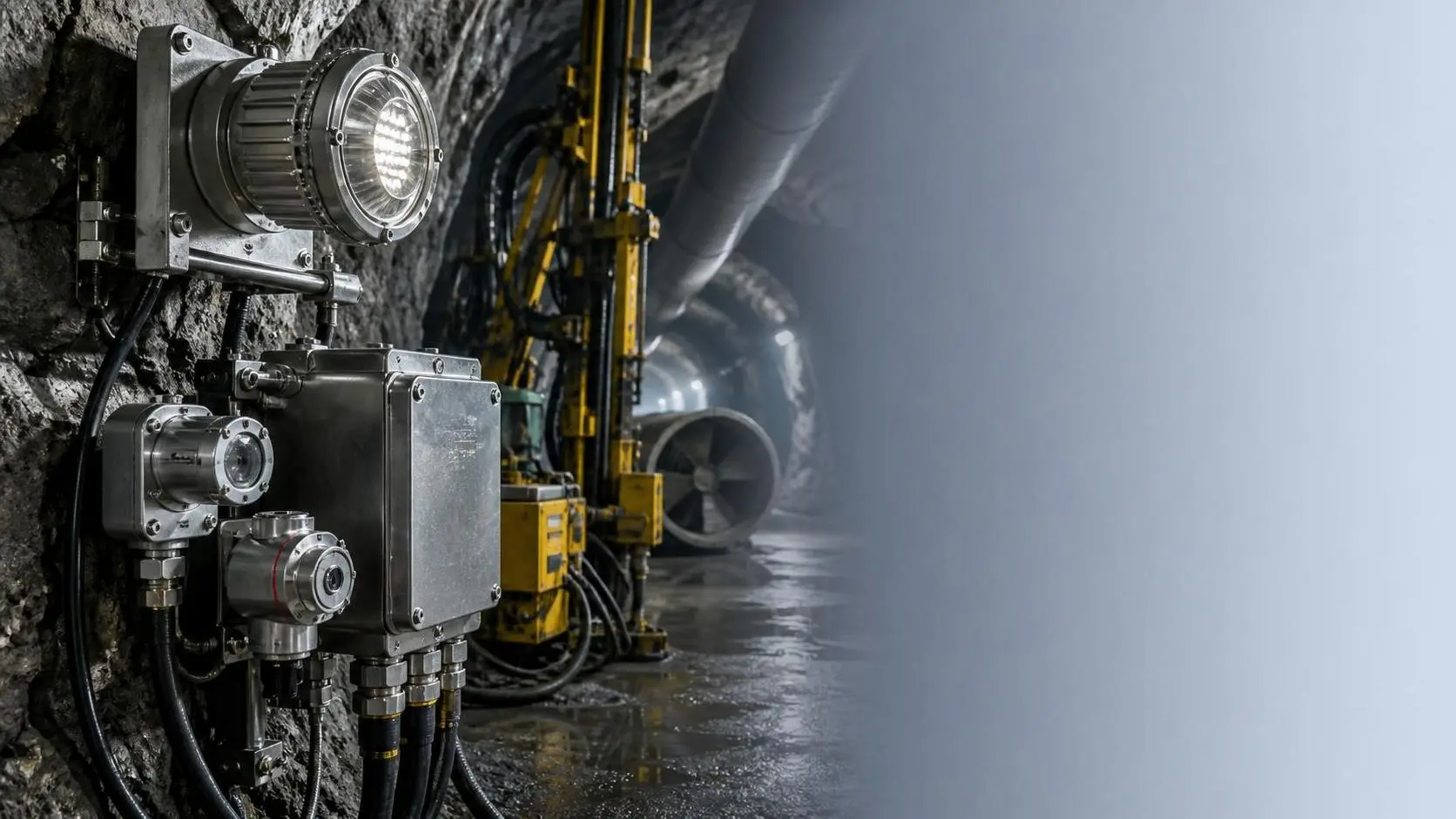
Flameproof Underground Safety Equipment: What Mine Teams Should Check Before Buying
Underground Safety Equipment flameproof buying guide: learn how mine teams should verify certification, durability, serviceability, and supplier support before purchase.
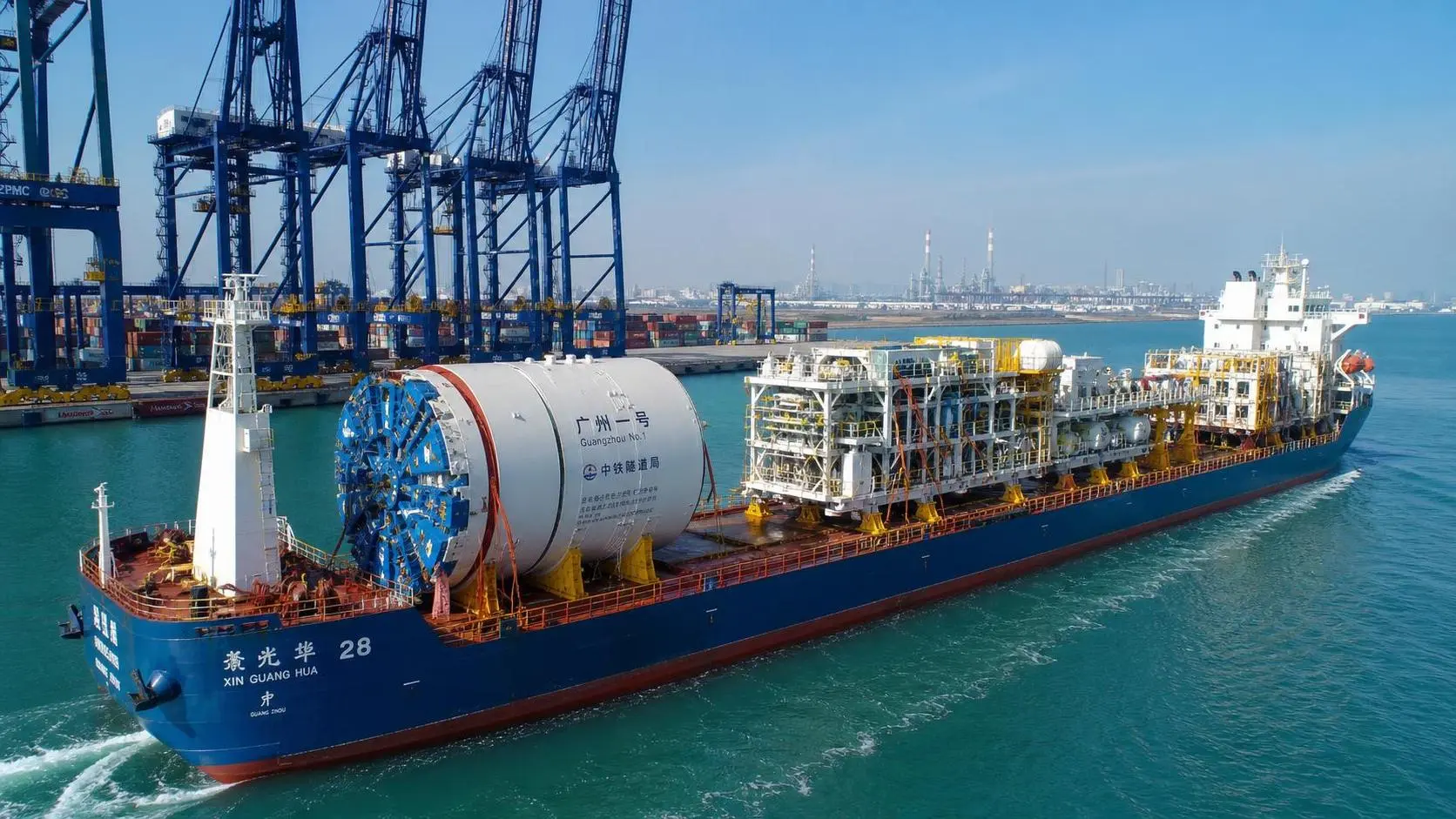
China-UAE Direct Sea Route Cuts TBM and Large Tunneling Equipment Lead Times
China-UAE direct sea route shortens TBM and large tunneling equipment lead times by 12–15 days, improving delivery predictability for major infrastructure projects. Read the full impact.
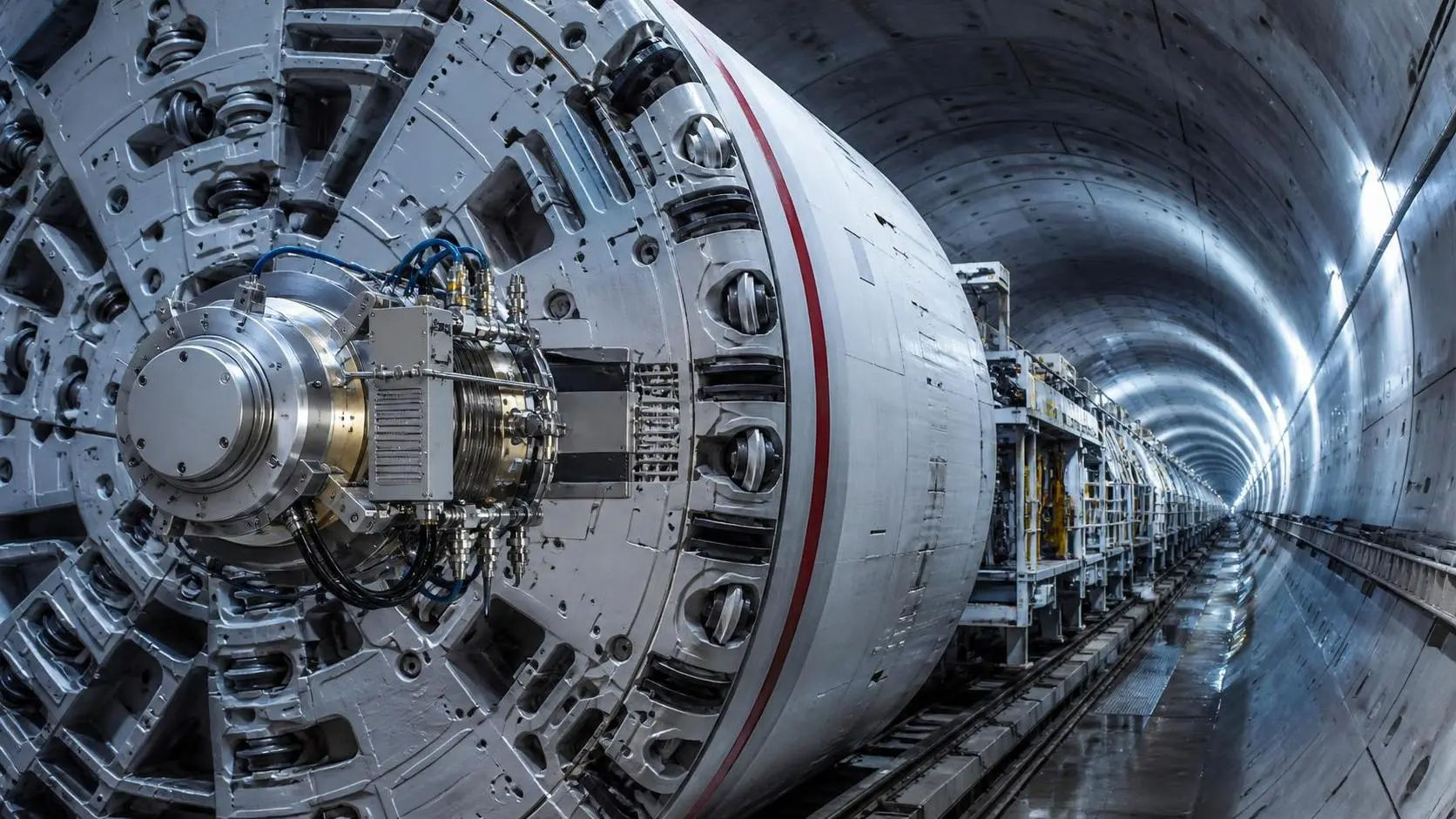
What Is a TBM Guidance System Gyroscope, and Why Does It Matter Underground?
TBM Guidance Systems gyroscope improves underground accuracy, reduces drift, and helps tunnel boring machines stay on line in harsh conditions.

China to Roll Out Nationwide Local and Foreign Currency Cash Pools for Multinationals on Sept. 14
China will roll out nationwide local and foreign currency cash pools for multinationals on Sept. 14, streamlining cross-border treasury management and boosting liquidity efficiency.
Related News
- 00
0000-00
How to Build a Mining Decarbonization Strategy That Balances Emissions, Cost, and Fleet Reality - 00
0000-00
How to Evaluate Articulated Dump Trucks Payload for Haul Road Conditions and Cycle Efficiency - 00
0000-00
How Pipe Fittings Material and Pressure Class Affect Water Line Selection - 00
0000-00
What Drives TBM Excavation Cost in Urban Tunneling Projects? - 00
0000-00
What Does Energy Metals Mining in Australia Mean for Supply, Cost, and Project Risk?
Weekly Insights
Stay ahead with our curated technology reports delivered every Monday.