
How to Evaluate Articulated Dump Trucks Payload for Haul Road Conditions and Cycle Efficiency





How to Evaluate Articulated Dump Trucks Payload for Haul Road Conditions and Cycle Efficiency
Evaluating Articulated Dump Trucks payload is easy to oversimplify. The rated payload on a brochure may look decisive, but field performance rarely follows brochure logic. On a haul route with wet ramps, poor underfoot conditions, sharp switchbacks, or long rolling sections, the “best” payload is not the maximum allowed number. It is the load window that the truck can move repeatedly, safely, and without turning the entire haul circuit into a bottleneck.
For technical assessment teams, that changes the question. Instead of asking, “How many tonnes can this truck carry?” the better question is, “What payload can this truck carry on our roads, at our grades, with our loading tool, over our cycle distance, at the productivity and reliability we actually need?” That is where payload, traction, rolling resistance, retarding capacity, body fill factor, and cycle efficiency start to matter together rather than separately.
This is also why heavy-haul analysis increasingly overlaps with the broader intelligence work followed by UTMD. Across underground transport, surface mining fleets, and emerging zero-emission haulage systems, the same pattern appears again and again: machine capacity only becomes meaningful when matched to route physics, operating constraints, and utilization reality. UTMD’s coverage of mining dump trucks, underground LHD systems, and regenerative braking performance in electrified haulage sits in that exact intersection.
Payload starts with rated capacity, but should not end there
Manufacturers typically define a rated payload under specified conditions. That figure is useful, but only as a starting point. It does not automatically account for your material density variation, body heaping practice, road maintenance quality, tire selection, or sustained uphill haul sections. In many operations, the limiting factor is not structural payload alone. It may be available rimpull on soft ramps, speed loss on long grades, retarding confidence on downhill returns, or the consistency of loading without chronic overload events.
A truck that is technically capable of carrying a higher mass can still underperform if the route forces it into slow climbs, wheel slip, brake heating, or repeated waiting at narrow passing points. In those cases, a slightly lower average payload with shorter and more stable cycles can move more tonnes per shift than a nominally larger target load.
The first screen: know what “payload” means in your project
Before comparing truck models, clarify four items that are often mixed together:
- Rated payload from the manufacturer
- Actual payload based on material density and bucket count
- Legal or site-imposed operating limit
- Target payload needed to meet production without overstressing roads and tires
If these are not separated early, the evaluation becomes noisy. One team may be discussing structural capability while another is discussing shift output.
Haul road conditions often decide the real payload window
The road is not just part of the operating environment. It is part of the truck’s payload equation. Grade, rolling resistance, curvature, width, drainage condition, surface roughness, and stopping areas all influence how much payload can be moved efficiently.
A common mistake is to assess payload on average road gradient alone. Average grade can hide the actual problem areas: short but severe ramp sections, soft spots after rain, crest transitions that disrupt body stability, or downhill segments where retarding margin becomes more critical than uphill power.
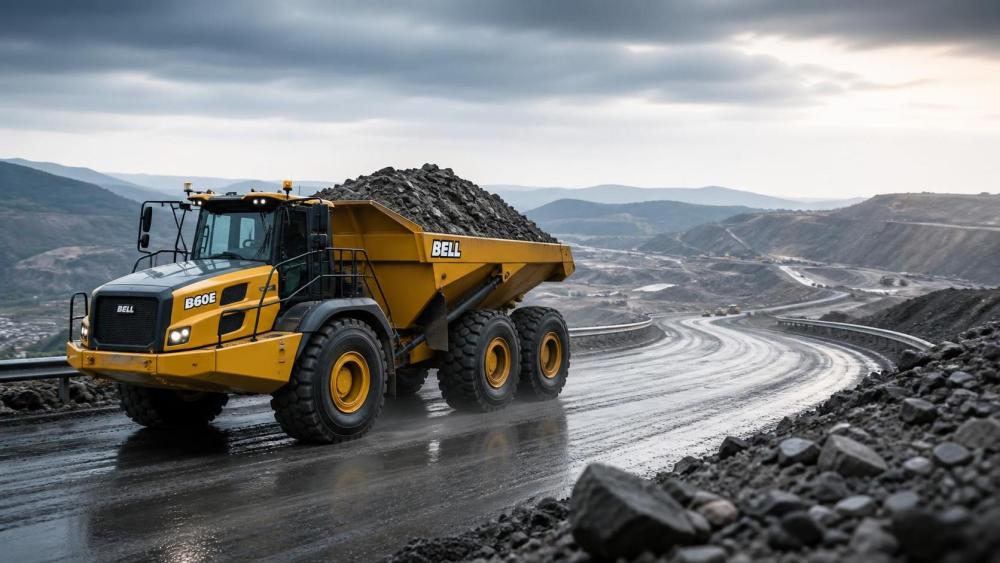
For articulated dump trucks, this matters even more because they are usually chosen for difficult ground, construction haul roads, quarry transitions, and mine support routes where underfoot conditions are less predictable than on fully engineered rigid-truck roads. Their value is mobility and flexibility. But flexibility does not eliminate physics.
What to check on the road itself
If a payload target only works on a dry, freshly graded road, it is not a robust payload target.
Cycle efficiency is where selection decisions become practical
Payload evaluation should always move into cycle analysis. Tonnes per trip is not the same as tonnes per hour. A higher payload truck that takes longer to load, travels slower on grade, and turns more cautiously at the dump point can lose its advantage quickly.
A useful assessment breaks the cycle into loading, loaded travel, dumping, return travel, and queue time. Each segment can be influenced by payload. Loaded travel usually gets the most attention, but loading tool match is often just as important. If the excavator or loader needs an awkward bucket count to fill the truck, you may get persistent underfill or overload, neither of which is harmless. Underfill damages productivity; overload affects tires, driveline life, braking margin, and road wear.
Technical evaluators should also look at payload consistency. A truck fleet that runs at a tight, repeatable payload band is easier to schedule and maintain than one that swings between underloaded and overloaded trips because the material changes every bench or stockpile.
Questions worth asking during cycle assessment
- Does the route include sustained gradients that materially reduce loaded speed?
- How sensitive is cycle time to weather or seasonal road deterioration?
- Can the loading unit hit the payload target in an efficient pass count?
- Is the dump area stable enough for full payload tipping every cycle?
- Will the truck spend more time waiting than hauling during peak traffic periods?
- Is downhill retarding still comfortable when the truck returns empty at higher speed or loaded on special circuits?
Traction, braking, and tire life are not side issues
In difficult haul environments, the safe payload window is often narrower than the structural payload rating. Traction limits can appear first on ramps with loose or wet surfaces. Retarding limits can appear first on long descents. Tire heat and impact damage may become the real economic constraint long before the truck itself reaches a hard mechanical limit.
This is one reason experienced teams do not treat fuel burn, tire wear, and maintenance cost as afterthoughts. When payload rises beyond what the road and duty cycle comfortably support, the operation may move more mass per trip but lose money through slower cycles, more tire failures, rougher ride, or more frequent component intervention. The penalty is rarely visible in one shift. It appears over weeks and months.
The same logic is becoming more relevant in electrified and hybrid haulage. UTMD has paid close attention to regenerative braking efficiency and zero-emission transport systems because energy recovery, thermal management, and downhill control increasingly affect real productivity. Even in conventional articulated trucks, the broader lesson holds: route energy profile matters, not just body capacity.
Where evaluators often misjudge Articulated Dump Trucks payload
One recurring error is using loose material volume without checking density variation. Another is assuming that a truck carrying heaped loads is automatically operating efficiently. If the material is wet, sticky, or poorly fragmented, body fill behavior can become inconsistent. Payload may look acceptable visually while axle loads vary more than expected.
There is also a tendency to compare trucks only by nominal payload class. That can miss practical differences in powertrain response, suspension behavior on rough roads, body design, tire options, and operator confidence at speed. Two trucks in the same payload segment may deliver very different cycle stability on the same route.
Another blind spot appears when the road is expected to improve “later.” Selection decisions should be based on the road condition that will actually dominate operations, not the best-case road plan. If the route will remain transitional for months, that period deserves more weight than a future design standard that may or may not be reached on schedule.
A practical framework for decision-stage evaluation
A sound decision process usually moves through three layers.
Layer one: route reality. Map actual haul distances, loaded and empty grades, turning points, soft sections, stopping areas, and weather sensitivity. If possible, evaluate by segment rather than by route average.
Layer two: truck-road match. Review payload rating together with tractive effort, speed on grade, retarding capacity, tire fitment, and body volume relative to material density. This is where many paper comparisons become more honest.
Layer three: cycle and system fit. Match the truck not only to the road, but also to the loader, dump point, traffic pattern, maintenance support, and operating philosophy. A truck can be technically suitable and still be systemically wrong.
For organizations comparing several options, a weighted scorecard can help, but only if the weightings reflect operational risk rather than purchasing convenience. In difficult haul applications, it is often reasonable to give more weight to roadability, grade performance, tire management, and cycle consistency than to headline payload alone.
Why this matters beyond one truck model
Payload evaluation is increasingly tied to larger fleet questions: automation readiness, energy transition, digital load monitoring, and mixed-equipment operations. UTMD’s broader view of smart underground mining transport and heavy-haul system evolution is useful here because payload is no longer just a mechanical number. It is becoming a data-managed operating variable shaped by road condition intelligence, machine telemetry, and fleet control logic.
That matters whether the site is an open-pit support zone, a civil earthworks package, or a mining project working through a phased haul-road upgrade. The more variable the route, the more valuable a disciplined payload assessment becomes.
If the decision is still open, the next useful step is usually not asking for a bigger nominal payload. It is confirming the real material density range, the segment-by-segment road profile, the loading unit match, and the seasonal condition that will govern performance. Once those are clear, the right payload window tends to reveal itself—and it is often more conservative, and more productive, than first impressions suggest.
Related News
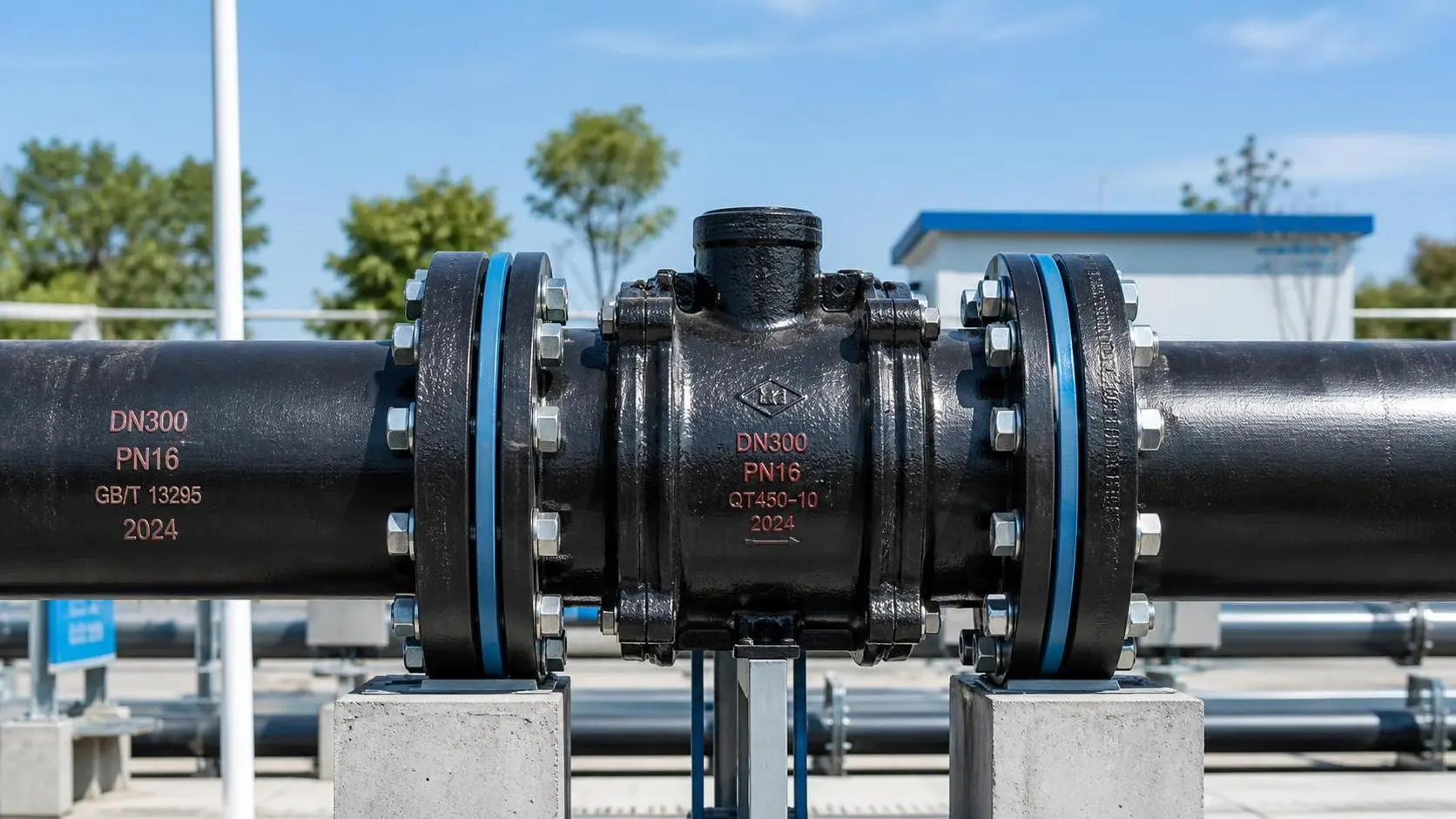
How Pipe Fittings Material and Pressure Class Affect Water Line Selection
Pipe fittings selection starts with material and pressure class. Learn how these factors affect water line reliability, corrosion resistance, installation, and long-term cost.

What Drives TBM Excavation Cost in Urban Tunneling Projects?
tbm excavation cost in urban tunneling depends on geology, shafts, segment lining, logistics, and risk. Discover the key cost drivers and compare bids with greater confidence.

What Does Energy Metals Mining in Australia Mean for Supply, Cost, and Project Risk?
Energy metals mining Australia is reshaping supply, cost, and project risk. Discover what it means for buyers, investors, and operators.
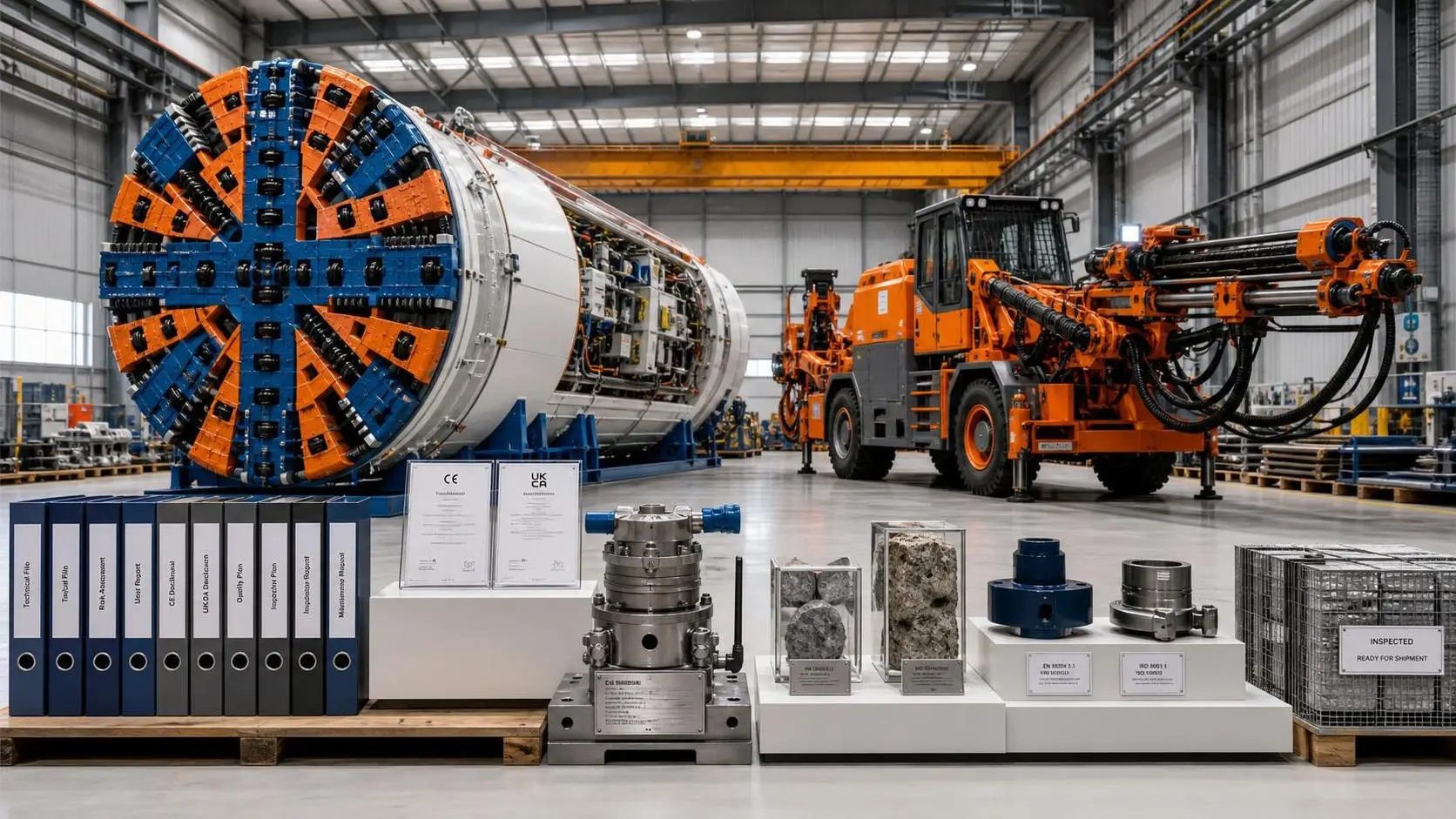
EU Eases Dual CE and UKCA Path for Chinese Tunnel Boring Equipment
EU eases CE and UKCA certification for Chinese tunnel boring equipment, cutting compliance time and helping importers move faster.
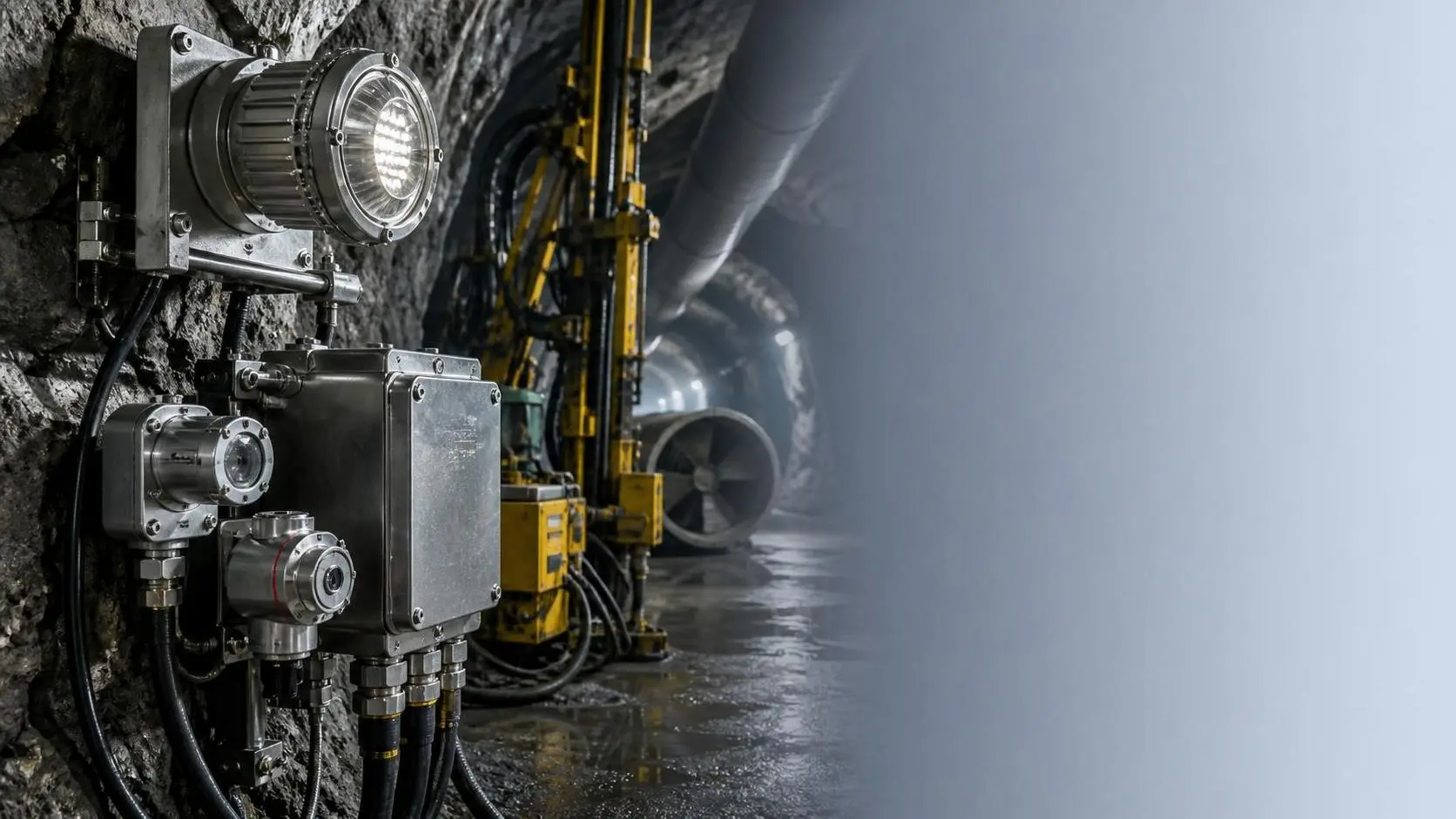
Flameproof Underground Safety Equipment: What Mine Teams Should Check Before Buying
Underground Safety Equipment flameproof buying guide: learn how mine teams should verify certification, durability, serviceability, and supplier support before purchase.
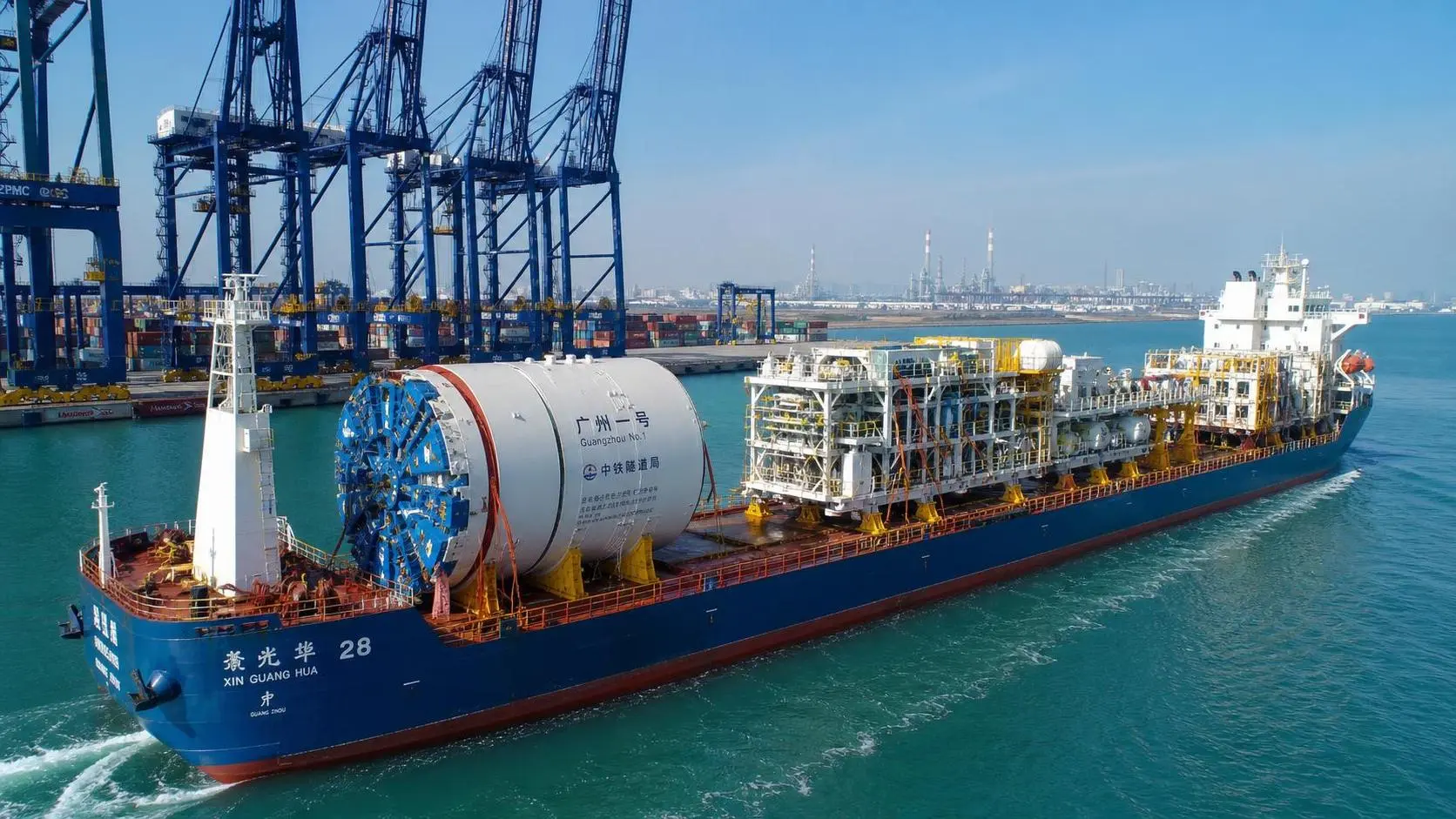
China-UAE Direct Sea Route Cuts TBM and Large Tunneling Equipment Lead Times
China-UAE direct sea route shortens TBM and large tunneling equipment lead times by 12–15 days, improving delivery predictability for major infrastructure projects. Read the full impact.

What Is a TBM Guidance System Gyroscope, and Why Does It Matter Underground?
TBM Guidance Systems gyroscope improves underground accuracy, reduces drift, and helps tunnel boring machines stay on line in harsh conditions.

China to Roll Out Nationwide Local and Foreign Currency Cash Pools for Multinationals on Sept. 14
China will roll out nationwide local and foreign currency cash pools for multinationals on Sept. 14, streamlining cross-border treasury management and boosting liquidity efficiency.

How to Choose a Reliable Underground Mining Equipment Supplier for Harsh Site Conditions
Find a reliable underground mining equipment supplier for harsh site conditions with rugged, maintainable solutions that boost uptime, reduce risk, and support long-term production.
Related News
- 00
0000-00
How to Evaluate Articulated Dump Trucks Payload for Haul Road Conditions and Cycle Efficiency - 00
0000-00
How Pipe Fittings Material and Pressure Class Affect Water Line Selection - 00
0000-00
What Drives TBM Excavation Cost in Urban Tunneling Projects? - 00
0000-00
What Does Energy Metals Mining in Australia Mean for Supply, Cost, and Project Risk? - 00
0000-00
EU Eases Dual CE and UKCA Path for Chinese Tunnel Boring Equipment
Weekly Insights
Stay ahead with our curated technology reports delivered every Monday.