
China-UAE Direct Sea Route Cuts TBM and Large Tunneling Equipment Lead Times





On August 11, 2026, China and the United Arab Emirates officially launched a new direct sea shipping route for heavy engineering machinery between Guangzhou Port and Khalifa Port in Abu Dhabi. According to the information provided for this update, the route includes dedicated space for oversized equipment and reinforced deck capacity, a setup aimed at improving export handling for hard rock TBMs, rectangular pipe jacking machines, and full-face shield tunneling systems.
This matters less as a simple logistics adjustment and more as a change in project execution conditions. For oversized tunneling equipment, transit ports can introduce lifting constraints, additional handling risk, and customs delays. A direct route reduces those transfer points, which in turn shortens the delivery cycle by 12 to 15 days based on the information released for this event.
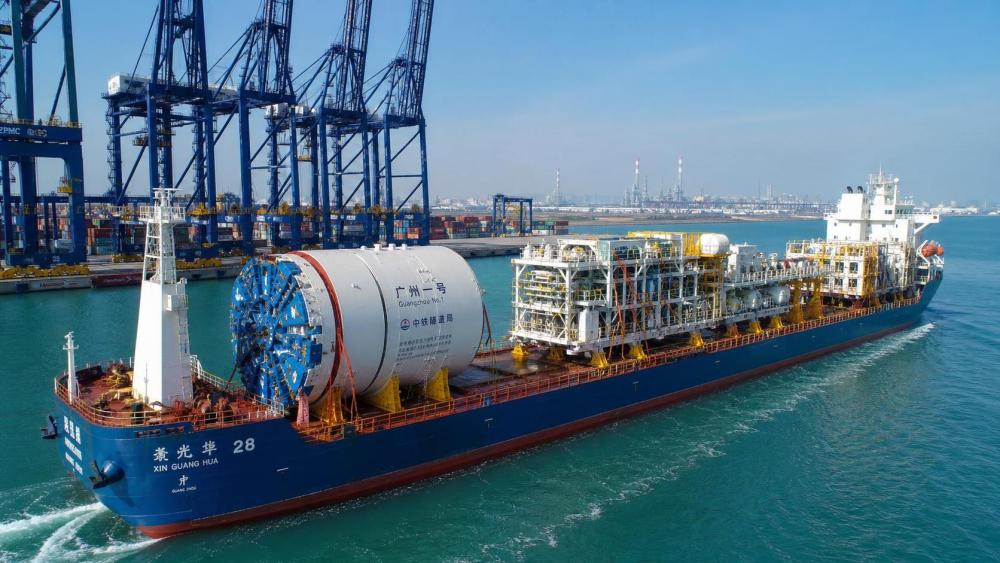
Why the route stands out
The main value of the new line is not only speed, but predictability. Heavy tunneling equipment does not move through the export chain like standard containerized goods. Once cargo involves out-of-gauge dimensions, loading plans, deck reinforcement, and port handling conditions become part of the commercial timeline. By creating a route specifically suited to large equipment, the China-UAE connection appears to address one of the most difficult parts of cross-border delivery for major underground construction machinery.
For buyers involved in infrastructure projects across the Middle East, Africa, and South Asia, that could make procurement schedules easier to manage. For EPC contractors, the more immediate implication may be on construction sequencing. If equipment arrival becomes more reliable, tunnel works on the project critical path may be scheduled with less contingency tied to shipping uncertainty.
Implications for procurement and project planning
From the current information, the strongest near-term impact is likely to be in planning discipline rather than in headline market change. A shorter and more controllable export path can help procurement teams tighten delivery assumptions, while project managers may revisit mobilization timing, site readiness, and interface planning around tunneling packages.
That does not mean every risk disappears. Final delivery performance will still depend on vessel operations, inland transport, customs execution, and project-side readiness. But the removal of intermediate port handling for oversized machinery could reduce one of the more difficult variables in the chain.
For equipment exporters, the route may also improve the practical feasibility of shipping machines that are harder to standardize in transport terms. For overseas buyers, the development may support earlier commitment decisions when project schedules are sensitive to machinery arrival.
What the industry should watch next
Based on the information available here, the launch sends a clear signal that logistics design is becoming a more strategic part of heavy equipment exports, especially for complex tunneling machinery. The next points worth watching are whether this route maintains schedule reliability over time, how frequently it is used for oversized tunneling systems, and whether related public information from ports, contractors, exporters, or other authoritative industry sources shows a broader shift in how such equipment is moved into regional infrastructure markets.
This article is based solely on the event details provided for this industry update. Further assessment should follow subsequent public disclosures, official notices, company announcements, and credible industry reporting related to route operations and project-side adoption.
Related News
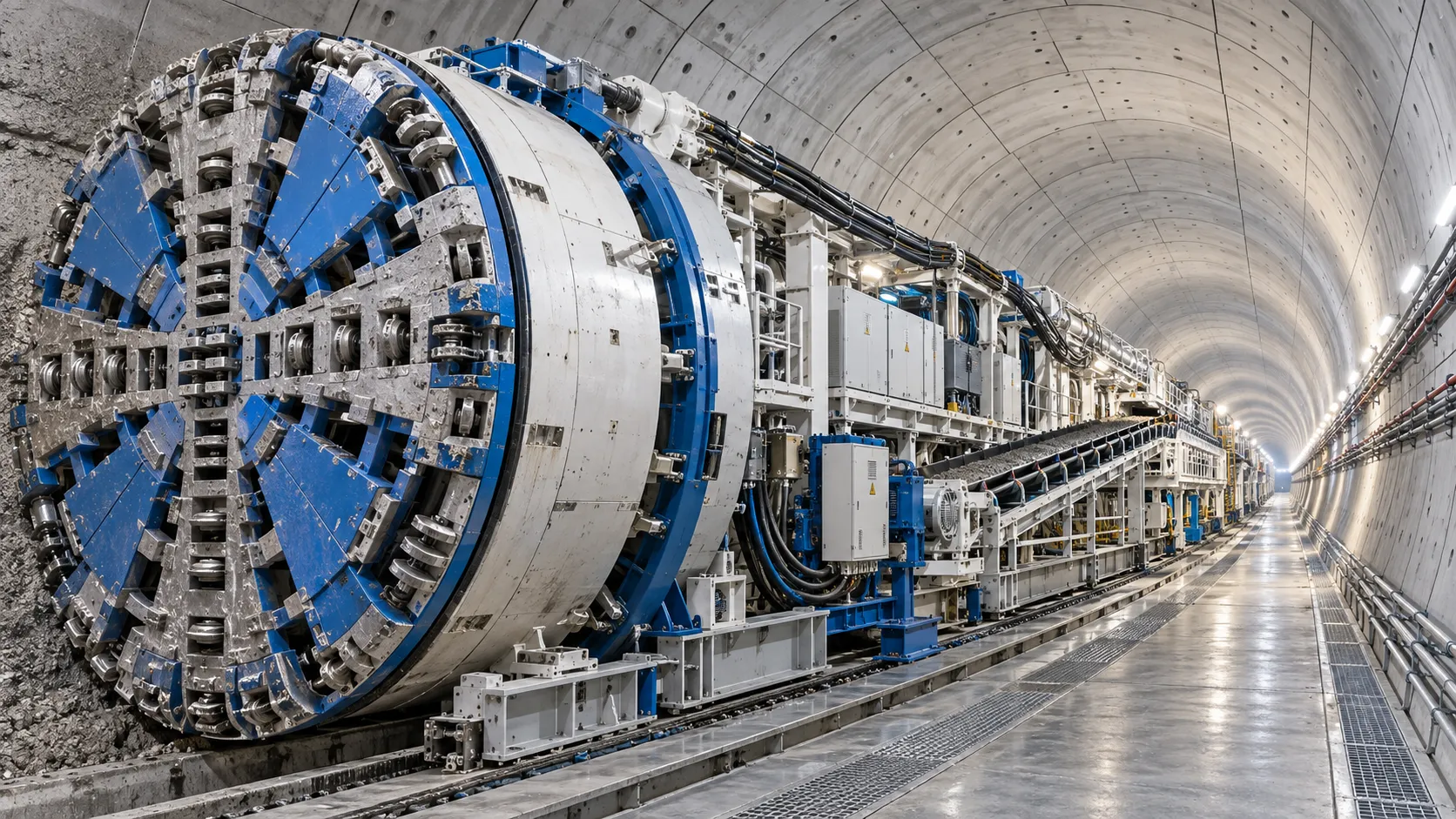
Tunnel Boring Machine Costs: Budgeting for Purchase, Operation, and Project Risk
Tunnel Boring Machines cost more than purchase price. Learn how to budget lifecycle costs, downtime, logistics, wear, and project risk for smarter TBM decisions.
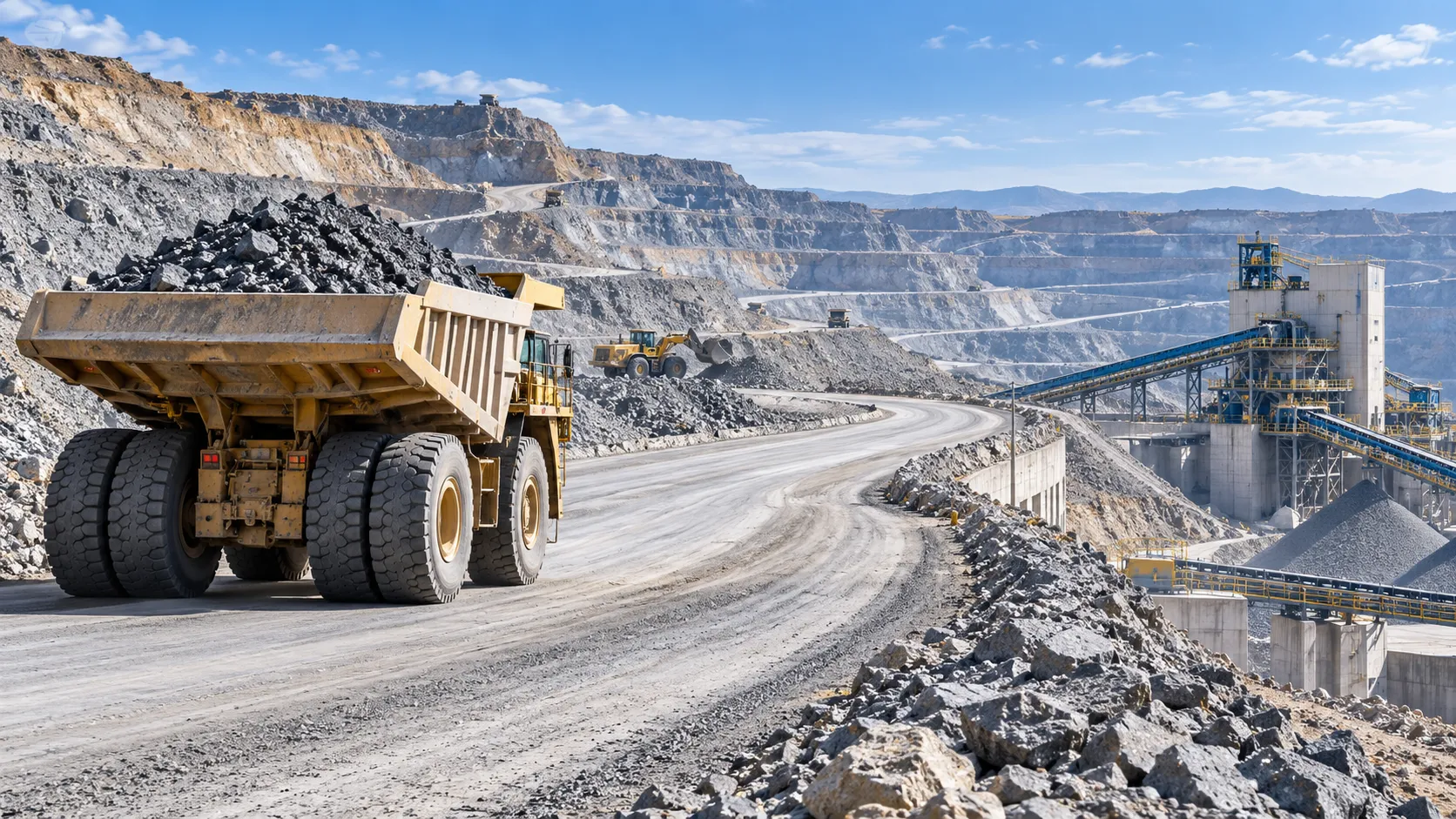
Open-Pit Haulage Cost Analysis: How Mine Managers Can Cut Cost per Tonne
Open pit haulage cost analysis: discover practical ways to reduce cost per tonne through payload control, cycle-time optimization, road performance, and smarter fleet decisions.
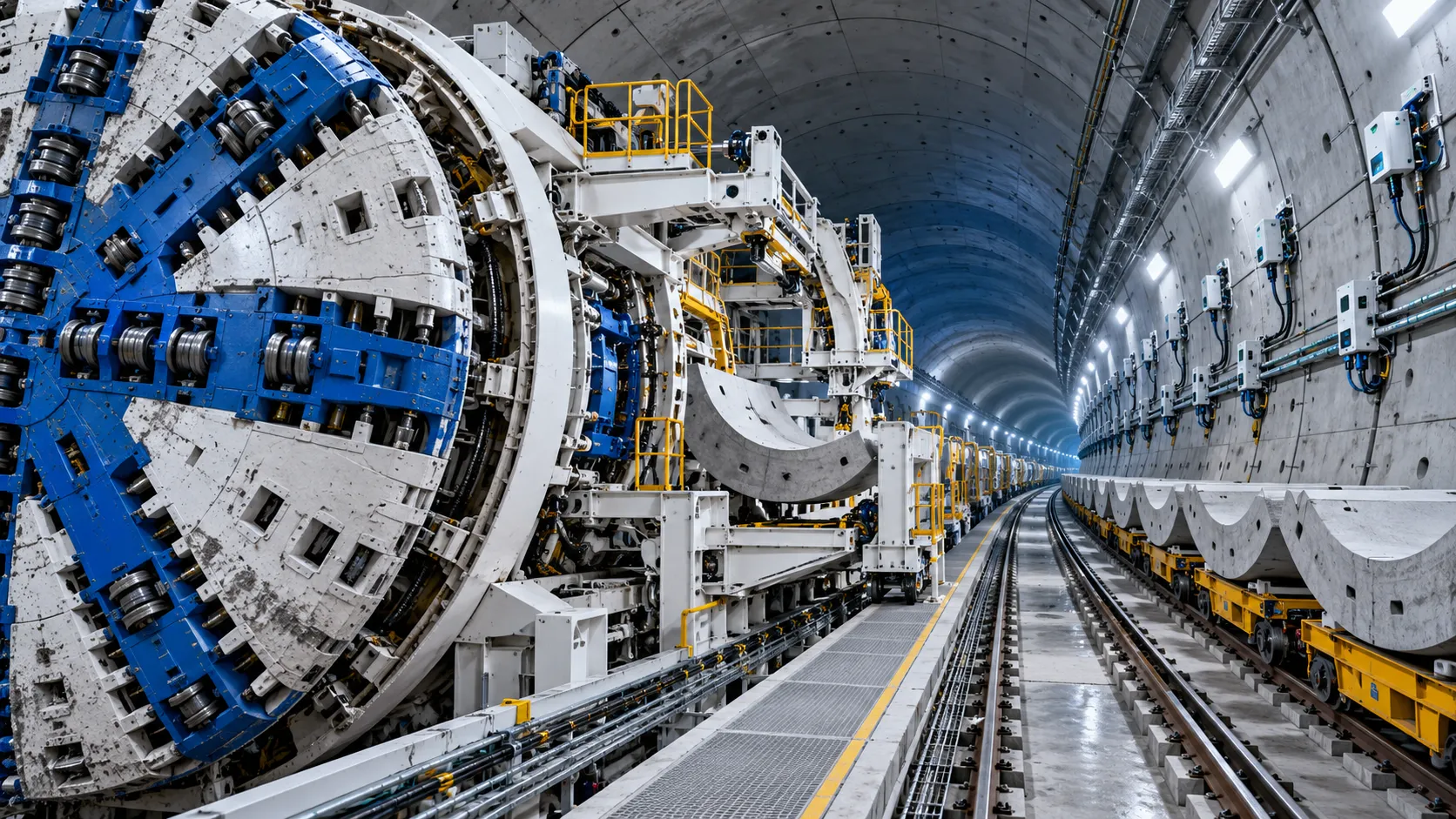
Tunnel Construction Innovations That Reduce Risk and Schedule Delays on Urban Projects
Tunnel construction innovation for urban projects: discover smarter TBMs, real-time monitoring, trenchless methods, and automation that reduce risk and protect schedules.
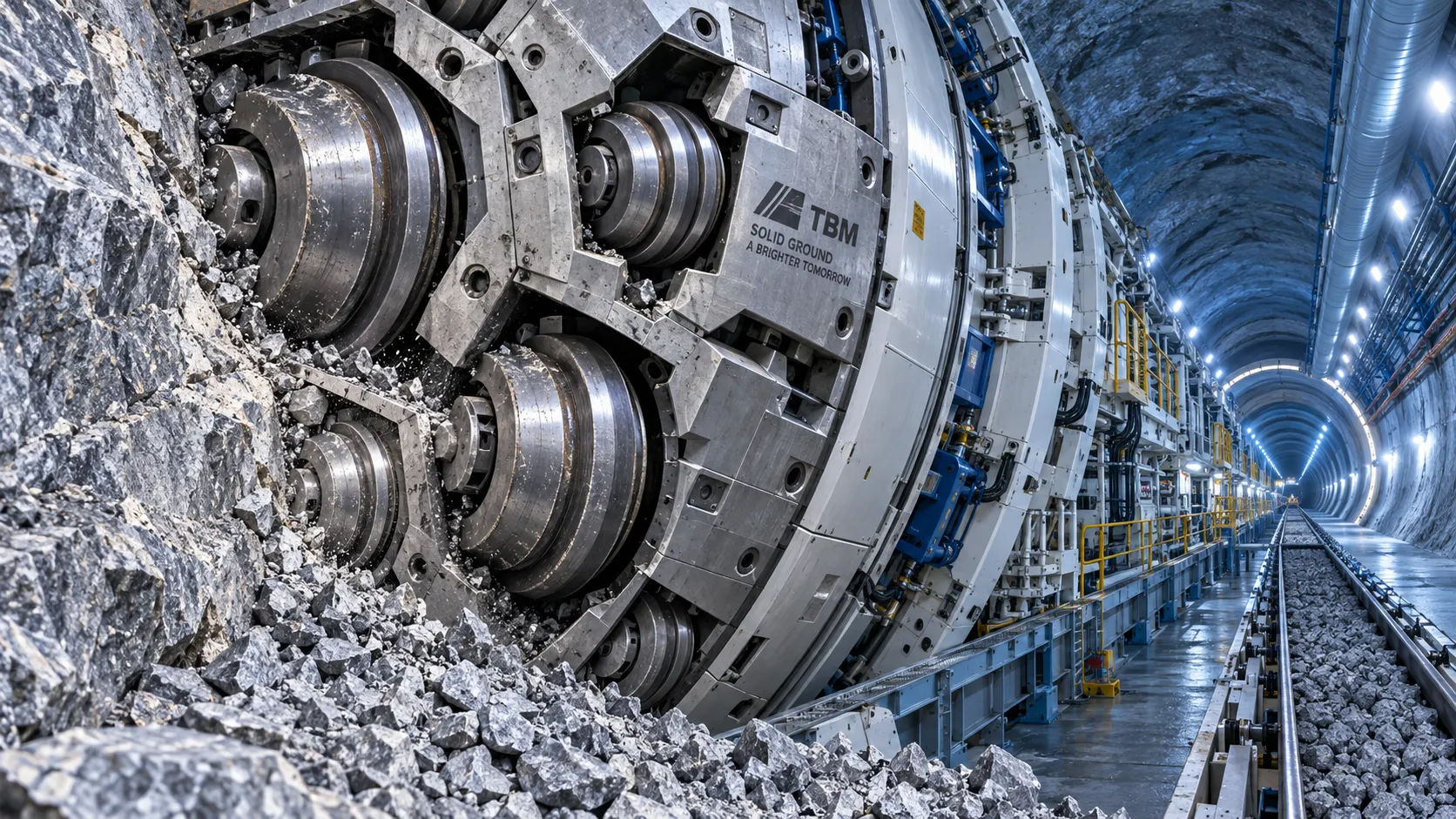
TBM Disc Cutter Design: Key Geometry and Load Factors for Hard Rock Tunnelling
TBM disc cutter design explained: explore geometry, spacing, load distribution and maintenance factors for reliable, efficient hard-rock tunnelling performance.
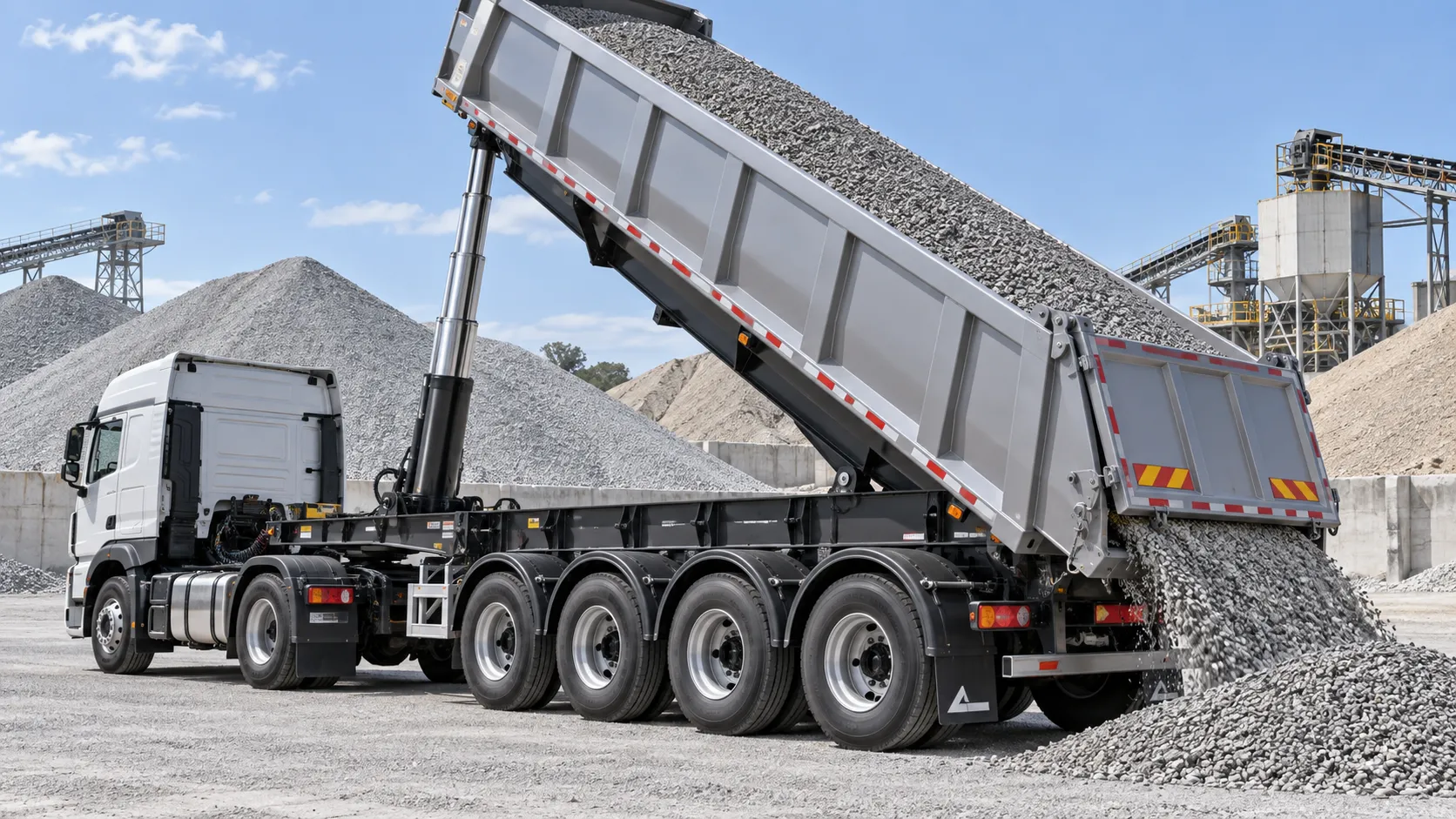
Hydraulic Tipping Stability Risks in Multi-Axle Dump Special Trailers
Dump special trailers: discover key hydraulic tipping stability risks, multi-axle load dynamics, and practical safety controls for safer, smarter bulk hauling.
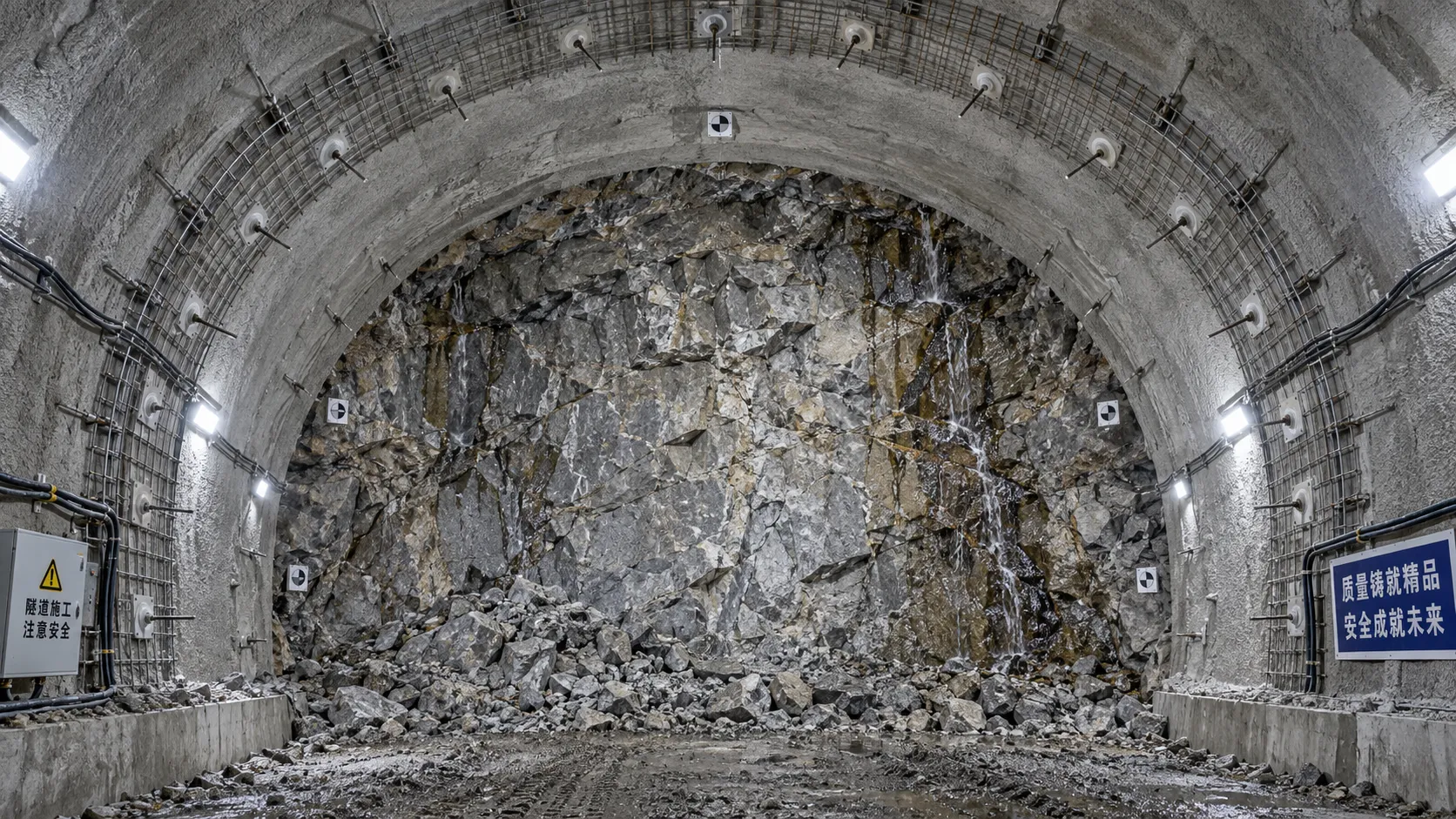
When rock reinforcement in tunnel construction must change after blasting
Rock reinforcement in tunnel construction must change when blasting reveals overbreak, weak joints, water inflow, or deformation. Discover key post-blast support decisions.
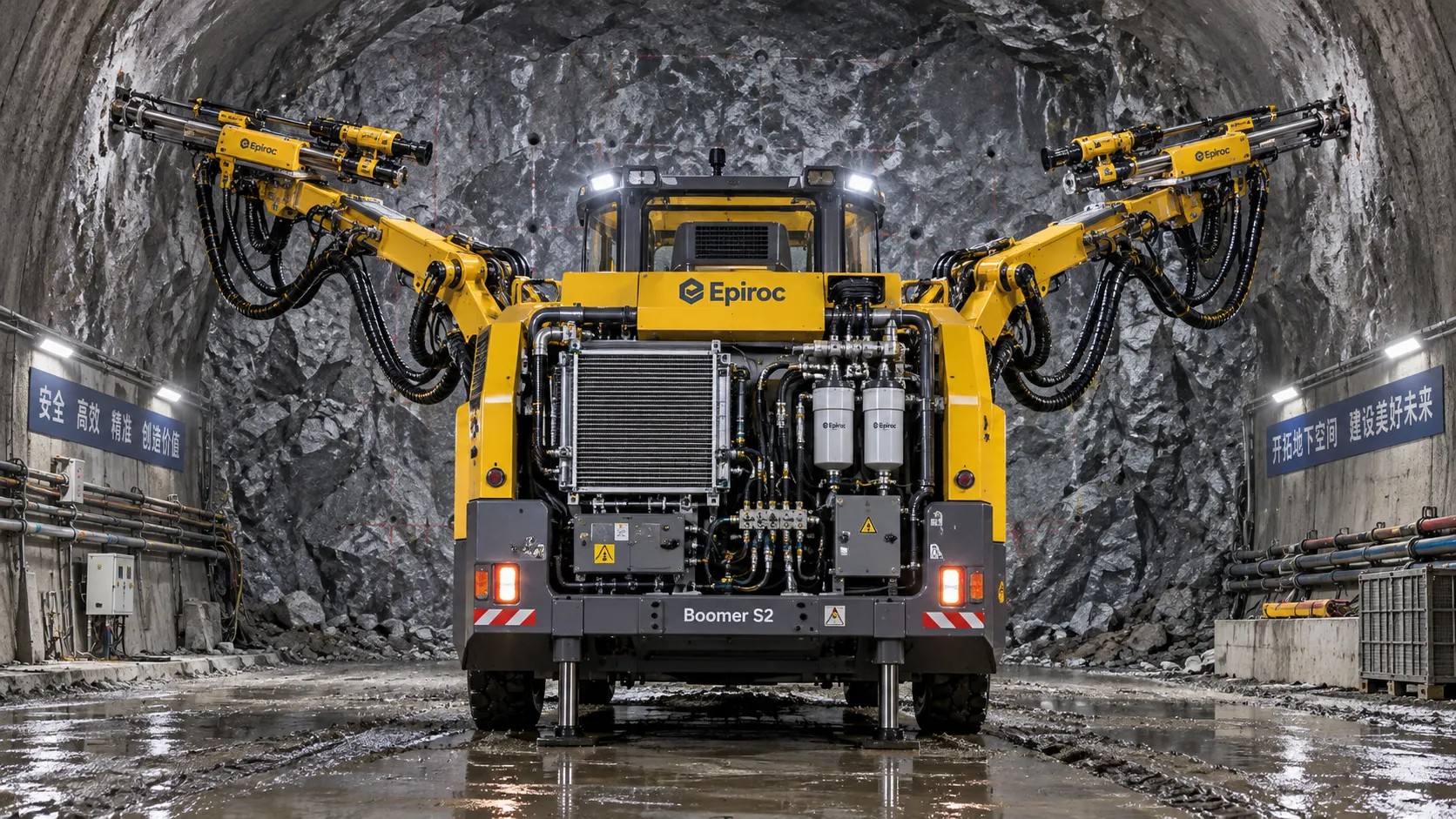
How tunnel hydraulic systems influence drill jumbo uptime underground
Tunnel hydraulic systems directly influence drill jumbo uptime. Explore how stable pressure, clean oil, cooling, and maintainable design reduce underground downtime.
What to verify before appointing a tunneling vehicles manufacturer
Choosing a tunneling vehicles manufacturer? Verify application fit, reliability, compliance, parts support, training, and channel terms before appointing a partner.
Selecting K9 Ductile Iron Pipe for Buried Water Pipeline Conditions
K9 ductile iron pipe selection for buried water pipelines: compare pressure duty, joints, soil loads, corrosion protection, and installation controls for reliable long-term performance.
Related News
- 00
0000-00
Tunnel Boring Machine Costs: Budgeting for Purchase, Operation, and Project Risk - 00
0000-00
Open-Pit Haulage Cost Analysis: How Mine Managers Can Cut Cost per Tonne - 00
0000-00
Tunnel Construction Innovations That Reduce Risk and Schedule Delays on Urban Projects - 00
0000-00
TBM Disc Cutter Design: Key Geometry and Load Factors for Hard Rock Tunnelling - 00
0000-00
Hydraulic Tipping Stability Risks in Multi-Axle Dump Special Trailers
Weekly Insights
Stay ahead with our curated technology reports delivered every Monday.