How Pipe Fittings Material and Pressure Class Affect Water Line Selection





Water line failures often start at the joint, not in the straight pipe. For buyers comparing fitting options for municipal networks, plant water systems, or site utilities, material and pressure class are rarely separate decisions. They affect leakage risk, restraint requirements, corrosion behavior, installation time, and the long-term cost of maintenance. The same nominal size can perform very differently depending on whether the connection is mechanical joint or flanged, whether the body is ductile iron or another material, and whether the pressure rating matches real operating conditions rather than only the design drawing.
That is why water line selection should begin with the service conditions around the fitting rather than with unit price alone. In many projects, the fitting is asked to handle pressure fluctuations, minor misalignment, buried installation, soil moisture, and repeated maintenance access. A fitting that looks interchangeable on paper may create avoidable problems once the line is in service.
Why material and pressure class matter more at fittings than along straight runs
Straight pipe usually sees a relatively predictable loading pattern. Fittings do not. Bends, tees, reducers, and adapters redirect flow, transfer thrust, and concentrate stress at connections. When a line is filled quickly, shut down abruptly, or exposed to pump cycling, these points can experience pressure transients that exceed normal working pressure. In buried water systems, fittings also become the locations where soil contact, coating damage, and assembly quality have the greatest impact.
For procurement teams, this changes the evaluation method. Instead of asking only whether the fitting matches pipe diameter, the more useful questions are:
- What is the normal working pressure and what pressure surges are plausible?
- Will the fitting be buried, exposed, or installed indoors?
- Does the project require easy field assembly or frequent disassembly?
- Are there corrosive soils, coastal conditions, or aggressive water chemistry?
- Will the connection need angular deflection to accommodate field alignment?
A fitting chosen without those answers may still pass initial inspection, yet become the weak point during commissioning or over the first maintenance cycle.
Material selection: matching corrosion resistance, strength, and installation realities
Ductile iron remains common in waterworks because it combines mechanical strength with a degree of toughness that suits buried systems and large diameters. In many applications, it is paired with internal and external protective systems such as cement mortar lining, bituminous coating, epoxy systems, or other specified finishes depending on service conditions and project standards. Material selection, however, should not stop at the base metal. Buyers also need to review bolt material, gasket compatibility, and coating integrity, because mixed-material assemblies often fail where corrosion rates differ.
Mechanical strength matters most where fittings carry thrust loads, ground settlement, or repeated handling during installation. A stronger body can tolerate rougher site conditions, but that does not automatically make it the best choice. In some water projects, corrosion exposure is the controlling factor. Wet soil, stray current environments, and splash zones may justify more attention to external protection and accessories than to wall thickness alone.
For above-ground water lines inside plants or treatment facilities, flange assemblies may be preferred because they allow controlled alignment and easier removal of valves or equipment sections. In buried distribution systems, mechanical joint connections are often attractive because they simplify assembly and allow limited deflection during installation. The material decision therefore interacts directly with connection style.
When reviewing available pipe fittings, procurement teams should compare not just nominal dimensions but also body material, coating system, gasket type, bolt set requirements, and the intended installation environment. Those details usually have more effect on service life than a small difference in initial price.
Pressure class is not only a number on the drawing
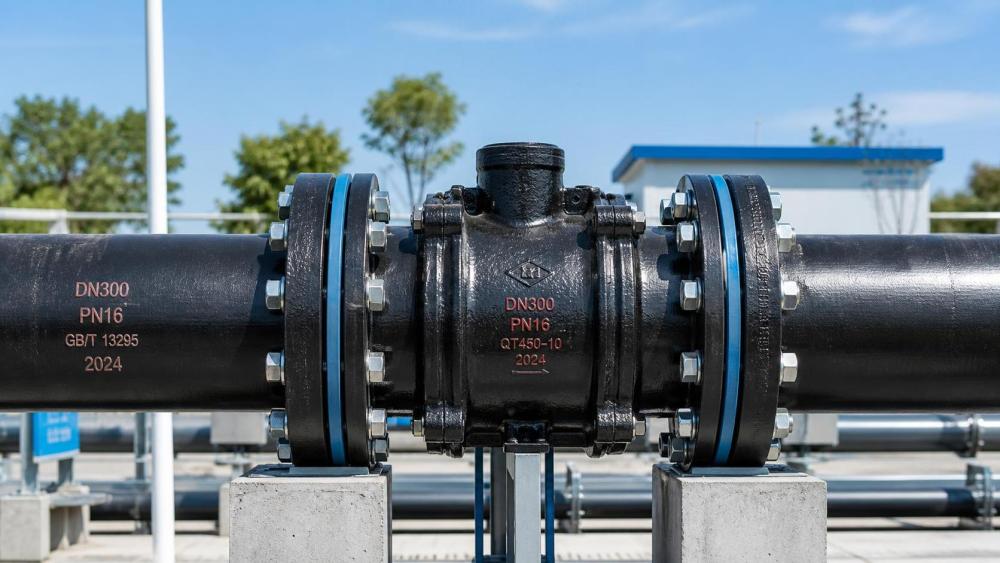
Pressure class is frequently treated as a compliance item: a fitting either meets the required class or it does not. In practice, the decision is more nuanced. Water systems are exposed to working pressure, test pressure, and transient pressure. If the specified class only covers steady operation with little margin for surge, the line may become vulnerable at pumps, near control valves, or on profiles with rapid elevation changes.
Buyers should check whether the project team has distinguished between:
- Working pressure: the pressure expected during normal operation.
- Test pressure: the pressure used during hydrostatic testing.
- Surge or transient pressure: short-duration peaks caused by start-stop events, valve closure, or flow reversal.
A fitting can be adequately sized for one and still be stressed by another. This is especially important at bends and dead ends, where hydraulic thrust may demand restraint systems, thrust blocks, or both. If pressure class is selected too close to theoretical operating values, any uncertainty in pump behavior or field conditions becomes a risk transferred to the fitting.
Over-specifying pressure class has a cost effect, but under-specifying can create more expensive consequences: rework during testing, stronger restraint requirements, installation delays, or early leakage claims. For purchasers, the right target is not the highest class available but the class that reflects actual operating envelope and project tolerance for transient events.
Mechanical joint vs flange: where each connection makes sense
The comparison between mechanical joint and flanged fittings is often framed as flexibility versus rigidity, but the practical differences are broader.
Mechanical joint fittings
Mechanical joint connections are widely used in buried water systems because they can be assembled in the field without the same alignment precision required by flanges. They also allow a degree of angular deflection, which can help when trench conditions or existing line geometry are imperfect. That can reduce field cutting and make installation more forgiving.
Still, this convenience comes with conditions. Gland, gasket seating, bolt tightening sequence, and restraint design all matter. If torque control is poor or the installer relies on uneven tightening, leakage may not appear immediately but can develop after pressure testing or soil settlement. Mechanical joints may also require additional restraint where thrust loads are significant.
Flanged fittings
Flanged connections are common where fittings connect to valves, pumps, meters, or equipment skids. They provide a fixed-face connection that supports repeated disassembly more easily than many buried joint types. In plant rooms or above-ground installations, they also make inspection and replacement more straightforward.
The trade-off is reduced tolerance for field misalignment. Flange faces need proper orientation and bolt-up discipline. In buried applications, flanged systems can become more labor-intensive and may require more careful support and anchoring. If corrosion protection around bolts and flange faces is neglected, maintenance difficulty can increase over time.
How project conditions shift the best choice
The same fitting specification may be appropriate for one job and unsuitable for another. Procurement decisions improve when the project context is translated into fitting requirements.
These are not rigid rules. Actual selection still depends on line layout, owner preferences, local standards, and installation capability. The point is that connection style should be treated as a response to project conditions, not as a default inherited from the last job.
Specification details that buyers should verify before ordering
Procurement errors around fittings often come from assumptions hidden in submittals. A line item may state size and pressure class but omit details that affect compatibility and site execution. Before release, buyers usually benefit from checking the following:
- End connection type and compatibility with adjoining pipe or equipment
- Material grade and any required lining or coating system
- Gasket material suitability for potable water and operating temperature
- Bolt and nut material, coating, and corrosion protection requirements
- Required accessories such as glands, backing rings, or restraint components
- Applicable project standards for dimensions, drilling, and pressure rating
- Whether fittings are for buried, submerged, or exposed service
Another recurring issue is dimensional compatibility in mixed systems. Even when nominal size is correct, flange drilling patterns, laying lengths, or mechanical joint details may vary by standard and project basis. That can create installation delays if fittings arrive after adjacent materials are already on site.
Quality and delivery risks that affect total cost
For purchasing teams, the lowest piece price can be misleading if fittings arrive with incomplete traceability, coating damage, or missing hardware. Water projects often run on narrow installation windows. A delayed reducer or bend can stop trench work or postpone hydrotesting for an entire section.
Quality review should include practical questions: Are protective coatings likely to survive transport and handling? Are flange faces protected in shipment? Are bolts packed and identified per assembly? Is the documentation clear enough for receiving inspection to verify pressure class and material before the crates are opened across multiple work fronts?
Supply risk also increases with special combinations of large size, uncommon pressure class, or nonstandard drilling. If the schedule is tight, buyers may need to balance technical optimization against lead time exposure. In some cases, a more standard connection arrangement reduces project risk even if it is not the most compact or cheapest design on paper.
Common selection mistakes in water line procurement
One frequent mistake is choosing fitting material to match the pipe body while overlooking the external environment. Another is specifying pressure class based only on steady-state operation. A third is treating mechanical joint and flanged connections as interchangeable, then discovering in the field that one requires different support, bolt access, or restraint design.
There is also a tendency to separate procurement from installation reality. Field crews care about trench width, bolt access, alignment tolerance, and the time required to assemble each connection. If those factors are ignored during purchasing, the line may still meet specification but exceed labor estimates or create avoidable punch-list items.
What a sound purchasing decision looks like
A strong fitting selection process ties together service pressure, surge exposure, installation method, corrosion environment, maintenance access, and dimensional compatibility. Mechanical joint and flanged options both have valid roles in water projects; the better choice depends on where the fitting sits in the system and what the line will experience after commissioning.
For buyers, the practical takeaway is simple: review material and pressure class at the same time, and evaluate connection style against actual project conditions rather than habit. That approach usually leads to fewer surprises during assembly, more reliable testing, and a water line that performs as intended at the points where failure is most likely to begin.
Related News
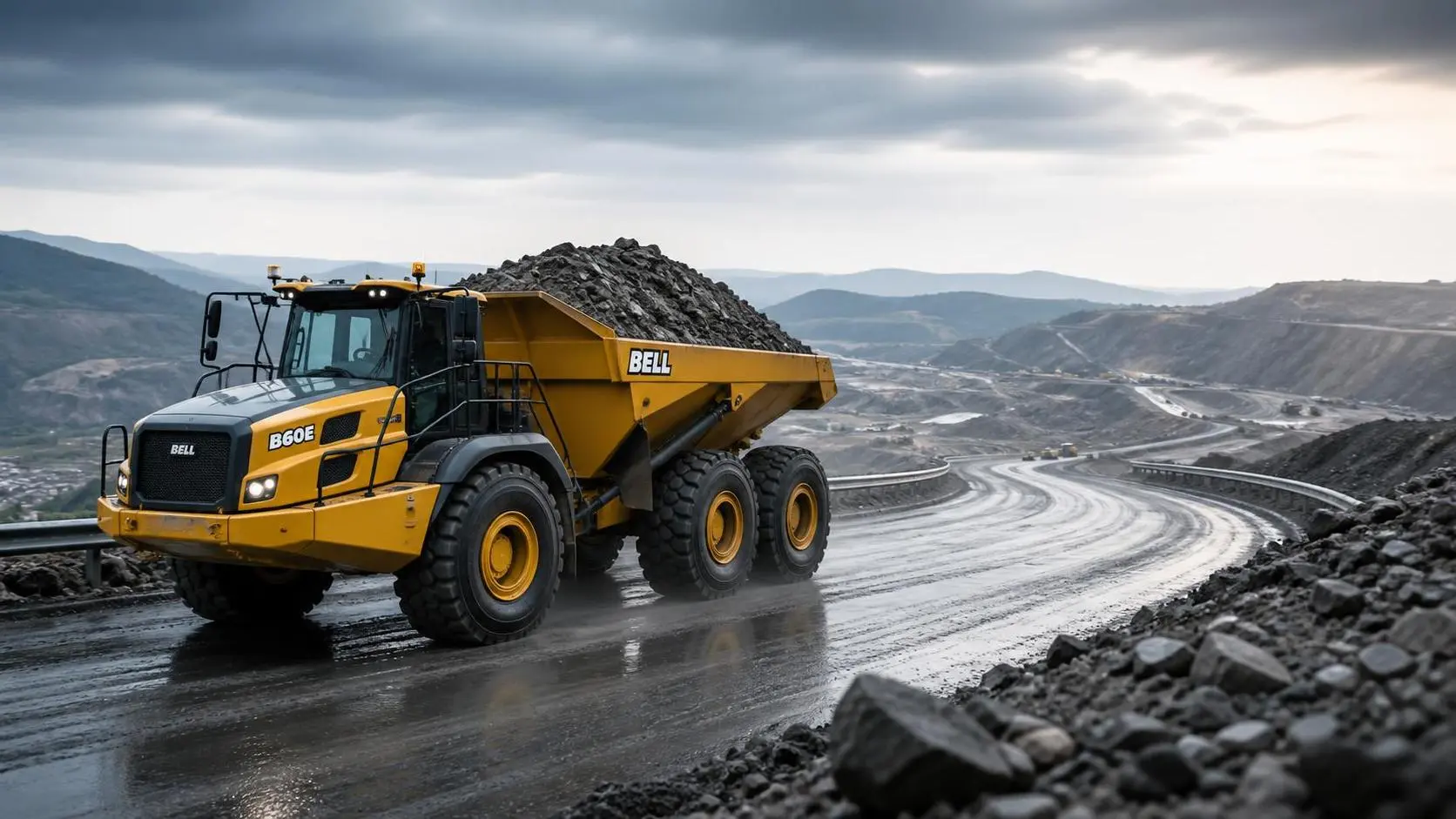
How to Evaluate Articulated Dump Trucks Payload for Haul Road Conditions and Cycle Efficiency
Articulated Dump Trucks payload evaluation starts with real haul road conditions, not brochure numbers. Learn how to balance payload, traction, grades, and cycle efficiency for safer, higher output.
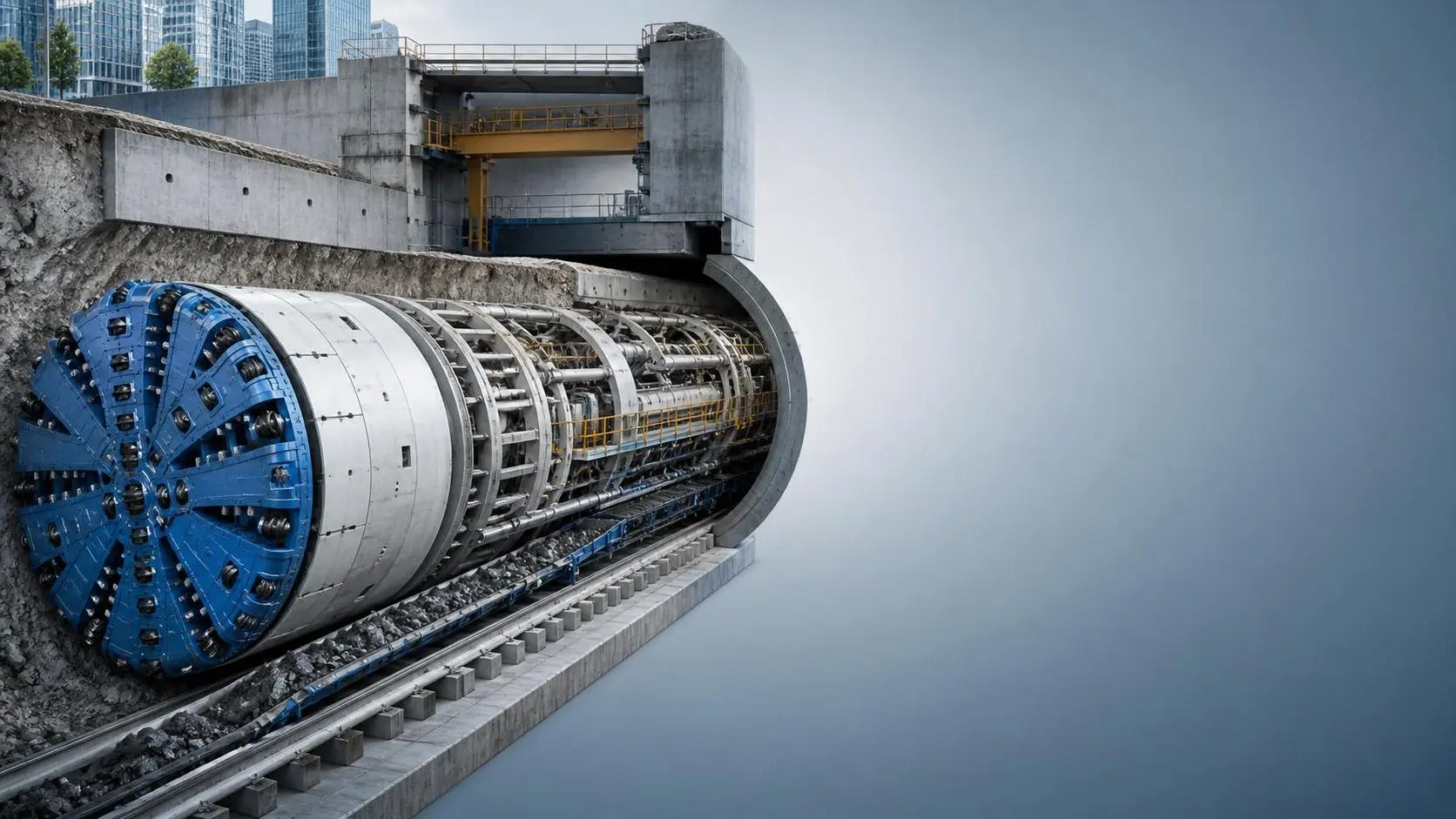
What Drives TBM Excavation Cost in Urban Tunneling Projects?
tbm excavation cost in urban tunneling depends on geology, shafts, segment lining, logistics, and risk. Discover the key cost drivers and compare bids with greater confidence.
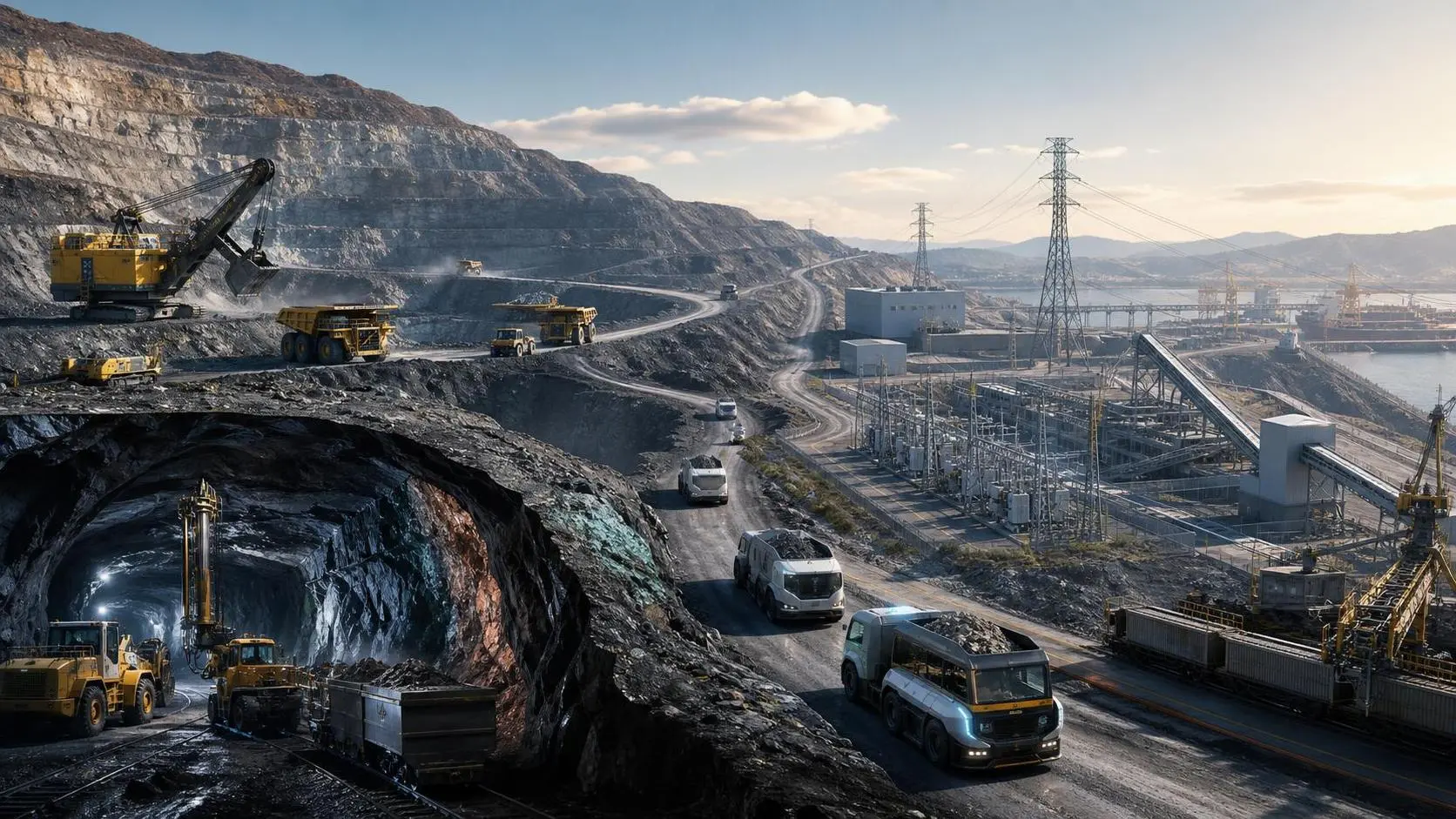
What Does Energy Metals Mining in Australia Mean for Supply, Cost, and Project Risk?
Energy metals mining Australia is reshaping supply, cost, and project risk. Discover what it means for buyers, investors, and operators.
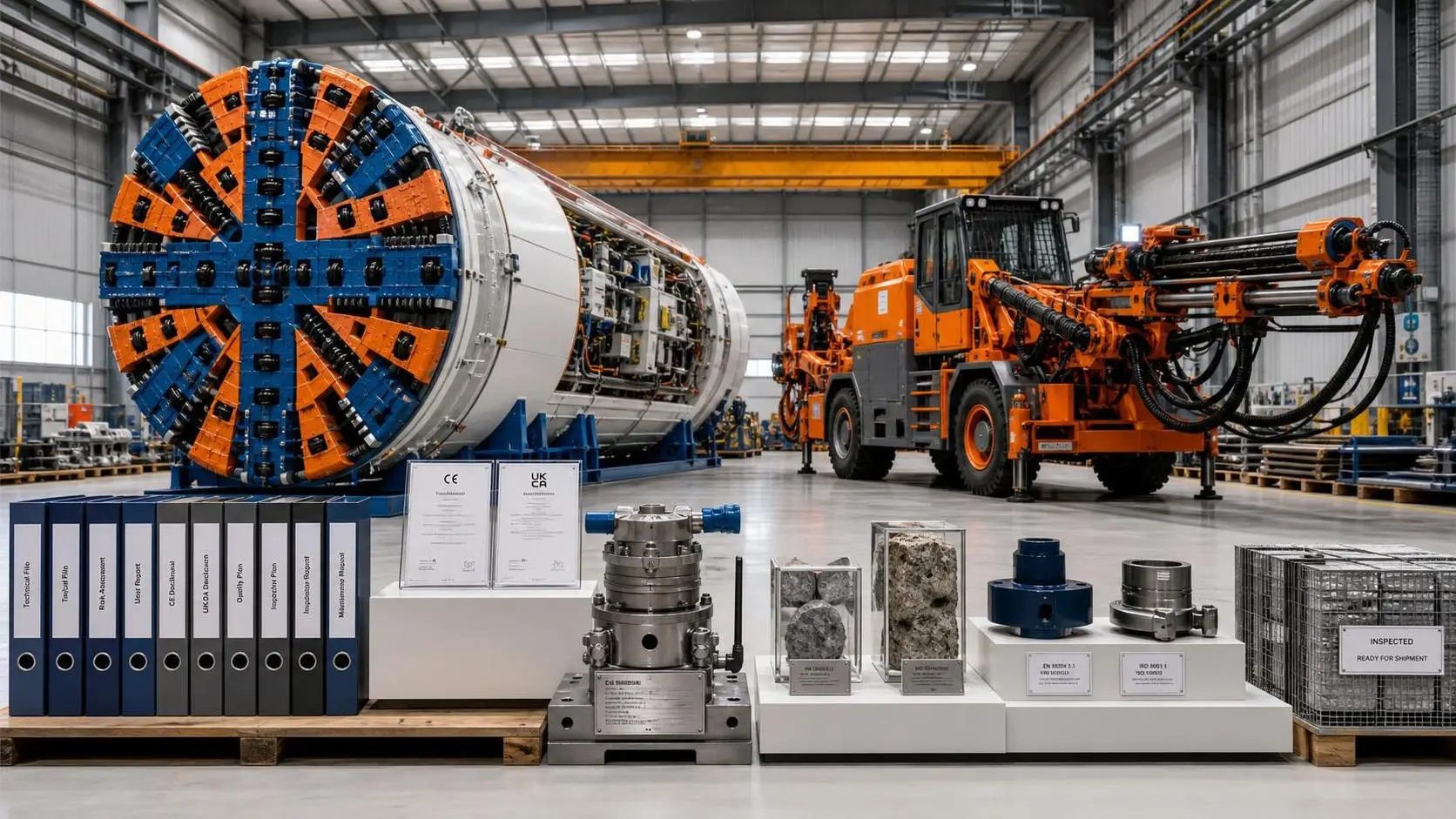
EU Eases Dual CE and UKCA Path for Chinese Tunnel Boring Equipment
EU eases CE and UKCA certification for Chinese tunnel boring equipment, cutting compliance time and helping importers move faster.
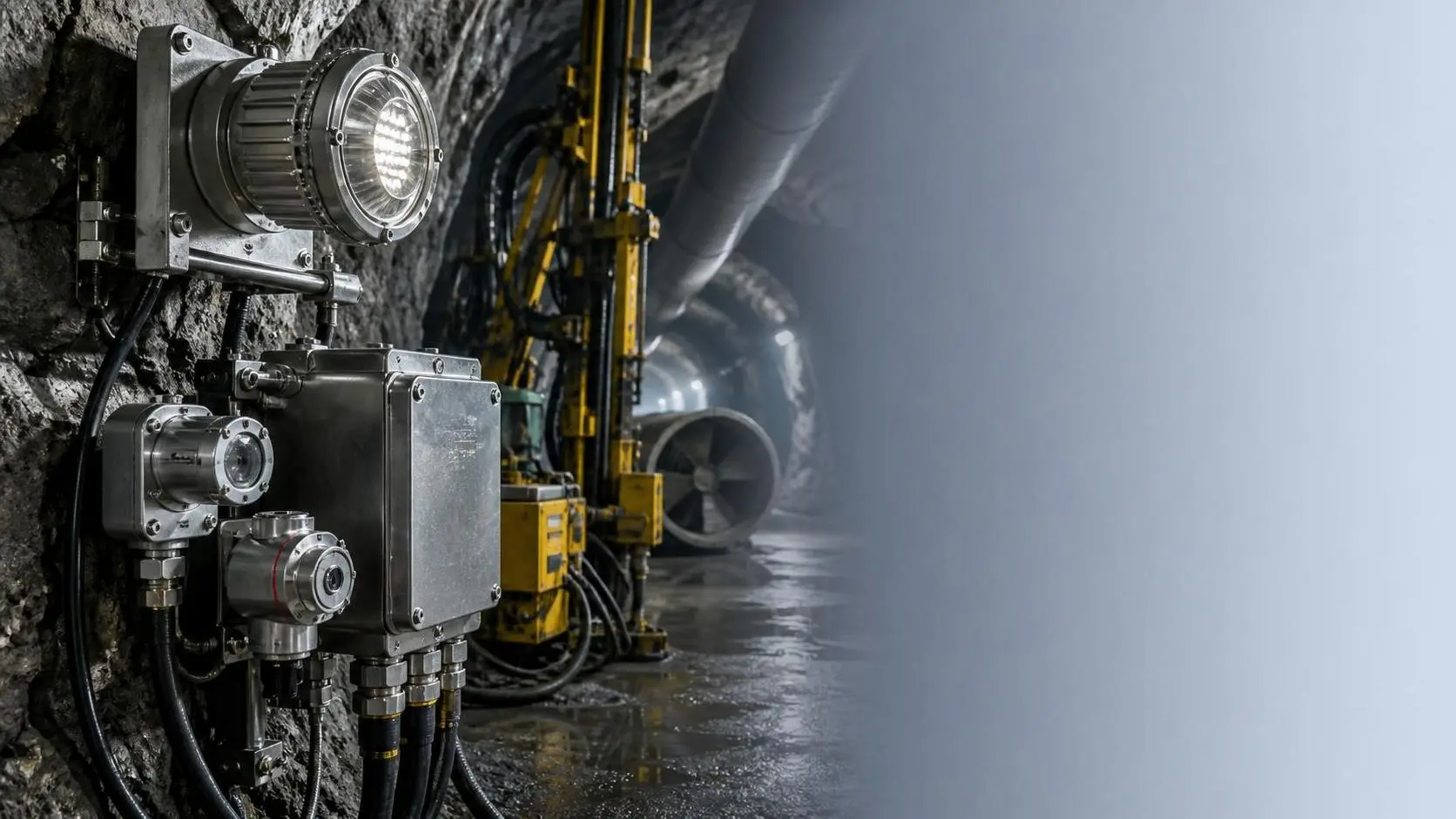
Flameproof Underground Safety Equipment: What Mine Teams Should Check Before Buying
Underground Safety Equipment flameproof buying guide: learn how mine teams should verify certification, durability, serviceability, and supplier support before purchase.
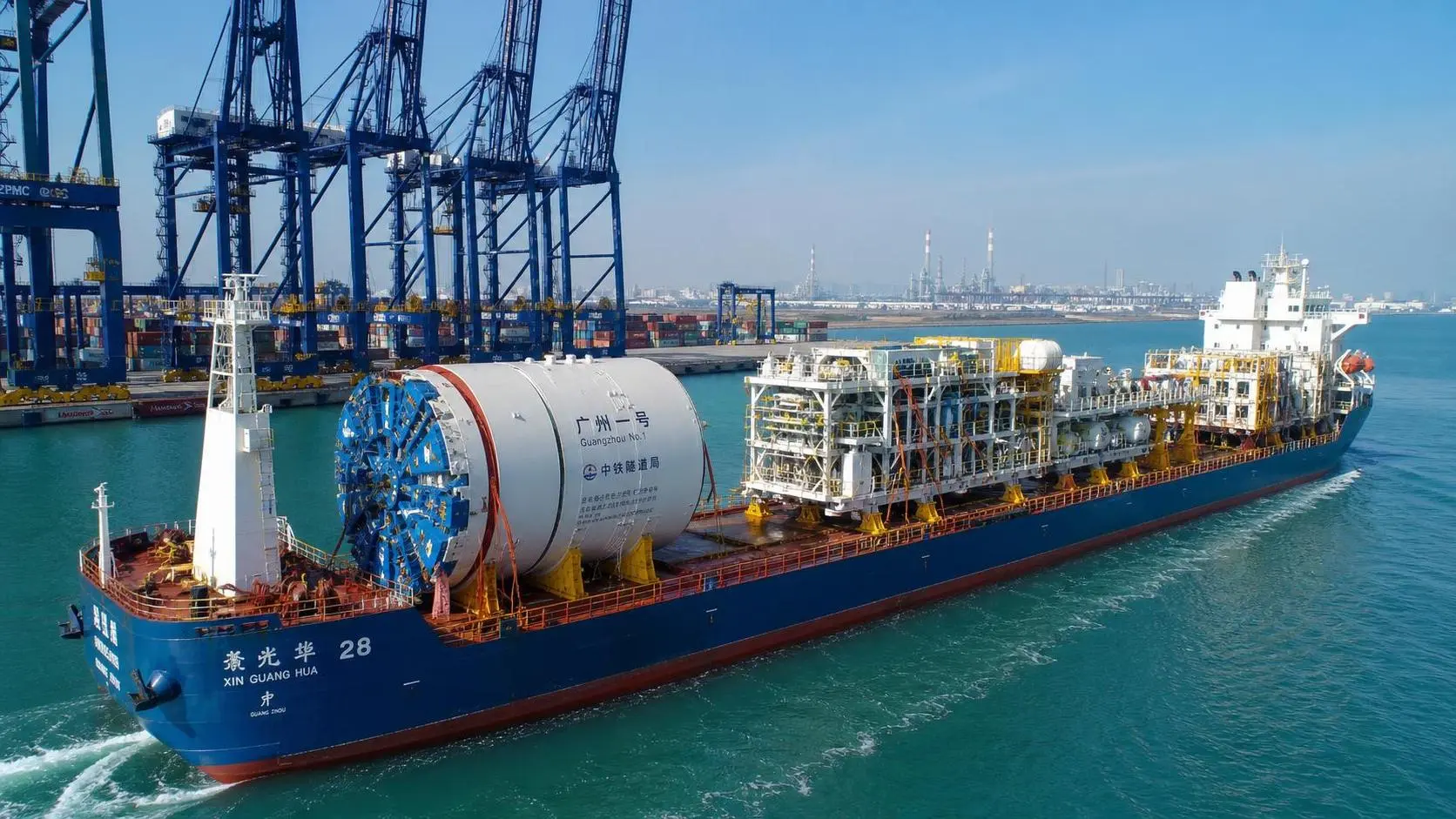
China-UAE Direct Sea Route Cuts TBM and Large Tunneling Equipment Lead Times
China-UAE direct sea route shortens TBM and large tunneling equipment lead times by 12–15 days, improving delivery predictability for major infrastructure projects. Read the full impact.
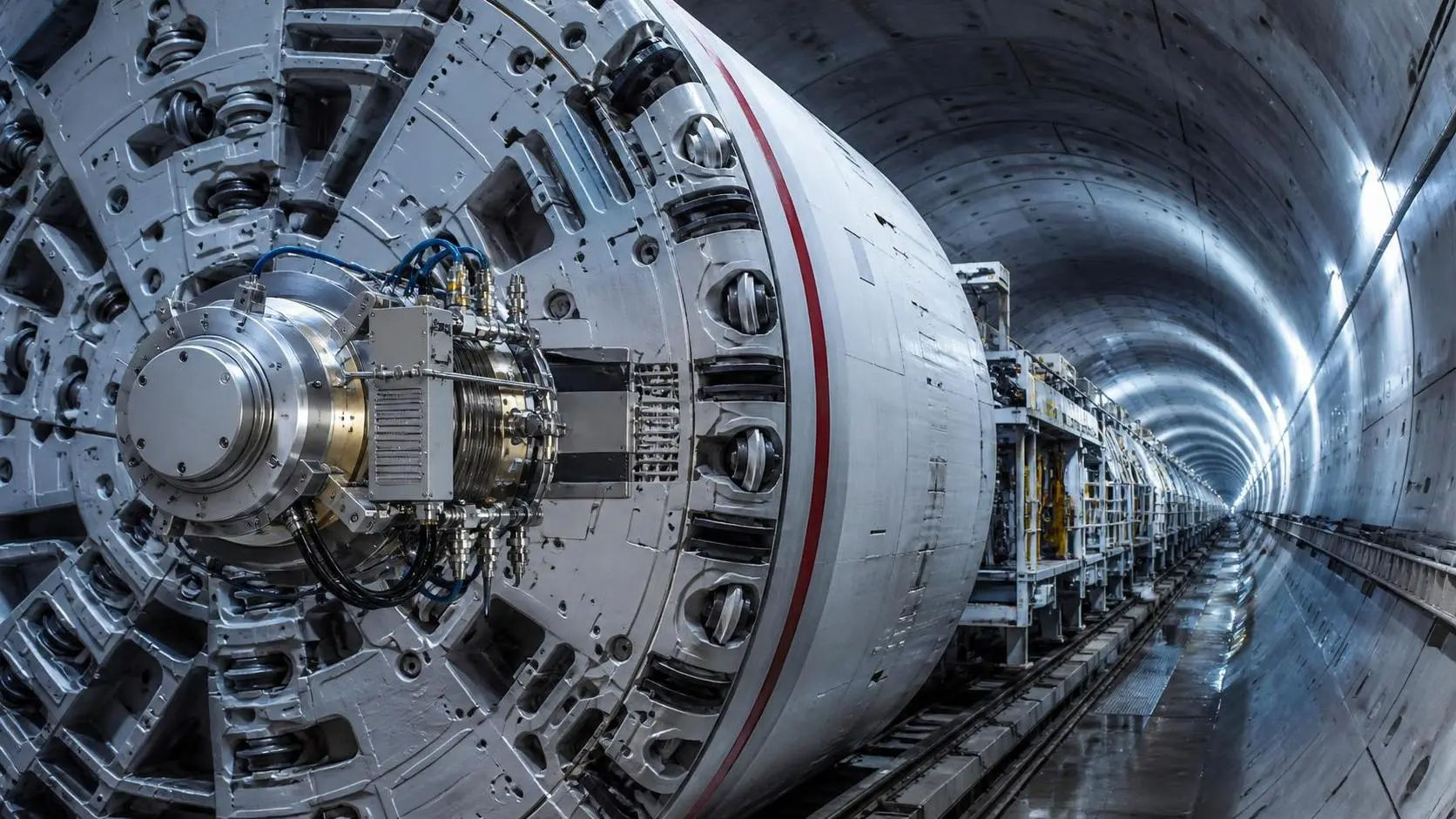
What Is a TBM Guidance System Gyroscope, and Why Does It Matter Underground?
TBM Guidance Systems gyroscope improves underground accuracy, reduces drift, and helps tunnel boring machines stay on line in harsh conditions.
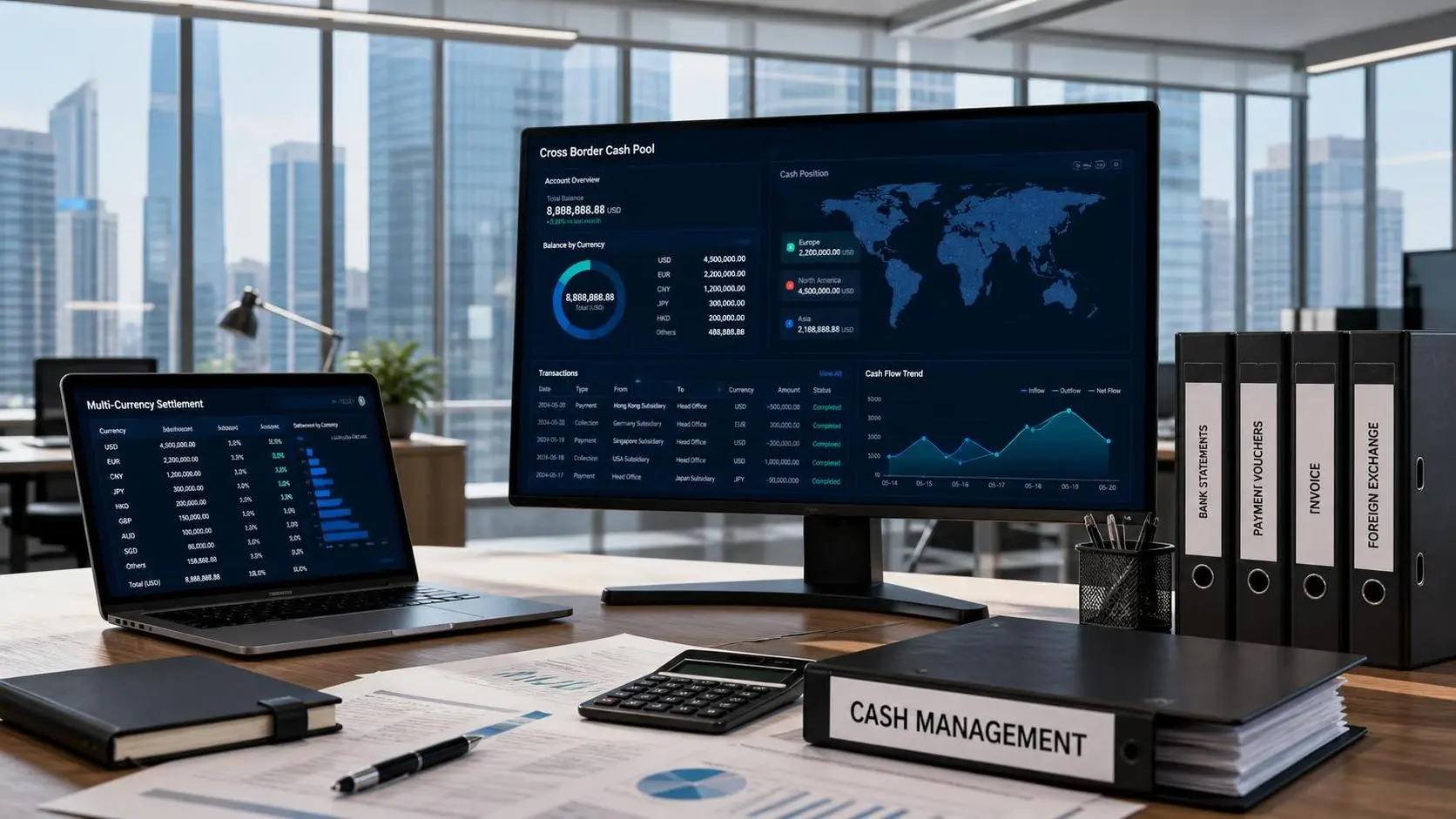
China to Roll Out Nationwide Local and Foreign Currency Cash Pools for Multinationals on Sept. 14
China will roll out nationwide local and foreign currency cash pools for multinationals on Sept. 14, streamlining cross-border treasury management and boosting liquidity efficiency.
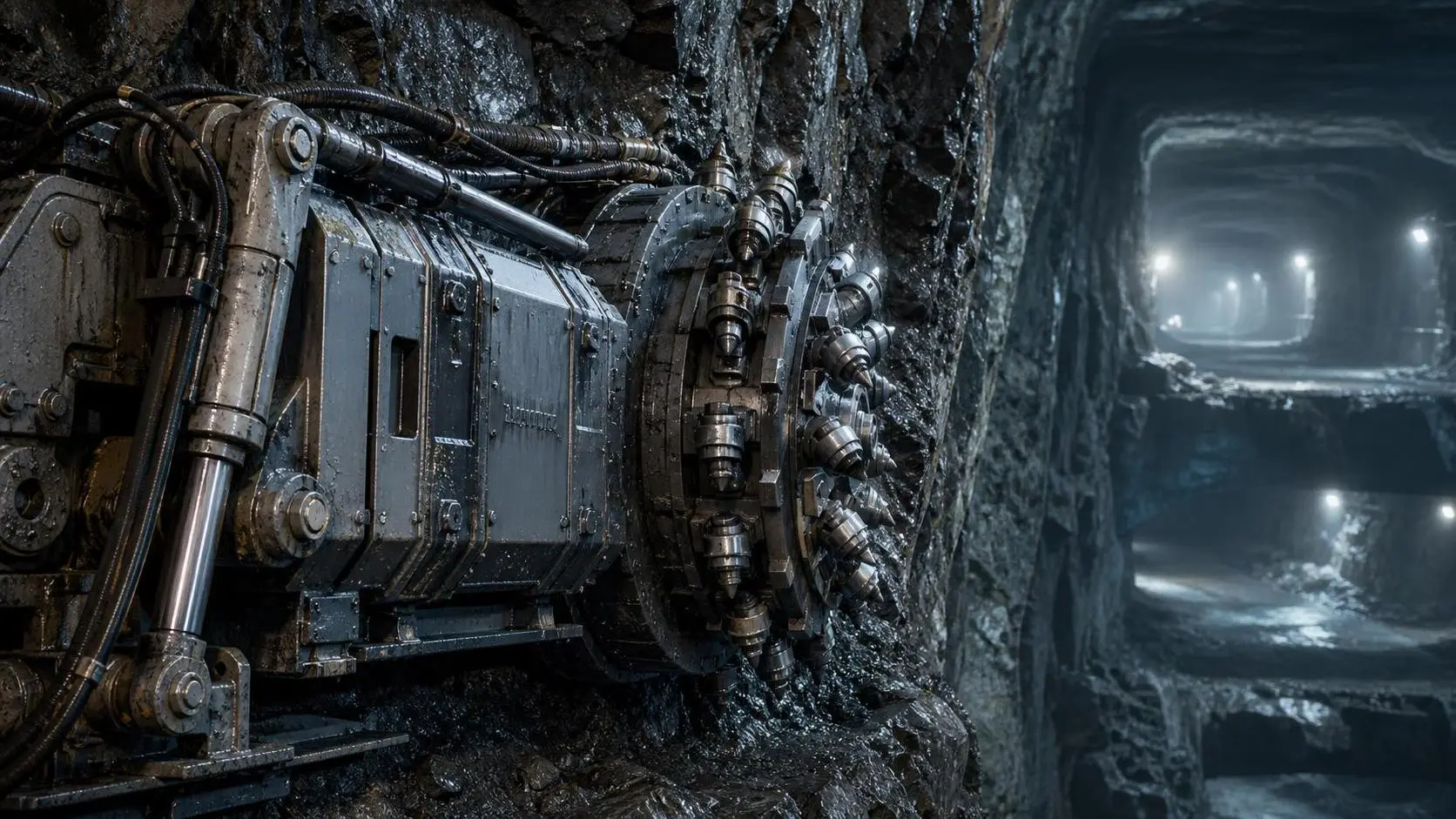
How to Choose a Reliable Underground Mining Equipment Supplier for Harsh Site Conditions
Find a reliable underground mining equipment supplier for harsh site conditions with rugged, maintainable solutions that boost uptime, reduce risk, and support long-term production.
Related News
- 00
0000-00
How to Evaluate Articulated Dump Trucks Payload for Haul Road Conditions and Cycle Efficiency - 00
0000-00
How Pipe Fittings Material and Pressure Class Affect Water Line Selection - 00
0000-00
What Drives TBM Excavation Cost in Urban Tunneling Projects? - 00
0000-00
What Does Energy Metals Mining in Australia Mean for Supply, Cost, and Project Risk? - 00
0000-00
EU Eases Dual CE and UKCA Path for Chinese Tunnel Boring Equipment
Weekly Insights
Stay ahead with our curated technology reports delivered every Monday.