
EU Eases Dual CE and UKCA Path for Chinese Tunnel Boring Equipment





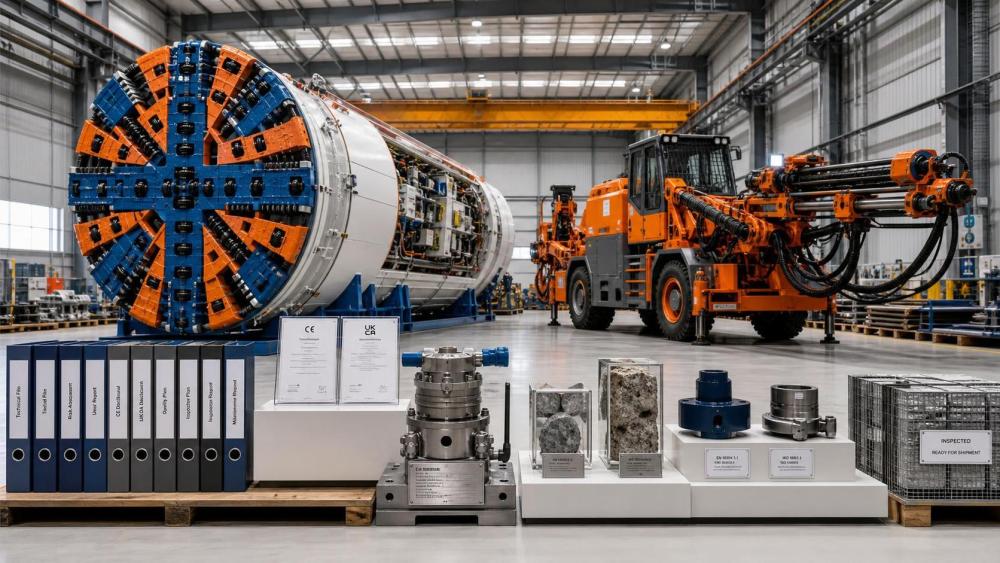
On August 16, 2026, the European Commission issued the revised Compliance Transition Guidance for Underground Engineering Machinery, introducing a targeted exemption that could materially shorten market-entry timelines for selected Chinese-made tunneling equipment. Under the new guidance, hard-rock TBMs, hydraulic drilling jumbos, and arch installation rigs that comply with GB/T 39752-2021 and ISO 21415 may bypass the mandatory third-party type-testing stage and apply directly for both CE and UKCA certification using reports from CNAS-accredited laboratories in China together with manufacturer technical documentation.
This is a procedural change, but its commercial effect could be immediate. According to the information provided, the dual-certification clearance cycle may be shortened by 22 days. For overseas importers and project contractors, that means a faster compliance route and lower entry friction when sourcing eligible Chinese equipment.
Why this matters for the market
The adjustment appears most relevant to buyers and contractors working on time-sensitive underground construction packages, where equipment mobilization often affects early project schedules. If the exemption is applied smoothly in practice, Chinese manufacturers that already align products with the specified Chinese and international standards may gain a more efficient route into European compliance frameworks without the extra delay of mandatory external type testing.
The effect may extend beyond Europe itself. The information provided indicates that the change is especially favorable for infrastructure contractors in the Middle East, Southeast Asia, and Eastern Europe that use Chinese equipment to participate in projects financed by EIB or EBRD. In those cases, a shorter compliance cycle could improve procurement flexibility and reduce the risk of schedule slippage tied to certification lead times.
What the exemption changes in practice
The key shift is not a relaxation of all compliance obligations, but a change in how proof of conformity can be assembled. For the equipment categories named in the guidance, CNAS-recognized laboratory reports in China and manufacturer technical files can now serve as the basis for direct CE and UKCA applications. That creates a more streamlined documentary path for qualifying products, while still keeping standards compliance at the center of the process.
For manufacturers, the practical implication is clear: internal technical documentation quality may become more important, because the value of the exemption depends on whether product files, test records, and standards alignment are complete enough to support a direct application. For importers, the near-term question is likely to be less about headline policy and more about execution, including whether suppliers can deliver a certification package that is consistent, auditable, and ready for project review.
Signals for the industry
From an industry perspective, the guidance suggests a more pragmatic approach to cross-border machinery compliance where recognized testing capacity and documented standards alignment already exist. It does not by itself guarantee broader market expansion, but it may improve the competitiveness of Chinese underground engineering equipment in bid environments where compliance timing matters almost as much as price and technical fit.
Further developments are still worth monitoring. Market participants will likely watch for follow-up regulatory interpretations, implementation details in actual certification workflows, and any manufacturer disclosures showing how quickly the new route is being adopted. Based on the current information alone, the most defensible conclusion is that the policy change lowers a meaningful procedural barrier for specific product categories and may strengthen the position of Chinese suppliers in overseas underground construction procurement.
This article is based solely on the information provided for this update. For subsequent confirmation of implementation details, readers should monitor official regulatory releases, public certification guidance, manufacturer announcements, and standard-related documentation released through relevant public channels.
Related News
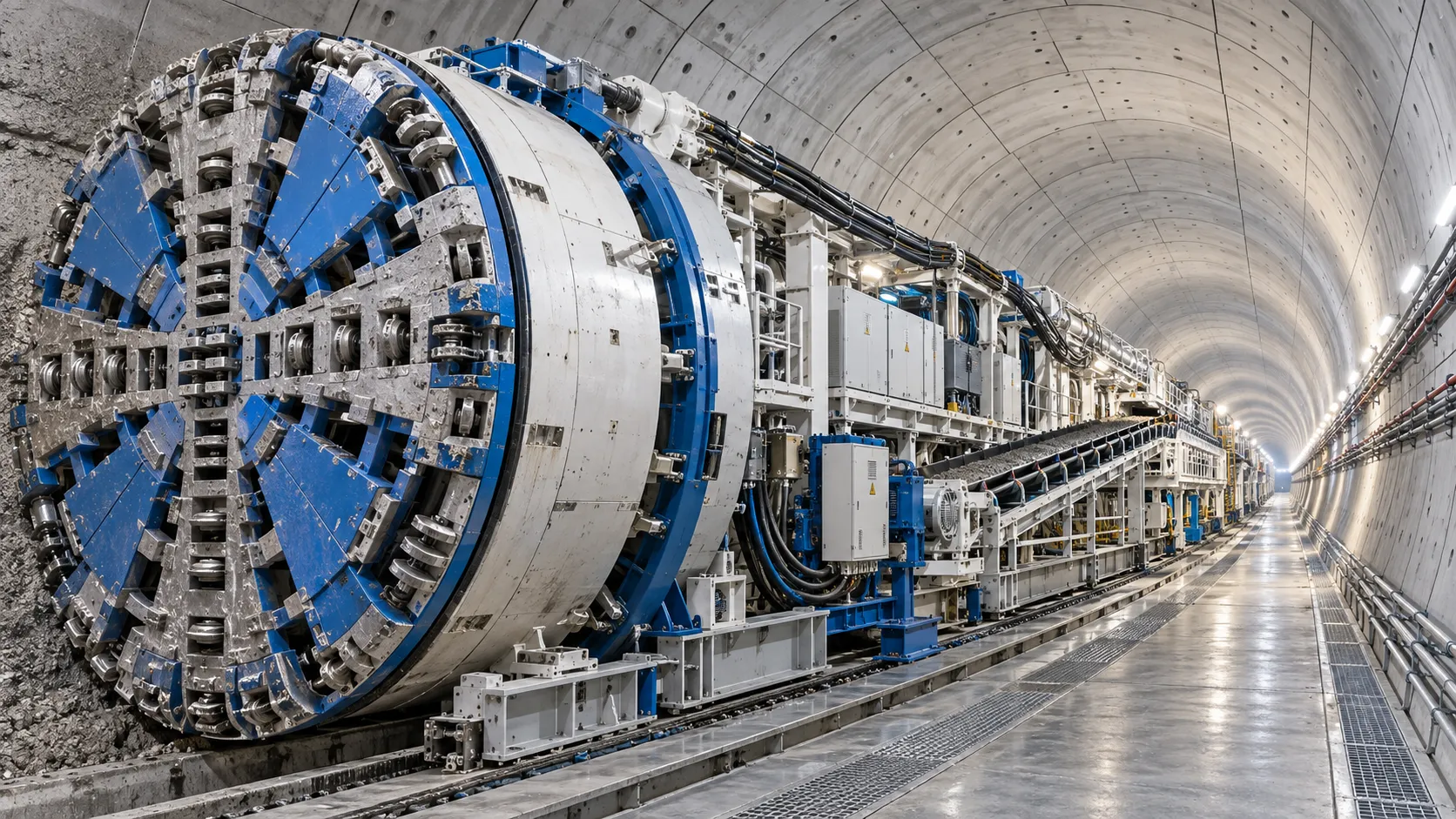
Tunnel Boring Machine Costs: Budgeting for Purchase, Operation, and Project Risk
Tunnel Boring Machines cost more than purchase price. Learn how to budget lifecycle costs, downtime, logistics, wear, and project risk for smarter TBM decisions.
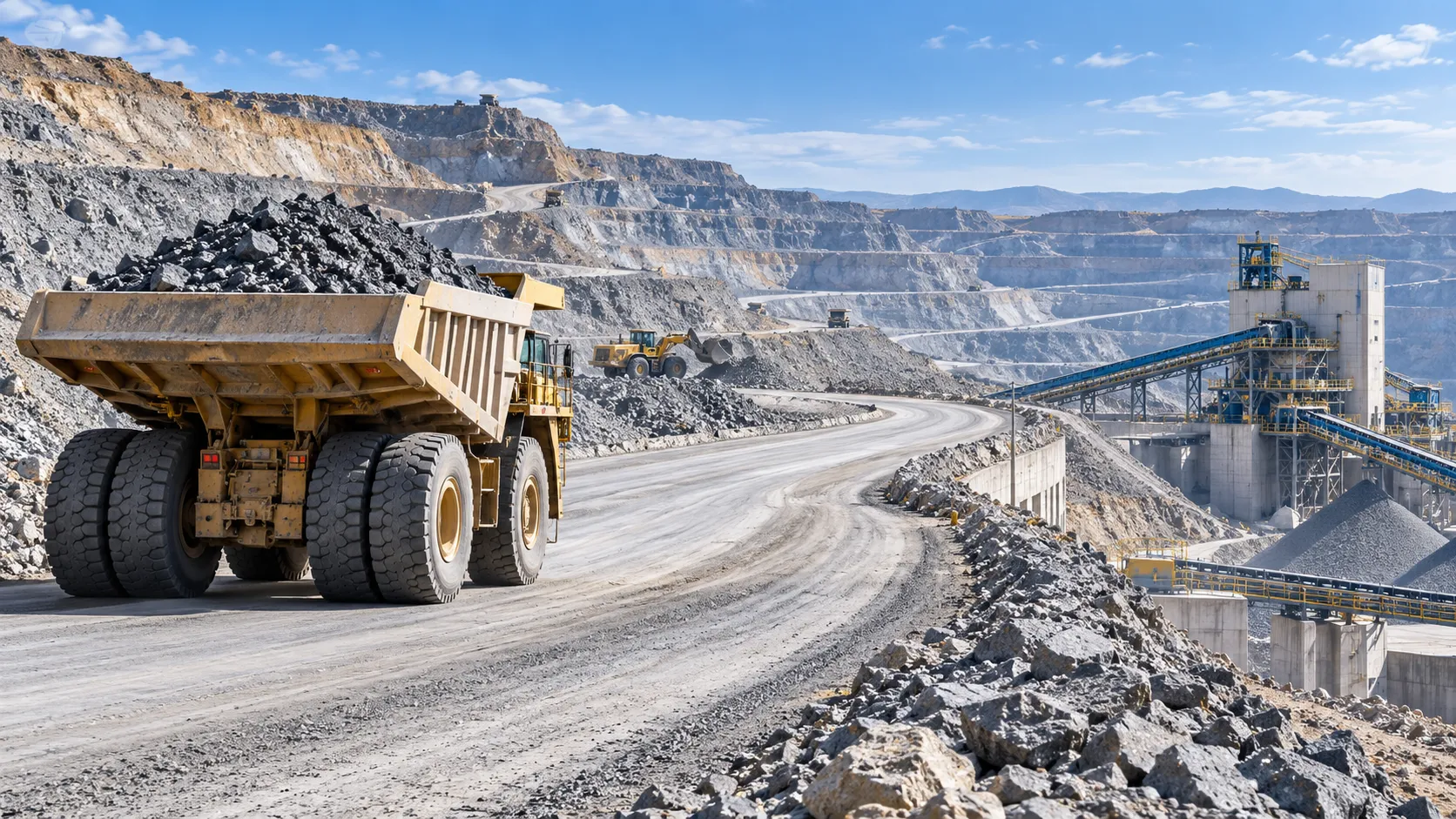
Open-Pit Haulage Cost Analysis: How Mine Managers Can Cut Cost per Tonne
Open pit haulage cost analysis: discover practical ways to reduce cost per tonne through payload control, cycle-time optimization, road performance, and smarter fleet decisions.
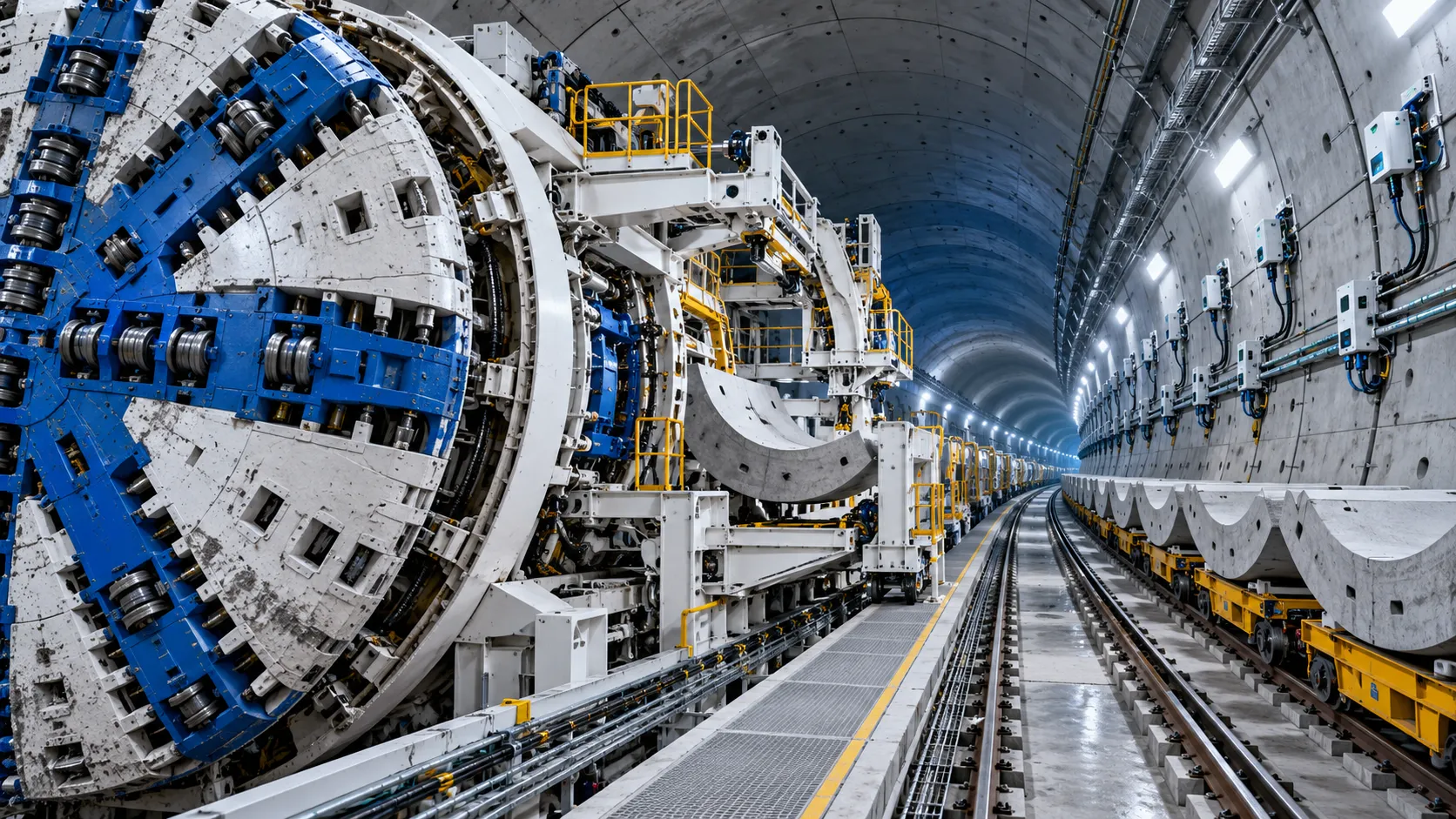
Tunnel Construction Innovations That Reduce Risk and Schedule Delays on Urban Projects
Tunnel construction innovation for urban projects: discover smarter TBMs, real-time monitoring, trenchless methods, and automation that reduce risk and protect schedules.
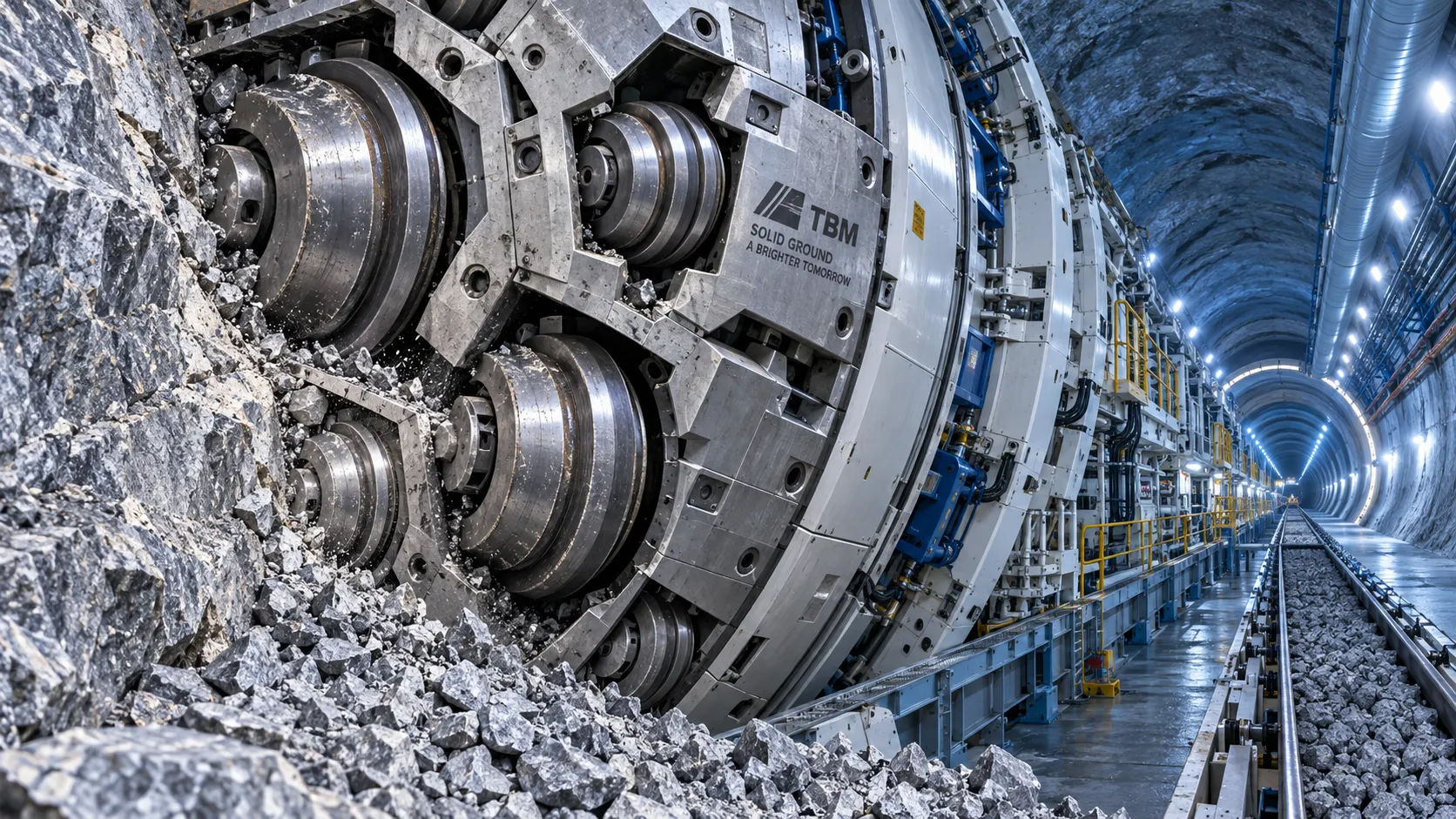
TBM Disc Cutter Design: Key Geometry and Load Factors for Hard Rock Tunnelling
TBM disc cutter design explained: explore geometry, spacing, load distribution and maintenance factors for reliable, efficient hard-rock tunnelling performance.
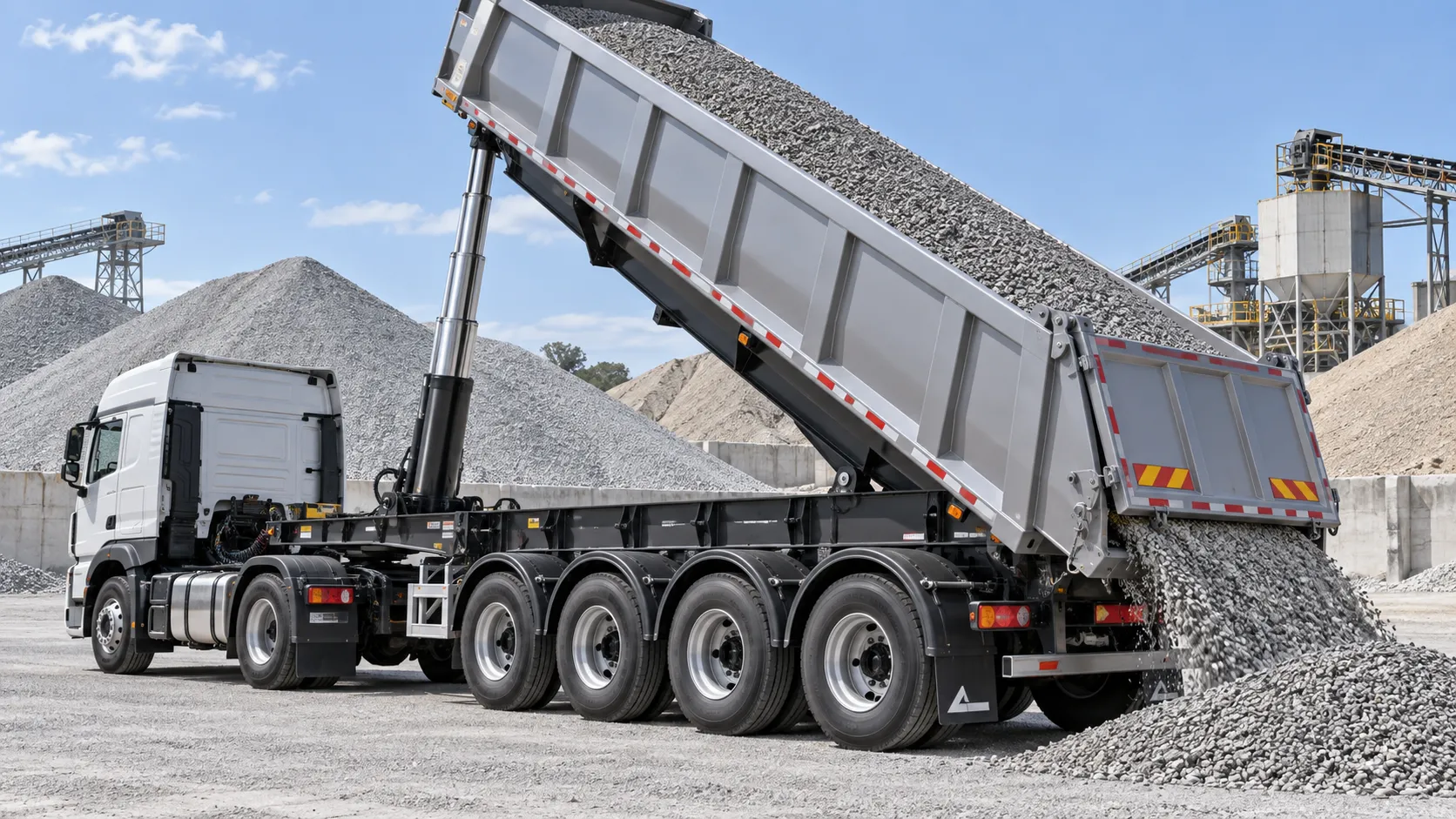
Hydraulic Tipping Stability Risks in Multi-Axle Dump Special Trailers
Dump special trailers: discover key hydraulic tipping stability risks, multi-axle load dynamics, and practical safety controls for safer, smarter bulk hauling.
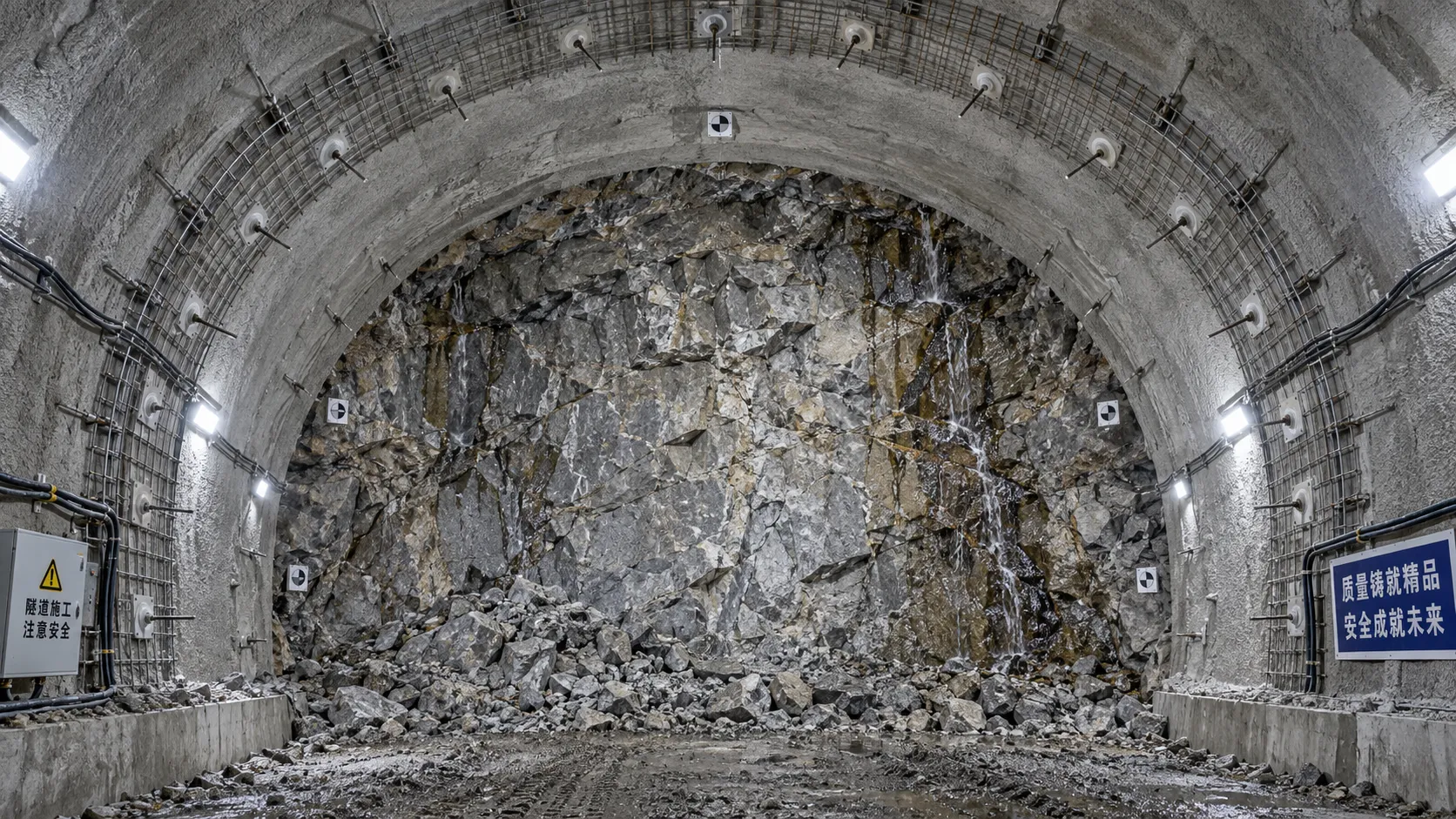
When rock reinforcement in tunnel construction must change after blasting
Rock reinforcement in tunnel construction must change when blasting reveals overbreak, weak joints, water inflow, or deformation. Discover key post-blast support decisions.
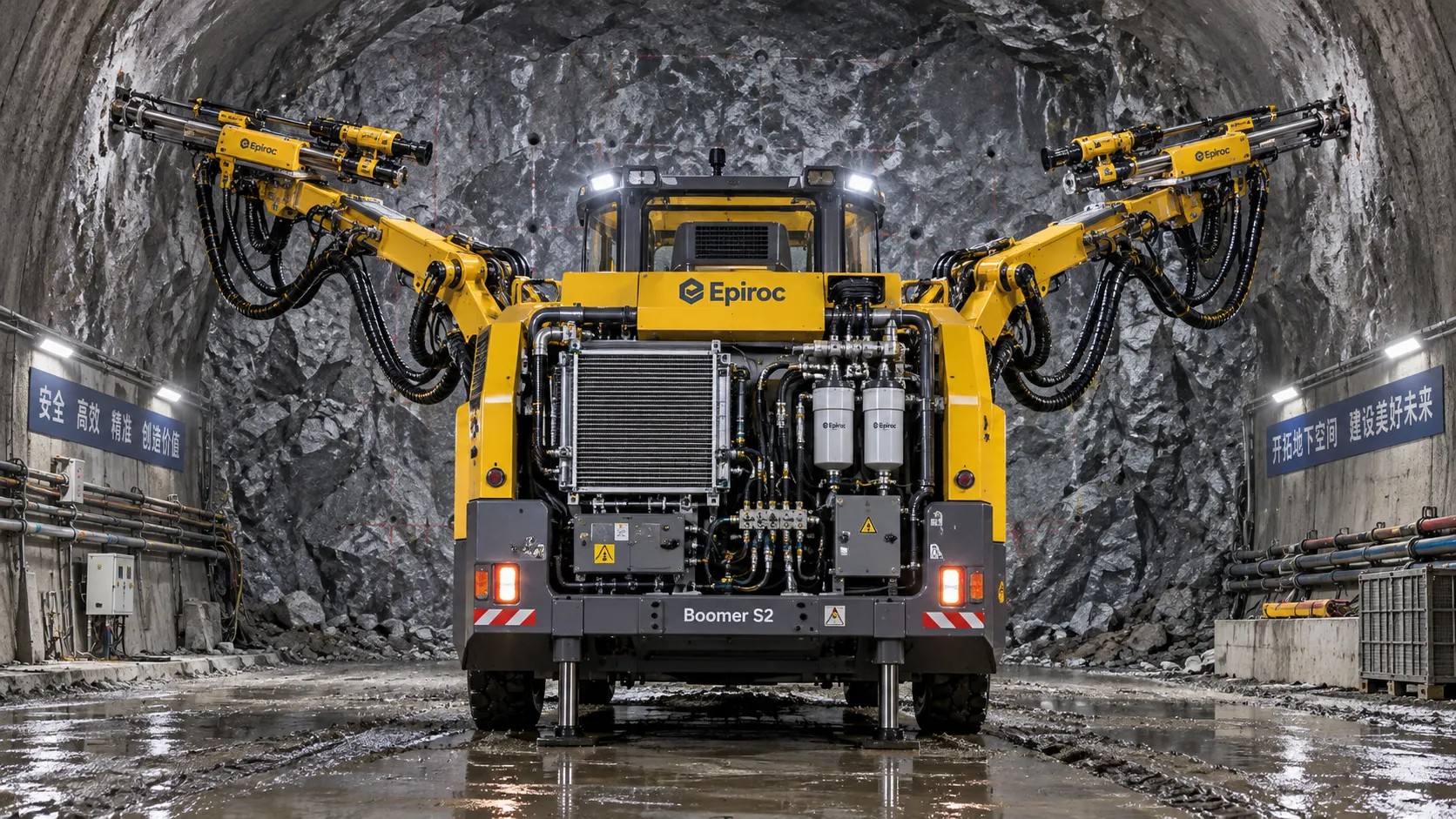
How tunnel hydraulic systems influence drill jumbo uptime underground
Tunnel hydraulic systems directly influence drill jumbo uptime. Explore how stable pressure, clean oil, cooling, and maintainable design reduce underground downtime.
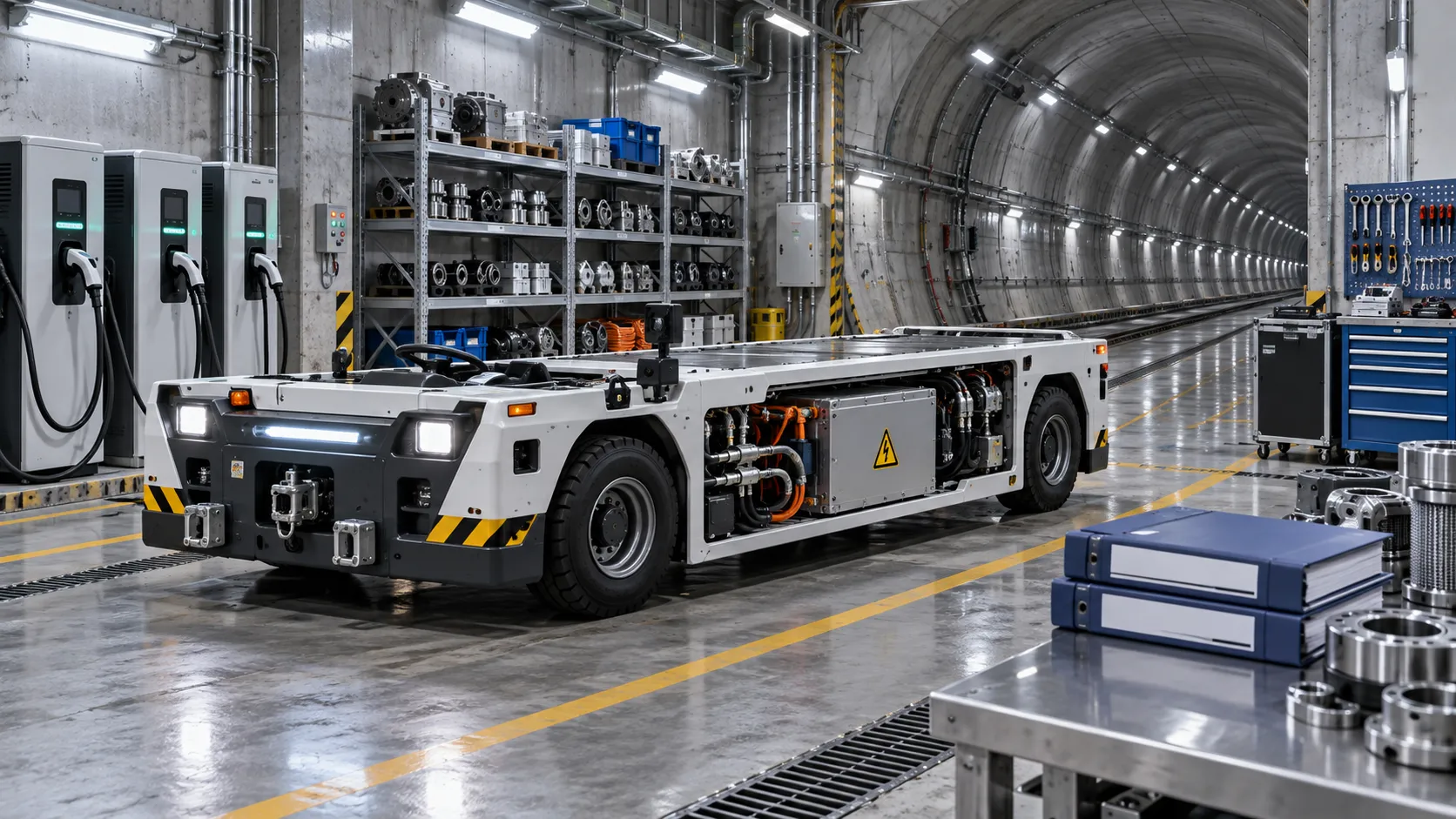
What to verify before appointing a tunneling vehicles manufacturer
Choosing a tunneling vehicles manufacturer? Verify application fit, reliability, compliance, parts support, training, and channel terms before appointing a partner.
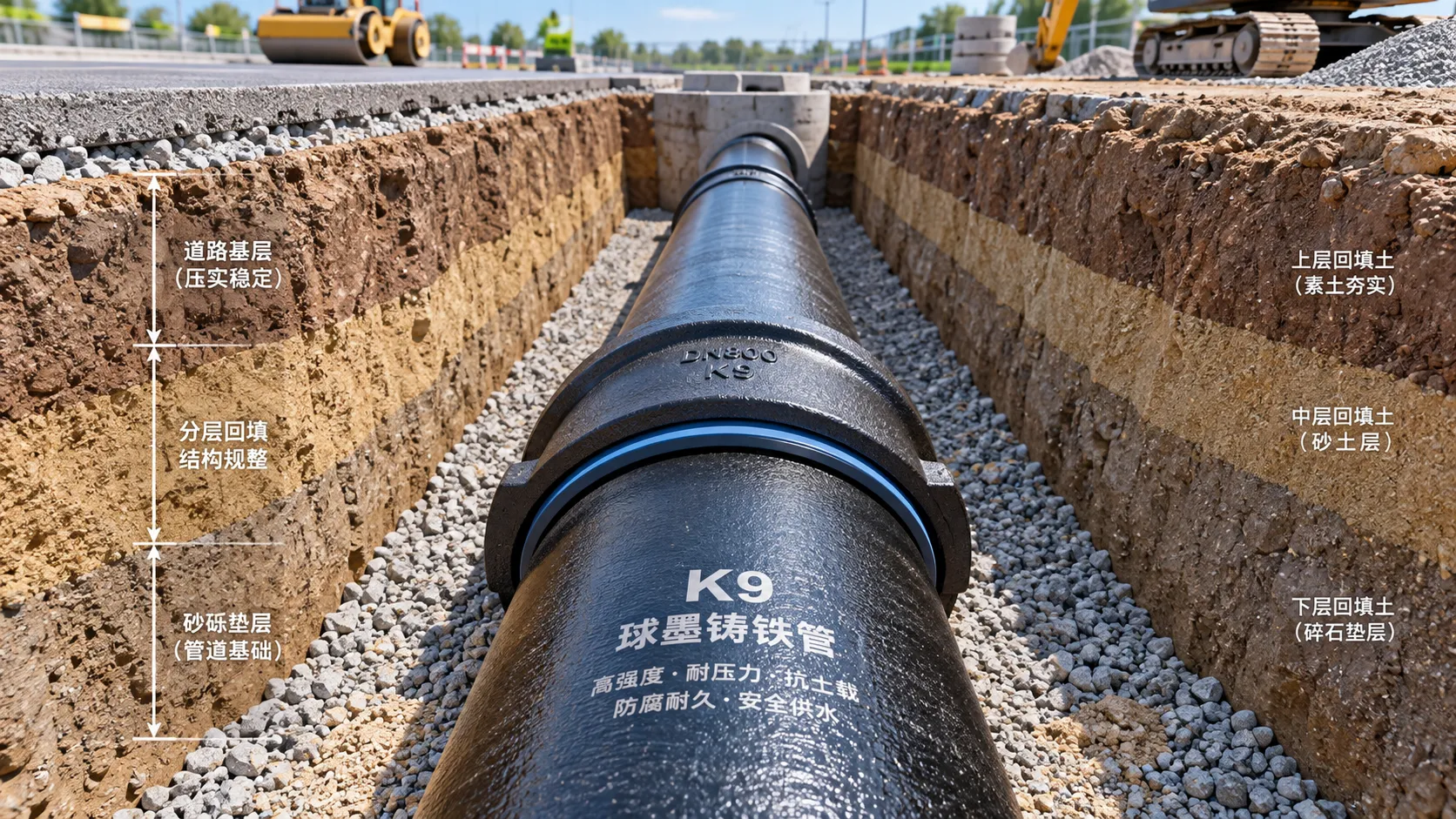
Selecting K9 Ductile Iron Pipe for Buried Water Pipeline Conditions
K9 ductile iron pipe selection for buried water pipelines: compare pressure duty, joints, soil loads, corrosion protection, and installation controls for reliable long-term performance.
Related News
- 00
0000-00
Tunnel Boring Machine Costs: Budgeting for Purchase, Operation, and Project Risk - 00
0000-00
Open-Pit Haulage Cost Analysis: How Mine Managers Can Cut Cost per Tonne - 00
0000-00
Tunnel Construction Innovations That Reduce Risk and Schedule Delays on Urban Projects - 00
0000-00
TBM Disc Cutter Design: Key Geometry and Load Factors for Hard Rock Tunnelling - 00
0000-00
Hydraulic Tipping Stability Risks in Multi-Axle Dump Special Trailers
Weekly Insights
Stay ahead with our curated technology reports delivered every Monday.