
Flameproof Underground Safety Equipment: What Mine Teams Should Check Before Buying





When mine teams source flameproof underground safety equipment, the buying decision usually looks straightforward on paper: check the certification, compare the price, approve the order. In practice, that approach often misses the point. A compliance mark matters, but underground conditions are rarely kind to equipment that only passes a lab test. Heat, vibration, abrasive dust, water ingress, cable damage, impact from tools or rock, and long duty cycles all shape whether a unit remains safe after months of use rather than on day one.
That is why procurement teams need to think beyond nameplate claims. The real question is not only whether a lamp, communication device, sensor enclosure, switchgear assembly, or emergency unit is technically flameproof. It is whether it stays dependable inside a mine development heading, near a drilling jumbo, on an underground LHD route, or in service zones around power, charging, and ventilation systems.
At UTMD, where underground equipment intelligence spans TBMs, pipe jacking systems, drilling jumbos, mining dump trucks, and battery-electric LHDs, one pattern shows up repeatedly: safety equipment fails procurement expectations when buyers separate compliance from operations. Underground environments do not care which budget line paid for the device. They only expose weak seals, poor cable glands, hard-to-service housings, and suppliers that disappear after shipment.
Start with the hazard profile, not the catalog
“Flameproof” is not a universal shortcut. Different mines, tunnels, and cross-border projects work under different gas risks, local regulations, and operating procedures. Before comparing models, teams should confirm where the equipment will actually be installed and what hazard classification applies at that location. A refuge chamber accessory, a portable lighting unit used during maintenance, and a fixed control enclosure near mobile equipment do not necessarily face the same conditions.
This is where many cost overruns begin. Some buyers over-specify everything to stay safe, which inflates capital cost, weight, and maintenance burden. Others standardize on a lower-cost option that may be acceptable in one zone but creates approval or operating issues elsewhere. The cheapest unit can become expensive if it triggers rework, delays commissioning, or requires additional protective measures.
A useful internal checkpoint is simple: ask operations, maintenance, and safety teams to define the actual underground use case in one page. If that document is vague, the RFQ will also be vague, and supplier quotations will be hard to compare in any meaningful way.
Certification is essential, but it is only the first filter
For underground safety equipment flameproof applications, certification should be verified carefully against the intended market and site requirement. Buyers typically need to confirm not just that a certificate exists, but that it matches the equipment configuration being offered, the installation method, and the jurisdiction where the product will operate. A supplier may present documentation for a product family, while the exact variant, cable entry arrangement, battery configuration, or accessory package still needs confirmation.
That sounds bureaucratic, but it is a procurement issue as much as a safety issue. If documentation is incomplete, customs clearance, site acceptance, and handover can slow down. If replacement parts differ from the certified build, even routine maintenance can become complicated. The commercial risk is not abstract.
In mixed fleets and mixed jurisdictions, this matters even more. UTMD’s coverage of global underground projects shows that equipment selection is increasingly shaped by electrification, automation, and cross-regional sourcing. As mines adopt battery-powered loaders, remote control systems, and digitally connected infrastructure, flameproof safety devices are no longer isolated purchases. They sit inside a broader technical stack where compatibility and documentation discipline matter as much as unit price.
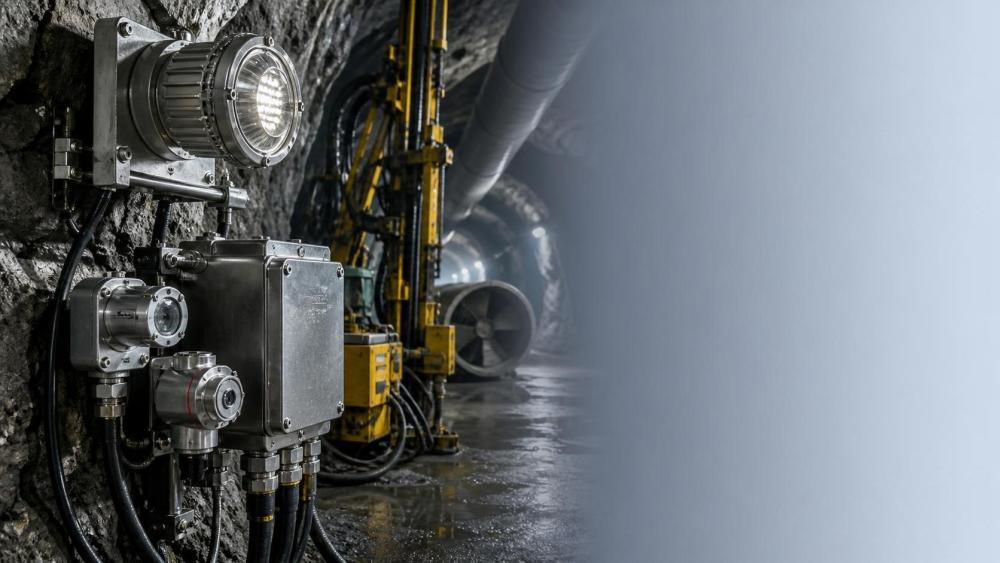
Look hard at enclosure durability and ingress protection
Flameproof equipment often looks robust because it is heavy, cast, and sealed. That visual impression can be misleading. Buyers should review material choice, corrosion resistance, gasket quality, fastening design, impact resistance, and protection against dust and water ingress. Underground use is especially punishing where washing, condensation, mud splash, saline water, and abrasive fines are routine.
In procurement terms, poor enclosure durability creates three problems. First, it shortens service life. Second, it raises maintenance hours because technicians spend more time opening, resealing, and inspecting equipment. Third, it increases the chance that a unit remains physically intact but no longer performs safely because seals, threads, or cable entries have degraded.
Ask suppliers practical questions that go beyond brochure language: How often are housings opened for normal maintenance? Are spare gaskets and glands easy to source? Can maintenance teams service the unit underground, or must it be returned to a workshop? How sensitive are flame paths or threaded joints to contamination and wear? These answers usually tell you more about lifecycle cost than a discount on the initial order.
Maintenance access is a procurement issue, not just an engineering issue
A common buying mistake is to evaluate flameproof equipment as if maintenance complexity were someone else’s problem. In underground mines, difficult service access quickly turns into downtime, extra spare holdings, and awkward workarounds in the field. For battery-backed emergency units, communication modules, sensors, or control boxes, the question is not only whether the product works, but how easily it can be inspected and returned to service without compromising safety.
This is especially relevant as underground systems become more digital. UTMD’s Strategic Intelligence Center tracks how automation, SLAM-based navigation, zero-emission fleets, and remote operations are changing equipment architecture below ground. The more connected the mine becomes, the less tolerance there is for safety hardware that is technically compliant but operationally awkward. If replacing a connector, battery pack, or module requires excessive disassembly or specialized tools not available on site, the long-term cost can outweigh the purchase saving.
Questions worth adding to the RFQ
- Which components are considered routine service items?
- What parts are stocked regionally, and what parts are built to order?
- What is the recommended inspection interval under dusty or wet conditions?
- Does opening the unit in the field affect warranty or recertification obligations?
- Are maintenance manuals detailed enough for site technicians, or do they assume factory support?
Do not separate the device from the mine’s power and communications reality
Underground safety equipment is often purchased in categories, but it operates in systems. A flameproof beacon, detector, phone, junction box, or control interface still has to work with site voltage, connectors, cable management rules, network architecture, and maintenance practices. Problems often appear not in the unit itself, but at the interfaces.
That matters more now because underground fleets are changing. Battery-electric LHDs, modern drilling jumbos, and digitally monitored tunnelling assets bring different electromagnetic, charging, and communication environments than legacy diesel-only setups. In some cases, procurement should involve controls, electrical, and IT or automation personnel much earlier than usual. Not because the purchase is complicated by definition, but because interface failures are expensive to fix after delivery.
Supplier reliability shows up in documents, spares, and lead times
For procurement teams, supplier reliability is often discussed in general terms. It is better judged through specifics. Can the supplier provide a clean document package? Are bills of materials and spare parts lists stable? Is there clarity around lead times for replacement housings, electronics, lamps, batteries, seals, or certified cable accessories? Can they support the equipment after commissioning if the mine expands or standardizes across multiple sites?
This becomes more important when underground projects are scaling quickly around energy metals or major civil works. UTMD closely follows the replacement demand being driven by fleet electrification, ESG pressure, and smart-mine investments. In that environment, a supplier that looks competitive on a single purchase order may still be a weak fit if they cannot support growing installed bases, multi-site standardization, or the documentation demands of major operators and contractors.
A good buying process therefore compares two kinds of cost: purchase price and ownership friction. Ownership friction includes delayed drawings, unclear spare parts coding, inconsistent technical support, and long lead times on simple consumables. These costs rarely appear on the quote, but they often define whether procurement made the right call.
Where buyers often get trapped by “low cost”
There are a few recurring traps. One is buying by visual similarity. Two enclosures may look nearly identical, yet differ materially in certification scope, sealing design, or serviceability. Another is treating all flameproof equipment as interchangeable across tunnelling and mining environments. They are not. The duty pattern around a TBM backup system, a pipe jacking work zone, or a hard-rock mine loading drift can be quite different.
Another trap is focusing only on the installed unit and ignoring accessories. Mounts, glands, cable assemblies, charging interfaces, replacement batteries, and inspection tools often determine whether deployment goes smoothly. If they are omitted from the buying review, the final project cost can drift upward through small but repeated changes.
And then there is the false economy of underestimating training. Even well-designed flameproof underground safety equipment can be mishandled if technicians are unfamiliar with inspection limits, resealing requirements, or safe opening procedures. Training is not glamorous, but it is cheaper than repeated field errors.
A practical way to make the shortlist
If the purchase has real operational impact, a shortlist should usually be built around five tests: certification fit, environmental durability, serviceability, interface compatibility, and supplier support. Price still matters, especially under cost pressure, but it should be compared only after those five tests are reasonably clear. Otherwise, procurement ends up comparing numbers tied to different levels of actual risk.
For teams working across underground construction and mining, that discipline is even more valuable. The equipment landscape is moving toward electrified fleets, automated haulage, remote diagnostics, and tighter safety expectations in confined spaces. UTMD’s view across TBMs, drilling jumbos, underground loaders, and smart transport systems points to the same conclusion: the safest buy is usually the one that fits the mine’s real operating conditions, integrates cleanly, and stays maintainable over time.
Before issuing the final order, it is worth pausing for one last check: can the supplier prove the equipment is right for your zone, your maintenance model, and your delivery schedule—not just for a brochure use case? If that answer is still fuzzy, the specification probably needs work before the PO is signed.
Related News
Tunnel Boring Machine Costs: Budgeting for Purchase, Operation, and Project Risk
Tunnel Boring Machines cost more than purchase price. Learn how to budget lifecycle costs, downtime, logistics, wear, and project risk for smarter TBM decisions.
Open-Pit Haulage Cost Analysis: How Mine Managers Can Cut Cost per Tonne
Open pit haulage cost analysis: discover practical ways to reduce cost per tonne through payload control, cycle-time optimization, road performance, and smarter fleet decisions.
Tunnel Construction Innovations That Reduce Risk and Schedule Delays on Urban Projects
Tunnel construction innovation for urban projects: discover smarter TBMs, real-time monitoring, trenchless methods, and automation that reduce risk and protect schedules.
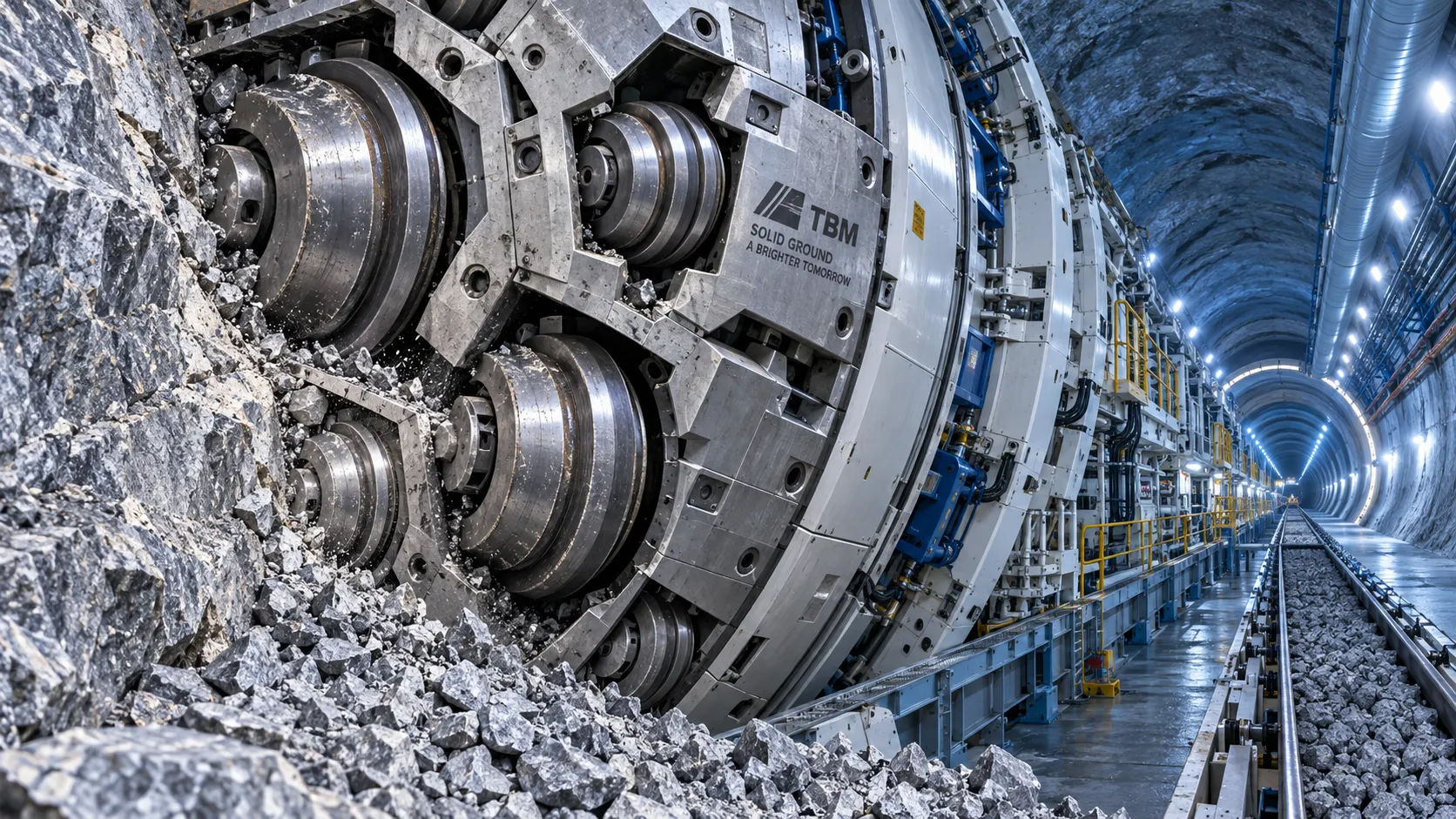
TBM Disc Cutter Design: Key Geometry and Load Factors for Hard Rock Tunnelling
TBM disc cutter design explained: explore geometry, spacing, load distribution and maintenance factors for reliable, efficient hard-rock tunnelling performance.
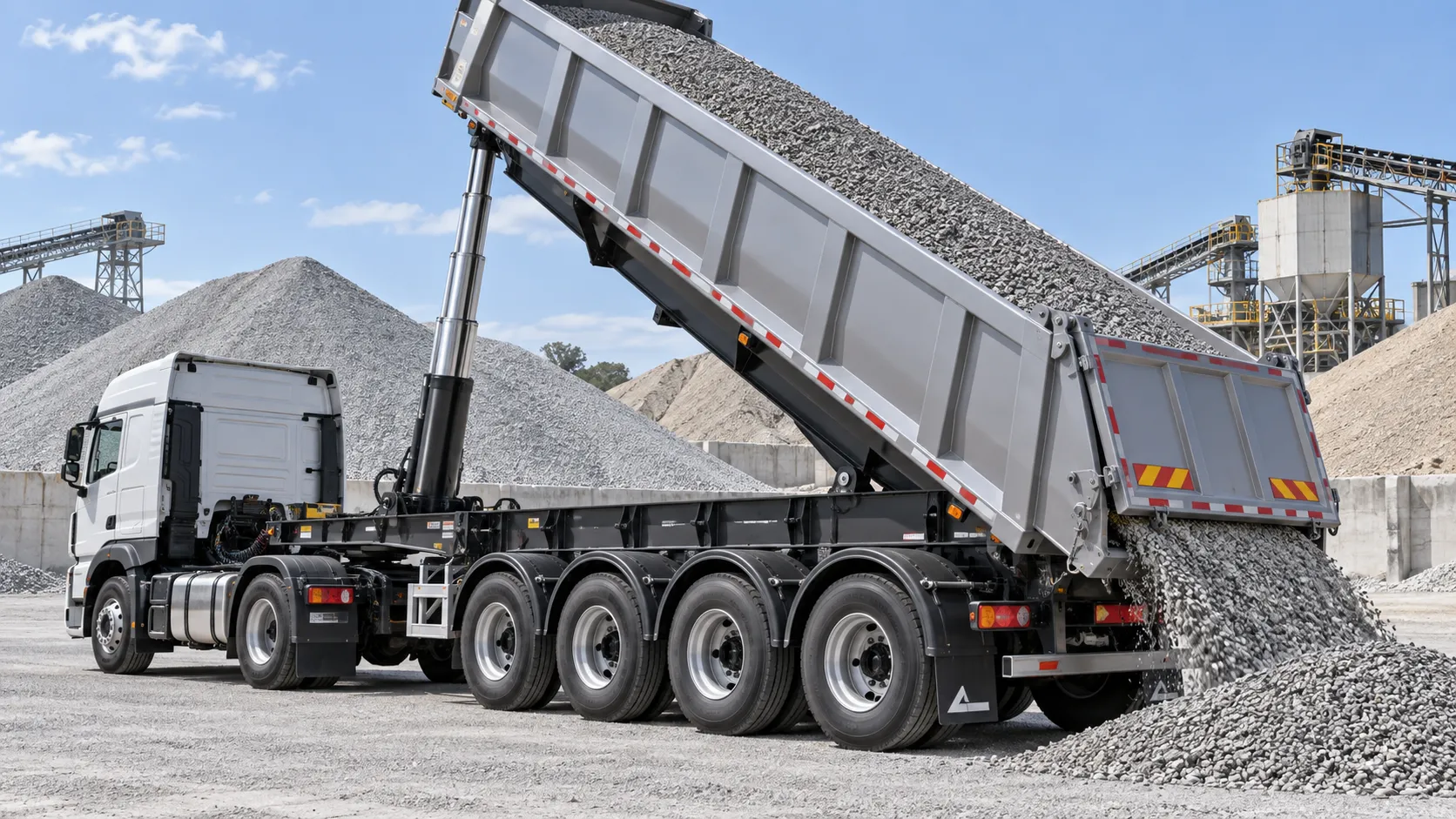
Hydraulic Tipping Stability Risks in Multi-Axle Dump Special Trailers
Dump special trailers: discover key hydraulic tipping stability risks, multi-axle load dynamics, and practical safety controls for safer, smarter bulk hauling.
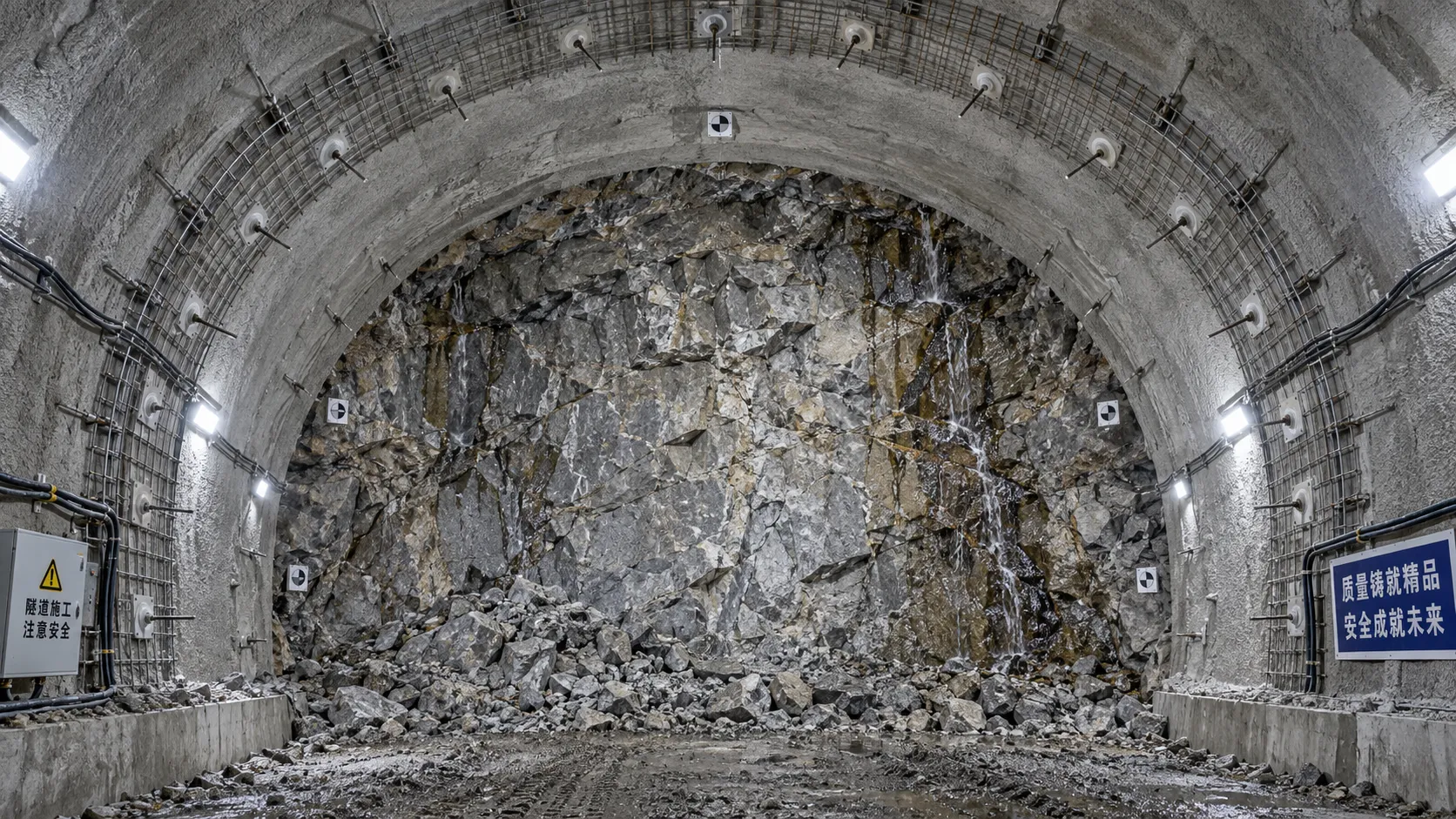
When rock reinforcement in tunnel construction must change after blasting
Rock reinforcement in tunnel construction must change when blasting reveals overbreak, weak joints, water inflow, or deformation. Discover key post-blast support decisions.
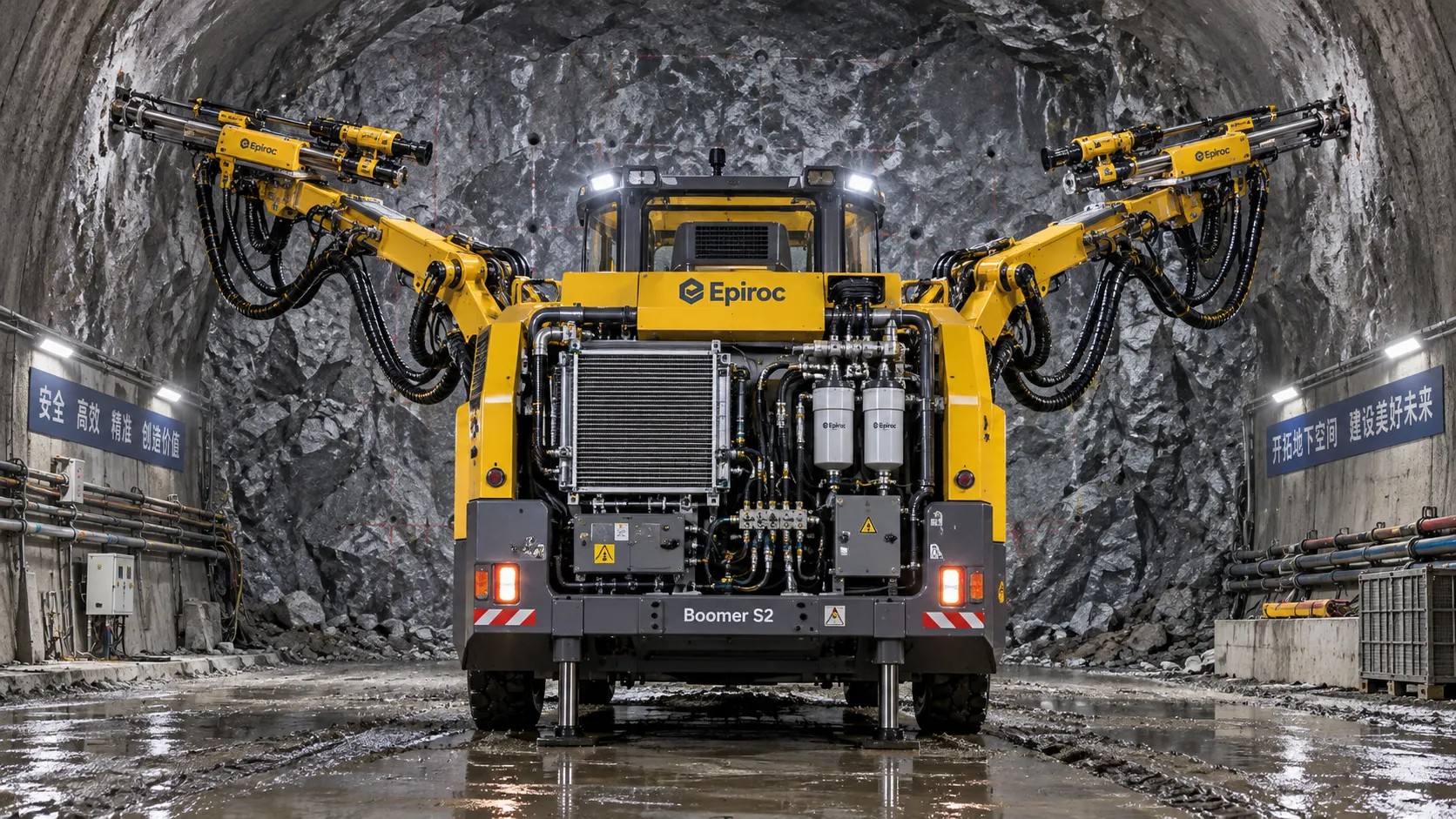
How tunnel hydraulic systems influence drill jumbo uptime underground
Tunnel hydraulic systems directly influence drill jumbo uptime. Explore how stable pressure, clean oil, cooling, and maintainable design reduce underground downtime.
What to verify before appointing a tunneling vehicles manufacturer
Choosing a tunneling vehicles manufacturer? Verify application fit, reliability, compliance, parts support, training, and channel terms before appointing a partner.
Selecting K9 Ductile Iron Pipe for Buried Water Pipeline Conditions
K9 ductile iron pipe selection for buried water pipelines: compare pressure duty, joints, soil loads, corrosion protection, and installation controls for reliable long-term performance.
Related News
- 00
0000-00
Tunnel Boring Machine Costs: Budgeting for Purchase, Operation, and Project Risk - 00
0000-00
Open-Pit Haulage Cost Analysis: How Mine Managers Can Cut Cost per Tonne - 00
0000-00
Tunnel Construction Innovations That Reduce Risk and Schedule Delays on Urban Projects - 00
0000-00
TBM Disc Cutter Design: Key Geometry and Load Factors for Hard Rock Tunnelling - 00
0000-00
Hydraulic Tipping Stability Risks in Multi-Axle Dump Special Trailers
Weekly Insights
Stay ahead with our curated technology reports delivered every Monday.