
What Does Energy Metals Mining in Australia Mean for Supply, Cost, and Project Risk?





As global electrification accelerates, energy metals mining Australia has become a critical signal for business leaders tracking supply security, cost inflation, and project execution risk. From lithium and copper expansion to deeper mine development and equipment modernization, Australia’s role is reshaping upstream strategy, capital allocation, and procurement decisions across mining, tunnelling, and underground transport value chains.
For decision-makers, the real question is not whether Australia matters. It already does. The more useful question is what kind of market Australia is becoming: a reliable supplier with rising strategic importance, but also a jurisdiction where labor scarcity, energy prices, permitting timelines, and infrastructure constraints can quickly turn strong geology into weaker margins.
That tension is why Australia is worth watching now. The country sits at the intersection of three forces that matter to industrial buyers and project owners: long-life resource availability, heavy exposure to global commodity cycles, and a tightening requirement to decarbonize mining operations without sacrificing productivity. In practical terms, this affects everything from concentrate availability and freight planning to underground fleet renewal, ventilation design, and project delivery schedules.
Australia’s role is shifting from volume supplier to strategic bottleneck
Australia has long been a major exporter of energy metals and bulk commodities, but the current cycle is different. Lithium, copper, nickel, rare earths, and related battery and electrification inputs are no longer treated as ordinary commodities. They are now viewed as industrial security assets. That changes how buyers, investors, and equipment suppliers should interpret Australian mining expansion.
When a country becomes central to the supply chain of electrification, its mine pipeline matters beyond the mining sector itself. Delays in one Australian project can affect cathode material planning, EV supply agreements, grid storage buildouts, and even the timing of downstream capital projects that depend on those materials. For industrial companies, this means Australian production data is increasingly a forward indicator of procurement conditions and price pressure.
At the same time, Australia is not a low-friction growth market. The most attractive deposits are often remote, energy-intensive, and logistics-heavy. New production is rarely just a matter of drilling more ore. It usually requires water, power, transport access, skills, permitting certainty, and in many cases deeper underground development. That is where project risk starts to compound.
Supply looks abundant on paper, but usable supply is still constrained
One of the most common mistakes in interpreting energy metals mining Australia is to assume that large reserves automatically translate into near-term supply relief. In practice, the bottleneck is usually not geology. It is conversion capacity: the ability to move from resource definition to financed, permitted, built, and ramped-up production.
Australia has several advantages. It has mature mining law, strong technical capability, deep capital market access, and established export logistics. But these strengths do not eliminate project friction. For many energy metal developments, lead times remain long, and commissioning risk remains high. Even established operators face delays from power connection issues, equipment availability, heritage approvals, water management requirements, and contractor shortages.
This matters to buyers because the market often prices future supply too optimistically. A project that looks strong in feasibility terms may still fail to deliver volume on schedule. For procurement teams, that means Australian supply should be treated as strategically valuable but not automatically bankable. Dual sourcing, buffer inventory, and contract flexibility remain essential.
For equipment suppliers and service providers, the implication is more nuanced. Demand is likely to grow not only in new mine development, but also in brownfield expansion, mine life extension, and debottlenecking work. That supports interest in underground development equipment, haulage automation, ventilation systems, and electrified mining fleets. However, sales cycles can be long, and buyers will increasingly scrutinize lifecycle cost, energy efficiency, and local support capability rather than headline price alone.
Cost inflation is being driven by labor, power, and execution complexity
Australia is not currently a low-cost destination for energy metals production. Even when ore grades are favorable, operating costs can be pulled upward by wage pressure, remote-site logistics, energy pricing, maintenance intensity, and compliance overhead. These pressures are especially visible in underground mining and deeper hard-rock operations, where ventilation, ground support, and equipment wear all increase with depth and complexity.
For energy metals projects, this has direct implications for unit economics. A lithium or copper project that looked attractive under earlier pricing assumptions may now require higher long-term price confidence to clear investment hurdles. Cost inflation also makes project design choices more important. A mine that relies heavily on diesel haulage, for example, may face rising fuel exposure and ventilation costs at the same time, while a more electrified design can reduce operating emissions but increase upfront capital demand and integration risk.
That tradeoff is becoming central to board-level decisions. Managers are being asked to justify capital allocation not just on production capacity, but on resilience: how sensitive is the project to power prices, emissions requirements, labor shortages, and equipment downtime? In Australia, those sensitivities are often higher than they look in a spreadsheet model.
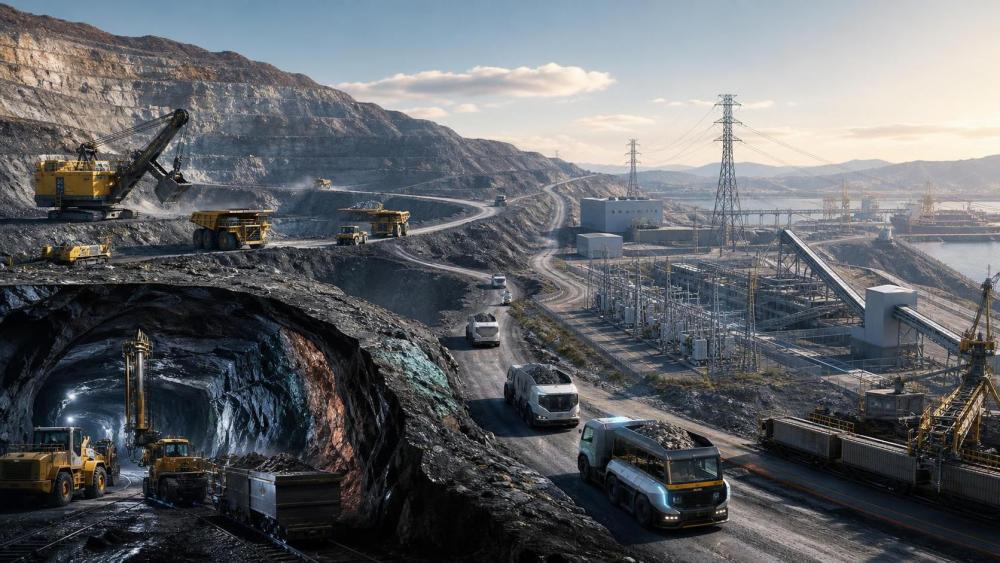
There is also a second-order effect. As project costs rise, developers tend to prioritize assets with lower technical risk and shorter payback periods. That can shift capital away from speculative greenfield builds and toward staged expansion, automation, and asset life extension. In practice, this favors suppliers that can reduce downtime, improve energy efficiency, and support remote operation in harsh underground conditions.
Project risk is increasingly defined by execution, not discovery
For many years, the main commercial story in Australian mining was resource access. Today, the main risk is execution. This distinction matters because project risk has become less about finding ore and more about converting ore into predictable output under tightening constraints.
The biggest execution risks are familiar but persistent. Permitting timelines can stretch. Construction labor can be scarce. Indigenous and community consultation requirements can add complexity. Weather and transport disruptions can affect remote operations. Cost overruns can cascade when long-lead equipment arrives late or when design changes are required after financing is already locked in.
Deeper mine development introduces another layer of risk. As pits deepen or underground expansion becomes necessary, ground conditions become harder to predict, haulage distances grow, and safety systems become more demanding. This is especially relevant for copper and other energy metals where near-surface material may be exhausted before the full value of the resource is realized. The result is a stronger need for automated drilling, more robust haulage planning, and better digital control of underground operations.
For businesses exposed to Australian mining projects, the implication is simple: project risk should be evaluated as a systems problem. A mine is not just a resource body. It is power, transport, maintenance, ventilation, labor, and governance operating together. If one of those pieces is weak, supply reliability weakens with it.
Why electrification changes the equipment conversation
The push toward lower-emission mining is not just a compliance issue. It is changing equipment selection, site design, and capital planning. In Australia, this is particularly relevant because energy metals operations often sit at the center of the decarbonization narrative while also operating in some of the world’s most demanding environments.
For underground projects, electrification affects ventilation requirements, heat management, and fleet utilization. Battery-electric loaders, electric haul trucks, and automated drilling systems can reduce exhaust emissions and improve working conditions, but they also require charging infrastructure, power quality management, maintenance adaptation, and new operational discipline. These are not minor adjustments. They change how projects are engineered and how budgets are allocated.
For decision-makers, the point is not that electrification automatically lowers cost. In the short term, it often raises capital intensity. The more relevant question is whether the project can achieve lower lifecycle cost, lower regulatory exposure, and better productivity stability over time. In Australia’s current market, that calculation is becoming more common, especially where ventilation and diesel dependency are major cost drivers.
This is also why technology vendors should avoid overselling “zero-emission” claims. Mining operators are increasingly pragmatic. They want measurable gains in uptime, energy intensity, safety, and maintenance efficiency. Any solution that adds complexity without reducing operational risk will face resistance, no matter how strong the sustainability narrative sounds.
What this means for supply strategy
For buyers and downstream users, Australian energy metals supply should be treated as important but not frictionless. The right approach is not to assume either abundance or scarcity. It is to build supply strategies that can absorb volatility in project timing, grade performance, and logistics conditions.
That usually means diversifying sourcing across jurisdictions, reviewing contract structures for flexibility, and identifying which materials are truly critical versus substitutable. It also means paying closer attention to producer balance sheets. In a higher-cost environment, operators with stronger capital access and better operational discipline are more likely to bring projects on schedule.
For trading and procurement teams, shipping reliability and concentration quality can be just as important as ore volume. Australian output may be technically available, but if rail, port, or processing constraints tighten, the practical supply picture changes quickly. This is where monitoring expansions in concentrate capacity, refinery investment, and port throughput becomes essential.
What this means for cost forecasting
Cost models built around older assumptions may no longer be adequate. Australian energy metals projects are now more exposed to labor inflation, equipment replacement cycles, power system costs, and ESG compliance requirements than they were a few years ago. The consequence is a wider gap between headline resource value and delivered market value.
For corporate planners, this argues for more conservative pricing assumptions and more frequent scenario analysis. Instead of asking whether a project is “low cost,” it is more useful to ask how the cost curve behaves under three pressures: delayed ramp-up, higher energy input costs, and stronger environmental compliance.
Where underground mining is involved, additional cost layers appear in ground support, ventilation, dewatering, and maintenance planning. That is why equipment reliability matters so much. Small gains in uptime can offset large cost increases elsewhere. In some cases, the winning strategy is not the lowest initial purchase price but the equipment package with the best performance in harsh, remote, and emission-constrained conditions.
What this means for project selection and capital allocation
Not every Australian energy metals project deserves the same capital treatment. Mature brownfield assets, expansion projects, and staged developments usually offer better execution visibility than entirely new builds. Projects tied to existing power, transport, and processing infrastructure tend to carry lower risk than remote standalone sites, even if their headline resource size is smaller.
That makes project screening more selective. Investors and strategic buyers should look beyond resource estimates and focus on the conversion path: approvals, infrastructure, mining method, metallurgical complexity, and operating flexibility. A project with modest geology but strong infrastructure may outperform a larger asset with weaker execution conditions.
For industrial equipment suppliers, the same logic applies. The most attractive opportunities are likely to come from projects where productivity gains are urgent and measurable: deepening operations, electrified fleets, automation retrofits, and underground transport modernization. These are the projects where buyers feel cost pressure most directly and where technical differentiation can be translated into commercial value.
Australia’s energy metals sector will remain strategically important, but the winning position will not belong to whoever has the biggest reserve statement. It will belong to operators and suppliers that can turn geology into reliable output under tighter cost and risk constraints. That is the real market signal hidden inside energy metals mining Australia today.
Related News
Tunnel Boring Machine Costs: Budgeting for Purchase, Operation, and Project Risk
Tunnel Boring Machines cost more than purchase price. Learn how to budget lifecycle costs, downtime, logistics, wear, and project risk for smarter TBM decisions.
Open-Pit Haulage Cost Analysis: How Mine Managers Can Cut Cost per Tonne
Open pit haulage cost analysis: discover practical ways to reduce cost per tonne through payload control, cycle-time optimization, road performance, and smarter fleet decisions.
Tunnel Construction Innovations That Reduce Risk and Schedule Delays on Urban Projects
Tunnel construction innovation for urban projects: discover smarter TBMs, real-time monitoring, trenchless methods, and automation that reduce risk and protect schedules.
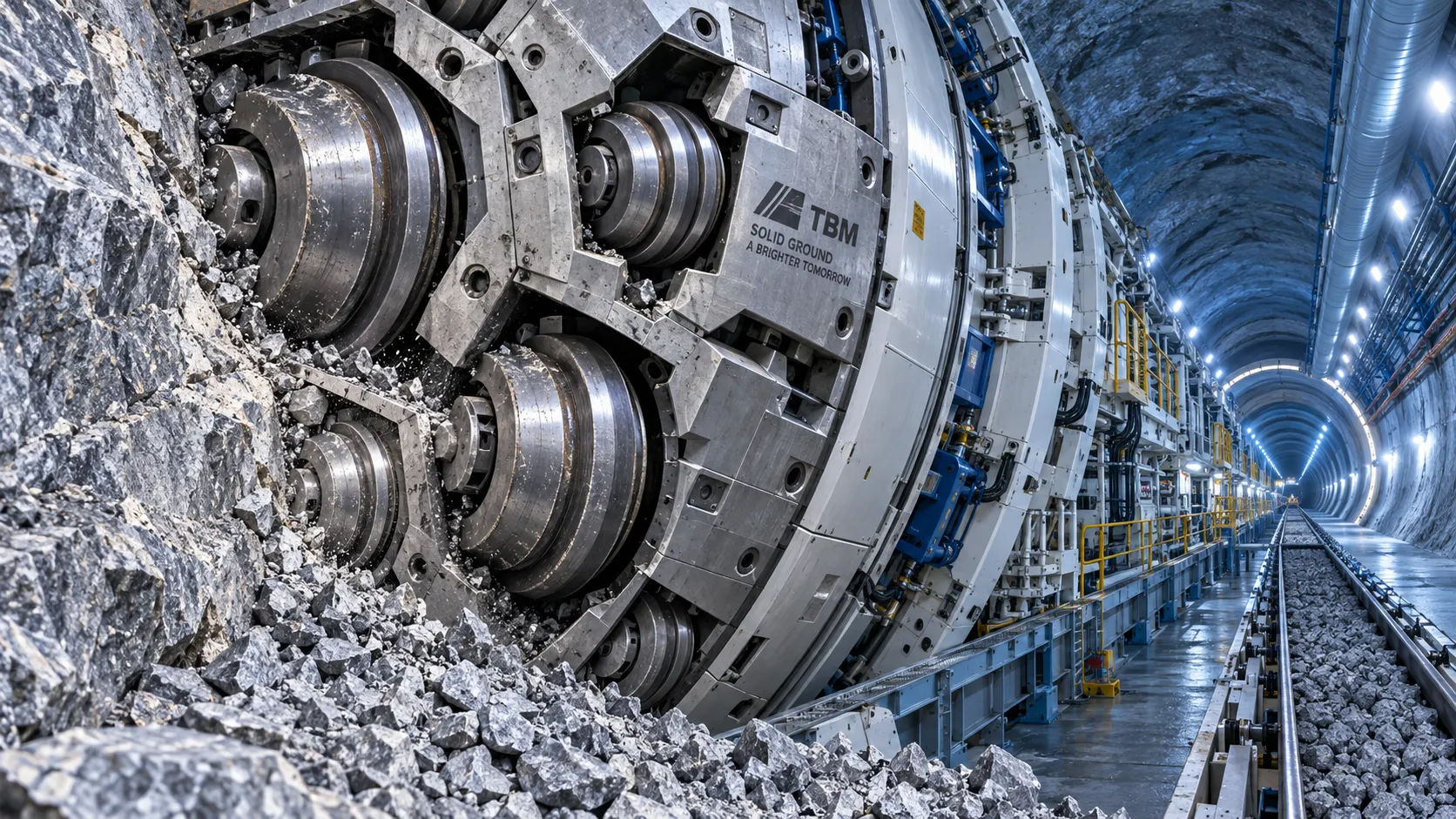
TBM Disc Cutter Design: Key Geometry and Load Factors for Hard Rock Tunnelling
TBM disc cutter design explained: explore geometry, spacing, load distribution and maintenance factors for reliable, efficient hard-rock tunnelling performance.
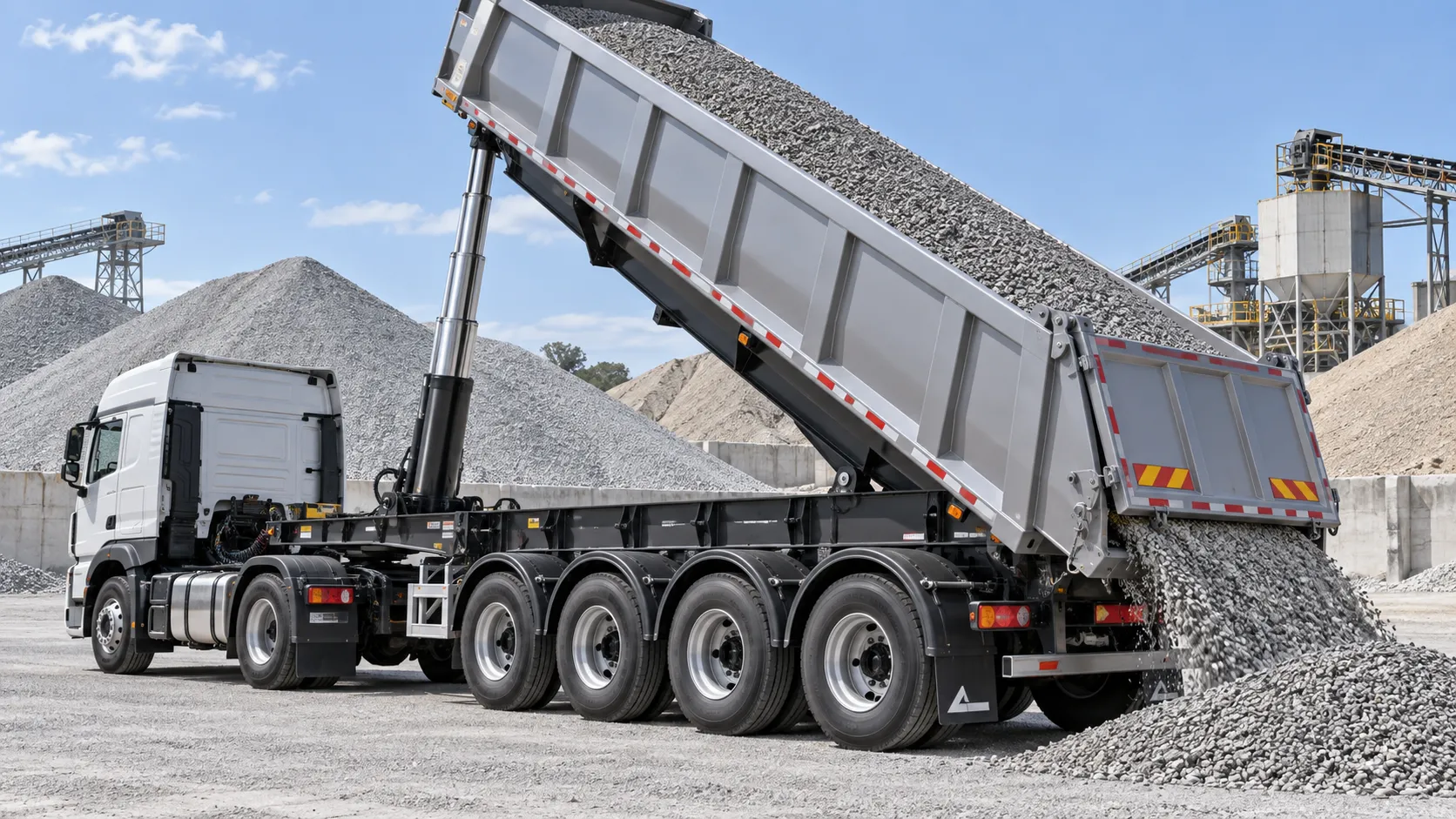
Hydraulic Tipping Stability Risks in Multi-Axle Dump Special Trailers
Dump special trailers: discover key hydraulic tipping stability risks, multi-axle load dynamics, and practical safety controls for safer, smarter bulk hauling.
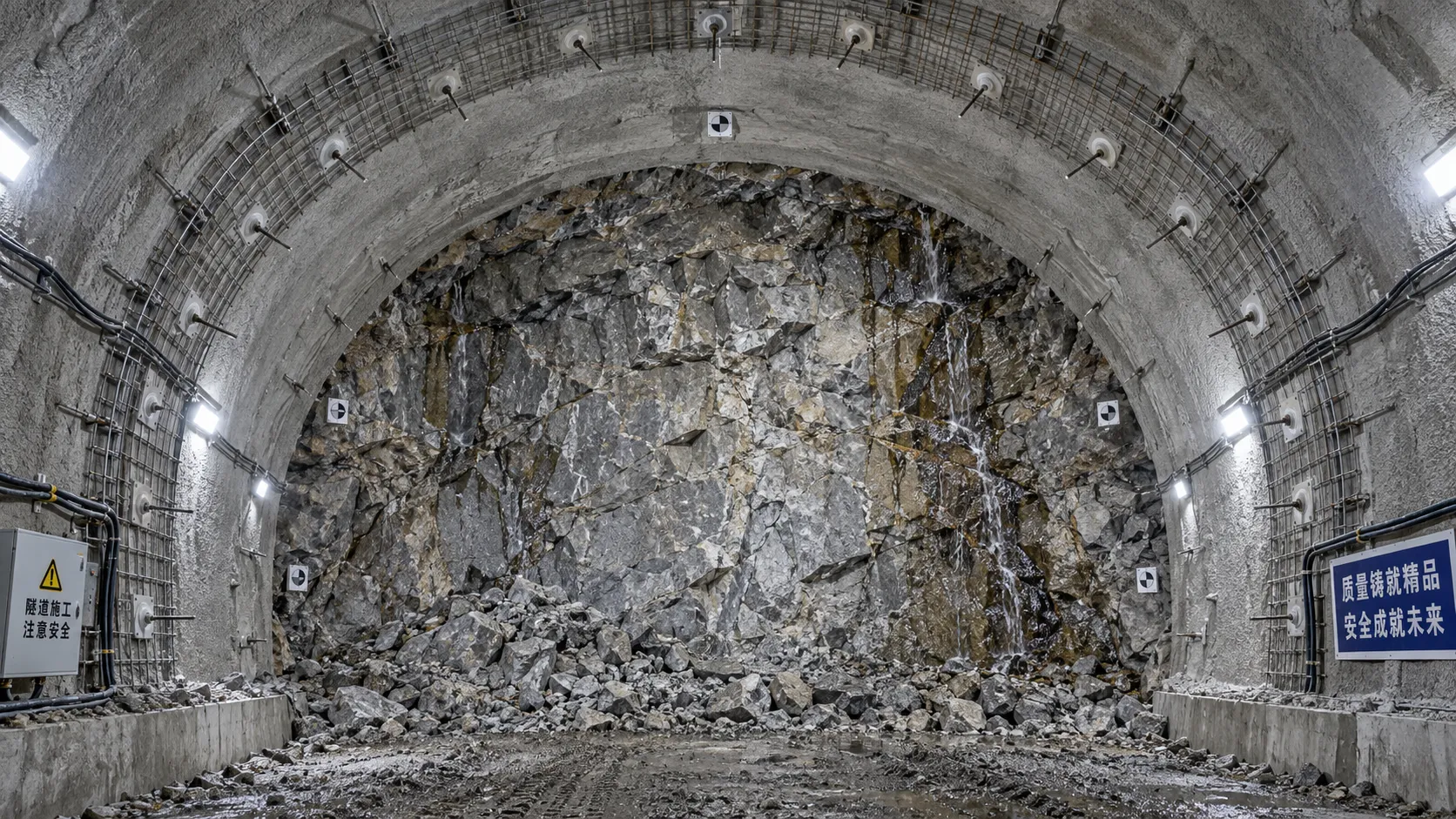
When rock reinforcement in tunnel construction must change after blasting
Rock reinforcement in tunnel construction must change when blasting reveals overbreak, weak joints, water inflow, or deformation. Discover key post-blast support decisions.
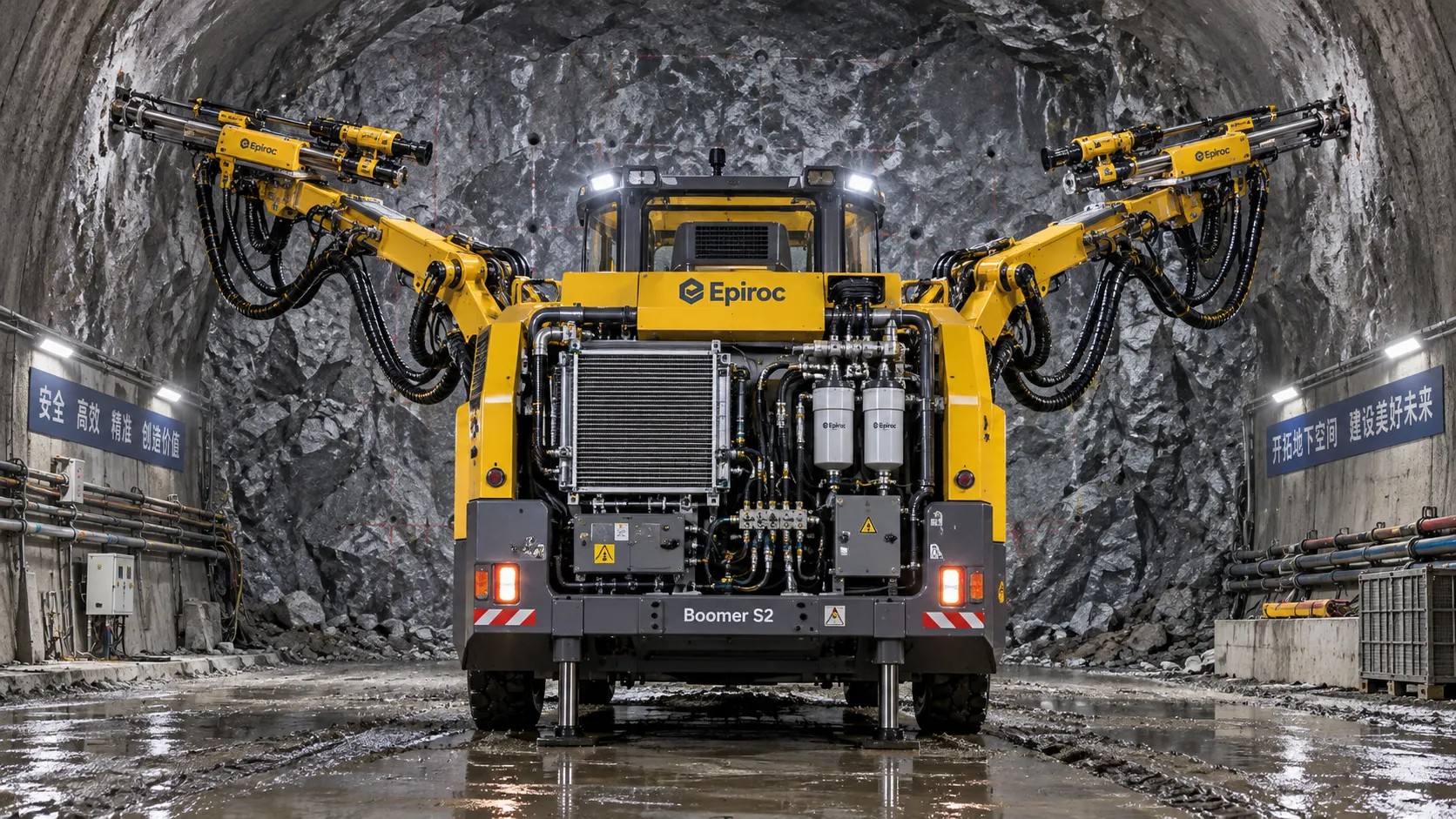
How tunnel hydraulic systems influence drill jumbo uptime underground
Tunnel hydraulic systems directly influence drill jumbo uptime. Explore how stable pressure, clean oil, cooling, and maintainable design reduce underground downtime.
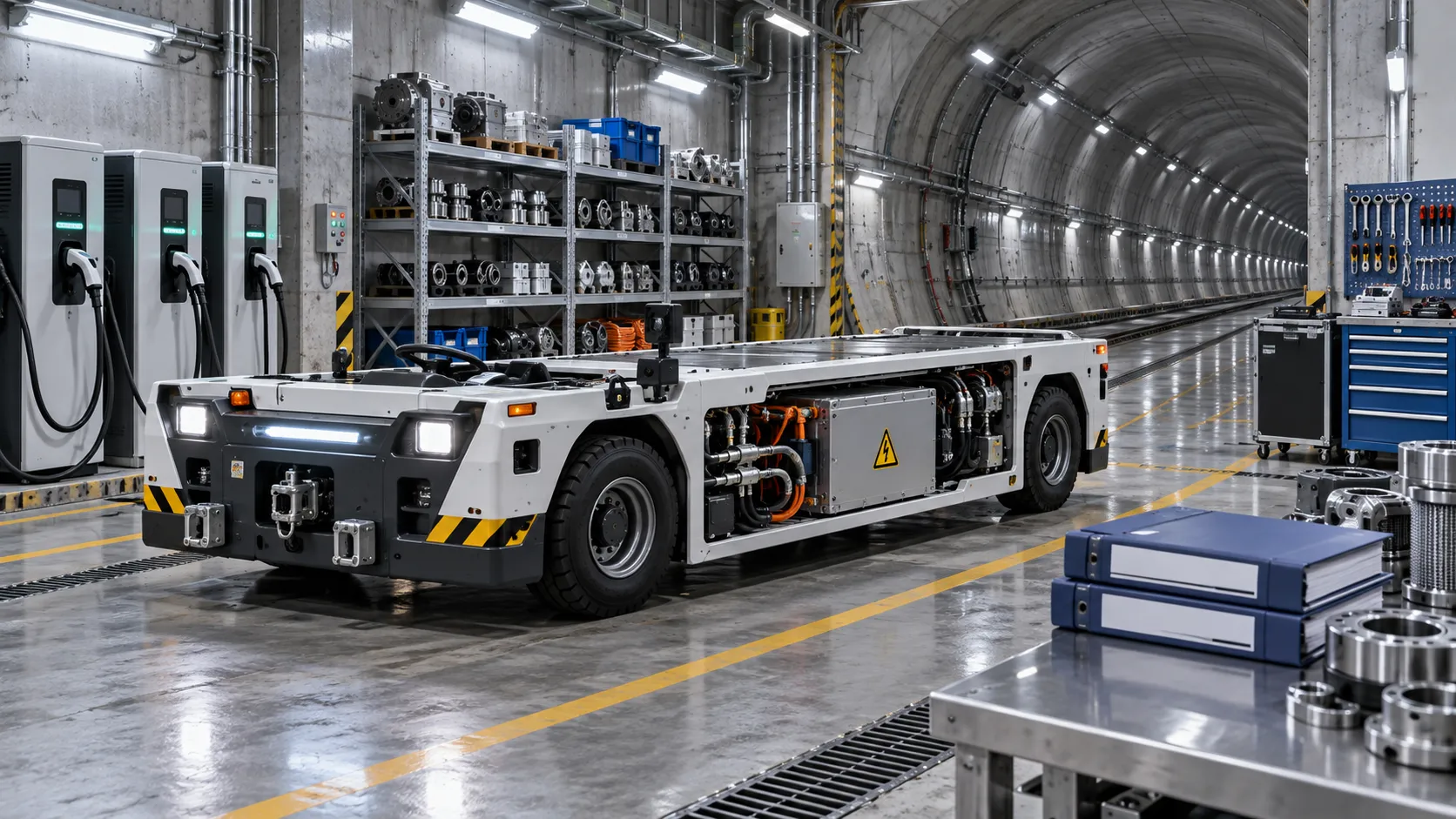
What to verify before appointing a tunneling vehicles manufacturer
Choosing a tunneling vehicles manufacturer? Verify application fit, reliability, compliance, parts support, training, and channel terms before appointing a partner.
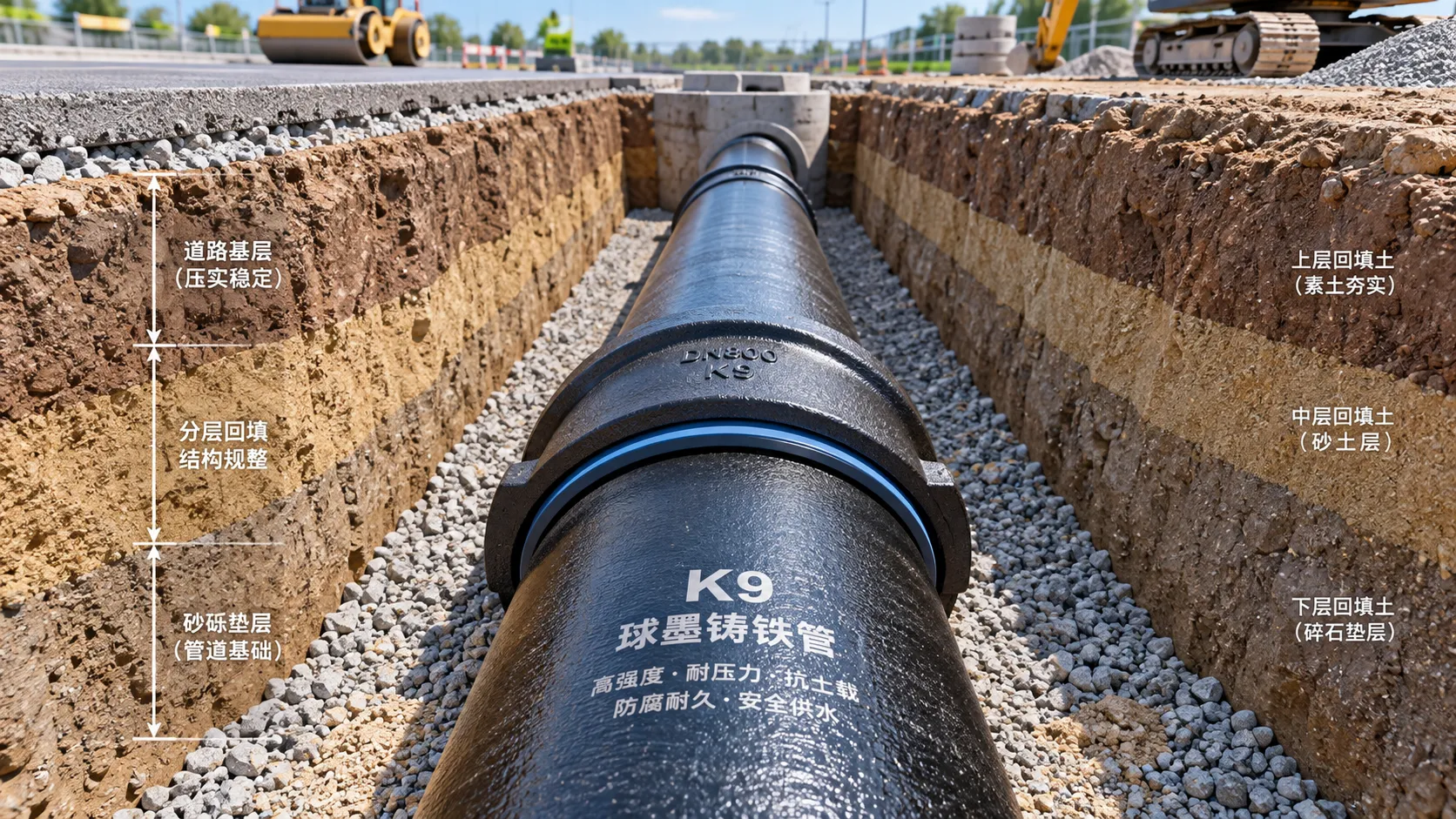
Selecting K9 Ductile Iron Pipe for Buried Water Pipeline Conditions
K9 ductile iron pipe selection for buried water pipelines: compare pressure duty, joints, soil loads, corrosion protection, and installation controls for reliable long-term performance.
Related News
- 00
0000-00
Tunnel Boring Machine Costs: Budgeting for Purchase, Operation, and Project Risk - 00
0000-00
Open-Pit Haulage Cost Analysis: How Mine Managers Can Cut Cost per Tonne - 00
0000-00
Tunnel Construction Innovations That Reduce Risk and Schedule Delays on Urban Projects - 00
0000-00
TBM Disc Cutter Design: Key Geometry and Load Factors for Hard Rock Tunnelling - 00
0000-00
Hydraulic Tipping Stability Risks in Multi-Axle Dump Special Trailers
Weekly Insights
Stay ahead with our curated technology reports delivered every Monday.