
What Drives TBM Excavation Cost in Urban Tunneling Projects?





Urban tunneling budgets rarely fail because one number was wrong. They fail because a chain of cost assumptions looked reasonable in isolation but did not hold together once the tunnel entered a live city. That is why tbm excavation cost deserves a wider lens than cutterhead diameter, installed power, or rock class alone.
For project managers and engineering leads, the real question is not simply “How much does TBM excavation cost?” It is “Which variables will move the cost curve the most on this specific alignment, and how early can we identify them?” In dense urban corridors, the answer usually lies at the intersection of ground behavior, shaft logistics, utility conflict, segment strategy, crew productivity, and risk allocation. A TBM may be the centerpiece of the job, but the excavation cost is shaped by the entire underground system around it.
When procurement teams or owner representatives compare options, they often focus on the machine package first. That is understandable. Yet in many urban projects, the more expensive lesson comes later: a well-specified machine can still underperform if spoil removal is constrained, if ring building slows at tight curves, if intervention windows are underestimated, or if settlement control drives conservative advance rates. Cost is therefore dynamic, not static.
Why urban TBM cost behaves differently from cost in greenfield tunneling
City tunneling compresses multiple risks into a narrow corridor. There is limited space for launch and retrieval, stricter vibration and settlement thresholds, more interfaces with public authorities, and often a higher penalty for delay. The same TBM that performs efficiently in a long, relatively isolated tunnel may face a very different cost profile under downtown streets.
In practical terms, tbm excavation cost in urban work tends to rise when construction must accommodate:
- Restricted shaft footprints and fragmented surface access
- Frequent geological transitions over short distances
- Utility congestion and third-party asset protection
- Complex segment lining requirements for water, load, or settlement control
- Nighttime logistics, traffic management, and disposal constraints
- Higher intervention planning and safety compliance overhead
That combination makes unit-cost benchmarking tricky. Two projects of similar tunnel diameter can differ sharply in excavation cost because the surrounding city environment changes cycle time, stoppage frequency, and contingency demand.
The biggest drivers of tbm excavation cost
1. Ground conditions are not just a geotechnical issue; they are a production issue
Geology remains the first-order driver, but not only in the obvious sense. Hard rock abrasivity, mixed-face conditions, boulders, high groundwater pressure, squeezing ground, and faulted zones each affect excavation economics differently. What matters to cost is how these conditions influence advance rate, cutter consumption, tool intervention frequency, conditioning demand, and downtime risk.
For example, highly abrasive formations may not stop progress dramatically at first, but they can erode profitability through disc cutter wear, more frequent maintenance windows, and higher labor exposure during interventions. Mixed-face conditions can be even more punishing because they complicate face stability and machine control, especially beneath sensitive urban structures.
Experienced teams increasingly treat geotechnical interpretation as a live cost-management tool rather than a design-stage deliverable. This is where sector intelligence becomes useful: understanding friction and wear behavior, intervention patterns, and comparable performance in similar rock or soil conditions often helps procurement teams challenge optimistic assumptions before contract award.
2. TBM type and configuration shape both direct and hidden costs
An earth pressure balance machine, slurry TBM, hard rock shield, single shield, or double shield arrangement will each carry different procurement and operating implications. The wrong choice may not look expensive on paper at the start, but it often becomes expensive through slower adaptation to local ground conditions, more interventions, or more complicated support systems.
Configuration details also matter:
- Cutterhead design and opening ratio
- Installed torque and thrust margin
- Segment erector efficiency
- Back-up train length and logistics integration
- Condition monitoring and automation features
- Muck handling compatibility with shaft layout
Project managers should be careful with “lowest initial machine cost” logic. A cheaper TBM package can become a more expensive excavation solution if it increases stoppages, reduces adaptability, or depends on difficult-to-source wear parts.
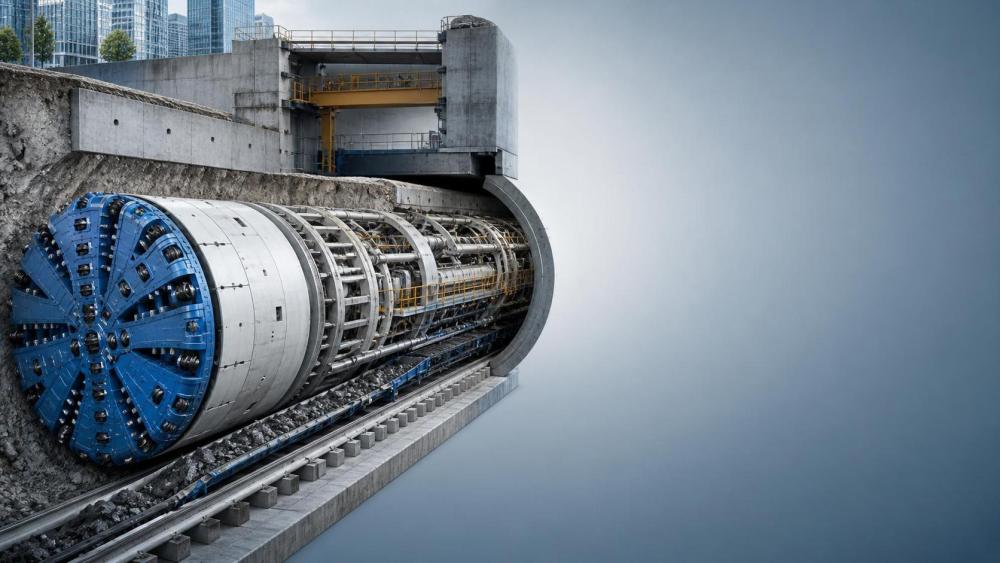
3. Launch shaft, retrieval shaft, and site access can quietly dominate the budget
Many urban teams underestimate how strongly shaft geometry affects excavation cost. A constrained launch shaft can slow assembly, restrict crane operations, limit slurry or conveyor arrangements, and create bottlenecks in ring logistics from day one. Retrieval can be even more disruptive if dismantling must occur under tight traffic or utility restrictions.
Even when the tunneling scope appears straightforward, urban access can push costs upward through:
- Extended mobilization and commissioning periods
- Smaller, less efficient material handling sequences
- More off-site prefabrication and fragmented delivery scheduling
- Additional temporary works and traffic management measures
If excavation cost estimates treat shafts as separate civil packages without evaluating their effect on production, the total picture can become misleading.
4. Segment lining design affects cycle time more than some planners expect
Segment rings are often viewed as a standard consumable. In reality, their design can significantly change excavation economics. Heavier segments, tighter waterproofing requirements, more complex reinforcement, special gaskets, fire performance upgrades, and sharp alignment geometry all affect handling and installation rhythm.
A ring that is structurally robust but operationally awkward may add minutes to every cycle. Across a long urban drive, those minutes accumulate into a meaningful schedule and labor cost impact. If special segments are needed around curves, cross-passages, stations, or utility protection zones, ring inventory planning becomes another source of cost sensitivity.
For procurement decisions, this means the tunnel lining should not be separated from the TBM production model. The machine, erector, segment supply chain, and alignment geometry must be evaluated together.
5. Spoil removal and urban logistics often become the real productivity ceiling
On some projects, the TBM can advance faster than the city can absorb the consequences of excavation. Spoil transport restrictions, limited truck movements, rail interface limitations, temporary storage caps, and disposal route congestion can all throttle output. The machine is ready, the crew is ready, but the logistics chain says wait.
This is one of the clearest examples of how tbm excavation cost is shaped beyond the machine itself. Every interruption in muck handling affects utilization. Every delayed delivery of segments, additives, or consumables risks breaking the cycle.
Projects in dense districts should model logistics at the same level of seriousness as geotechnical risk. In practice, the more urban the alignment, the more the excavation cost depends on synchronized site choreography rather than raw machine capability.
6. Labor productivity is influenced by learning curve, interfaces, and intervention planning
Labor cost in TBM tunneling is not just a wage-rate discussion. It is a systems-efficiency discussion. Crew capability, shift discipline, maintenance culture, intervention readiness, and communication between tunneling and surface teams all shape actual productivity.
A sophisticated machine does not automatically produce efficient excavation if operators are still learning the ground response, if maintenance routines are reactive, or if site management cannot make fast decisions during anomalies. In urban environments, delay often comes from compounded small losses rather than one dramatic event.
That is why seasoned project leaders watch indicators such as ring build time, planned versus unplanned stoppages, intervention turnaround, and segment handling delays. These are often better predictors of cost drift than headline advance rate alone.
The cost drivers many estimates miss
Some of the most expensive items are not omitted completely; they are simply underweighted early on.
Utility protection and third-party interface management
Excavating beneath water mains, metro lines, sewers, piled foundations, or telecom corridors introduces monitoring, approvals, hold points, and sometimes reduced operating windows. These interface obligations may slow advance even where the geology is favorable.
Settlement control strategy
Where surface sensitivity is high, projects may adopt conservative face pressure management, tighter grouting control, or slower approach procedures near critical assets. This is often necessary, but it has direct cost consequences through reduced production speed and higher monitoring intensity.
Water ingress and ground treatment
Pre-grouting, dewatering restrictions, or localized treatment in mixed ground can materially shift excavation cost. These measures are sometimes treated as exceptions, yet on urban jobs they can become recurring operational realities.
Environmental and ESG constraints
Noise limits, emissions rules, spoil handling standards, and energy consumption targets increasingly influence equipment configuration and site operations. As the underground sector moves toward electrification, digital monitoring, and lower-emission support systems, project teams must evaluate both compliance cost and long-term operational benefit.
How procurement teams should compare TBM excavation cost proposals
When reviewing bids or supplier approaches, comparing total excavation cost requires more than checking the bottom line. A useful evaluation asks what assumptions are carrying that number.
- What ground behavior assumptions are embedded in the production rate?
- How is cutter wear estimated, and under what geological basis?
- What intervention frequency is assumed?
- How are shaft constraints reflected in mobilization and logistics planning?
- Does the segment strategy align with actual ring-building conditions?
- What contingency exists for utility-sensitive zones and settlement controls?
- How robust is the mucking and material supply chain under city restrictions?
In procurement review meetings, the most persuasive cost proposal is rarely the one with the most aggressive advance rate. It is the one whose assumptions remain credible after geology, logistics, interfaces, and urban restrictions are tested together.
A more realistic way to think about cost: from unit rate to risk-adjusted production
Many stakeholders still ask for a simple cost-per-meter figure. It has value, but only as a starting point. For real decision-making, urban tunneling teams need a risk-adjusted production model that accounts for variable ground, planned and unplanned stoppages, consumables, support logistics, and site constraints.
This is where intelligence-led planning has become more important. The underground market is changing quickly: machine automation, wear analytics, digital diagnostics, and data-rich performance tracking are giving project teams better ways to estimate cost sensitivity before problems surface in the drive. Platforms that follow TBM evolution, trenchless engineering developments, and underground equipment operating trends can support earlier and more realistic procurement judgment, especially where public infrastructure budgets are under pressure.
For project managers, that does not mean chasing technology for its own sake. It means asking whether better insight can reduce blind spots in cutter wear forecasting, alignment risk, logistics sequencing, or intervention planning.
What usually reduces tbm excavation cost without creating false savings
Not every cost reduction is a good one. In urban tunneling, the safest savings often come from better coordination rather than stripped-down scope. Teams tend to improve cost performance when they:
- Invest early in geological interpretation tied to production assumptions
- Align TBM selection with actual corridor constraints, not generic benchmarks
- Design shafts and logistics as part of the tunneling system
- Integrate segment supply planning with ring-building productivity
- Use monitoring and maintenance data to reduce unplanned stoppages
- Stress-test schedules around utility zones, interventions, and disposal limits
These are not glamorous decisions, but they are often the difference between a stable excavation campaign and a cost narrative dominated by recovery measures.
Closing view for decision-makers
If you are assessing tbm excavation cost for an urban project, the key is to resist single-factor thinking. Machine size matters. Geology matters. But in city tunneling, cost is ultimately produced by interaction: ground with machine, machine with shaft, shaft with logistics, logistics with schedule, and schedule with risk.
The projects that hold their budgets best are usually not the ones with the simplest conditions. They are the ones that recognize early where excavation cost is likely to drift, and they evaluate procurement choices through operational reality rather than brochure logic. In a dense underground corridor, that mindset is not cautious; it is practical.
Related News
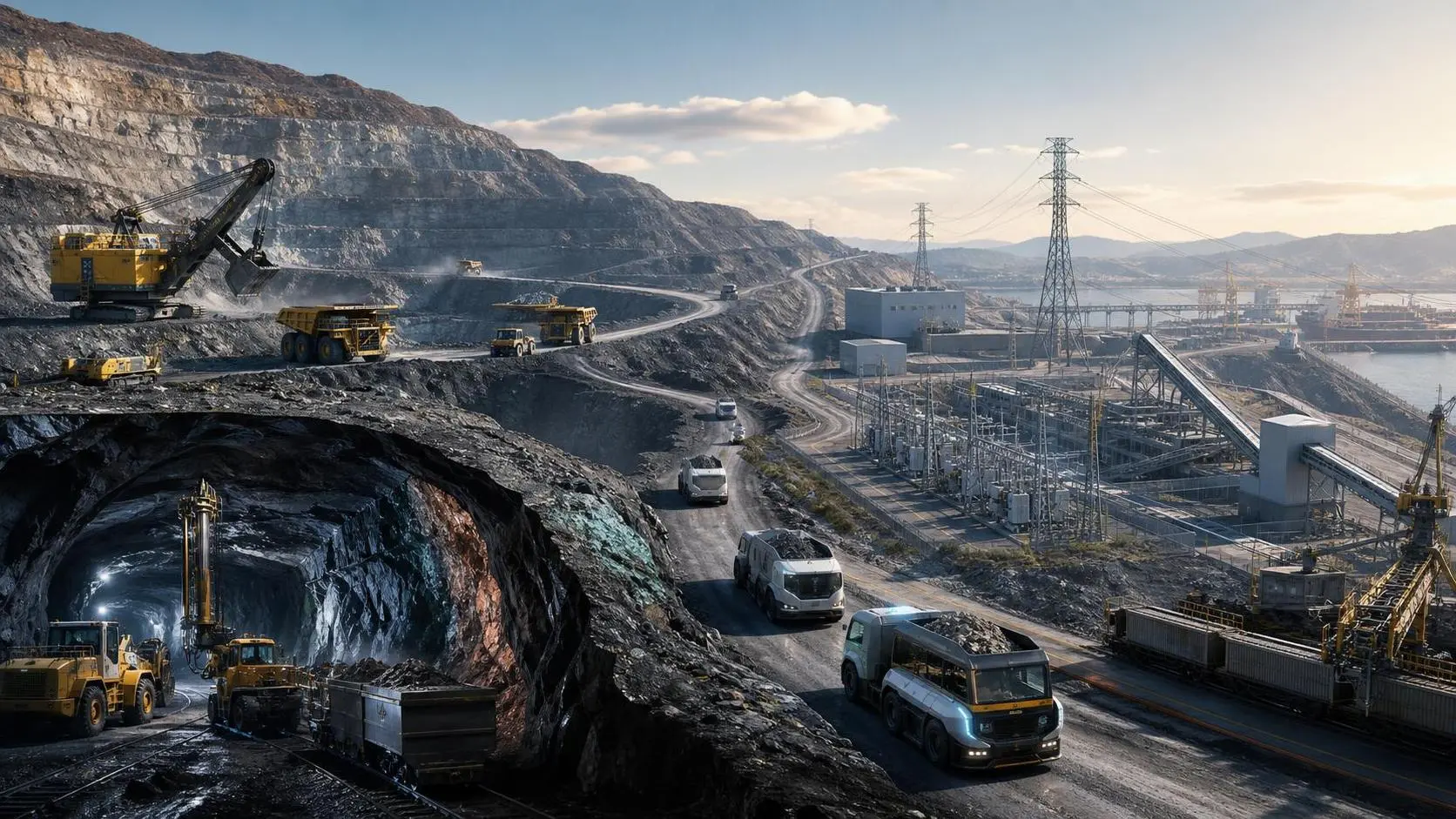
What Does Energy Metals Mining in Australia Mean for Supply, Cost, and Project Risk?
Energy metals mining Australia is reshaping supply, cost, and project risk. Discover what it means for buyers, investors, and operators.
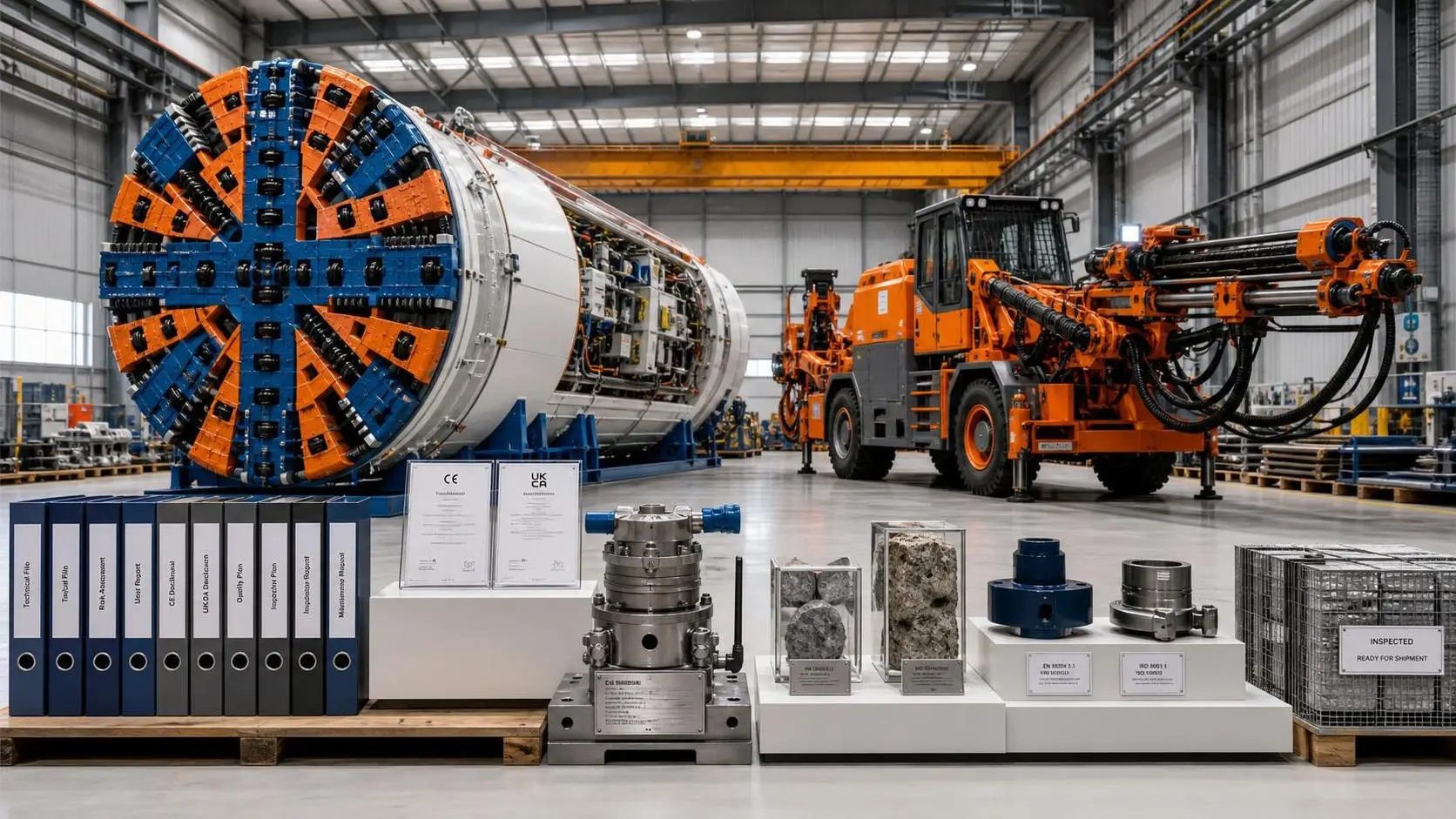
EU Eases Dual CE and UKCA Path for Chinese Tunnel Boring Equipment
EU eases CE and UKCA certification for Chinese tunnel boring equipment, cutting compliance time and helping importers move faster.
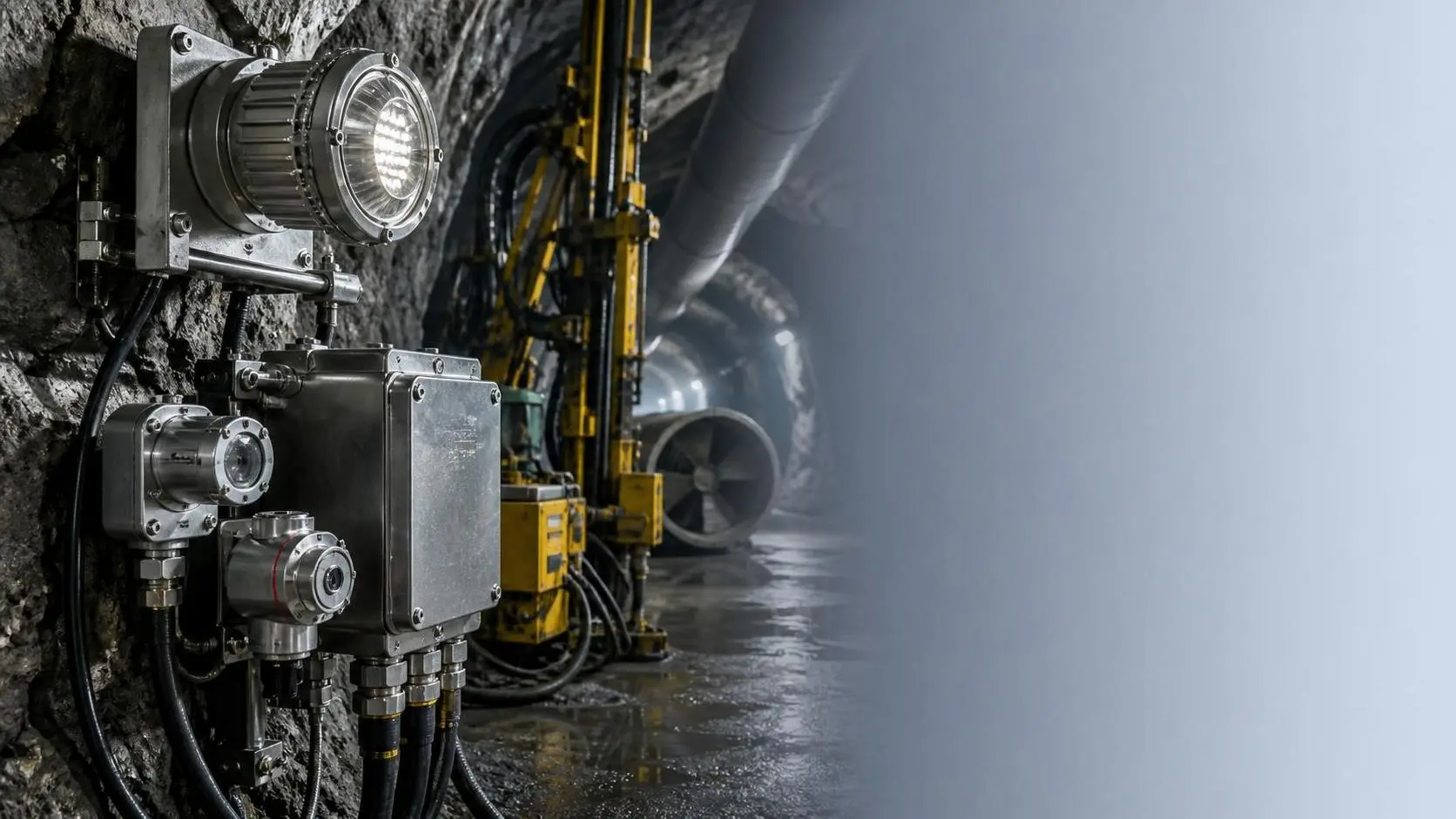
Flameproof Underground Safety Equipment: What Mine Teams Should Check Before Buying
Underground Safety Equipment flameproof buying guide: learn how mine teams should verify certification, durability, serviceability, and supplier support before purchase.
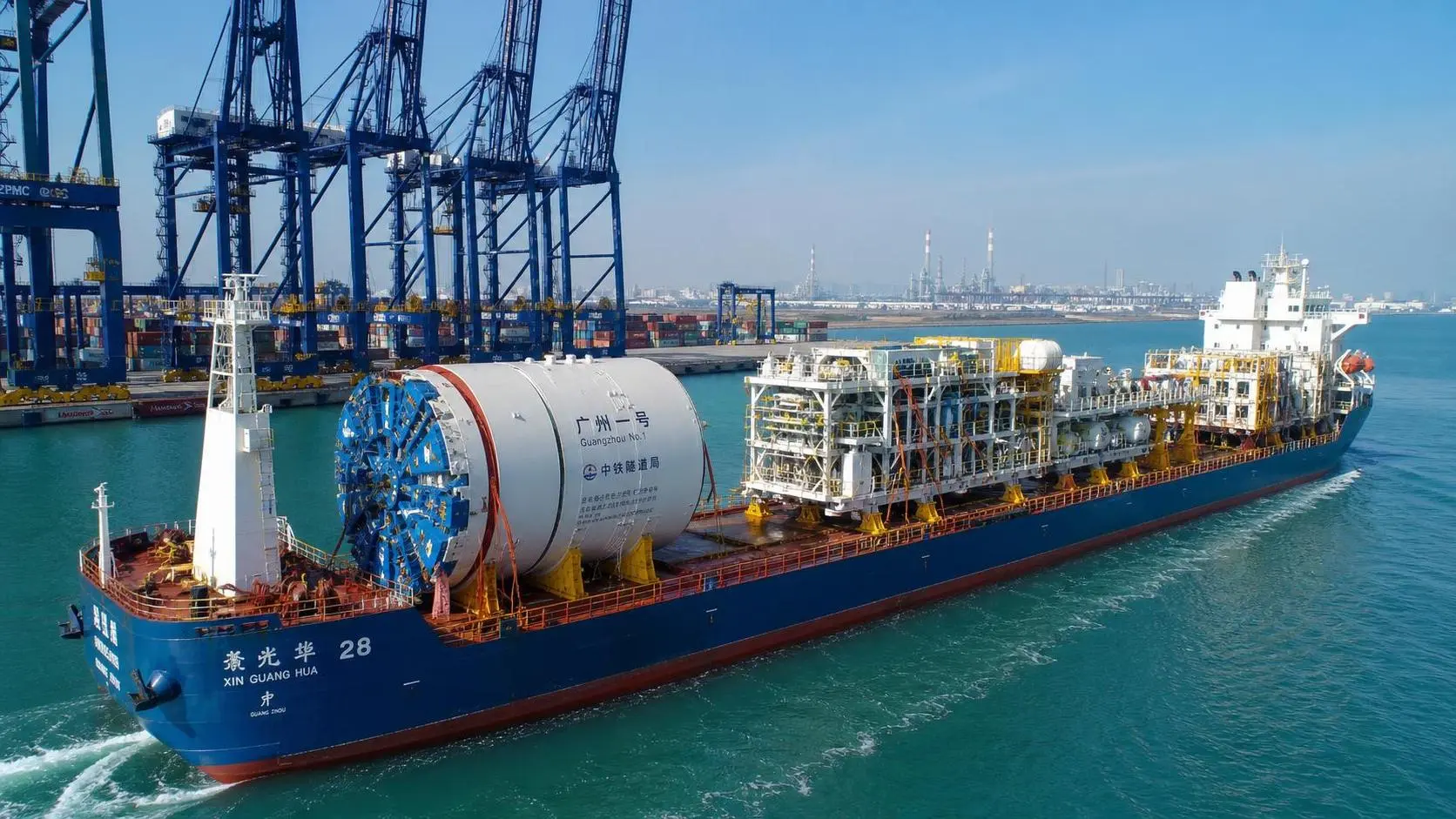
China-UAE Direct Sea Route Cuts TBM and Large Tunneling Equipment Lead Times
China-UAE direct sea route shortens TBM and large tunneling equipment lead times by 12–15 days, improving delivery predictability for major infrastructure projects. Read the full impact.
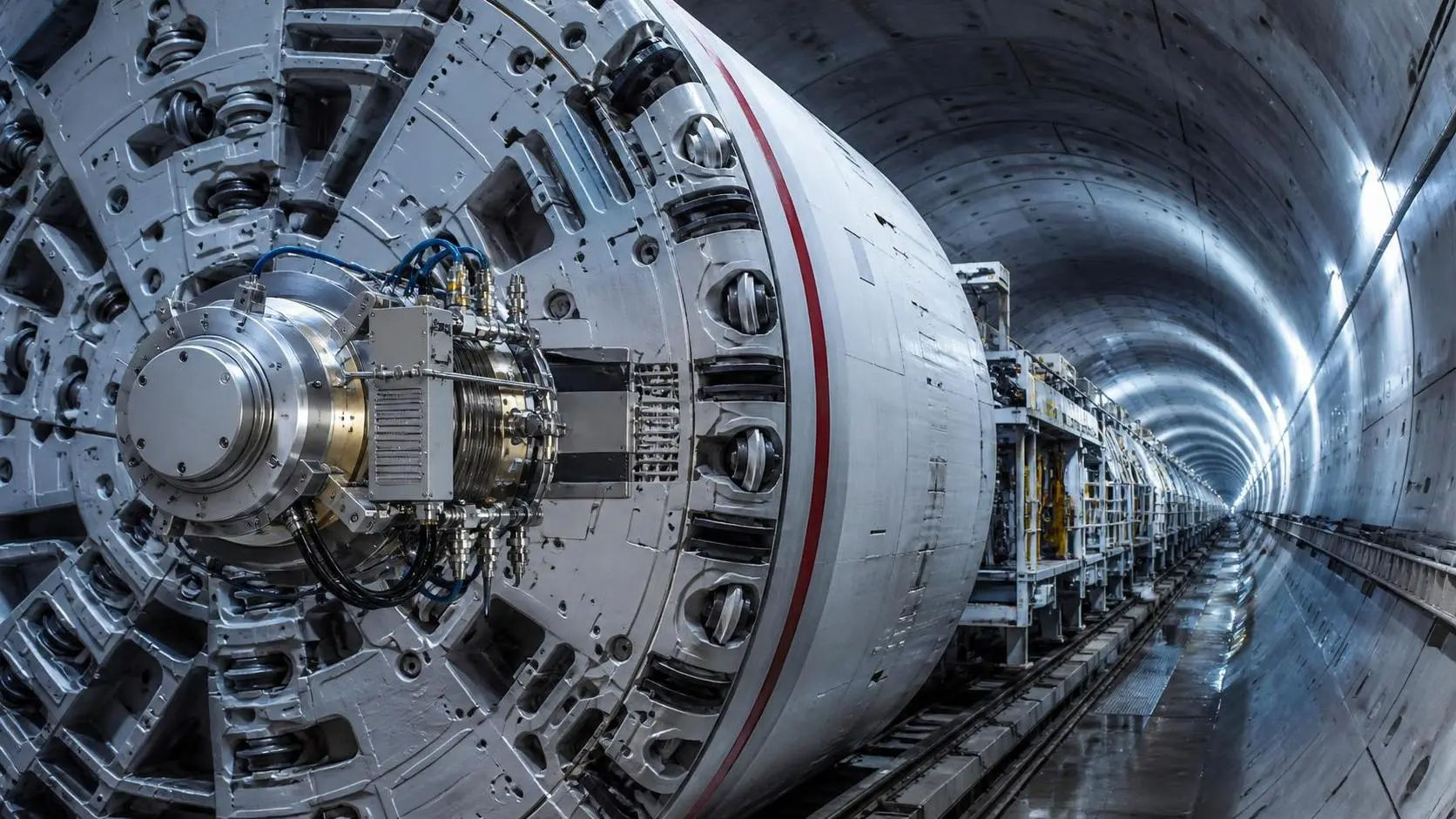
What Is a TBM Guidance System Gyroscope, and Why Does It Matter Underground?
TBM Guidance Systems gyroscope improves underground accuracy, reduces drift, and helps tunnel boring machines stay on line in harsh conditions.

China to Roll Out Nationwide Local and Foreign Currency Cash Pools for Multinationals on Sept. 14
China will roll out nationwide local and foreign currency cash pools for multinationals on Sept. 14, streamlining cross-border treasury management and boosting liquidity efficiency.

How to Choose a Reliable Underground Mining Equipment Supplier for Harsh Site Conditions
Find a reliable underground mining equipment supplier for harsh site conditions with rugged, maintainable solutions that boost uptime, reduce risk, and support long-term production.
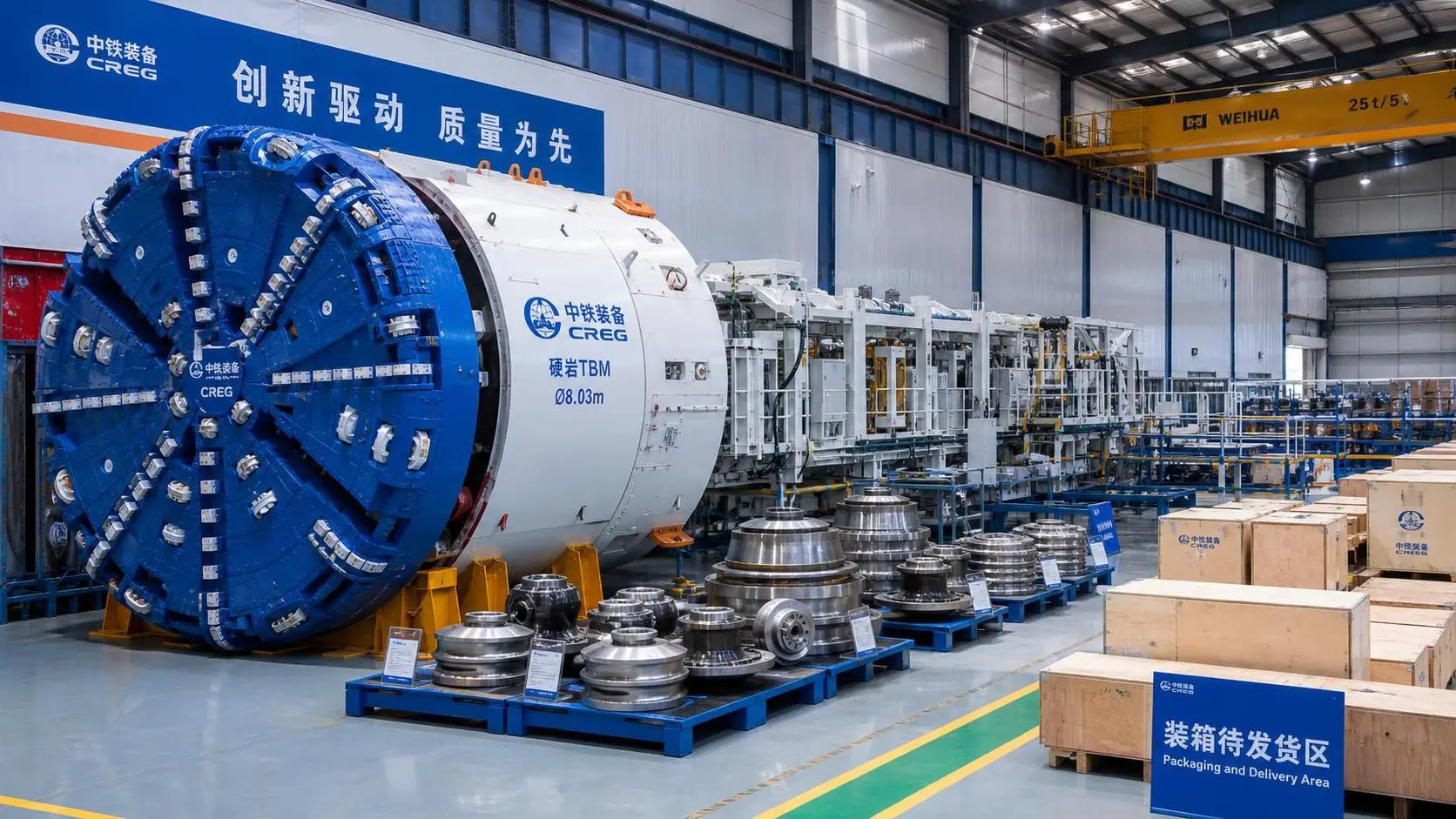
China Customs Tightens TBM Export Checks from Aug. 16
China Customs tightens TBM export checks from Aug. 16, 2026. Learn how new mandatory inspections may affect tunnelling equipment shipments, compliance, and delivery plans.
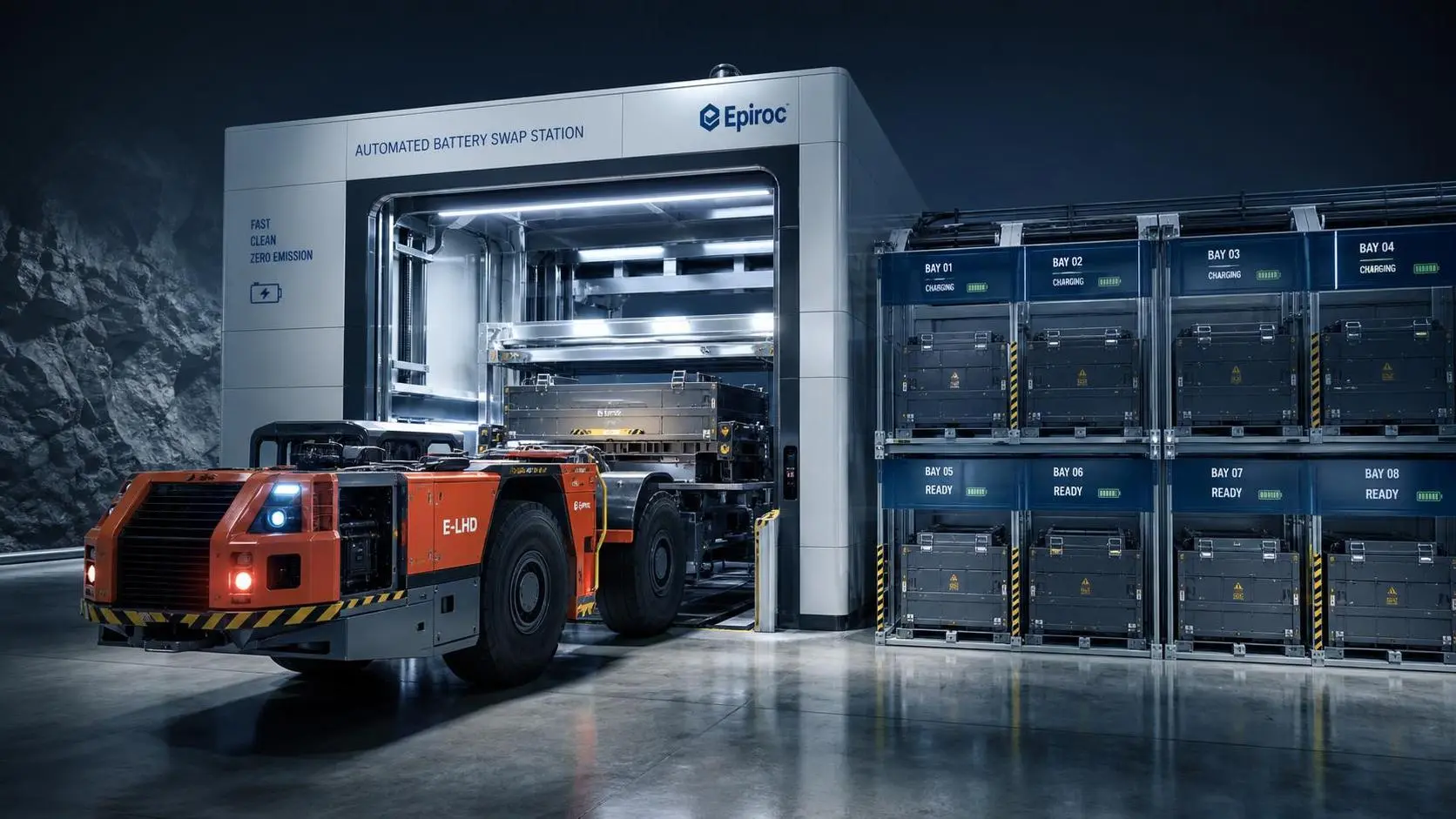
How Automated Battery Swapping Technology Cuts Downtime in Mining Fleets
Automated battery swapping technology helps mining fleets cut downtime, boost uptime, and keep electric equipment moving faster.
Related News
- 00
0000-00
What Drives TBM Excavation Cost in Urban Tunneling Projects? - 00
0000-00
What Does Energy Metals Mining in Australia Mean for Supply, Cost, and Project Risk? - 00
0000-00
EU Eases Dual CE and UKCA Path for Chinese Tunnel Boring Equipment - 00
0000-00
Flameproof Underground Safety Equipment: What Mine Teams Should Check Before Buying - 00
0000-00
China-UAE Direct Sea Route Cuts TBM and Large Tunneling Equipment Lead Times
Weekly Insights
Stay ahead with our curated technology reports delivered every Monday.