What Is a TBM Guidance System Gyroscope, and Why Does It Matter Underground?





What Is a TBM Guidance System Gyroscope, and Why Does It Matter Underground?
A TBM guidance systems gyroscope is one of those components most people never see, yet tunnel boring machines depend on it every minute they advance. In deep underground work, alignment is not a cosmetic issue. If the machine drifts, the correction is expensive, slow, and sometimes constrained by geology, segment installation, or existing infrastructure. A gyroscope helps the TBM understand how it is oriented in space, how it is rotating, and whether small movement changes are beginning to build into a larger deviation.
That sounds simple, but underground conditions are anything but. GPS is unavailable. Visibility is poor. Vibration is constant. Ground behavior can change from one ring to the next. For that reason, modern TBM guidance is less about “knowing where the machine is” in a casual sense and more about maintaining a stable reference when the surrounding environment keeps trying to distort it. The gyroscope is part of that reference system.
Why gyroscope-based guidance became essential
A TBM is often described as an underground production machine, but in practice it is also a measurement system. It cuts, pushes, installs segments, and continuously checks whether the cutterhead axis still matches the intended line and grade. A gyroscope supports that control loop by detecting rotation and angular change, especially when other signals are noisy or delayed.
In easy ground, a small deviation may be corrected without much drama. In mixed face conditions, squeezing rock, long drives, or projects with tight settlement limits, the margin for error narrows quickly. One reason engineers pay close attention to guidance sensors is that a minor heading error early in the drive can become a much larger issue later. Once the machine is deep under a river crossing, a city block, or another tunnel, there is rarely room for casual correction.
That is also where UTMD’s broader lens matters. The Global Underground Tunnelling & Mining Dynamics focuses on the realities behind the hardware: full-face TBMs, trenchless equipment, drilling jumbos, mining dump trucks, and underground LHD loaders. Across all of these, the same pattern appears. Extreme environments punish weak sensing. Automation only works when the machine can trust its own orientation, motion, and position data. The gyroscope is one of the quiet enablers of that trust.
How it fits inside the guidance stack
A gyroscope does not work alone. TBM guidance usually combines several inputs: gyroscopes, inclinometers, laser targets, total station references, steering cylinder feedback, and software that fuses the data into a usable picture. The exact architecture varies by manufacturer and project requirements. Some systems lean more heavily on external survey control; others emphasize onboard inertial sensing for continuity when the line of sight is interrupted.
The practical value lies in redundancy. Underground, a single sensor rarely tells the whole story. A laser can be obstructed by dust, water, or geometry. Survey access may be limited. Mechanical drift and vibration can blur readings. A gyroscope helps bridge those gaps by providing continuous rotational information, which the control system can compare against the design axis and recent machine behavior.
What readers should pay attention to when evaluating a guidance gyroscope
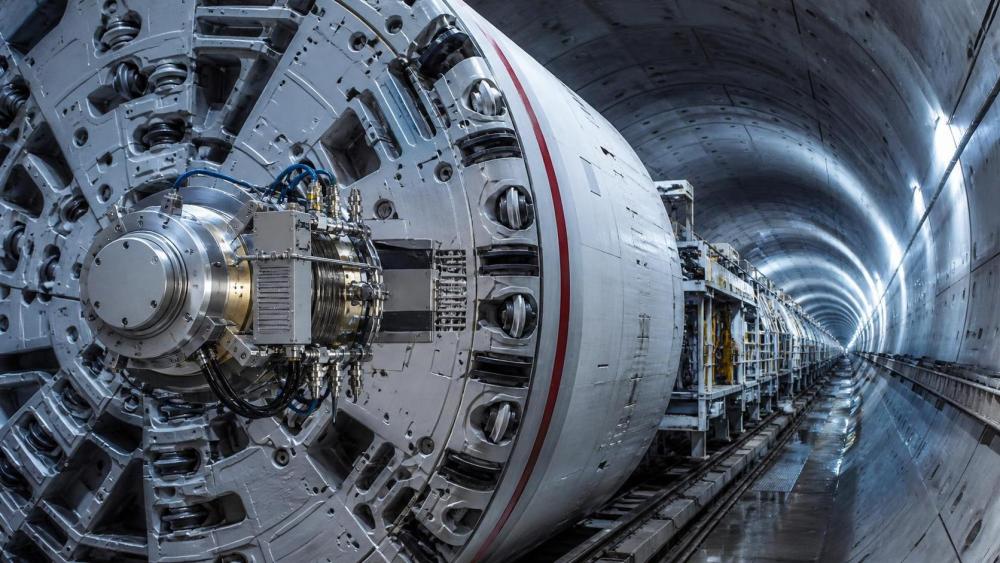
For researchers or project teams trying to understand the technology, the most useful questions are usually not “Is there a gyroscope?” but “How well does it behave in this machine and this ground?” That means looking at stability, drift, calibration method, shock tolerance, and how the sensor integrates with the rest of the TBM control system.
Drift is one of the most important issues. Any gyroscope accumulates error over time, and the underground environment can make that worse. Heat, vibration, and repeated starts and stops all matter. A guidance system must therefore be calibrated and checked against external references at intervals that match the project’s tolerance. There is no universal schedule that fits every drive; it depends on tunnel length, curve radius, geology, and the constructor’s risk profile.
It is also worth distinguishing between sensing quality and operational discipline. A very capable gyroscope cannot rescue poor survey control, weak maintenance, or a rushed setup. In practice, many alignment problems start with workflow: incorrect zeroing, overlooked calibration drift, poor data handoff between shifts, or assumptions that the machine will “self-correct” later. Underground, later is usually the most expensive time to discover a mistake.
Common failure points are often procedural, not dramatic
People often imagine guidance failures as hardware breakdowns. Those happen, but many issues are quieter. A sensor may still function while its reference has shifted. A control room may receive clean-looking numbers that no longer match the actual machine attitude. Survey checks may be too infrequent for the ground conditions. In other words, the risk is not only sensor failure; it is sensor confidence without verification.
That is why TBM guidance should be judged as a system, not as a component. The gyroscope is important because it extends situational awareness into the parts of the drive where humans cannot directly observe the machine. But the quality of the final line still depends on the whole chain: reference setup, software filtering, operator interpretation, and the mechanical response of the TBM itself.
Why it matters beyond tunnelling alone
The relevance of TBM guidance gyroscopes is not limited to tunnel alignment. Their value reflects a broader shift in underground engineering. UTMD often frames this shift through five operating pillars: TBMs, pipe jacking machines, drilling jumbos, mining dump trucks, and underground LHD loaders. Each of these platforms is moving toward more sensing, more autonomy, and tighter control of energy use and emissions in confined spaces.
For example, a pipe jacking machine may not need the same guidance architecture as a hard-rock TBM, but it faces the same basic problem of staying true to design in restricted access conditions. An underground LHD loader may rely more on SLAM and onboard localization than on a tunnel line, yet it still depends on orientation data to move safely in narrow headings. Even mining dump trucks operating on long downhill runs need stable motion and braking control. The common thread is dependable sensing under harsh, low-visibility, high-consequence conditions.
That is also why the conversation around TBM gyroscopes is moving from “nice-to-have navigation aid” to “core infrastructure intelligence.” As mega-projects become deeper, longer, and more automated, guidance systems are being asked to do more than keep a machine on line. They are helping operators document performance, manage risk, and decide when a deviation is manageable versus when intervention is required.
A practical way to think about it
If you strip the technology down to its purpose, a TBM guidance systems gyroscope exists to answer one difficult question: is the machine still oriented the way the design assumes it is? In surface equipment, that question can often be answered visually or with simple positioning tools. Underground, the answer must come from sensors, algorithms, and disciplined checks.
For anyone evaluating tunnelling technology, the most useful takeaway is not to treat the gyroscope as a standalone feature. It is part of the machine’s nervous system. Its real value appears when geology shifts, line-of-sight breaks, or the project tolerance becomes tight enough that a few milliradians matter. At that point, the guidance system is no longer just supporting navigation; it is protecting the schedule, the segment ring quality, and the tunnel’s final geometry.
That is why serious underground teams look beyond cutting power and face pressure. They ask whether the machine can stay stable, verify its own motion, and prove its path under real conditions. In modern tunnelling, that question is often where the work becomes either predictable or expensive.
Related News
Tunnel Boring Machine Costs: Budgeting for Purchase, Operation, and Project Risk
Tunnel Boring Machines cost more than purchase price. Learn how to budget lifecycle costs, downtime, logistics, wear, and project risk for smarter TBM decisions.
Open-Pit Haulage Cost Analysis: How Mine Managers Can Cut Cost per Tonne
Open pit haulage cost analysis: discover practical ways to reduce cost per tonne through payload control, cycle-time optimization, road performance, and smarter fleet decisions.
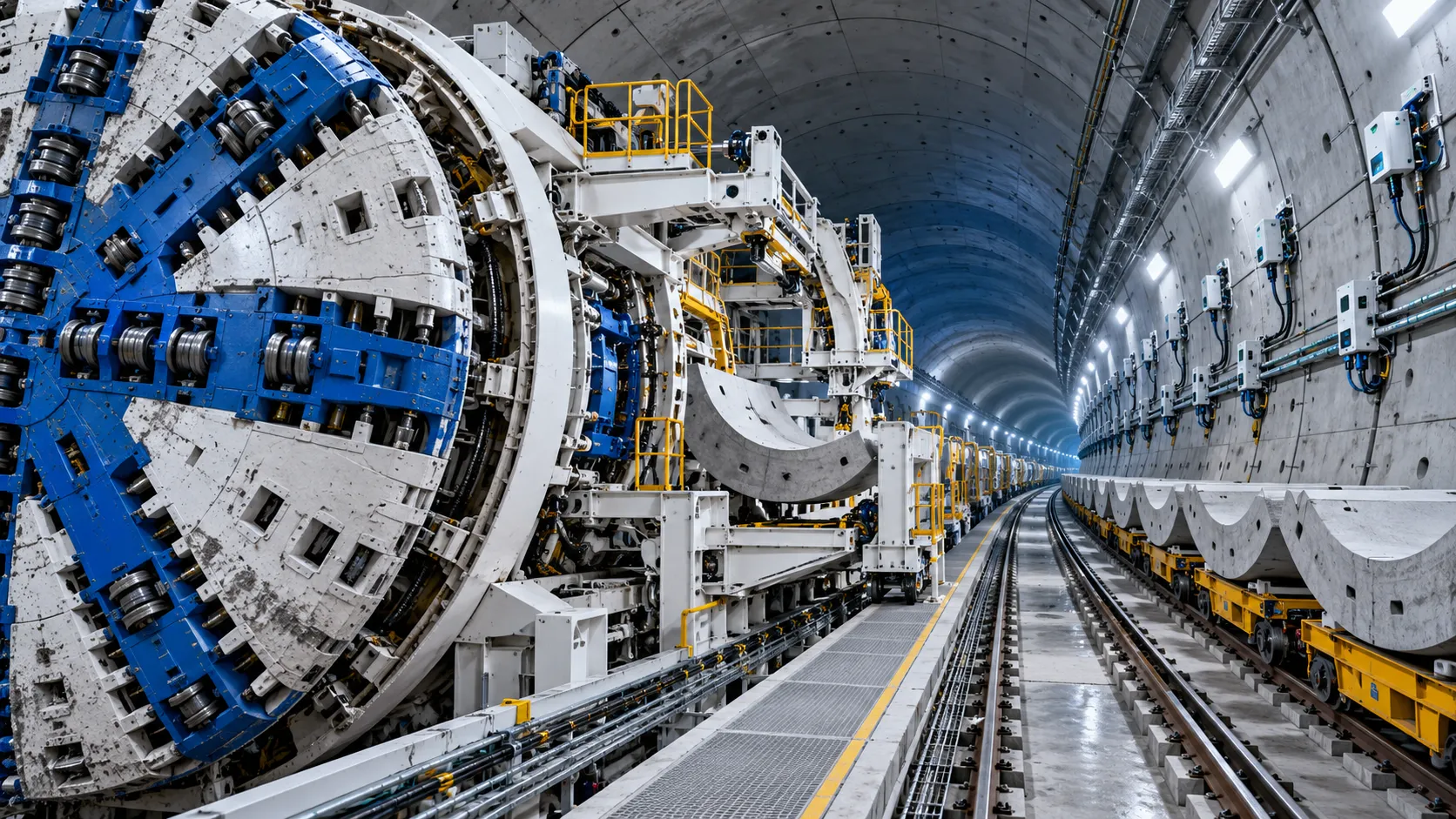
Tunnel Construction Innovations That Reduce Risk and Schedule Delays on Urban Projects
Tunnel construction innovation for urban projects: discover smarter TBMs, real-time monitoring, trenchless methods, and automation that reduce risk and protect schedules.
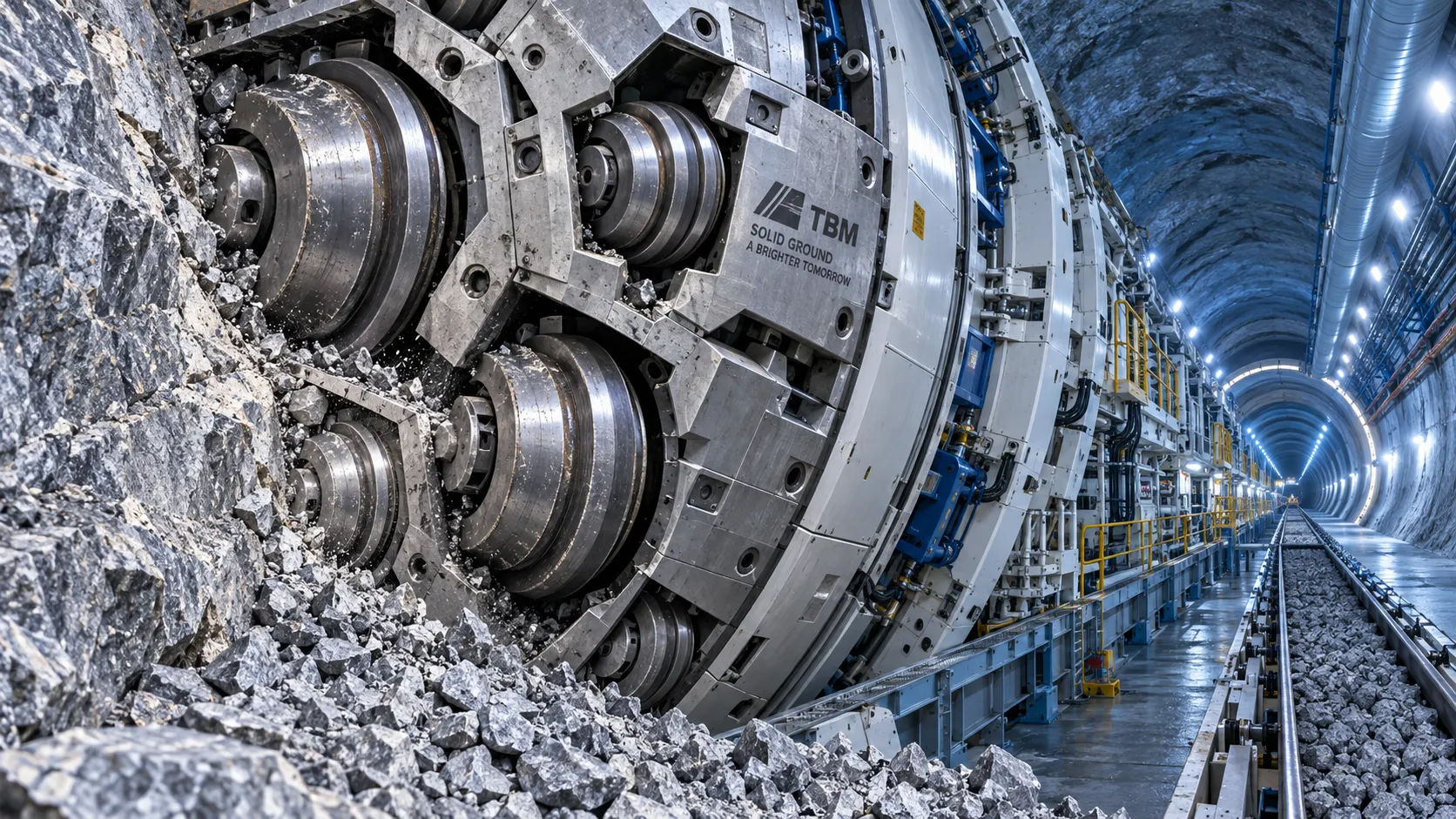
TBM Disc Cutter Design: Key Geometry and Load Factors for Hard Rock Tunnelling
TBM disc cutter design explained: explore geometry, spacing, load distribution and maintenance factors for reliable, efficient hard-rock tunnelling performance.
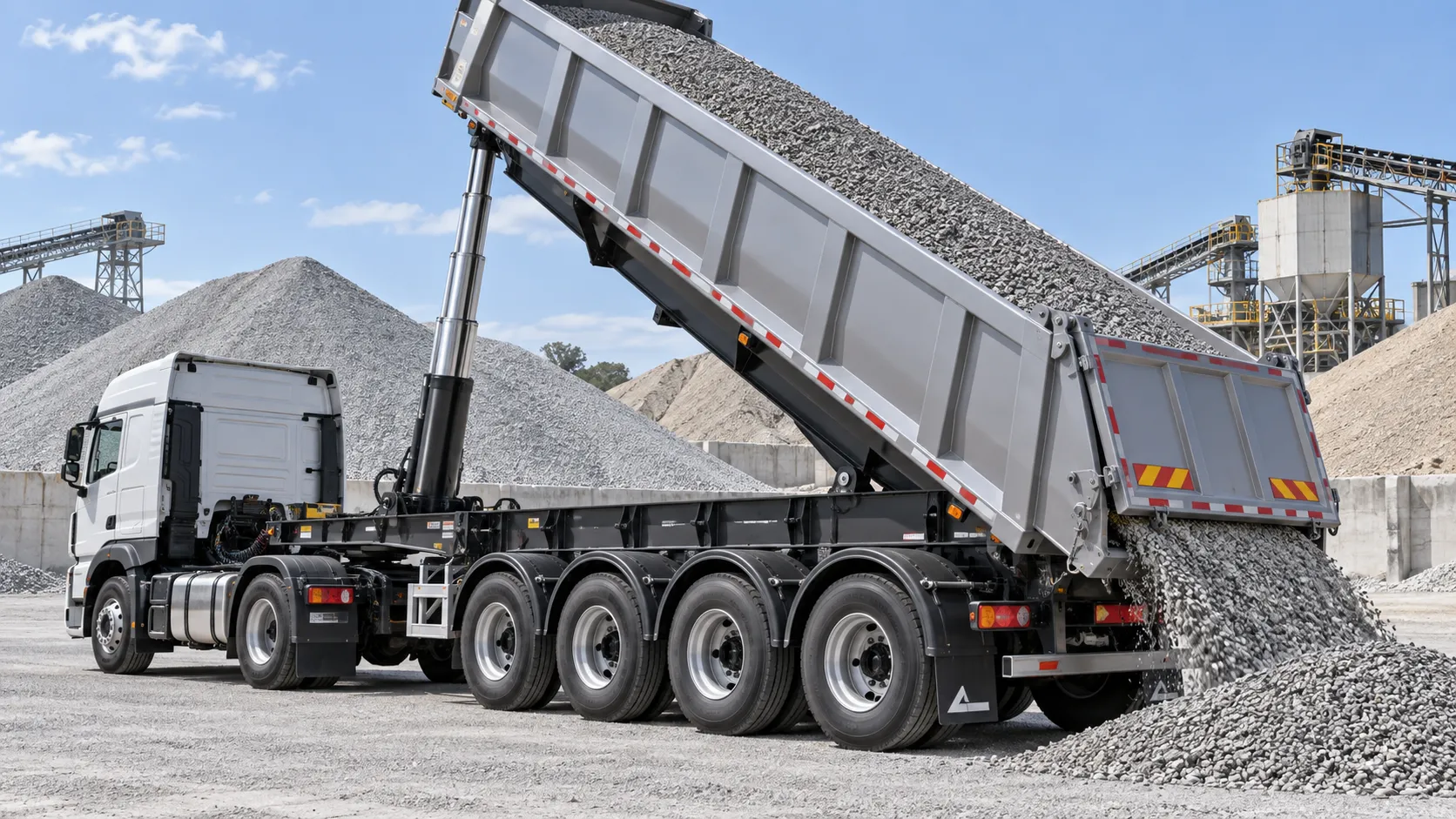
Hydraulic Tipping Stability Risks in Multi-Axle Dump Special Trailers
Dump special trailers: discover key hydraulic tipping stability risks, multi-axle load dynamics, and practical safety controls for safer, smarter bulk hauling.
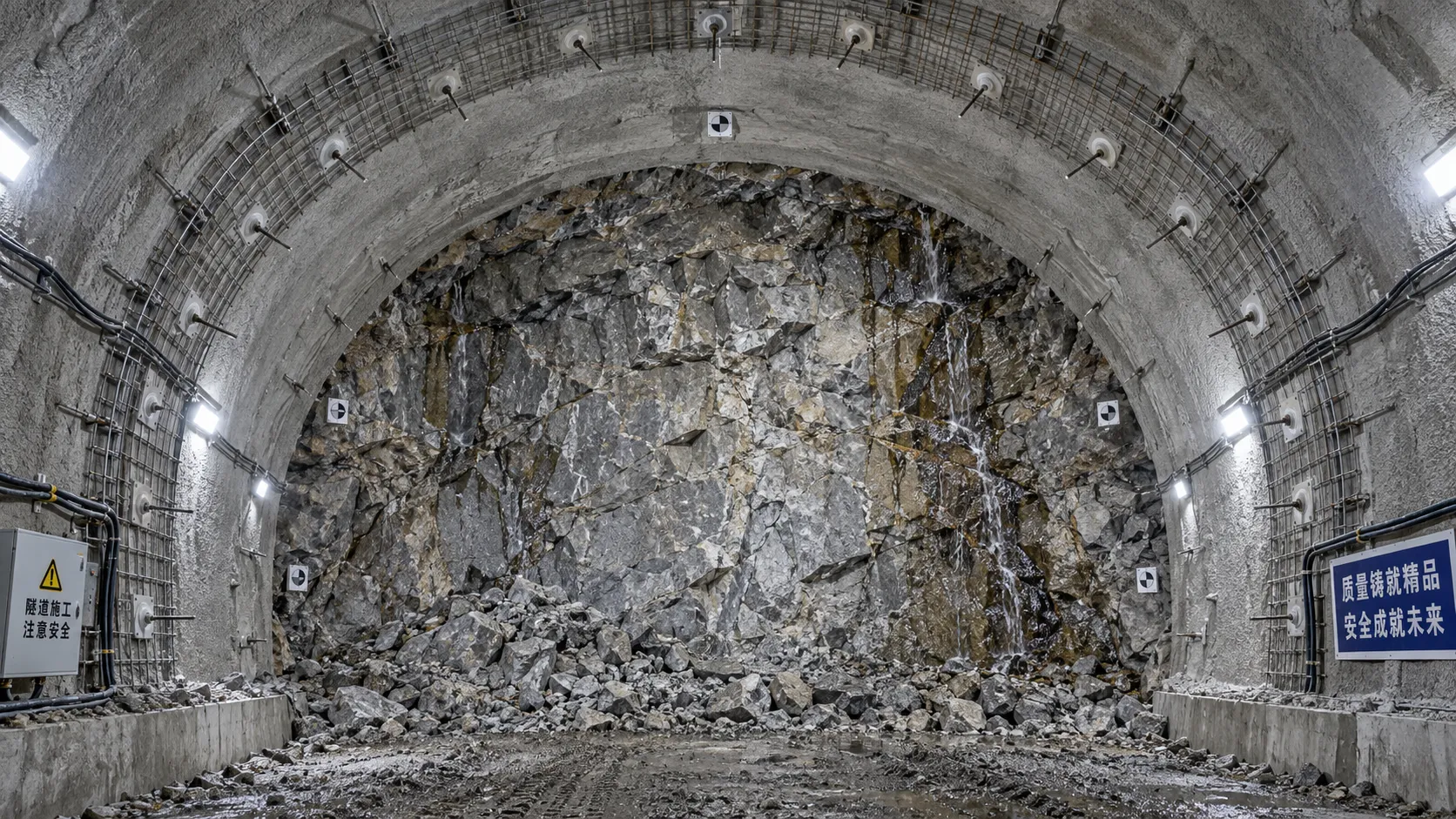
When rock reinforcement in tunnel construction must change after blasting
Rock reinforcement in tunnel construction must change when blasting reveals overbreak, weak joints, water inflow, or deformation. Discover key post-blast support decisions.
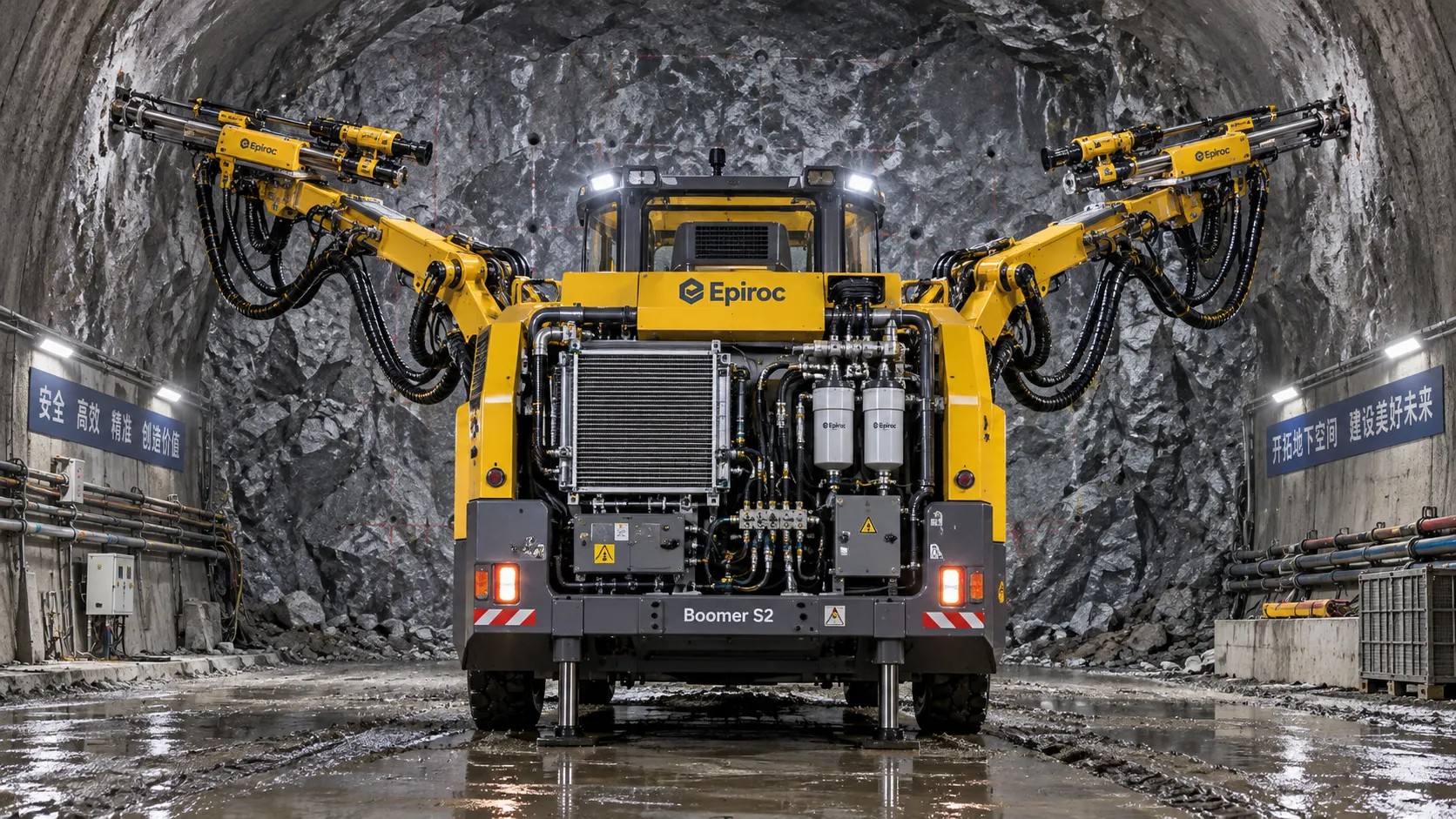
How tunnel hydraulic systems influence drill jumbo uptime underground
Tunnel hydraulic systems directly influence drill jumbo uptime. Explore how stable pressure, clean oil, cooling, and maintainable design reduce underground downtime.
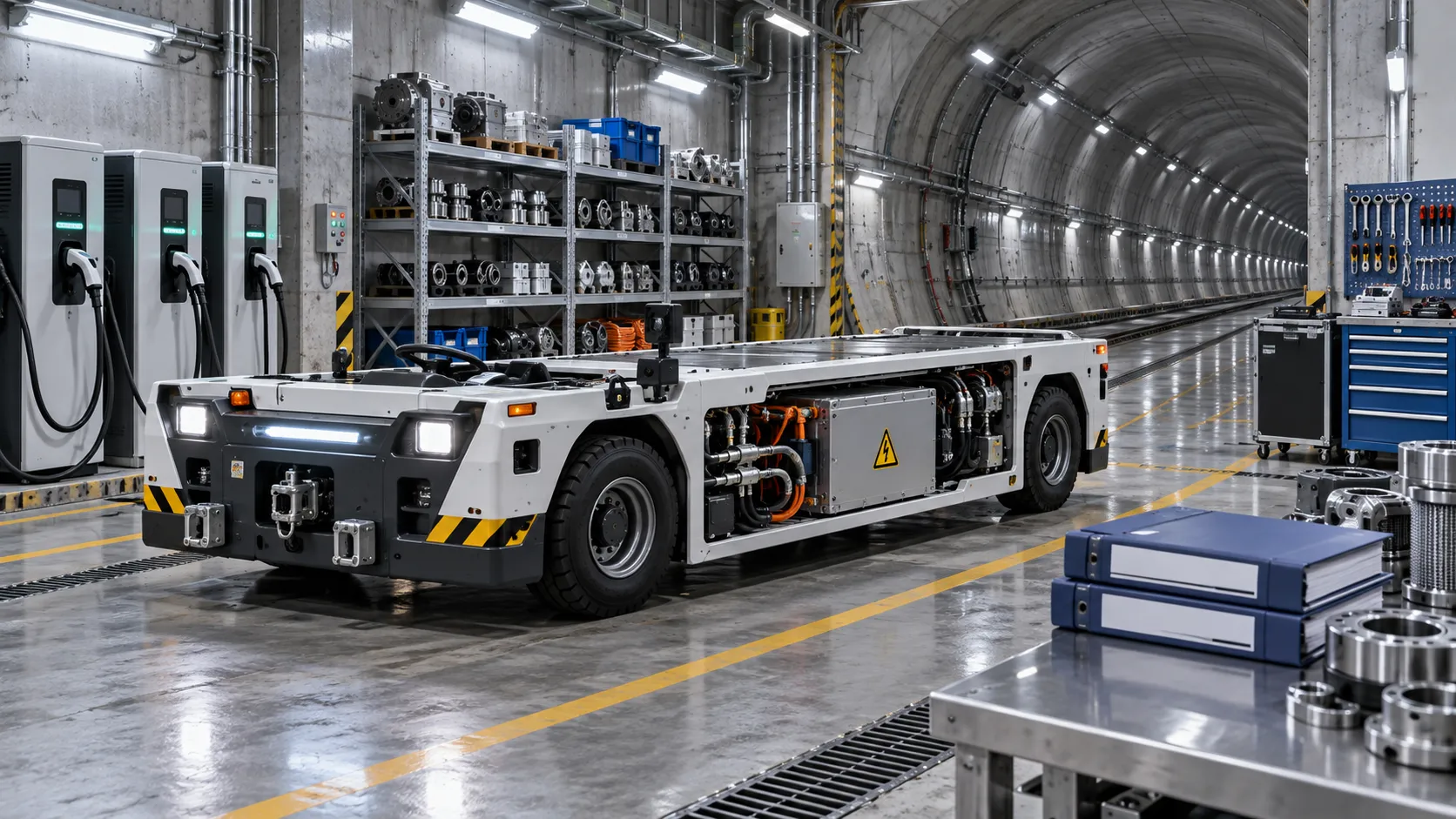
What to verify before appointing a tunneling vehicles manufacturer
Choosing a tunneling vehicles manufacturer? Verify application fit, reliability, compliance, parts support, training, and channel terms before appointing a partner.
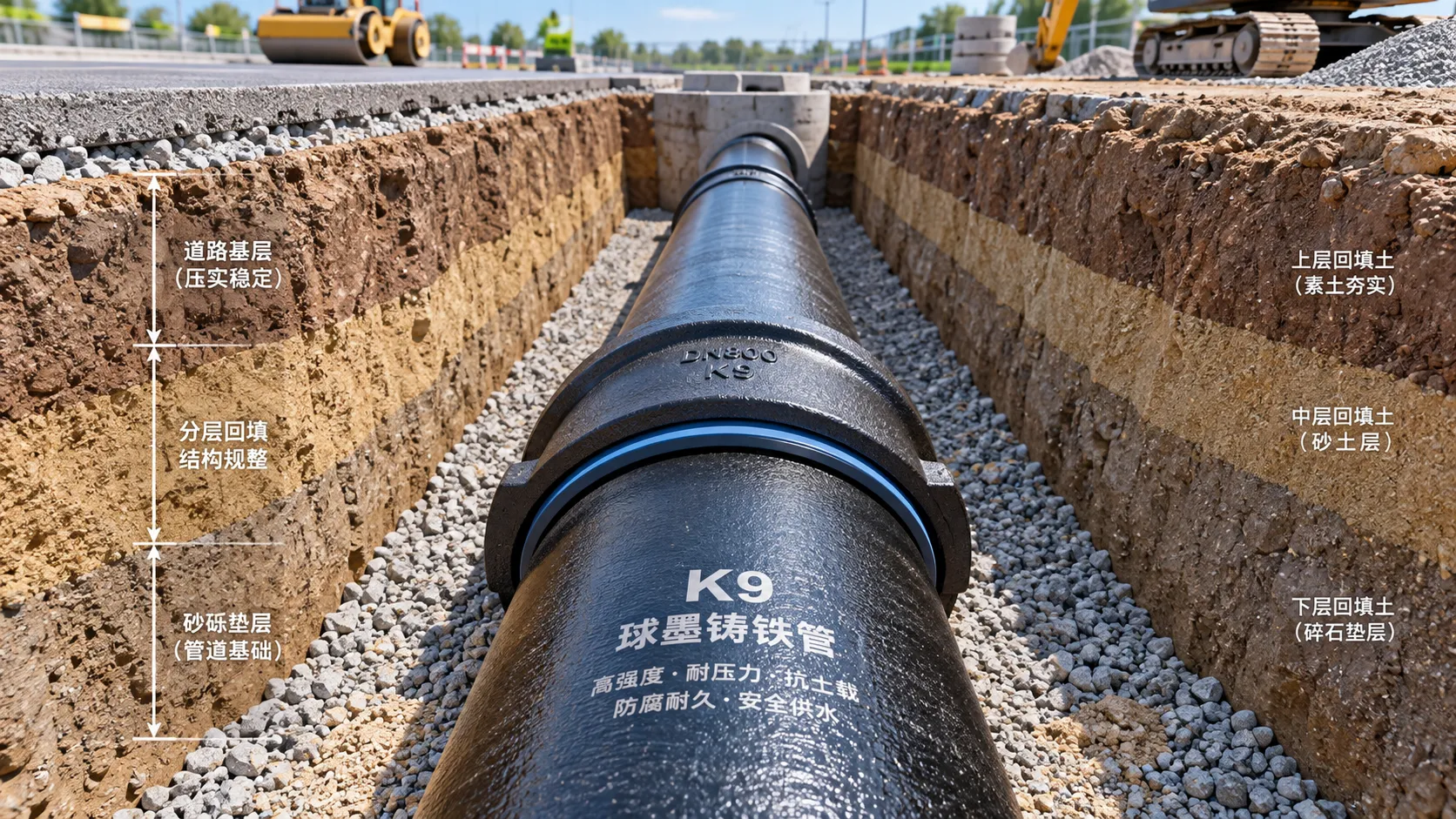
Selecting K9 Ductile Iron Pipe for Buried Water Pipeline Conditions
K9 ductile iron pipe selection for buried water pipelines: compare pressure duty, joints, soil loads, corrosion protection, and installation controls for reliable long-term performance.
Related News
- 00
0000-00
Tunnel Boring Machine Costs: Budgeting for Purchase, Operation, and Project Risk - 00
0000-00
Open-Pit Haulage Cost Analysis: How Mine Managers Can Cut Cost per Tonne - 00
0000-00
Tunnel Construction Innovations That Reduce Risk and Schedule Delays on Urban Projects - 00
0000-00
TBM Disc Cutter Design: Key Geometry and Load Factors for Hard Rock Tunnelling - 00
0000-00
Hydraulic Tipping Stability Risks in Multi-Axle Dump Special Trailers
Weekly Insights
Stay ahead with our curated technology reports delivered every Monday.