
How to Choose Mining Equipment for Copper Mines: Key Types, Capacity, and Cost Factors





Choosing Mining Equipment for copper mines is no longer a simple matter of matching a machine to a task. Copper projects now face tighter productivity targets, harder scrutiny on safety, and sharper pressure on energy use, maintenance cost, and asset life.
That makes equipment selection a strategic decision. The right fleet supports stable ore flow from the face to the plant. The wrong mix creates bottlenecks, idle shifts, higher wear, and avoidable capital exposure.
In copper mining, drilling, loading, hauling, crushing, ventilation, and digital control are tightly connected. A capacity mismatch in one stage often lowers the value of the entire system. This is why buyers increasingly evaluate equipment as an operating chain, not as isolated units.
That view also aligns with UTMD’s focus on underground engineering intelligence, electrified haulage, drilling systems, and smart mine transport. In copper expansion cycles, especially underground, equipment choices are increasingly shaped by automation readiness, zero-emission goals, and rock-condition realities.
Where equipment choice starts in a copper mine
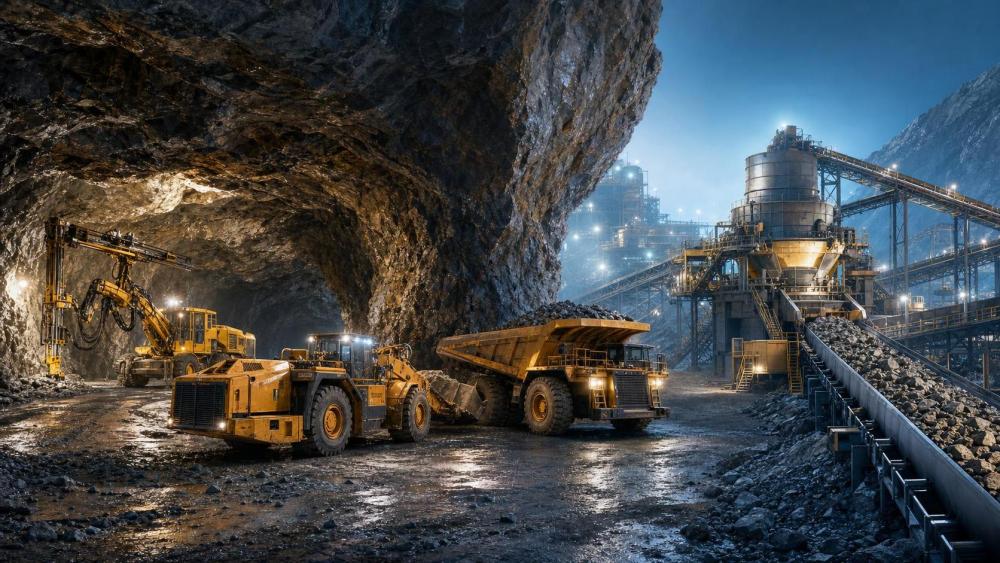
Before comparing brands or model sizes, it helps to define the mine context clearly. Mining Equipment for copper mines varies widely between open-pit operations, block caves, sublevel stopes, and narrow underground headings.
Orebody geometry matters first. Thickness, dip, fragmentation pattern, and haul distance directly influence equipment size and cycle time. Harder rock may require more robust drilling systems, heavier duty wear parts, and larger installed power.
The production target matters just as much. A mine designed for 5,000 tonnes per day needs a different fleet logic than one targeting 50,000 tonnes per day. Capacity planning should reflect peak demand, not only average throughput.
Site constraints also shape the answer. Ramp gradients, tunnel profiles, ventilation limits, water inflow, and maintenance access all affect what equipment can actually perform reliably underground.
Key types of Mining Equipment for copper mines
Copper operations usually require a coordinated fleet rather than a single high-value machine. The main categories below define most investment decisions.
Drilling and ground preparation
Drilling jumbos are central in underground copper mines using drill-and-blast methods. They determine advance rate, hole accuracy, and blast quality. Better hole alignment often reduces downstream loading difficulty and crusher oversize.
Rock bolters and scaling equipment are equally important. They do not directly increase tonnes mined, yet they strongly affect heading availability, safety compliance, and shift continuity.
Loading and hauling
Underground LHD loaders are among the most important Mining Equipment for copper mines. Bucket size, breakout force, turning radius, and battery or diesel configuration must fit the mine layout, not just the target tonnage.
Haul trucks or articulated underground trucks move the material to ore passes, shafts, or primary crushers. In larger operations, truck payload should complement loader pass match, road conditions, and travel distance.
In open-pit copper mines, rigid dump trucks, hydraulic shovels, and large wheel loaders dominate. Electrification and autonomous haulage are becoming more relevant where cycle consistency and energy recovery justify the investment.
Crushing, conveying, and processing interface
Primary crushers, feeders, and conveyors are often treated separately from mobile fleet purchases. In practice, they should be assessed together. A loader-truck fleet that overfeeds a constrained crusher creates hidden cost instead of useful capacity.
For deeper mines, ore handling systems may include crushers underground, shaft hoisting, or conveyor lifts. These choices shift the economic case for truck size, truck quantity, and ventilation demand.
Capacity is about system balance, not maximum size
A common mistake in selecting Mining Equipment for copper mines is to favor the largest available unit. Bigger equipment can reduce unit cost in the right setting, but only when the mine geometry and support systems can use it efficiently.
The more useful question is whether each machine fits the operating chain. That means checking cycle time, pass match, queue time, utilization, and planned maintenance windows.
Usually, the best fleet is the one that sustains target throughput with manageable standby equipment, not the one with the highest nameplate rating. Nameplate values are starting points, not operating truth.
Cost factors that matter beyond purchase price
Capital cost remains important, but lifetime economics decide whether Mining Equipment for copper mines delivers value. The most expensive machine is often the one that looks cheaper upfront and then consumes margin through downtime and support complexity.
Maintenance cost is usually the first major variable. Wear parts, hydraulic components, tire life, battery replacement cycles, and engine rebuild intervals can shift total cost far more than a modest purchase discount.
Energy is another critical factor. In underground copper mines, diesel equipment adds ventilation cost. Battery-electric machines may carry higher initial pricing, yet they can improve air quality, lower heat load, and reduce ventilation energy demand.
That transition is one reason zero-emission underground transport has become more visible in industry analysis. UTMD tracks this closely because electrification now affects both compliance planning and equipment replacement cycles.
Support infrastructure should also be priced in early. Charging systems, battery swap bays, workshop layout, digital fleet management, parts inventory, and technician training can change the business case significantly.
- Acquisition price and delivery schedule
- Fuel or electricity consumption per tonne moved
- Expected maintenance hours and parts availability
- Operator assistance, automation, and remote-control options
- Residual value and compatibility with future mine expansion
Technology trends changing buying decisions
Mining Equipment for copper mines is increasingly evaluated through a technology lens. Autonomy, data capture, and electrification are no longer niche considerations reserved for flagship mines.
Remote operation is gaining ground in deeper and hotter workings. It helps limit exposure in hazardous zones and can improve shift continuity during blasting cycles or ground support delays.
Machine data is becoming equally valuable. Payload monitoring, route tracking, drilling accuracy data, and predictive maintenance alerts improve planning quality. Over time, that raises utilization and reduces unplanned stoppages.
This matters for copper projects because ore grades, energy intensity, and expansion timing are under closer scrutiny. Equipment that supports digital integration may protect future operating flexibility better than a lower-cost but disconnected alternative.
How to compare options in real procurement work
A practical comparison process starts with mine data, not brochures. The shortlist should be built around actual rock conditions, daily production requirements, heading dimensions, haul profiles, and maintenance resources.
For each equipment category, compare three layers at once: technical fit, operating cost, and implementation risk. A well-specified machine can still be a poor choice if parts support is weak or commissioning lead time is too long.
Useful questions during evaluation
- Can this machine sustain the mine plan under peak conditions?
- What assumptions sit behind the supplier’s productivity claim?
- How does the unit perform in similar copper ore and ground conditions?
- What infrastructure upgrades are required before deployment?
- How quickly can critical parts and field service reach the site?
Reference checks are still valuable, especially when fleet electrification or automation is involved. Performance in a pilot environment does not always translate cleanly into a remote, high-utilization copper operation.
A stronger decision framework for the next investment cycle
The best approach to Mining Equipment for copper mines is disciplined rather than reactive. Start with the mine sequence, identify the bottleneck risk, and then test which equipment configuration delivers stable tonnes at acceptable lifecycle cost.
It also helps to view each purchase in the context of broader underground modernization. Copper demand, ESG pressure, and deeper mine development are pushing more operations toward electrified fleets, digital monitoring, and tighter utilization control.
That is where market intelligence becomes useful. Tracking technology performance, replacement trends, and underground transport evolution can sharpen equipment judgments before formal tendering begins.
A solid next step is to build a side-by-side matrix covering mine conditions, required capacity, cost per tonne, infrastructure impact, and automation readiness. That framework usually reveals whether a machine fits the mine, or only looks good on paper.
Related News
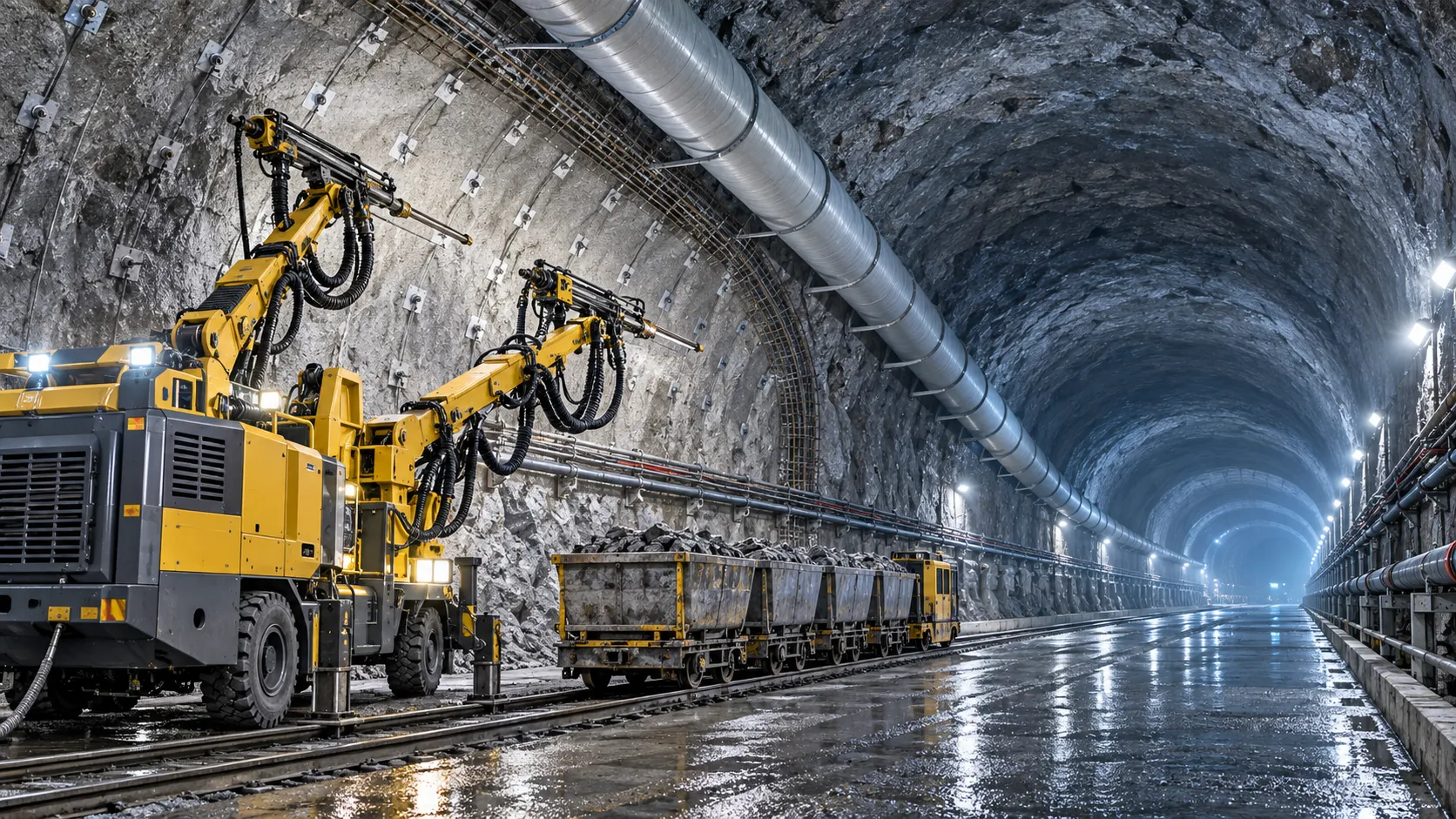
How to Evaluate European Drill-and-Blast Tunnelling Contractors for Complex Projects
Drill and blast tunnelling contractors Europe: learn how to assess geology expertise, blast control, equipment reliability, safety, and programme resilience for complex projects.
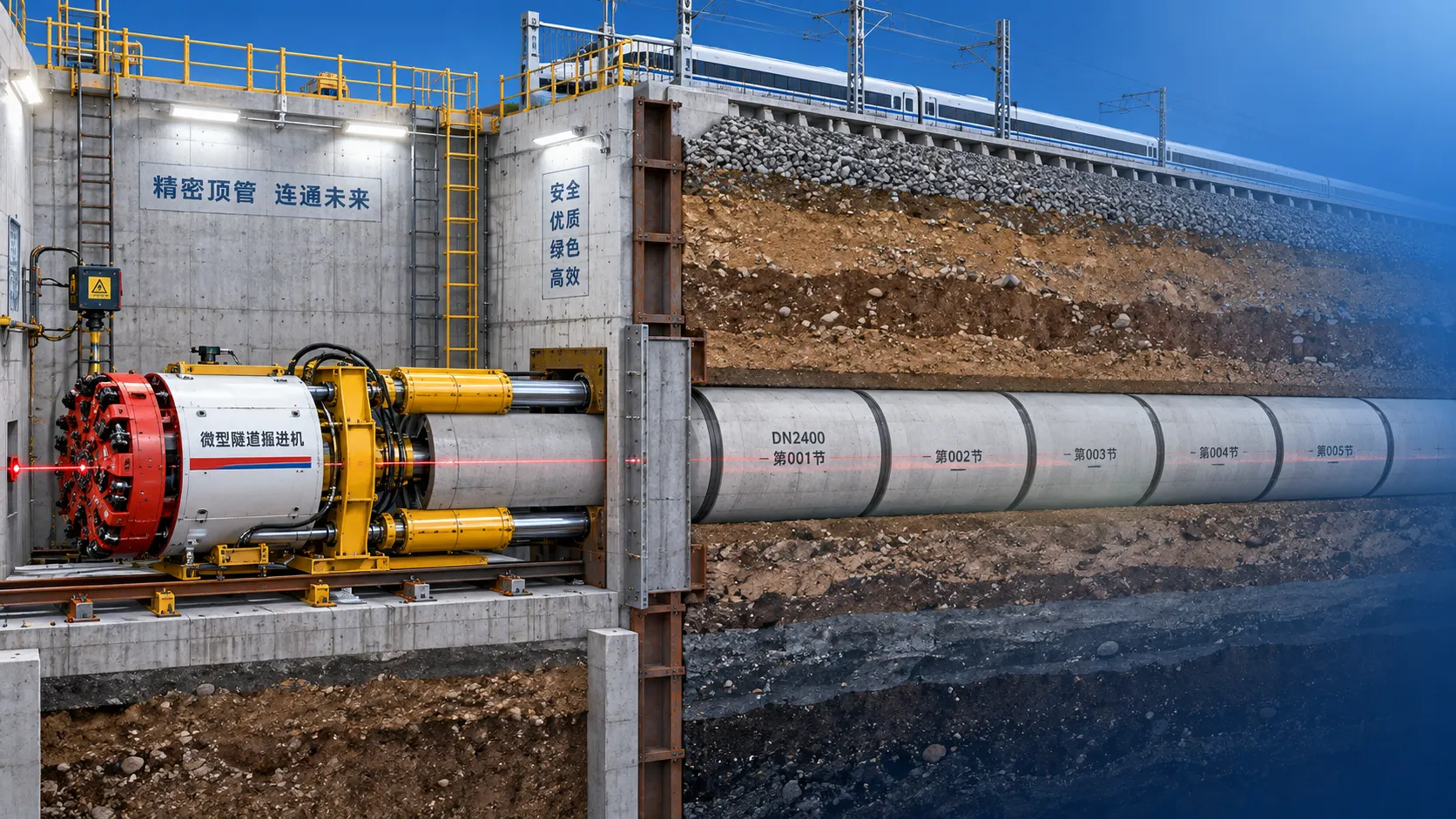
Which Trenchless Construction Technique Fits Your Utility Crossing Conditions?
Trenchless construction techniques compared for utility crossings: choose HDD, microtunnelling, pipe jacking, or auger boring based on ground, accuracy, access, and risk.
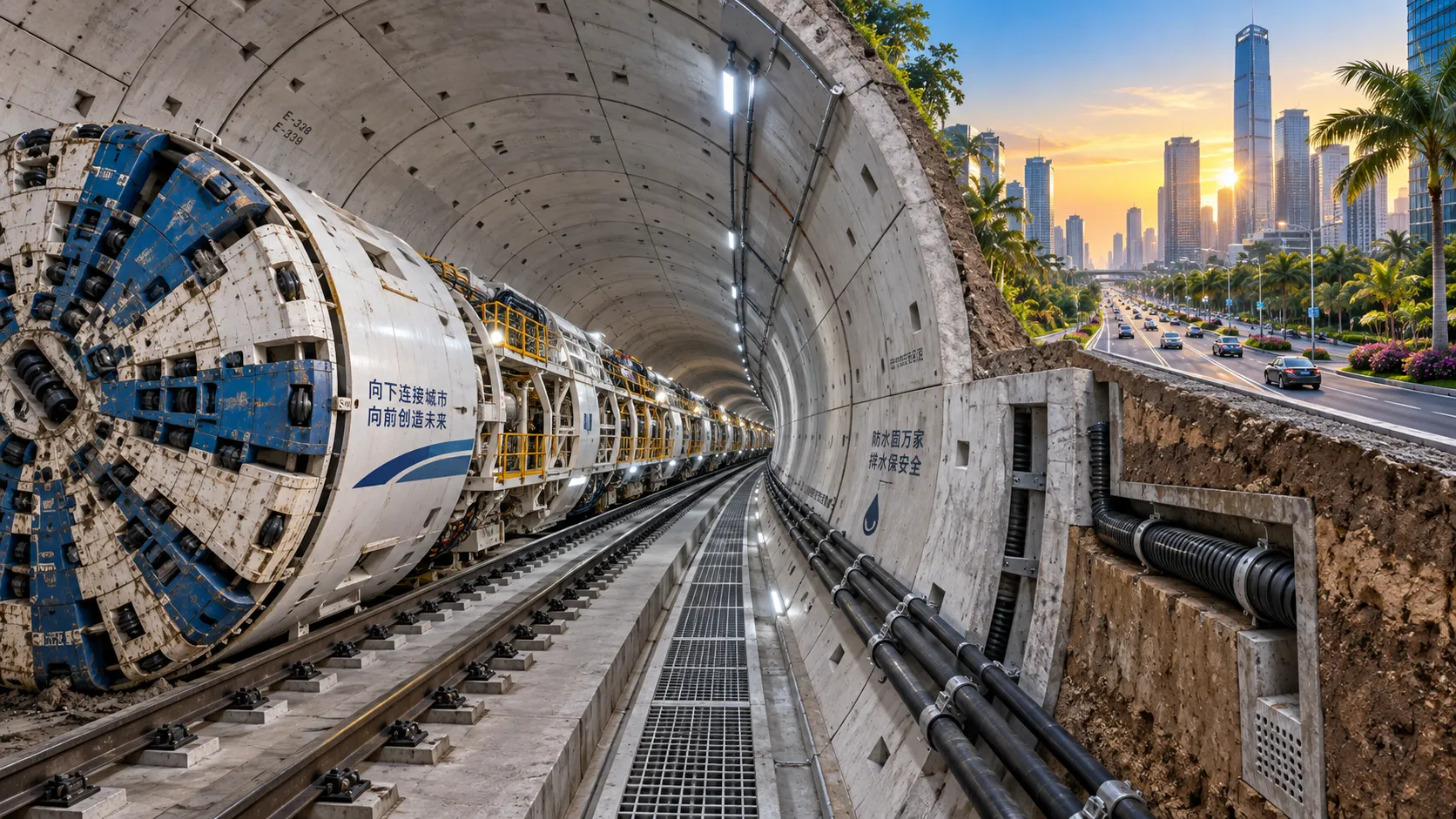
What Is Driving Metro Tunnelling Demand Across Southeast Asia’s Major Cities?
Metro tunnelling Southeast Asia is accelerating as major cities tackle congestion, flooding, and connectivity. Explore the market forces, technical risks, and opportunities shaping demand.
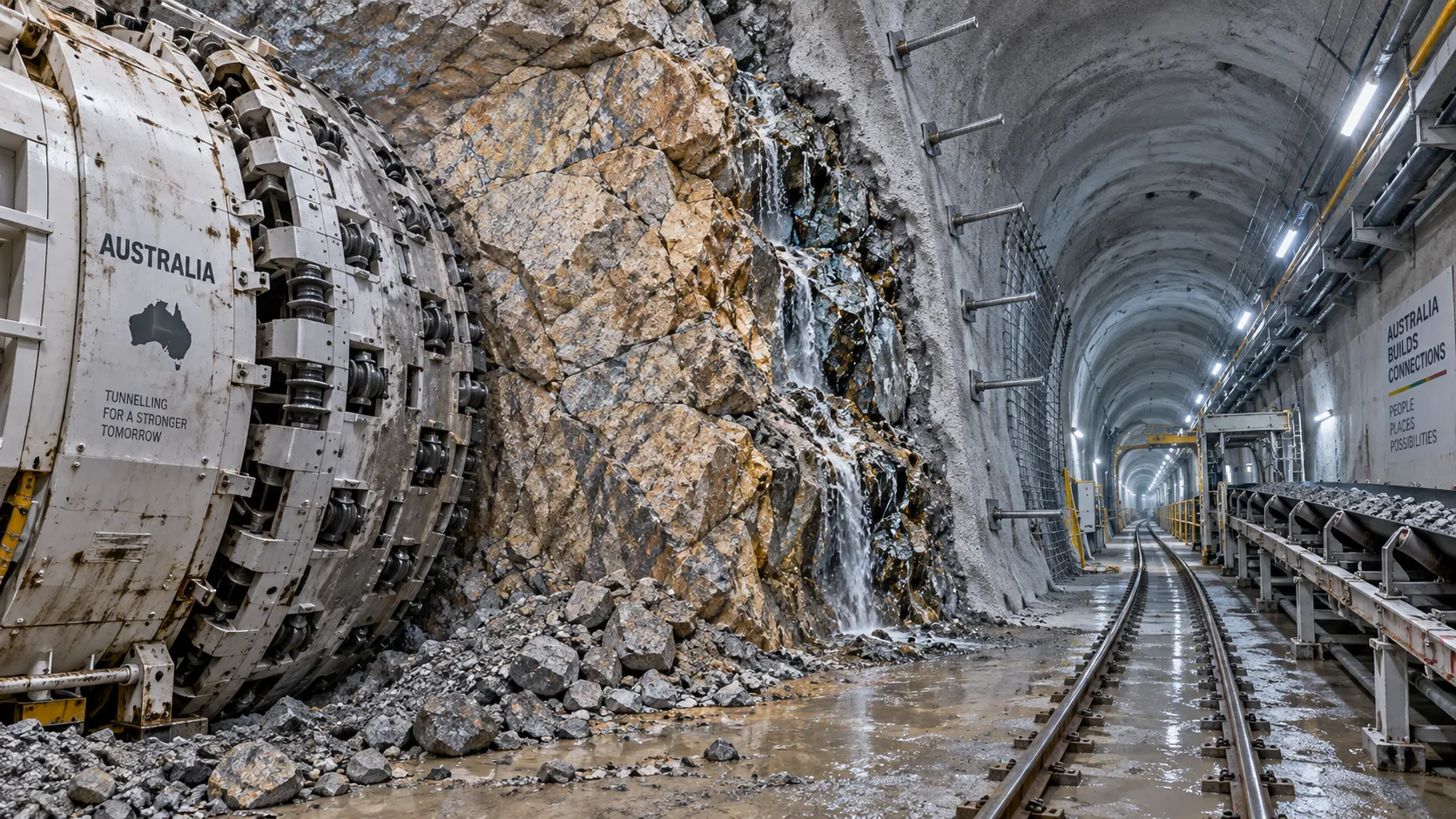
Hard Rock Tunnelling in Australia: Selecting Methods for Variable Ground Conditions
Hard rock tunnelling in Australia: compare TBM, drill-and-blast and hybrid methods to manage variable ground, reduce risk and protect project costs.
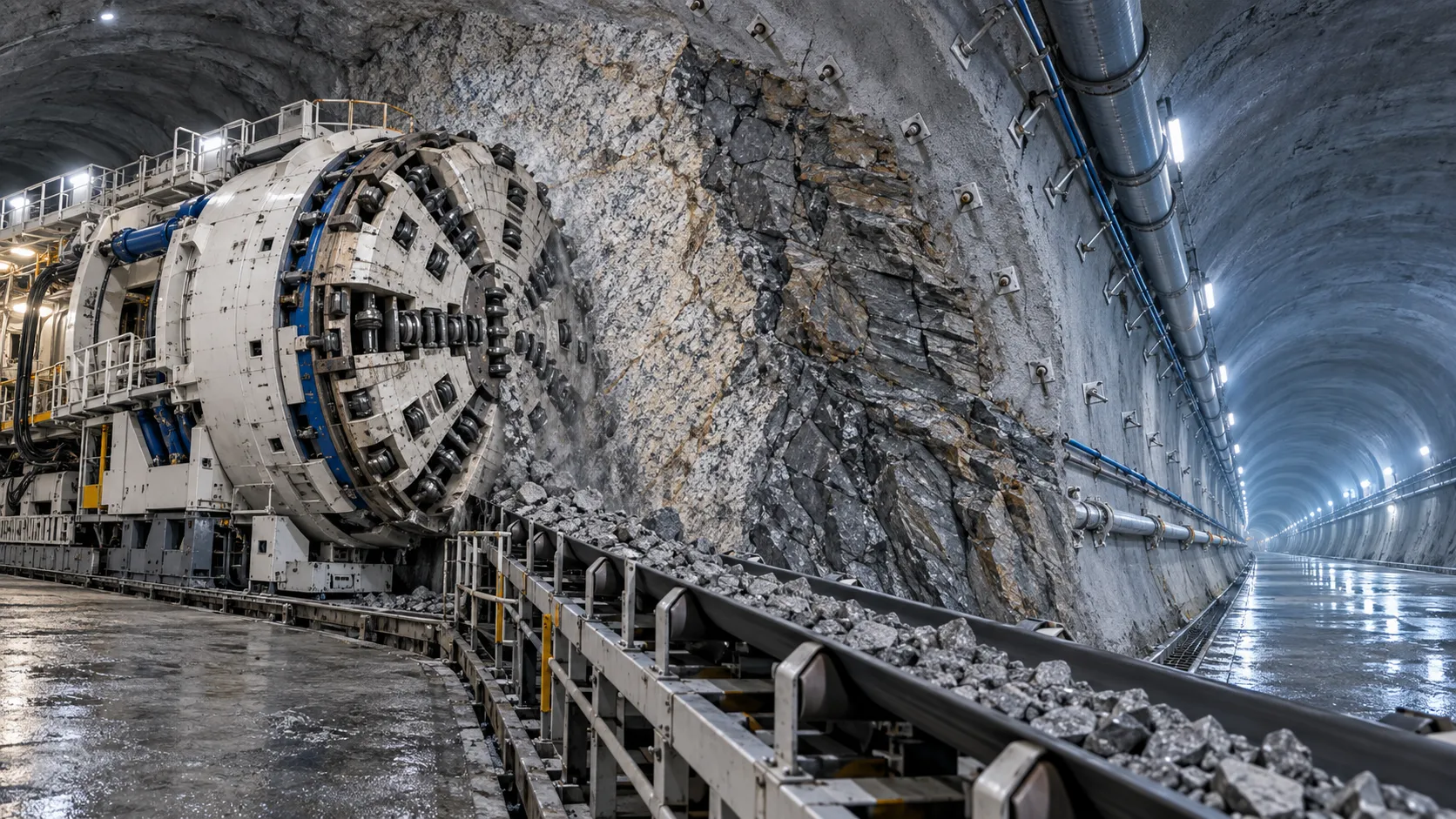
Hydropower Tunnel Excavation: Selecting Methods for Variable Rock Conditions
Hydropower tunnel excavation methods for variable rock conditions: compare TBM, drill-and-blast, and hybrid strategies to improve safety, progress, and project control.
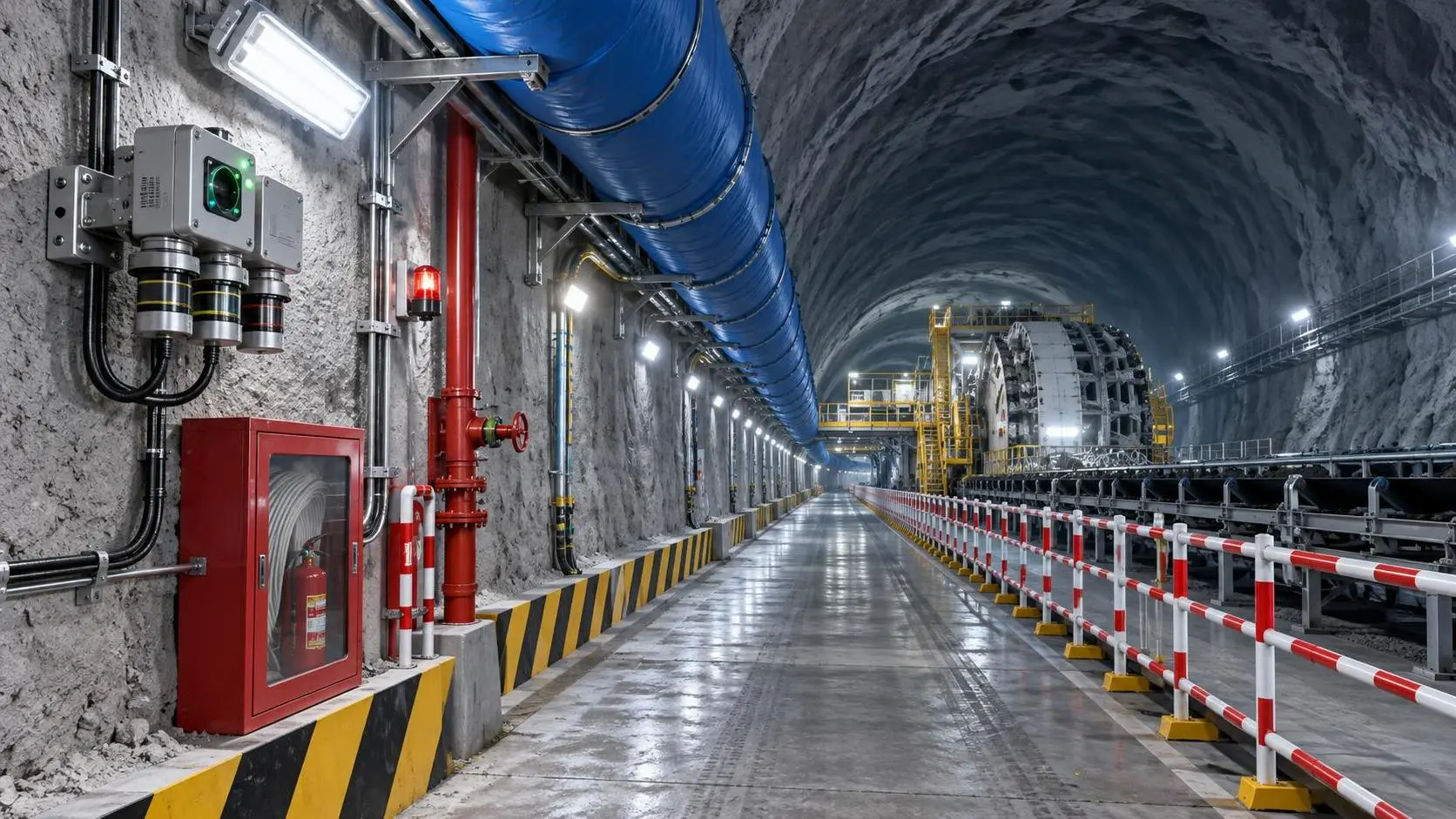
How to Select Underground Safety Equipment for Tunnelling by Hazard and Work Zone
Underground Safety Equipment for tunnelling: match protection to hazards, work zones, compliance, and emergency needs with this practical selection guide.
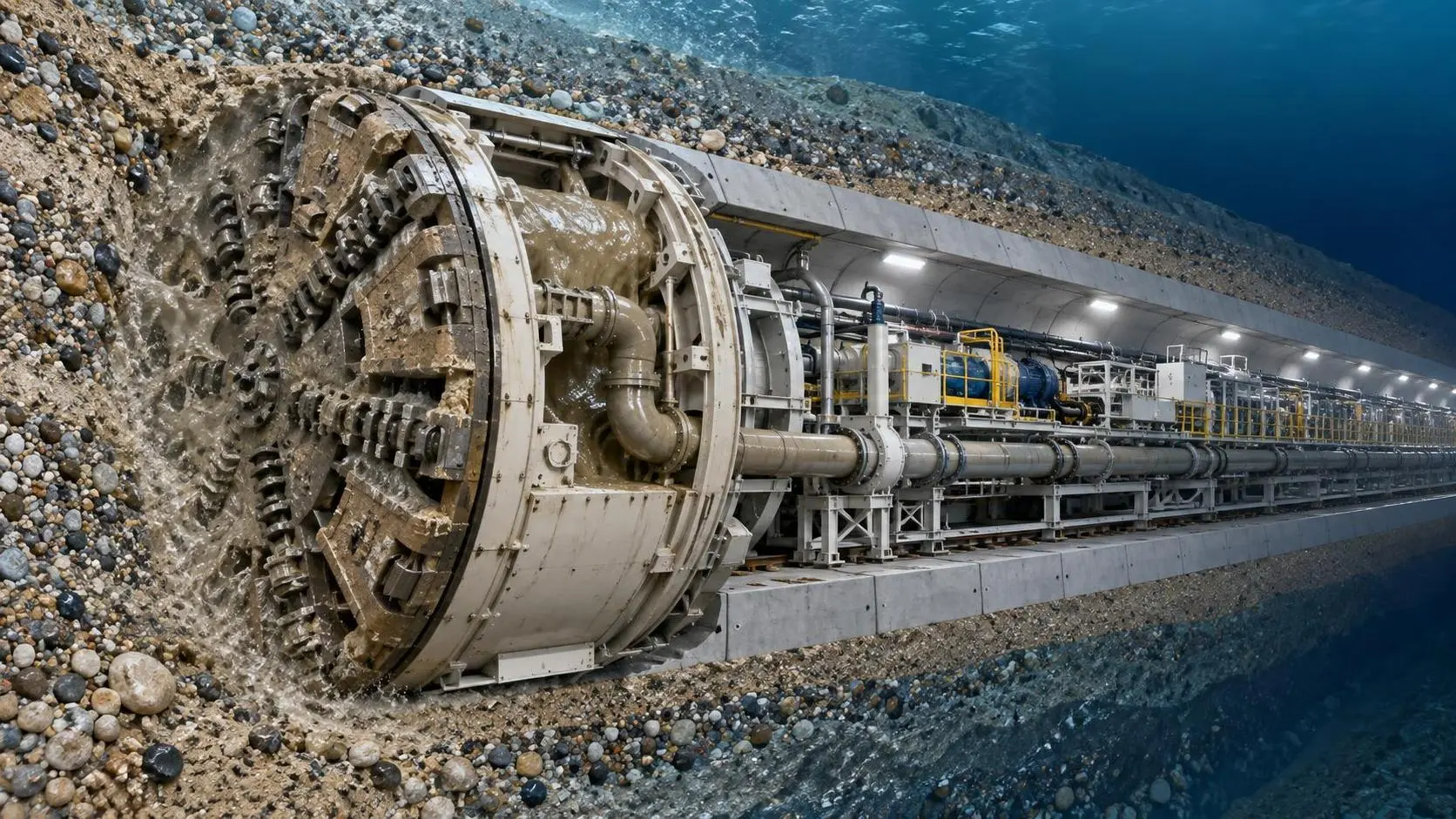
EPB or Slurry Shield? Selecting Soft-Ground Tunnelling Equipment by Soil Conditions
Tunnel Excavation Equipment for soft ground: compare EPB and slurry shields by soil, groundwater, settlement risk, and project logistics to choose confidently.
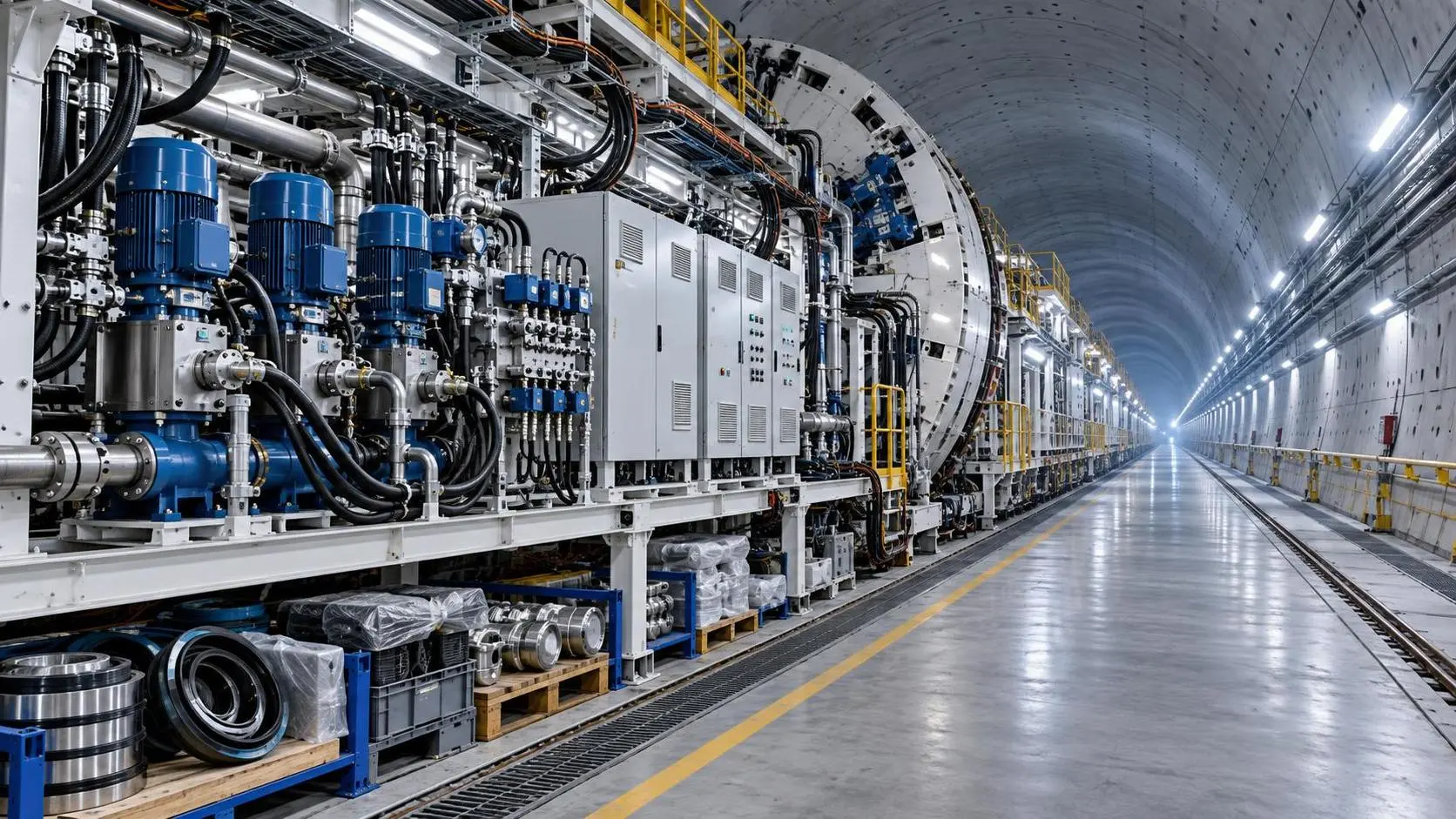
How to Specify TBM Backup System Parts for Reliable Long-Distance Tunnelling
TBM backup system parts: learn how to specify reliable spares for long-distance tunnelling, reduce downtime, ensure compatibility, and speed underground recovery.
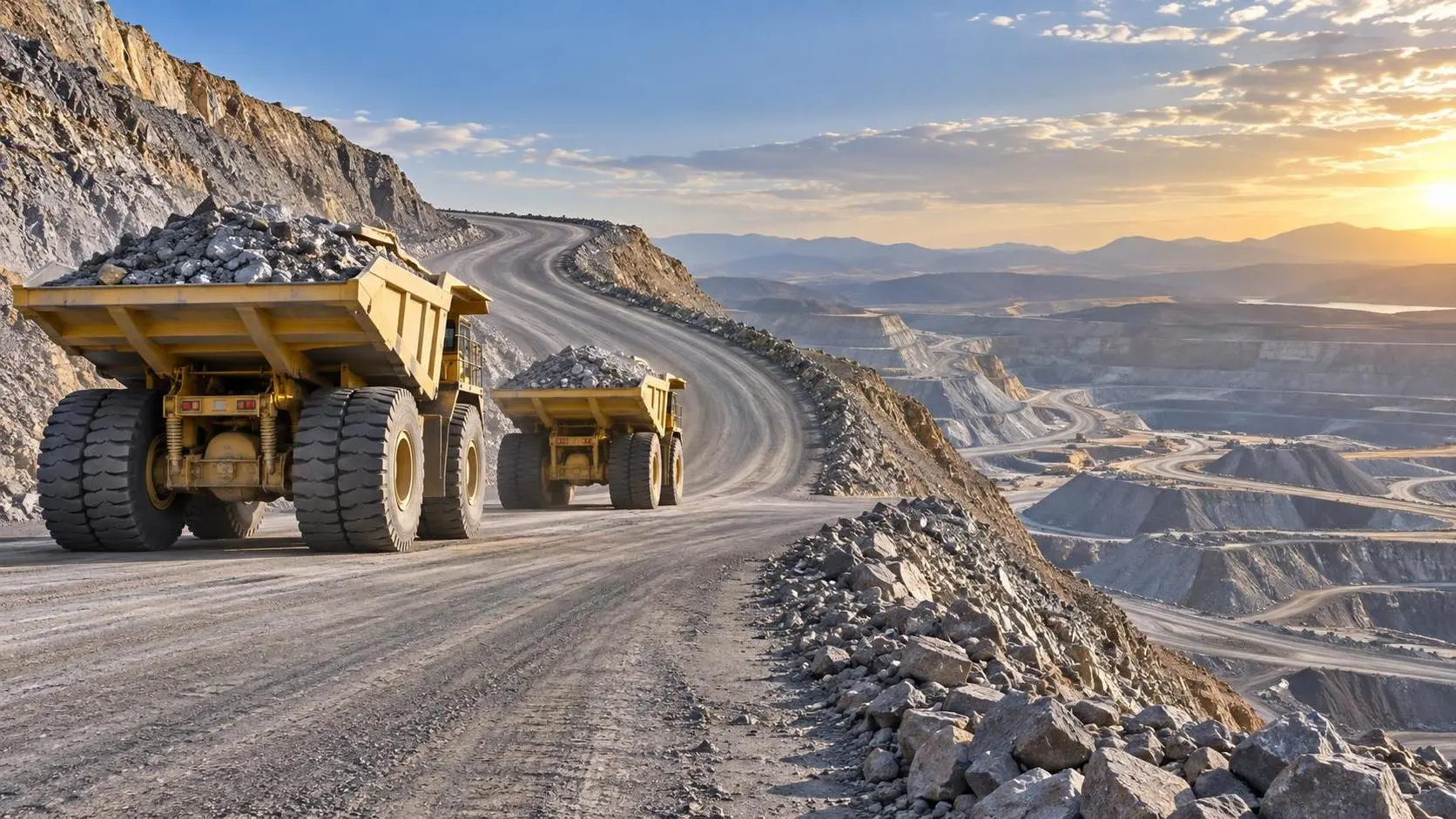
How to Size Open Pit Mining Trucks for Haul Distance, Grade, and Payload?
Open Pit Mining Trucks: learn how to match payload, haul distance, grade, road resistance, and loading capacity for safer, lower-cost mine operations.
Related News
- 00
0000-00
How to Evaluate European Drill-and-Blast Tunnelling Contractors for Complex Projects - 00
0000-00
Which Trenchless Construction Technique Fits Your Utility Crossing Conditions? - 00
0000-00
What Is Driving Metro Tunnelling Demand Across Southeast Asia’s Major Cities? - 00
0000-00
Hard Rock Tunnelling in Australia: Selecting Methods for Variable Ground Conditions - 00
0000-00
Hydropower Tunnel Excavation: Selecting Methods for Variable Rock Conditions
Weekly Insights
Stay ahead with our curated technology reports delivered every Monday.