
NSW Mandates Local Battery Safety Approval for EV Mining Trucks





On July 15, 2026, New South Wales introduced a new access requirement for underground electric transport equipment, with direct implications for EV and hydrogen mining truck suppliers, mine operators, certification workflows, and export delivery planning. The change matters because it shifts market entry in this segment from reliance on general international documentation toward a state-specific battery safety assessment that must be completed before equipment can enter mine operations in NSW.
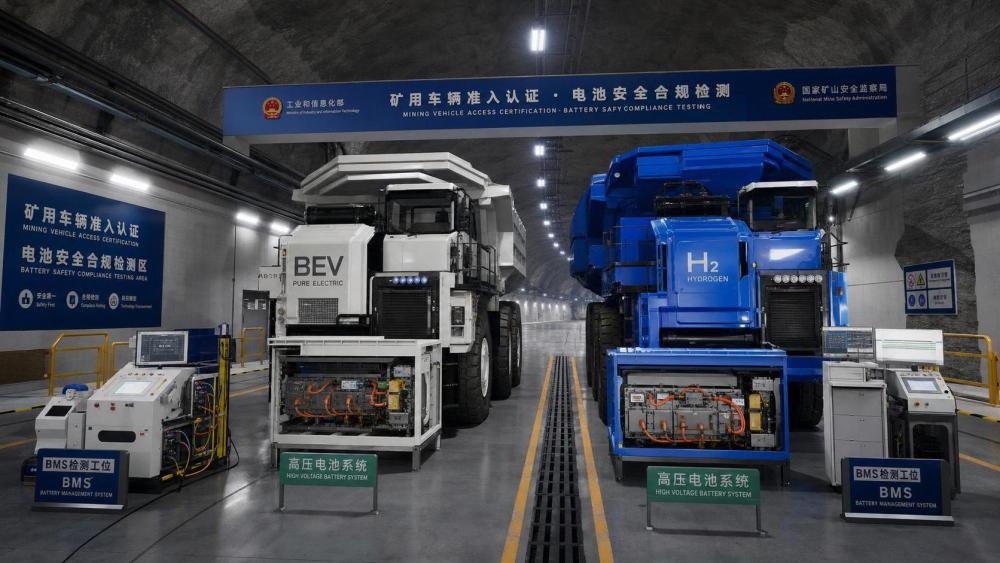
A New Entry Condition for Underground Mining Vehicles
According to the information provided, the New South Wales Department of Energy and Minerals issued the Interim Access Order for Underground Electric Haulage Equipment on July 15, 2026. From October 1, 2026, all EV and hydrogen mining trucks entering mine operations in the state must obtain NSW-BSA, or New South Wales Battery Safety Assessment, certification.
The required assessment covers thermal runaway protection, redundant BMS architecture, and compliance testing for exhaust management in enclosed underground spaces. The information provided also states that the certification does not accept standalone mutual recognition based on UN GTR 20 or IEC 62619 documentation. For Chinese export manufacturers, type testing must be completed through laboratories designated by NSW.
Where the Compliance Pressure Will Appear First
Export manufacturers face a new market-entry gate
From an industry perspective, the most immediate impact falls on manufacturers intending to supply EV or hydrogen mining trucks into New South Wales underground operations. The rule change is not limited to a product design issue; it affects whether existing technical files and prior certification packages are sufficient for market access. What deserves closer attention is that UN GTR 20 or IEC 62619 documents alone will not satisfy the stated requirement, which means exporters may need a separate compliance pathway tied specifically to NSW-BSA.
Procurement and project delivery teams may need to adjust timelines
Purchasers, mine project teams, and delivery coordinators may also be affected because certification now becomes a practical precondition for equipment entry into the operating environment described in the order. Analysis shows that procurement review may need to look more closely at whether suppliers can present NSW-BSA-related testing progress, designated-laboratory arrangements, and supporting technical documentation before delivery commitments are finalized.
Testing and certification coordination becomes more operationally important
The change also raises the importance of certification management itself. For companies exporting from China, the requirement to use NSW-designated laboratories introduces an additional coordination step in type testing. Observably, this can affect document sequencing, technical submission preparation, and the handoff between engineering, compliance, and commercial teams even before equipment reaches the shipment stage.
Practical Points Companies Should Track Now
Review whether current certification files are actually usable for NSW entry
Companies already working with international battery or vehicle safety standards should not assume those files can be used on a standalone basis for underground mining access in New South Wales. Based on the information provided, the immediate issue is not whether existing documents have value in general, but whether they satisfy this specific state-level entry requirement.
Prepare technical materials around the named assessment areas
What deserves closer attention is the scope explicitly mentioned in the requirement: thermal runaway protection, redundant BMS architecture, and exhaust compliance in enclosed underground spaces. Companies involved in engineering, bid preparation, or compliance review should closely check whether technical descriptions, test materials, and equipment configuration records are aligned with those assessment areas.
Recheck bid, contract, and delivery assumptions
Analysis shows that commercial teams should also revisit bid submissions, procurement documents, and delivery schedules for projects connected to NSW mine operations. Where certification timing, test completion, or laboratory booking affects project readiness, these issues may need to be reflected in planning and customer communication rather than left as a late-stage compliance task.
Keep watching for execution language beyond the initial order
The information provided confirms the requirement and effective date, but it does not set out every implementation detail. For that reason, companies should continue monitoring later official wording, procurement references, and any more specific execution language related to testing practice, documentary expectations, or how the order is applied in real project workflows.
How This Change Is Best Understood at This Stage
Observably, this is more than a general policy signal because it includes an identified certification route, a defined effective date, and named technical assessment areas. At the same time, it is still appropriate to treat parts of the practical impact as subject to further observation, especially where execution details, document handling, and project-level procurement wording may shape how the rule is enforced in day-to-day transactions.
From an industry perspective, the most important message is that NSW is setting a localized compliance threshold for underground electric and hydrogen mining transport equipment rather than relying on a simple document recognition approach. That makes certification planning part of market access, not just a technical afterthought.
What the Market Should Take From It
This development is best read as a concrete compliance change with near-term operational consequences for suppliers and buyers involved in underground mining vehicles in New South Wales. It does not by itself prove how every project or every supplier relationship will be affected, but it clearly indicates that local battery safety certification is becoming an entry requirement that can influence qualification, testing, documentation, and delivery planning.
At this stage, it is more appropriate to understand the event as an implemented access signal with real compliance weight, while still keeping close watch on how certification practice, procurement language, and industry feedback develop after the rule takes effect.
Basis of This Article
This article is generated from the user-provided news title, event date, and event summary. Source types commonly relevant to developments of this kind may include official government notices, regulator publications, trade or customs authority updates, industry association materials, standards documents, certification-related releases, and reporting by established industry media.
No specific official source link was provided in the input, so the underlying official publication path still requires ongoing verification. Further follow-up should focus on any detailed implementation language, certification execution criteria, tender document changes, market feedback, and how affected companies proceed with testing and compliance preparation.
Related News
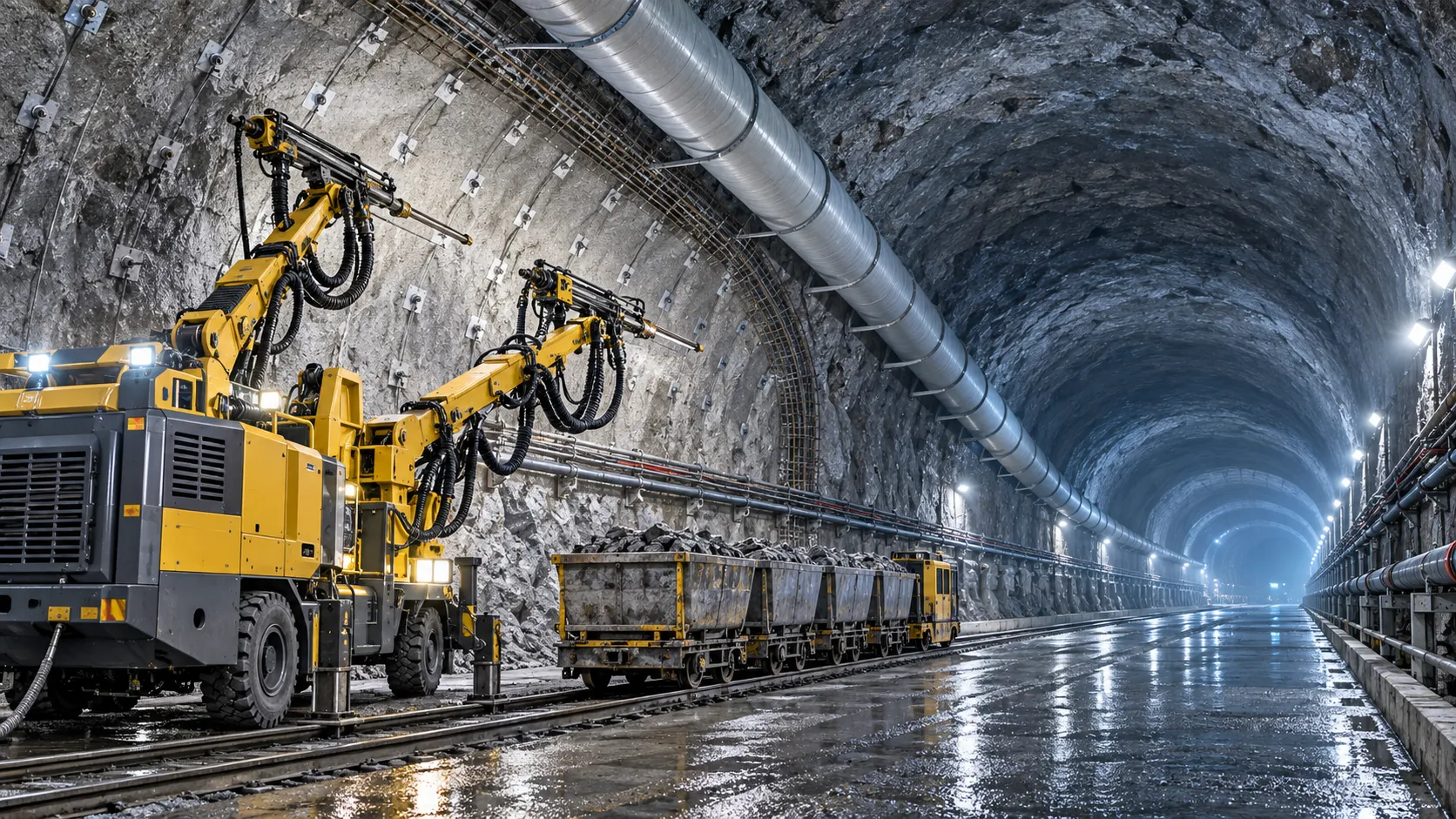
How to Evaluate European Drill-and-Blast Tunnelling Contractors for Complex Projects
Drill and blast tunnelling contractors Europe: learn how to assess geology expertise, blast control, equipment reliability, safety, and programme resilience for complex projects.
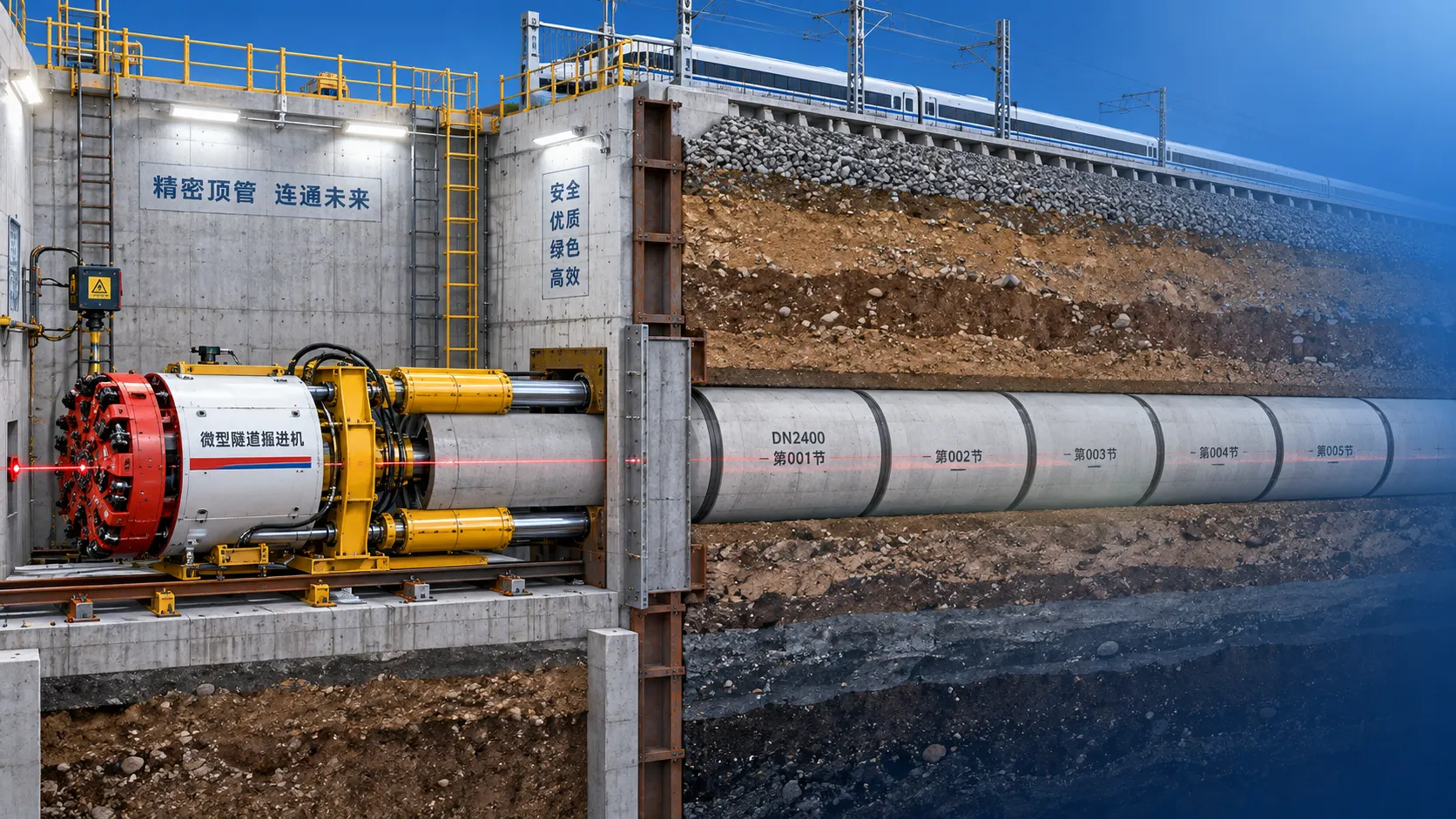
Which Trenchless Construction Technique Fits Your Utility Crossing Conditions?
Trenchless construction techniques compared for utility crossings: choose HDD, microtunnelling, pipe jacking, or auger boring based on ground, accuracy, access, and risk.
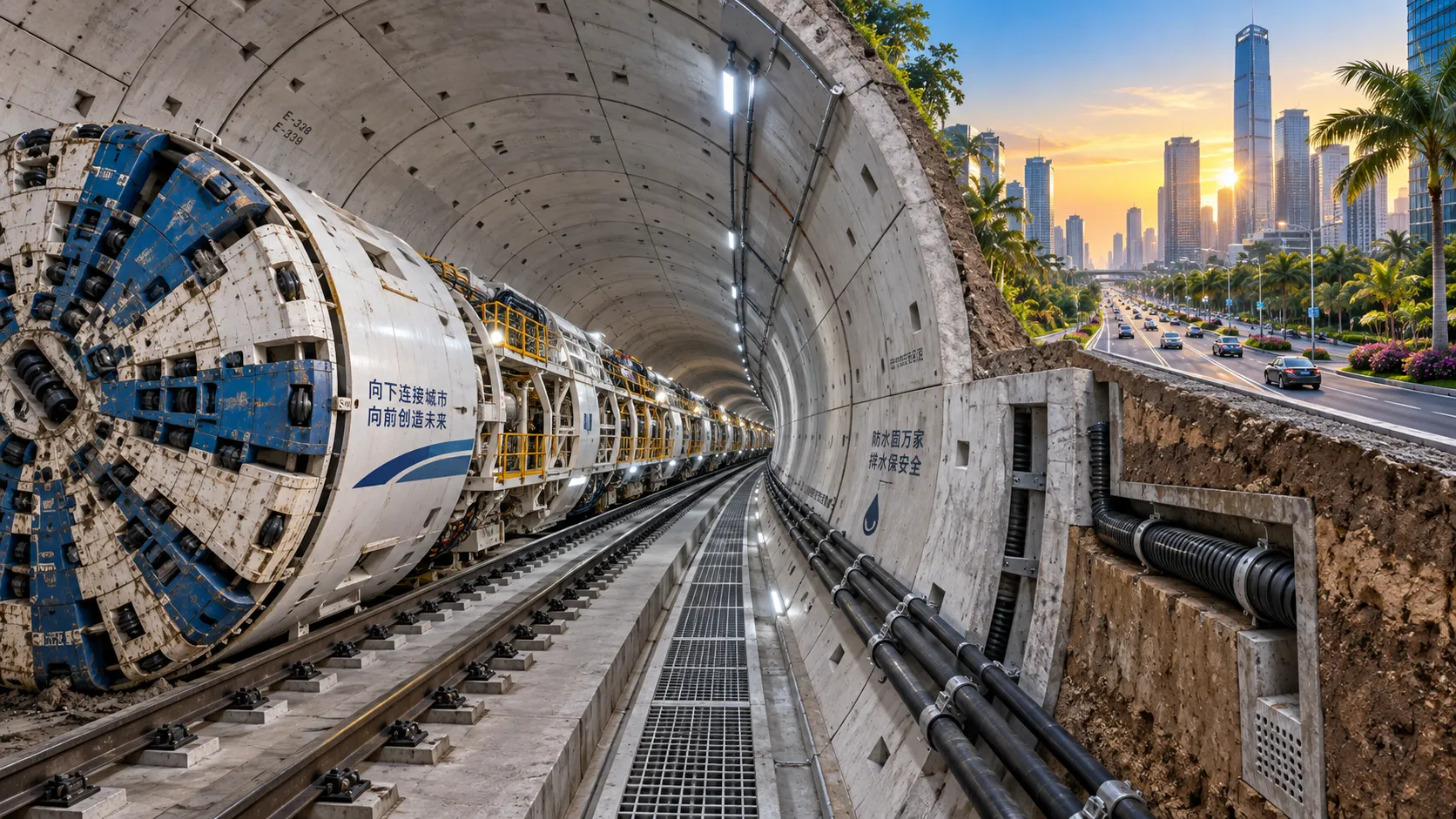
What Is Driving Metro Tunnelling Demand Across Southeast Asia’s Major Cities?
Metro tunnelling Southeast Asia is accelerating as major cities tackle congestion, flooding, and connectivity. Explore the market forces, technical risks, and opportunities shaping demand.
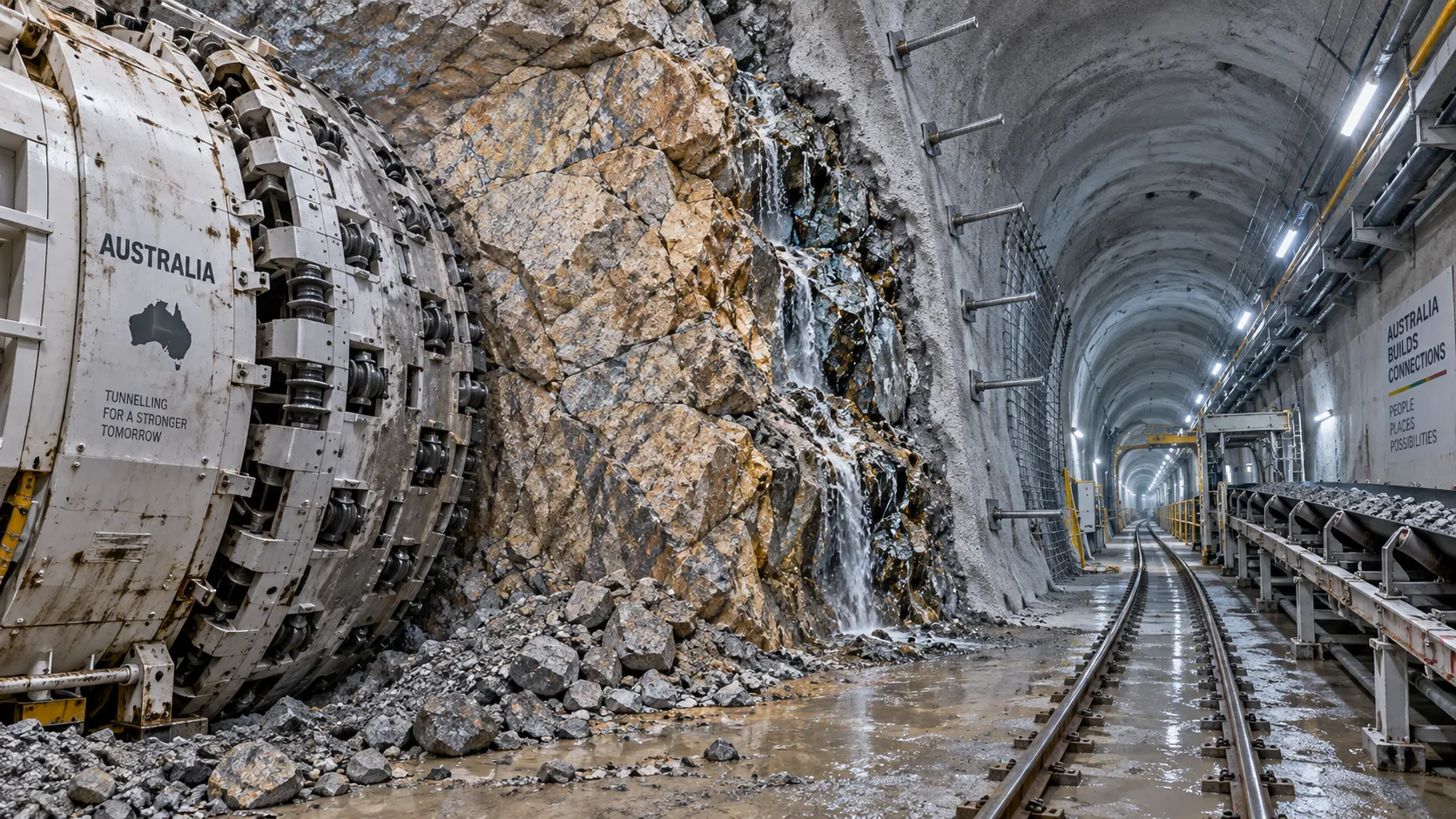
Hard Rock Tunnelling in Australia: Selecting Methods for Variable Ground Conditions
Hard rock tunnelling in Australia: compare TBM, drill-and-blast and hybrid methods to manage variable ground, reduce risk and protect project costs.
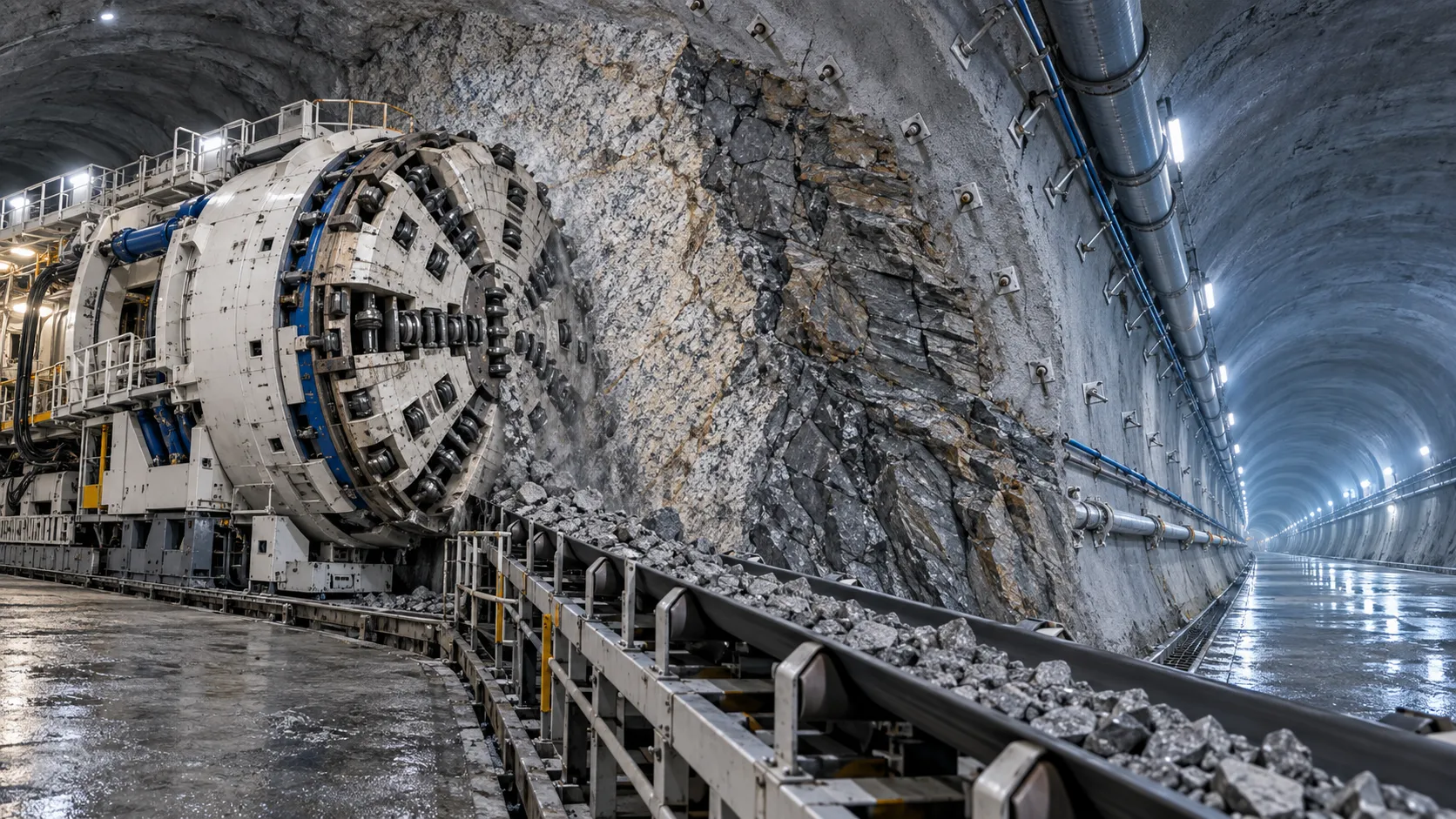
Hydropower Tunnel Excavation: Selecting Methods for Variable Rock Conditions
Hydropower tunnel excavation methods for variable rock conditions: compare TBM, drill-and-blast, and hybrid strategies to improve safety, progress, and project control.
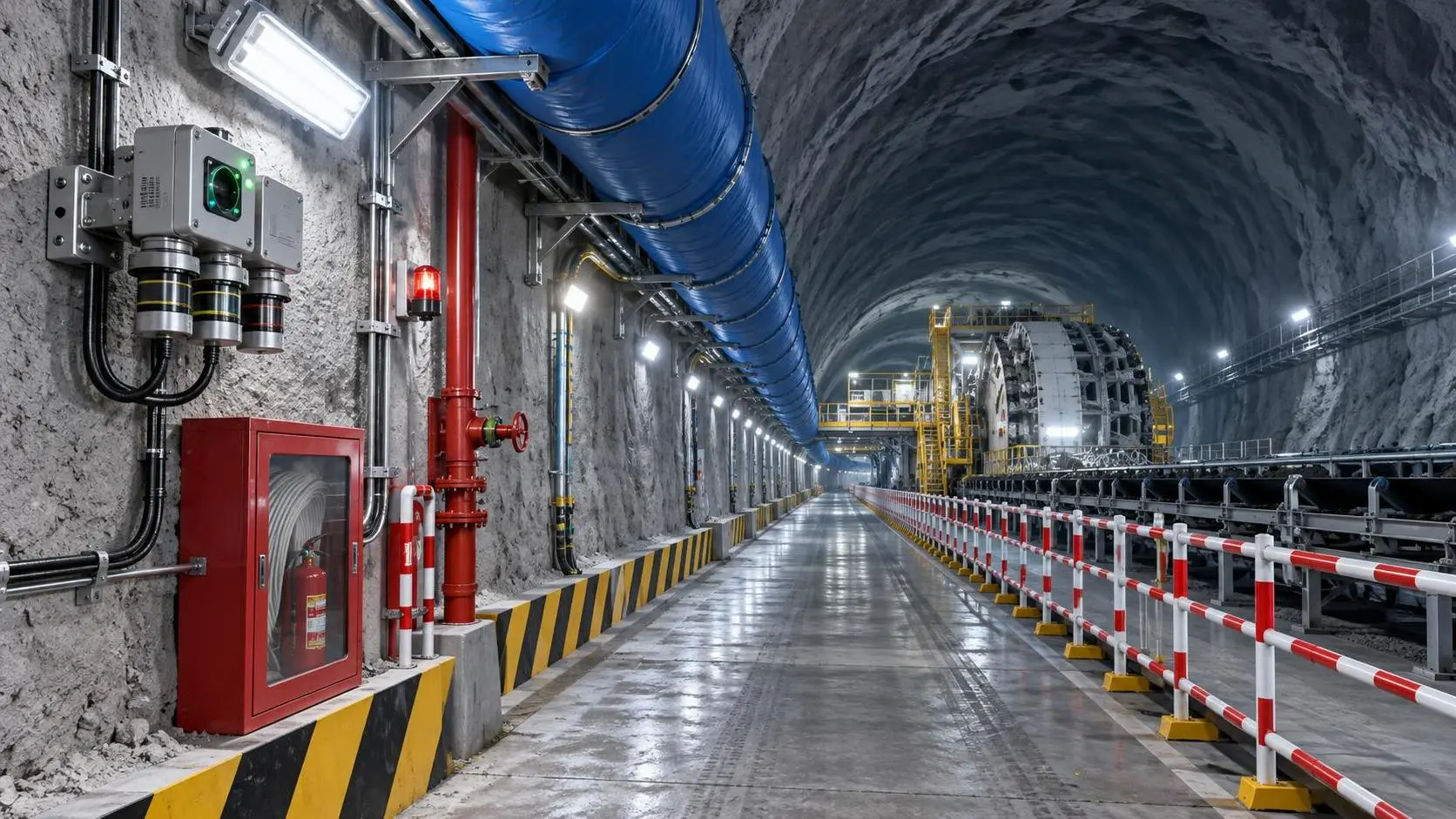
How to Select Underground Safety Equipment for Tunnelling by Hazard and Work Zone
Underground Safety Equipment for tunnelling: match protection to hazards, work zones, compliance, and emergency needs with this practical selection guide.
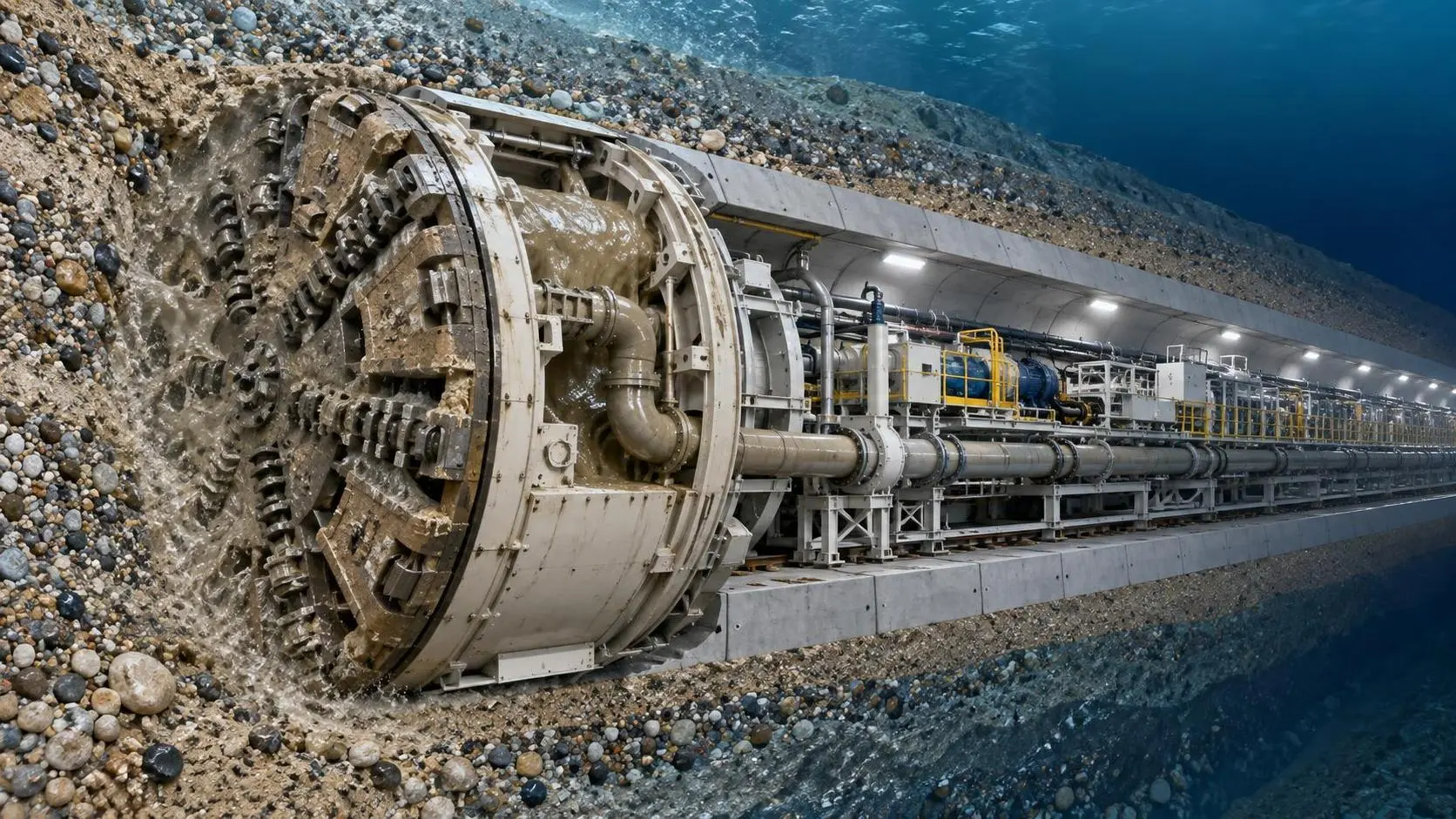
EPB or Slurry Shield? Selecting Soft-Ground Tunnelling Equipment by Soil Conditions
Tunnel Excavation Equipment for soft ground: compare EPB and slurry shields by soil, groundwater, settlement risk, and project logistics to choose confidently.
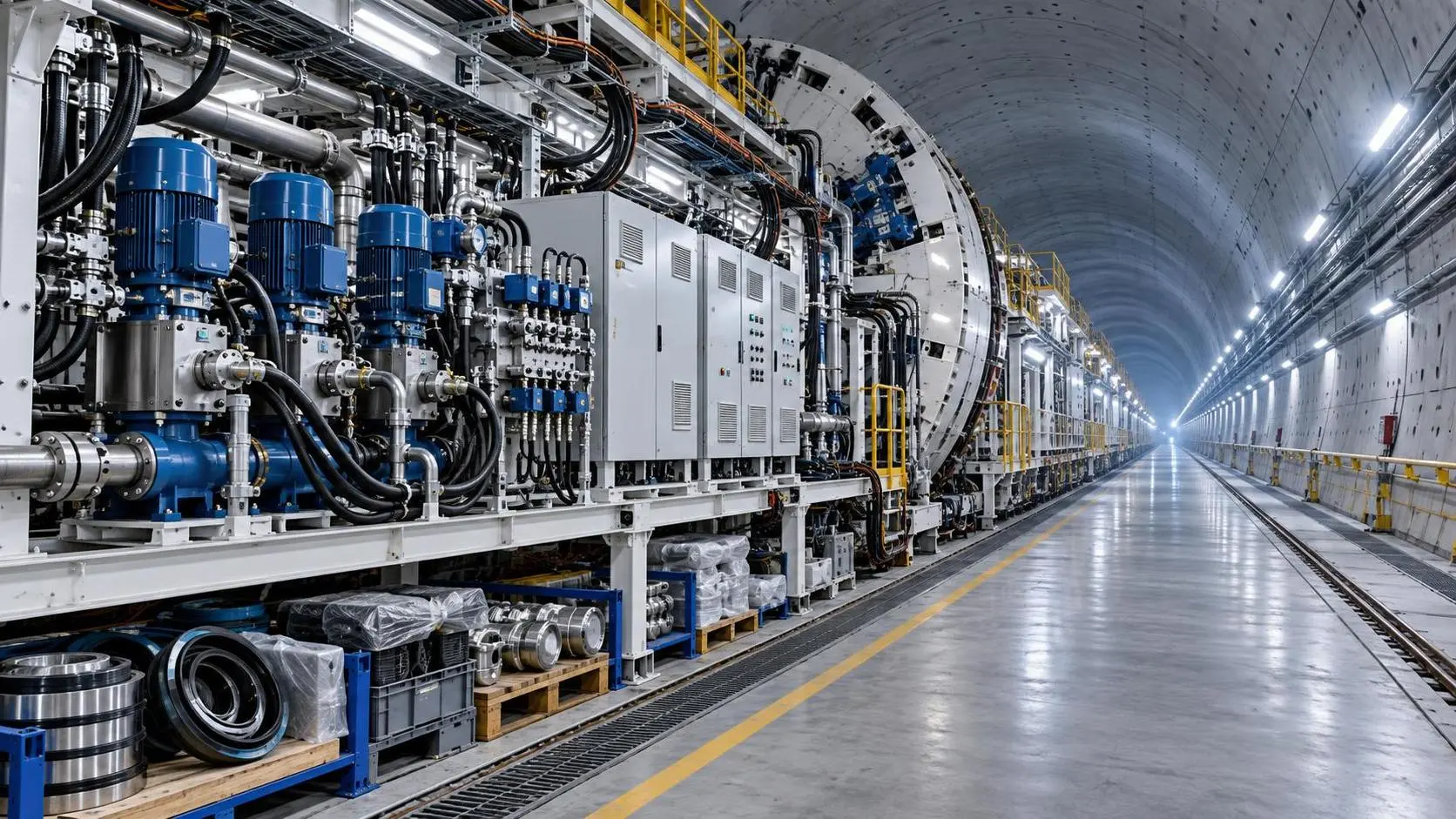
How to Specify TBM Backup System Parts for Reliable Long-Distance Tunnelling
TBM backup system parts: learn how to specify reliable spares for long-distance tunnelling, reduce downtime, ensure compatibility, and speed underground recovery.

How to Size Open Pit Mining Trucks for Haul Distance, Grade, and Payload?
Open Pit Mining Trucks: learn how to match payload, haul distance, grade, road resistance, and loading capacity for safer, lower-cost mine operations.
Related News
- 00
0000-00
How to Evaluate European Drill-and-Blast Tunnelling Contractors for Complex Projects - 00
0000-00
Which Trenchless Construction Technique Fits Your Utility Crossing Conditions? - 00
0000-00
What Is Driving Metro Tunnelling Demand Across Southeast Asia’s Major Cities? - 00
0000-00
Hard Rock Tunnelling in Australia: Selecting Methods for Variable Ground Conditions - 00
0000-00
Hydropower Tunnel Excavation: Selecting Methods for Variable Rock Conditions
Weekly Insights
Stay ahead with our curated technology reports delivered every Monday.