
EU Revises EMC Rules for Underground Equipment





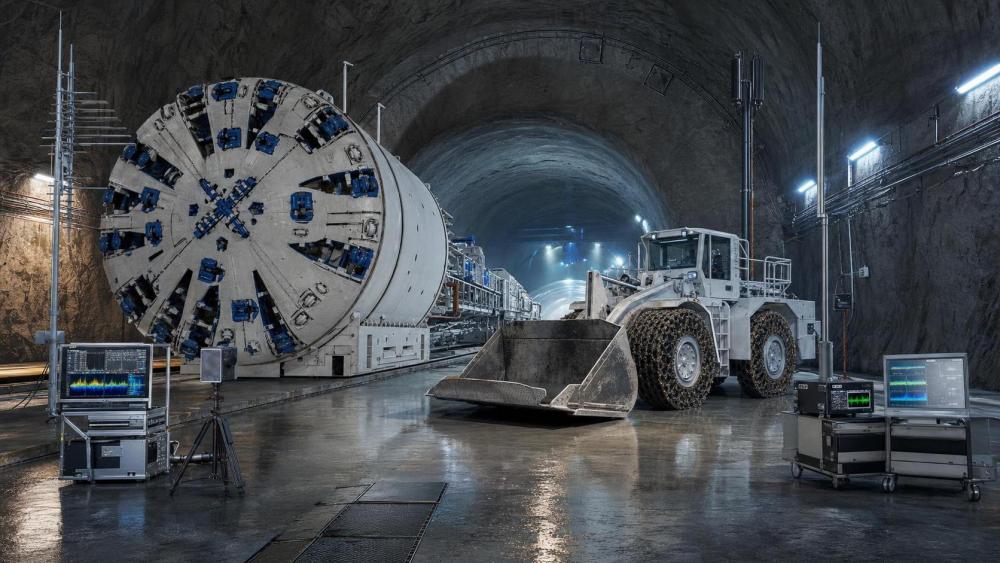
On July 16, 2026, the European Commission issued Regulation (EU) 2026/1289 revising the EMC framework under Directive 2014/30/EU for certain underground equipment, with mandatory application from October 2026. The change matters because it introduces more specific compliance conditions for selected mining and tunnelling machines and directly affects CE pathways, type certification timing, export preparation, and technical documentation for manufacturers and suppliers serving the EU market.
What the regulation changes
The confirmed change is that Regulation (EU) 2026/1289, released by the European Commission on July 16, 2026, revises Directive 2014/30/EU on electromagnetic compatibility. The revision adds dedicated EMC test scenarios and immunity threshold requirements for full-face TBMs, battery-powered LHDs, and autonomous mining trucks. It also expressly requires verification of real-time communication stability under high humidity, strong magnetic fields, and metal-surrounded rock environments. According to the provided information, this revision directly affects the CE compliance route and type certification cycle for Chinese manufacturers exporting Hard Rock TBMs, Autonomous LHDs, and EV/Hydrogen Mining Trucks to the EU.
Where the immediate pressure is likely to appear
Export-facing equipment makers
From an industry perspective, manufacturers that ship the covered equipment to the EU are the first group likely to feel the change because EMC compliance is tied to market access and CE-related conformity work. The main impact is likely to appear in product testing preparation, technical file review, type certification scheduling, and export delivery planning. What deserves closer attention is whether existing test plans, product configurations, and communication system validation materials are sufficient under the revised scenarios and thresholds described in the new rule.
Certification and testing workflows
Certification-related service providers and internal compliance teams may also be affected because the revision introduces equipment-specific testing conditions rather than leaving EMC assessment at a more general level. The practical effect may emerge in test scope definition, report preparation, conformity evidence collection, and review of whether real-time communication performance has been adequately demonstrated in the specified underground conditions. Companies relying on external laboratories or certification support will need to pay attention to document consistency and timing across the approval process.
Procurement and delivery coordination
Procurement teams, project contractors, and downstream buyers may need to pay closer attention where equipment orders are linked to EU delivery commitments. Analysis shows that any change to the CE compliance route or type certification cycle can influence bid documentation, purchase specifications, acceptance conditions, and shipment timing. For market participants handling cross-border projects, the issue is not only technical compliance but also whether delivery schedules and contract documents reflect the revised EMC expectations for the affected product categories.
What companies should review now
Check whether current compliance files match the revised scope
Analysis shows that companies involved in Hard Rock TBMs, Autonomous LHDs, and EV/Hydrogen Mining Trucks should first review whether their present EMC compliance materials align with the revised product scope and the newly added testing scenarios. This is especially relevant where technical files or prior certification planning were built around more general EMC assumptions.
Reassess communication-related validation evidence
What deserves closer attention is the explicit requirement to verify real-time communication stability under high humidity, strong magnetic fields, and metal-surrounded rock conditions. Companies should therefore pay attention to whether their existing test evidence, engineering descriptions, and supporting reports clearly address those operating environments, rather than assuming that standard documentation will automatically remain sufficient.
Watch the impact on certification timing and delivery planning
Observably, the revision should also be read as a timing issue for export execution. Since the provided information states that the CE compliance path and type certification cycle will be affected, exporters, procurement teams, and project managers should closely monitor whether compliance review, testing arrangements, and delivery commitments need adjustment. At this stage, the available information does not provide detailed execution timelines beyond the mandatory application point, so this remains an area to track rather than a settled operational outcome.
Follow changes in tender and specification language
It is more appropriate to understand this as a rule change that may later flow into technical bid alignment, procurement specifications, and acceptance documents. Companies bidding into EU-facing projects should therefore monitor whether references to EMC verification, communication stability, or underground operating-condition testing begin to appear more explicitly in tender files and commercial negotiations.
Why this should be read as an execution signal
Observably, this development is more than a general policy statement because it identifies covered equipment types and adds concrete testing scenarios and immunity thresholds within the EMC regime. At the same time, it would be premature to treat every practical consequence as fully settled on the basis of the current input alone. It is more appropriate to understand this as a clear execution signal: the rule direction has been formalized, but market participants still need to watch how certification interpretation, documentation expectations, and procurement-side implementation develop in practice.
How to read the market significance
The key significance of this update lies in the fact that EMC compliance for certain underground machines is becoming more condition-specific and more closely tied to communication reliability in difficult operating environments. From an industry perspective, the change should be read neither as a routine headline nor as a basis for broad claims about market outcomes. The more grounded conclusion is that affected exporters and supply-chain participants now face a more defined compliance expectation, while the detailed pace of implementation and market response still warrants continued observation.
Basis of this article and what still needs verification
This article is based on the user-provided news title, event date, and event summary. For developments of this kind, relevant source types usually include official notices, releases from regulatory authorities, trade or customs authority information, industry association updates, standards-related documents, and reporting by established professional media. The specific official source link was not provided in the input, so it still needs to be verified on an ongoing basis. Further attention should remain on detailed implementation language, certification interpretation, changes in tender documents, industry feedback, and how affected companies adjust their compliance and delivery arrangements.
Related News
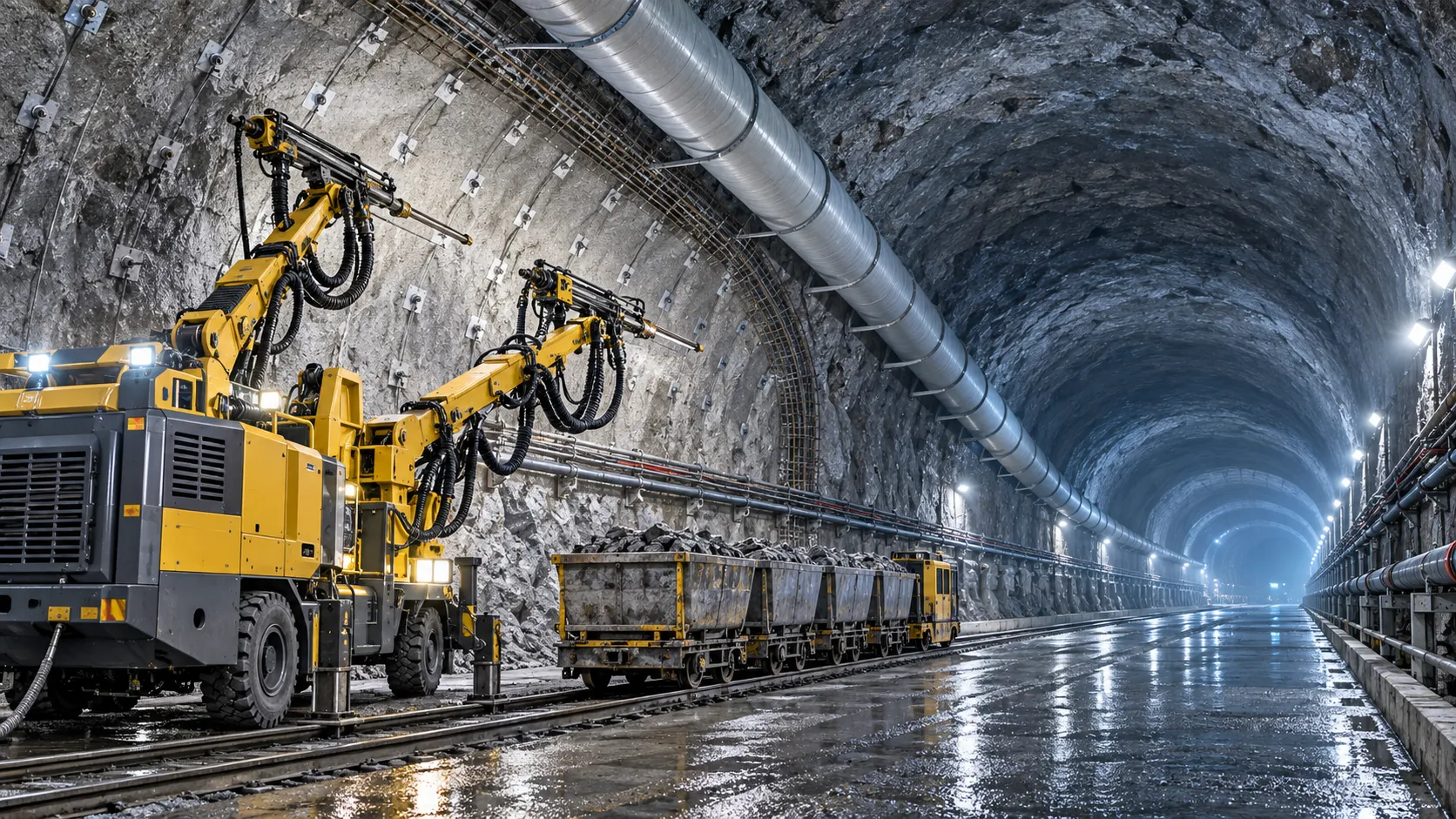
How to Evaluate European Drill-and-Blast Tunnelling Contractors for Complex Projects
Drill and blast tunnelling contractors Europe: learn how to assess geology expertise, blast control, equipment reliability, safety, and programme resilience for complex projects.
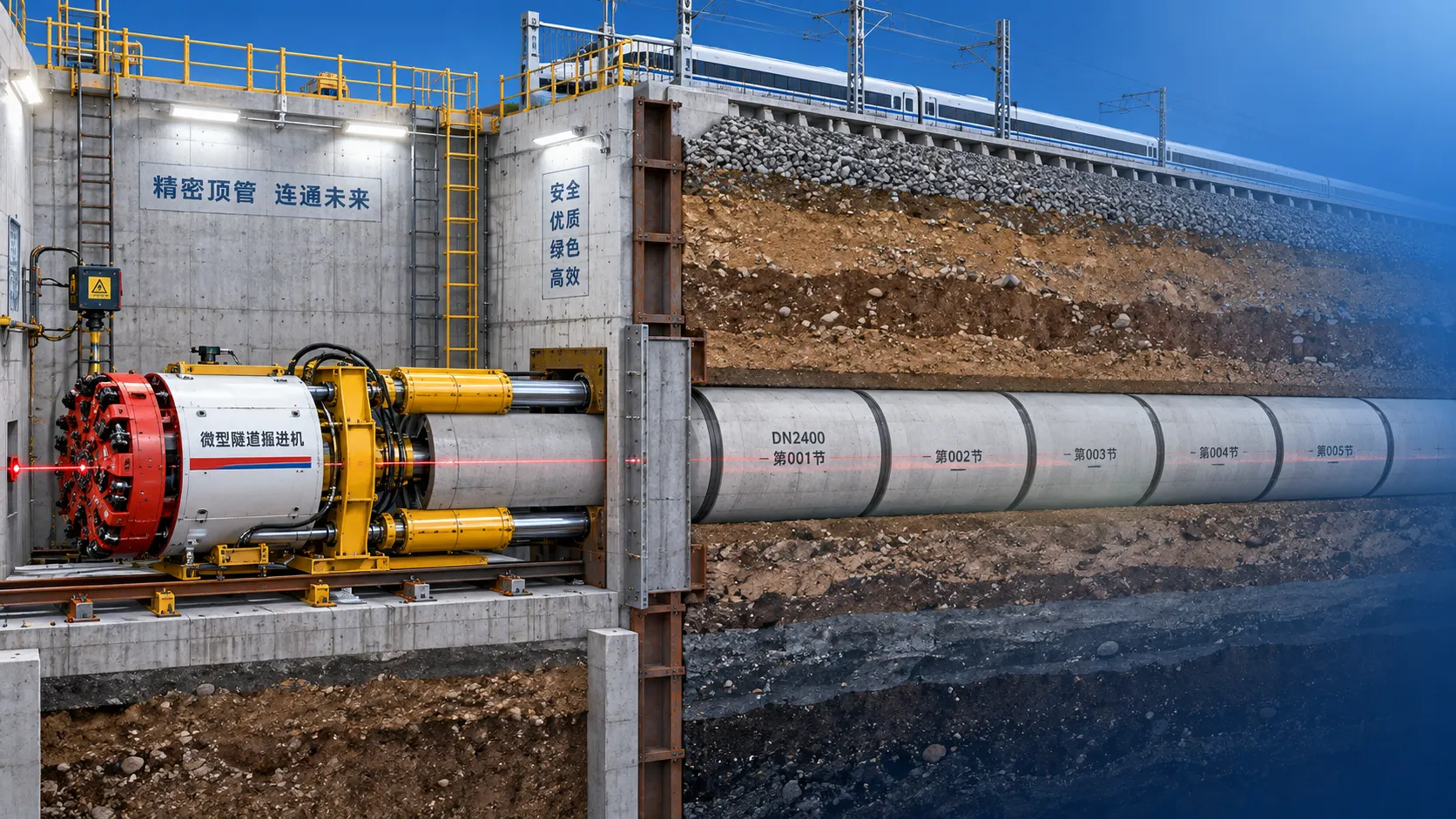
Which Trenchless Construction Technique Fits Your Utility Crossing Conditions?
Trenchless construction techniques compared for utility crossings: choose HDD, microtunnelling, pipe jacking, or auger boring based on ground, accuracy, access, and risk.
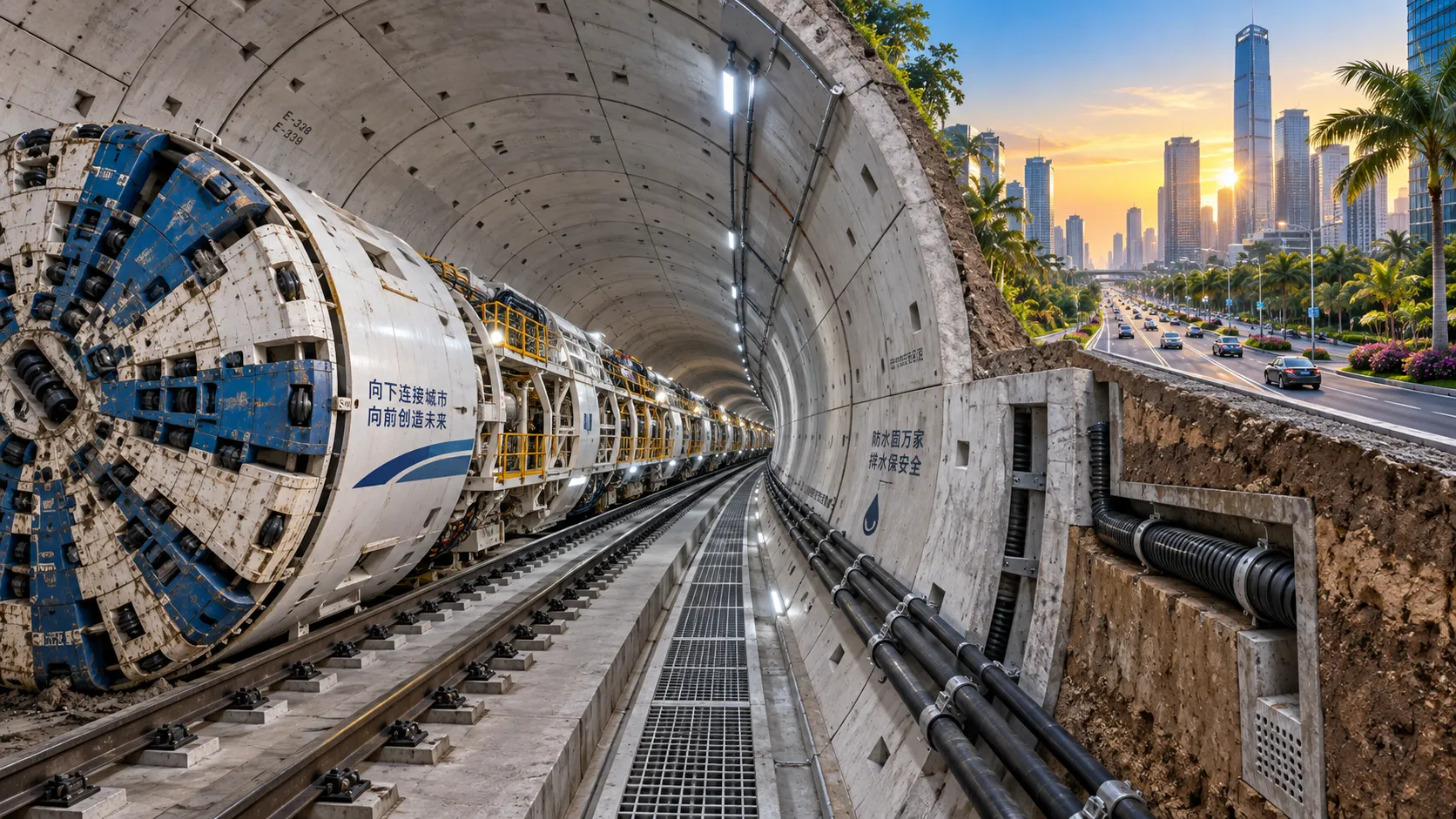
What Is Driving Metro Tunnelling Demand Across Southeast Asia’s Major Cities?
Metro tunnelling Southeast Asia is accelerating as major cities tackle congestion, flooding, and connectivity. Explore the market forces, technical risks, and opportunities shaping demand.
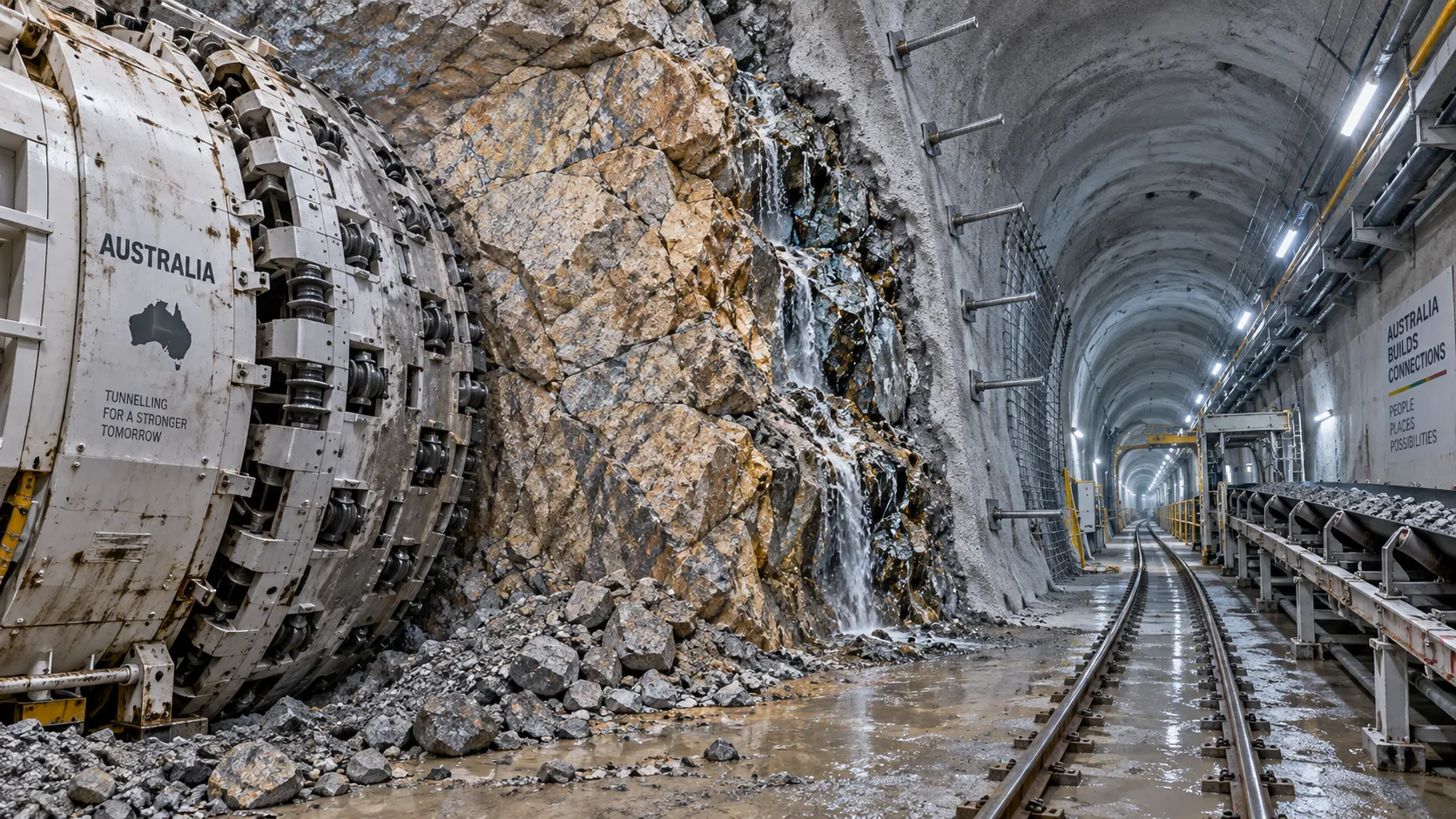
Hard Rock Tunnelling in Australia: Selecting Methods for Variable Ground Conditions
Hard rock tunnelling in Australia: compare TBM, drill-and-blast and hybrid methods to manage variable ground, reduce risk and protect project costs.
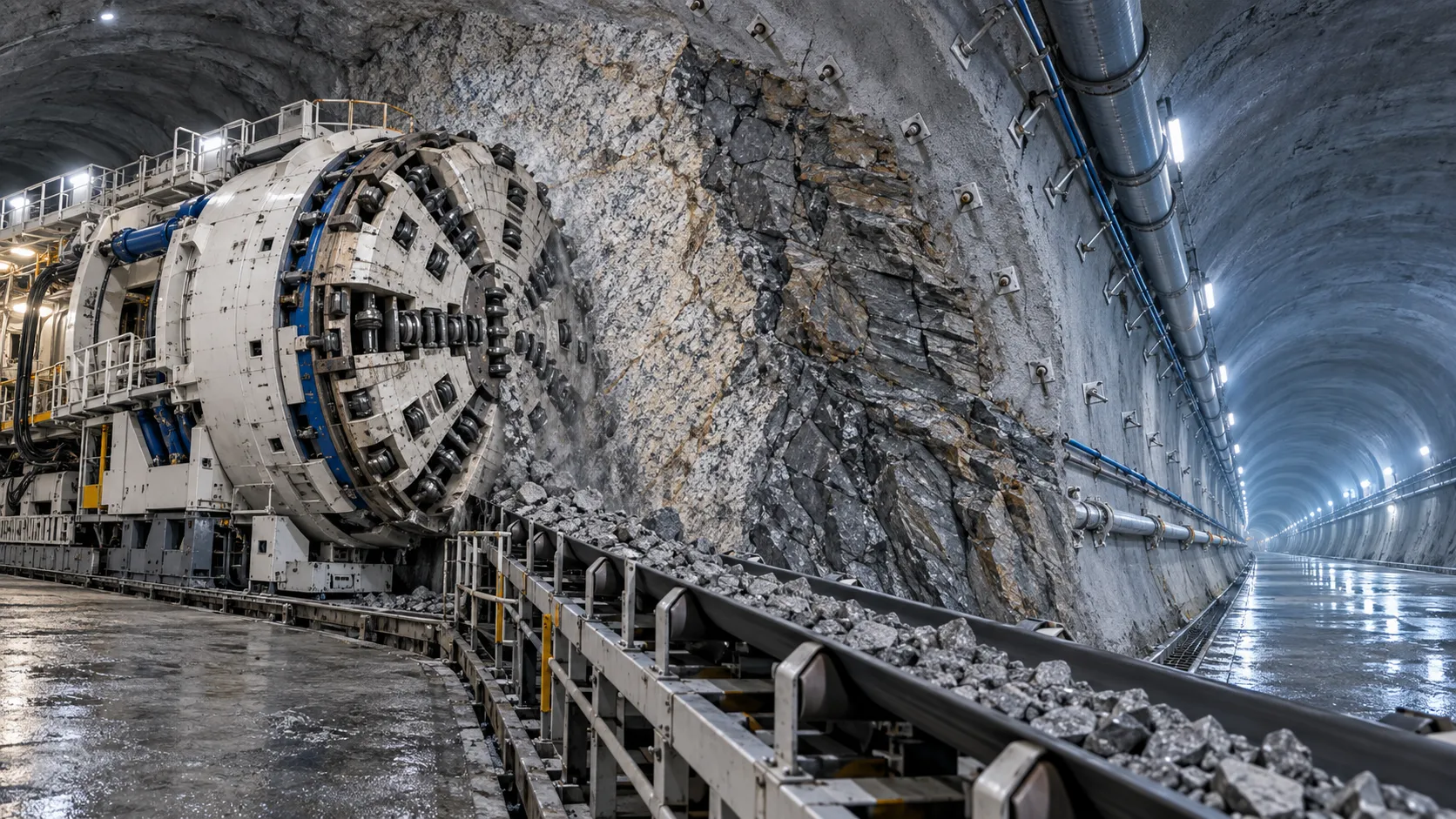
Hydropower Tunnel Excavation: Selecting Methods for Variable Rock Conditions
Hydropower tunnel excavation methods for variable rock conditions: compare TBM, drill-and-blast, and hybrid strategies to improve safety, progress, and project control.
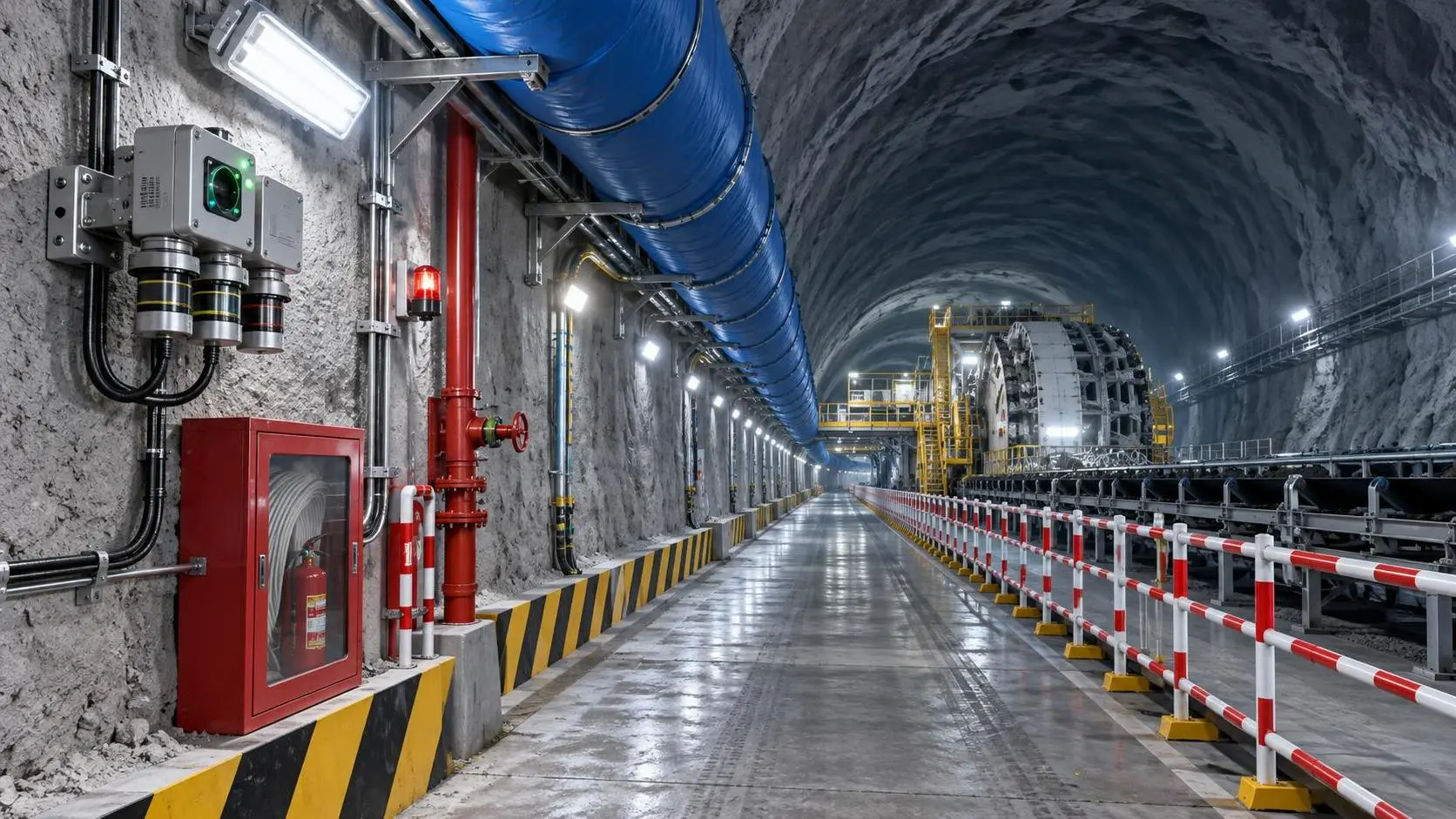
How to Select Underground Safety Equipment for Tunnelling by Hazard and Work Zone
Underground Safety Equipment for tunnelling: match protection to hazards, work zones, compliance, and emergency needs with this practical selection guide.

EPB or Slurry Shield? Selecting Soft-Ground Tunnelling Equipment by Soil Conditions
Tunnel Excavation Equipment for soft ground: compare EPB and slurry shields by soil, groundwater, settlement risk, and project logistics to choose confidently.
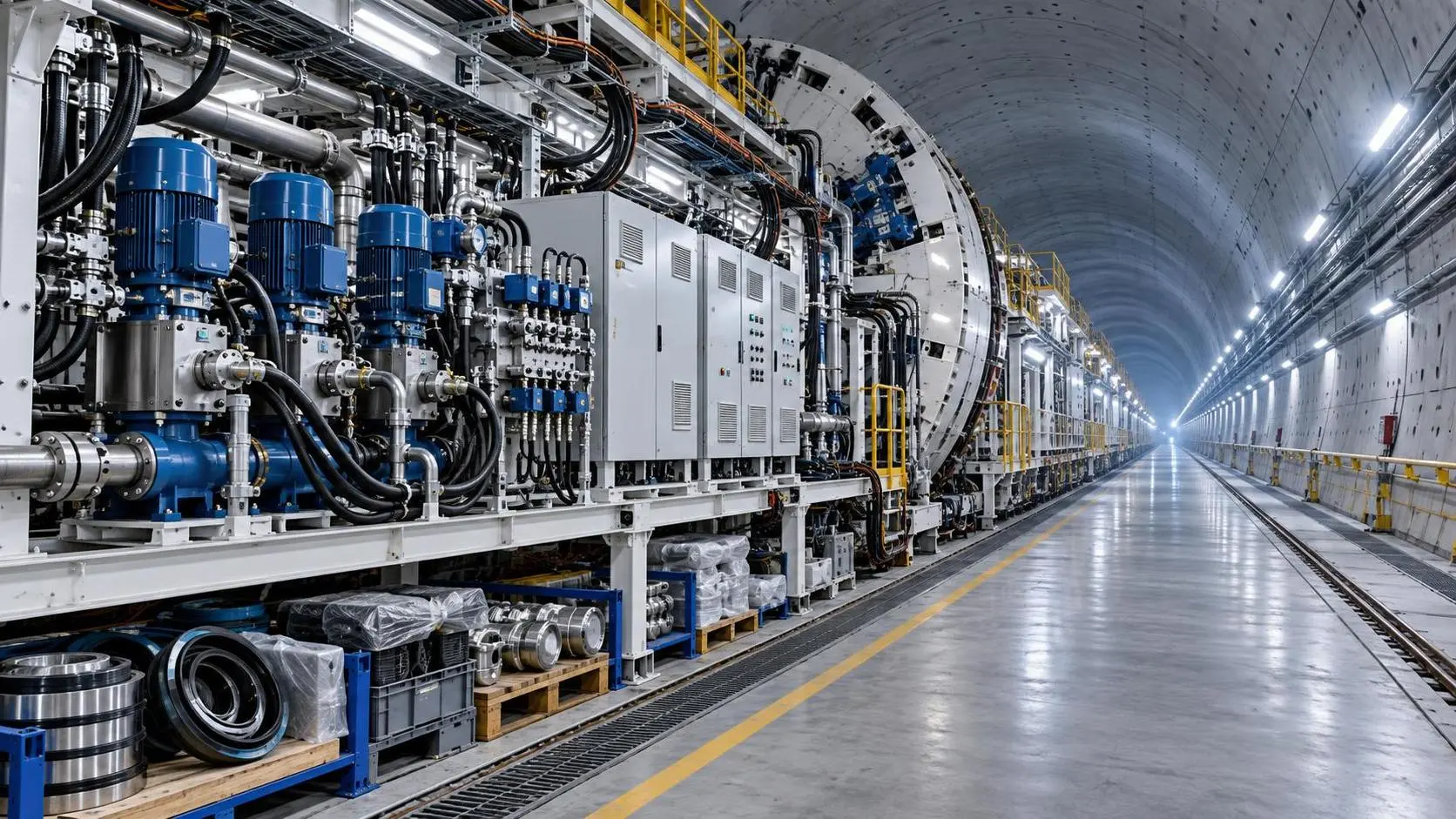
How to Specify TBM Backup System Parts for Reliable Long-Distance Tunnelling
TBM backup system parts: learn how to specify reliable spares for long-distance tunnelling, reduce downtime, ensure compatibility, and speed underground recovery.

How to Size Open Pit Mining Trucks for Haul Distance, Grade, and Payload?
Open Pit Mining Trucks: learn how to match payload, haul distance, grade, road resistance, and loading capacity for safer, lower-cost mine operations.
Related News
- 00
0000-00
How to Evaluate European Drill-and-Blast Tunnelling Contractors for Complex Projects - 00
0000-00
Which Trenchless Construction Technique Fits Your Utility Crossing Conditions? - 00
0000-00
What Is Driving Metro Tunnelling Demand Across Southeast Asia’s Major Cities? - 00
0000-00
Hard Rock Tunnelling in Australia: Selecting Methods for Variable Ground Conditions - 00
0000-00
Hydropower Tunnel Excavation: Selecting Methods for Variable Rock Conditions
Weekly Insights
Stay ahead with our curated technology reports delivered every Monday.