
How to Choose Underground Logistics Solutions for Ore, Materials, and Crew Transport





How should Underground Logistics Solutions be understood in today’s mining and tunnelling projects?
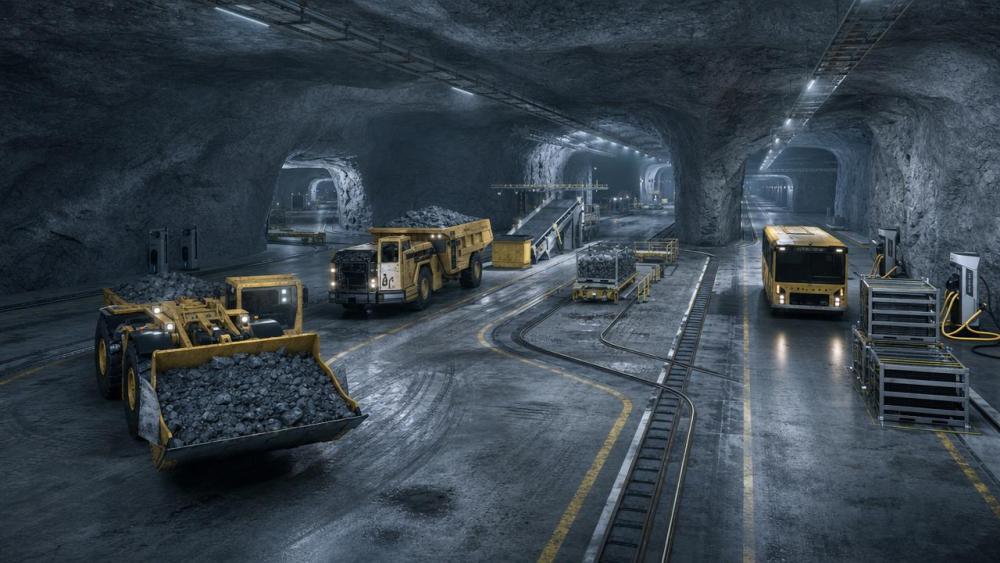
Underground Logistics Solutions are not just vehicles moving from point A to point B.
They are the full transport logic behind ore flow, material supply, crew mobility, safety response, and shift continuity underground.
That matters because haulage decisions affect ventilation demand, cycle time, battery strategy, maintenance windows, and even excavation sequencing.
In practical terms, the right Underground Logistics Solutions connect loaders, trucks, rail systems, man-riders, charging points, passing bays, and dispatch software.
The best systems are designed around the underground layout, not around a single machine specification.
This is where market intelligence becomes useful.
UTMD follows TBMs, pipe jacking systems, drilling jumbos, mining dump trucks, and underground LHD loaders as one connected ecosystem.
That wider view helps explain why transport choices now depend on more than payload alone.
Electrification, zero-emission targets, automation readiness, and rock conditions increasingly shape underground transport architecture.
A mine ramp haulage network and a tunnel construction logistics loop may look similar on paper.
In operation, however, their priorities differ.
One may focus on ore tonnage and long declines.
The other may prioritize crew access, consumables, segment delivery, and strict interaction with excavation equipment.
Which operating conditions usually decide whether a logistics setup will work well underground?
A common mistake is choosing equipment first and checking tunnel reality later.
More reliable Underground Logistics Solutions start with constraints that cannot be negotiated.
The most important ones usually include the following.
- Tunnel profile, turning radius, gradient, and floor condition.
- Ventilation limits, heat load, and diesel restrictions.
- Required throughput for ore, backfill, segments, fuel, explosives, and spare parts.
- Shift timing, crew transfer frequency, and emergency evacuation needs.
- Power availability for charging, swapping, substations, and communications.
- Digital maturity, including fleet tracking, SLAM-based positioning, and remote operation.
If gradients are long and declines are deep, braking energy recovery and battery thermal management become major selection points.
If headings are narrow and traffic is mixed, maneuverability and visibility may matter more than nominal payload.
When tunnelling is synchronized with TBM support trains, the question changes again.
Then the transport system must respect continuous excavation rhythm, segment supply timing, and limited interference zones.
For drill-and-blast operations, the cycle is often more variable.
That usually increases the value of flexible Underground Logistics Solutions that tolerate changing headings and uneven dispatch patterns.
What is the best way to match Underground Logistics Solutions to ore, materials, and crew transport?
The answer usually starts by separating the transport mission.
Ore haulage, material delivery, and crew movement have different risk profiles and service expectations.
Trying to solve all three with one platform often creates bottlenecks.
A simple comparison helps clarify the decision.
Ore systems need flow stability.
Material systems need flexibility and accurate scheduling.
Crew systems need predictable safety margins and reliable availability.
In many modern operations, the strongest Underground Logistics Solutions are hybrid by design.
For example, battery LHDs may feed ore to transfer points, while separate carriers handle explosives, maintenance kits, and personnel access.
That separation improves control and reduces interaction risk in tight headings.
Diesel, electric, battery swapping, or automation: where do the real differences show up?
The real difference is not only emissions.
It is the way each option changes the underground system around it.
Diesel fleets can still make sense in temporary or remote development stages.
They usually require less charging infrastructure, but they increase ventilation burden, heat, and service exposure.
Battery-electric Underground Logistics Solutions reduce exhaust and often improve operator conditions in confined spaces.
Still, they demand realistic planning for charging windows, battery swaps, and electrical distribution underground.
Battery swapping is attractive when duty cycles are intense and downtime is expensive.
Yet it only works well when swap stations, lifting procedures, and spare battery inventory are planned properly.
Automation adds another layer.
Autonomous or remotely supervised haulage can improve consistency, especially on repeatable routes.
However, automation depends on communication stability, localization quality, and clean traffic rules.
UTMD’s industry lens is useful here because it connects zero-emission equipment, smart transport, and digital mine infrastructure rather than treating them separately.
That broader perspective helps explain why a vehicle upgrade alone rarely delivers full value.
The surrounding logistics framework has to evolve with it.
What are the most common mistakes when selecting Underground Logistics Solutions?
Some mistakes are surprisingly consistent across mines and tunnelling sites.
They usually appear when design teams focus on unit performance instead of system behavior.
- Overestimating payload value without checking passing bay frequency or loader queue time.
- Underestimating the ventilation savings required to justify electric conversion.
- Using one transport route for ore, explosives, and crew without robust traffic separation.
- Ignoring floor maintenance, drainage, and turning area wear.
- Buying automation-ready equipment before communications and positioning systems are reliable.
- Treating charging infrastructure as an afterthought.
Another frequent problem is copying a haulage model from another site.
Rock mechanics, tunnel dimensions, and development sequence can change the answer completely.
That is especially true when one project uses TBM logistics trains while another depends on mobile carriers around drill-and-blast headings.
The stronger approach is to test Underground Logistics Solutions against actual route maps, cycle simulations, and ventilation scenarios.
If the transport model cannot survive those checks, brochure figures will not rescue it underground.
How can value be judged beyond upfront cost?
Upfront price matters, but underground transport decisions are rarely won or lost there.
The better question is how the chosen Underground Logistics Solutions affect total operating performance over time.
Useful evaluation points include:
- Tons moved or crew trips completed per shift.
- Delay minutes caused by charging, congestion, or maintenance.
- Ventilation energy saved after reducing diesel usage.
- Availability of spare parts and service access underground.
- Impact on heading utilization and excavation continuity.
- Scalability for deeper levels, longer drifts, or future automation.
In long-life projects, a more expensive option may still be the better fit if it unlocks ventilation savings and smoother dispatch.
In shorter campaigns, simpler Underground Logistics Solutions may be more rational.
That is why timeline matters as much as technology.
A practical next step is to build a site-specific comparison sheet.
List route geometry, target throughput, ventilation ceiling, energy supply, and automation ambition side by side.
Then compare candidate Underground Logistics Solutions against those realities, not generic claims.
Projects that do this early usually avoid costly redesign later.
The most durable decisions come from aligning transport choice with underground conditions, production logic, and future digital readiness.
For ongoing evaluation, intelligence platforms such as UTMD help track how electrification, autonomous haulage, and equipment replacement trends are reshaping the field.
That kind of insight is useful when refining standards, checking risks, and preparing the next transport upgrade.
Related News

How to Evaluate European Drill-and-Blast Tunnelling Contractors for Complex Projects
Drill and blast tunnelling contractors Europe: learn how to assess geology expertise, blast control, equipment reliability, safety, and programme resilience for complex projects.

Which Trenchless Construction Technique Fits Your Utility Crossing Conditions?
Trenchless construction techniques compared for utility crossings: choose HDD, microtunnelling, pipe jacking, or auger boring based on ground, accuracy, access, and risk.

What Is Driving Metro Tunnelling Demand Across Southeast Asia’s Major Cities?
Metro tunnelling Southeast Asia is accelerating as major cities tackle congestion, flooding, and connectivity. Explore the market forces, technical risks, and opportunities shaping demand.

Hard Rock Tunnelling in Australia: Selecting Methods for Variable Ground Conditions
Hard rock tunnelling in Australia: compare TBM, drill-and-blast and hybrid methods to manage variable ground, reduce risk and protect project costs.

Hydropower Tunnel Excavation: Selecting Methods for Variable Rock Conditions
Hydropower tunnel excavation methods for variable rock conditions: compare TBM, drill-and-blast, and hybrid strategies to improve safety, progress, and project control.

How to Select Underground Safety Equipment for Tunnelling by Hazard and Work Zone
Underground Safety Equipment for tunnelling: match protection to hazards, work zones, compliance, and emergency needs with this practical selection guide.

EPB or Slurry Shield? Selecting Soft-Ground Tunnelling Equipment by Soil Conditions
Tunnel Excavation Equipment for soft ground: compare EPB and slurry shields by soil, groundwater, settlement risk, and project logistics to choose confidently.
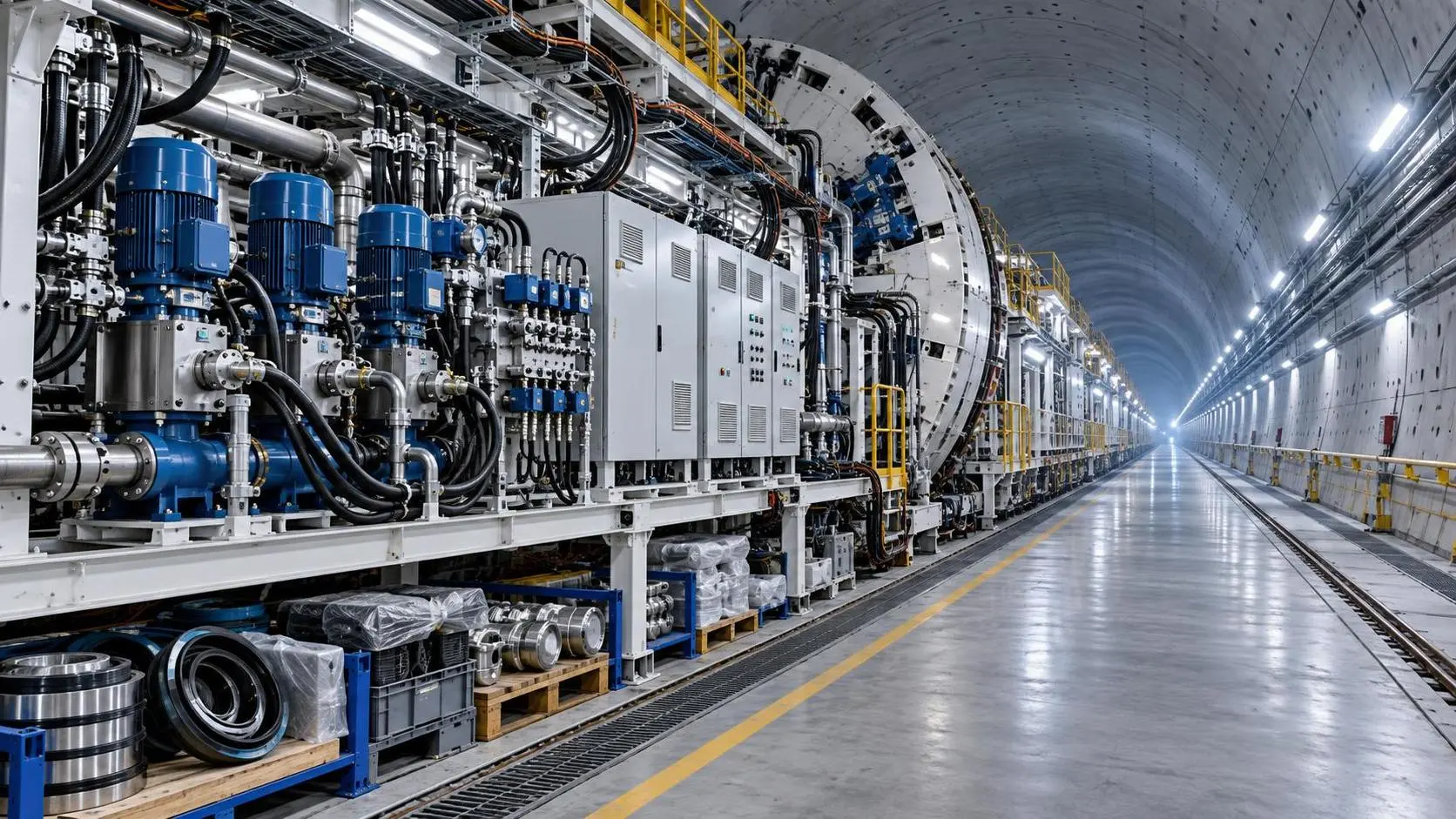
How to Specify TBM Backup System Parts for Reliable Long-Distance Tunnelling
TBM backup system parts: learn how to specify reliable spares for long-distance tunnelling, reduce downtime, ensure compatibility, and speed underground recovery.
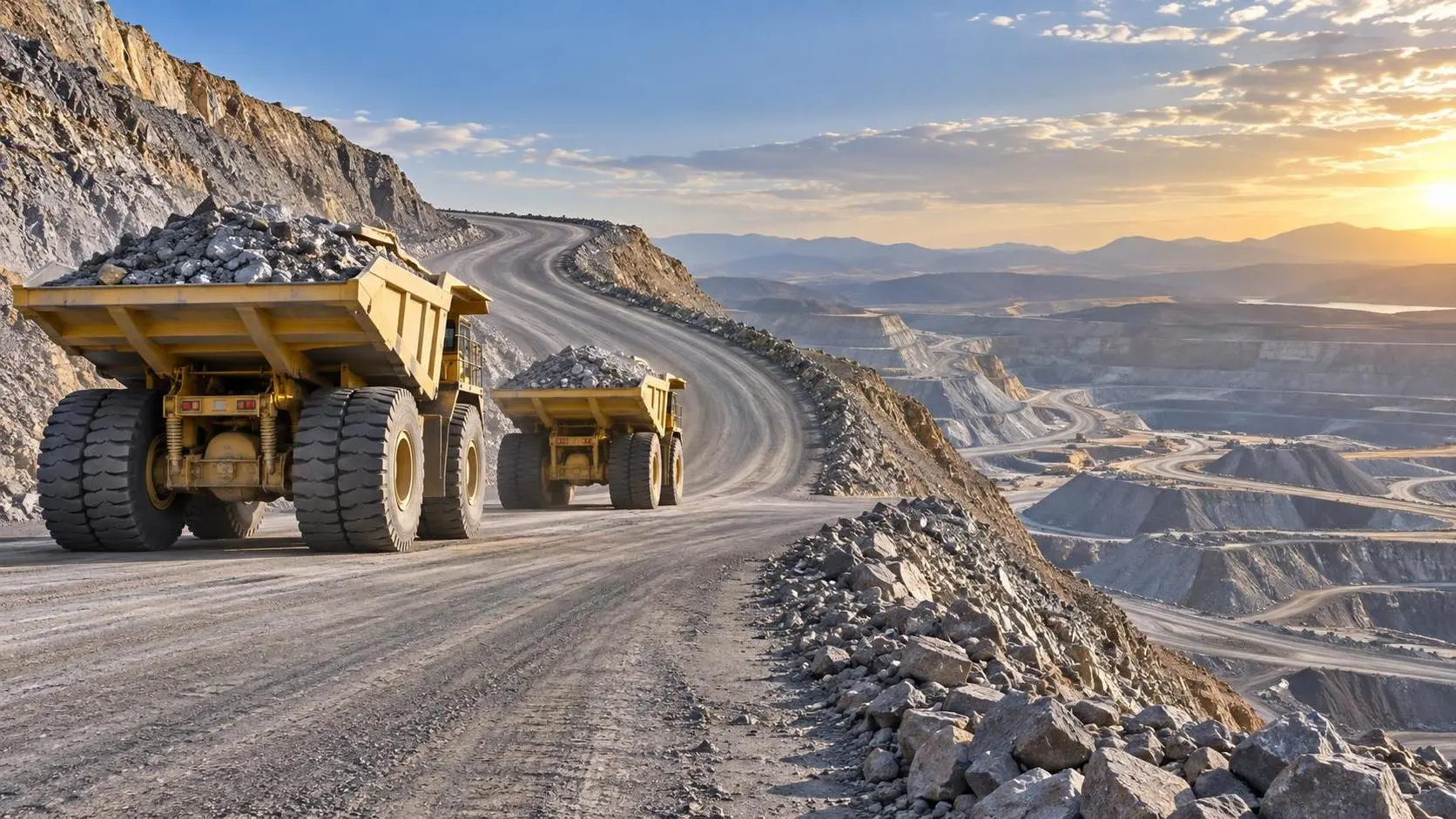
How to Size Open Pit Mining Trucks for Haul Distance, Grade, and Payload?
Open Pit Mining Trucks: learn how to match payload, haul distance, grade, road resistance, and loading capacity for safer, lower-cost mine operations.
Related News
- 00
0000-00
How to Evaluate European Drill-and-Blast Tunnelling Contractors for Complex Projects - 00
0000-00
Which Trenchless Construction Technique Fits Your Utility Crossing Conditions? - 00
0000-00
What Is Driving Metro Tunnelling Demand Across Southeast Asia’s Major Cities? - 00
0000-00
Hard Rock Tunnelling in Australia: Selecting Methods for Variable Ground Conditions - 00
0000-00
Hydropower Tunnel Excavation: Selecting Methods for Variable Rock Conditions
Weekly Insights
Stay ahead with our curated technology reports delivered every Monday.