
Mining Electrification: How to Compare Power Systems, Capex, and Ventilation Savings





Mining Electrification is no longer just an ESG headline. In underground mining, it directly affects operating cost, heat load, ventilation demand, asset life, and expansion timing.
That is why comparing power systems cannot stop at equipment price. A credible decision must connect capex, power delivery, fleet utilization, and ventilation savings in one practical view.
For operators following UTMD intelligence across tunnelling and smart mining transport, the pattern is clear: the best Mining Electrification choice depends on mine geometry, duty cycle, grid quality, and production targets.
Battery-electric, trolley-assisted, and hybrid systems can all work. The issue is not which one sounds most advanced. The issue is which one delivers stable tonnes, lower underground risk, and realistic payback.
Start with the operating profile before comparing Mining Electrification options
Before looking at vendors, define the mine’s real duty profile. This step sounds basic, but it prevents expensive overdesign and weak infrastructure planning later.
[Image 01: Underground mining electrification comparison chart showing battery, trolley, and hybrid systems across capex, ventilation savings, and haul profile.]
In many underground projects, the wrong comparison starts with machine specs. The better starting point is route length, grade, queue time, shift pattern, ambient temperature, and ventilation bottlenecks.
- Map each haul route by distance, gradient, stop time, and traffic delay. Mining Electrification performance changes fast when ramp length, congestion, and elevation gain are underestimated.
- Separate duty cycles by equipment class. LHDs, trucks, drills, and support vehicles create different power peaks, charging windows, and ventilation impacts across the same underground network.
- Use seasonal temperature and rock heat data early. Battery efficiency, cooling loads, and ventilation savings all shift when deep-level heat and humidity rise beyond design assumptions.
- Check whether production growth is staged or immediate. A system sized for today may fail in two years if additional headings or deeper levels are already planned.
UTMD’s coverage of underground transport shows that confined spaces punish bad assumptions quickly. A fleet that looks efficient on paper may lose value if charging queues or cable layouts interrupt ore flow.
Compare power systems by mine layout, not by marketing language
Most Mining Electrification decisions come down to three pathways: battery-electric, trolley-assisted, and hybrid. Each has a strong use case, but each also carries hidden constraints.
Battery-electric systems
Battery systems work well where ventilation is costly, haul routes are moderate, and zero-exhaust benefits improve underground conditions immediately. They are especially attractive for LHDs and smaller mobile fleets.
Still, battery Mining Electrification depends on charging strategy. Fast charging, battery swapping, and spare pack inventory can shift both capex and fleet availability more than the base machine price.
Trolley-assisted systems
Trolley systems usually fit long, repeatable ramps with high truck utilization. They can reduce onboard battery size or diesel consumption while improving uphill speed and energy efficiency.
But trolley Mining Electrification demands disciplined infrastructure planning. Power substations, line placement, maintenance access, and expansion sequencing matter as much as truck performance.
Hybrid configurations
Hybrid options often make sense during transition periods. They lower immediate infrastructure pressure and let operations test duty data before committing to a fully electrified underground network.
- Choose battery systems where ventilation savings are large and routes are predictable. The value comes from lower heat, cleaner air, and better underground working conditions.
- Choose trolley systems where trucks repeat long uphill cycles daily. The strongest economics usually appear when fixed infrastructure is spread across high annual tonne movement.
- Use hybrid fleets when mine plans are still changing. This reduces early lock-in and gives time to validate charging behavior, power quality, and actual utilization.
Treat capex as a system cost, not an equipment quote
A common Mining Electrification mistake is comparing one vehicle quote against another. Real capex sits across mobile equipment, electrical distribution, civil works, software, spares, and training.
That matters in both mining and tunnelling-adjacent environments. UTMD regularly tracks projects where machine selection looked sound, but substation upgrades or underground cable routing changed the economics completely.
- Build capex models in phases: pilot, ramp-up, and full deployment. This makes Mining Electrification easier to approve and reduces surprises from early infrastructure bottlenecks.
- Include replacement cycles for batteries, pantographs, cooling systems, and high-voltage components. Initial price alone rarely reflects the real capital profile across mine life.
- Stress-test electrical infrastructure against expansion plans. A cheap first phase can become expensive if feeders, substations, or charging rooms must be rebuilt later.
Ventilation savings are real, but only when measured correctly
Ventilation savings are one of the strongest arguments for Mining Electrification underground. Less diesel exhaust means lower airflow demand, lower heat rejection, and potentially lower refrigeration load.
Still, savings are rarely instant and never identical across mines. Existing fan networks, development rate, depth, and auxiliary ventilation practice all affect the actual result.
In deep mines, electrification can unlock more than energy savings. It can improve heading access, reduce re-entry delays, and support automation by creating cleaner sensing conditions for autonomous or remote equipment.
- Model ventilation savings at fleet level, not unit level. One electric machine helps, but meaningful reductions depend on how many diesel heat sources leave the circuit.
- Separate exhaust savings from heat savings. Battery and charging systems still create thermal loads, so airflow reductions should be based on measured underground conditions.
- Check whether saved airflow can be monetized now. Some mines gain direct fan power savings, while others mainly gain capacity for deeper development.
Two common operating scenarios worth testing early
Deep underground mine with narrow ramps and high ventilation cost
Here, battery Mining Electrification often shows strong value. Ventilation relief can be significant, especially for LHDs working near production faces and in constrained return air circuits.
The main checks are charging location, battery handling logistics, and thermal behavior at depth. If these are weak, utilization can drop even when energy costs look attractive.
Large mine with long, repeatable truck hauls on fixed ramps
This setting often favors trolley-assisted Mining Electrification. The economics improve when routes are stable, annual tonnage is high, and infrastructure can be used intensively for many years.
The key checks are ramp geometry, line uptime, maintenance access, and traffic discipline. A trolley line is valuable only when trucks can actually use it consistently.
What gets overlooked most often
The biggest risk in Mining Electrification is not usually technology failure. More often, the issue is poor integration between planning, ventilation, power engineering, and daily production reality.
- Do not assume vendor duty-cycle data matches local conditions. Gradient, operator behavior, road quality, and queue time can change energy use far more than brochure values suggest.
- Do not count full ventilation savings before diesel displacement is operationally stable. Mixed fleets often delay airflow optimization longer than business cases expect.
- Do not ignore digital readiness. Fleet telemetry, charger scheduling, and condition monitoring are essential if Mining Electrification is expected to improve productivity, not just emissions.
- Do not isolate mining transport from adjacent underground systems. Lessons from TBM, pipe jacking, and drilling equipment show that reliability always depends on whole-system coordination.
That final point matters. UTMD’s cross-sector view shows how underground electrification succeeds when mechanical, electrical, hydraulic, and automation teams plan together from the start.
A practical way to move forward
A smart Mining Electrification decision usually starts with a limited but rigorous comparison. Pick one fleet segment, model real duty cycles, and test capex against measurable ventilation and productivity outcomes.
Then compare three views side by side: technical fit, capital intensity, and operational upside. If one option looks cheapest but weakens production flexibility, it is probably not the right answer.
For underground operations navigating deeper orebodies, stricter ESG pressure, and automation goals, Mining Electrification should be treated as a mine design decision, not just a fleet purchase.
The next step is simple: validate route data, quantify ventilation interaction, and build a phased capex model. Once those three pieces are clear, the right power system usually becomes much easier to see.
Related News
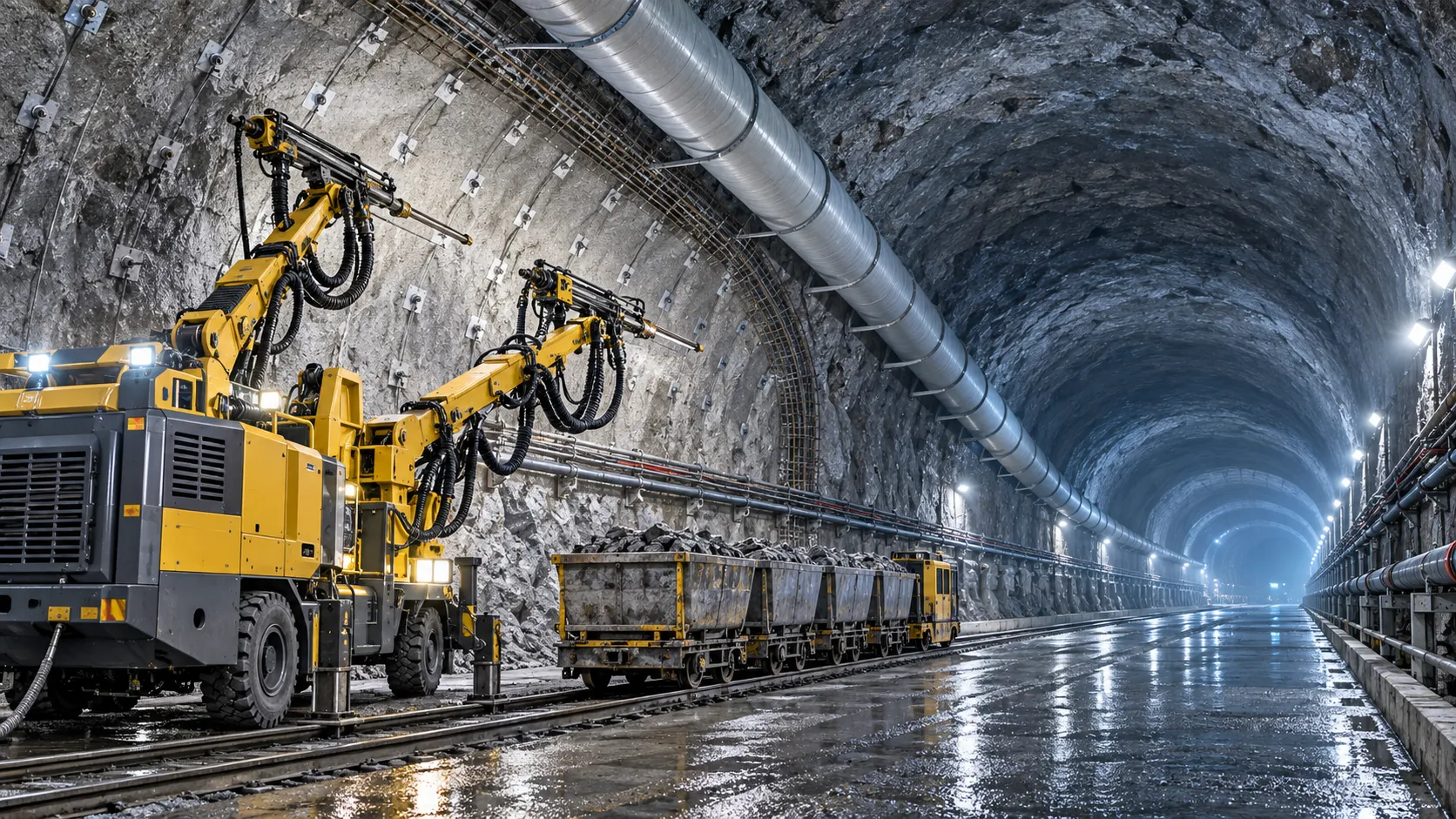
How to Evaluate European Drill-and-Blast Tunnelling Contractors for Complex Projects
Drill and blast tunnelling contractors Europe: learn how to assess geology expertise, blast control, equipment reliability, safety, and programme resilience for complex projects.
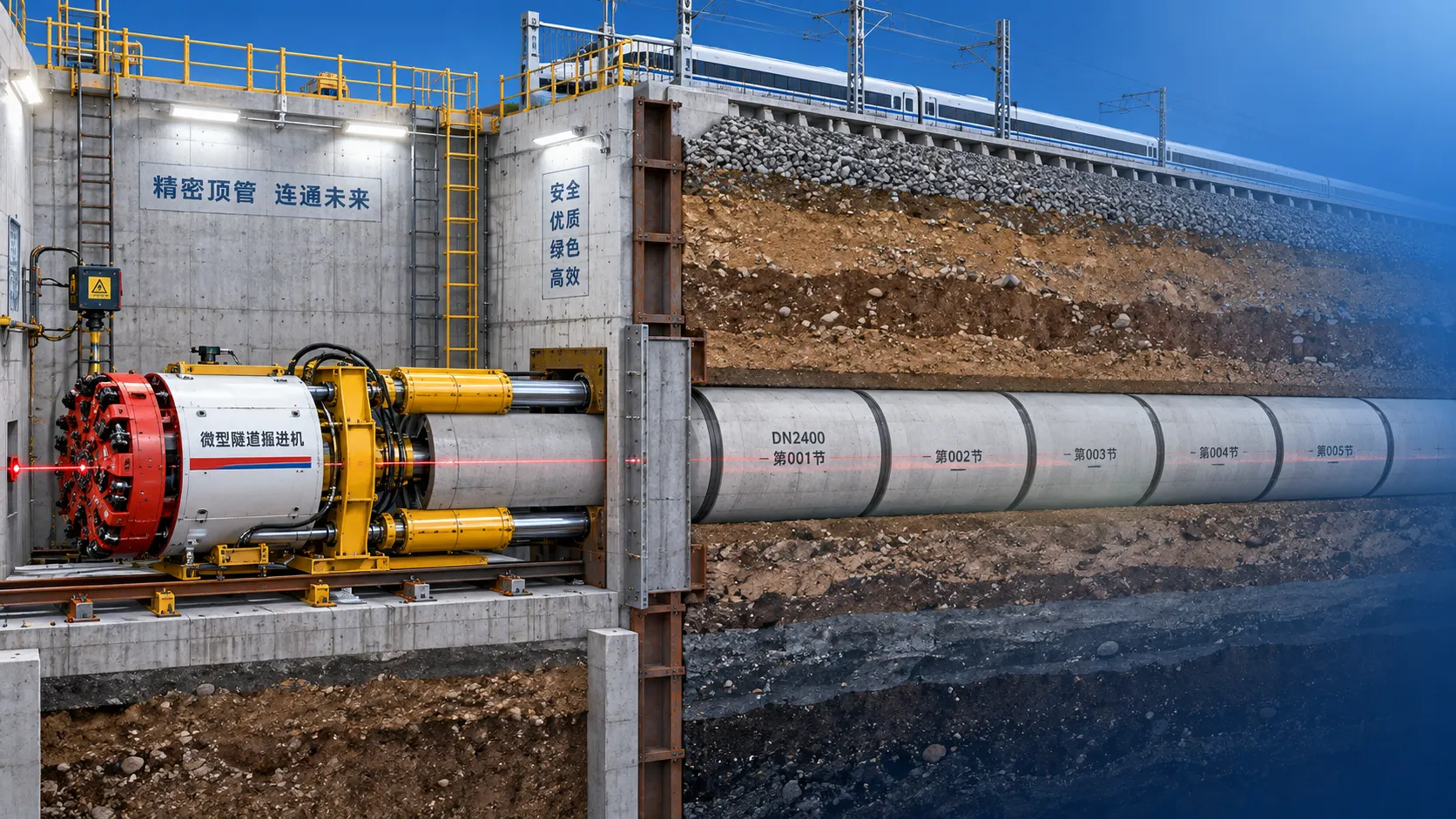
Which Trenchless Construction Technique Fits Your Utility Crossing Conditions?
Trenchless construction techniques compared for utility crossings: choose HDD, microtunnelling, pipe jacking, or auger boring based on ground, accuracy, access, and risk.
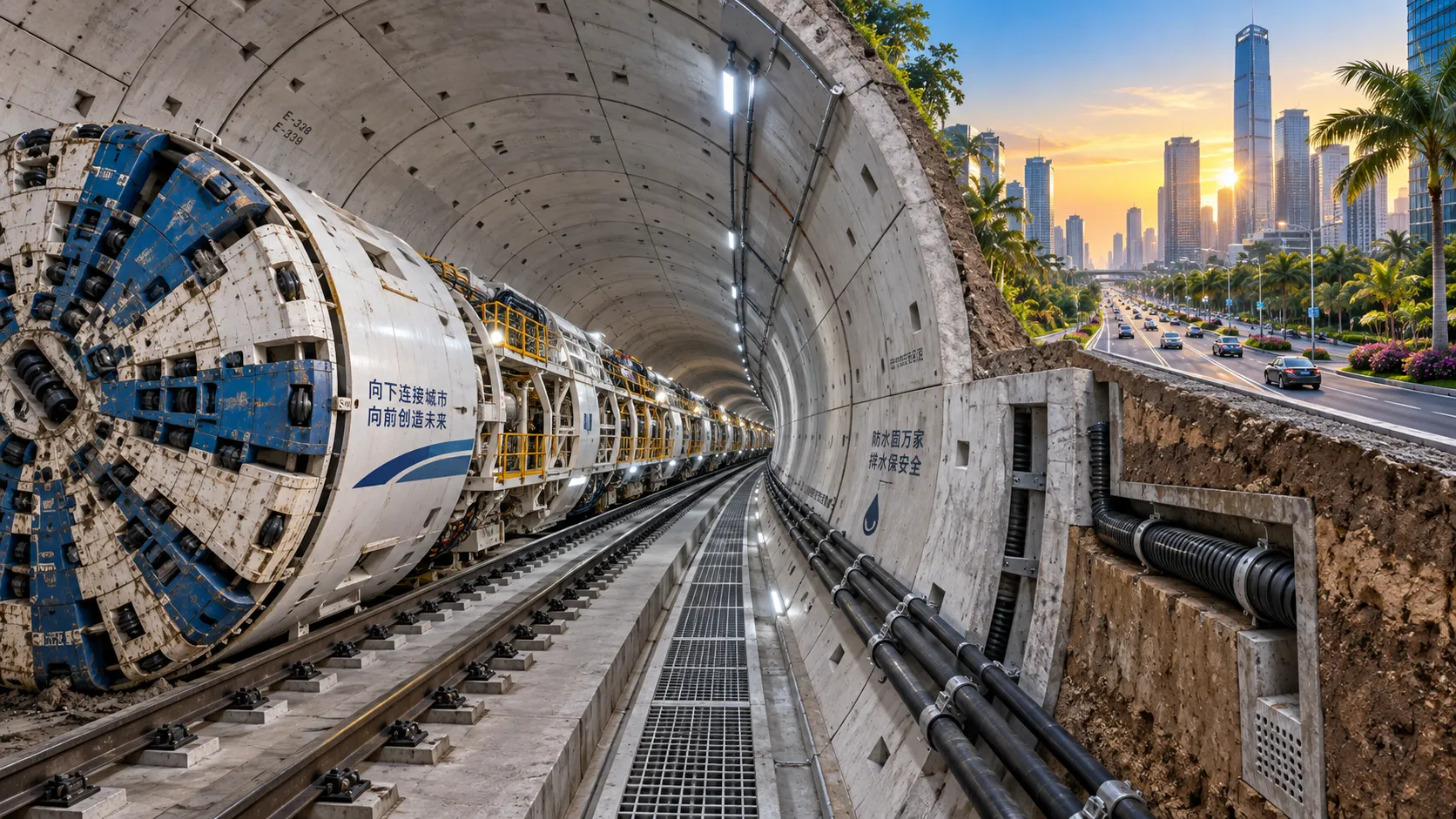
What Is Driving Metro Tunnelling Demand Across Southeast Asia’s Major Cities?
Metro tunnelling Southeast Asia is accelerating as major cities tackle congestion, flooding, and connectivity. Explore the market forces, technical risks, and opportunities shaping demand.
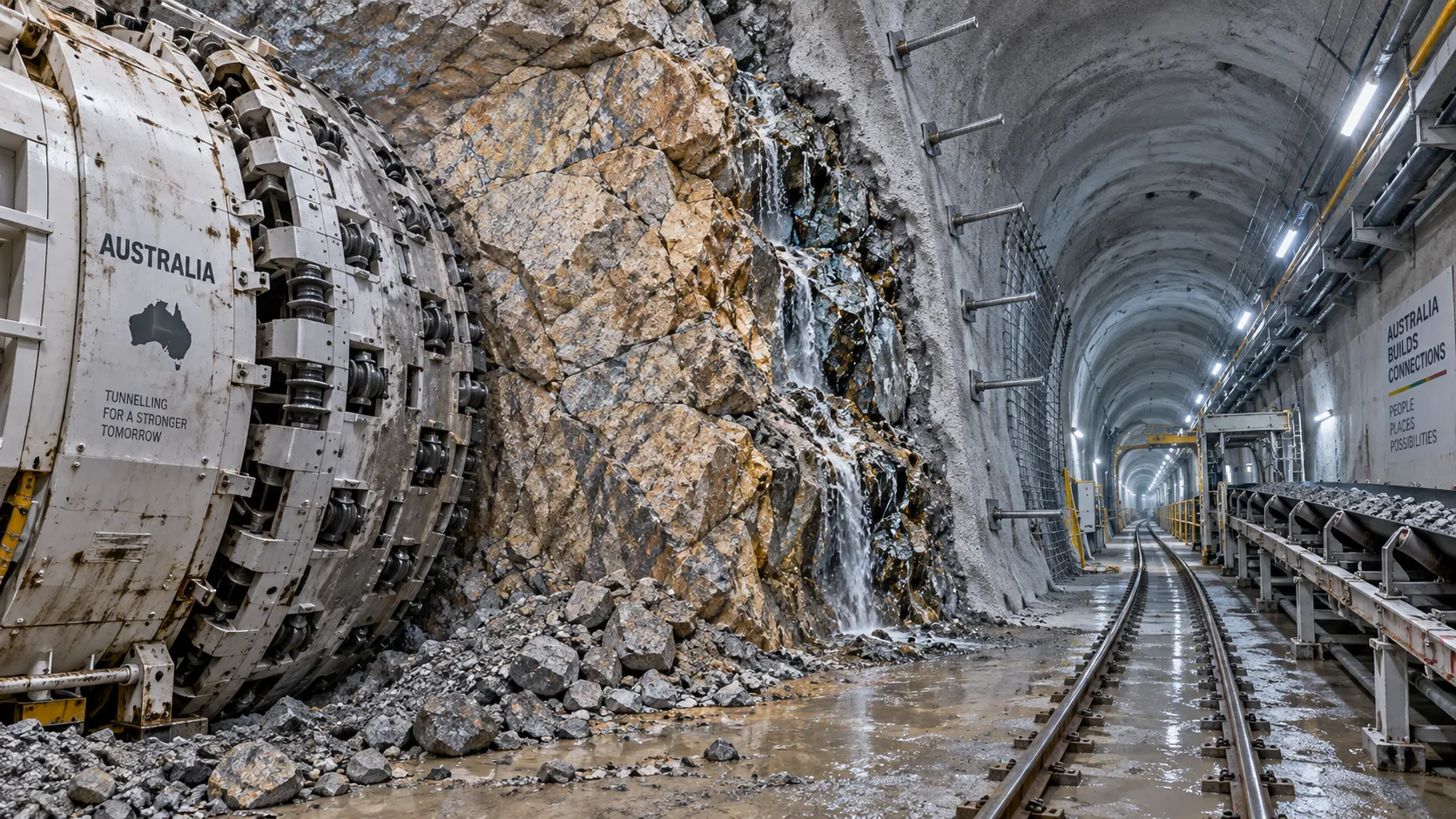
Hard Rock Tunnelling in Australia: Selecting Methods for Variable Ground Conditions
Hard rock tunnelling in Australia: compare TBM, drill-and-blast and hybrid methods to manage variable ground, reduce risk and protect project costs.
Hydropower Tunnel Excavation: Selecting Methods for Variable Rock Conditions
Hydropower tunnel excavation methods for variable rock conditions: compare TBM, drill-and-blast, and hybrid strategies to improve safety, progress, and project control.
How to Select Underground Safety Equipment for Tunnelling by Hazard and Work Zone
Underground Safety Equipment for tunnelling: match protection to hazards, work zones, compliance, and emergency needs with this practical selection guide.
EPB or Slurry Shield? Selecting Soft-Ground Tunnelling Equipment by Soil Conditions
Tunnel Excavation Equipment for soft ground: compare EPB and slurry shields by soil, groundwater, settlement risk, and project logistics to choose confidently.
How to Specify TBM Backup System Parts for Reliable Long-Distance Tunnelling
TBM backup system parts: learn how to specify reliable spares for long-distance tunnelling, reduce downtime, ensure compatibility, and speed underground recovery.
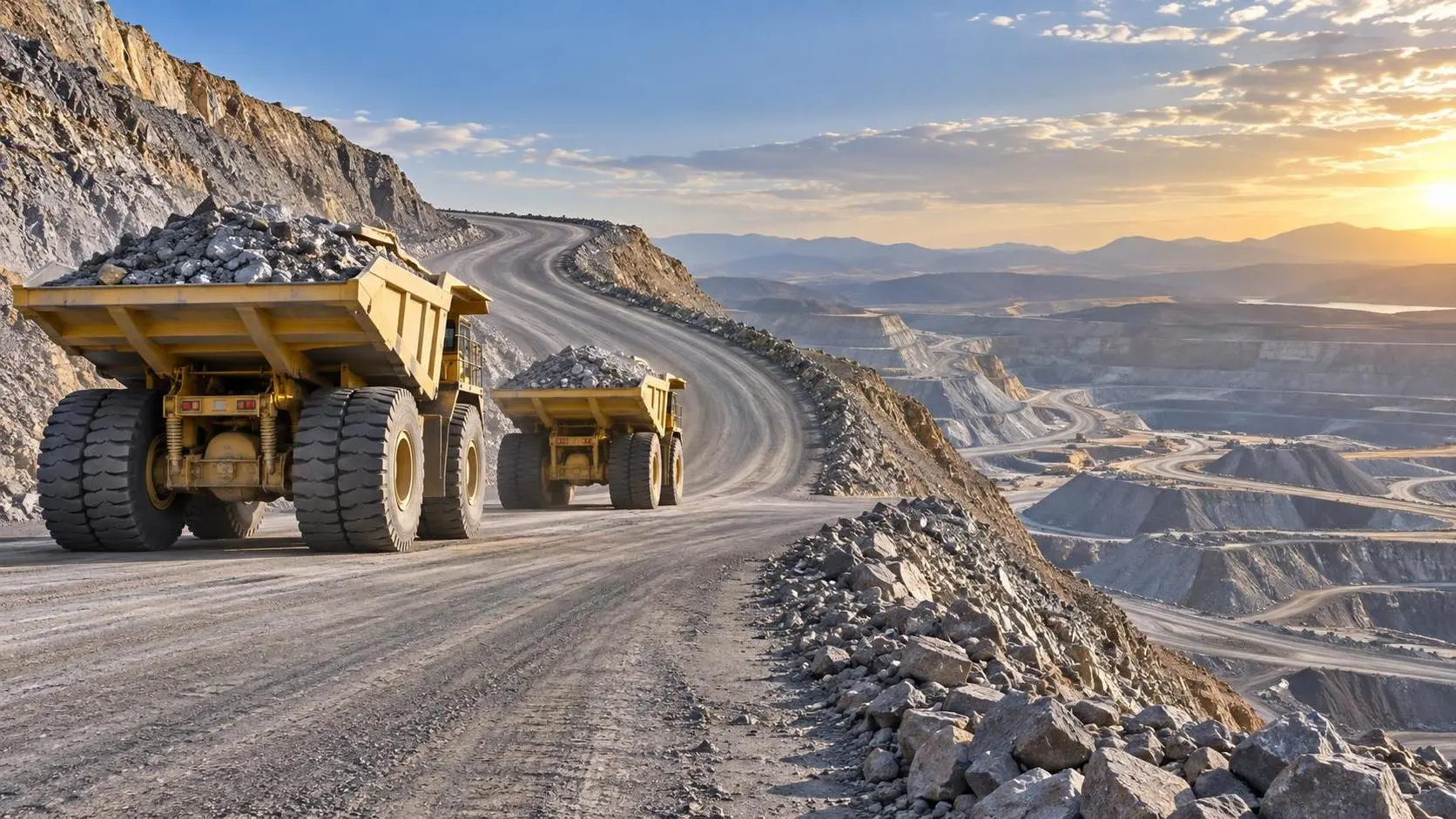
How to Size Open Pit Mining Trucks for Haul Distance, Grade, and Payload?
Open Pit Mining Trucks: learn how to match payload, haul distance, grade, road resistance, and loading capacity for safer, lower-cost mine operations.
Related News
- 00
0000-00
How to Evaluate European Drill-and-Blast Tunnelling Contractors for Complex Projects - 00
0000-00
Which Trenchless Construction Technique Fits Your Utility Crossing Conditions? - 00
0000-00
What Is Driving Metro Tunnelling Demand Across Southeast Asia’s Major Cities? - 00
0000-00
Hard Rock Tunnelling in Australia: Selecting Methods for Variable Ground Conditions - 00
0000-00
Hydropower Tunnel Excavation: Selecting Methods for Variable Rock Conditions
Weekly Insights
Stay ahead with our curated technology reports delivered every Monday.