
How to Evaluate an Underground Construction Equipment Supplier for Large Projects





Choosing an Underground Construction Equipment supplier now shapes more than procurement outcomes. It influences project resilience, decarbonization progress, digital integration, and long-term underground operating efficiency.
For large tunnelling, trenchless, and mining programs, supplier evaluation has shifted from price comparison to capability verification. The strongest decisions connect equipment fit, lifecycle support, and risk control.
Supplier evaluation is changing as underground projects become smarter, deeper, and less forgiving
Across global underground engineering, project conditions are becoming harsher. Rock formations are more complex, urban corridors are tighter, and ESG expectations are far stricter than before.
That shift changes how an Underground Construction Equipment supplier should be assessed. Buyers increasingly examine automation readiness, electrification pathways, remote diagnostics, and field service depth.
A supplier that performed well on conventional jobs may struggle on high-output TBM works, pipe jacking corridors, or battery-electric underground haulage systems.
The market also rewards suppliers that combine machine performance with intelligence. Data visibility, predictive maintenance, and spare-parts responsiveness now affect schedule certainty as much as mechanical output.
Several trend signals now define what a strong Underground Construction Equipment supplier looks like
Recent project patterns show that qualification standards are rising. The most reliable supplier profiles are built around technical evidence, not promotional claims.
Key market signals
- Mega-tunnel and mine expansion projects require uptime guarantees and integrated commissioning support.
- Electrified underground fleets are increasing demand for charging, battery swap, and thermal safety expertise.
- Urban trenchless work favors compact, low-vibration, low-disruption equipment with precise control systems.
- Autonomous and semi-autonomous functions are moving from pilot stage to contract expectation.
- Owners are requesting digital maintenance records, telemetry interfaces, and measurable lifecycle cost models.
These signals mean an Underground Construction Equipment supplier must be evaluated as a long-term operational partner, not only as a machine vendor.
The strongest evaluation criteria are being driven by five practical forces
These forces explain why a credible Underground Construction Equipment supplier should present proof across engineering, logistics, compliance, and service continuity.
Technical capability is no longer enough without underground application evidence
Equipment specifications still matter, but isolated performance figures are not enough. Real evaluation depends on how equipment behaves in comparable underground conditions.
Look for application-matched evidence
- Reference projects with similar geology, tunnel diameter, gradient, and groundwater risk.
- Measured penetration rates, cycle times, availability, and wear-part consumption.
- Safety performance in confined spaces, including emergency response integration.
- Compatibility with local power standards, ventilation limits, and site access conditions.
For TBMs, pipe jacking systems, drilling jumbos, mining dump trucks, and underground LHDs, underground performance is always context dependent.
A trustworthy Underground Construction Equipment supplier should explain trade-offs clearly. That includes maintenance frequency, ground response, spare-parts consumption, and operator learning curves.
Project outcomes are increasingly shaped by support systems behind the machine
Many large projects fail through support weakness rather than equipment weakness. Delayed commissioning, poor training, and thin spare-parts coverage can erase an apparent purchase advantage.
This is where one Underground Construction Equipment supplier can differ sharply from another, even with similar technical platforms.
Operational support areas to examine
- Commissioning resources and site mobilization speed.
- Availability of local or regional service engineers.
- Spare-parts stocking strategy for critical wear and failure items.
- Training programs for operators, maintenance crews, and digital systems.
- Remote troubleshooting, software updates, and performance reporting.
For high-value underground assets, after-sales readiness should be scored with the same discipline as initial machine capability.
Electrification, automation, and data visibility are raising the evaluation standard
Underground equipment is entering a new decision cycle. Zero-emission operations, autonomous functions, and smart monitoring are becoming competitive requirements.
That trend matters because future-ready projects may outgrow suppliers with only conventional diesel or manually dependent systems.
Questions that reveal future readiness
- Can the supplier support battery-electric or hybrid underground platforms?
- Are automation functions proven or still experimental?
- Does the control architecture support telemetry and third-party integration?
- Can maintenance alerts be converted into predictive planning actions?
- Are cybersecurity and software lifecycle issues addressed contractually?
A modern Underground Construction Equipment supplier should demonstrate how electrification and digitalization reduce ventilation load, downtime, and safety exposure over time.
Risk exposure across business functions becomes clearer when supplier evaluation is structured
Supplier choice affects engineering, finance, operations, ESG reporting, and schedule governance at the same time. A weak evaluation process can hide major cross-functional risks.
The most useful due diligence focus is practical, evidence-based, and forward-looking
When comparing any Underground Construction Equipment supplier, attention should center on measurable fit rather than broad claims of quality or innovation.
Priority checkpoints
- Verify application-specific references, not generic industry lists.
- Request lifecycle cost assumptions and challenge hidden exclusions.
- Check response times for parts, field service, and remote diagnostics.
- Review digital architecture for data ownership and compatibility.
- Assess electrification and automation maturity against future project needs.
- Examine financial stability and supply chain resilience.
This approach improves decision quality because it captures both immediate delivery needs and long-horizon operational demands.
A better next step is to compare suppliers through performance scenarios, not brochure claims
Build evaluation around realistic underground scenarios. Use hard-rock wear, low-ventilation limits, urban settlement control, and emergency downtime response as test cases.
Then ask each Underground Construction Equipment supplier to show evidence, mitigation methods, and support commitments for those scenarios.
For organizations tracking tunnel boring, trenchless systems, and intelligent mining transport, UTMD’s intelligence perspective helps connect equipment choice with deeper market transitions.
The best supplier decision is rarely the lowest initial quote. It is the one that protects uptime, safety, adaptability, and asset value throughout the underground project lifecycle.
Related News
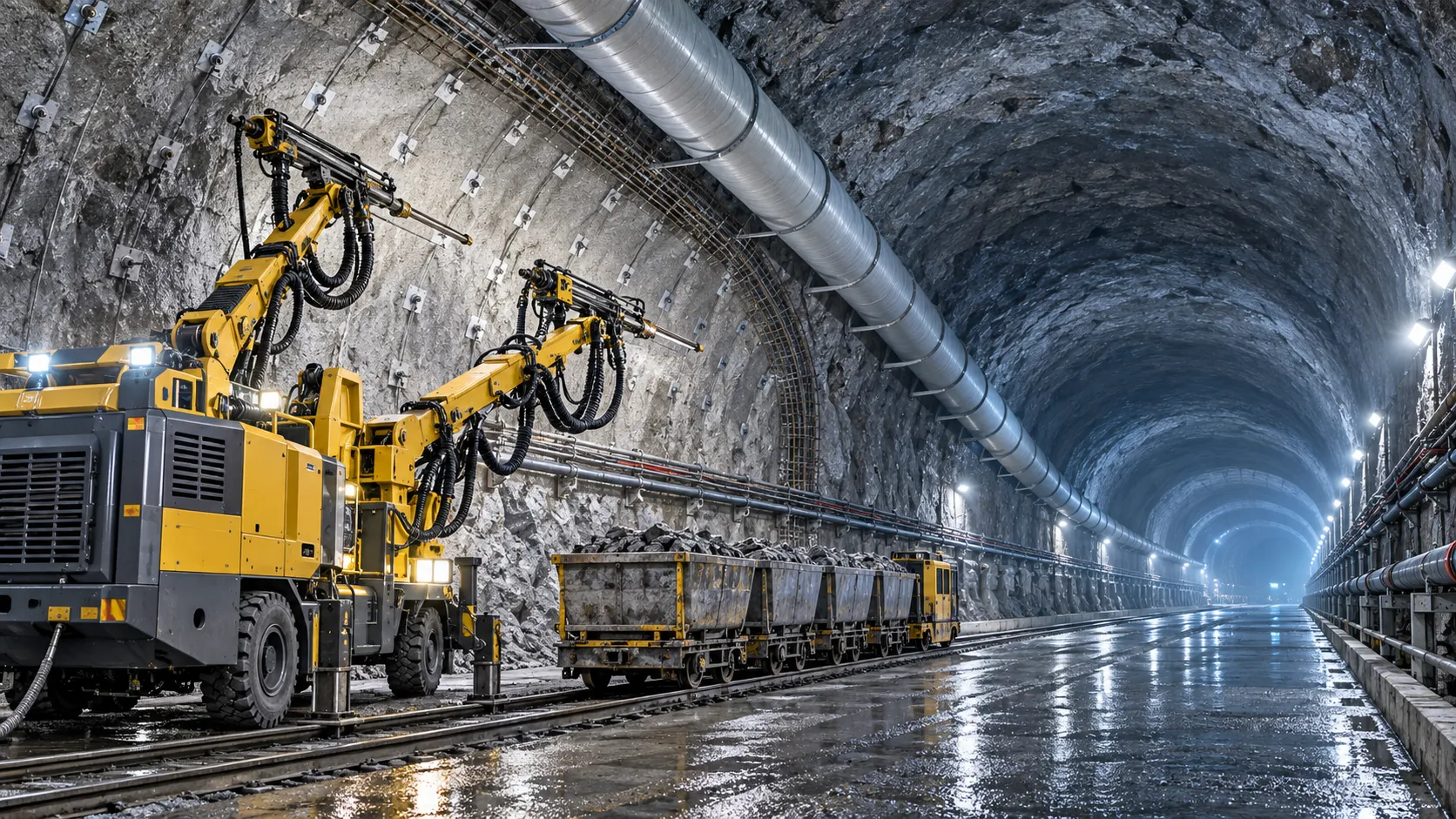
How to Evaluate European Drill-and-Blast Tunnelling Contractors for Complex Projects
Drill and blast tunnelling contractors Europe: learn how to assess geology expertise, blast control, equipment reliability, safety, and programme resilience for complex projects.
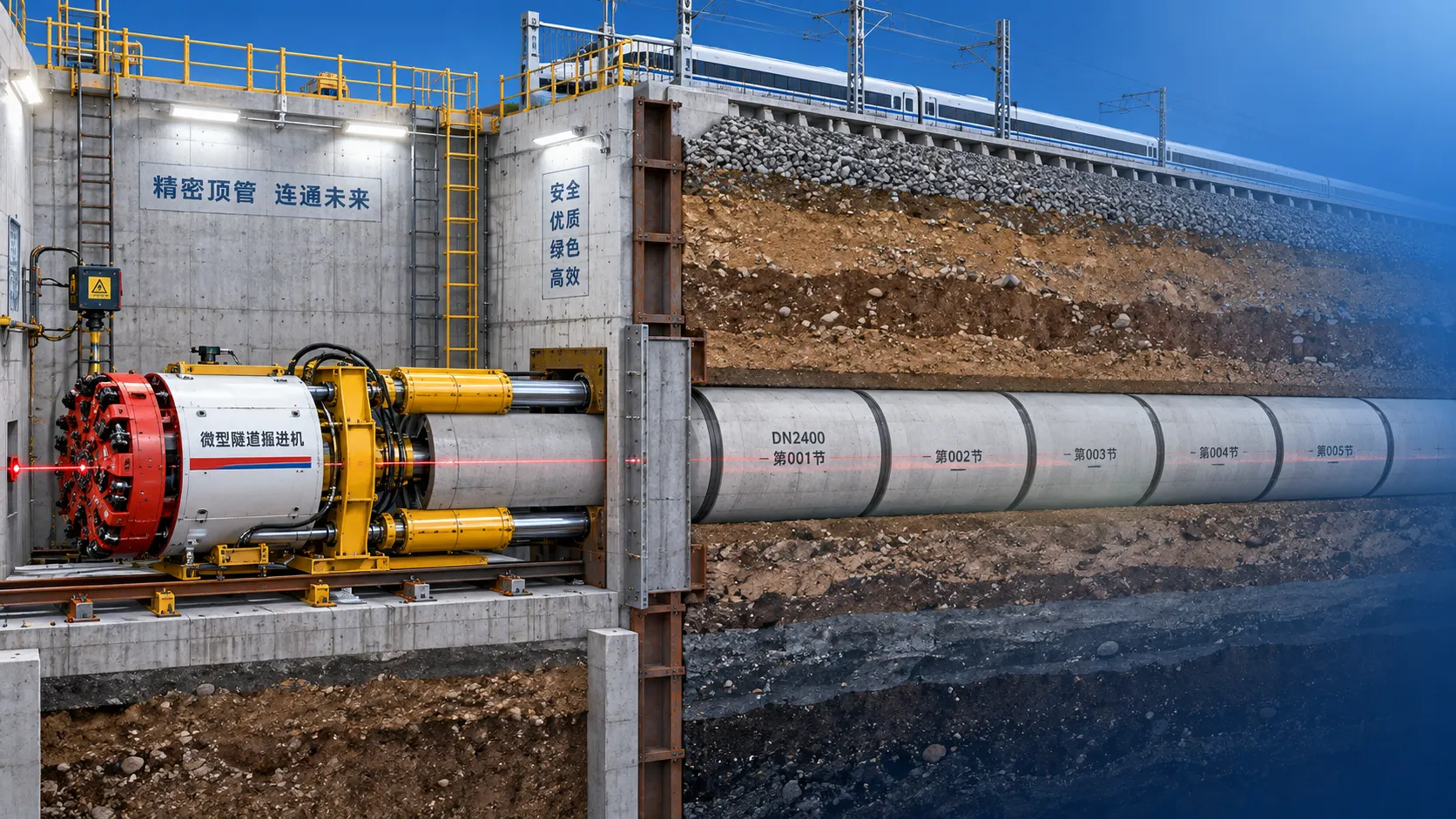
Which Trenchless Construction Technique Fits Your Utility Crossing Conditions?
Trenchless construction techniques compared for utility crossings: choose HDD, microtunnelling, pipe jacking, or auger boring based on ground, accuracy, access, and risk.
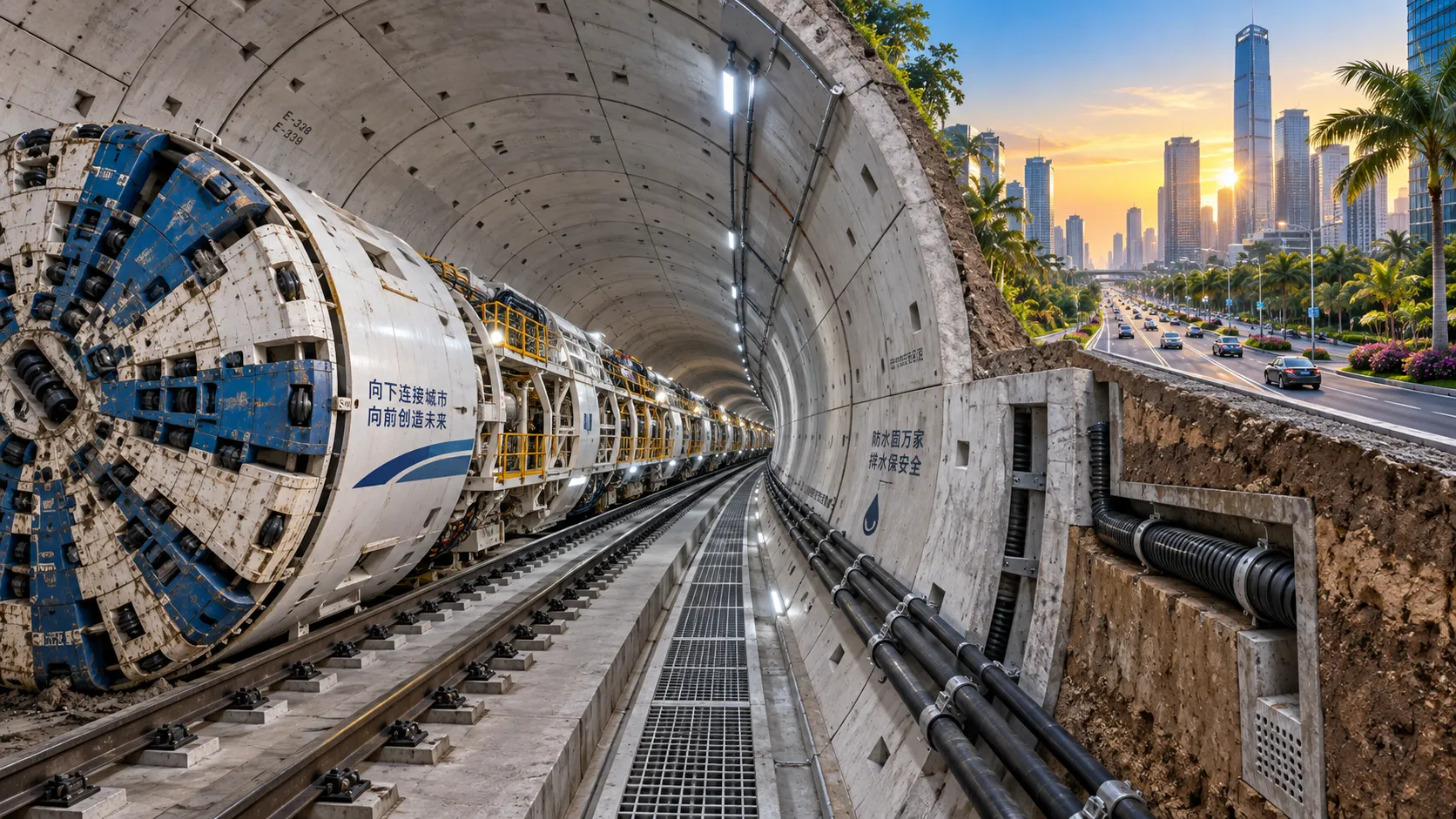
What Is Driving Metro Tunnelling Demand Across Southeast Asia’s Major Cities?
Metro tunnelling Southeast Asia is accelerating as major cities tackle congestion, flooding, and connectivity. Explore the market forces, technical risks, and opportunities shaping demand.
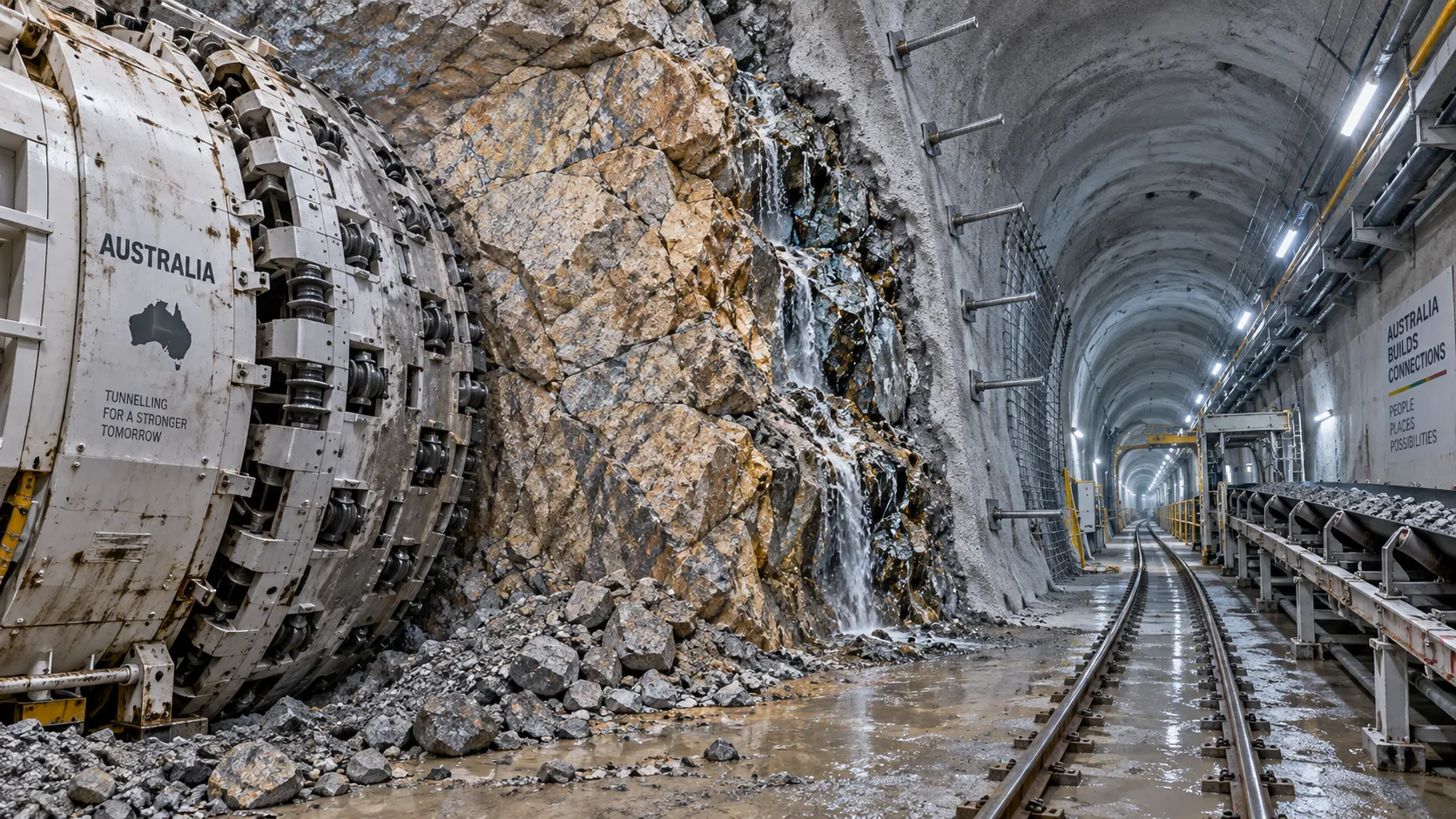
Hard Rock Tunnelling in Australia: Selecting Methods for Variable Ground Conditions
Hard rock tunnelling in Australia: compare TBM, drill-and-blast and hybrid methods to manage variable ground, reduce risk and protect project costs.
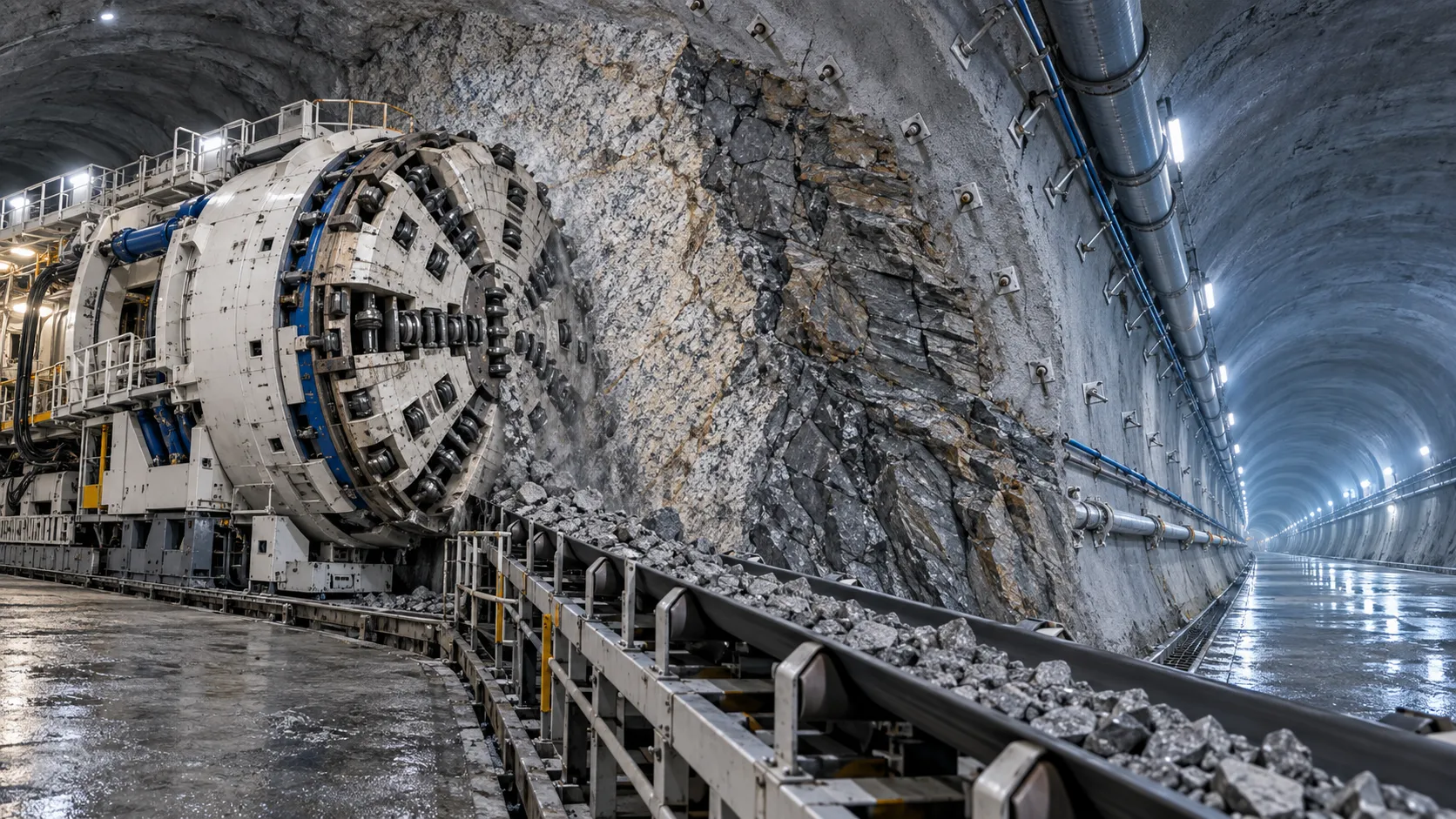
Hydropower Tunnel Excavation: Selecting Methods for Variable Rock Conditions
Hydropower tunnel excavation methods for variable rock conditions: compare TBM, drill-and-blast, and hybrid strategies to improve safety, progress, and project control.
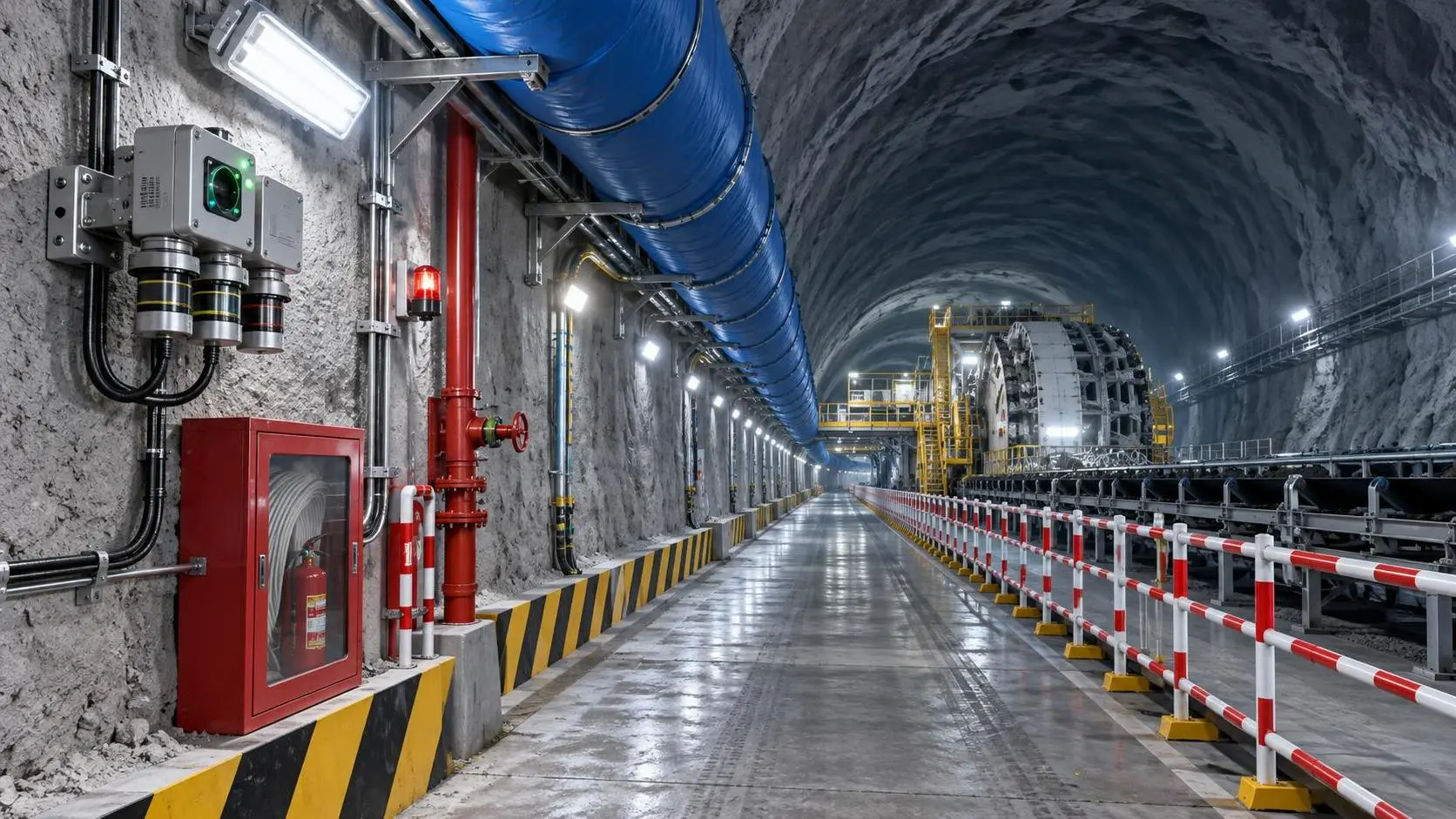
How to Select Underground Safety Equipment for Tunnelling by Hazard and Work Zone
Underground Safety Equipment for tunnelling: match protection to hazards, work zones, compliance, and emergency needs with this practical selection guide.
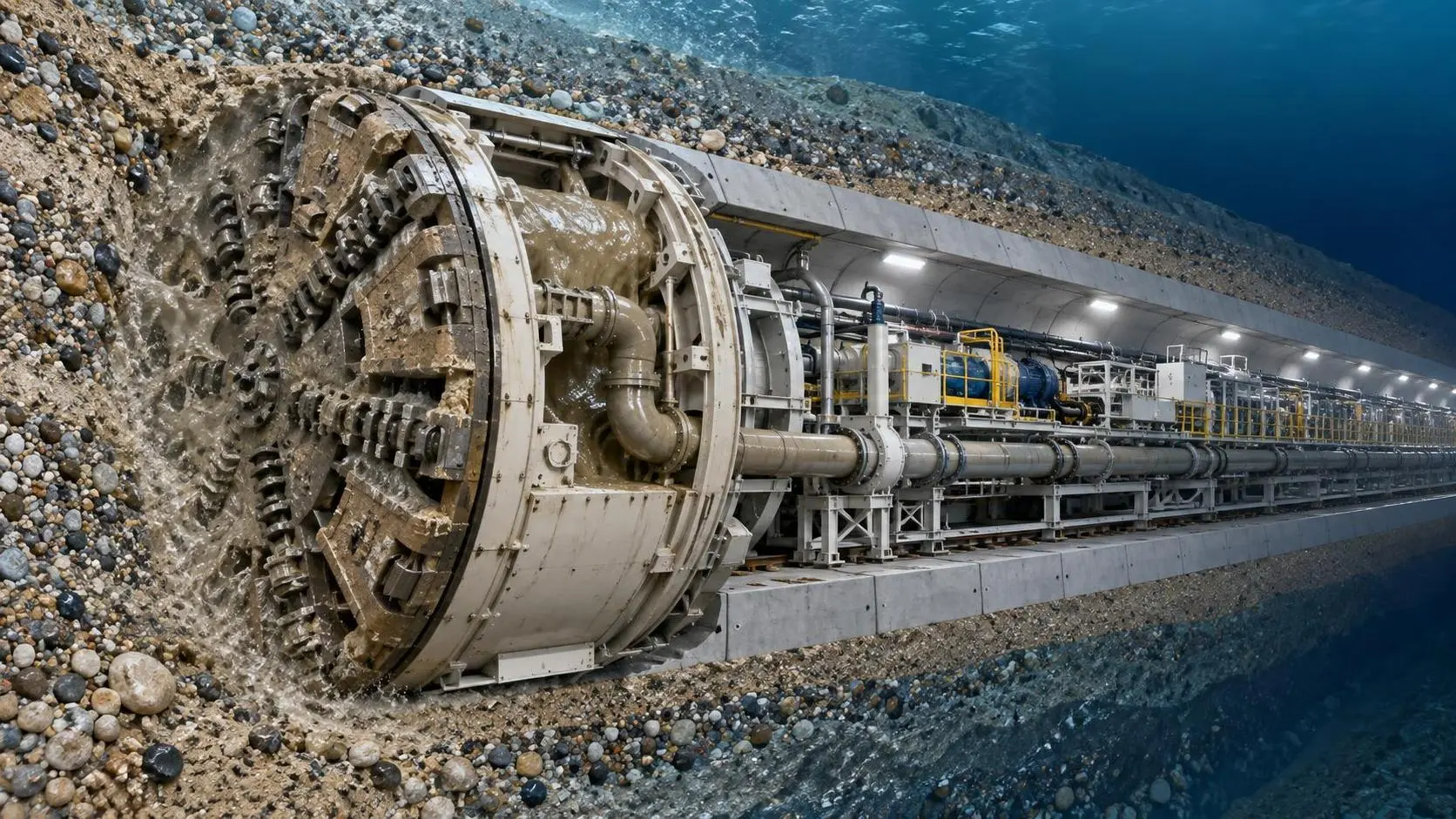
EPB or Slurry Shield? Selecting Soft-Ground Tunnelling Equipment by Soil Conditions
Tunnel Excavation Equipment for soft ground: compare EPB and slurry shields by soil, groundwater, settlement risk, and project logistics to choose confidently.
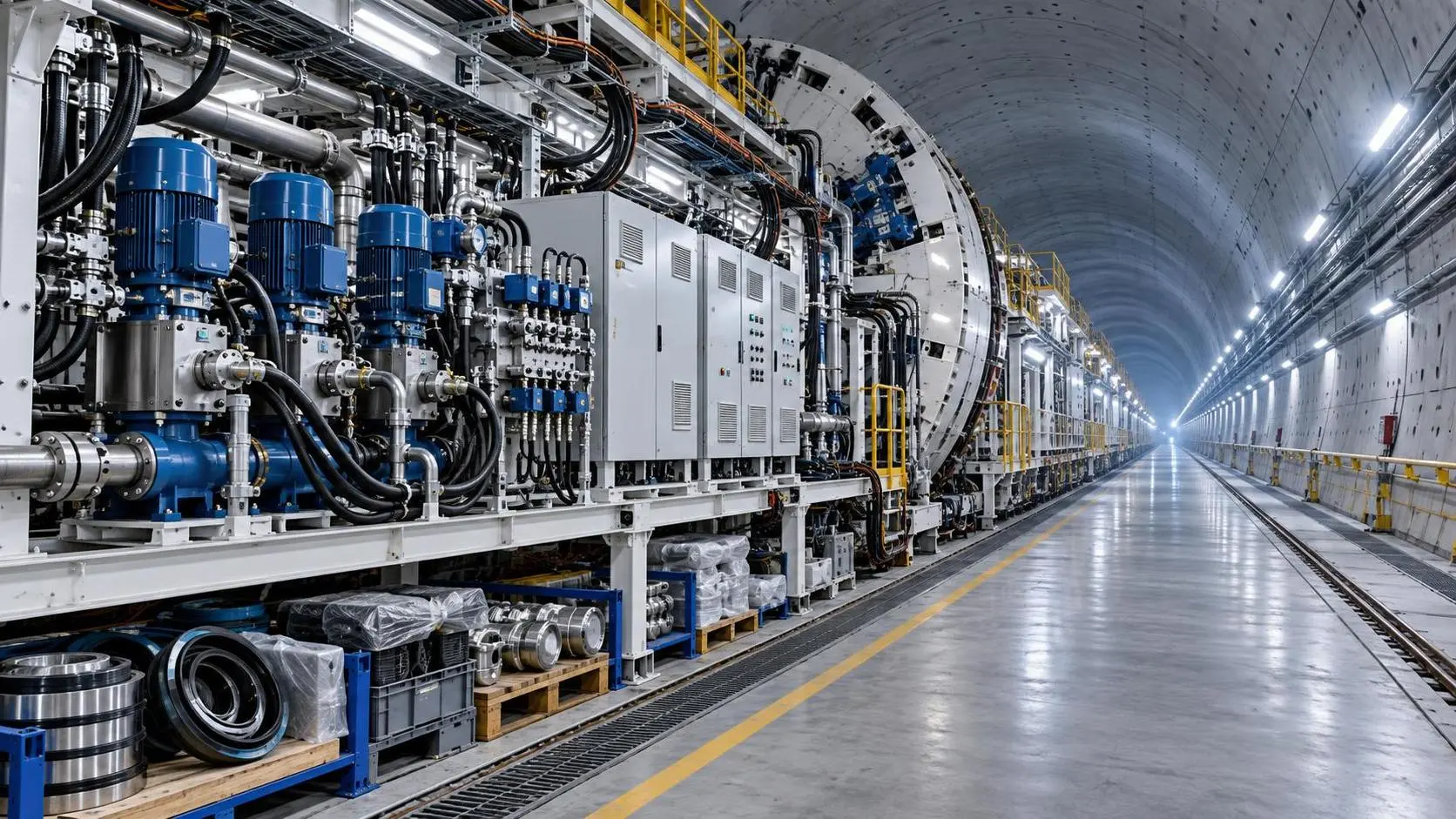
How to Specify TBM Backup System Parts for Reliable Long-Distance Tunnelling
TBM backup system parts: learn how to specify reliable spares for long-distance tunnelling, reduce downtime, ensure compatibility, and speed underground recovery.
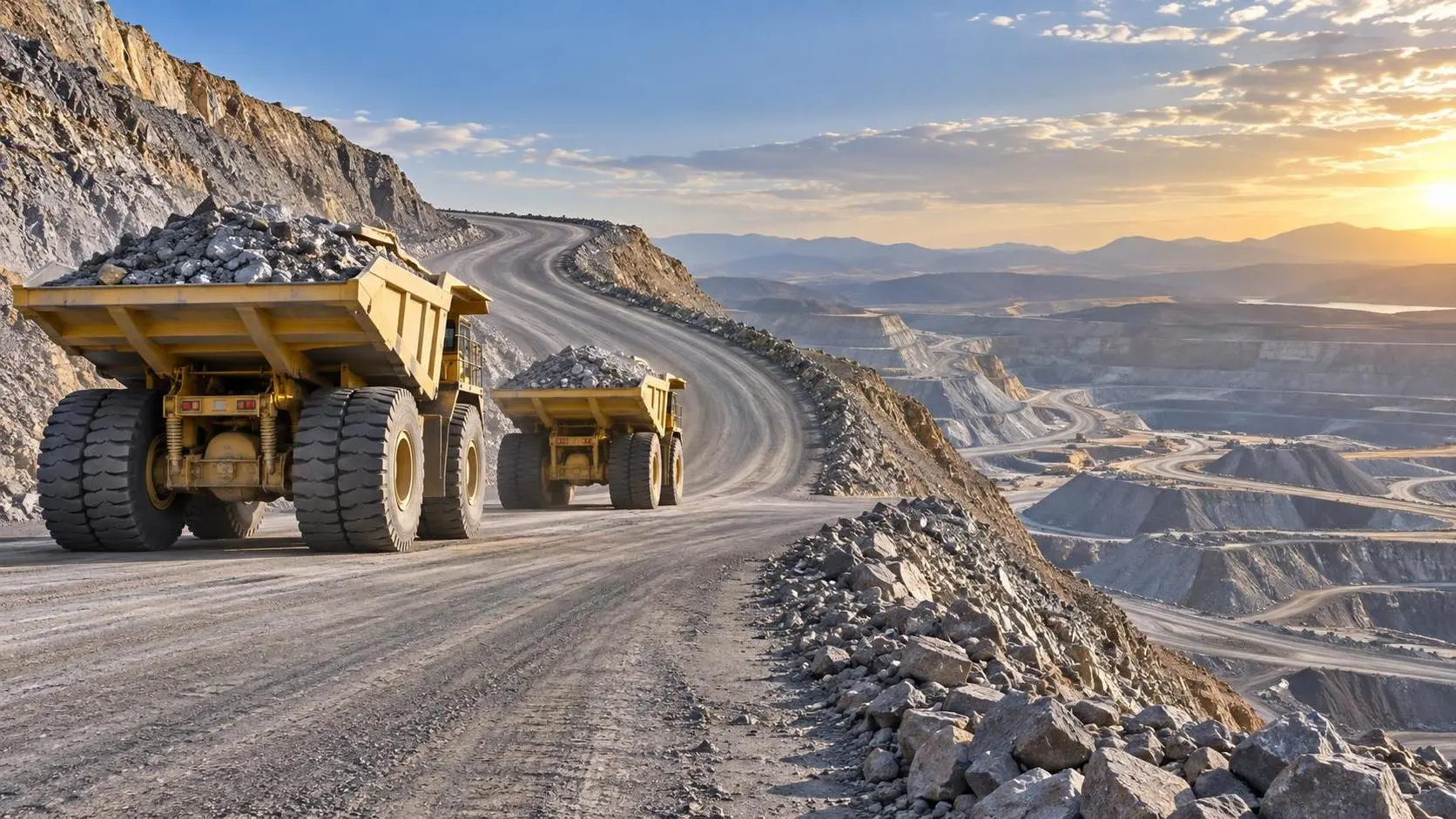
How to Size Open Pit Mining Trucks for Haul Distance, Grade, and Payload?
Open Pit Mining Trucks: learn how to match payload, haul distance, grade, road resistance, and loading capacity for safer, lower-cost mine operations.
Related News
- 00
0000-00
How to Evaluate European Drill-and-Blast Tunnelling Contractors for Complex Projects - 00
0000-00
Which Trenchless Construction Technique Fits Your Utility Crossing Conditions? - 00
0000-00
What Is Driving Metro Tunnelling Demand Across Southeast Asia’s Major Cities? - 00
0000-00
Hard Rock Tunnelling in Australia: Selecting Methods for Variable Ground Conditions - 00
0000-00
Hydropower Tunnel Excavation: Selecting Methods for Variable Rock Conditions
Weekly Insights
Stay ahead with our curated technology reports delivered every Monday.