
Underground Safety Equipment Checklist for Tunnelling Sites: What Must Be Included





For tunnelling sites, a reliable Underground Safety Equipment checklist is more than a compliance tool—it is the first line of defense against confined-space hazards, poor visibility, fire risks, and emergency delays. For quality control and safety managers, knowing what must be included helps protect crews, maintain operational continuity, and strengthen site accountability in increasingly complex underground environments.
In modern tunnelling, safety performance is no longer judged only by incident response. It is measured by preparedness before shift start, equipment readiness during operation, and traceable inspection records after every cycle. Whether the site uses TBMs, pipe jacking systems, drilling jumbos, or underground loaders, the Underground Safety Equipment list must support both routine controls and high-consequence emergencies.
For QC personnel and safety managers, the key challenge is practical completeness. A checklist that covers only personal protective equipment is too narrow. A useful Underground Safety Equipment framework must also include atmospheric monitoring, communication systems, fire suppression, rescue gear, lighting, signage, lockout controls, and maintenance verification points. The sections below outline what should be included, how to prioritize it, and where many sites still fall short.
Core categories every tunnelling safety checklist should cover
A complete Underground Safety Equipment checklist usually works best when divided into 7 core categories. This structure improves inspection consistency, reduces omissions during shift handover, and allows faster auditing across multiple headings, shafts, or drive sections.
1. Personal protective equipment for underground entry
The first layer of Underground Safety Equipment is PPE, but it must be task-specific rather than generic. Standard issue should typically include hard hats with lamp brackets, high-visibility garments, safety boots with slip-resistant soles, gloves suited to wet or abrasive conditions, eye protection, hearing protection, and respiratory protection matched to dust or fumes.
In drill-and-blast sections or maintenance zones, face shields, chemical-resistant gloves, and arc-rated clothing may also be required. QC teams should verify not only availability, but also condition, sizing, expiry dates, and replacement frequency. For example, damaged helmets, scratched visors, or respirator filters beyond their service interval should trigger immediate removal from use.
2. Gas detection and atmospheric monitoring
No Underground Safety Equipment checklist is complete without calibrated gas monitoring devices. At minimum, most tunnelling sites need portable multi-gas detectors that measure oxygen, carbon monoxide, hydrogen sulfide, and combustible gases. In diesel fleets or blasting environments, nitrogen oxides and diesel particulate monitoring may also be necessary.
A practical standard is to check bump-test status daily and full calibration at intervals such as 30 days, depending on site policy and manufacturer guidance. Readings should be logged before entry, after blasting, during ventilation changes, and whenever crews move into a new heading or chamber.
3. Illumination, escape guidance, and visual control
Poor visibility remains one of the most underestimated underground risks. Essential Underground Safety Equipment includes cap lamps, fixed tunnel lighting, backup battery lamps, reflective wayfinding markers, illuminated refuge indicators, and clearly visible escape route boards. In high-moisture zones, equipment should be selected for sealed operation and impact resistance.
Lighting inspections should confirm lux adequacy in work zones, cross passages, switchgear rooms, and conveyor transfer points. Many operators use a 3-level approach: primary work lighting, emergency backup lighting, and personal lighting. If one layer fails, the remaining two reduce evacuation delays and inspection blind spots.
4. Fire prevention and first-response equipment
Fire risk is amplified in tunnels by confined geometry, long evacuation paths, cables, hydraulic fluids, and mobile plant heat loads. Underground Safety Equipment should therefore include portable extinguishers, hose reels where applicable, fire blankets, thermal alarm systems, machine-mounted suppression units, and fire-resistant storage for flammables.
For battery-electric or hybrid equipment, emergency isolation instructions and thermal incident response procedures should also be included. The checklist should verify extinguisher type, pressure status, access clearance, inspection tag validity, and distance from likely ignition points such as substations, pump skids, and fuel transfer areas.
The table below shows a practical category-based structure that safety managers can use during weekly audits or pre-shift verification. It helps convert a broad Underground Safety Equipment requirement into a repeatable inspection routine.
The main takeaway is that underground safety checks should be frequency-based, not only inventory-based. Many failures occur because sites know the equipment exists, but cannot prove that it was tested, accessible, and usable at the exact time of need.
Emergency readiness equipment that cannot be left off the list
Emergency readiness is where many Underground Safety Equipment programs either become robust or remain superficial. In a tunnel incident, even a 3-minute delay in communication, respiratory support, or route confirmation can significantly increase evacuation difficulty. That is why emergency gear must be treated as an active system, not a stored backup.
Refuge chambers and self-rescue devices
On long drives, deep headings, or remote access sections, refuge solutions are often essential. Depending on site design, this may include refuge chambers, cached emergency air, self-contained self-rescuers, stretcher systems, and emergency drinking water. Capacity should match crew size with a reasonable reserve, often planned at 10% to 20% above normal occupancy.
Safety managers should inspect access routes, occupancy signage, seal integrity, internal communication, air supply duration, and maintenance logs. If the chamber is difficult to access through stored materials or parked equipment, it is not functionally ready.
Communication and tracking systems
Effective Underground Safety Equipment must support real-time contact between crews, control rooms, and rescue coordinators. This often includes leaky feeder systems, intrinsically safe radios, emergency phones, tracking tags, and signaling beacons. In automated or semi-automated environments, vehicle proximity alerts and personnel tracking are increasingly important.
A good checklist should verify signal coverage at dead-end headings, cross passages, pump bays, and maintenance niches. Testing should also include backup power duration, battery health, and communication clarity under high-noise conditions. A system that works at portal level but fails 1.5 kilometers underground does not meet practical readiness.
First aid, rescue handling, and incident isolation
First aid kits must match underground injury profiles, not office assumptions. That means trauma dressings, burn treatment supplies, splints, eye wash, and hemorrhage control items should be available in addition to standard consumables. Rescue stretchers, spine support where required, and extraction aids should be positioned according to travel time rather than administrative convenience.
Lockout-tagout devices also belong on the Underground Safety Equipment checklist. During equipment jams, cutterhead intervention, conveyor maintenance, or pump servicing, isolation hardware is a frontline protection measure. Missing lock bodies, unreadable tags, or incomplete isolation boards create preventable exposure to stored energy and accidental restart.
Minimum emergency verification points
- Confirm emergency communication devices function at least once per shift.
- Inspect self-rescue units for seal integrity and storage damage every 7 days or by site schedule.
- Verify stretcher access routes remain clear to a practical transport width.
- Check first aid inventories against a documented replenishment list, not visual guesswork.
- Review incident isolation points after any plant reconfiguration or temporary power change.
The matrix below helps safety managers align emergency Underground Safety Equipment with typical underground risk scenarios. It is especially useful when comparing different tunnel sections or contractor packages.
This comparison shows that emergency equipment planning should be scenario-driven. Sites using TBMs, drilling jumbos, or underground haulage systems may face different triggers, but the response equipment must always be mapped to credible failure modes.
How QC and safety managers should evaluate suitability, maintenance, and procurement
Selecting Underground Safety Equipment is not only about buying compliant items. It is about choosing equipment that matches tunnel geometry, ventilation design, equipment fleet type, workforce size, and maintenance capability. For example, a site with long travel distances and battery-electric machines may prioritize emergency communication resilience and thermal event response differently than a short urban pipe-jacking drive.
Match equipment to site conditions
A practical procurement review should examine at least 4 factors: environmental resistance, operational compatibility, inspection simplicity, and spare availability. Underground conditions often include water ingress, dust, vibration, impact, and temperature swings. Equipment that performs well in surface workshops may fail quickly in a tunnel heading if ingress protection, battery endurance, or shock durability is inadequate.
Build maintenance into the checklist from day one
A strong Underground Safety Equipment program links each item to a service interval. This may include daily functional checks, 7-day visual inspections, monthly condition reviews, and annual certification or overhaul points, depending on the equipment type. Without this schedule, even well-stocked safety rooms become unreliable inventory stores rather than operational safeguards.
Avoid three common checklist failures
- Listing equipment without assigning ownership to a role, crew, or shift.
- Checking presence but not serviceability, calibration, or access.
- Using one generic list for TBM drives, drill-and-blast headings, and utility tunnels with very different risks.
Questions to ask suppliers or internal stores teams
- What is the expected service life under wet, abrasive, and vibration-heavy underground conditions?
- What consumables require replacement every 30, 90, or 180 days?
- Can test records, inspection tags, and traceability data be integrated into digital audits?
- Are replacement parts available within 24 to 72 hours for critical items?
- Does the product support training for multilingual crews and contractor teams?
For organizations tracking tunnelling and underground equipment trends through platforms such as UTMD, the biggest shift is clear: safety equipment is increasingly connected to digital operating models. Sensor-based fleet monitoring, automated alerts, and remote asset visibility are beginning to influence how Underground Safety Equipment is inspected, restocked, and verified across large infrastructure and mining projects.
A dependable Underground Safety Equipment checklist should therefore support both compliance and operational intelligence. It should tell managers what is present, what is functional, what is nearing service expiry, and what creates immediate risk if unavailable. For quality control teams, that level of discipline improves audit confidence, contractor accountability, and shift-to-shift consistency.
If your tunnelling operation is reviewing safety readiness for TBM works, trenchless projects, drill-and-blast headings, or underground haulage systems, now is the time to refine the checklist before the next risk event tests it. Contact us to discuss your site priorities, get a tailored equipment review framework, or learn more solutions for safer underground operations.
Related News
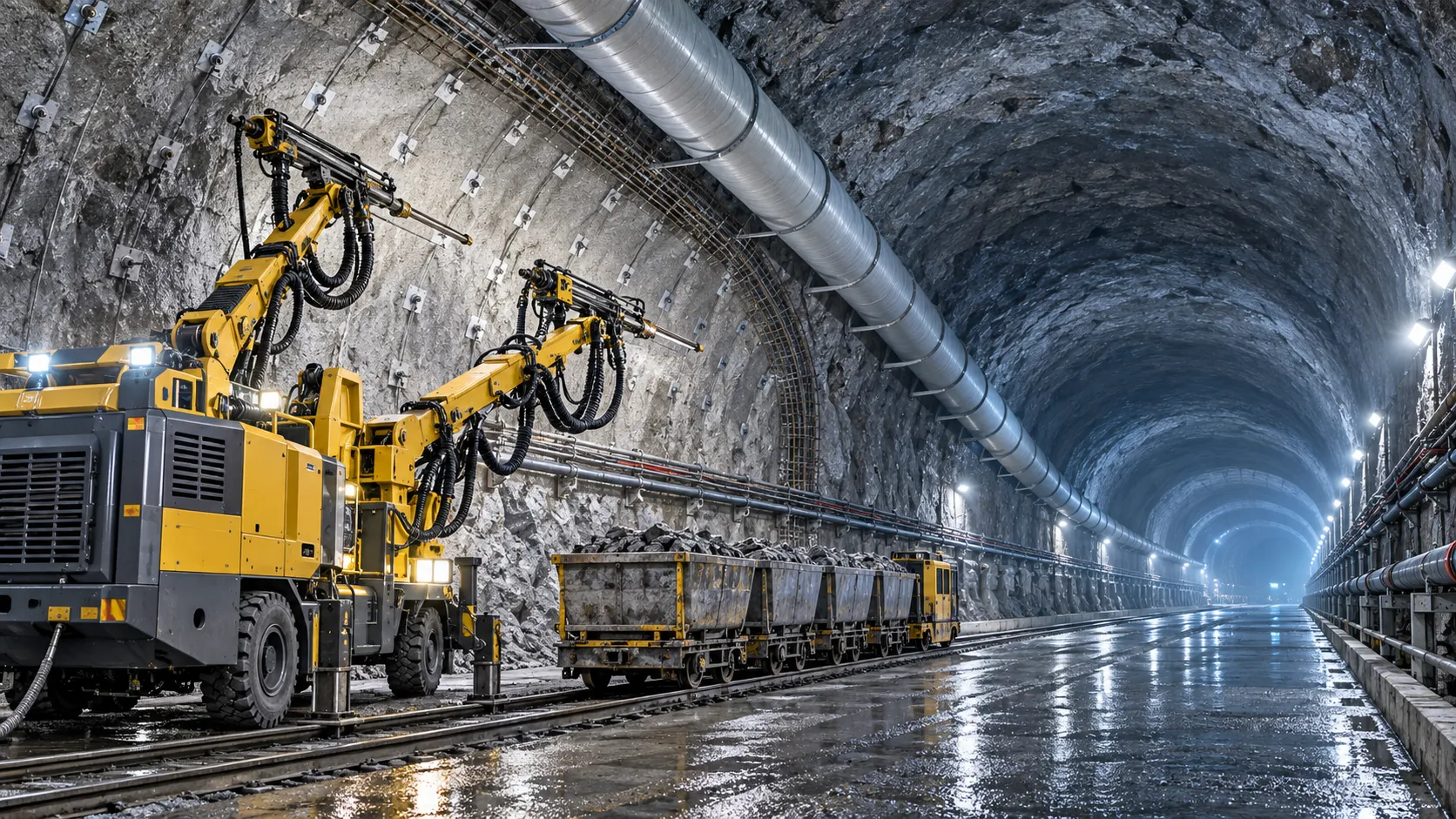
How to Evaluate European Drill-and-Blast Tunnelling Contractors for Complex Projects
Drill and blast tunnelling contractors Europe: learn how to assess geology expertise, blast control, equipment reliability, safety, and programme resilience for complex projects.
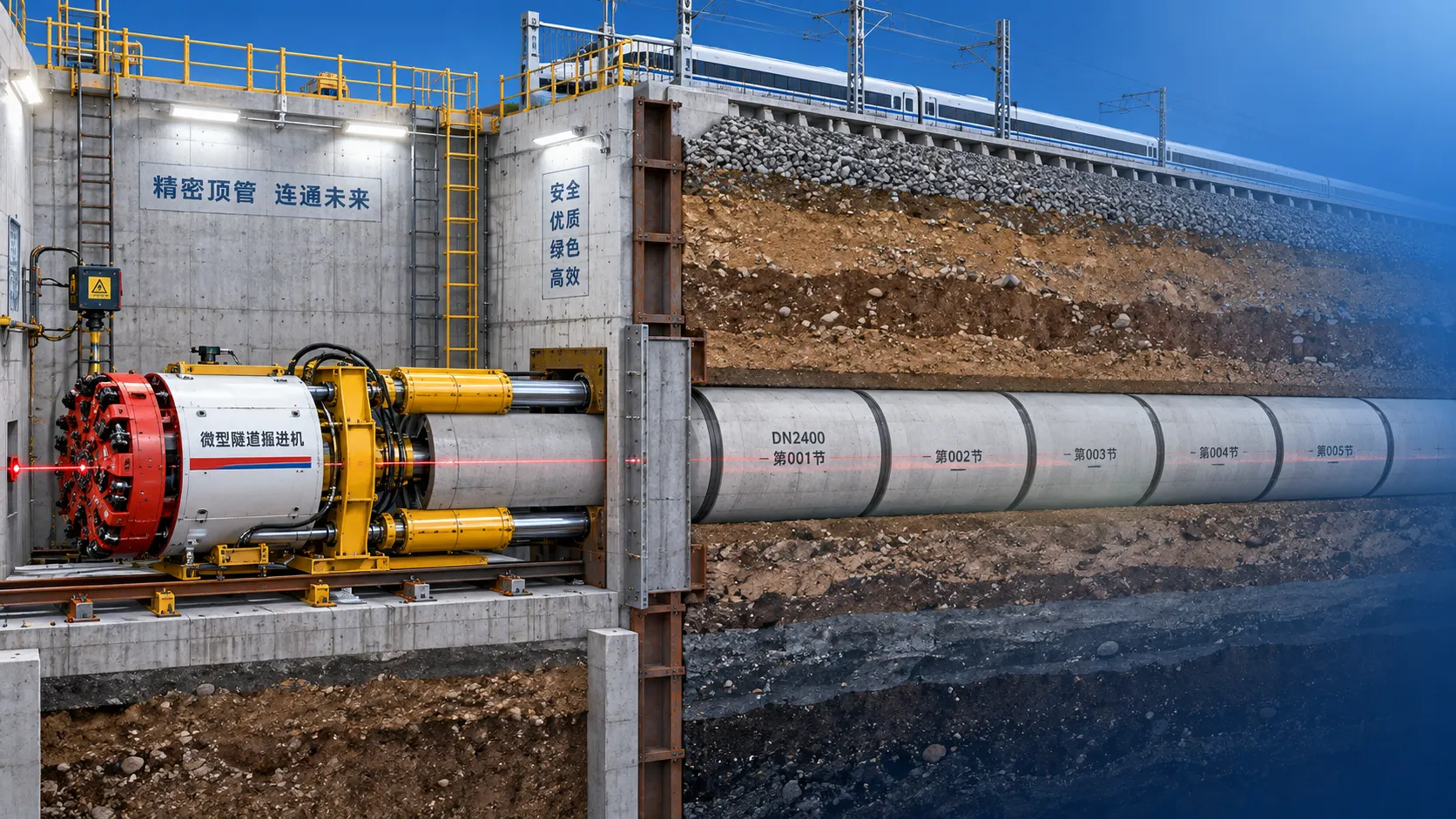
Which Trenchless Construction Technique Fits Your Utility Crossing Conditions?
Trenchless construction techniques compared for utility crossings: choose HDD, microtunnelling, pipe jacking, or auger boring based on ground, accuracy, access, and risk.
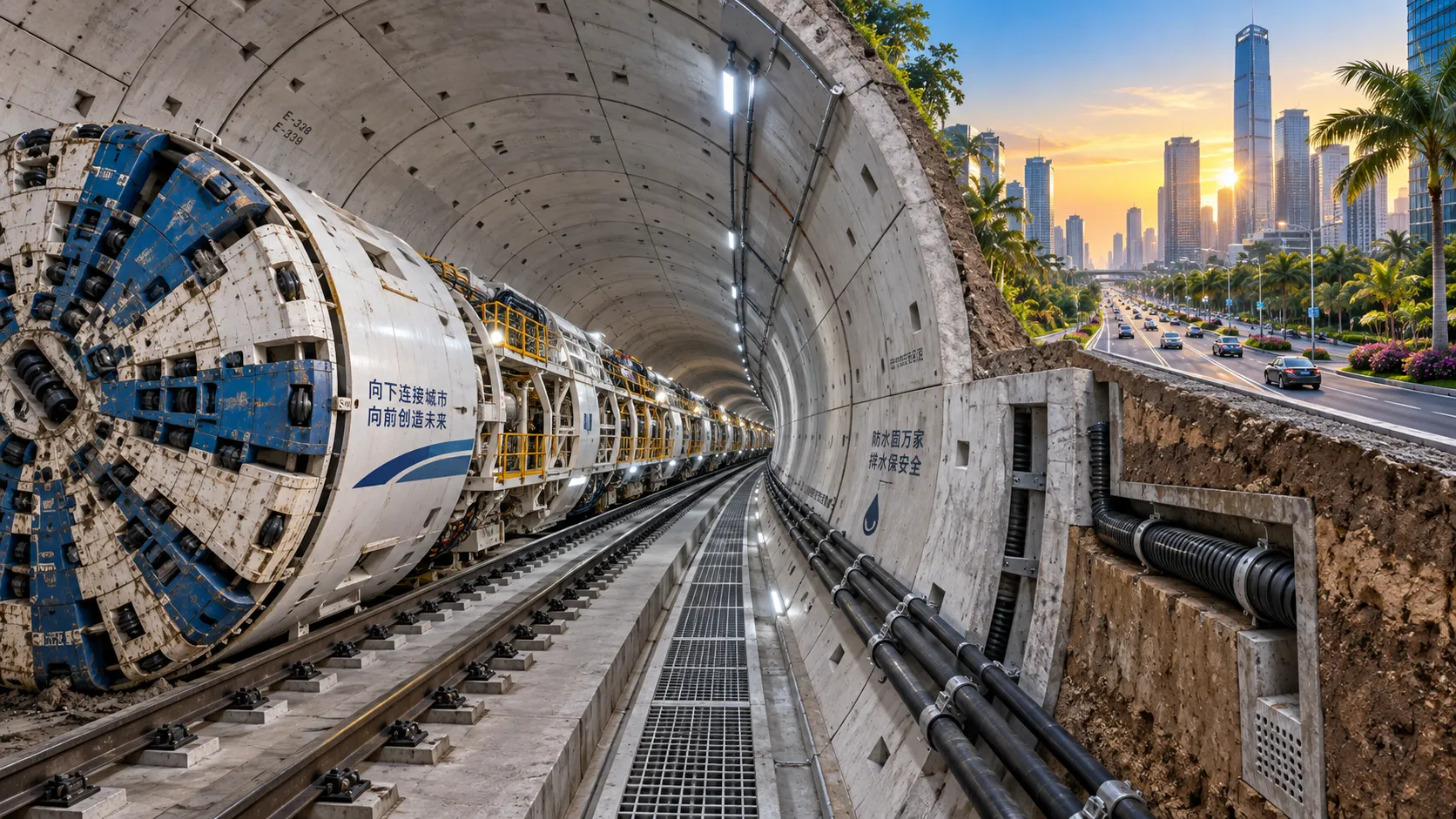
What Is Driving Metro Tunnelling Demand Across Southeast Asia’s Major Cities?
Metro tunnelling Southeast Asia is accelerating as major cities tackle congestion, flooding, and connectivity. Explore the market forces, technical risks, and opportunities shaping demand.
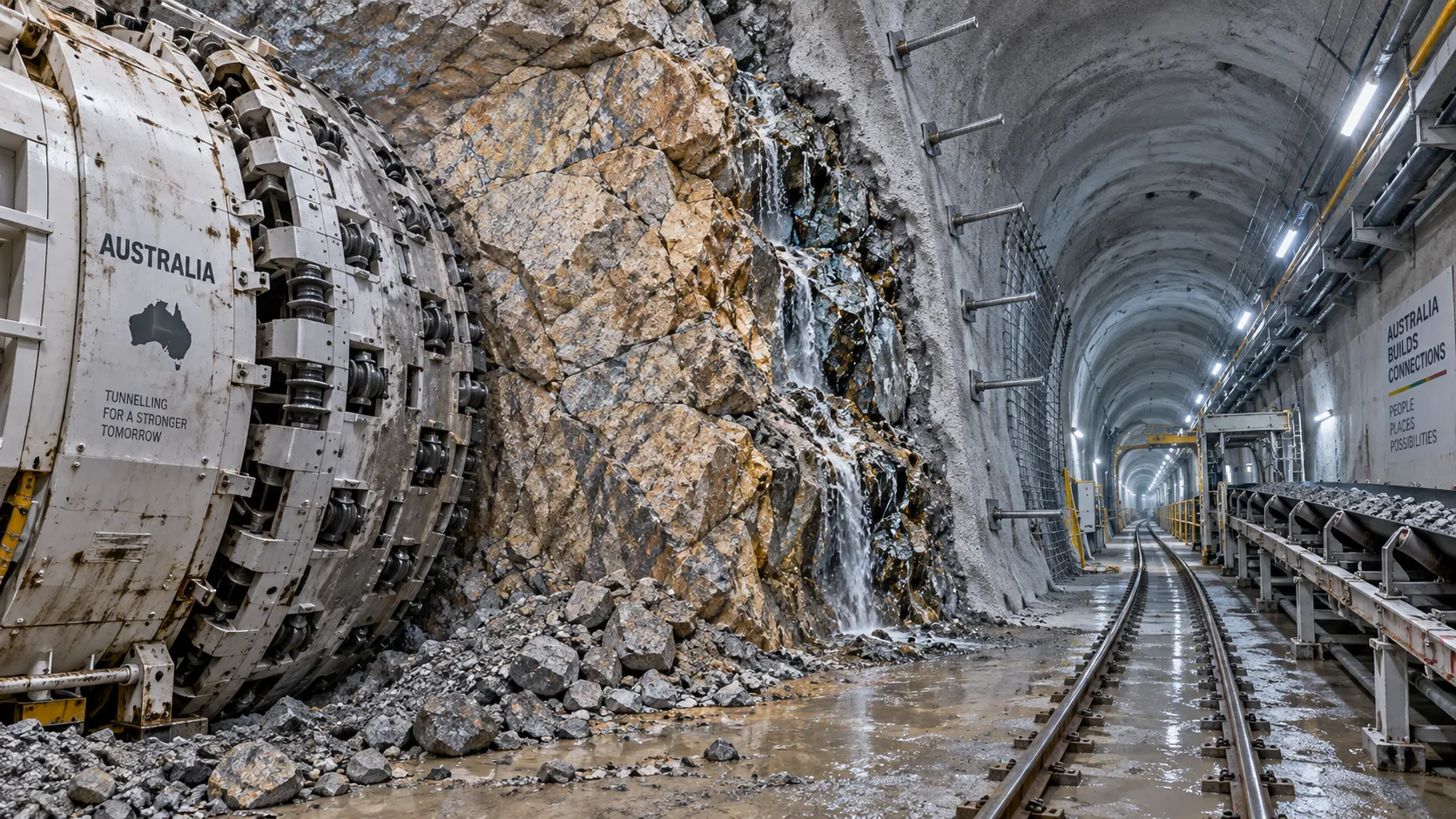
Hard Rock Tunnelling in Australia: Selecting Methods for Variable Ground Conditions
Hard rock tunnelling in Australia: compare TBM, drill-and-blast and hybrid methods to manage variable ground, reduce risk and protect project costs.
Hydropower Tunnel Excavation: Selecting Methods for Variable Rock Conditions
Hydropower tunnel excavation methods for variable rock conditions: compare TBM, drill-and-blast, and hybrid strategies to improve safety, progress, and project control.
How to Select Underground Safety Equipment for Tunnelling by Hazard and Work Zone
Underground Safety Equipment for tunnelling: match protection to hazards, work zones, compliance, and emergency needs with this practical selection guide.
EPB or Slurry Shield? Selecting Soft-Ground Tunnelling Equipment by Soil Conditions
Tunnel Excavation Equipment for soft ground: compare EPB and slurry shields by soil, groundwater, settlement risk, and project logistics to choose confidently.
How to Specify TBM Backup System Parts for Reliable Long-Distance Tunnelling
TBM backup system parts: learn how to specify reliable spares for long-distance tunnelling, reduce downtime, ensure compatibility, and speed underground recovery.
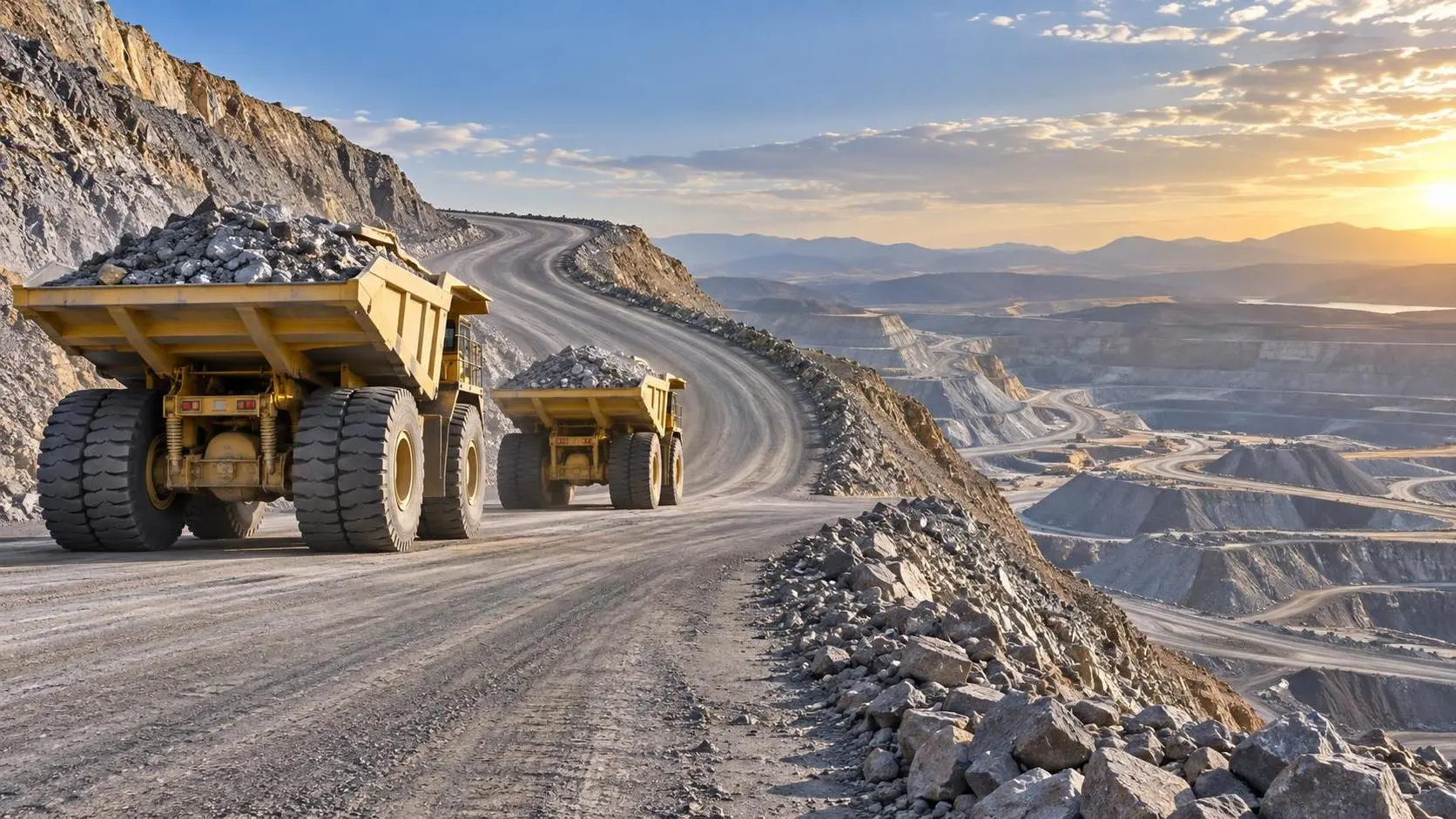
How to Size Open Pit Mining Trucks for Haul Distance, Grade, and Payload?
Open Pit Mining Trucks: learn how to match payload, haul distance, grade, road resistance, and loading capacity for safer, lower-cost mine operations.
Related News
- 00
0000-00
How to Evaluate European Drill-and-Blast Tunnelling Contractors for Complex Projects - 00
0000-00
Which Trenchless Construction Technique Fits Your Utility Crossing Conditions? - 00
0000-00
What Is Driving Metro Tunnelling Demand Across Southeast Asia’s Major Cities? - 00
0000-00
Hard Rock Tunnelling in Australia: Selecting Methods for Variable Ground Conditions - 00
0000-00
Hydropower Tunnel Excavation: Selecting Methods for Variable Rock Conditions
Weekly Insights
Stay ahead with our curated technology reports delivered every Monday.