
What Are Mega Tunnels Used For? Key Design Types and Project Fit Explained





Mega Tunnels are built to move massive volumes of people, water, freight, utilities, and resources through difficult underground conditions where surface solutions fall short. For researchers comparing project types, this guide explains what mega tunnels are used for, how major design categories differ, and which project conditions make each approach the best fit.
What are Mega Tunnels used for in real-world projects?
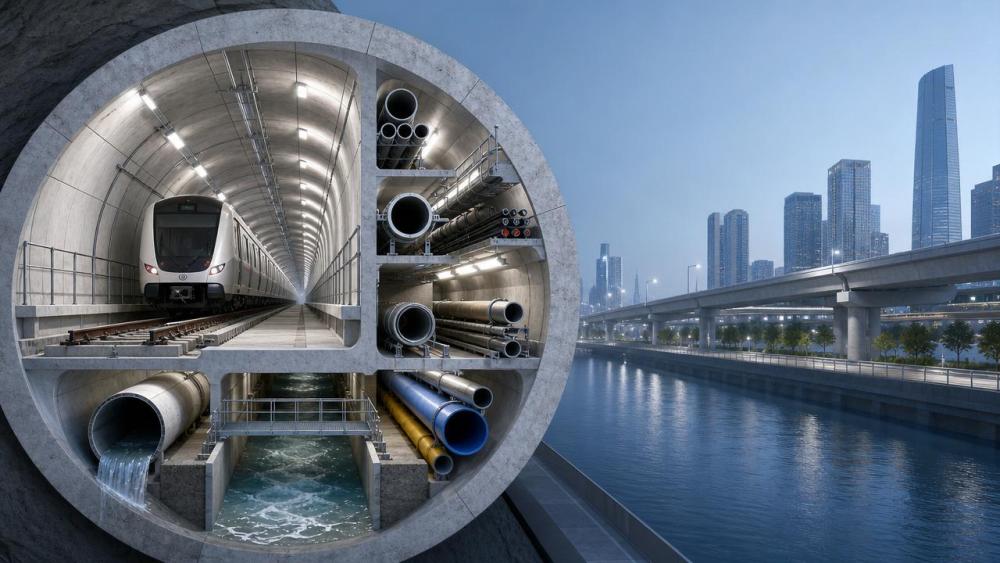
Mega Tunnels are not defined only by diameter or length. In practice, the term usually refers to large-scale underground passages designed for strategic transport, water management, utility routing, mining access, or multi-service infrastructure where surface expansion is constrained, risky, or politically difficult.
For information researchers, the key question is not whether a project looks “mega,” but what function it must perform over decades. A metro crossing beneath dense cities, a deep drainage tunnel under flood-prone districts, and a long mining haulage tunnel may all be Mega Tunnels, yet their design logic differs sharply.
Core functions behind Mega Tunnels
- High-capacity mobility: moving commuters, road traffic, or freight where mountains, rivers, coastlines, and urban congestion block surface corridors.
- Water transfer and flood control: carrying stormwater, wastewater, raw water, or hydropower flows with minimal land acquisition.
- Utility and service integration: protecting cables, pipelines, district energy lines, and critical networks inside controlled underground environments.
- Mining and resource logistics: opening access, ventilation, ore haulage, drainage, and equipment movement in deep or expanding operations.
This is where UTMD’s industry lens becomes useful. Evaluating Mega Tunnels requires more than civil engineering knowledge alone. Researchers increasingly need to connect tunnel boring machine capability, trenchless constraints, rock mechanics, underground haulage systems, and the push toward electrified, lower-emission operations.
Which Mega Tunnel design types fit which project goals?
Different Mega Tunnels solve different operational problems. The table below helps compare the main design categories by purpose, ground conditions, and project fit rather than by size alone.
A common research mistake is assuming one tunnel family can be benchmarked against another using simple cost-per-kilometer logic. Mega Tunnels should be matched to duty cycle, safety profile, excavation method, and long-term operating requirements first.
Why design categories matter early
- The lining concept changes when water pressure is the dominant risk.
- Ventilation, egress, and fire-life-safety become central in transport Mega Tunnels.
- Mining tunnels must align with mobile fleet dimensions, turn radii, battery logistics, and remote operations.
How do excavation methods influence Mega Tunnel project fit?
The best-use case for Mega Tunnels is closely linked to the excavation method. Selection often comes down to geology, length, diameter, environmental limits, and the tolerance for settlement, vibration, and schedule uncertainty.
Main methods used on major underground works
- TBM excavation: preferred for long drives, consistent alignments, urban sensitivity, and high daily advance predictability when conditions are well understood.
- Drill-and-blast: often suitable for variable hard rock, complex caverns, and geometries that demand flexibility rather than strict circular sections.
- Pipe jacking or microtunnelling derivatives: better for utility-scale crossings and trenchless municipal corridors than for the largest transport Mega Tunnels, but highly relevant in urban underground networks.
UTMD tracks this interface closely because equipment capability is never isolated from project success. Cutter wear in abrasive rock, face pressure management in mixed ground, and logistics for mucking, segment handling, or underground battery-electric support fleets all affect whether a Mega Tunnel concept is realistic.
For mining-related underground infrastructure, the excavation choice also shapes future fleet strategy. A haulage tunnel designed around diesel equipment may later face ventilation cost pressure, while a layout planned for electric LHDs, remote loading, and smart dispatch may support lower underground emissions and safer continuous operation.
What technical factors should researchers compare before judging Mega Tunnels?
When screening project alternatives, researchers should compare technical fit through a structured lens. The next table summarizes the engineering factors that most often decide whether one Mega Tunnel strategy is more viable than another.
Researchers who use this framework can separate visually impressive projects from technically suitable ones. Mega Tunnels succeed when geometry, geology, equipment systems, and operational intent remain aligned from concept to commissioning.
Which project scenarios make Mega Tunnels the best choice?
Mega Tunnels are usually justified when surface alternatives create unacceptable trade-offs in land use, safety, environmental disturbance, resilience, or lifetime operating cost. The strongest cases are not always the cheapest to build, but they are often the most durable to operate.
Typical high-fit scenarios
- Crossing mountains or water bodies where bridges, passes, or detours reduce corridor efficiency.
- Urban districts where demolition, traffic closure, and utility relocation would make surface construction socially or politically difficult.
- Flood-prone regions needing deep stormwater conveyance without sacrificing scarce surface land.
- Long-life mining zones where underground movement, ventilation management, and electrified equipment access need stable tunnel infrastructure.
In these cases, Mega Tunnels become strategic assets rather than isolated construction works. They support long-range urban planning, climate resilience, mineral supply security, and the transition toward automation in subsurface operations.
How should buyers and researchers compare cost, risk, and alternatives?
A good procurement or feasibility review should compare Mega Tunnels against realistic alternatives, not theoretical ones. Surface roads, open-cut corridors, elevated structures, pipelines, shafts, or staged mine development may all compete, but each carries different hidden costs.
Main decision checks before shortlisting
- Measure lifetime value, not just construction capex. Ventilation energy, maintenance access, water ingress control, and downtime exposure can reshape the business case.
- Stress-test geotechnical uncertainty. In Mega Tunnels, poor ground data can distort schedule assumptions, equipment choice, and contingency planning.
- Check equipment ecosystem readiness. TBMs, drilling jumbos, haulage units, LHDs, monitoring systems, and spare support must work as an integrated delivery chain.
- Review ESG and underground emissions pressure. This is especially important in mining and enclosed spaces, where electrification changes ventilation demand and operating strategy.
UTMD’s value for researchers lies in linking these dimensions. A tunnel concept may look strong on alignment efficiency but weak on cutter wear economics, underground fleet compatibility, or future compliance pressure. That broader intelligence view supports better early-stage judgment.
What standards, safety, and compliance issues should not be overlooked?
Mega Tunnels sit at the intersection of civil engineering, heavy equipment operation, worker safety, and environmental management. Exact requirements vary by jurisdiction, but researchers should expect compliance review around structural design, fire-life-safety, ventilation, groundwater control, electrical systems, and operational monitoring.
Common compliance themes
- Risk-based design review for emergency access, smoke control, evacuation, and service continuity.
- Environmental oversight for spoil handling, settlement, noise, vibration, water discharge, and energy use.
- Equipment safety verification for boring systems, drilling units, underground transport fleets, and digital control interfaces.
In mining-related tunnels, compliance also increasingly touches battery-electric equipment, remote operation, charging or battery-swapping systems, and underground connectivity. Researchers comparing future-ready options should include these factors early instead of treating them as later upgrades.
FAQ: key questions researchers ask about Mega Tunnels
Are Mega Tunnels only for transport infrastructure?
No. Mega Tunnels are widely used for drainage, sewer overflow control, water transfer, hydropower, utility corridors, and mining access. The shared feature is strategic underground capacity, not a single end use.
How do I know whether a TBM-driven Mega Tunnel is the right fit?
Look at drive length, cross-section consistency, urban sensitivity, geological predictability, and settlement limits. TBM solutions often gain strength on long alignments with strong control requirements, but they depend heavily on ground characterization and logistics planning.
What is the biggest mistake in early Mega Tunnel evaluation?
Reducing the decision to construction cost alone. Long-term operating needs, emissions constraints, maintenance access, equipment wear, and future expansion often decide whether a tunnel is truly fit for purpose.
Why are mining-related Mega Tunnels getting more attention now?
Energy-transition minerals, deeper deposits, and ESG pressure are changing underground logistics. Mines increasingly need reliable access tunnels and haulage systems that support electrified trucks, battery LHDs, remote operation, and safer airflow management.
Why work with UTMD when assessing Mega Tunnels?
If you are researching Mega Tunnels, UTMD helps bridge the gap between concept-level infrastructure analysis and equipment-driven underground reality. Our coverage connects TBM systems, trenchless engineering, drilling methods, mining transport electrification, and automation trends that directly shape project feasibility.
You can contact UTMD to discuss practical evaluation points such as tunnel type comparison, excavation method fit, underground equipment compatibility, likely delivery constraints, smart mine transition impacts, and the role of zero-emission systems in confined spaces.
For teams screening opportunities, we can support more focused research around parameter confirmation, solution matching, project intelligence, tender monitoring, technology trend tracking, and scenario-based comparison between transport, water, trenchless, and mining tunnel strategies.
Related News
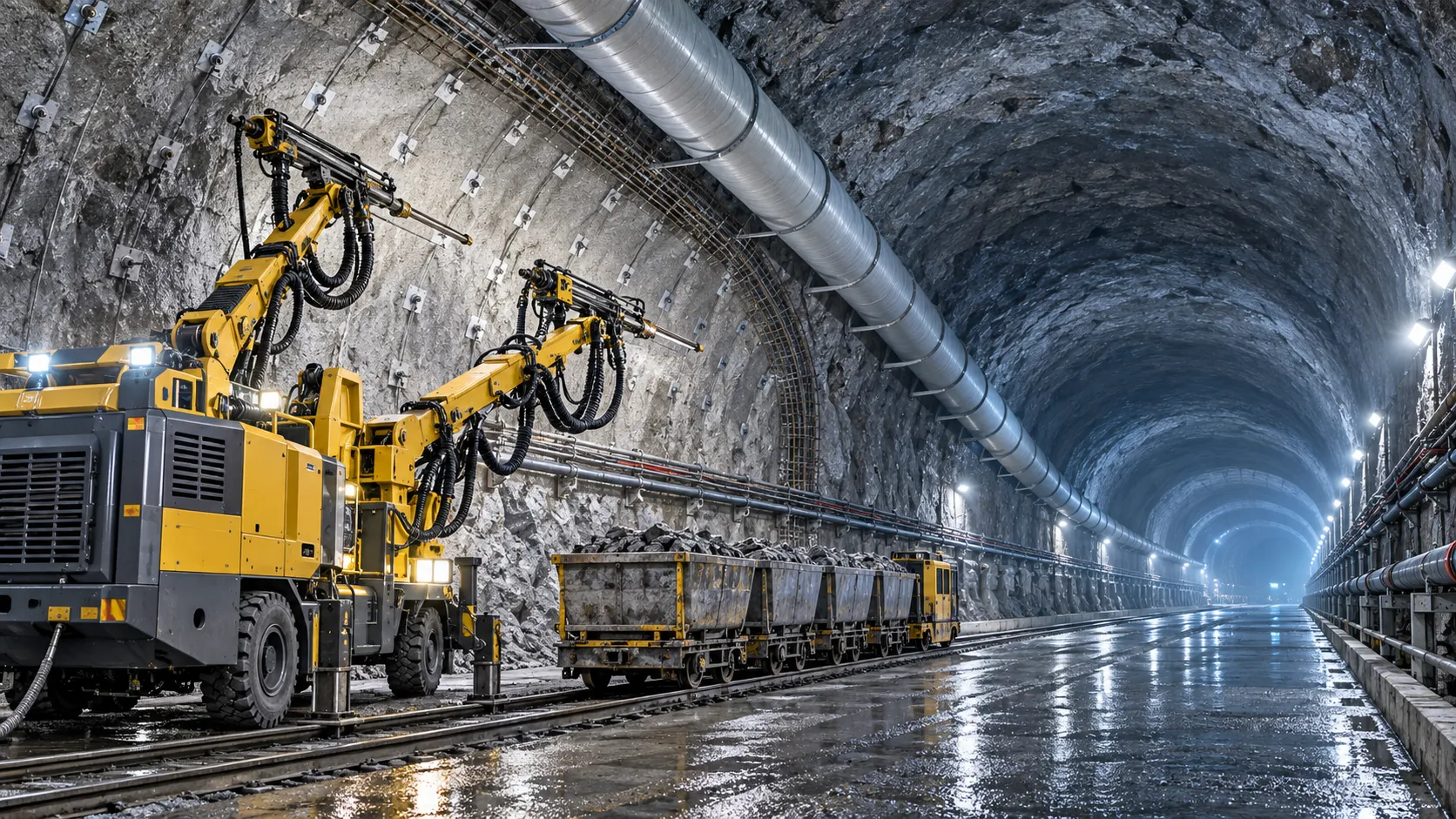
How to Evaluate European Drill-and-Blast Tunnelling Contractors for Complex Projects
Drill and blast tunnelling contractors Europe: learn how to assess geology expertise, blast control, equipment reliability, safety, and programme resilience for complex projects.
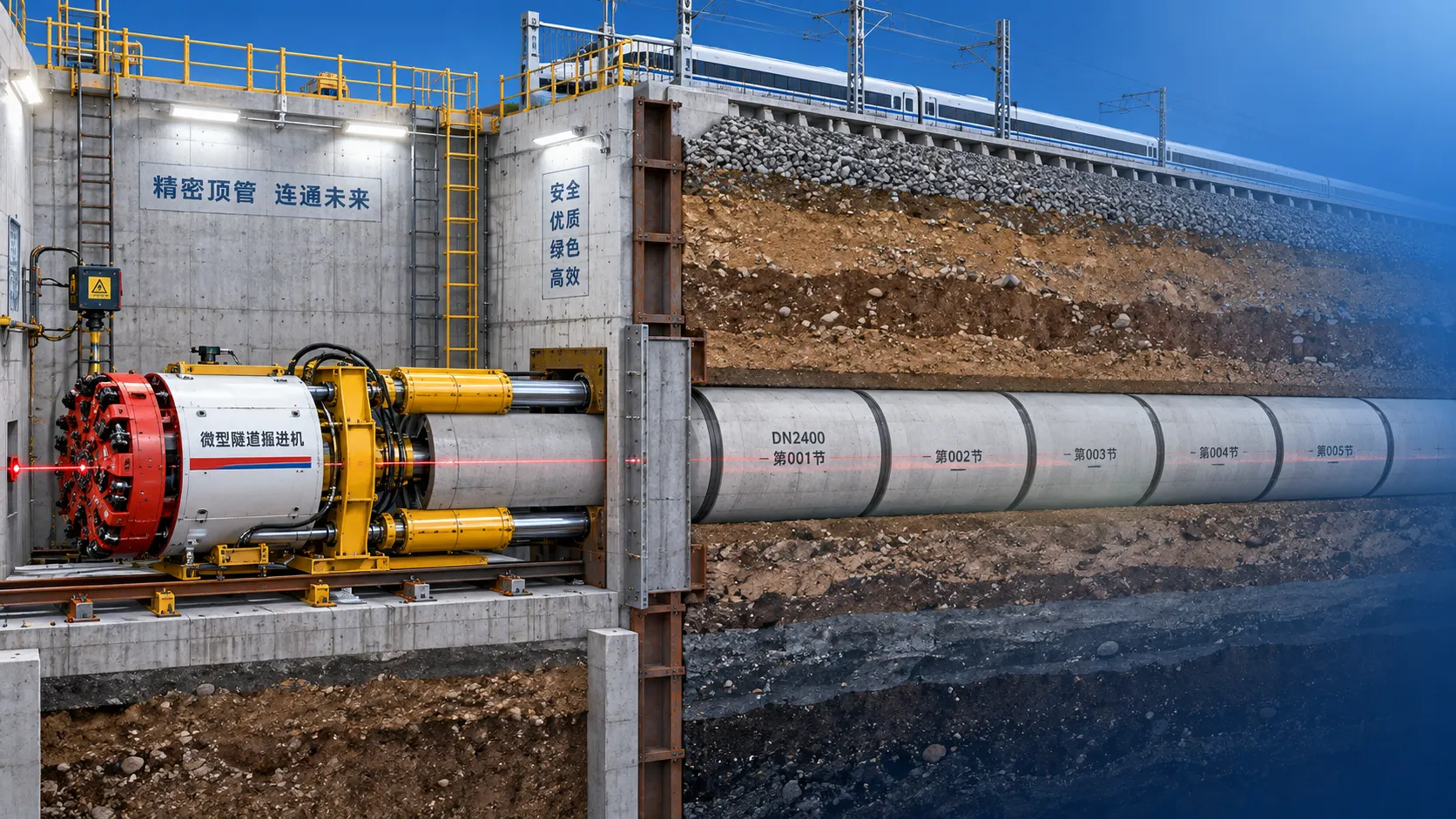
Which Trenchless Construction Technique Fits Your Utility Crossing Conditions?
Trenchless construction techniques compared for utility crossings: choose HDD, microtunnelling, pipe jacking, or auger boring based on ground, accuracy, access, and risk.
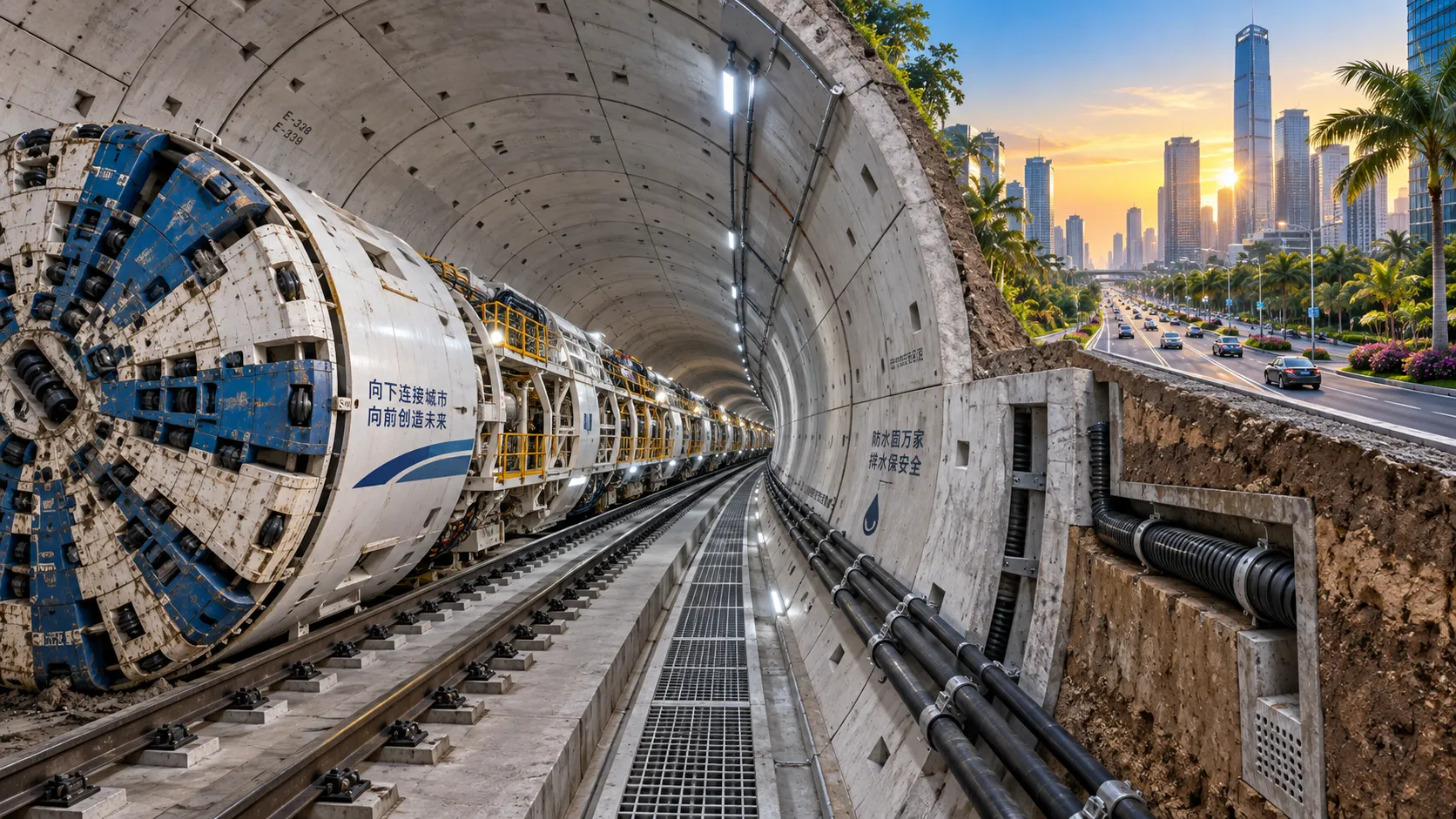
What Is Driving Metro Tunnelling Demand Across Southeast Asia’s Major Cities?
Metro tunnelling Southeast Asia is accelerating as major cities tackle congestion, flooding, and connectivity. Explore the market forces, technical risks, and opportunities shaping demand.
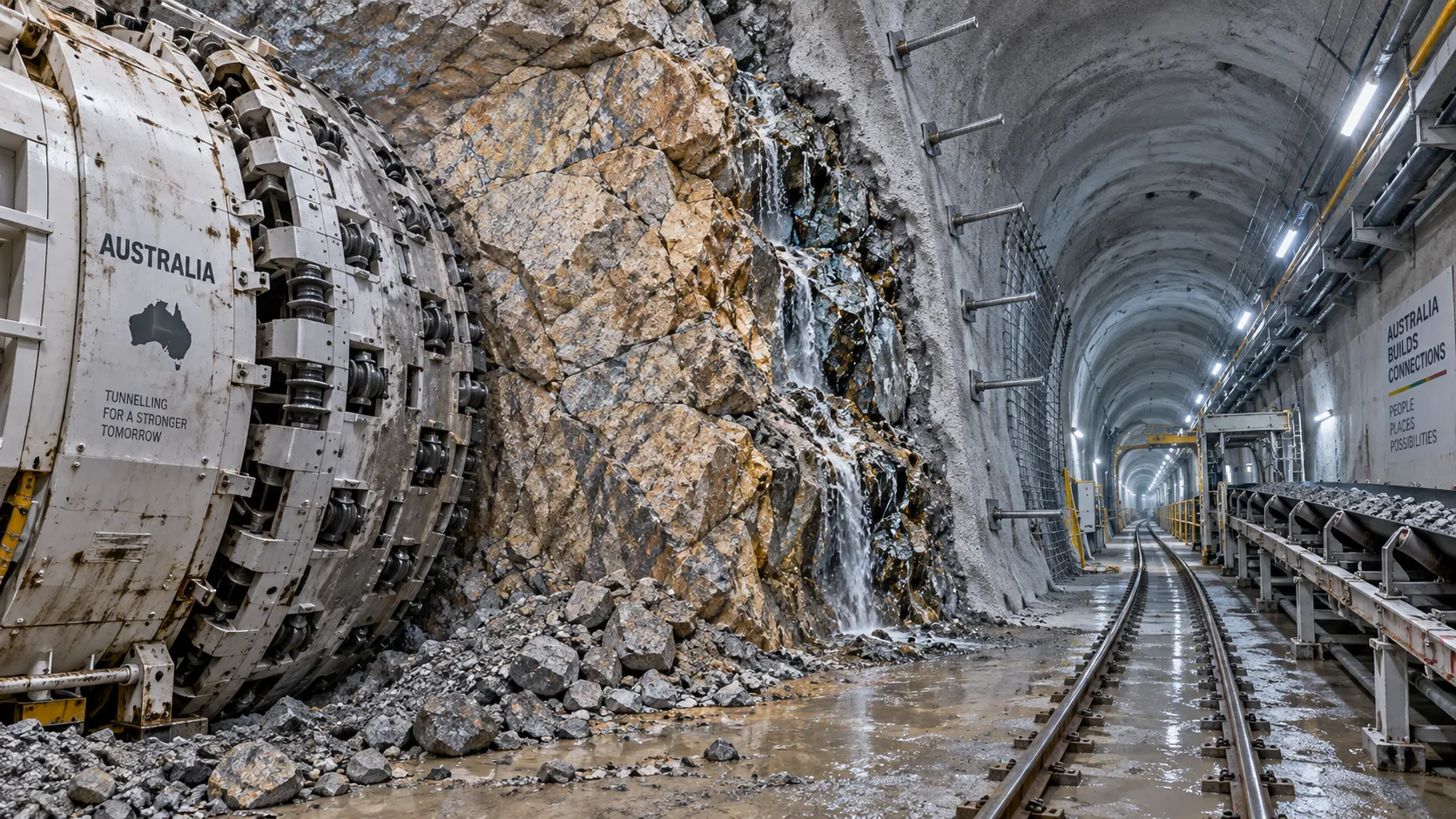
Hard Rock Tunnelling in Australia: Selecting Methods for Variable Ground Conditions
Hard rock tunnelling in Australia: compare TBM, drill-and-blast and hybrid methods to manage variable ground, reduce risk and protect project costs.
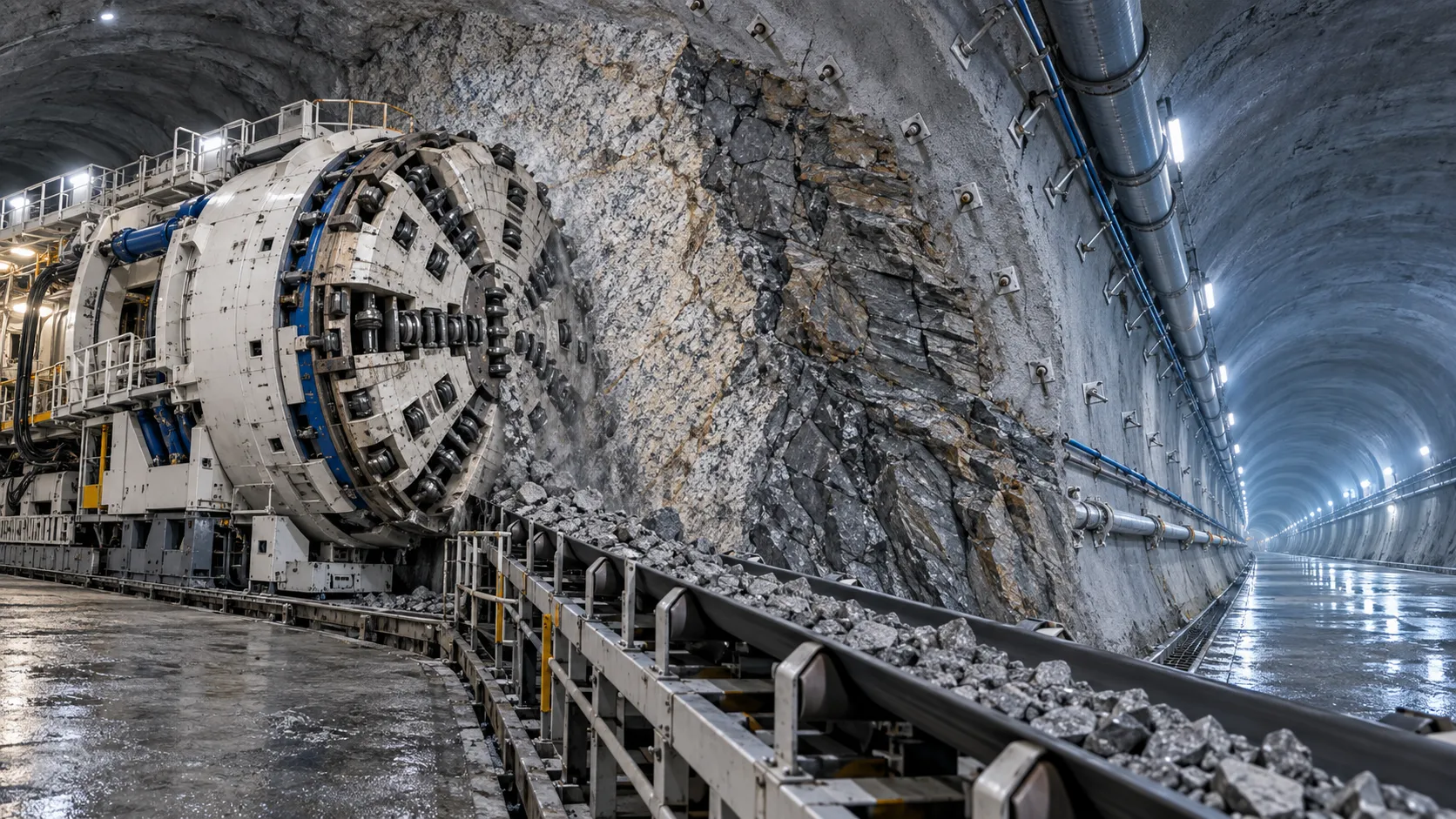
Hydropower Tunnel Excavation: Selecting Methods for Variable Rock Conditions
Hydropower tunnel excavation methods for variable rock conditions: compare TBM, drill-and-blast, and hybrid strategies to improve safety, progress, and project control.
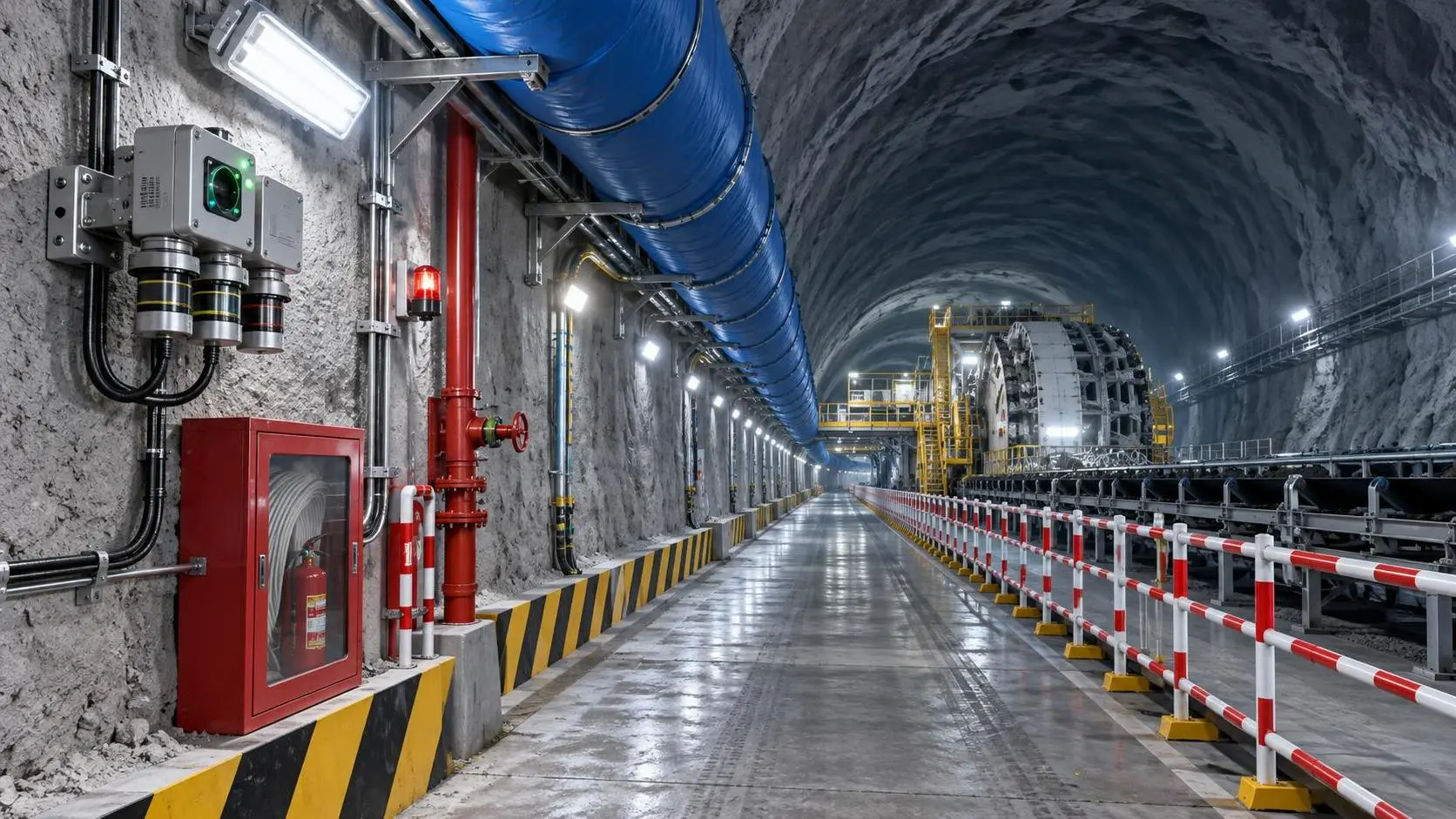
How to Select Underground Safety Equipment for Tunnelling by Hazard and Work Zone
Underground Safety Equipment for tunnelling: match protection to hazards, work zones, compliance, and emergency needs with this practical selection guide.
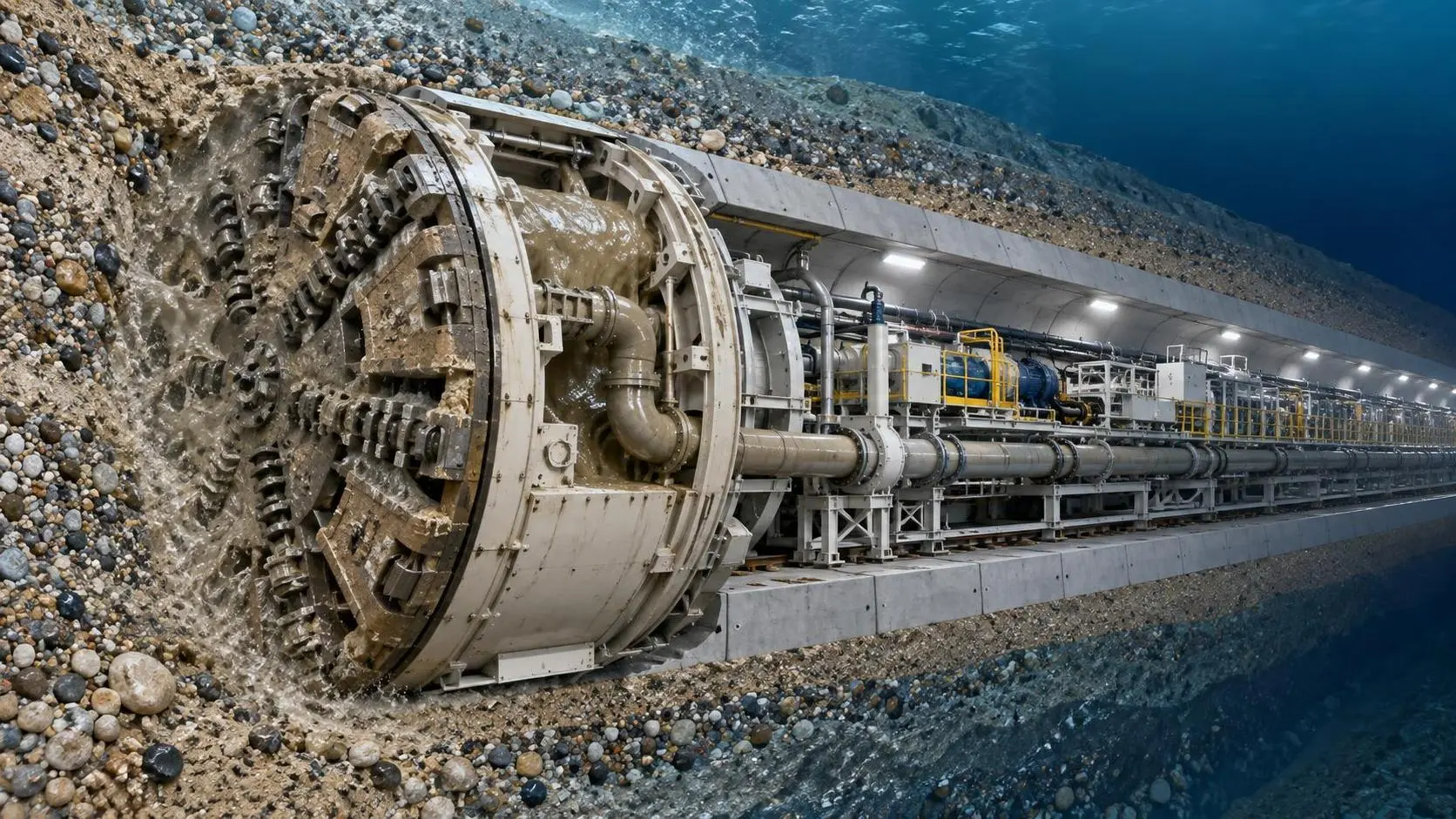
EPB or Slurry Shield? Selecting Soft-Ground Tunnelling Equipment by Soil Conditions
Tunnel Excavation Equipment for soft ground: compare EPB and slurry shields by soil, groundwater, settlement risk, and project logistics to choose confidently.
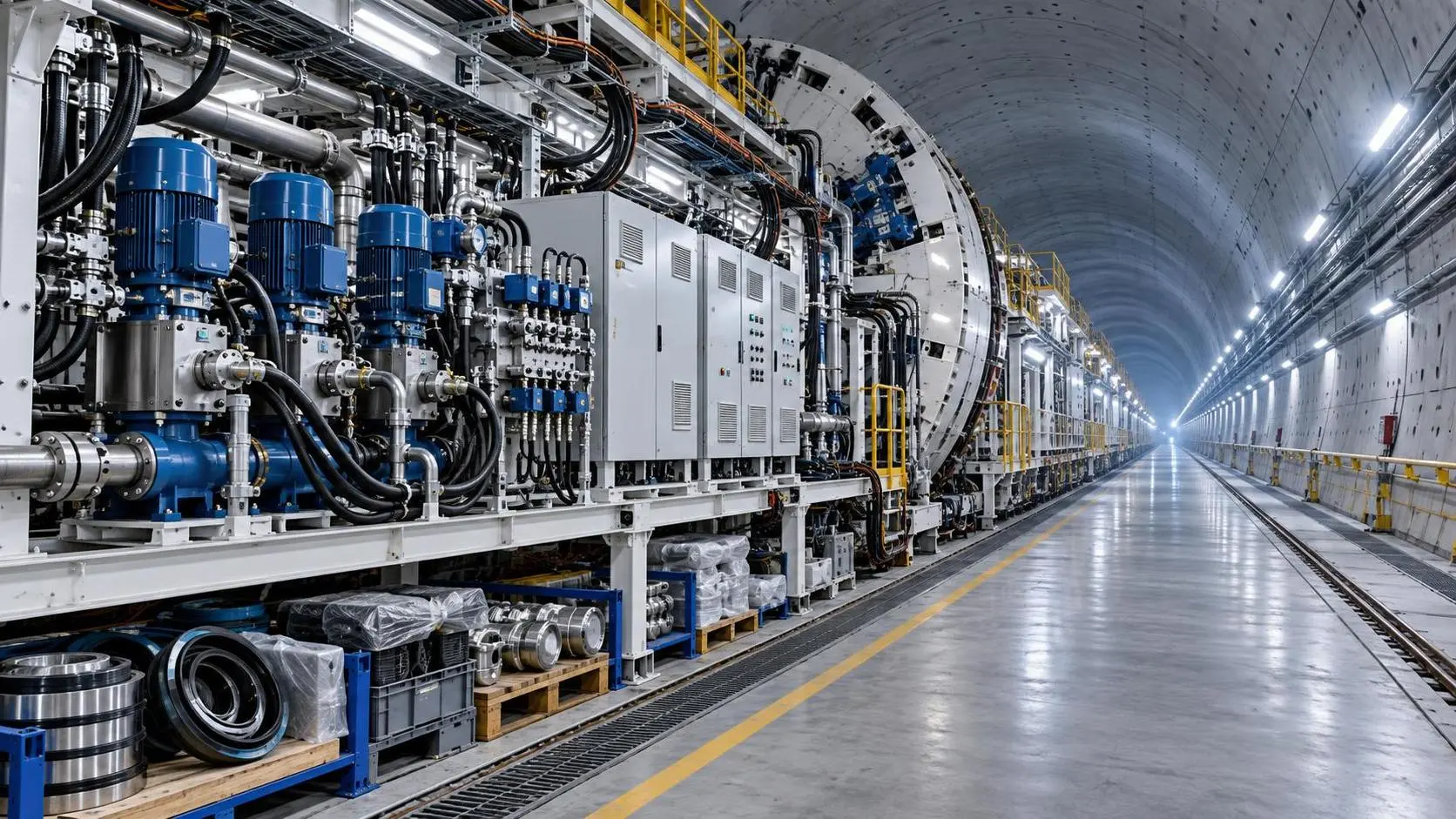
How to Specify TBM Backup System Parts for Reliable Long-Distance Tunnelling
TBM backup system parts: learn how to specify reliable spares for long-distance tunnelling, reduce downtime, ensure compatibility, and speed underground recovery.
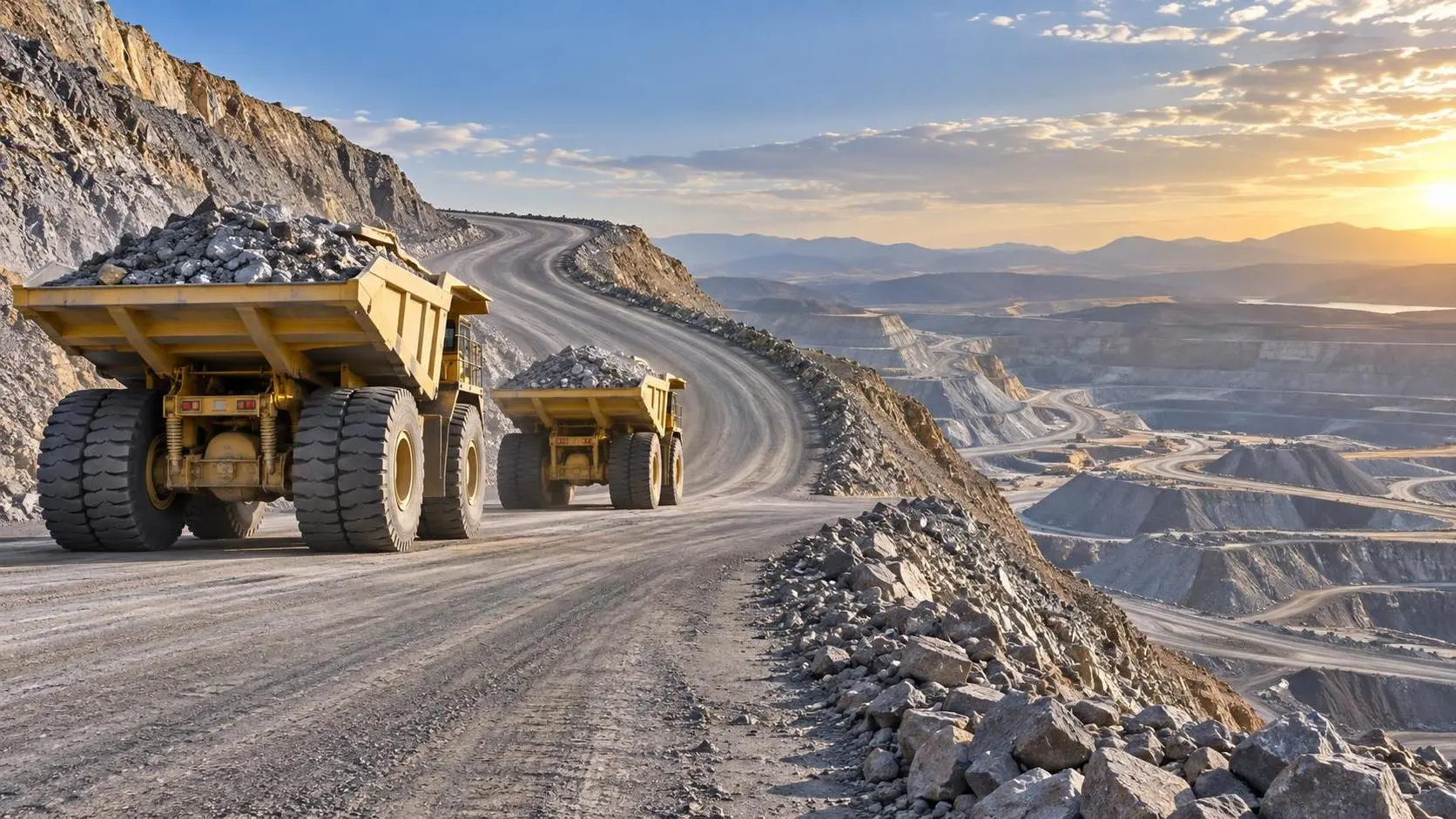
How to Size Open Pit Mining Trucks for Haul Distance, Grade, and Payload?
Open Pit Mining Trucks: learn how to match payload, haul distance, grade, road resistance, and loading capacity for safer, lower-cost mine operations.
Related News
- 00
0000-00
How to Evaluate European Drill-and-Blast Tunnelling Contractors for Complex Projects - 00
0000-00
Which Trenchless Construction Technique Fits Your Utility Crossing Conditions? - 00
0000-00
What Is Driving Metro Tunnelling Demand Across Southeast Asia’s Major Cities? - 00
0000-00
Hard Rock Tunnelling in Australia: Selecting Methods for Variable Ground Conditions - 00
0000-00
Hydropower Tunnel Excavation: Selecting Methods for Variable Rock Conditions
Weekly Insights
Stay ahead with our curated technology reports delivered every Monday.