
How to choose Tunnel Construction Machinery wisely





Choosing Tunnel Construction Machinery wisely can determine project safety, cost control, and long-term productivity. For underground works, the best option depends on geology, tunnel diameter, alignment, emissions limits, automation level, and service support.
This guide explains how to evaluate Tunnel Construction Machinery through practical questions. It also compares equipment types, cost drivers, and common procurement risks for modern tunnelling and mining-related projects.
What does Tunnel Construction Machinery include?
Tunnel Construction Machinery is not one machine. It is a system of excavation, support, transport, guidance, ventilation, and monitoring equipment working together underground.
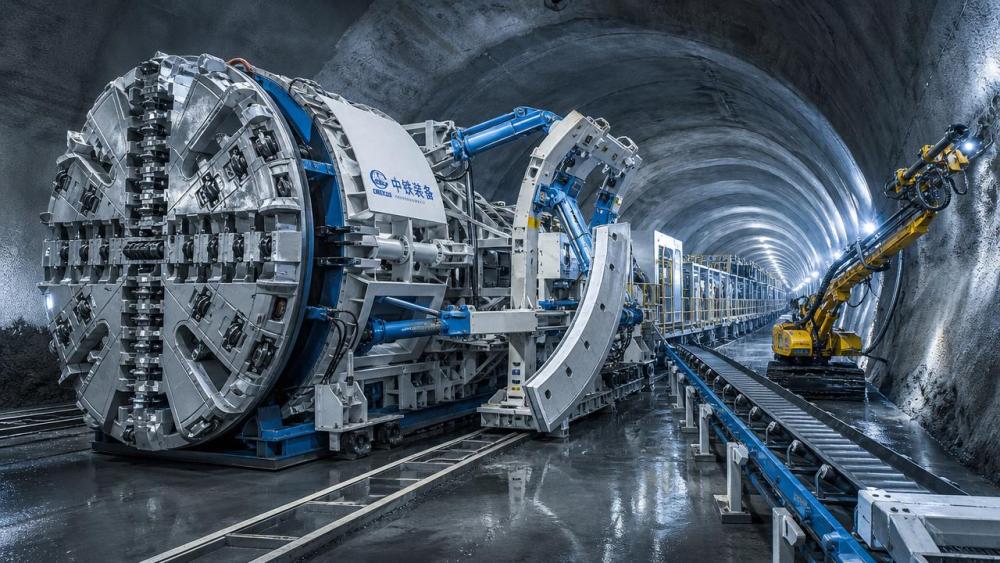
For large and continuous excavation, TBMs are often selected. They suit metro tunnels, water transfer routes, rail links, and mega infrastructure crossing complex strata.
For urban utility crossings, pipe jacking machines offer trenchless installation with limited surface disruption. They are useful where roads, buildings, and traffic must remain active.
In drill-and-blast projects, drilling jumbos create blast holes and rock support holes. They are common in hard rock tunnels, mine declines, and irregular tunnel alignments.
Supporting fleets also matter. Underground LHD loaders, conveyors, segment erectors, ventilation systems, and power units directly affect cycle time and uptime.
A complete Tunnel Construction Machinery plan should therefore consider the whole process, not only the cutting machine. The wrong support system can weaken the best main machine.
How should geology shape the choice of Tunnel Construction Machinery?
Geology is the first decision filter. Rock strength, fault zones, groundwater pressure, abrasiveness, and mixed-face conditions strongly influence machine design and tooling requirements.
Hard rock conditions may favor hard rock TBMs or drilling jumbos. Abrasive formations require stronger cutter materials, wear planning, and easier access for replacement.
Soft ground and water-bearing strata often need EPB or slurry shield technology. These machines control face pressure and reduce collapse or inflow risks.
Mixed geology deserves extra caution. A machine optimized for one condition can lose efficiency quickly when moving through alternating clay, gravel, fractured rock, and water zones.
Site investigation quality matters as much as machine quality. Incomplete geotechnical data often leads to overspending, delays, or selecting Tunnel Construction Machinery with the wrong configuration.
- Check UCS, abrasivity, groundwater, and fault distribution.
- Match cutterhead design to expected strata transitions.
- Review spoil removal requirements early.
- Confirm segment, support, and lining compatibility.
Which equipment type is best for different tunnel applications?
There is no universal answer. The right Tunnel Construction Machinery depends on tunnel length, diameter, surface sensitivity, schedule pressure, and required finish quality.
TBM for long, repetitive excavation
TBMs offer high consistency in long tunnels. They reduce manual exposure at the face and support automated excavation, segment installation, and real-time monitoring.
They usually need higher upfront investment. However, they can deliver strong lifecycle value when tunnel length and production continuity justify the capital cost.
Pipe jacking for urban crossings
Pipe jacking suits municipal pipelines, drainage systems, and short urban tunnels. It minimizes open excavation and lowers disturbance around busy roads and developed districts.
Drilling jumbos for flexible hard rock works
Drilling jumbos work well where tunnel geometry changes often. They fit mine development, mountain tunnels, and projects requiring staged blasting and rock reinforcement.
What technical factors matter most beyond the purchase price?
Purchase price is only the visible layer. Smart selection of Tunnel Construction Machinery focuses on performance, reliability, maintainability, digital capability, and total operating cost.
Production rate should be reviewed with realistic site assumptions. Promotional output figures may not reflect difficult ground, tool changes, operator learning, or logistics constraints.
Maintenance accessibility is critical underground. Fast replacement of cutters, hoses, sensors, and wear parts reduces downtime and improves safety during intervention tasks.
Automation and digital monitoring are increasingly important. Sensors, remote diagnostics, navigation systems, and predictive maintenance tools improve decision speed and reduce failure surprises.
Energy efficiency also deserves attention. Electrified or hybrid systems can lower ventilation load, cut emissions, and support ESG goals in confined underground spaces.
- Availability of local spare parts
- Training quality and technical documentation
- Remote support response time
- Compatibility with existing fleet systems
- Upgradeable controls and software
How can lifecycle cost and project risk be evaluated correctly?
A low bid can become expensive after commissioning. Tunnel Construction Machinery should be assessed across acquisition, transport, assembly, operation, wear, downtime, and resale or redeployment value.
Cutter consumption and wear rates often change the business case significantly. In hard and abrasive ground, tooling cost can rival other major operating expenses.
Delivery schedule is another hidden risk. A delayed machine can affect permits, labor planning, shaft readiness, and downstream contractors waiting on excavation progress.
Contract terms should define performance guarantees carefully. Output targets, geology assumptions, excluded conditions, warranty scope, and spare package responsibilities must be clear.
For complex projects, scenario analysis helps. Compare expected cost in best-case, base-case, and adverse geology conditions before selecting Tunnel Construction Machinery.
What are the most common mistakes when choosing Tunnel Construction Machinery?
One frequent mistake is buying oversized equipment. Bigger machines may look powerful, yet they can increase shaft requirements, logistics complexity, and operating cost.
Another mistake is underestimating ground variability. A machine that works well in one section may struggle badly in transition zones without proper design allowances.
Some selections ignore downstream systems. Spoil handling, segment supply, ventilation, dewatering, and transport must match the excavation rate of the chosen machine.
Digital features are also often misunderstood. More sensors do not automatically create value unless the team can use data for maintenance and production decisions.
Finally, weak supplier assessment causes long-term trouble. Proven field performance, engineering depth, and after-sales execution matter more than polished brochures.
How can a better evaluation process improve final selection?
A disciplined process makes Tunnel Construction Machinery selection more reliable. Start by defining tunnel purpose, geology profile, production target, environmental constraints, and project duration.
Then build a weighted comparison matrix. Include technical fit, lifecycle cost, energy use, safety design, automation, lead time, and service network strength.
Request case histories from similar geology and diameter ranges. Field references often reveal practical strengths and weaknesses missed in standard technical proposals.
Pilot reviews, factory inspections, and spare parts audits can further reduce uncertainty. For advanced projects, digital integration checks should be part of acceptance planning.
UTMD closely tracks the evolution of TBMs, pipe jacking systems, drilling jumbos, and smart underground haulage. Intelligence-led comparison helps turn equipment selection into a strategic advantage.
In summary, choosing Tunnel Construction Machinery wisely means balancing geology, application, automation, energy performance, maintainability, and service support. The best decision is rarely the cheapest upfront option.
Use a structured checklist, compare lifecycle scenarios, and verify supplier capability against real underground conditions. That approach supports safer execution, stronger productivity, and better long-term asset value.
Related News
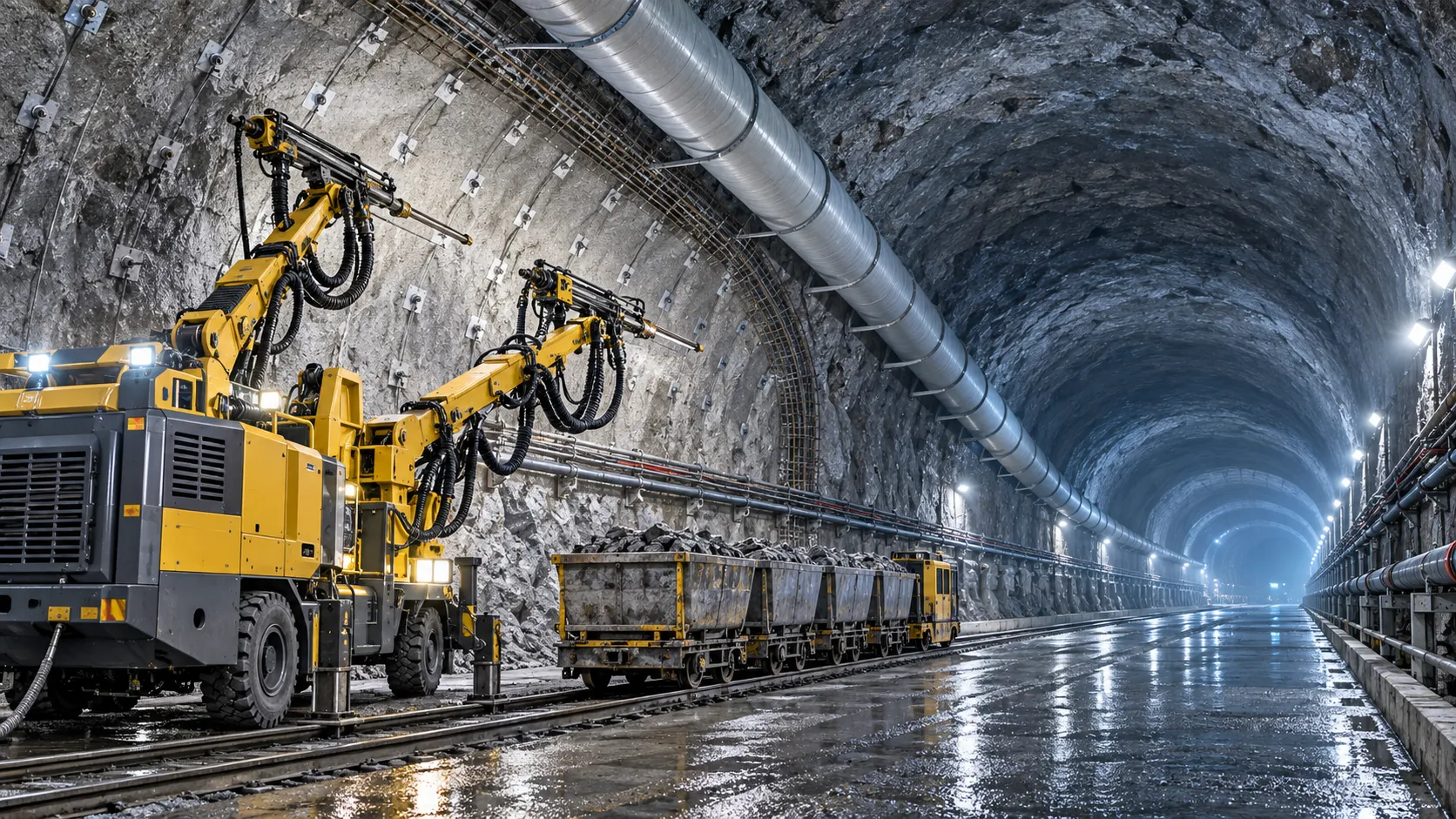
How to Evaluate European Drill-and-Blast Tunnelling Contractors for Complex Projects
Drill and blast tunnelling contractors Europe: learn how to assess geology expertise, blast control, equipment reliability, safety, and programme resilience for complex projects.
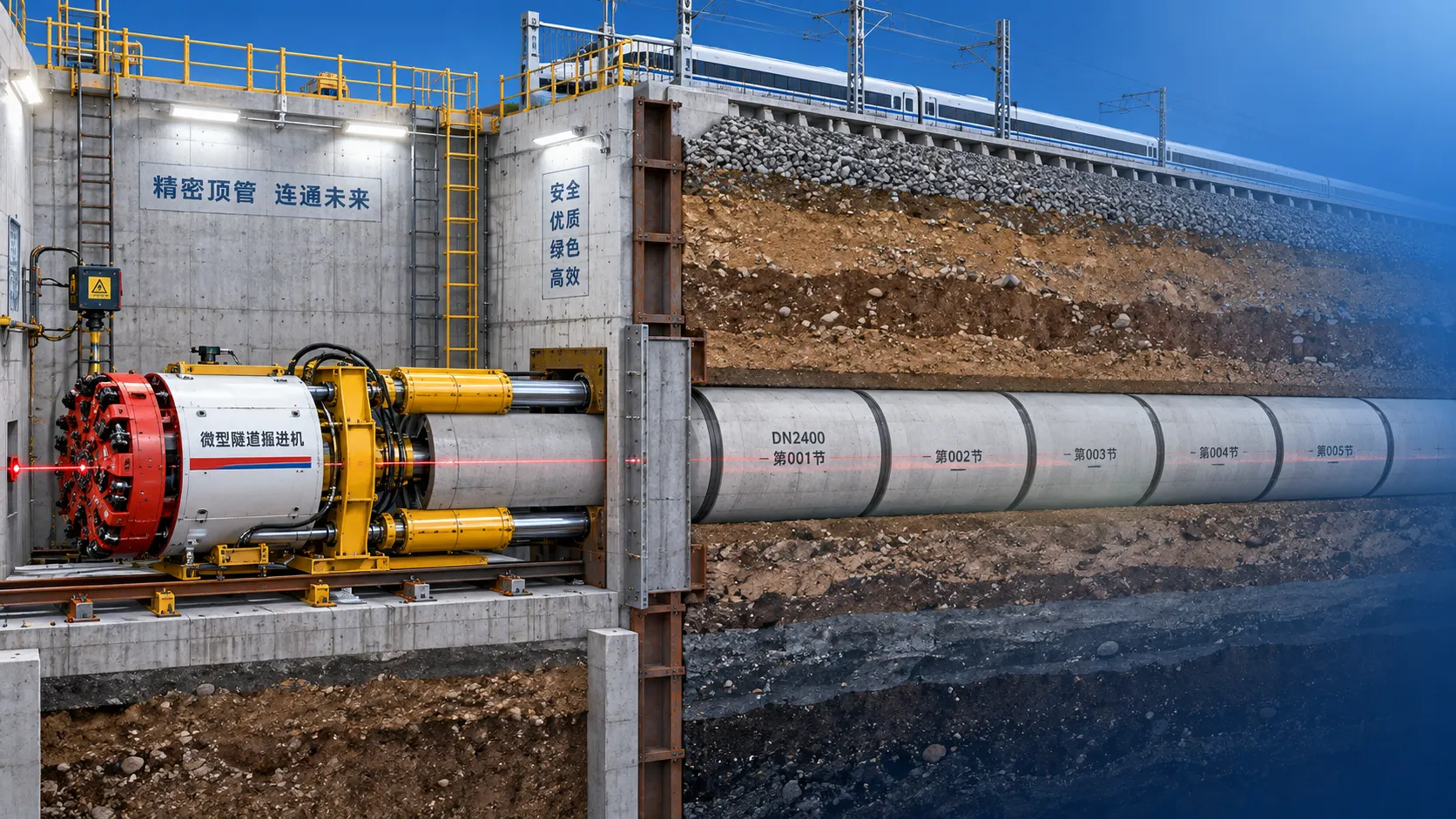
Which Trenchless Construction Technique Fits Your Utility Crossing Conditions?
Trenchless construction techniques compared for utility crossings: choose HDD, microtunnelling, pipe jacking, or auger boring based on ground, accuracy, access, and risk.
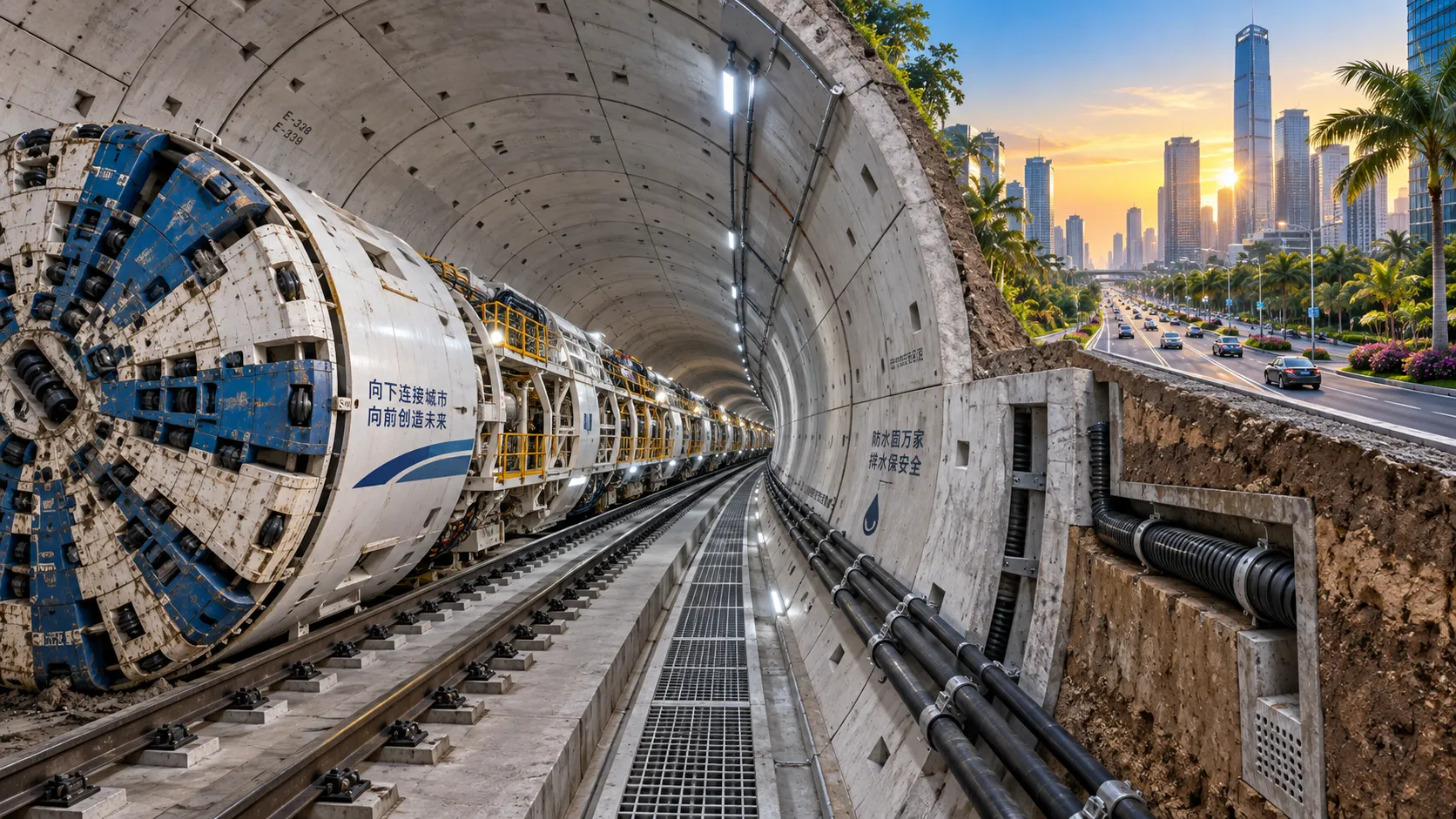
What Is Driving Metro Tunnelling Demand Across Southeast Asia’s Major Cities?
Metro tunnelling Southeast Asia is accelerating as major cities tackle congestion, flooding, and connectivity. Explore the market forces, technical risks, and opportunities shaping demand.
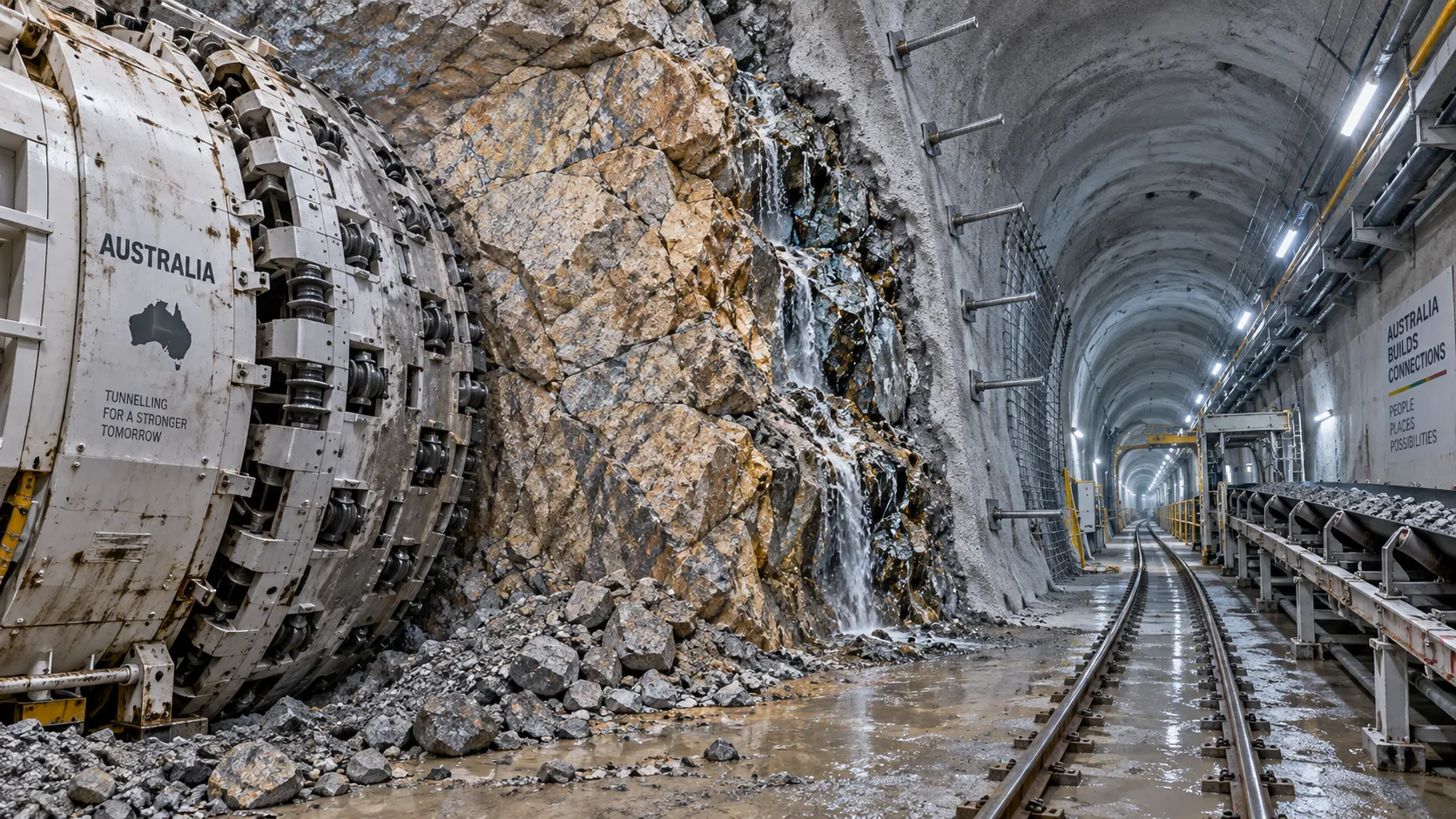
Hard Rock Tunnelling in Australia: Selecting Methods for Variable Ground Conditions
Hard rock tunnelling in Australia: compare TBM, drill-and-blast and hybrid methods to manage variable ground, reduce risk and protect project costs.
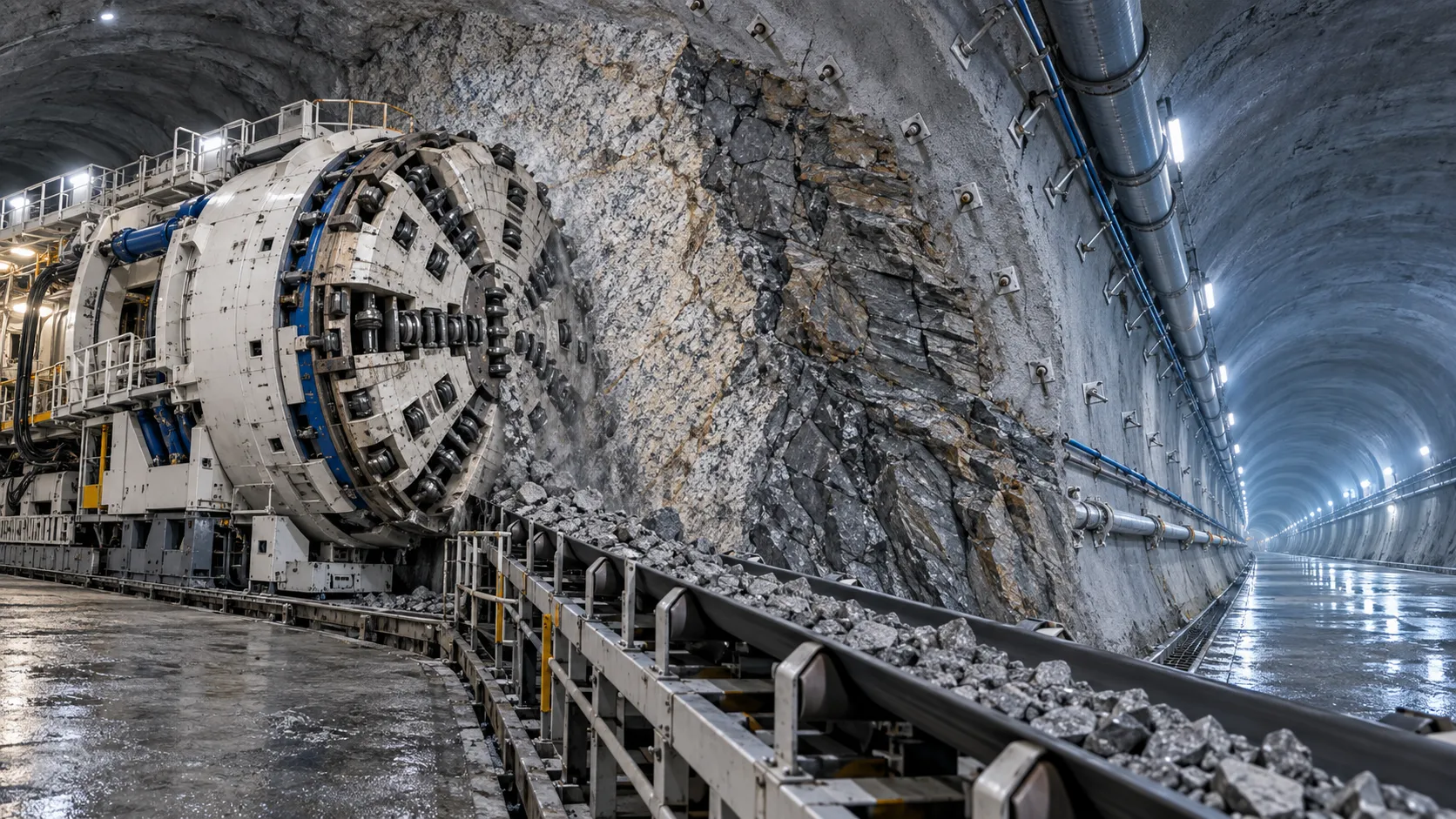
Hydropower Tunnel Excavation: Selecting Methods for Variable Rock Conditions
Hydropower tunnel excavation methods for variable rock conditions: compare TBM, drill-and-blast, and hybrid strategies to improve safety, progress, and project control.
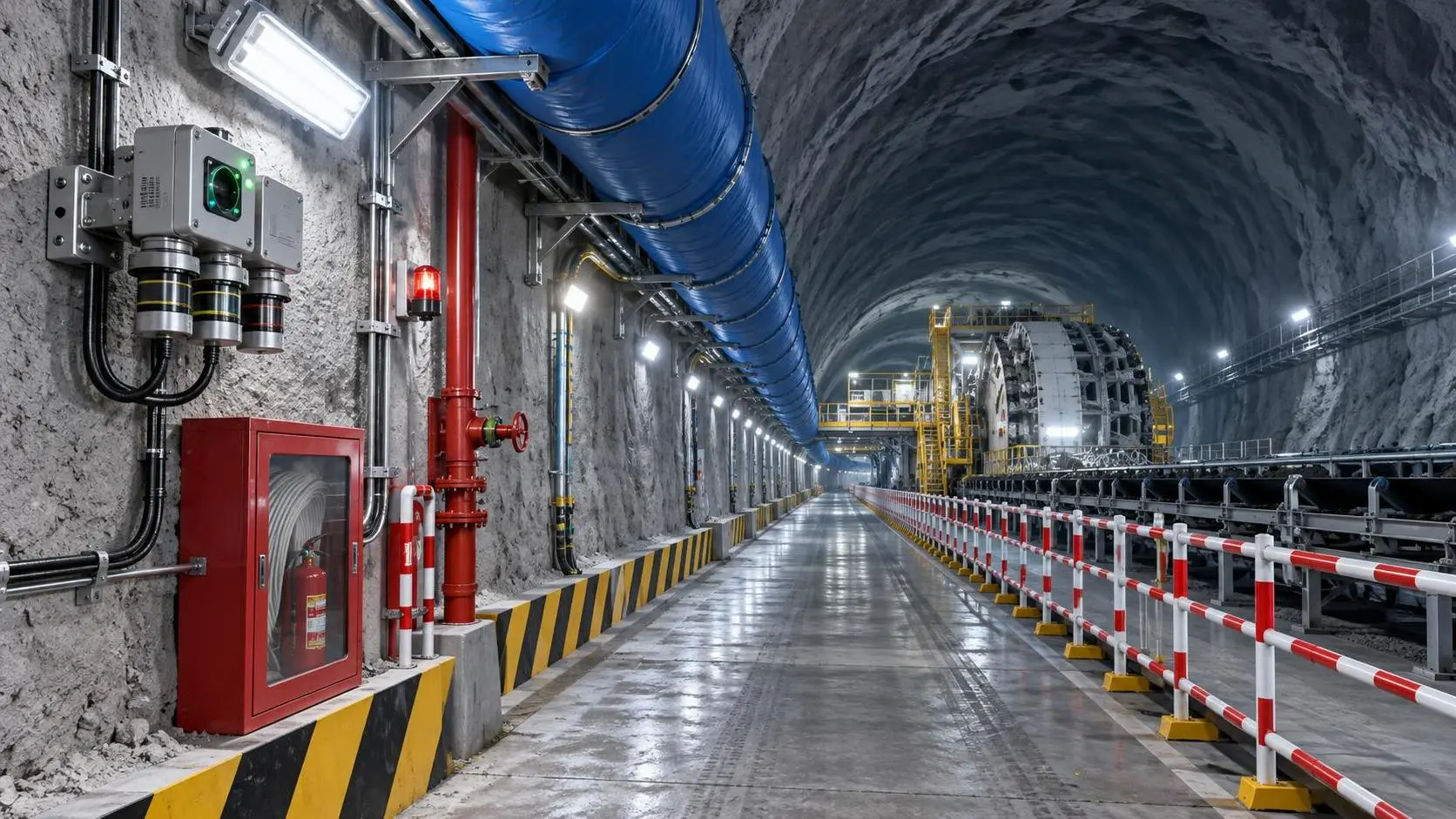
How to Select Underground Safety Equipment for Tunnelling by Hazard and Work Zone
Underground Safety Equipment for tunnelling: match protection to hazards, work zones, compliance, and emergency needs with this practical selection guide.
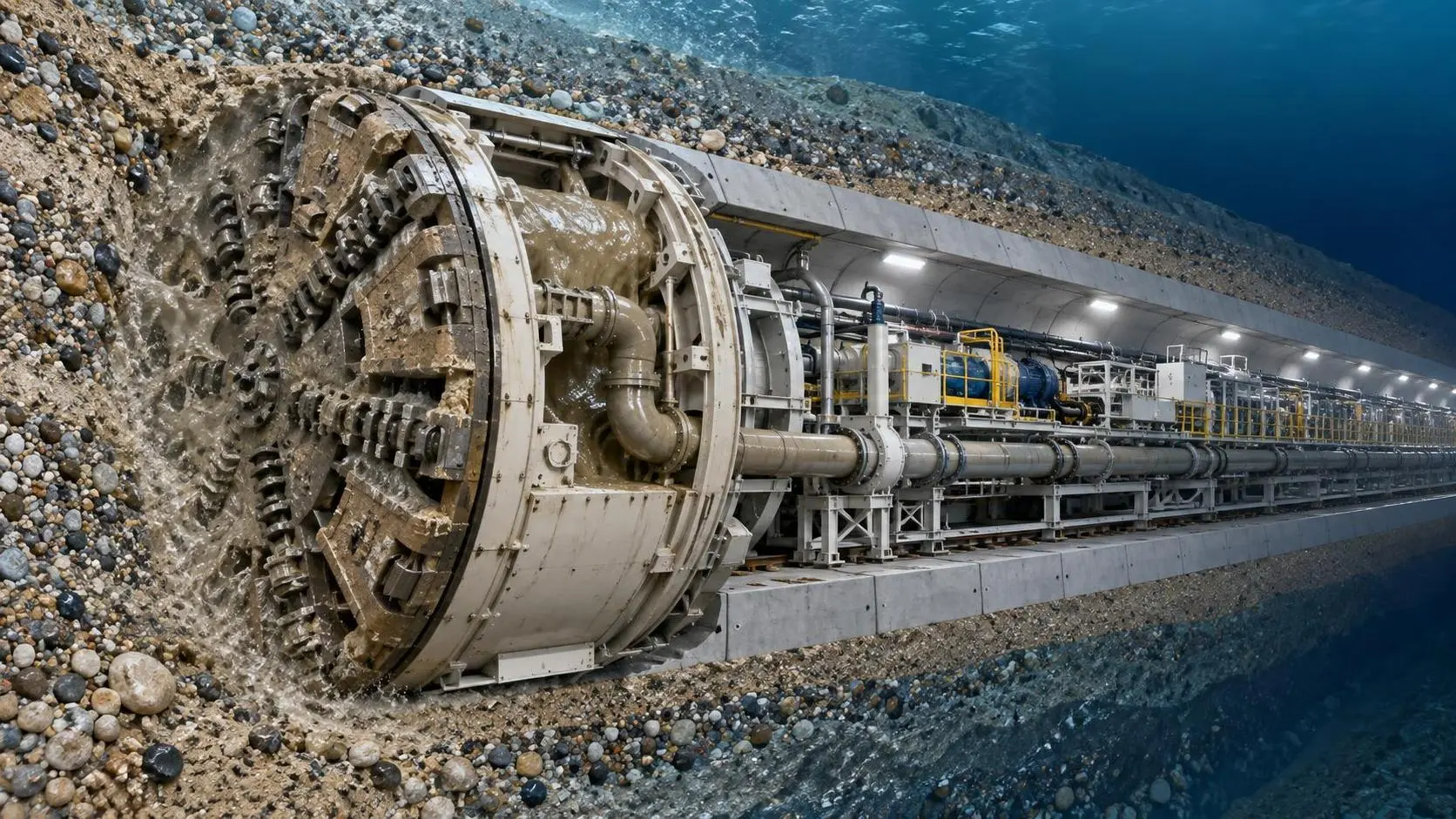
EPB or Slurry Shield? Selecting Soft-Ground Tunnelling Equipment by Soil Conditions
Tunnel Excavation Equipment for soft ground: compare EPB and slurry shields by soil, groundwater, settlement risk, and project logistics to choose confidently.
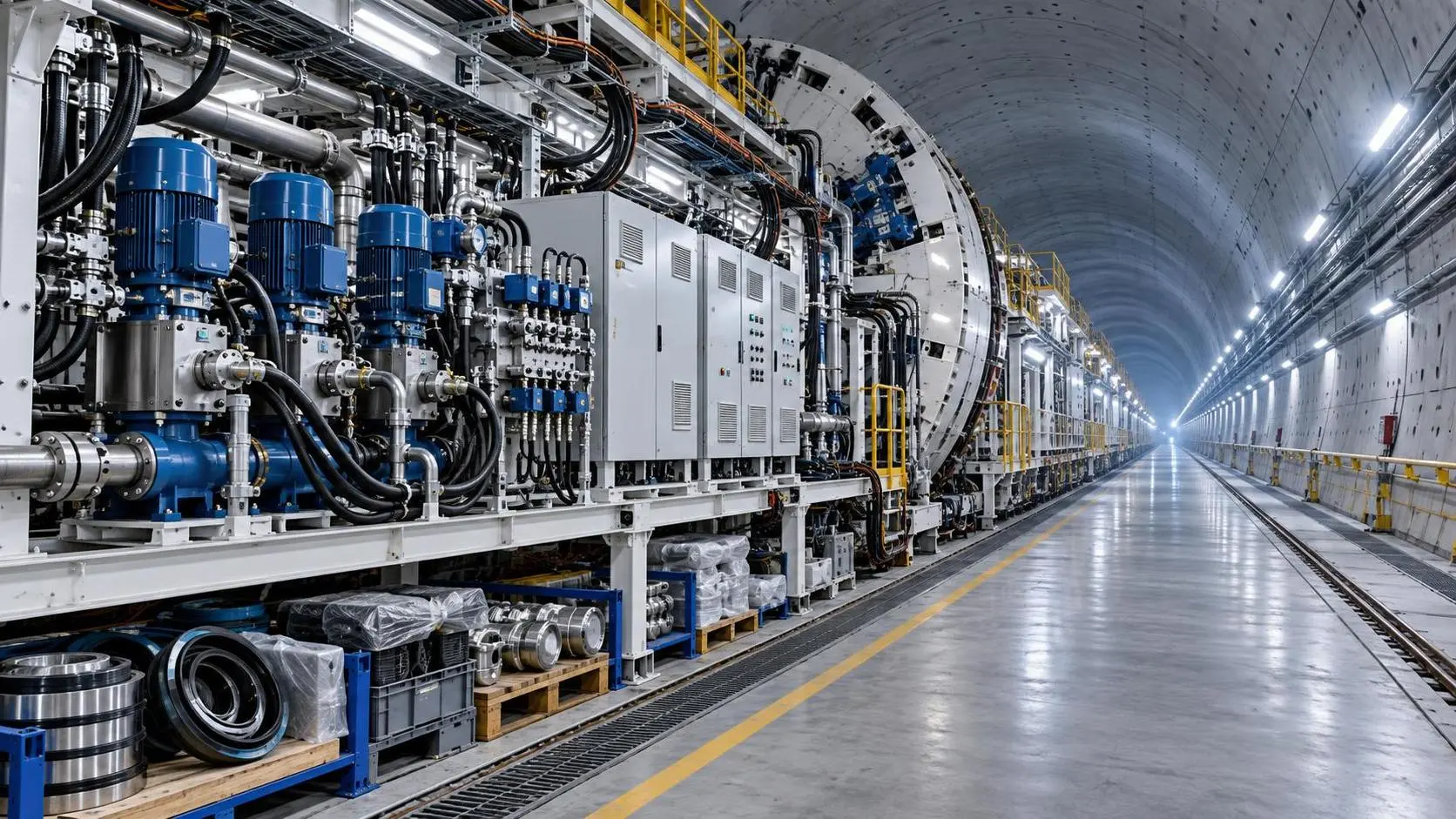
How to Specify TBM Backup System Parts for Reliable Long-Distance Tunnelling
TBM backup system parts: learn how to specify reliable spares for long-distance tunnelling, reduce downtime, ensure compatibility, and speed underground recovery.
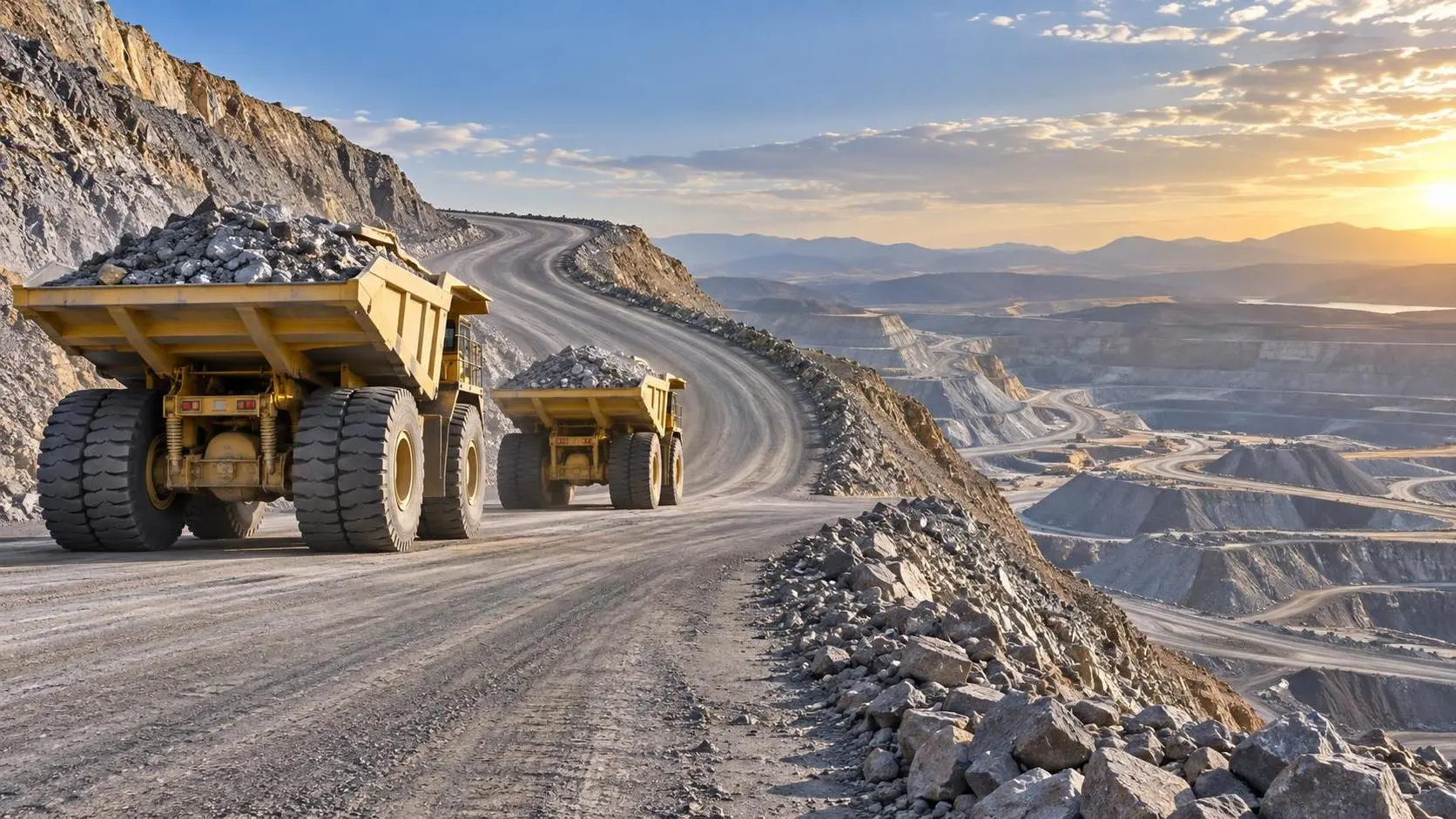
How to Size Open Pit Mining Trucks for Haul Distance, Grade, and Payload?
Open Pit Mining Trucks: learn how to match payload, haul distance, grade, road resistance, and loading capacity for safer, lower-cost mine operations.
Related News
- 00
0000-00
How to Evaluate European Drill-and-Blast Tunnelling Contractors for Complex Projects - 00
0000-00
Which Trenchless Construction Technique Fits Your Utility Crossing Conditions? - 00
0000-00
What Is Driving Metro Tunnelling Demand Across Southeast Asia’s Major Cities? - 00
0000-00
Hard Rock Tunnelling in Australia: Selecting Methods for Variable Ground Conditions - 00
0000-00
Hydropower Tunnel Excavation: Selecting Methods for Variable Rock Conditions
Weekly Insights
Stay ahead with our curated technology reports delivered every Monday.