
Why Underground Logistics Solutions now shape mine output





Underground Logistics Solutions are no longer a support layer beneath production plans. They now influence daily tonnage, energy use, safety exposure, and the economics of mine expansion.
As underground mines go deeper, haul distances grow, ventilation costs rise, and traffic complexity increases. In that setting, fragmented transport systems limit output even when drilling and loading capacity looks strong.
That is why Underground Logistics Solutions have become central to mine strategy. Electrified haulage, autonomous LHD fleets, routing software, and real-time traffic control now shape whether ore moves smoothly or stalls underground.
For intelligence platforms such as UTMD, this shift matters across the full equipment chain. Smart underground transport connects rock extraction, zero-emission goals, and digital mine performance into one operational system.
What are Underground Logistics Solutions in modern mining?
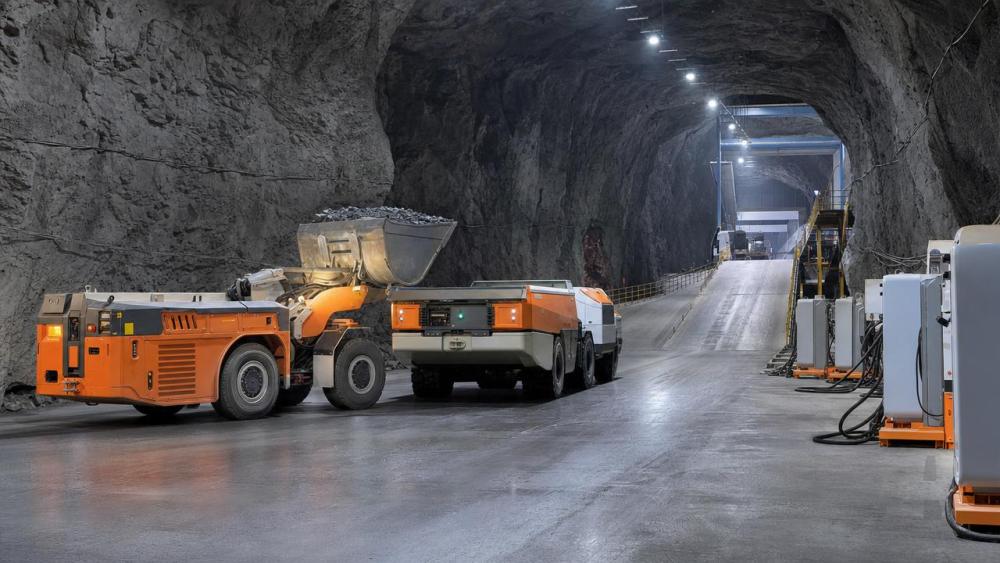
Underground Logistics Solutions combine machines, software, energy systems, traffic rules, and dispatch logic. Their purpose is simple: move ore, waste, people, and materials with less delay and more predictability.
In older mines, transport often depended on isolated equipment decisions. One loader, one truck, or one route was optimized locally, while total mine flow remained unstable.
Today, smarter Underground Logistics Solutions connect several layers at once:
- battery or electric haulage systems
- autonomous or remote-controlled LHD operations
- traffic management in narrow drifts
- ore-pass, crusher, and dumping point coordination
- maintenance and charging scheduling
- data visibility across shifts and production zones
This systems view is why logistics now shapes output. A mine may drill enough headings, yet still lose production through haul congestion, waiting time, or underused charging windows.
UTMD tracks this evolution because smart transport is no longer separate from extraction technology. It sits beside drilling jumbos, underground LHD loaders, and electrified heavy equipment as a core production driver.
Why do Underground Logistics Solutions directly affect mine output?
Mine output depends on how consistently broken rock reaches the next processing point. Every interruption between face loading and ore transfer reduces effective capacity.
Underground Logistics Solutions improve output by reducing hidden losses. These losses are often larger than equipment buyers first expect.
1. They cut idle time
Loaders waiting for trucks, trucks waiting at passes, or operators waiting for instructions create production gaps. Integrated dispatch systems shorten those gaps and stabilize flow.
2. They reduce bottlenecks in deep levels
As mines deepen, route options narrow and travel cycles become longer. Underground Logistics Solutions model traffic patterns and identify the exact points that constrain tonnage.
3. They align loading, hauling, and dumping
High-performing mines balance all three functions. If one step moves faster than the others, queues build, equipment utilization drops, and daily output becomes erratic.
4. They improve decision speed
Real-time fleet data makes route changes faster during ventilation events, maintenance stoppages, or unexpected geotechnical restrictions. Faster decisions help preserve production in unstable conditions.
In practical terms, output is no longer determined only by how fast rock is broken. It is also determined by how intelligently underground transport absorbs variation every shift.
Which technologies are pushing Underground Logistics Solutions forward?
Several technologies are converging at the same time. Together, they are changing underground haulage from a mechanical task into a digital operating discipline.
Battery-electric and zero-emission fleets
Battery LHDs and electric mine trucks reduce diesel exposure and lower ventilation demand. This makes deeper sections more practical and can release energy savings at mine scale.
However, electrification only works well when charging, swapping, and duty cycles are coordinated. That coordination is a logistics challenge, not just a vehicle specification issue.
Autonomous and tele-remote loading
Autonomous LHDs can repeat routes with high consistency and operate in areas where human access is restricted. That can improve both output continuity and safety margins.
UTMD closely observes SLAM-based navigation and underground connectivity because localization quality directly influences cycle reliability in these applications.
Fleet management and traffic orchestration
Modern Underground Logistics Solutions increasingly depend on dispatch software. The strongest systems connect production plans with route status, equipment health, and shift-level constraints.
Predictive maintenance and energy analytics
Unexpected failures underground are especially costly. Data models that predict brake wear, battery condition, tire stress, or loader hydraulics help protect output before breakdowns occur.
How should mines judge whether Underground Logistics Solutions fit their operation?
Not every mine needs the same architecture. Good decisions begin with geology, mine depth, development stage, and the current bottleneck.
A useful assessment starts with a few practical questions:
- Is output constrained by loading, haulage, or dumping?
- How much time is lost to waiting or empty travel?
- Are diesel ventilation costs limiting deeper production?
- Can the mine support charging, swapping, or automation infrastructure?
- Is data visibility sufficient for dispatch and maintenance decisions?
Shallow or simpler mines may gain most from better routing and maintenance planning. Deep, multi-level mines often benefit more from integrated Underground Logistics Solutions with electrification and autonomy.
Mines expanding around copper, lithium, or other energy metals face extra pressure. They must often increase tonnage while also meeting stronger ESG expectations and tighter cost controls.
What mistakes slow the value of Underground Logistics Solutions?
The most common mistake is buying advanced machines without redesigning transport logic. New equipment alone rarely fixes a weak underground flow model.
Mistake 1: treating logistics as a secondary function
When logistics planning is postponed, production gains from drilling or loading are diluted. The result is capital spending without full operational return.
Mistake 2: underestimating infrastructure readiness
Electrified Underground Logistics Solutions need charging points, power stability, ventilation redesign, and space planning. These should be modeled early, not after equipment delivery.
Mistake 3: ignoring interoperability
Mixed fleets often include different software environments. If loader data, truck data, and mine planning systems cannot communicate, dispatch quality remains limited.
Mistake 4: focusing only on headline productivity
Cycle speed matters, but so do reliability, recharge timing, and maintenance intervals. Sustainable output comes from system stability, not a single performance metric.
What do cost, timeline, and ESG considerations really mean?
The case for Underground Logistics Solutions is broader than fuel savings. It includes ventilation economics, labor exposure, production consistency, and future compliance resilience.
Implementation usually follows phases rather than one full replacement. Many operations start with data visibility, then add electric units, then move toward coordinated automation.
From an ESG perspective, Underground Logistics Solutions support lower emissions in confined spaces and safer traffic patterns. They also strengthen reporting credibility when mines face tougher environmental scrutiny.
This is one reason UTMD sees commercial momentum building fast. Global replacement demand is being accelerated by electrification targets and the digital transition of heavy underground equipment.
How can a mine take the next step with Underground Logistics Solutions?
Start by mapping the complete ore movement chain, not just fleet size. Measure waits, route conflicts, energy constraints, and maintenance interruptions across shifts.
Next, identify whether the priority is electrification, autonomy, dispatch visibility, or infrastructure redesign. The best Underground Logistics Solutions usually solve one clear bottleneck first.
Then build a staged roadmap. Pilot one level, one fleet segment, or one loading corridor before committing to wider deployment.
Why Underground Logistics Solutions now shape mine output is no longer a theoretical question. It is visible in throughput, ventilation cost, asset utilization, and the ability to scale responsibly.
For operations following UTMD intelligence, the message is clear: the future of underground mining belongs to integrated transport systems that are electric, connected, and operationally precise.
The next practical move is to audit underground flow with the same rigor used for drilling, blasting, and equipment selection. That is where lasting output gains now begin.
Related News

How to Evaluate European Drill-and-Blast Tunnelling Contractors for Complex Projects
Drill and blast tunnelling contractors Europe: learn how to assess geology expertise, blast control, equipment reliability, safety, and programme resilience for complex projects.

Which Trenchless Construction Technique Fits Your Utility Crossing Conditions?
Trenchless construction techniques compared for utility crossings: choose HDD, microtunnelling, pipe jacking, or auger boring based on ground, accuracy, access, and risk.

What Is Driving Metro Tunnelling Demand Across Southeast Asia’s Major Cities?
Metro tunnelling Southeast Asia is accelerating as major cities tackle congestion, flooding, and connectivity. Explore the market forces, technical risks, and opportunities shaping demand.

Hard Rock Tunnelling in Australia: Selecting Methods for Variable Ground Conditions
Hard rock tunnelling in Australia: compare TBM, drill-and-blast and hybrid methods to manage variable ground, reduce risk and protect project costs.

Hydropower Tunnel Excavation: Selecting Methods for Variable Rock Conditions
Hydropower tunnel excavation methods for variable rock conditions: compare TBM, drill-and-blast, and hybrid strategies to improve safety, progress, and project control.

How to Select Underground Safety Equipment for Tunnelling by Hazard and Work Zone
Underground Safety Equipment for tunnelling: match protection to hazards, work zones, compliance, and emergency needs with this practical selection guide.

EPB or Slurry Shield? Selecting Soft-Ground Tunnelling Equipment by Soil Conditions
Tunnel Excavation Equipment for soft ground: compare EPB and slurry shields by soil, groundwater, settlement risk, and project logistics to choose confidently.

How to Specify TBM Backup System Parts for Reliable Long-Distance Tunnelling
TBM backup system parts: learn how to specify reliable spares for long-distance tunnelling, reduce downtime, ensure compatibility, and speed underground recovery.

How to Size Open Pit Mining Trucks for Haul Distance, Grade, and Payload?
Open Pit Mining Trucks: learn how to match payload, haul distance, grade, road resistance, and loading capacity for safer, lower-cost mine operations.
Related News
- 00
0000-00
How to Evaluate European Drill-and-Blast Tunnelling Contractors for Complex Projects - 00
0000-00
Which Trenchless Construction Technique Fits Your Utility Crossing Conditions? - 00
0000-00
What Is Driving Metro Tunnelling Demand Across Southeast Asia’s Major Cities? - 00
0000-00
Hard Rock Tunnelling in Australia: Selecting Methods for Variable Ground Conditions - 00
0000-00
Hydropower Tunnel Excavation: Selecting Methods for Variable Rock Conditions
Weekly Insights
Stay ahead with our curated technology reports delivered every Monday.