
Why Trenchless Technology is replacing open-cut work





As cities, utilities, and contractors face rising pressure to cut disruption, emissions, and lifecycle costs, Trenchless Technology is rapidly replacing traditional open-cut work. For enterprise decision-makers, this shift is more than a construction upgrade—it is a strategic move toward faster delivery, lower social impact, and smarter underground asset development in an increasingly performance-driven infrastructure landscape.
For most decision-makers, the real question is not whether trenchless methods are technically impressive. It is whether they reduce project risk, improve economics, and fit long-term infrastructure strategies better than open-cut work.
The short answer is yes, in a growing number of cases. Trenchless Technology is replacing open-cut work because it solves problems that matter most to owners, utilities, municipalities, and private operators.
It reduces traffic disruption, limits surface restoration costs, lowers community resistance, improves safety, and often shortens schedules in dense or sensitive environments. In many projects, these advantages outweigh the apparent simplicity of traditional excavation.
That does not mean open-cut methods are obsolete. It means the decision framework has changed. The winning approach today is the one that delivers underground assets with the lowest total impact, not merely the lowest visible excavation cost.
Why enterprise leaders are shifting away from open-cut work
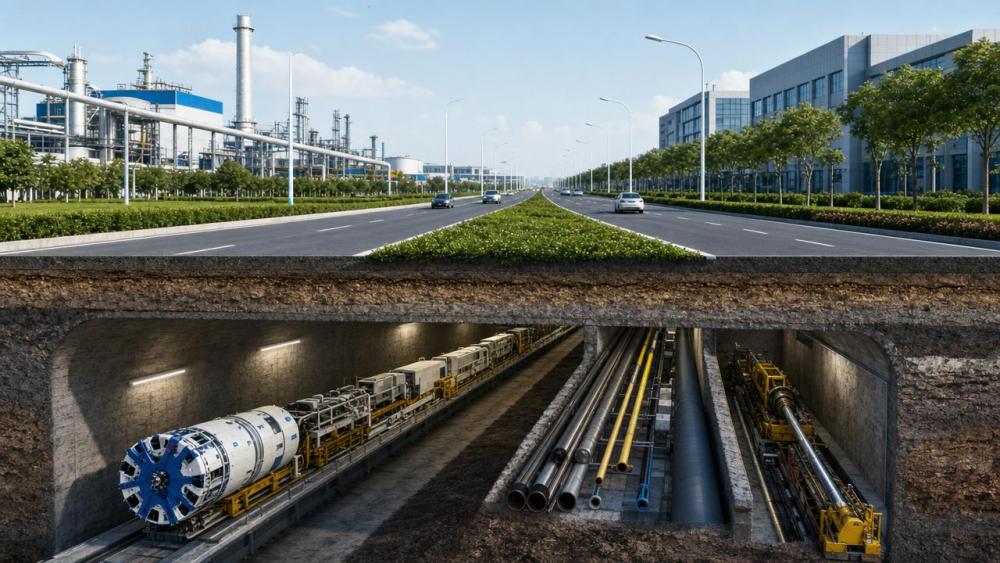
When executives evaluate underground projects, they increasingly look beyond direct construction cost. They assess total project exposure, including permits, disruption, stakeholder management, environmental liabilities, and speed to operational value.
Open-cut construction still has a place, especially in shallow, accessible, low-density sites. But in urban corridors, live utility zones, transport interfaces, industrial campuses, and environmentally sensitive areas, its disadvantages are becoming harder to justify.
Traditional trenching can trigger lane closures, business interruption, noise complaints, dust, spoil handling complexity, and costly reinstatement of roads, pavements, and landscaping. These hidden costs accumulate quickly and often exceed initial budgeting assumptions.
By contrast, Trenchless Technology allows pipelines, conduits, and small tunnels to be installed or rehabilitated with minimal surface excavation. That means fewer public objections, lower restoration liabilities, and a more controllable construction footprint.
For decision-makers, this changes the business case. The conversation moves from “Which method is cheaper to dig?” to “Which method protects capital, schedule, reputation, and long-term asset performance?”
What Trenchless Technology actually does better than open-cut work
Trenchless methods are gaining market share because they align with modern infrastructure priorities. Their biggest strength is not novelty. It is the ability to deliver underground work while preserving what sits above ground.
In dense cities, the surface is often more valuable than the underground alignment itself. Roads carry traffic, sidewalks support commerce, and public spaces have political and economic value. Disturbing them creates direct and indirect losses.
Pipe jacking, microtunneling, horizontal directional drilling, cured-in-place rehabilitation, and related trenchless systems reduce that disruption. Instead of opening long trenches, they concentrate work into launch and reception points or rehabilitation access points.
This creates several practical advantages. Construction zones become smaller. Public interfaces become simpler. Utility conflicts are easier to manage. Surface restoration shrinks dramatically. In many cases, permitting and stakeholder approvals also become more manageable.
Another major advantage is consistency in challenging crossings. Rail lines, highways, rivers, industrial plants, and built-up downtown areas are often poor candidates for open-cut excavation. Trenchless methods can pass beneath them with much lower operational interference.
That ability is especially important for enterprise asset owners who cannot afford extended shutdowns or public disruption. In these settings, trenchless execution is not just a technical option. It is often the only commercially acceptable solution.
Why the economics increasingly favor trenchless delivery
A common misconception is that trenchless projects are always more expensive than open-cut work. This view usually comes from comparing direct construction line items rather than total installed cost and total business impact.
Open-cut work can appear cheaper at first glance because the methods are familiar and unit pricing is straightforward. But once restoration, traffic management, spoil disposal, permit conditions, utility relocations, and delay risks are included, the equation changes.
Trenchless Technology often delivers stronger value when the surface environment is costly, constrained, or politically sensitive. Saving a roadway, avoiding business disruption, or eliminating a major closure can produce significant financial and reputational upside.
Lifecycle economics also matter. Some trenchless rehabilitation methods extend asset life without full replacement, allowing owners to defer larger capital expenditure while restoring serviceability. For utilities under budget pressure, this can be strategically valuable.
There are also labor implications. In many markets, skilled construction labor is tight, traffic control costs are climbing, and site access windows are narrower. Techniques that reduce surface manpower intensity can create measurable operating advantages.
For executives, the right comparison is not trenchless cost versus trenching cost in isolation. It is total cost of delivery, total cost of disruption, and total cost of risk over the asset’s intended service life.
How trenchless methods reduce risk for owners and contractors
Risk reduction is one of the strongest reasons trenchless approaches are replacing open-cut work. Enterprise leaders are increasingly judged on project certainty, not just on nominal budget figures announced at approval stage.
Open-cut excavation carries visible and unpredictable risks. Unknown utilities, unstable trench conditions, community complaints, traffic escalation, weather exposure, and reinstatement disputes can all affect cost and schedule performance.
Trenchless projects also have risks, including geotechnical uncertainty, steering accuracy, shaft construction, and equipment performance. However, these risks are often concentrated, modelled earlier, and managed with better technical control.
In other words, trenchless work can transform a broad, highly disruptive risk field into a narrower, engineering-led risk profile. That shift is attractive to organizations seeking more predictable execution and fewer stakeholder flashpoints.
Safety is another factor. Reducing open excavation, vehicle interaction, and long linear work zones can lower exposure to accidents. In urban and industrial settings, that safety improvement supports both regulatory compliance and ESG commitments.
For boards, infrastructure investors, and public-sector clients, safer delivery with fewer public impacts is increasingly a strategic requirement. Trenchless methods support that expectation in ways traditional open-cut construction often cannot.
Where Trenchless Technology delivers the strongest business value
Trenchless is not the default answer for every underground project. Its value is highest where surface disruption is expensive, access is limited, or service continuity is critical. That is where decision-makers should focus first.
Urban utility renewal is a leading case. Aging water, wastewater, stormwater, gas, and telecom networks need replacement or rehabilitation beneath congested streets. Digging them open block by block is increasingly costly and socially difficult.
Transport crossings are another major application. Highways, rail corridors, and airport zones impose strict operating constraints. Trenchless installation allows owners to maintain service while building beneath active infrastructure.
Industrial and energy sites also benefit. Facilities with continuous production cannot easily tolerate trenching across live operations. Trenchless methods help preserve output while installing new underground lines or replacing deteriorated ones.
Environmentally sensitive areas are equally important. Wetlands, rivers, protected landscapes, and mature urban districts often face strict permitting controls. Minimizing disturbance improves both compliance outcomes and public acceptance.
These are the environments where trenchless methods stop being a niche engineering choice and become a strategic delivery model aligned with modern infrastructure expectations.
What decision-makers should evaluate before choosing trenchless
Although the momentum behind trenchless construction is strong, successful adoption depends on disciplined project selection. Leaders should avoid treating the method as an automatic upgrade without examining local conditions and project objectives.
Start with alignment constraints. If the route passes through high-value surface areas, active transport corridors, sensitive ecosystems, or business-critical zones, trenchless options deserve early evaluation rather than late-stage substitution.
Next, assess geotechnical confidence. Soil and rock conditions heavily influence method selection, equipment choice, production rate, and risk profile. Good subsurface intelligence is essential to making trenchless delivery bankable.
Then consider asset function and performance requirements. New installation, rehabilitation, upsizing, service continuity, and design life all affect the best technical path. A pipe jacking solution, for example, serves different goals than a rehabilitation liner.
Stakeholder complexity should also be measured explicitly. Public authorities, utility owners, transport agencies, adjacent businesses, and residents all contribute to project risk. Trenchless methods often outperform where stakeholder sensitivity is high.
Finally, compare scenarios using total value metrics. Include restoration, indirect cost, schedule exposure, carbon impact, community disruption, safety, and long-term maintenance. This produces a more realistic investment decision than basic unit-rate comparison.
Why this shift matters for the future of underground infrastructure
The rise of Trenchless Technology reflects a broader transformation in how underground infrastructure is planned and delivered. Owners are no longer rewarded merely for completing civil works. They are rewarded for minimizing external damage while maximizing asset value.
This shift fits larger market trends. Cities are becoming denser, environmental standards are tightening, utility networks are aging, and public tolerance for long surface disruption is falling. At the same time, digital planning and equipment sophistication are improving.
As these forces combine, trenchless methods become more than construction tools. They become part of a modern underground strategy that supports resilience, decarbonization, and smarter urban operations.
For intelligence-driven organizations, this is also a data story. Better geotechnical modelling, machine guidance, condition assessment, and project analytics are making trenchless work more predictable and more investable than in earlier decades.
That trajectory matters to equipment manufacturers, utilities, municipal planners, and infrastructure investors alike. The underground sector is moving toward solutions that are less invasive, more automated, and better aligned with whole-of-life asset thinking.
Conclusion: replacing open-cut is really about replacing outdated decision logic
Trenchless Technology is replacing open-cut work not because traditional excavation has disappeared, but because infrastructure priorities have changed. The lowest apparent digging cost is no longer the dominant decision metric.
Enterprise decision-makers now need methods that reduce disruption, protect schedule certainty, support ESG goals, improve safety, and preserve value above ground while building below it. In many real-world environments, trenchless delivery does that better.
The most effective strategy is not to ask whether trenchless is universally superior. It is to ask where open-cut creates unnecessary cost, opposition, delay, or exposure that modern trenchless solutions can avoid.
Organizations that adopt this mindset will make better capital decisions, build stronger stakeholder trust, and position their underground assets for a more constrained, data-driven, and performance-focused future.
Related News
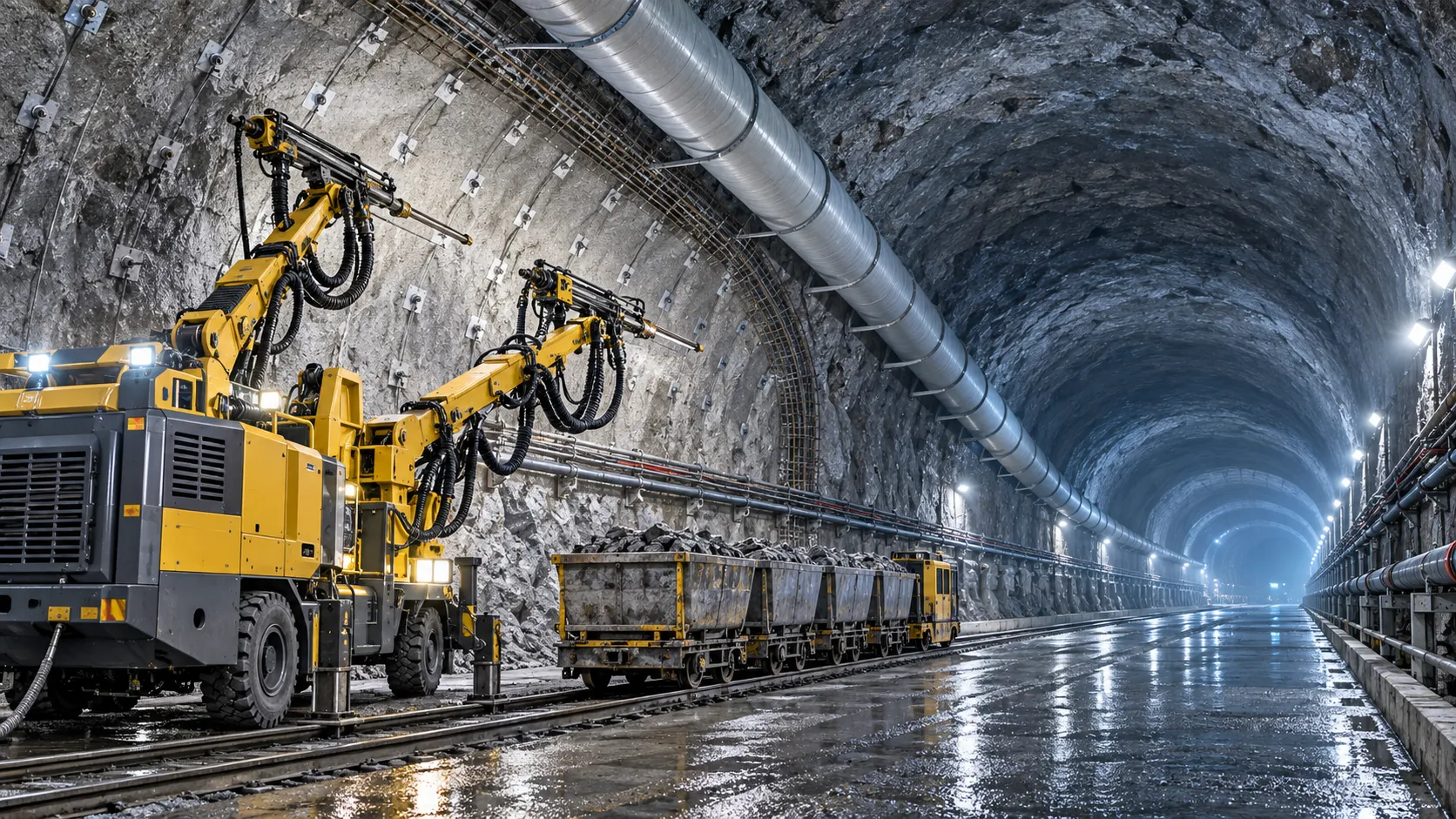
How to Evaluate European Drill-and-Blast Tunnelling Contractors for Complex Projects
Drill and blast tunnelling contractors Europe: learn how to assess geology expertise, blast control, equipment reliability, safety, and programme resilience for complex projects.
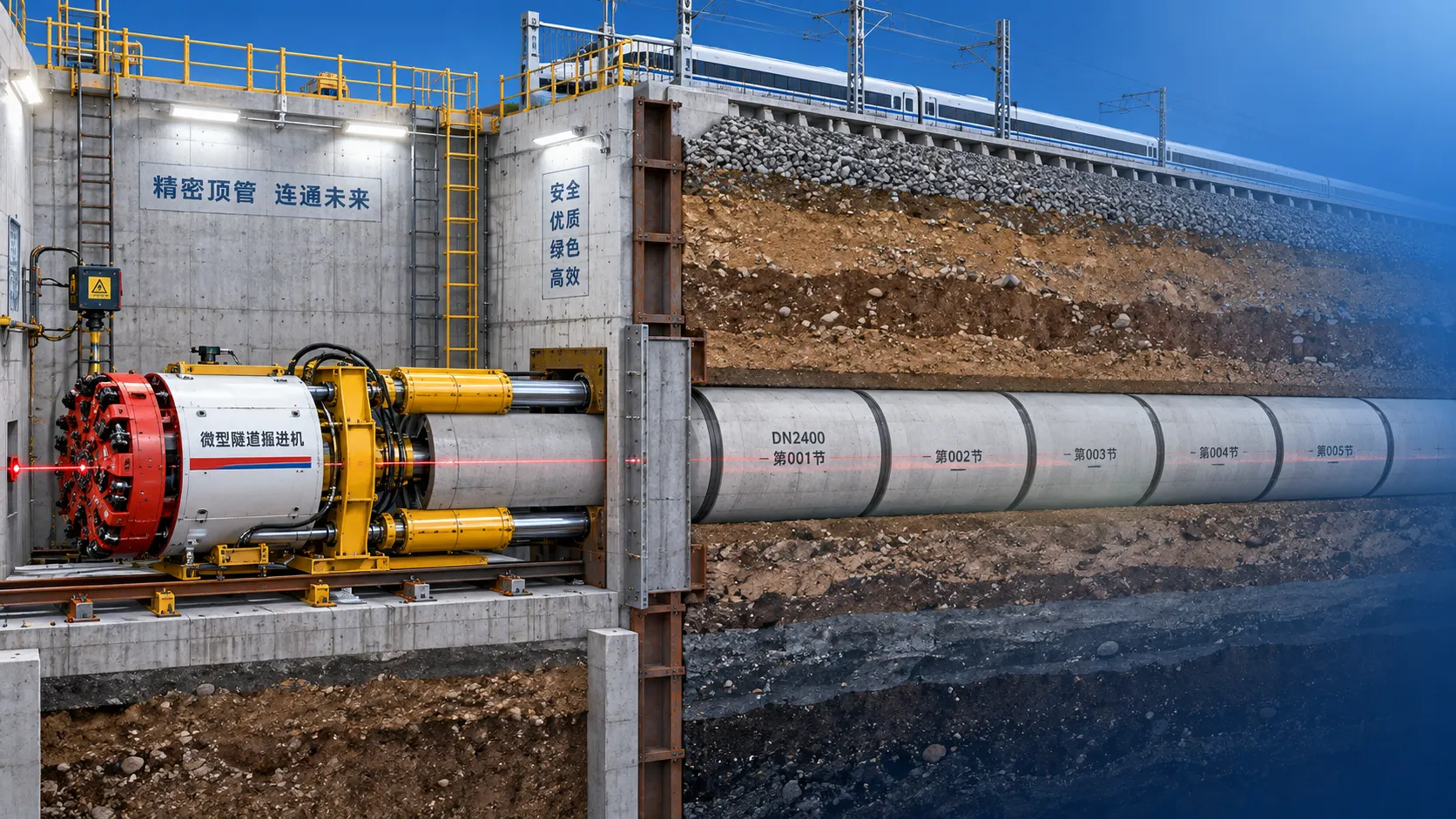
Which Trenchless Construction Technique Fits Your Utility Crossing Conditions?
Trenchless construction techniques compared for utility crossings: choose HDD, microtunnelling, pipe jacking, or auger boring based on ground, accuracy, access, and risk.
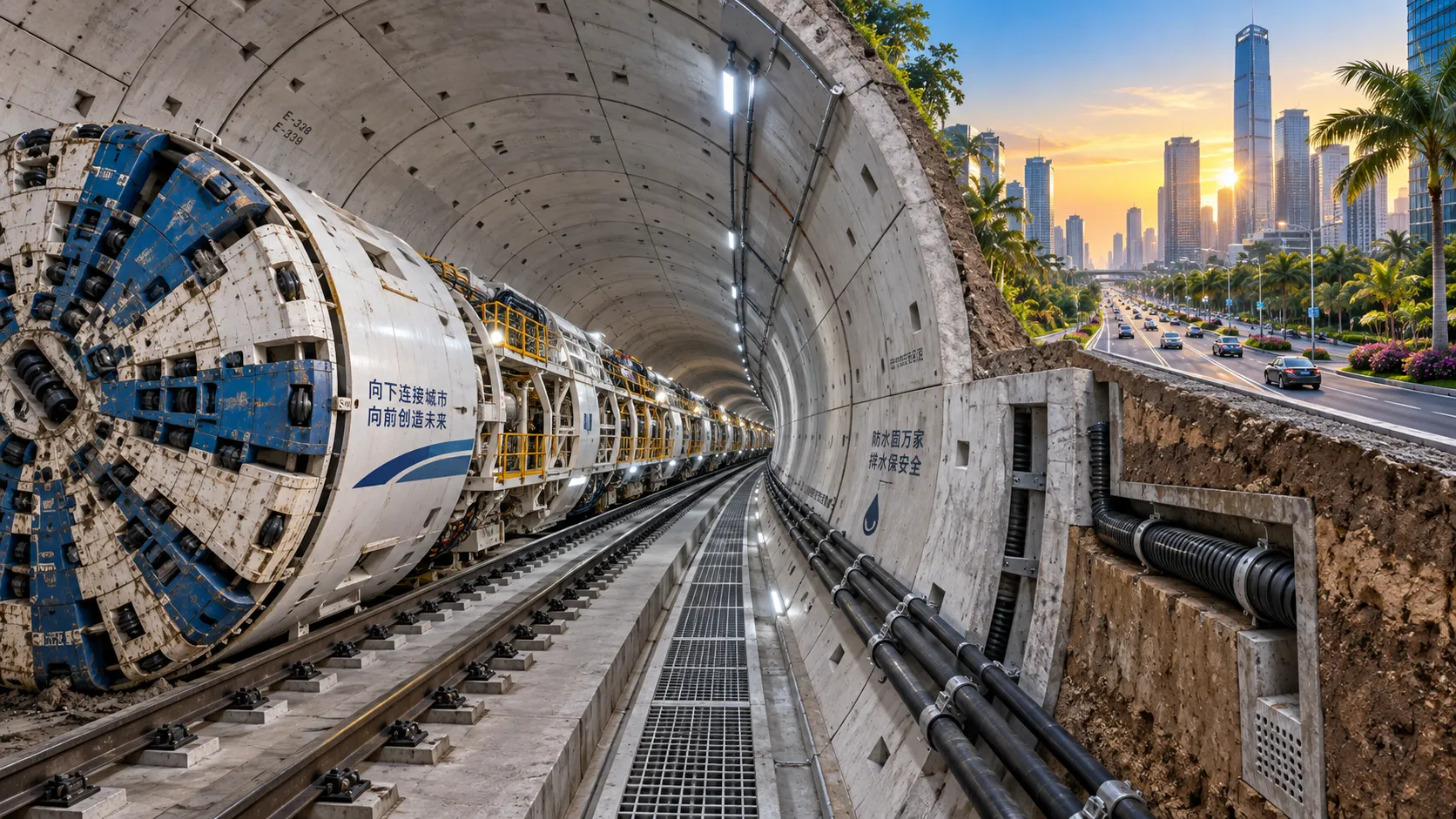
What Is Driving Metro Tunnelling Demand Across Southeast Asia’s Major Cities?
Metro tunnelling Southeast Asia is accelerating as major cities tackle congestion, flooding, and connectivity. Explore the market forces, technical risks, and opportunities shaping demand.
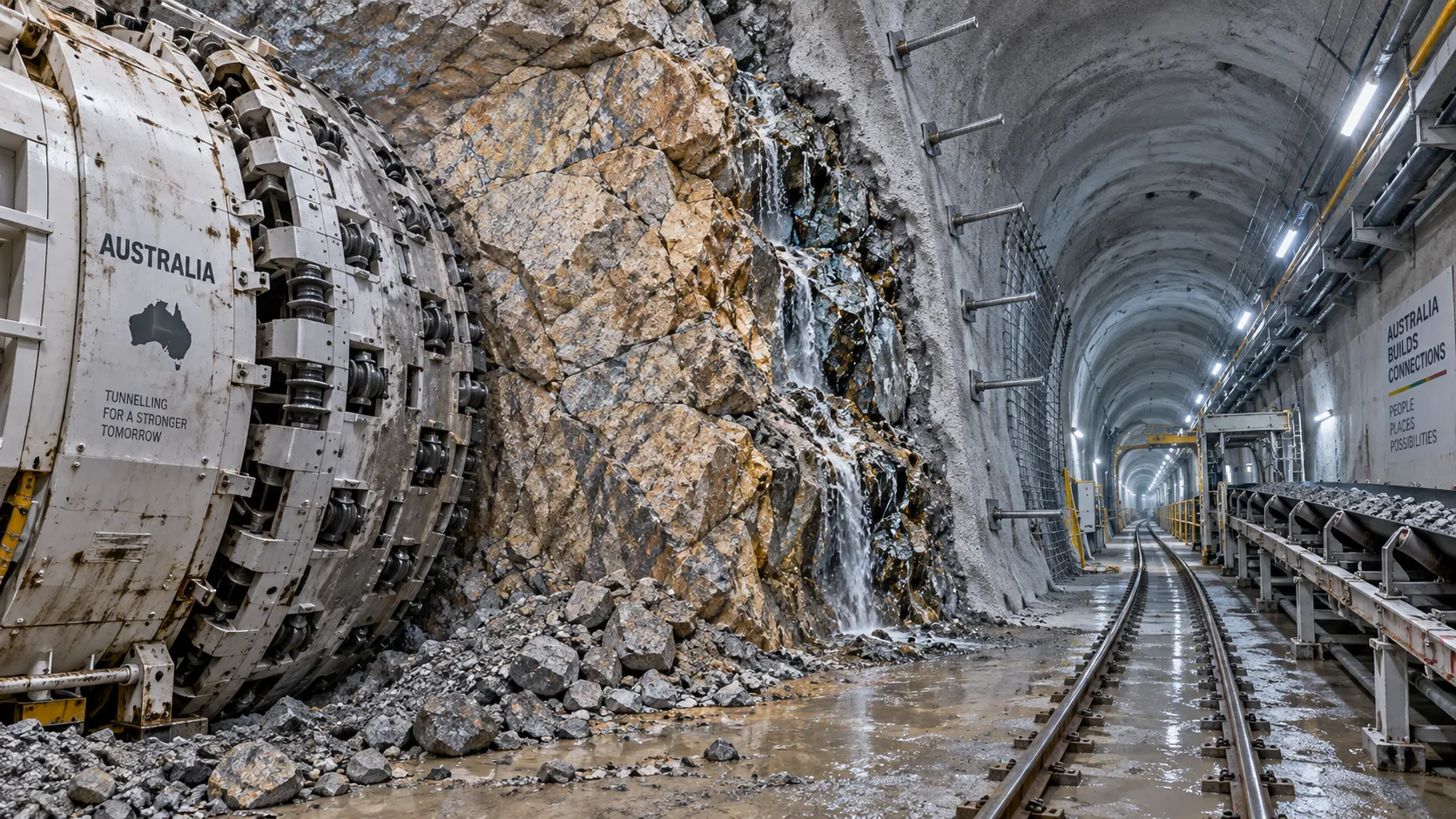
Hard Rock Tunnelling in Australia: Selecting Methods for Variable Ground Conditions
Hard rock tunnelling in Australia: compare TBM, drill-and-blast and hybrid methods to manage variable ground, reduce risk and protect project costs.
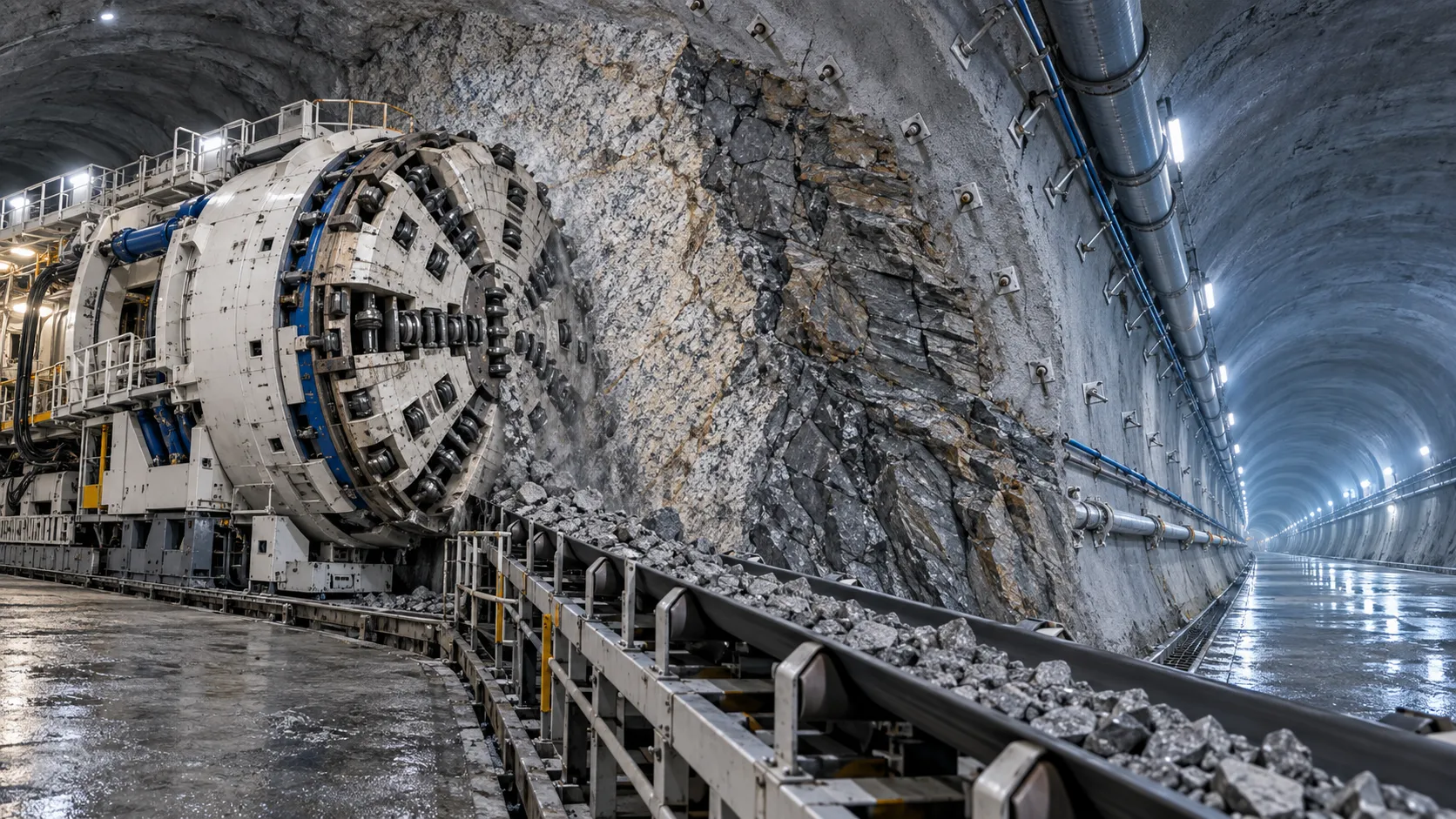
Hydropower Tunnel Excavation: Selecting Methods for Variable Rock Conditions
Hydropower tunnel excavation methods for variable rock conditions: compare TBM, drill-and-blast, and hybrid strategies to improve safety, progress, and project control.
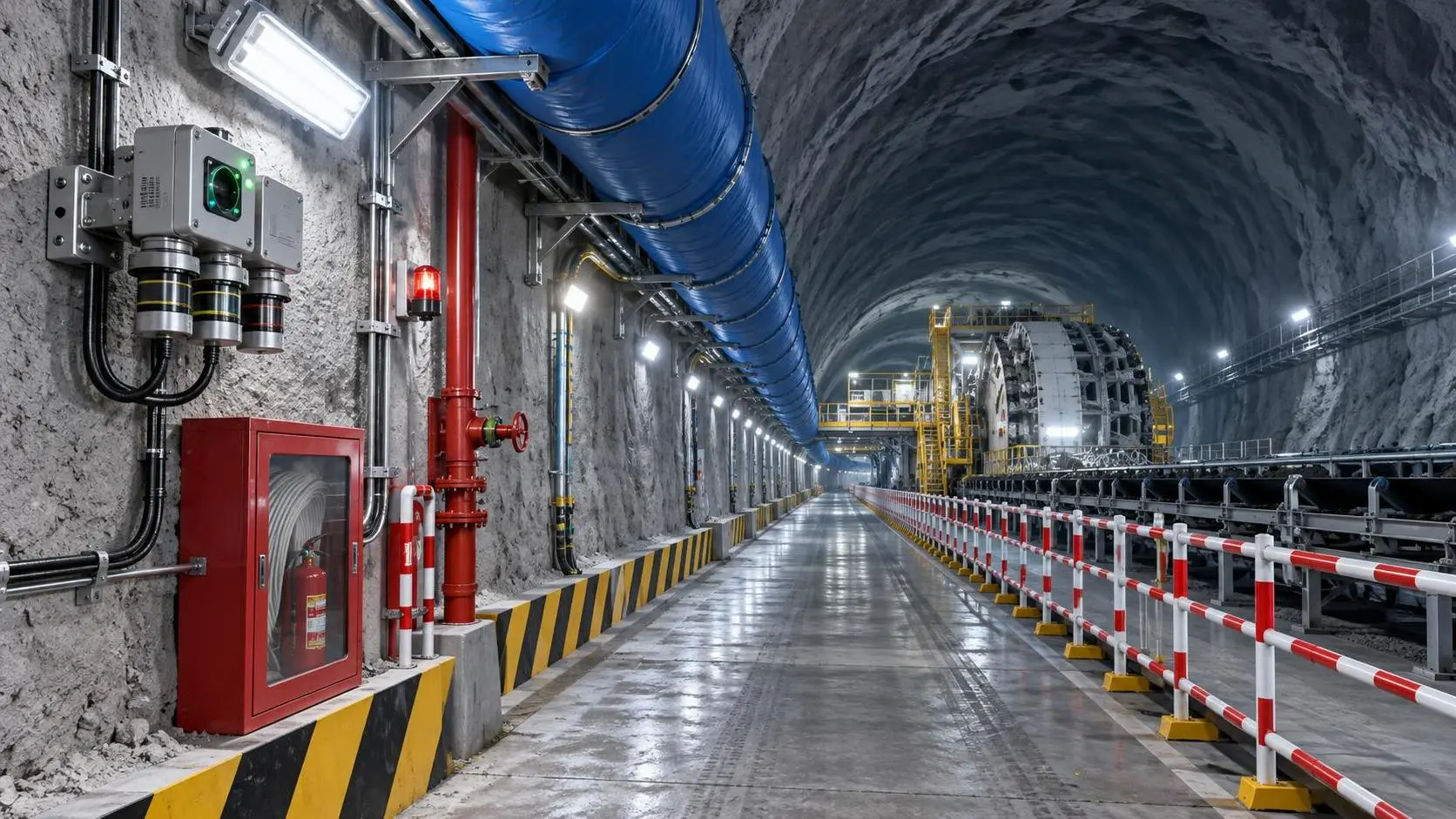
How to Select Underground Safety Equipment for Tunnelling by Hazard and Work Zone
Underground Safety Equipment for tunnelling: match protection to hazards, work zones, compliance, and emergency needs with this practical selection guide.
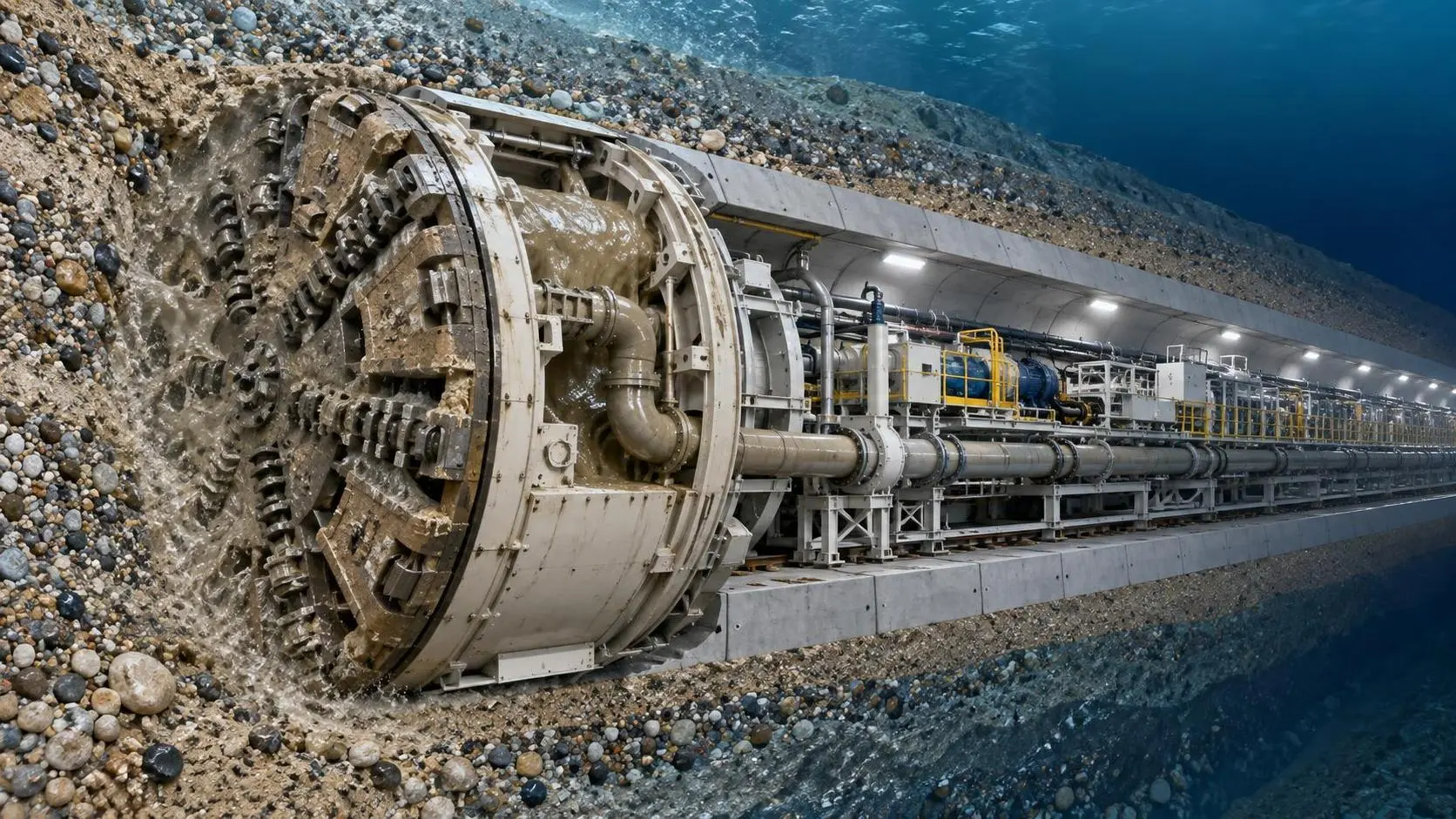
EPB or Slurry Shield? Selecting Soft-Ground Tunnelling Equipment by Soil Conditions
Tunnel Excavation Equipment for soft ground: compare EPB and slurry shields by soil, groundwater, settlement risk, and project logistics to choose confidently.
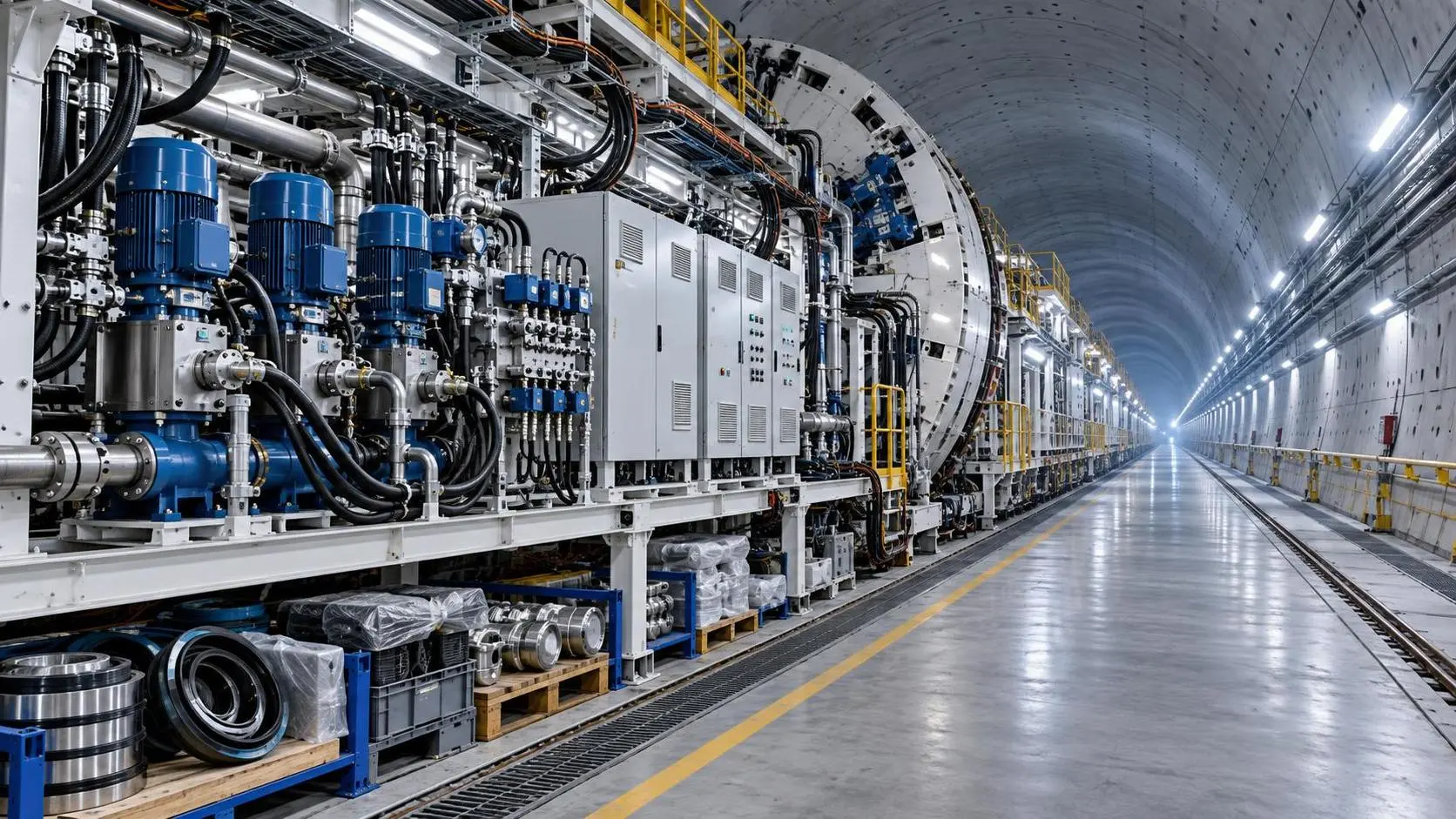
How to Specify TBM Backup System Parts for Reliable Long-Distance Tunnelling
TBM backup system parts: learn how to specify reliable spares for long-distance tunnelling, reduce downtime, ensure compatibility, and speed underground recovery.
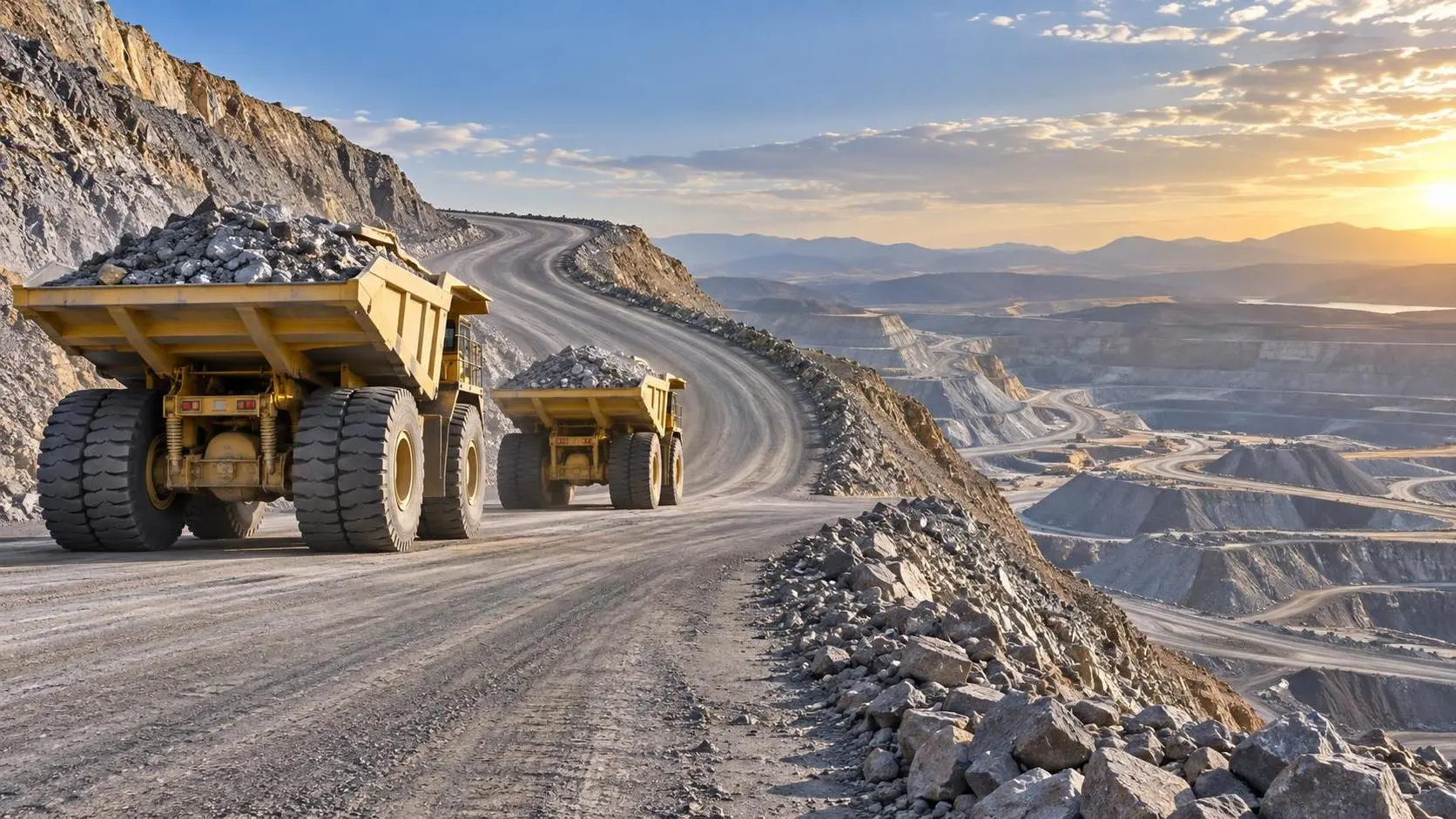
How to Size Open Pit Mining Trucks for Haul Distance, Grade, and Payload?
Open Pit Mining Trucks: learn how to match payload, haul distance, grade, road resistance, and loading capacity for safer, lower-cost mine operations.
Related News
- 00
0000-00
How to Evaluate European Drill-and-Blast Tunnelling Contractors for Complex Projects - 00
0000-00
Which Trenchless Construction Technique Fits Your Utility Crossing Conditions? - 00
0000-00
What Is Driving Metro Tunnelling Demand Across Southeast Asia’s Major Cities? - 00
0000-00
Hard Rock Tunnelling in Australia: Selecting Methods for Variable Ground Conditions - 00
0000-00
Hydropower Tunnel Excavation: Selecting Methods for Variable Rock Conditions
Weekly Insights
Stay ahead with our curated technology reports delivered every Monday.