
How to choose a reliable Underground Construction Equipment supplier





Choosing a reliable Underground Construction Equipment supplier is critical for procurement teams balancing project uptime, safety, lifecycle cost, and technical support.
In complex tunnelling and mining environments, the right supplier can directly influence equipment performance, delivery stability, and long-term operational efficiency.
This guide explains how to assess an Underground Construction Equipment supplier, compare options, and reduce sourcing risk across demanding underground applications.
What does a reliable Underground Construction Equipment supplier actually mean?
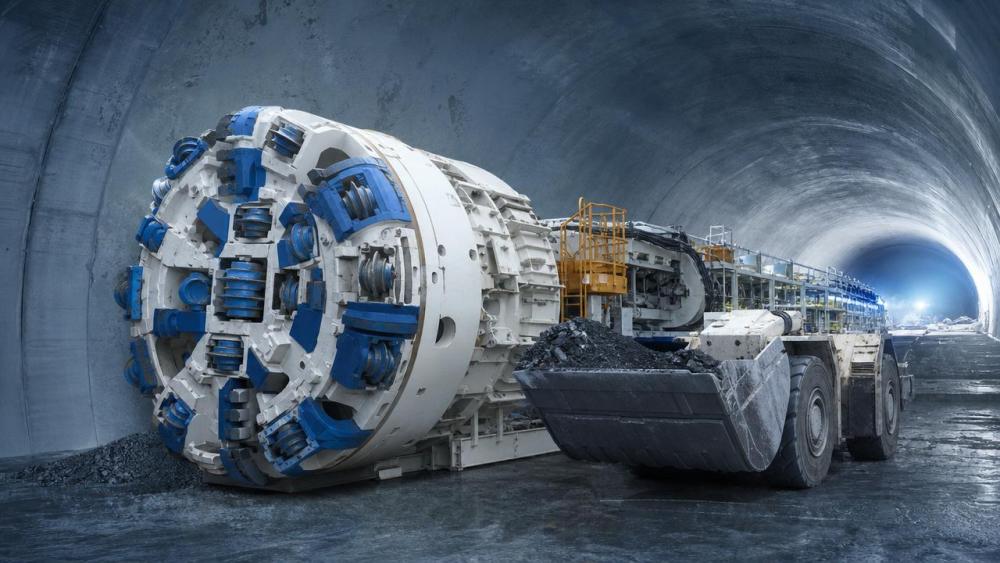
A reliable Underground Construction Equipment supplier delivers more than machines.
It provides proven engineering, stable quality control, transparent documentation, spare parts access, and responsive after-sales support.
Reliability also includes the ability to support varied equipment categories.
These may include TBM systems, pipe jacking machines, drilling jumbos, underground LHD loaders, and mining transport equipment.
In underground work, failures are expensive and often difficult to recover from quickly.
That is why supplier reliability must be measured across the full equipment lifecycle, not only at the quotation stage.
A dependable Underground Construction Equipment supplier usually shows strength in five areas:
- Product performance under harsh underground conditions
- Compliance with safety and environmental standards
- Manufacturing consistency and delivery discipline
- Service response and spare parts availability
- Technical ability to customize for geology and project demands
If one of these areas is weak, the total procurement risk rises sharply.
Which supplier qualifications and proof points matter most?
Many buyers focus first on brochures and pricing.
A better approach is to verify hard evidence.
Start with company history, ownership structure, export experience, and manufacturing footprint.
Then review quality systems, testing procedures, and project references in comparable ground conditions.
Useful proof points include:
- ISO certifications and documented quality processes
- Third-party inspection reports
- Factory audit records and welding standards
- Reference projects in tunnelling, trenchless, or mining operations
- Testing data for powertrain, hydraulics, controls, and wear parts
A reliable Underground Construction Equipment supplier should also provide detailed technical files.
These files should cover drawings, component brands, maintenance intervals, and recommended operating conditions.
If technical answers remain vague, that is a warning sign.
Strong suppliers can explain why a machine fits hard rock, soft ground, narrow headings, or zero-emission underground requirements.
How should equipment performance be evaluated beyond price?
Price matters, but total value matters more.
An inexpensive unit may create higher costs through downtime, parts failure, energy waste, or poor serviceability.
When comparing an Underground Construction Equipment supplier, review equipment performance from an operational perspective.
Key technical checkpoints
- Power, torque, penetration rate, or hauling capacity
- Hydraulic efficiency and cooling system reliability
- Dust, heat, vibration, and water resistance
- Automation level, remote control, and data integration
- Ease of maintenance in confined underground spaces
For electrified equipment, battery safety, charging logic, and swap efficiency require close review.
For heavy cutting systems, cutter wear, structural fatigue, and component replacement time are essential metrics.
Ask the Underground Construction Equipment supplier for performance records from similar jobsites.
Real operating data is more useful than ideal laboratory claims.
UTMD closely tracks these underground equipment trends because reliability increasingly depends on smart controls, electrification, and predictive maintenance readiness.
Why are service capability and parts support often the real deciding factors?
Underground projects rarely tolerate long service delays.
A machine can look excellent on paper and still become a poor investment if support is slow.
A reliable Underground Construction Equipment supplier should explain its service model before contract signing.
Important questions include response times, parts stocking, field technician coverage, and remote diagnostics capability.
Check whether critical wear parts are standard or custom.
Custom parts may improve fit, but they can also create supply bottlenecks.
You should also confirm training support.
Operator training, maintenance manuals, commissioning plans, and troubleshooting guidance reduce startup problems significantly.
A strong Underground Construction Equipment supplier often offers:
- Local or regional spare parts warehouses
- Digital support and fault diagnosis
- Planned maintenance kits
- On-site commissioning engineers
- Clear warranty scope and claim procedures
These service details often determine actual equipment availability more than the purchase price itself.
What risks and common mistakes should be avoided during supplier selection?
The most common mistake is choosing only by initial cost.
Another mistake is assuming all underground equipment suppliers understand every application equally well.
TBM support, trenchless systems, drilling rigs, and battery underground loaders require different engineering depth.
Watch for these risk signals when reviewing an Underground Construction Equipment supplier:
- Incomplete technical specifications
- Unclear origin of major components
- No evidence of similar project references
- Long lead times without production visibility
- Weak warranty language or missing service commitments
It is also risky to skip factory audits.
Even a remote audit can reveal assembly discipline, testing methods, inventory control, and production capacity.
Do not overlook compliance, especially in emissions, electrical safety, and underground ventilation constraints.
As ESG requirements grow, suppliers with electrification expertise may offer lower long-term regulatory risk.
How can buyers compare suppliers in a structured and practical way?
A structured comparison prevents subjective decisions.
Use a weighted scorecard covering technical fit, support, lifecycle cost, and execution reliability.
Below is a practical comparison table for any Underground Construction Equipment supplier shortlist.
This method makes discussions more objective and easier to document internally.
It also highlights where one Underground Construction Equipment supplier outperforms another beyond simple unit price.
Quick FAQ checklist
Selecting a reliable Underground Construction Equipment supplier requires disciplined verification, not fast assumptions.
The best choice combines technical suitability, manufacturing quality, service readiness, and long-term value.
For underground tunnelling, trenchless work, and mining transport, every specification should connect to real operating conditions.
Use documented references, audit evidence, and lifecycle evaluation to build a dependable shortlist.
If deeper market intelligence is needed, UTMD can help track technology evolution, supplier capability signals, and equipment trends shaping underground project reliability.
Related News

How to Evaluate European Drill-and-Blast Tunnelling Contractors for Complex Projects
Drill and blast tunnelling contractors Europe: learn how to assess geology expertise, blast control, equipment reliability, safety, and programme resilience for complex projects.

Which Trenchless Construction Technique Fits Your Utility Crossing Conditions?
Trenchless construction techniques compared for utility crossings: choose HDD, microtunnelling, pipe jacking, or auger boring based on ground, accuracy, access, and risk.

What Is Driving Metro Tunnelling Demand Across Southeast Asia’s Major Cities?
Metro tunnelling Southeast Asia is accelerating as major cities tackle congestion, flooding, and connectivity. Explore the market forces, technical risks, and opportunities shaping demand.

Hard Rock Tunnelling in Australia: Selecting Methods for Variable Ground Conditions
Hard rock tunnelling in Australia: compare TBM, drill-and-blast and hybrid methods to manage variable ground, reduce risk and protect project costs.

Hydropower Tunnel Excavation: Selecting Methods for Variable Rock Conditions
Hydropower tunnel excavation methods for variable rock conditions: compare TBM, drill-and-blast, and hybrid strategies to improve safety, progress, and project control.

How to Select Underground Safety Equipment for Tunnelling by Hazard and Work Zone
Underground Safety Equipment for tunnelling: match protection to hazards, work zones, compliance, and emergency needs with this practical selection guide.

EPB or Slurry Shield? Selecting Soft-Ground Tunnelling Equipment by Soil Conditions
Tunnel Excavation Equipment for soft ground: compare EPB and slurry shields by soil, groundwater, settlement risk, and project logistics to choose confidently.
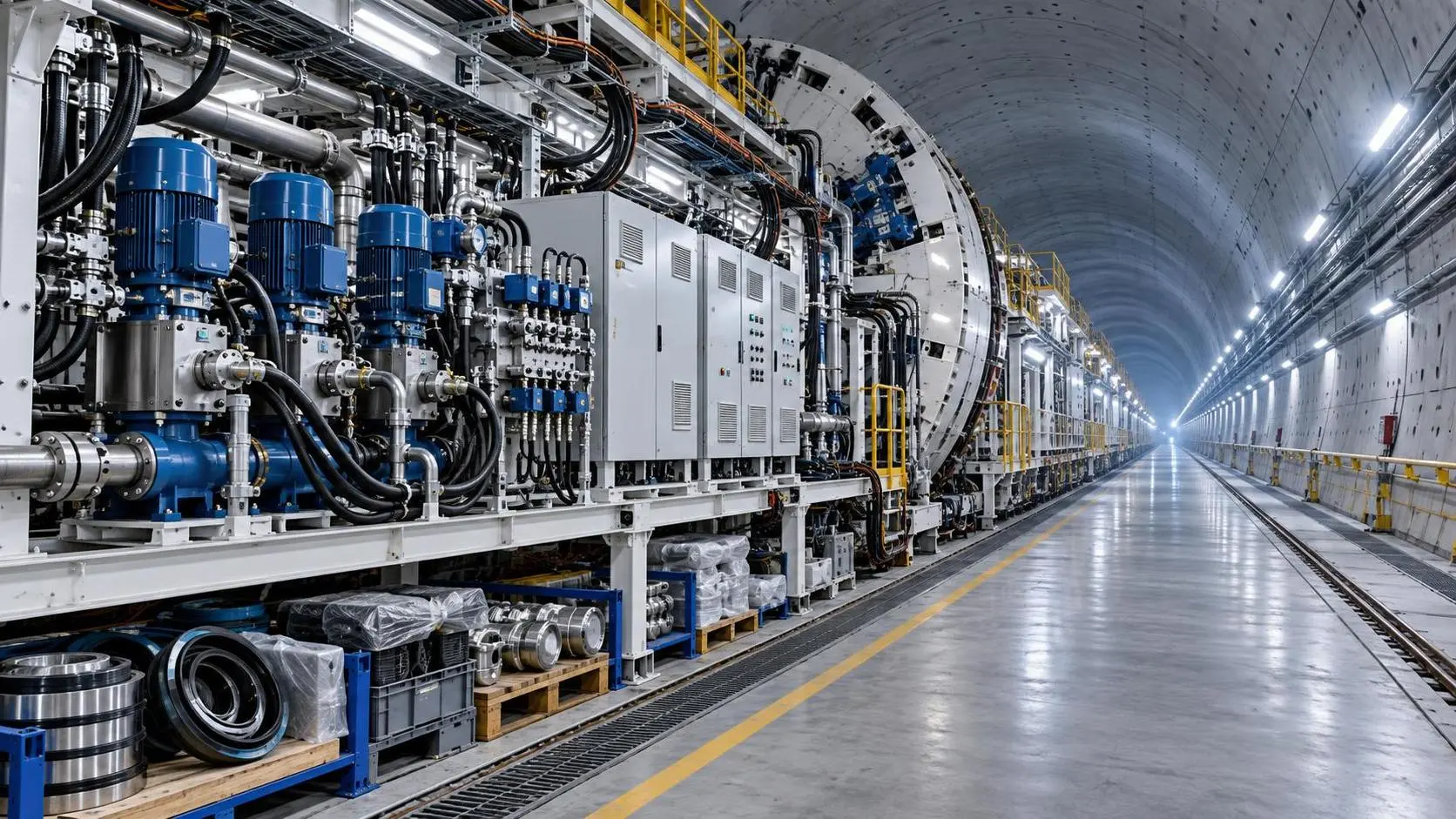
How to Specify TBM Backup System Parts for Reliable Long-Distance Tunnelling
TBM backup system parts: learn how to specify reliable spares for long-distance tunnelling, reduce downtime, ensure compatibility, and speed underground recovery.
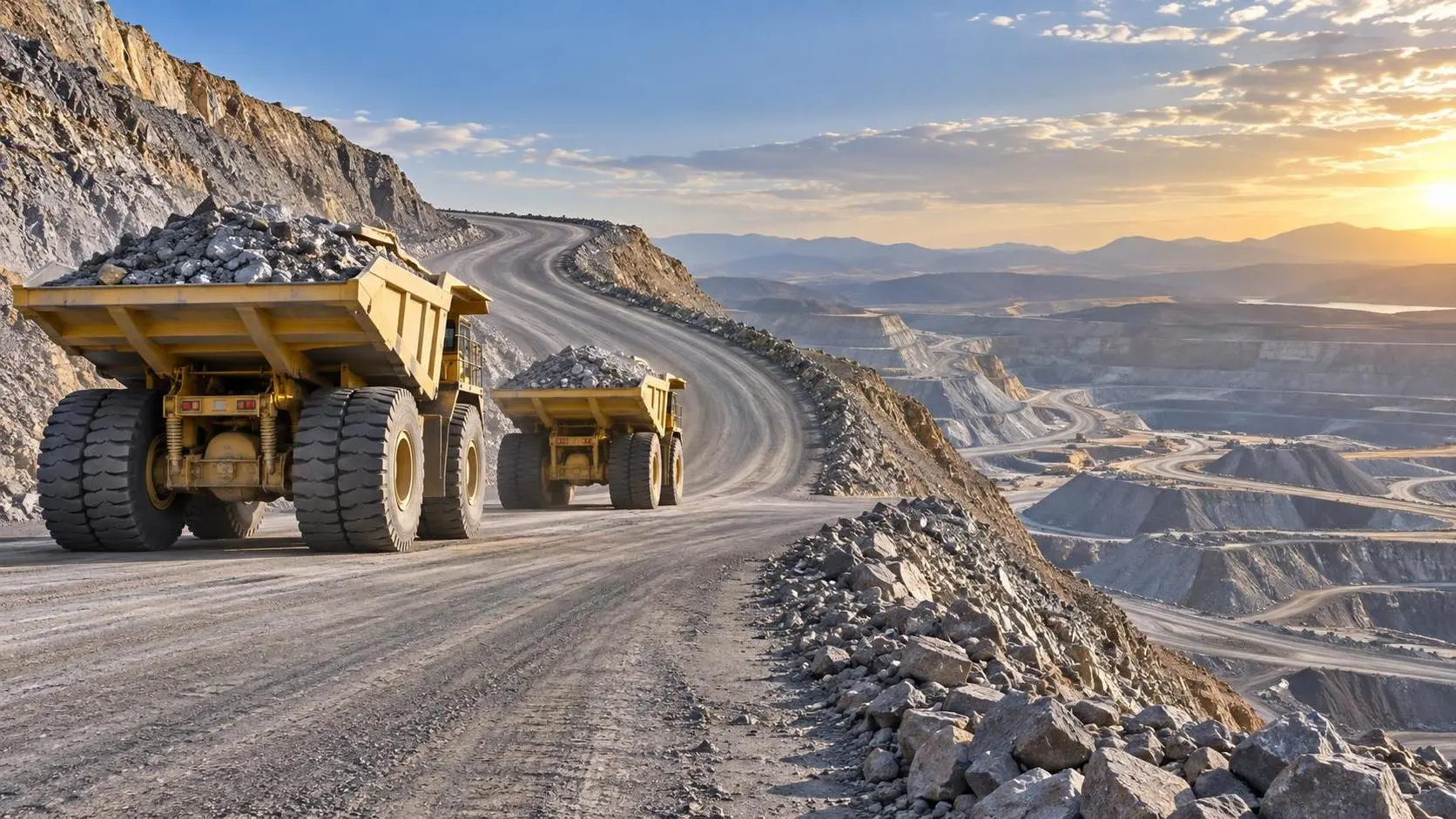
How to Size Open Pit Mining Trucks for Haul Distance, Grade, and Payload?
Open Pit Mining Trucks: learn how to match payload, haul distance, grade, road resistance, and loading capacity for safer, lower-cost mine operations.
Related News
- 00
0000-00
How to Evaluate European Drill-and-Blast Tunnelling Contractors for Complex Projects - 00
0000-00
Which Trenchless Construction Technique Fits Your Utility Crossing Conditions? - 00
0000-00
What Is Driving Metro Tunnelling Demand Across Southeast Asia’s Major Cities? - 00
0000-00
Hard Rock Tunnelling in Australia: Selecting Methods for Variable Ground Conditions - 00
0000-00
Hydropower Tunnel Excavation: Selecting Methods for Variable Rock Conditions
Weekly Insights
Stay ahead with our curated technology reports delivered every Monday.