Why underground rock mechanics decides tunnel safety early





Underground Rock Mechanics shapes tunnel safety long before excavation reaches full speed. For quality control and safety managers, early insight into rock stress, fracture behavior, and support response is essential to prevent instability, reduce downtime, and improve compliance. In modern tunnelling, understanding rock mechanics is not just a design task—it is the foundation for safer decisions, better equipment performance, and more reliable project outcomes from the very start.
In TBM drives, pipe jacking works, drill-and-blast headings, and deep mining access tunnels, the earliest decisions often determine whether a project maintains face stability, controls deformation, and protects crews under changing ground conditions. For QA teams and safety leaders, Underground Rock Mechanics is not abstract theory. It directly affects inspection plans, support acceptance criteria, equipment wear, intervention timing, and incident prevention.
UTMD follows this issue closely because tunnel safety is increasingly shaped by the interaction between rock behavior, machine capability, digital monitoring, and zero-emission underground operations. When rock mass classification, in-situ stress interpretation, and support design are aligned early, projects usually gain 3 practical benefits: fewer unplanned stoppages, more predictable advance rates, and stronger compliance performance across the construction cycle.
Why early Underground Rock Mechanics decisions matter before full production
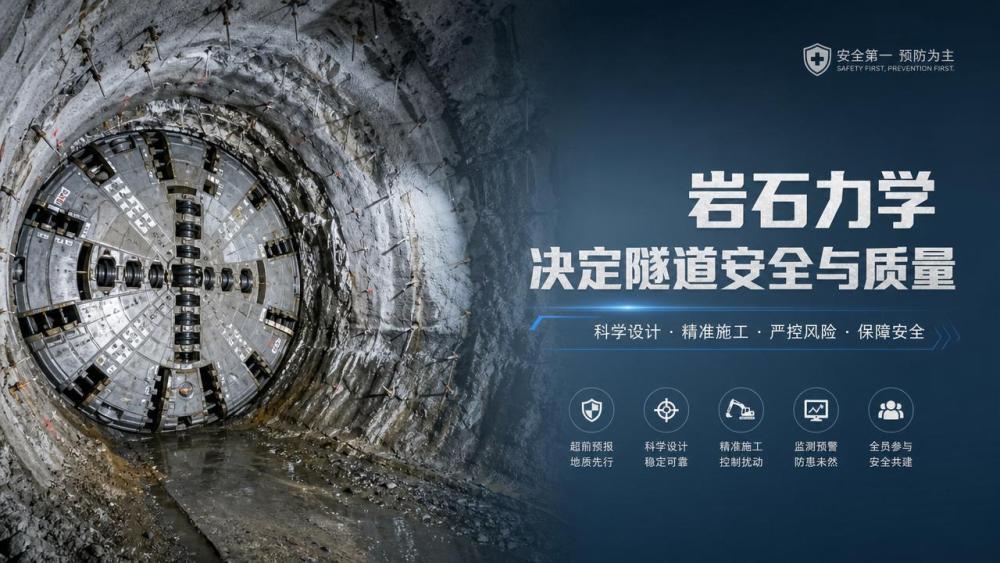
The first 2 to 6 weeks of site investigation and design review often have a larger safety impact than later corrective action. During this stage, teams identify rock strength ranges, joint spacing, groundwater pathways, and stress redistribution risks. If these factors are underestimated, the tunnel may face overbreak, squeezing ground, cutter overload, or sudden support failure once excavation speed increases.
For quality control personnel, the key issue is traceability. Every assumption about the rock mass should connect to measurable checks: face mapping frequency, convergence monitoring intervals, support installation tolerance, and machine parameter thresholds. For safety managers, the same data supports hazard identification, emergency readiness, and permit-to-work decisions in confined underground zones.
Four early-stage mechanisms that drive later tunnel risk
- Stress concentration around the face, crown, and sidewalls, especially at cover depths above 100 m.
- Discontinuity-controlled failure, including wedge release, block fall, and slabbing in jointed rock.
- Water-softening and pressure effects that reduce stand-up time within hours instead of days.
- Support-structure mismatch, where shotcrete, rock bolts, or segmental lining respond too slowly to deformation.
These mechanisms influence more than structural safety. They also change TBM cutter consumption, jacking force demand, drilling accuracy, and ventilation planning. In hard abrasive formations, cutter wear may accelerate after only 150 to 300 excavation meters if rock characterization was too general. In fractured mixed ground, support cycles may expand by 20% to 40%, reducing shift productivity and increasing exposure time for crews.
What safety and QA teams should verify before excavation ramps up
A practical review should cover at least 6 items: geological baseline assumptions, face support method, deformation trigger values, equipment response limits, inspection frequency, and change-control responsibilities. Many incidents are not caused by one wrong design number. They come from a gap between predicted rock behavior and site-level reaction time.
The table below shows how Underground Rock Mechanics links directly to common safety outcomes in underground construction and mining access tunnels.
The pattern is clear: tunnel safety problems often begin as rock-response problems. By turning geomechanical assumptions into site checks with measurable thresholds, QA and safety teams can intervene before localized instability becomes a project-wide delay or reportable event.
How Underground Rock Mechanics affects equipment, support, and inspection strategy
The value of Underground Rock Mechanics becomes even clearer when equipment selection and support methods are reviewed together. A tunnel is not made safe by machine power alone. Safety improves when machine thrust, cutterhead design, drilling pattern, support timing, and monitoring frequency all match the rock mass response expected at each chainage.
For TBM projects, this means correlating cutterhead penetration, torque fluctuation, vibration trend, and muck characteristics with geological interpretation. For pipe jacking, it means checking whether jacking force margins remain acceptable as friction, alignment, and face resistance vary. For mining declines and drill-and-blast tunnels, it means linking blast damage control, bolting quality, and scaling sequence to the actual fracture network exposed at the face.
Equipment and support responses by underground application
Quality and safety managers often need a cross-functional view. The following comparison helps translate rock mechanics findings into equipment and field-control actions for different underground methods.
This comparison shows why one inspection template rarely fits all underground works. The same tunnel length can pass through 3 or 4 ground classes in a short distance, and each class may require different support density, machine settings, and work exclusion rules.
Inspection frequencies and trigger levels that improve control
A useful practice is to convert rock mechanics uncertainty into tiered trigger levels. For example, convergence checks may be performed every 12 hours in stable ground, every 6 hours in variable fractured sections, and continuously in high-risk squeezing zones. Similarly, support pull tests, shotcrete thickness checks, and segment bolt torque verification should increase in frequency where the ground class changes or actual deformation exceeds forecast values.
Recommended field controls for QA and safety teams
- Update face mapping at least once per round or once per ring in changing geology.
- Set 3 trigger bands for deformation, such as watch, action, and stop-work.
- Compare installed support against design tolerance within 24 hours of placement.
- Record machine data and geological observations in one traceable review log.
- Escalate when actual support demand exceeds planned quantities by 15% or more.
These controls are especially important in projects using high-value equipment such as TBMs, battery-electric underground loaders, and advanced drilling jumbos. Reliable geomechanical interpretation protects not only personnel but also cutterheads, hydraulic systems, tunnel lining assets, and the continuity of automated workflows.
What quality control and safety managers should ask during planning, procurement, and execution
In many organizations, rock mechanics reviews stay with designers or specialist geotechnical teams. That is no longer enough for complex underground projects. Quality and safety leaders should ask targeted questions before approving method statements, support packages, monitoring plans, or equipment deployment strategies. The goal is to make Underground Rock Mechanics operational, not theoretical.
Key procurement and planning questions
- Does the equipment supplier define operating limits for hard rock, faulted ground, and water-bearing strata?
- Are cutter tools, wear parts, or support consumables matched to expected UCS ranges and abrasivity levels?
- Is there a documented response plan if convergence, overbreak, or jacking load exceeds threshold?
- Can the monitoring system integrate machine data, geological logs, and safety alerts in near real time?
- Are inspection responsibilities clear across contractor, OEM, and site supervision teams?
These questions matter because procurement decisions can lock in risk. A machine configured for moderate conditions may struggle in highly abrasive rock. A support package optimized for speed may not suit squeezing ground where deformation continues for 7 to 14 days. A monitoring plan based on weekly review may be too slow for rapidly evolving instability at the face.
Common mistakes that weaken early tunnel safety
The first mistake is assuming average geology is enough. Underground Rock Mechanics is highly local. A 30 m faulted section can create more risk than the next 300 m of competent rock. The second mistake is separating machine performance from rock response. Penetration rate, thrust, vibration, or drilling deviation are often early warning signs. The third mistake is treating support installation as complete once placed, without confirming bond quality, thickness, torque, or actual deformation compatibility.
Another frequent issue is delayed feedback. If face observations, geotechnical measurements, and equipment alarms are reviewed only at the end of a shift, crews may continue working under degraded conditions for 6 to 12 hours too long. Shortening the review cycle can significantly improve intervention timing.
Where UTMD intelligence supports better decisions
For teams managing tunnel quality, compliance, and underground safety, reliable industry intelligence helps connect rock behavior with machine evolution and operating practice. UTMD tracks how full-face TBMs perform in extremely hard rock, how trenchless systems handle face resistance in constrained urban corridors, and how deep mining transport is changing under electrification and automation requirements.
This matters because tunnel safety is increasingly interdisciplinary. Cutter wear models, drilling accuracy, digital mapping, LHD navigation, and zero-exhaust underground logistics all influence access control, maintenance planning, and emergency readiness. A modern QA or safety program benefits when geomechanics, equipment data, and execution intelligence are reviewed together rather than in isolated reports.
Building a safer tunnel program from the start
A strong tunnel safety program starts with a simple principle: verify the rock mass early, convert that knowledge into measurable controls, and keep updating decisions as excavation advances. Underground Rock Mechanics should shape support selection, machine settings, inspection frequency, and intervention thresholds from day 1, not after the first instability event.
For quality control managers, this means clearer acceptance criteria and better traceability across the support cycle. For safety managers, it means earlier warning, faster escalation, and more disciplined control of changing underground conditions. For project leaders, it means fewer surprises that damage schedule, assets, and workforce confidence.
UTMD helps decision-makers follow these issues across TBM tunnelling, trenchless engineering, drilling systems, and smart underground mining transport. If you need deeper insight into rock-cutting mechanics, support-risk trends, or underground equipment strategy, contact us to explore tailored intelligence, discuss project-specific challenges, or learn more solutions for safer underground operations.
Related News
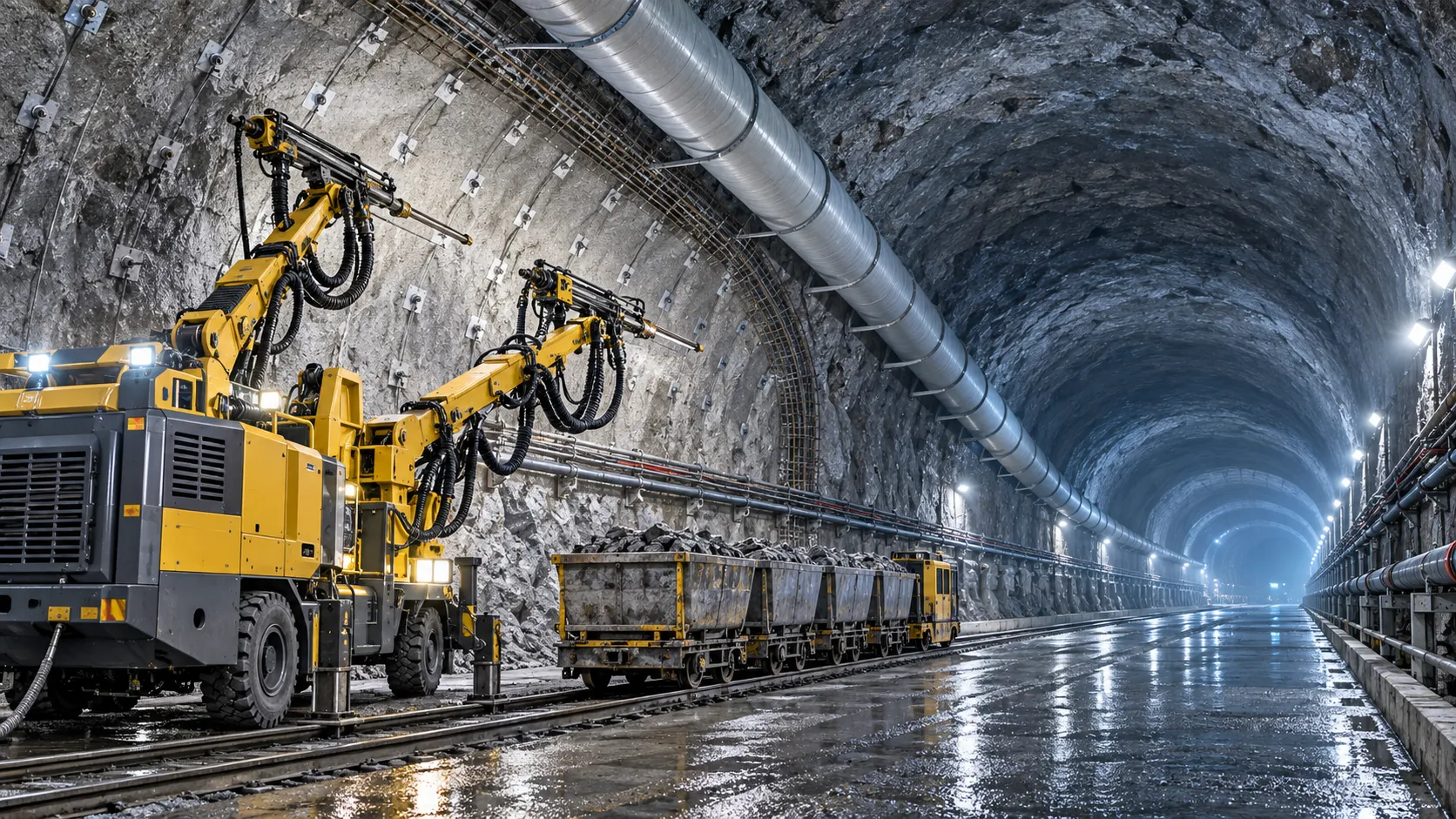
How to Evaluate European Drill-and-Blast Tunnelling Contractors for Complex Projects
Drill and blast tunnelling contractors Europe: learn how to assess geology expertise, blast control, equipment reliability, safety, and programme resilience for complex projects.
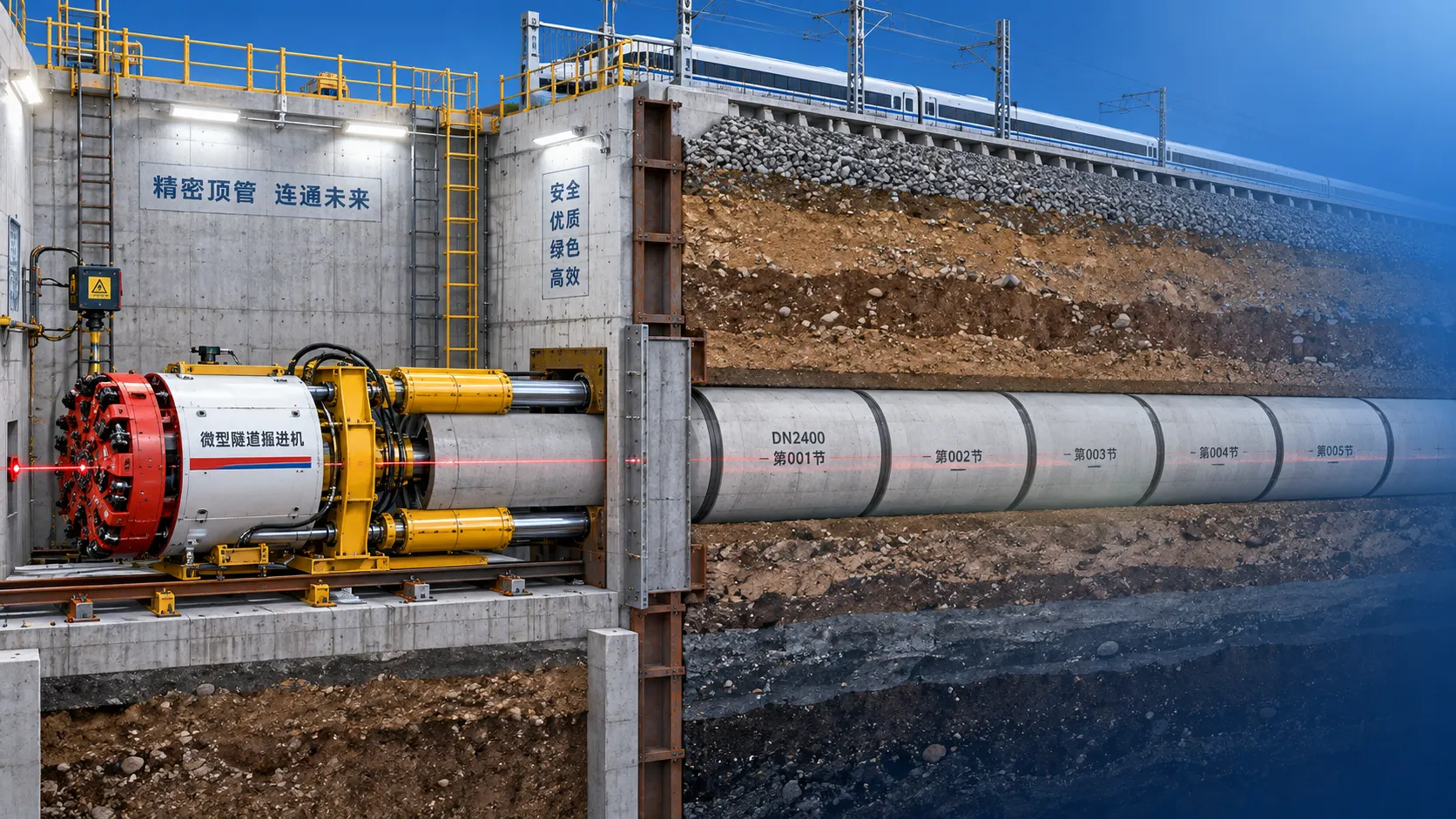
Which Trenchless Construction Technique Fits Your Utility Crossing Conditions?
Trenchless construction techniques compared for utility crossings: choose HDD, microtunnelling, pipe jacking, or auger boring based on ground, accuracy, access, and risk.
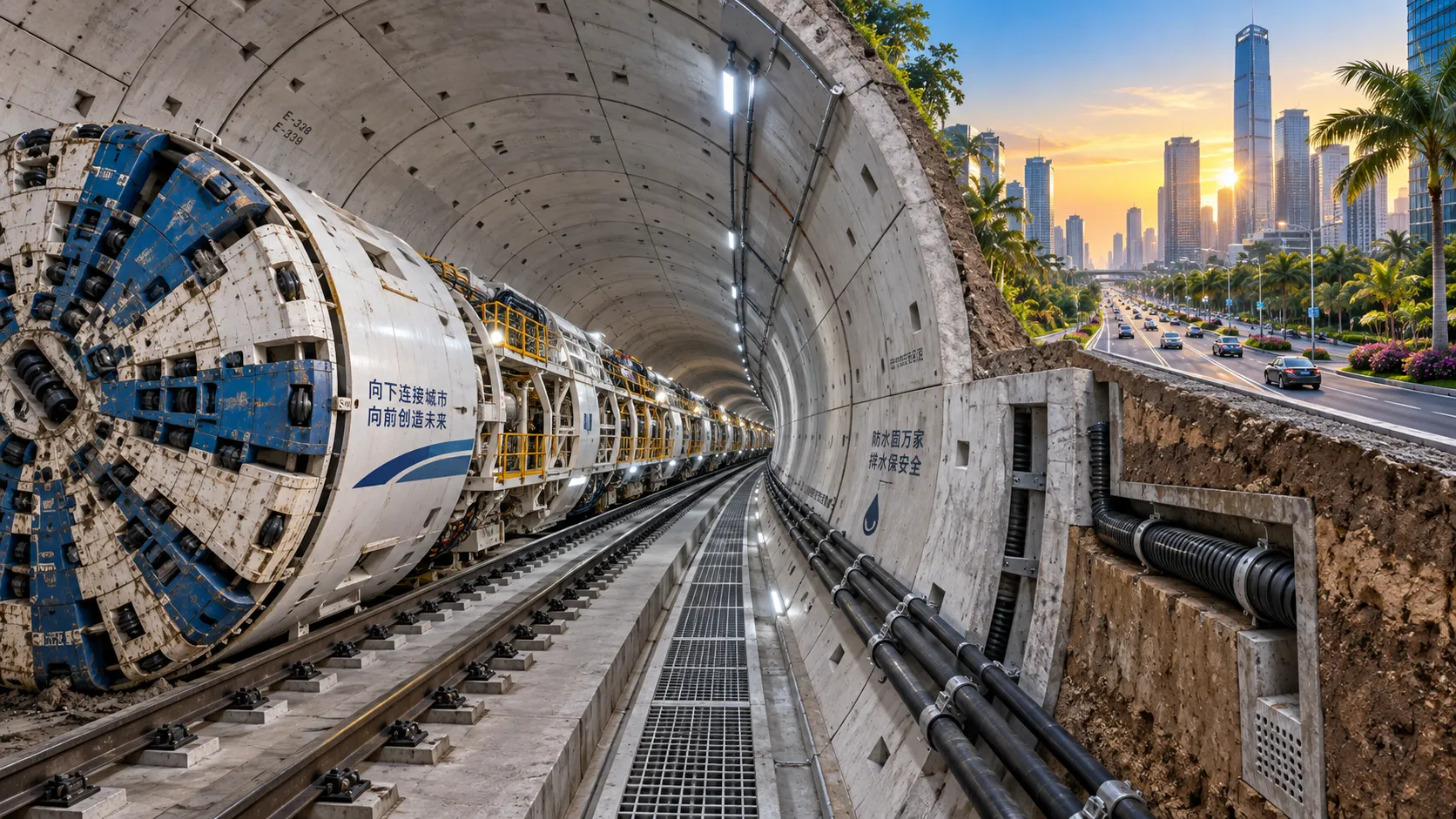
What Is Driving Metro Tunnelling Demand Across Southeast Asia’s Major Cities?
Metro tunnelling Southeast Asia is accelerating as major cities tackle congestion, flooding, and connectivity. Explore the market forces, technical risks, and opportunities shaping demand.
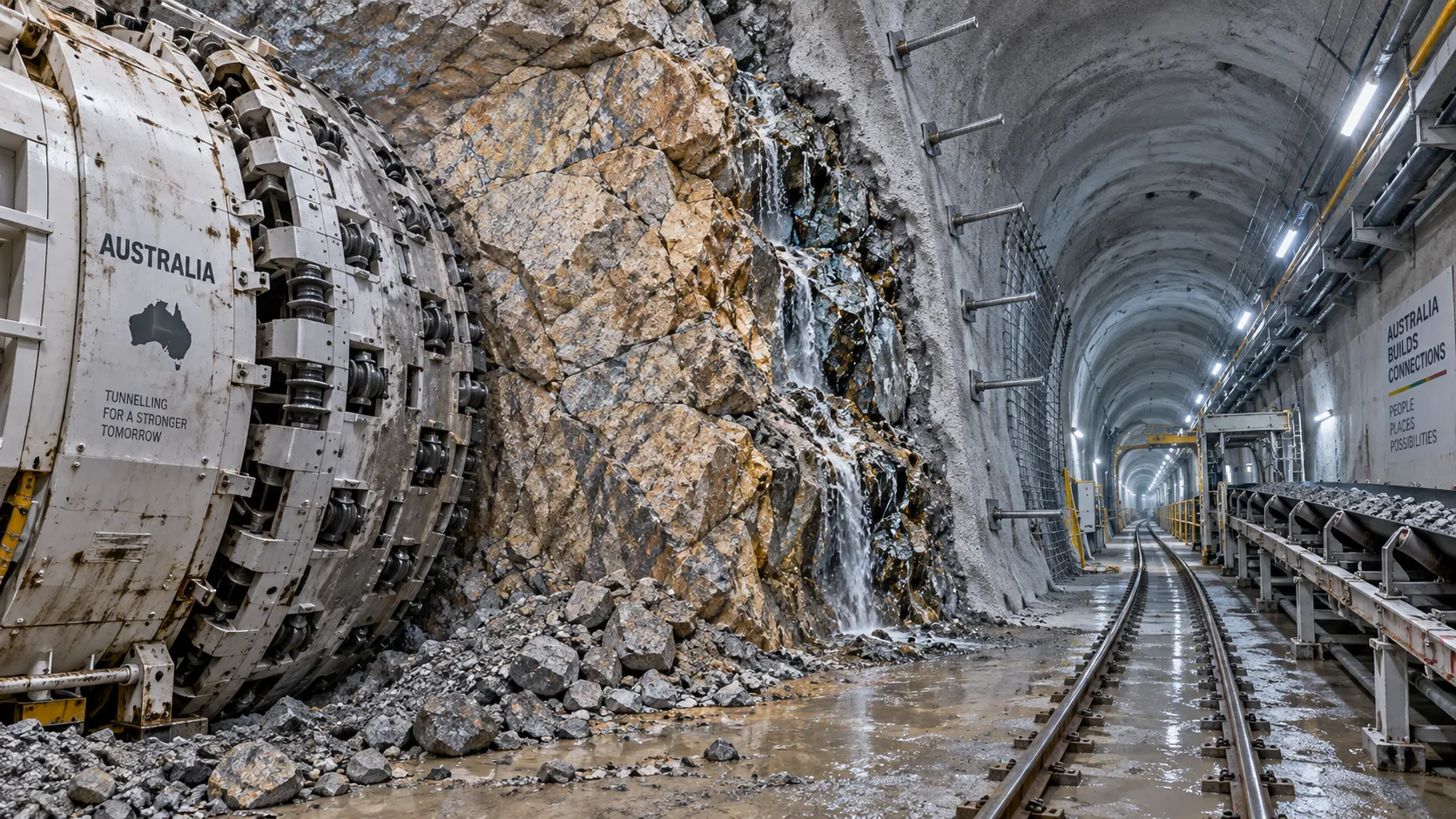
Hard Rock Tunnelling in Australia: Selecting Methods for Variable Ground Conditions
Hard rock tunnelling in Australia: compare TBM, drill-and-blast and hybrid methods to manage variable ground, reduce risk and protect project costs.
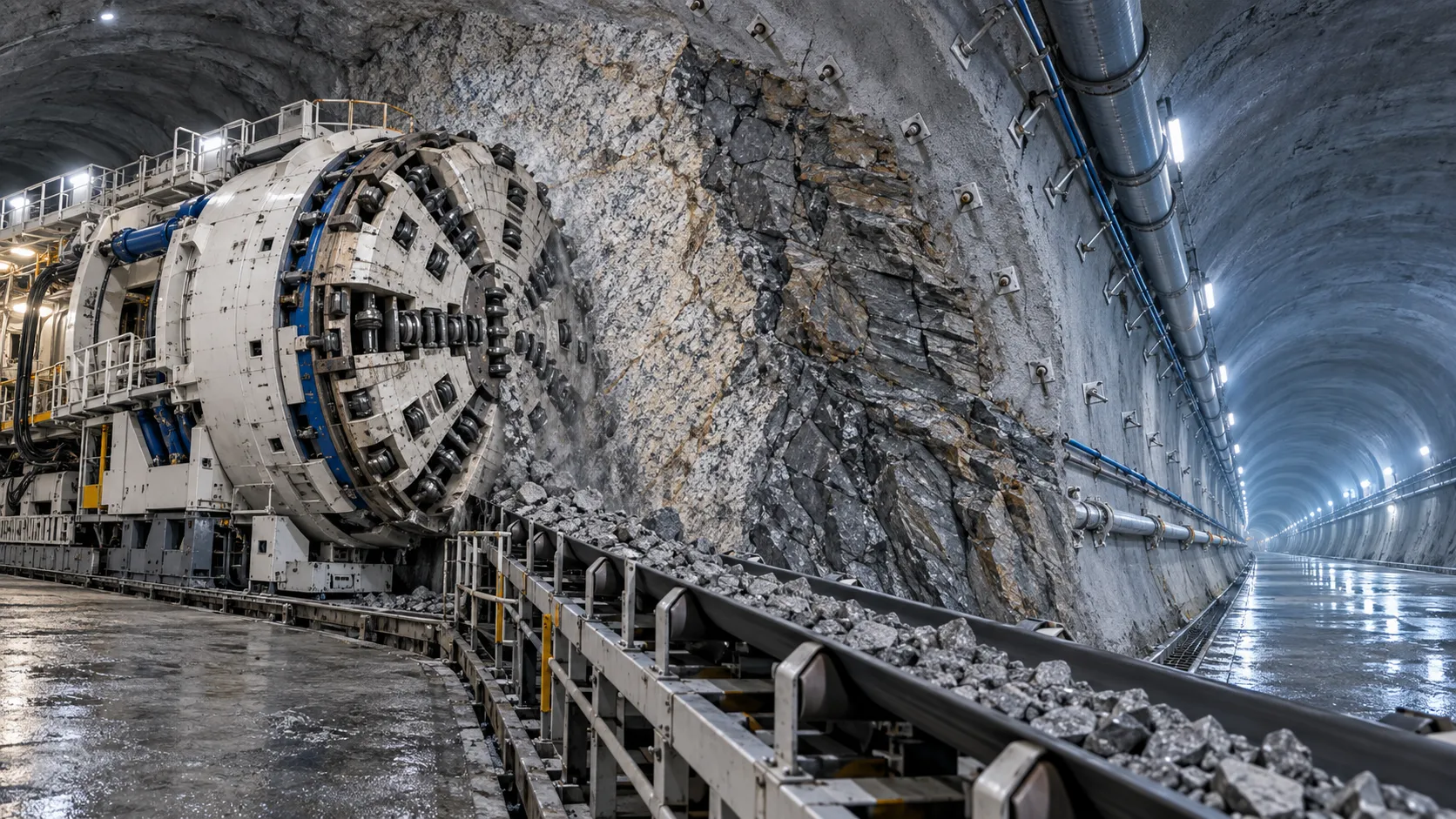
Hydropower Tunnel Excavation: Selecting Methods for Variable Rock Conditions
Hydropower tunnel excavation methods for variable rock conditions: compare TBM, drill-and-blast, and hybrid strategies to improve safety, progress, and project control.
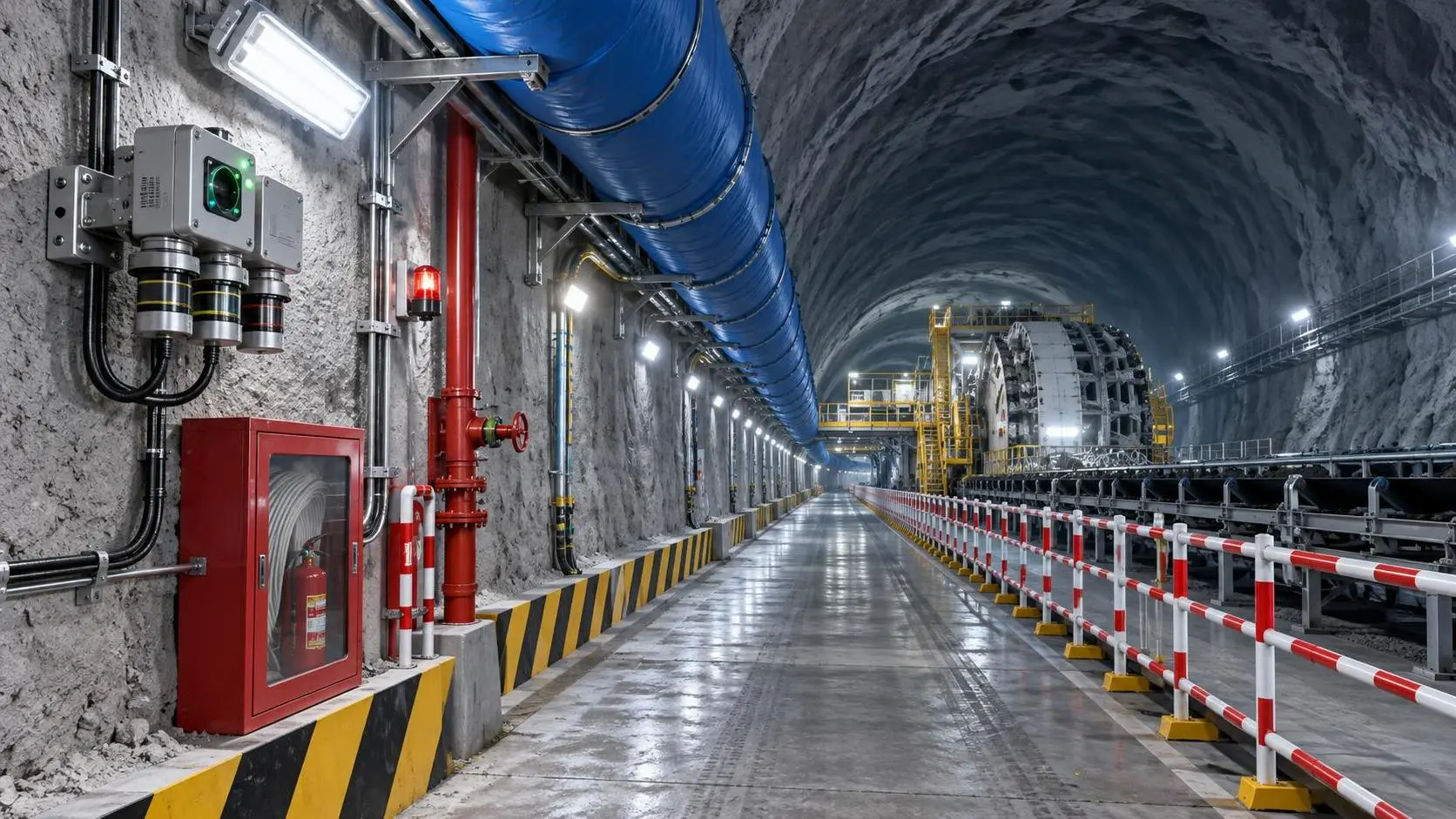
How to Select Underground Safety Equipment for Tunnelling by Hazard and Work Zone
Underground Safety Equipment for tunnelling: match protection to hazards, work zones, compliance, and emergency needs with this practical selection guide.
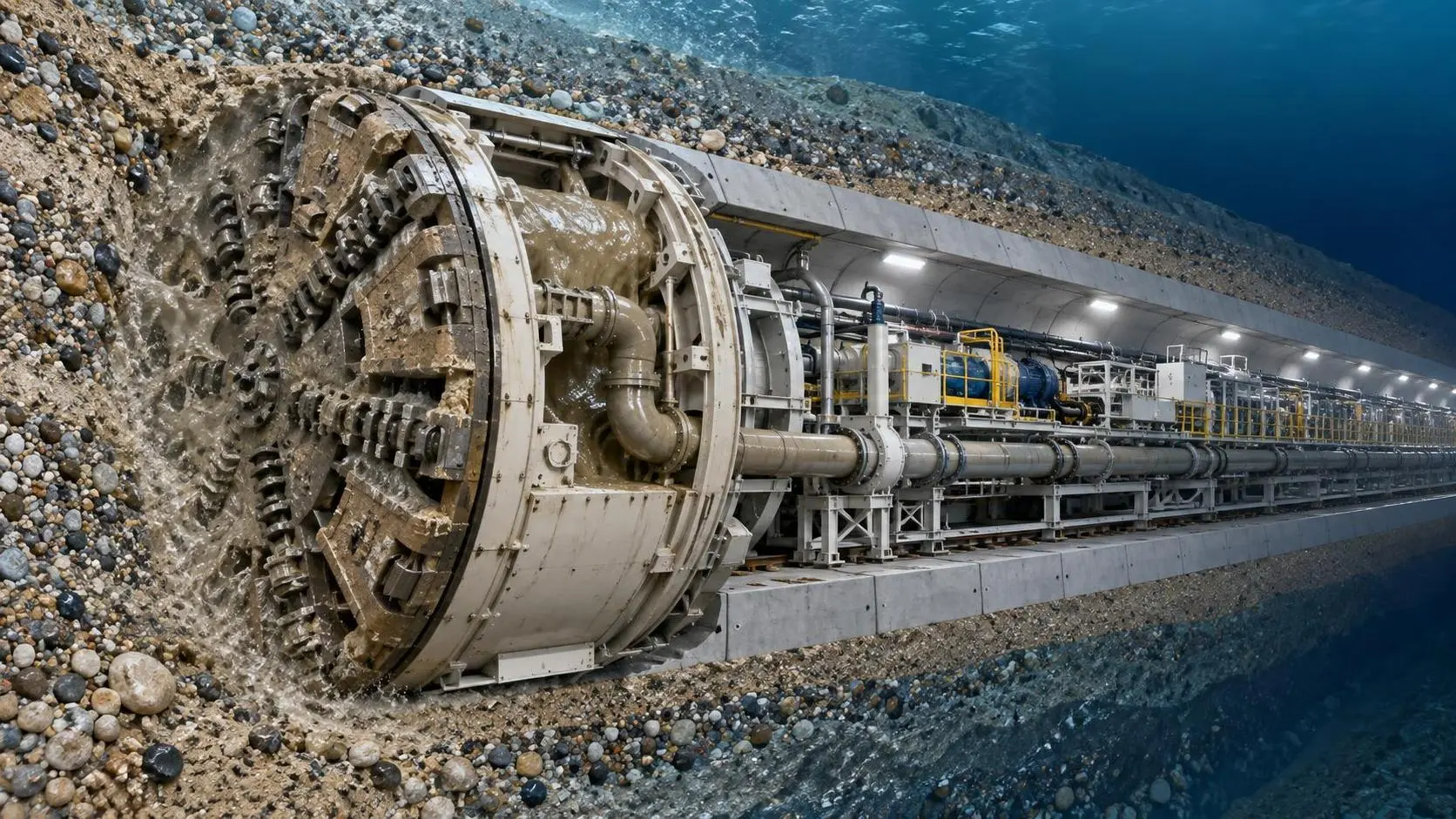
EPB or Slurry Shield? Selecting Soft-Ground Tunnelling Equipment by Soil Conditions
Tunnel Excavation Equipment for soft ground: compare EPB and slurry shields by soil, groundwater, settlement risk, and project logistics to choose confidently.
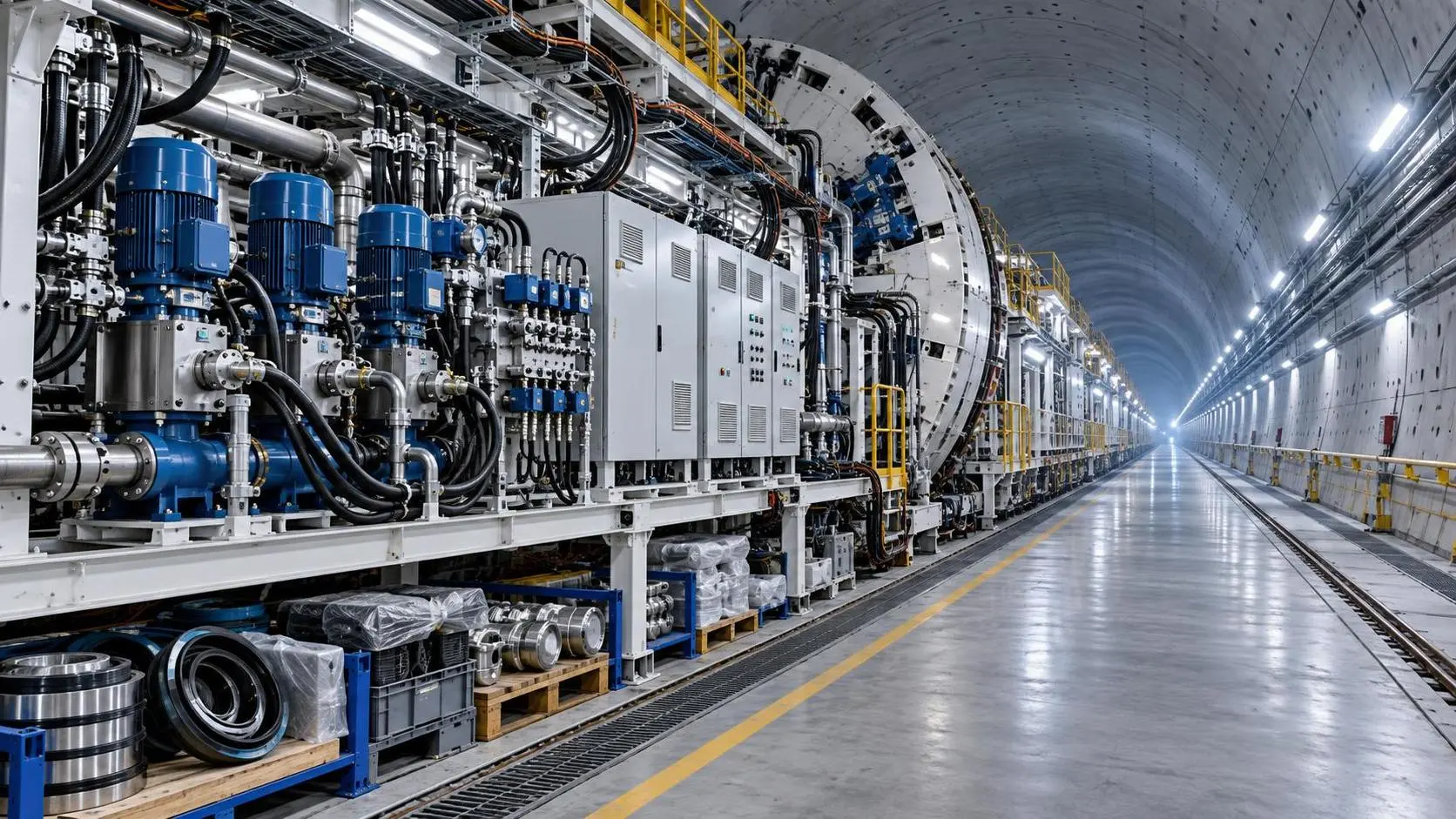
How to Specify TBM Backup System Parts for Reliable Long-Distance Tunnelling
TBM backup system parts: learn how to specify reliable spares for long-distance tunnelling, reduce downtime, ensure compatibility, and speed underground recovery.
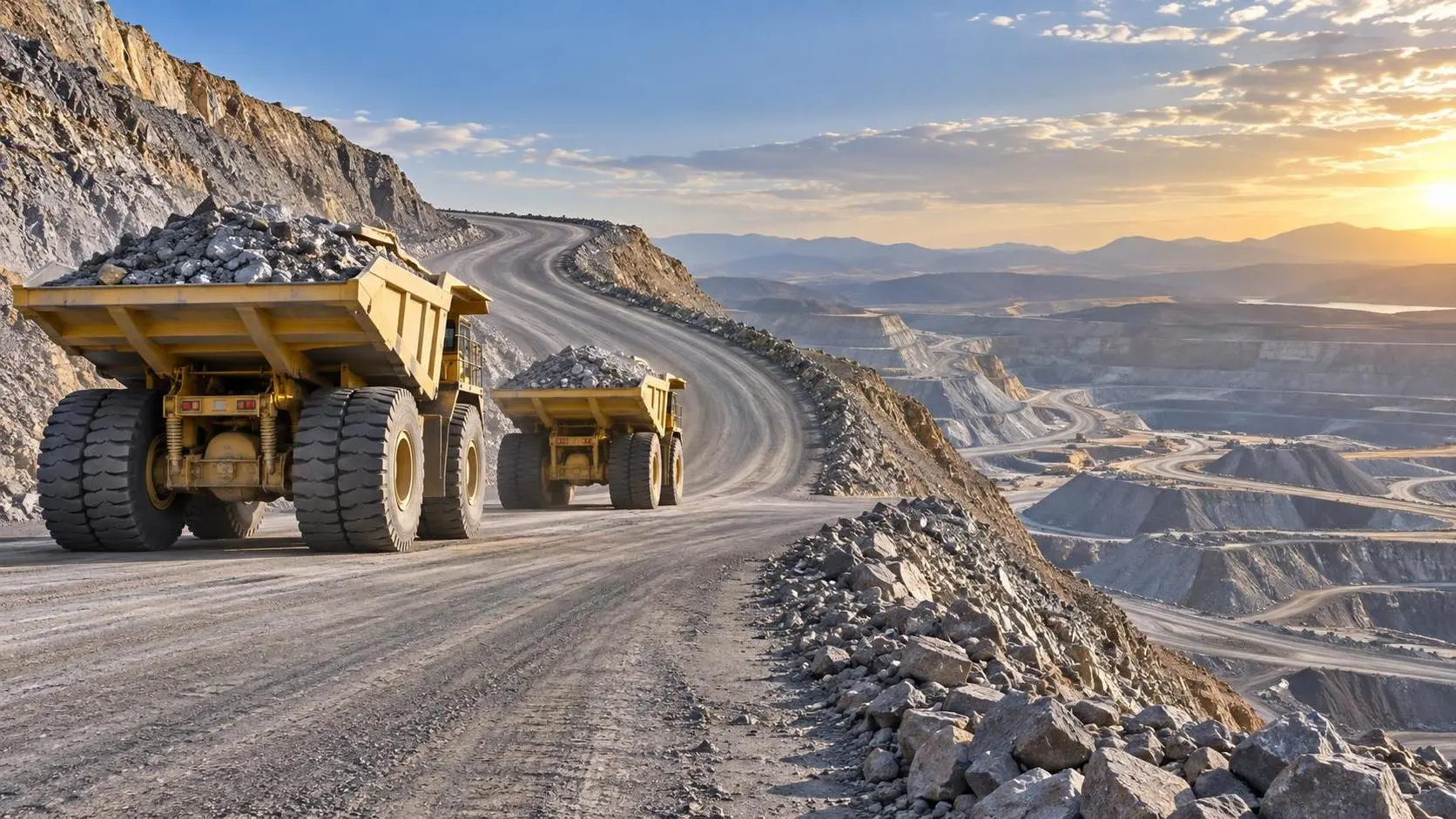
How to Size Open Pit Mining Trucks for Haul Distance, Grade, and Payload?
Open Pit Mining Trucks: learn how to match payload, haul distance, grade, road resistance, and loading capacity for safer, lower-cost mine operations.
Related News
- 00
0000-00
How to Evaluate European Drill-and-Blast Tunnelling Contractors for Complex Projects - 00
0000-00
Which Trenchless Construction Technique Fits Your Utility Crossing Conditions? - 00
0000-00
What Is Driving Metro Tunnelling Demand Across Southeast Asia’s Major Cities? - 00
0000-00
Hard Rock Tunnelling in Australia: Selecting Methods for Variable Ground Conditions - 00
0000-00
Hydropower Tunnel Excavation: Selecting Methods for Variable Rock Conditions
Weekly Insights
Stay ahead with our curated technology reports delivered every Monday.