
How to choose tunnel surveying equipment that cuts rework





Choosing the right Tunnel Surveying Equipment can make the difference between smooth advance and costly rework in underground projects. For procurement teams, the challenge is not just comparing specifications, but selecting systems that improve alignment accuracy, reduce downtime, and support reliable performance in harsh tunnelling conditions. This guide outlines the key factors that help buyers make smarter, lower-risk equipment decisions.
In tunnel construction, a small positioning error can quickly become a major cost issue. A deviation of only 10–20 mm at one control point may lead to cumulative alignment problems over tens or hundreds of meters, especially in TBM drives, pipe jacking works, drill-and-blast headings, and underground mining drifts. For buyers responsible for capital efficiency, the goal is to procure Tunnel Surveying Equipment that protects production schedules, supports accurate breakthrough, and reduces the risk of repeated setting-out, corrective excavation, and shutdowns.
For organizations following underground equipment trends through UTMD, the purchasing logic is increasingly clear: surveying systems are no longer isolated instruments. They are part of a broader digital workflow linking excavation machinery, geotechnical control, guidance systems, and asset data management. That means procurement decisions should evaluate not only accuracy, but also durability, interoperability, training needs, service response, and lifecycle operating cost over 3–7 years.
Why rework happens in tunnel surveying and what buyers should control
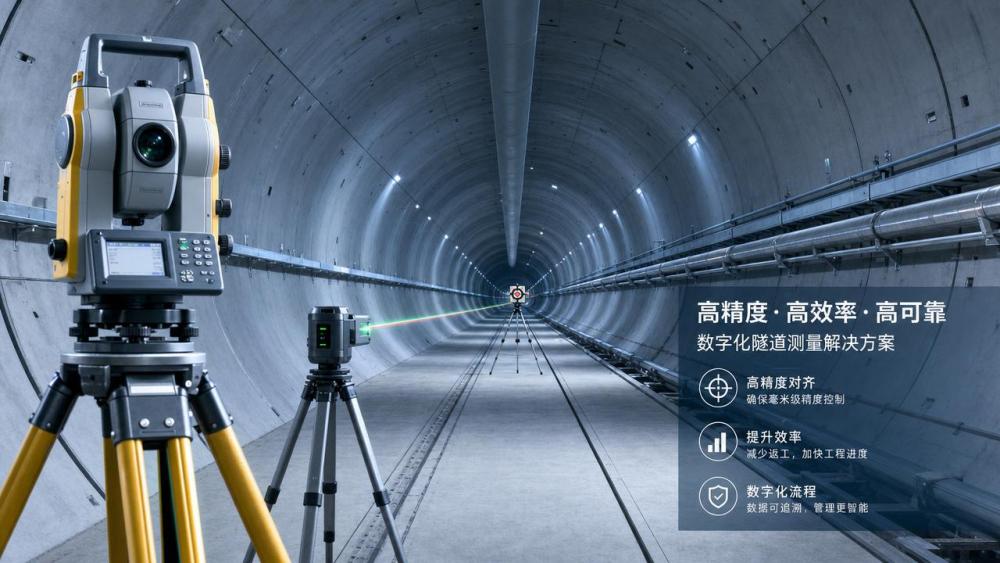
Rework in tunnel projects usually starts with a chain of small failures rather than one dramatic mistake. Common triggers include weak control networks, unstable instrument setup, poor visibility in dust-heavy headings, inconsistent prism management, delayed calibration, and software outputs that are difficult for crews to interpret quickly underground.
Procurement teams should therefore assess Tunnel Surveying Equipment against operational conditions, not laboratory specifications alone. A total station rated for high angular precision may still underperform if the enclosure is not suited for humidity above 90%, vibration near active excavation, or low-visibility conditions caused by slurry, blasting residue, or water mist.
The cost of poor alignment is usually larger than the instrument price gap
In many projects, the price difference between mid-range and high-reliability Tunnel Surveying Equipment may represent only 5%–12% of a surveying package budget. By contrast, one round of rework can affect 2–5 shifts, trigger additional labor, consume more segments or support materials, and delay equipment utilization across the tunnel face and logistics chain.
For TBM and pipe jacking applications, alignment correction can also increase wear on guidance systems and interfere with planned advance rates. In drill-and-blast tunnels, inaccurate setting-out often leads to overbreak, underbreak, or mislocated bolt patterns, which then increases scaling, shotcrete consumption, and support installation time.
Key underground variables that affect measurement reliability
- Humidity levels often ranging from 70% to 95%
- Dust and suspended particles reducing line-of-sight quality
- Vibration from TBM backup trains, jumbos, loaders, or blasting activity
- Restricted working windows, sometimes under 30–60 minutes between operations
- Long tunnel drives where control transfer must remain stable over 500 m, 1 km, or more
- Mixed workflows involving civil contractors, survey teams, machine operators, and BIM or GIS staff
A buyer who understands these variables is better positioned to choose Tunnel Surveying Equipment that reduces field adjustments and protects production continuity. The real question is not whether a system is advanced, but whether it stays accurate and usable under underground stress.
Core equipment categories procurement teams should compare
Most tunnel projects do not rely on a single instrument. They use a measurement ecosystem combining total stations, laser alignment tools, GNSS support for surface control, levels, prisms, targets, field controllers, and processing software. The right mix depends on tunnel method, drive length, required breakthrough tolerance, and the digital maturity of the project team.
The table below compares common Tunnel Surveying Equipment categories from a procurement perspective. It focuses on practical selection factors rather than marketing claims.
The main takeaway is that procurement should treat software and accessories as part of the measurement system, not add-ons. In underground work, a fast controller, rugged batteries, and stable targets can be just as important as the base instrument because they affect setup speed, repeatability, and shift productivity.
Matching equipment to application type
TBM drives
TBM projects typically need high consistency over long distances and strong compatibility with guidance workflows. Buyers should prioritize angular precision, stable control transfer, and software that can export data cleanly to machine guidance or digital reporting systems. On drives exceeding 1 km, repeatability and calibration discipline matter more than feature quantity.
Pipe jacking and microtunnelling
These projects usually require reliable line-and-grade control in tight launch shafts and urban constraints. Tunnel Surveying Equipment for this segment should support fast setup, compact working areas, and robust reference visibility. Even a few millimeters of drift can affect jacking correction frequency and pipe string stress.
Drill-and-blast tunnels and underground mines
In these environments, survey systems must survive vibration, dust, and constant relocation. Buyers often benefit from ruggedized equipment with simple field interfaces because headings can change rapidly, and crews may need to complete layout and verification in short windows between mucking, scaling, drilling, and support installation.
Technical selection criteria that directly cut rework
Not every specification contributes equally to lower rework. Procurement teams should rank criteria according to project risk. In many tunnel jobs, five technical areas explain most field performance differences: accuracy, environmental protection, workflow speed, data integrity, and serviceability.
1. Accuracy that matches project tolerance
Buyers should request accuracy data in practical terms: angular precision, distance accuracy, and repeatability under underground conditions. For example, alignment-sensitive applications may require instrument classes capable of supporting millimeter-level control, while routine utility tunnelling may accept broader tolerances if the workflow is stable and verification frequency is high.
The important point is proportionality. Overbuying extreme precision for a short, low-risk tunnel can waste budget, but underbuying on a long, curved, or breakthrough-critical drive can multiply correction cost later.
2. Ruggedness for underground exposure
Tunnel Surveying Equipment should be evaluated for dust and water resistance, temperature range, battery endurance, and housing durability. Typical underground operating conditions may fall between 5°C and 35°C, but localized heat, water ingress, and mud exposure can exceed normal expectations. Instruments that need frequent drying, cleaning, or rebooting often create invisible productivity loss.
3. Speed of setup and error checking
A survey system that saves 10–15 minutes per setup can deliver major value over a 12-month project. Look for features such as guided workflows, automatic target recognition, onboard checking routines, and clear alerts when control points do not reconcile. Faster verification reduces the chance of crews building on incorrect references.
4. Data handling and integration
Survey data should move cleanly into design, reporting, and machine-control environments. Procurement teams should verify support for common file formats, naming consistency, audit logs, and traceable revisions. If data has to be manually re-entered across 2–3 systems, the error risk rises sharply.
5. Calibration, service, and spare readiness
Even high-end Tunnel Surveying Equipment becomes a risk if calibration cycles are unclear or repair turnaround takes too long. Buyers should ask whether local or regional support can handle routine maintenance within 5–10 working days, and whether backup units are available during extended repair periods.
A practical procurement checklist for tunnel projects
The most effective procurement processes use a weighted checklist. This reduces the tendency to select equipment based only on headline accuracy or unit price. In underground work, the lowest purchase price can become the highest operational cost if it increases rework exposure.
The following framework can be used during bid comparison, technical clarification, and final negotiation.
This checklist helps buyers compare offers on measurable operational value. A vendor that provides a clear calibration schedule, 1–2 days of field onboarding, and documented integration support may offer lower project risk than a cheaper supplier with limited after-sales structure.
Recommended procurement process in 5 steps
- Define tunnel method, tolerance requirements, and expected drive length.
- Map operating conditions such as dust load, moisture, access limits, and shift pattern.
- Shortlist Tunnel Surveying Equipment options by technical fit, not brand familiarity alone.
- Request demonstration data, service terms, calibration intervals, and software compatibility details.
- Score total value across equipment, training, support, consumables, and downtime risk.
For large fleets or multi-project contractors, it is also worth standardizing accessories, controller interfaces, and file structures across sites. That can reduce retraining time by 20%–30% and improve workforce flexibility between tunnel packages.
Common buying mistakes and how to avoid them
Many procurement problems do not come from choosing obviously poor equipment. They come from overlooking hidden constraints in real tunnel operations. Avoiding a few recurring mistakes can significantly lower the risk of rework and delayed adoption.
Mistake 1: Buying on specification sheets alone
Laboratory accuracy figures do not reveal how the instrument behaves after repeated transport on rough underground roads or under constant moisture exposure. Ask for application references by tunnel type, demonstration workflows, and service commitments relevant to subterranean work.
Mistake 2: Ignoring operator usability
Even strong Tunnel Surveying Equipment can underdeliver if menus are slow, checks are hard to follow, or controller screens are impractical with gloves and dirty conditions. A system used by mixed-experience crews should support simple, repeatable workflows in less than 6–8 key actions for routine layout tasks.
Mistake 3: Underestimating support logistics
A remote mine or infrastructure corridor cannot afford long repair cycles. Buyers should ask about parts stock, loan equipment, remote diagnostics, and calibration access before placing the order. Service distance and response capability are often as important as the instrument itself.
Mistake 4: Failing to connect survey data with the wider project system
Where UTMD’s industry perspective is especially relevant is in the convergence of measurement, automation, and equipment intelligence. Surveying outputs increasingly feed TBM guidance, digital quality records, mine development planning, and asset traceability. If the chosen system cannot integrate with those workflows, hidden manual work will remain and errors will persist.
What procurement teams should ask suppliers before final approval
A strong supplier discussion goes beyond price, lead time, and warranty. It should clarify how the Tunnel Surveying Equipment will function over the whole project cycle, from setup and commissioning to recalibration and replacement planning.
Supplier questions worth asking
- What tunnel environments is this system commonly used in: TBM, pipe jacking, drill-and-blast, or underground mining?
- What is the typical calibration interval: 6 months, 12 months, or project-based?
- How many batteries are recommended for a 10–12 hour shift?
- Can field data export directly to our CAD, BIM, or machine guidance workflow?
- What training package is included for surveyors and site supervisors?
- What is the expected service turnaround in our region?
These questions help convert a generic quotation into a realistic implementation plan. Procurement leaders should document the answers and compare them as risk factors, not side notes.
Lead time and deployment planning
Typical delivery for specialist Tunnel Surveying Equipment can range from 2–6 weeks depending on configuration, software licensing, accessories, and regional stock. If a project start is fixed, buyers should also allow time for acceptance checks, staff training, baseline calibration, and any integration testing with project data systems.
For complex underground jobs, a staged rollout often works best: first establish control procedures, then train survey teams, then validate reporting formats, and only after that standardize routine production use. This approach reduces adoption errors in the first 30–60 days.
Choosing Tunnel Surveying Equipment that cuts rework requires a broader view than instrument comparison alone. Buyers need to match accuracy to tunnel risk, confirm rugged performance in underground conditions, verify software and data workflows, and secure dependable service support. When these factors are evaluated together, procurement decisions become more predictable, and tunnel teams gain stronger control over alignment, schedule, and cost.
For organizations tracking the future of TBMs, trenchless systems, and smart underground mining through UTMD, the most effective surveying investments are the ones that strengthen the entire underground operating chain. If you are reviewing options for an upcoming tunnel or mine development project, contact us to explore tailored equipment selection guidance, compare technical solutions, and get a procurement-focused recommendation built around your site conditions.
Related News
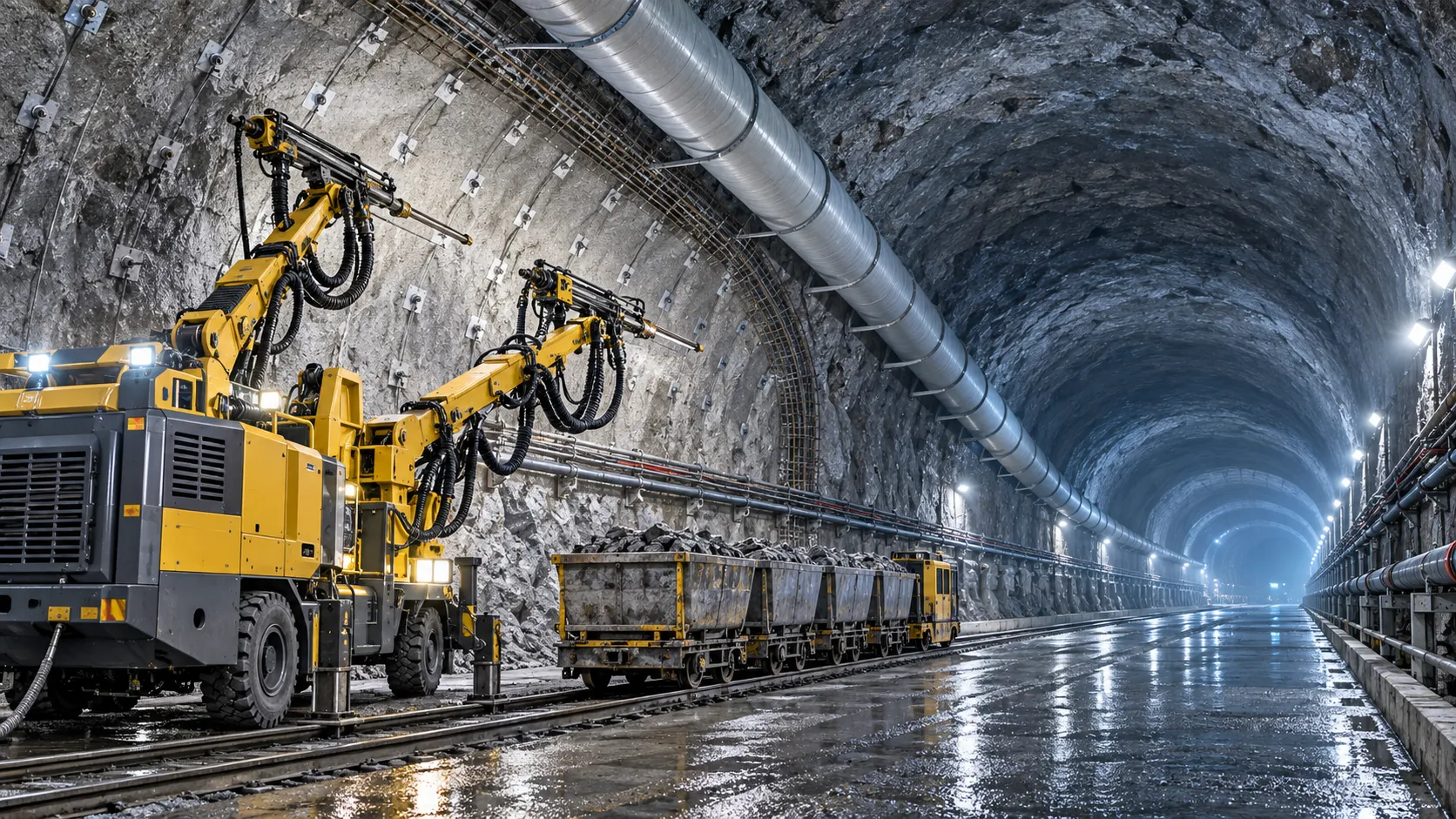
How to Evaluate European Drill-and-Blast Tunnelling Contractors for Complex Projects
Drill and blast tunnelling contractors Europe: learn how to assess geology expertise, blast control, equipment reliability, safety, and programme resilience for complex projects.
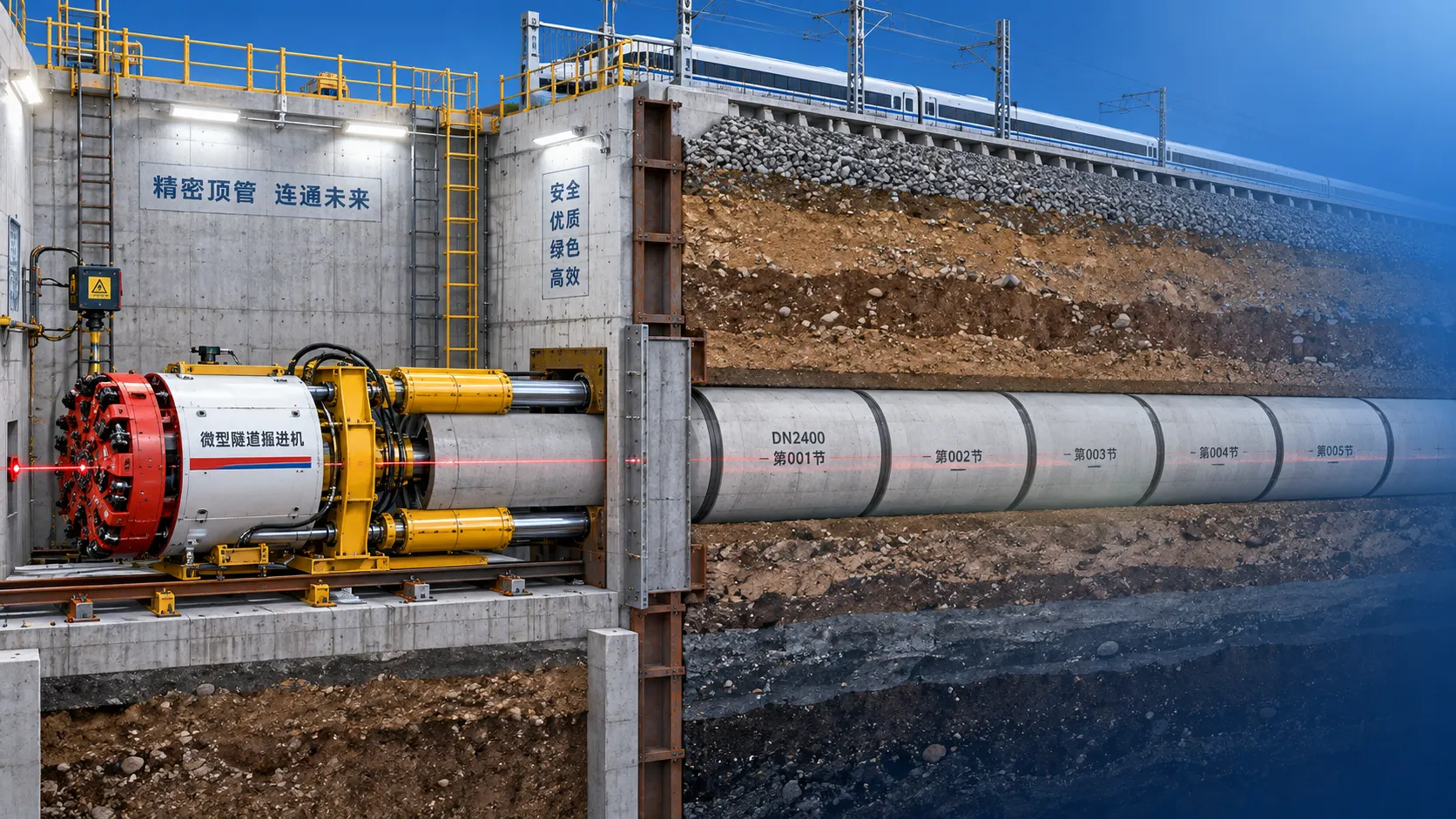
Which Trenchless Construction Technique Fits Your Utility Crossing Conditions?
Trenchless construction techniques compared for utility crossings: choose HDD, microtunnelling, pipe jacking, or auger boring based on ground, accuracy, access, and risk.
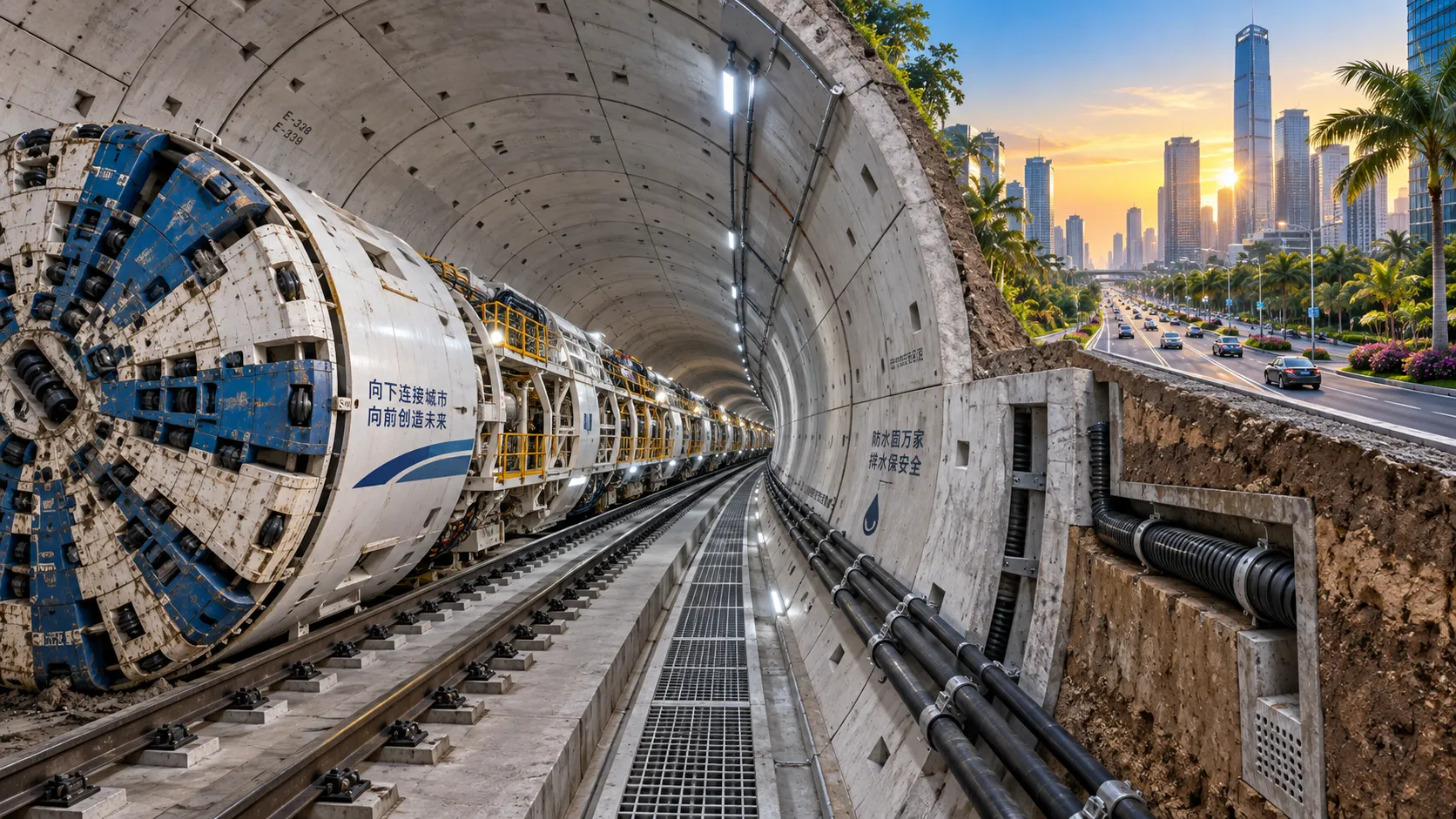
What Is Driving Metro Tunnelling Demand Across Southeast Asia’s Major Cities?
Metro tunnelling Southeast Asia is accelerating as major cities tackle congestion, flooding, and connectivity. Explore the market forces, technical risks, and opportunities shaping demand.
Hard Rock Tunnelling in Australia: Selecting Methods for Variable Ground Conditions
Hard rock tunnelling in Australia: compare TBM, drill-and-blast and hybrid methods to manage variable ground, reduce risk and protect project costs.
Hydropower Tunnel Excavation: Selecting Methods for Variable Rock Conditions
Hydropower tunnel excavation methods for variable rock conditions: compare TBM, drill-and-blast, and hybrid strategies to improve safety, progress, and project control.
How to Select Underground Safety Equipment for Tunnelling by Hazard and Work Zone
Underground Safety Equipment for tunnelling: match protection to hazards, work zones, compliance, and emergency needs with this practical selection guide.
EPB or Slurry Shield? Selecting Soft-Ground Tunnelling Equipment by Soil Conditions
Tunnel Excavation Equipment for soft ground: compare EPB and slurry shields by soil, groundwater, settlement risk, and project logistics to choose confidently.
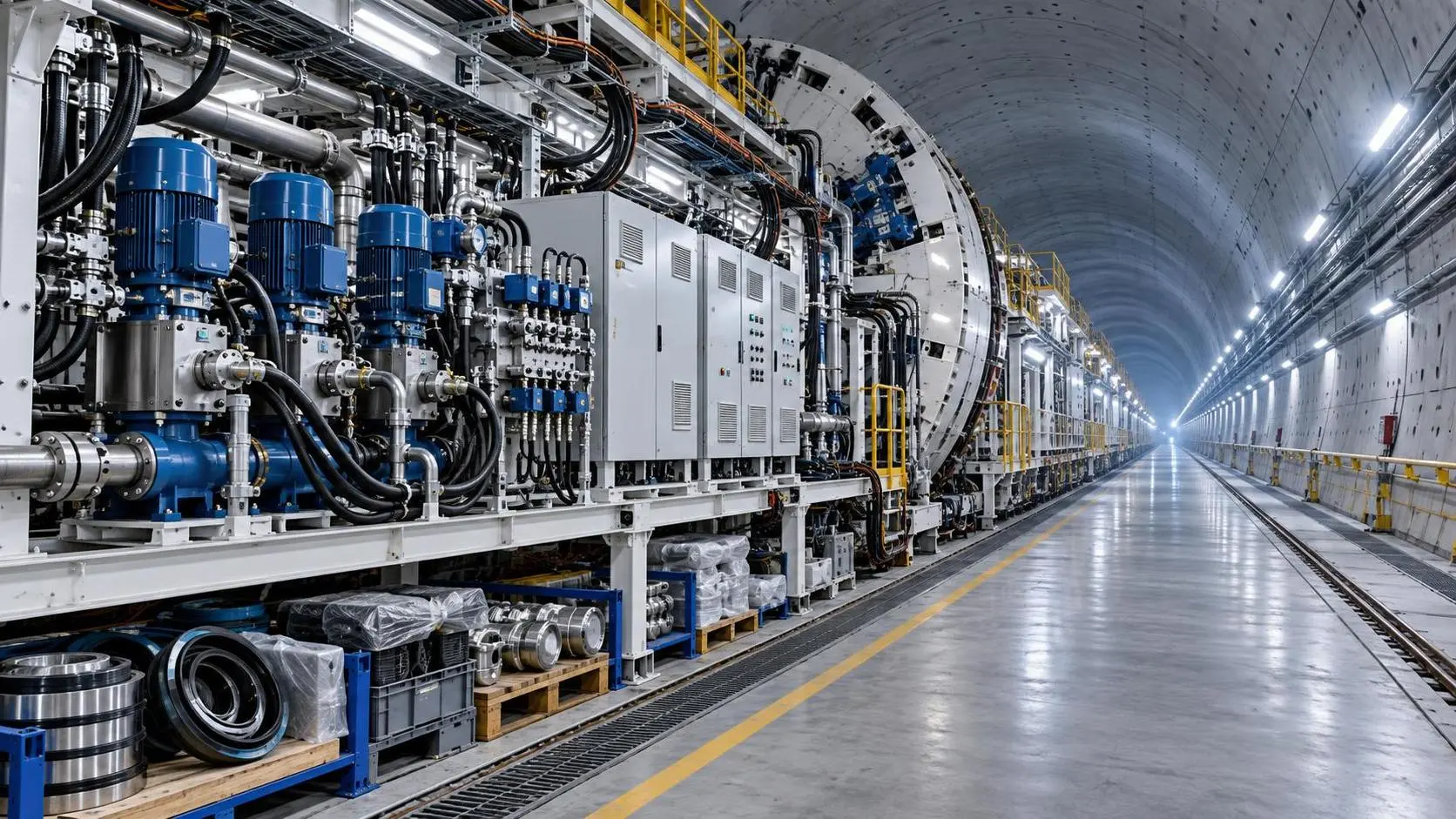
How to Specify TBM Backup System Parts for Reliable Long-Distance Tunnelling
TBM backup system parts: learn how to specify reliable spares for long-distance tunnelling, reduce downtime, ensure compatibility, and speed underground recovery.

How to Size Open Pit Mining Trucks for Haul Distance, Grade, and Payload?
Open Pit Mining Trucks: learn how to match payload, haul distance, grade, road resistance, and loading capacity for safer, lower-cost mine operations.
Related News
- 00
0000-00
How to Evaluate European Drill-and-Blast Tunnelling Contractors for Complex Projects - 00
0000-00
Which Trenchless Construction Technique Fits Your Utility Crossing Conditions? - 00
0000-00
What Is Driving Metro Tunnelling Demand Across Southeast Asia’s Major Cities? - 00
0000-00
Hard Rock Tunnelling in Australia: Selecting Methods for Variable Ground Conditions - 00
0000-00
Hydropower Tunnel Excavation: Selecting Methods for Variable Rock Conditions
Weekly Insights
Stay ahead with our curated technology reports delivered every Monday.