
When underground power systems need an upgrade plan





When aging infrastructure, rising energy loads, and stricter ESG targets converge, Underground Power Systems need more than emergency repairs.
In tunnelling, trenchless construction, and mining, power availability defines uptime, safety, ventilation loads, and the pace of electrification.
A structured upgrade plan helps align cables, substations, drives, charging assets, and digital controls with future operating demand.
For underground projects, that means evaluating technical risk early, sequencing investments carefully, and protecting asset performance over long operating cycles.
Underground Power Systems and the scope of an upgrade plan
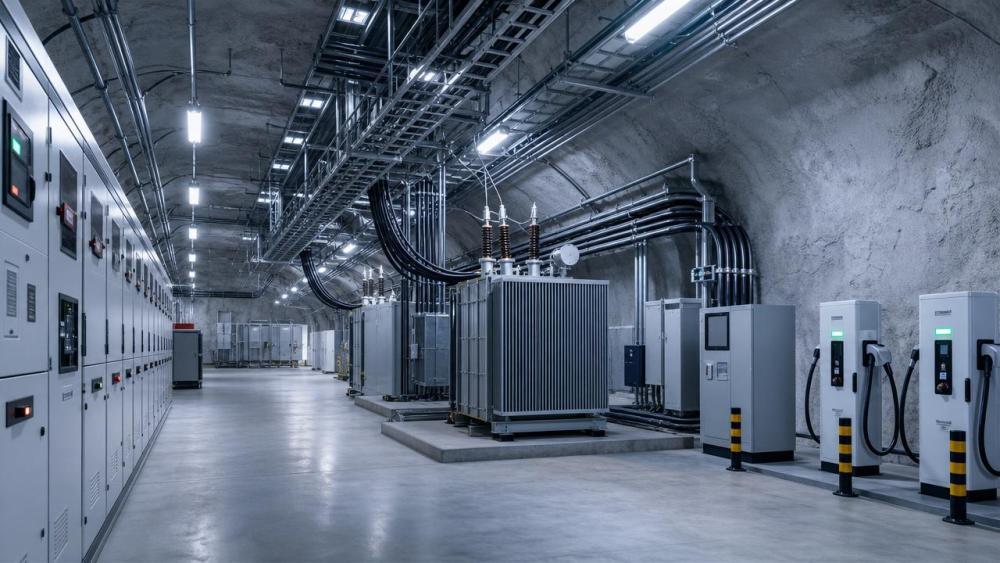
Underground Power Systems include medium-voltage distribution, transformers, switchgear, trailing cables, protection devices, drives, chargers, monitoring tools, and backup arrangements.
In deep tunnels and mines, these systems operate under dust, heat, water ingress, vibration, restricted access, and changing load profiles.
An upgrade plan is not only about replacing old components.
It should connect present reliability gaps with future needs such as battery equipment, automated haulage, remote operations, and lower emissions.
For UTMD-related sectors, this is especially important.
TBMs, pipe jacking machines, drilling jumbos, EV mining trucks, and underground LHDs all place different demands on Underground Power Systems.
Some require stable high-power starts.
Others require regenerative handling, fast charging, low harmonic distortion, or robust communication links for automation.
Core elements usually reviewed
- Incoming utility connection capacity and quality
- Underground substations and transformer loading
- Cable condition, insulation health, and routing constraints
- Protection coordination and fault isolation speed
- Power quality, harmonics, and voltage drop
- Emergency redundancy and black-start capability
- Readiness for electric mobile fleets and smart controls
Why the industry is revisiting Underground Power Systems now
Across underground engineering, several forces are pushing power upgrades from optional to urgent.
Aging assets are reaching end-of-life while project energy intensity is still increasing.
At the same time, safety expectations and ESG commitments have become stricter and easier to audit.
This trend is visible from metro tunnelling to hard-rock mining.
Where equipment fleets are becoming smarter, Underground Power Systems must become more observable, modular, and upgradeable.
Operational value of a planned power upgrade
A well-timed upgrade improves more than energy supply.
It reduces unplanned downtime, strengthens protection, supports production growth, and creates a realistic foundation for decarbonization.
Key business outcomes
- Better reliability for TBM drives, ventilation, dewatering, and haulage circuits
- Lower maintenance exposure through condition monitoring and selective replacement
- Safer fault response with modern relays and arc-risk reduction measures
- Higher energy efficiency through right-sized transformers and variable speed control
- Improved readiness for battery-swapping stations and fast-charging nodes
- Stronger data visibility for lifecycle planning and audit reporting
For underground operations, reliability often has compounding value.
One power disturbance can halt excavation, ventilation, pumping, material movement, and digital supervision at the same time.
That is why Underground Power Systems should be treated as strategic infrastructure, not background utility hardware.
Typical upgrade scenarios across tunnelling and mining
Different underground assets face different power upgrade paths.
The right plan depends on duty cycle, mobility, heat load, and expansion timing.
These examples show why generic retrofit logic often fails underground.
Underground Power Systems must be matched to physical geology, equipment mix, and production strategy.
How to assess risk before upgrading Underground Power Systems
A practical upgrade plan begins with a disciplined assessment.
The goal is to identify where failure probability and business impact overlap.
Recommended assessment sequence
- Map all power assets, ages, ratings, spares status, and environmental exposure.
- Measure real loads, peaks, harmonics, voltage drop, and thermal margins.
- Review failure history, trip events, and maintenance response times.
- Test protection coordination against present and future load cases.
- Model new demand from electrified fleets, added ventilation, and automation systems.
- Rank assets by safety consequence, downtime cost, and replacement complexity.
This process usually reveals hidden constraints.
Examples include undersized feeders, relay settings no longer aligned with actual loads, or charging plans that exceed transformer reserve.
Without that visibility, Underground Power Systems upgrades may shift risk instead of removing it.
Practical design priorities for future-ready systems
Once risks are clear, the design phase should focus on flexibility as much as capacity.
Underground projects evolve, so fixed assumptions can age quickly.
Priorities that usually deliver durable value
- Use modular substations where expansion stages are likely.
- Select protection systems that support remote settings and event analysis.
- Design for segregated critical loads such as ventilation and dewatering.
- Plan charging or battery swap zones with realistic queue and heat assumptions.
- Include power quality mitigation for VFD-heavy equipment fleets.
- Create a digital asset record for maintenance and upgrade tracking.
In advanced operations, Underground Power Systems increasingly intersect with analytics platforms.
That link supports predictive maintenance, fault tracing, and better coordination between electrical and production teams.
Implementation cautions and next-step planning
Execution quality matters as much as design quality.
Poor sequencing can create avoidable outages, commissioning delays, or compatibility problems with existing machines.
Important implementation cautions
- Phase upgrades around production windows and underground access constraints.
- Verify OEM interfaces for TBMs, jumbos, chargers, and remote-control platforms.
- Maintain temporary redundancy during cutovers where safety systems depend on continuity.
- Train site teams on new relays, digital dashboards, and emergency procedures.
- Document baseline performance before and after the upgrade.
For the next step, start with a power system review tied to a three-to-five-year equipment roadmap.
Match expected tunnel development, mine expansion, and fleet electrification to network capacity and reliability targets.
That approach turns Underground Power Systems from a constraint into an enabler of safer, cleaner, and more productive underground operations.
For sectors tracked by UTMD, that alignment is becoming essential to future project competitiveness and operational resilience.
Related News
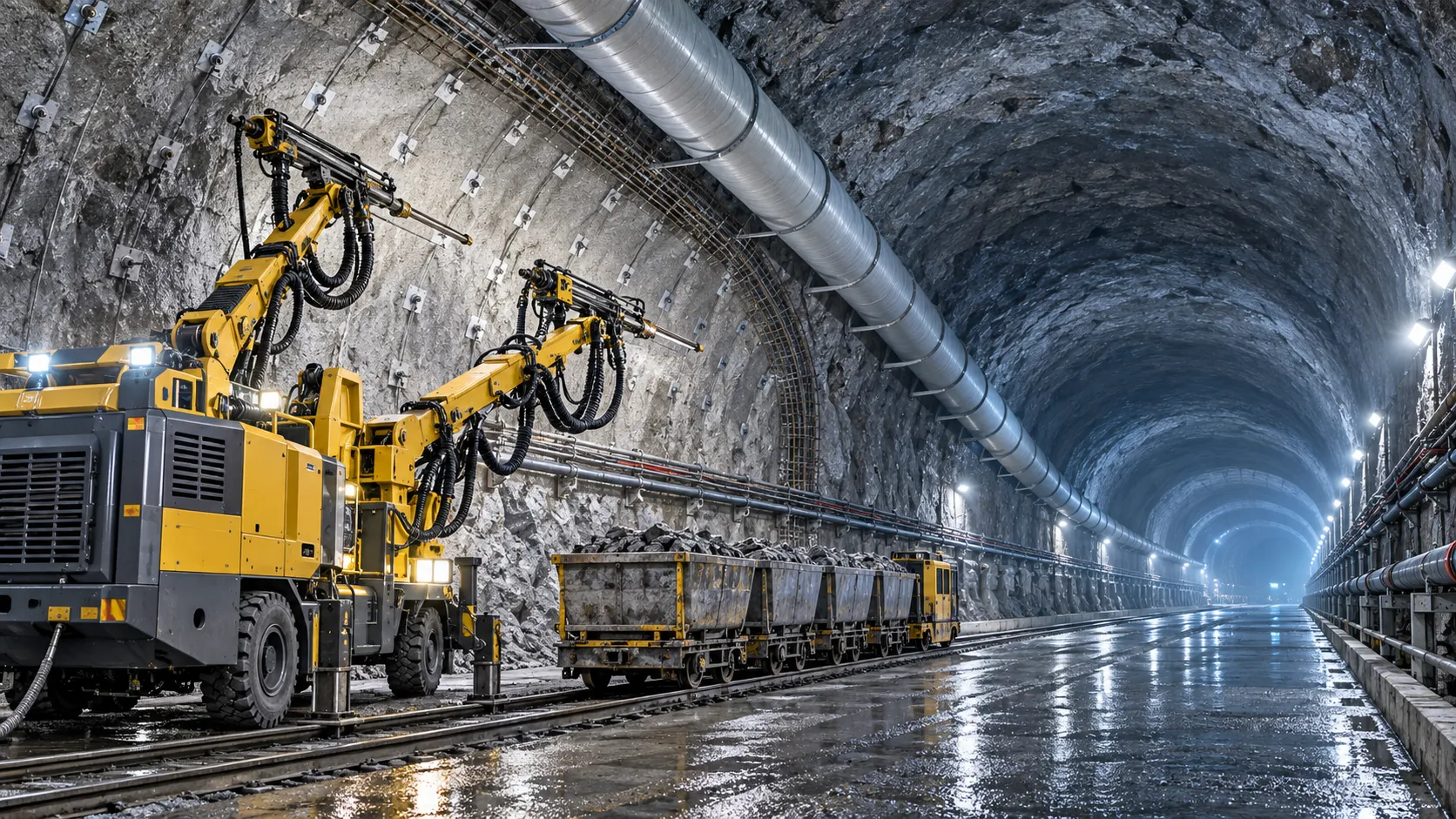
How to Evaluate European Drill-and-Blast Tunnelling Contractors for Complex Projects
Drill and blast tunnelling contractors Europe: learn how to assess geology expertise, blast control, equipment reliability, safety, and programme resilience for complex projects.
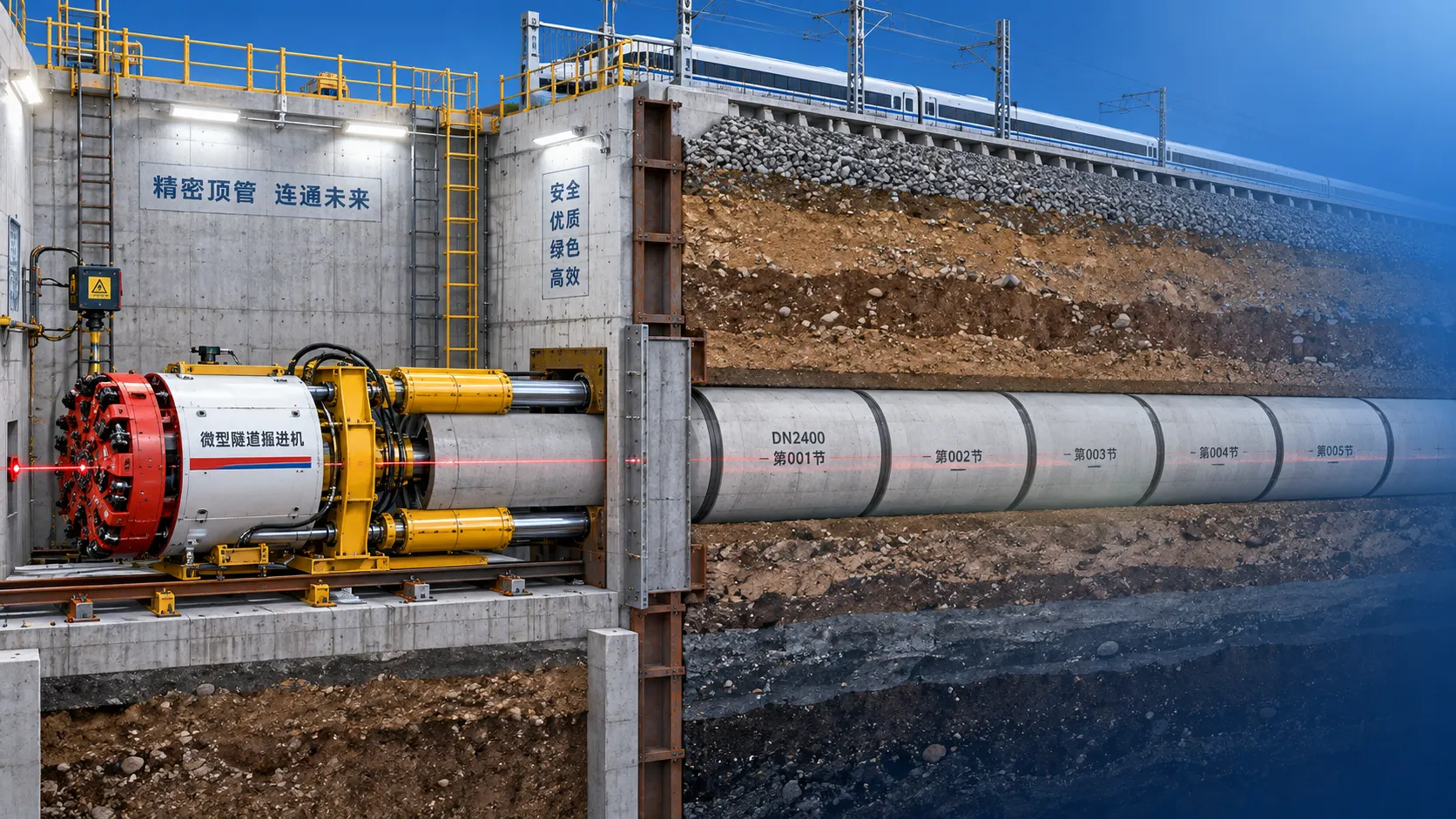
Which Trenchless Construction Technique Fits Your Utility Crossing Conditions?
Trenchless construction techniques compared for utility crossings: choose HDD, microtunnelling, pipe jacking, or auger boring based on ground, accuracy, access, and risk.
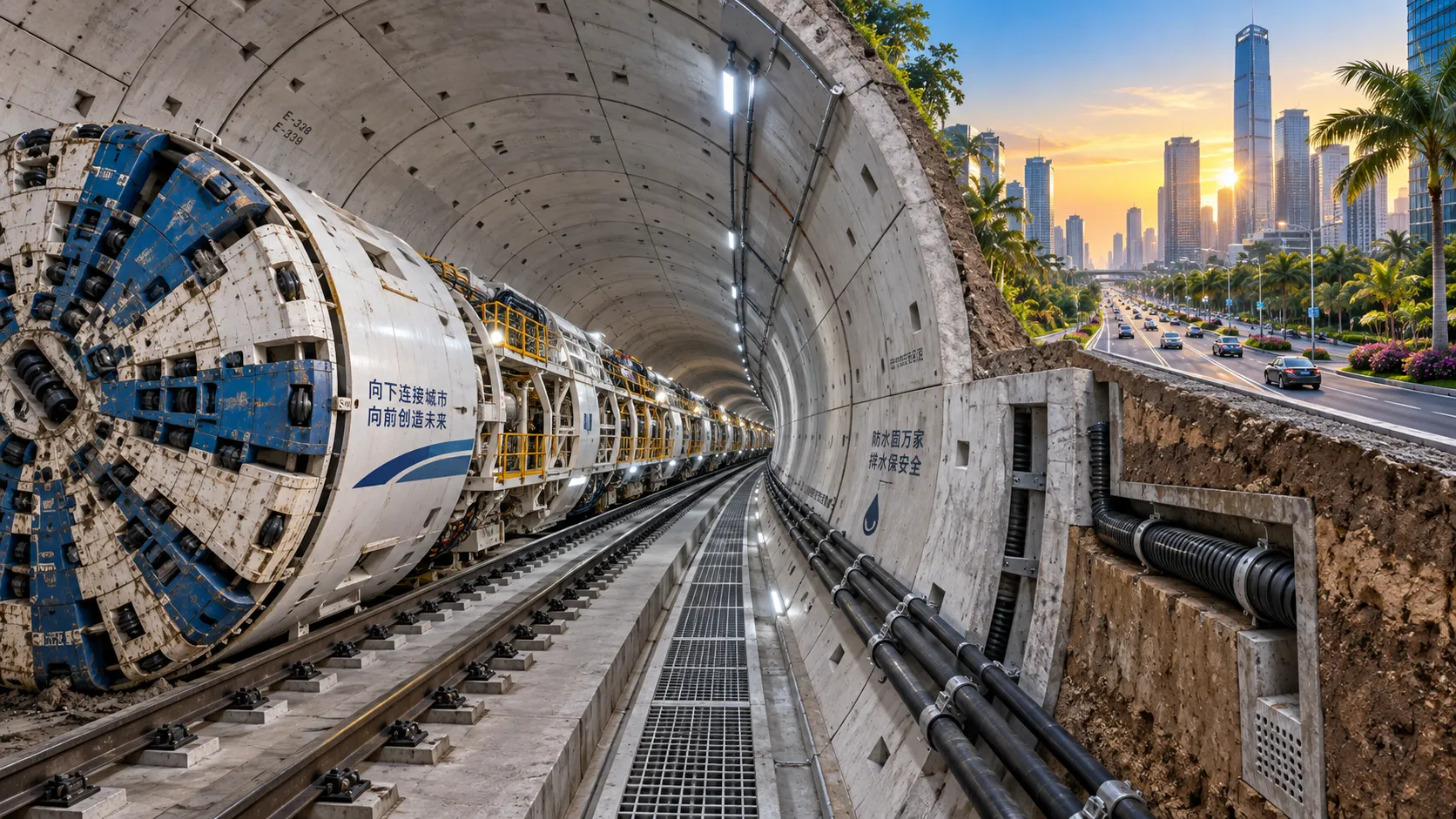
What Is Driving Metro Tunnelling Demand Across Southeast Asia’s Major Cities?
Metro tunnelling Southeast Asia is accelerating as major cities tackle congestion, flooding, and connectivity. Explore the market forces, technical risks, and opportunities shaping demand.
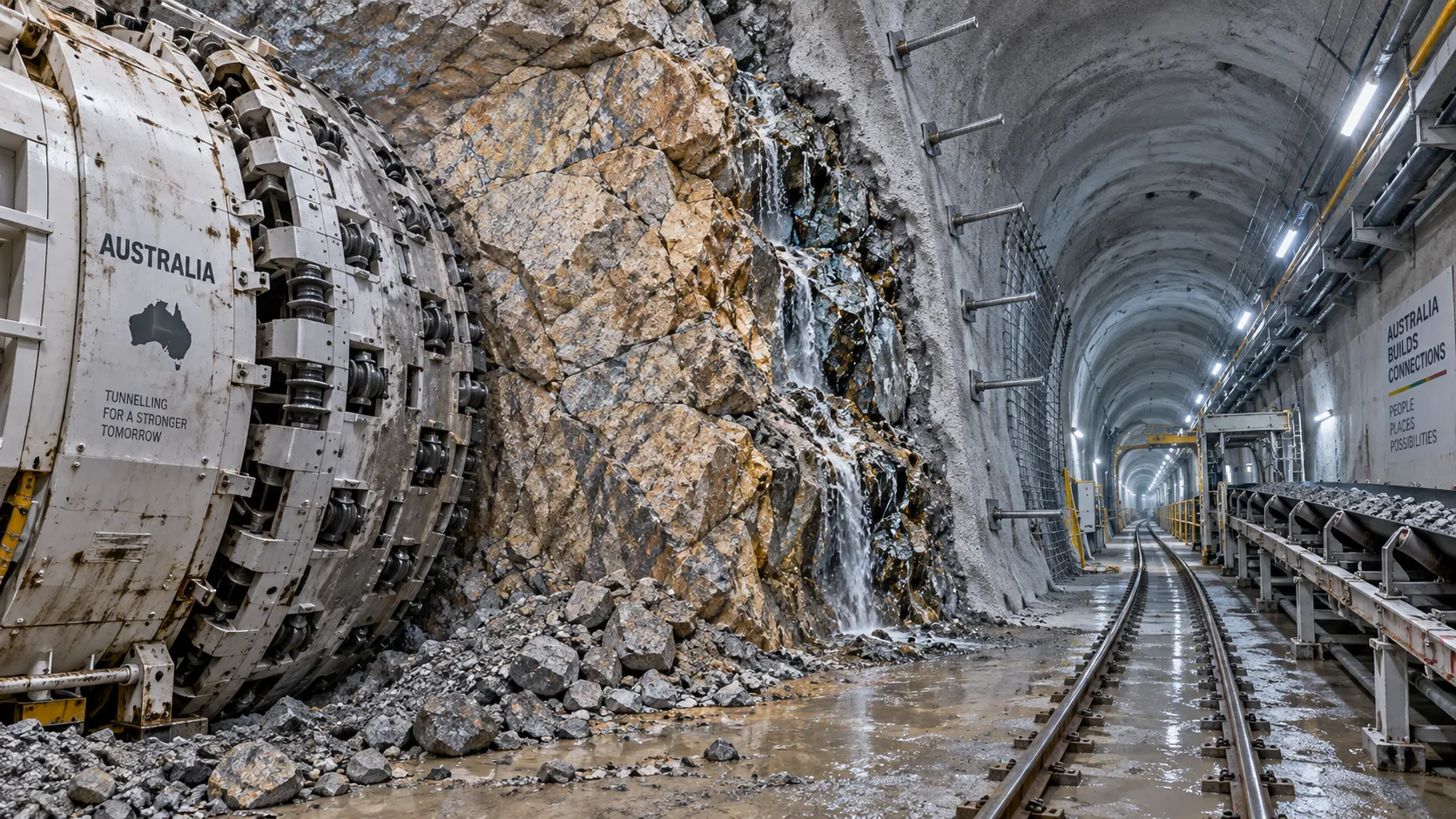
Hard Rock Tunnelling in Australia: Selecting Methods for Variable Ground Conditions
Hard rock tunnelling in Australia: compare TBM, drill-and-blast and hybrid methods to manage variable ground, reduce risk and protect project costs.
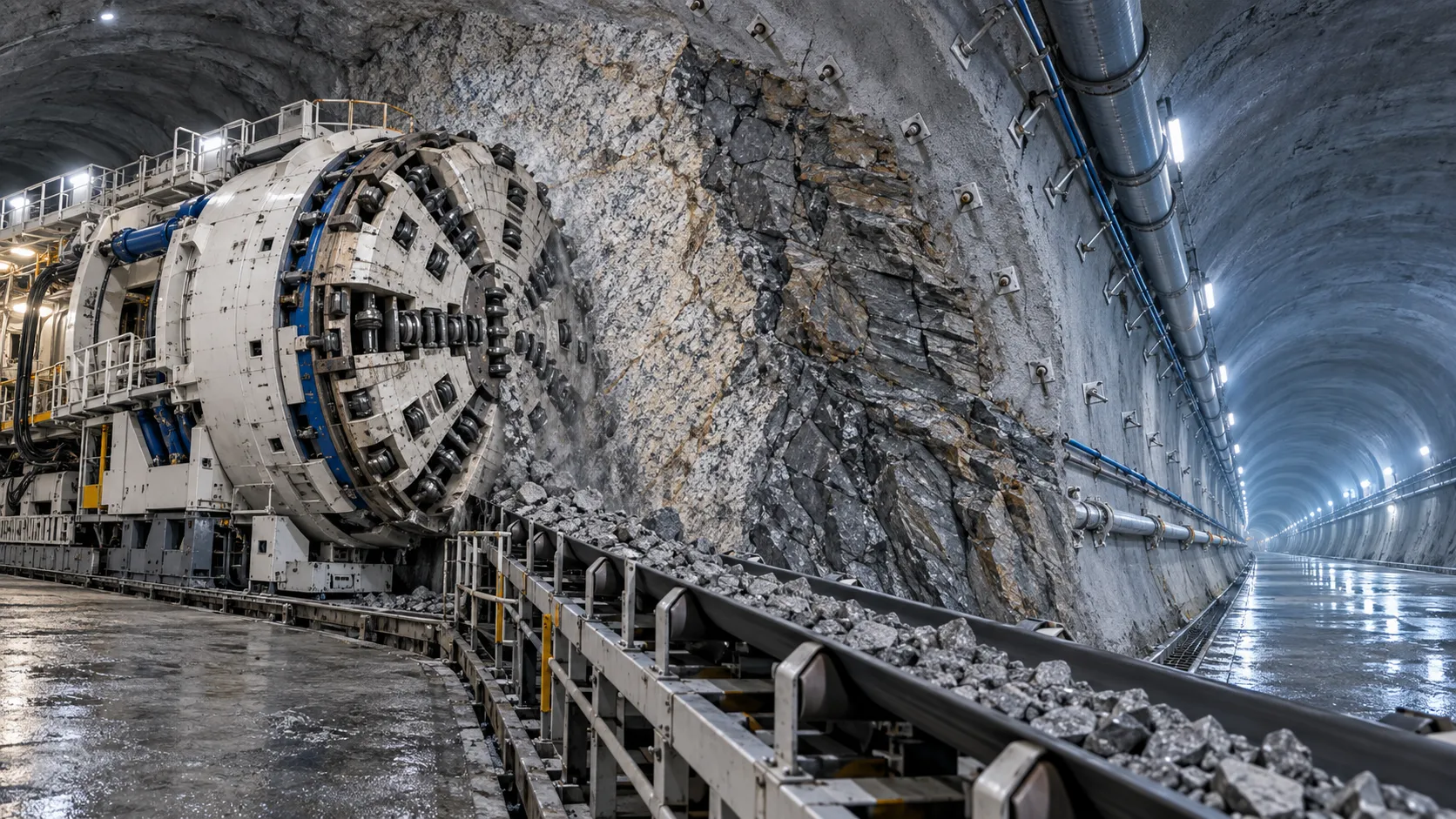
Hydropower Tunnel Excavation: Selecting Methods for Variable Rock Conditions
Hydropower tunnel excavation methods for variable rock conditions: compare TBM, drill-and-blast, and hybrid strategies to improve safety, progress, and project control.
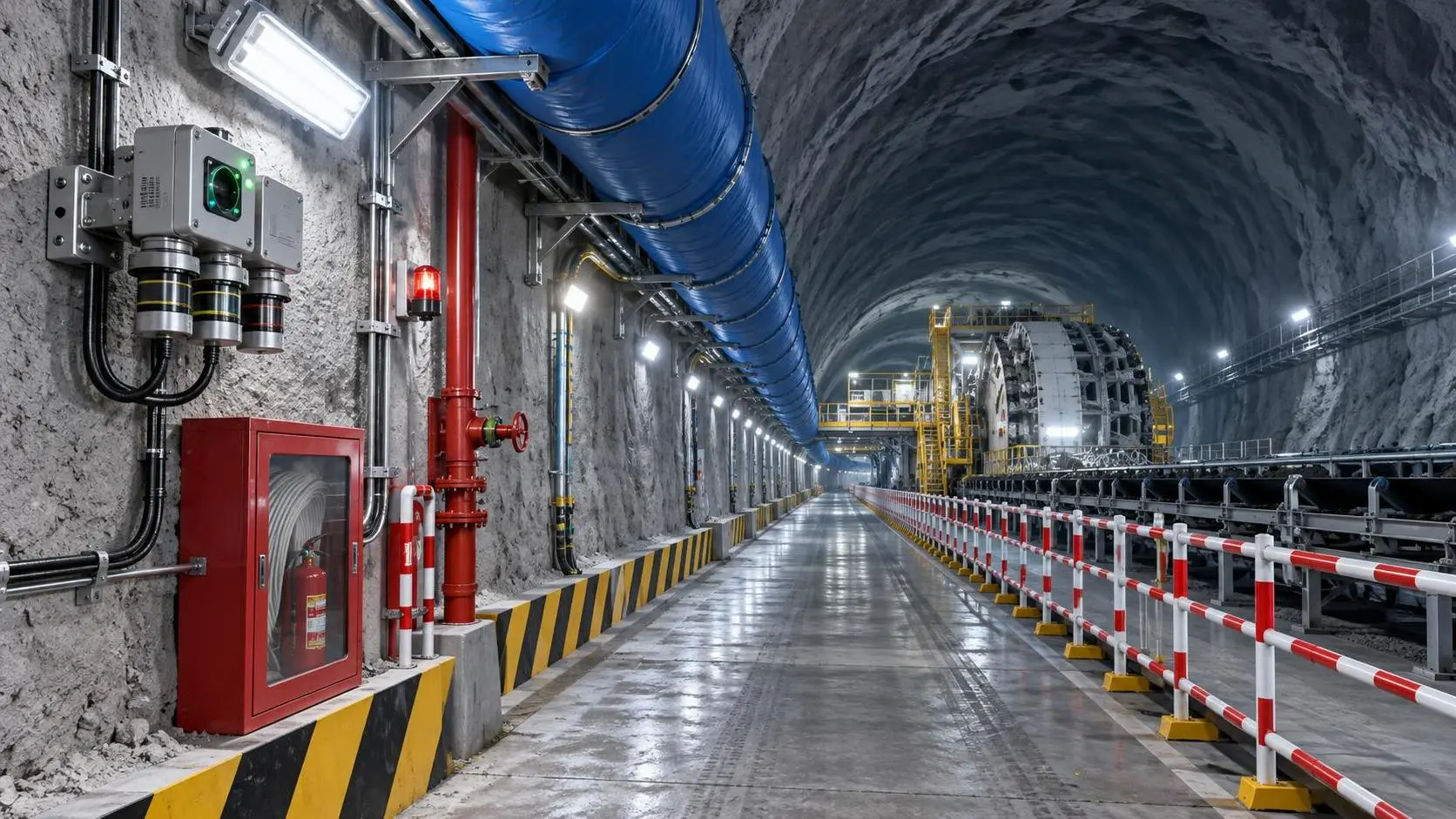
How to Select Underground Safety Equipment for Tunnelling by Hazard and Work Zone
Underground Safety Equipment for tunnelling: match protection to hazards, work zones, compliance, and emergency needs with this practical selection guide.
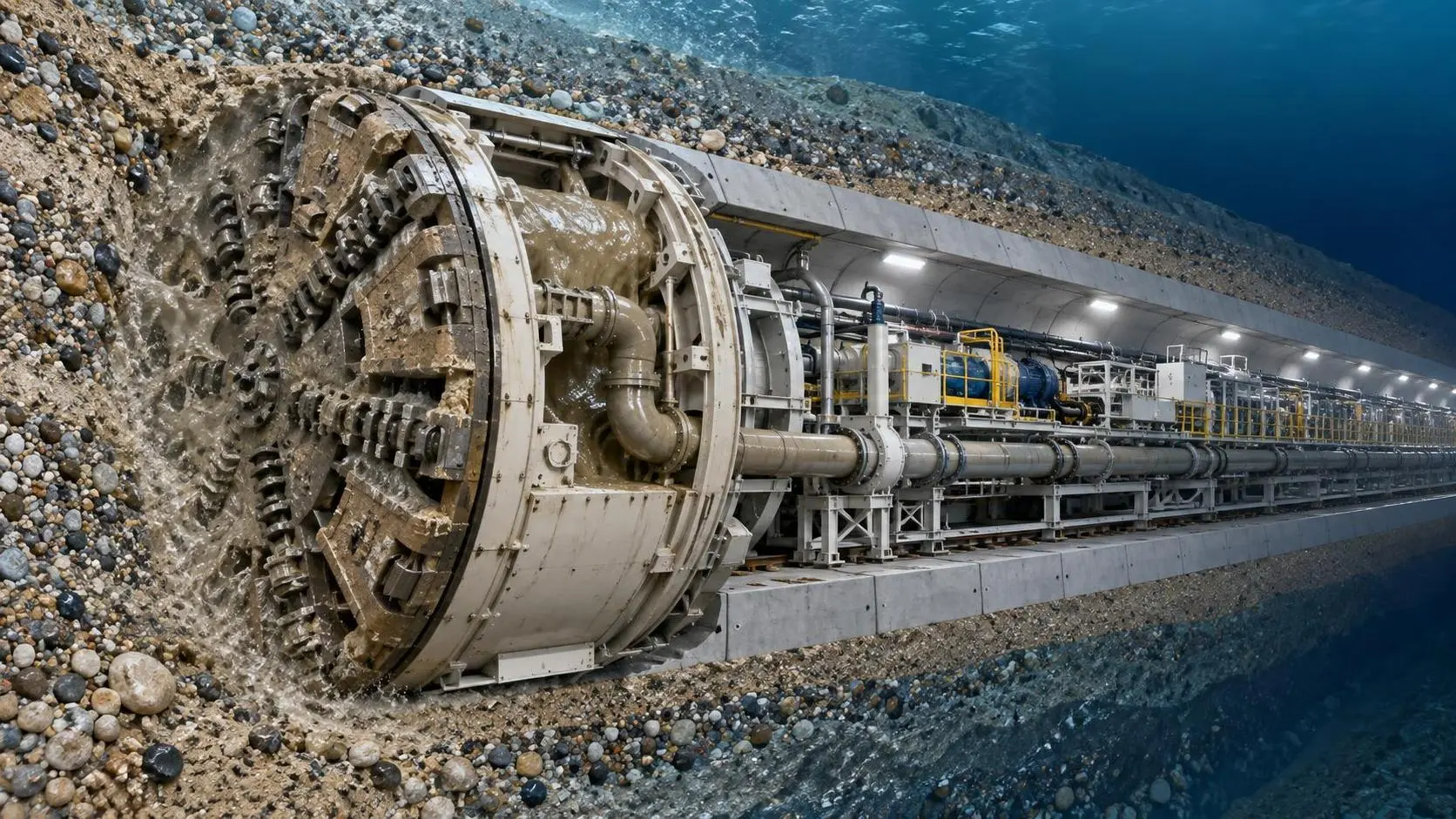
EPB or Slurry Shield? Selecting Soft-Ground Tunnelling Equipment by Soil Conditions
Tunnel Excavation Equipment for soft ground: compare EPB and slurry shields by soil, groundwater, settlement risk, and project logistics to choose confidently.
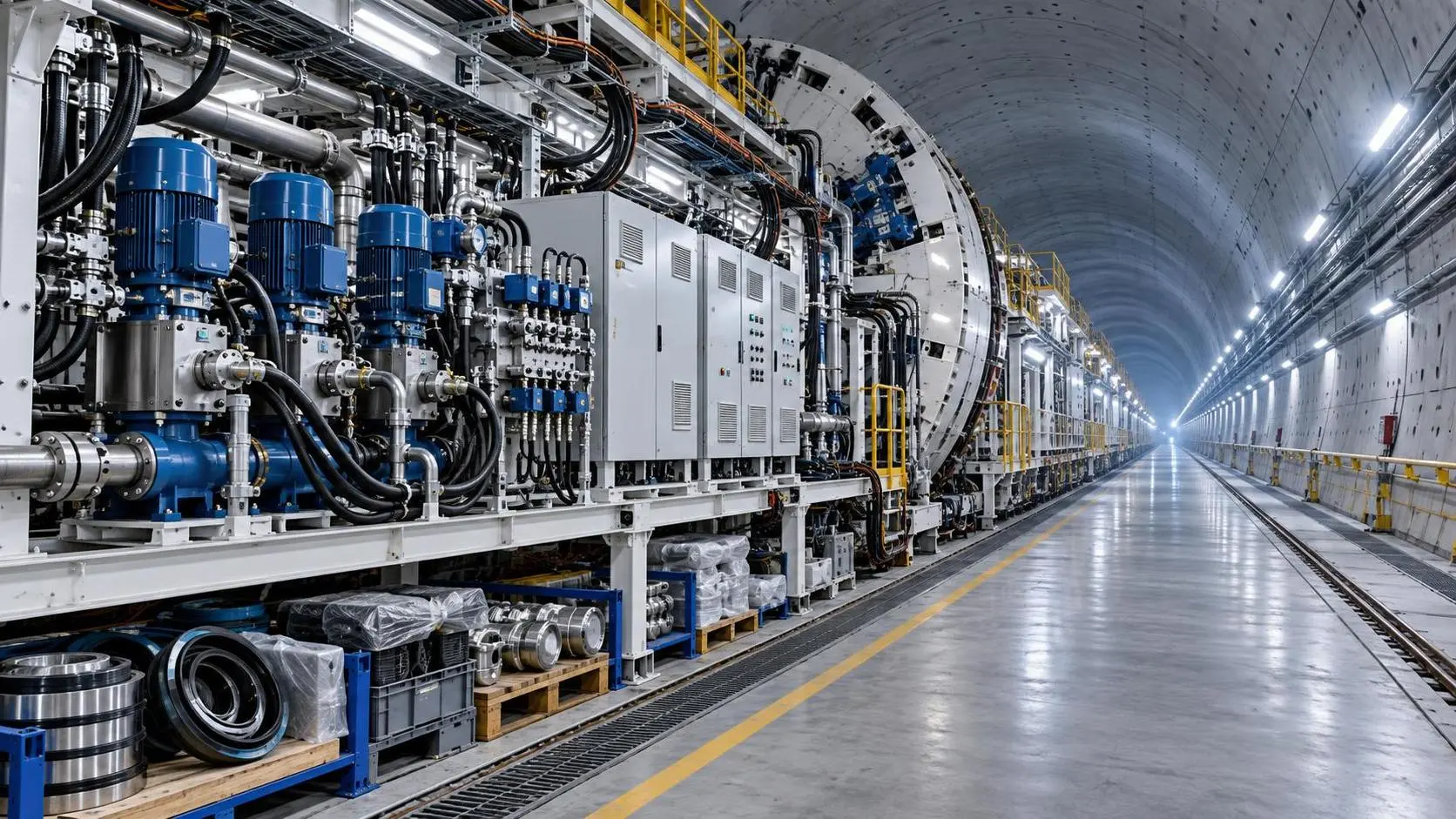
How to Specify TBM Backup System Parts for Reliable Long-Distance Tunnelling
TBM backup system parts: learn how to specify reliable spares for long-distance tunnelling, reduce downtime, ensure compatibility, and speed underground recovery.
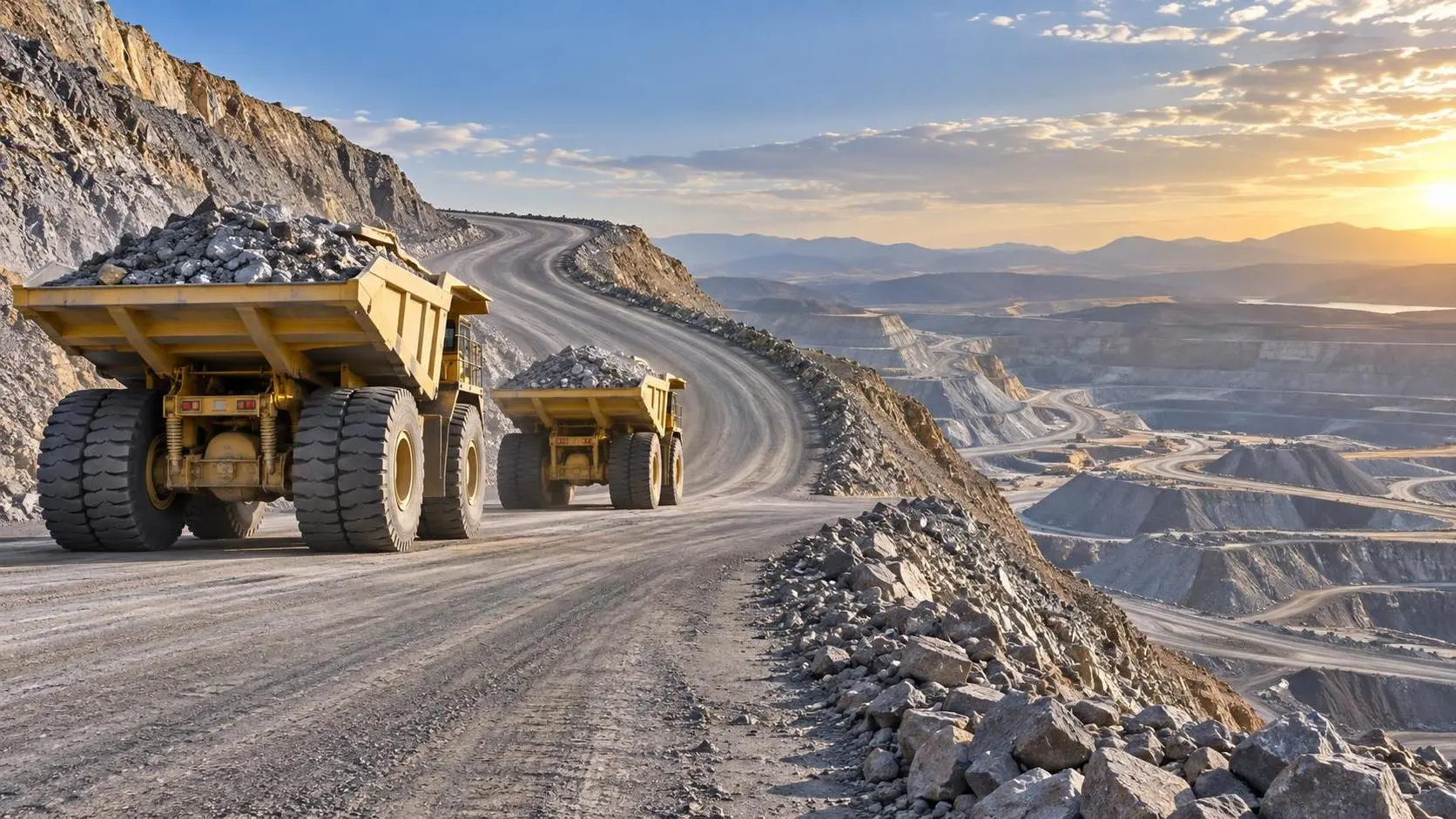
How to Size Open Pit Mining Trucks for Haul Distance, Grade, and Payload?
Open Pit Mining Trucks: learn how to match payload, haul distance, grade, road resistance, and loading capacity for safer, lower-cost mine operations.
Related News
- 00
0000-00
How to Evaluate European Drill-and-Blast Tunnelling Contractors for Complex Projects - 00
0000-00
Which Trenchless Construction Technique Fits Your Utility Crossing Conditions? - 00
0000-00
What Is Driving Metro Tunnelling Demand Across Southeast Asia’s Major Cities? - 00
0000-00
Hard Rock Tunnelling in Australia: Selecting Methods for Variable Ground Conditions - 00
0000-00
Hydropower Tunnel Excavation: Selecting Methods for Variable Rock Conditions
Weekly Insights
Stay ahead with our curated technology reports delivered every Monday.