
How to choose underground safety equipment with confidence





Choosing Underground Safety Equipment with confidence starts with understanding the real risks of tunnelling and mining operations. For procurement teams, the right decision is not only about compliance, but also about reliability, lifecycle value, and performance in harsh underground conditions. This guide helps you assess critical factors, compare options clearly, and make smarter purchasing decisions for safer, more efficient operations.
Why is Underground Safety Equipment selection more complex than standard industrial buying?
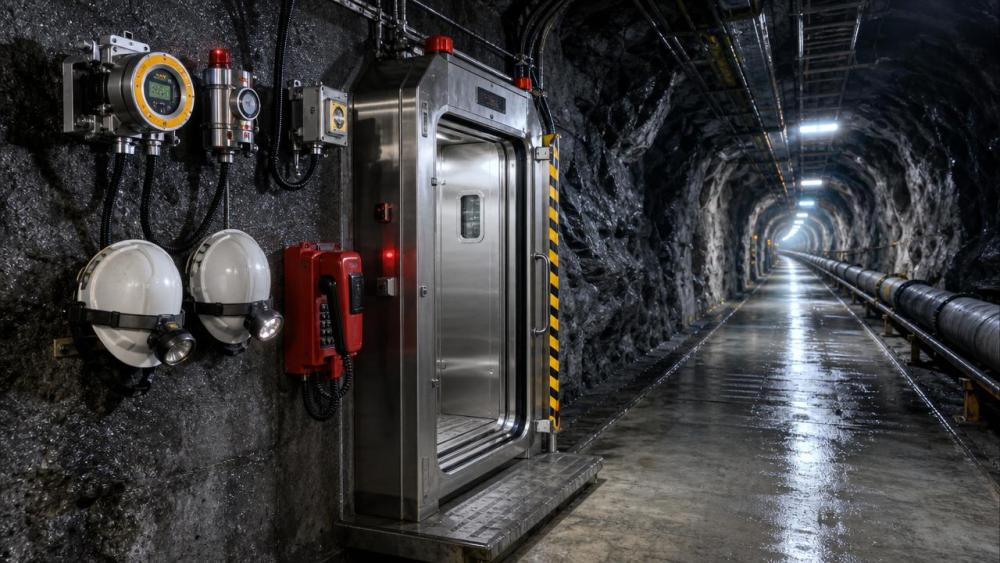
Underground Safety Equipment is not a single product category. It covers personal protection, gas detection, communication systems, refuge solutions, fire suppression, visibility devices, emergency response tools, and machine-related safety interfaces.
In underground tunnels, mines, and trenchless worksites, procurement decisions must account for confined spaces, poor ventilation, dust, water ingress, vibration, rockfall, mobile equipment traffic, and limited escape routes.
That is why buyers cannot rely on price sheets alone. A lower upfront quote may hide shorter service life, poor battery endurance, weak ingress protection, limited interoperability, or delayed replacement parts.
For organizations working with TBMs, pipe jacking systems, drilling jumbos, underground LHDs, and electrified mining fleets, the safety layer must match equipment evolution. Digitalization, automation, and zero-emission transitions are changing what good safety procurement looks like.
- A TBM tunnel may require robust gas monitoring, worker tracking, emergency lighting, and fire-resistant communication devices.
- A drill-and-blast mine may prioritize blast-zone evacuation controls, cap lamp reliability, refuge readiness, and dust-related respiratory protection.
- A battery-electric underground fleet may need thermal event response planning, charging-area monitoring, and integrated alarm logic across mobile assets.
UTMD follows these shifts closely because underground safety is no longer isolated from production systems. It is tied to rock mechanics, machine layout, ventilation strategy, automation architecture, and ESG-driven electrification plans.
What risks should procurement teams map before comparing Underground Safety Equipment?
Before requesting quotations, buyers should define the operating risk profile. This avoids a common mistake: comparing products that meet generic industrial requirements but fail in actual underground conditions.
Start with hazard categories, not catalog categories
A disciplined procurement review begins with hazards such as methane, diesel particulates, heat, silica dust, water, low visibility, equipment collision, cable damage, and emergency evacuation delays.
- Define the underground method: TBM tunnelling, pipe jacking, room-and-pillar mining, cut-and-fill, or drill-and-blast development.
- Identify exposure zones: face area, haulage drift, charging bay, maintenance chamber, shaft station, or refuge route.
- Set performance conditions: humidity, dust loading, expected impacts, communication dead spots, battery duration, and cleaning frequency.
- Link every item to a response objective: detect, protect, alert, isolate, evacuate, or sustain life until rescue.
This risk-first method makes Underground Safety Equipment selection more defensible. It also helps procurement teams explain decisions to operations, HSE managers, finance, and project owners.
The following table shows a practical framework for mapping underground risk to equipment priorities.
The table highlights an important buying principle: the best Underground Safety Equipment is the equipment that fits the hazard pathway, maintenance reality, and emergency response plan of the site.
Which equipment categories usually matter most in tunnelling and mining projects?
Procurement teams often face long item lists. A clearer method is to group Underground Safety Equipment by function and operational impact rather than by vendor brochure structure.
High-priority categories for most underground operations
- Atmosphere monitoring: portable multi-gas detectors, fixed gas sensors, calibration kits, alarm relays.
- Life protection PPE: helmets, cap lamps, respiratory equipment, hearing protection, eye protection, flame-resistant clothing where needed.
- Emergency systems: refuge chambers, self-rescuers, stretchers, trauma kits, evacuation markers, emergency communications.
- Vehicle and machine safety: reversing alarms, camera systems, proximity alerts, lockout provisions, suppression systems.
- Communication and location: leaky feeder accessories, radios, tracking tags, signaling devices for dead zones.
For UTMD readers, machine context matters. A pipe jacking site has different safety dependencies than a deep hard-rock heading. An underground LHD fleet introduces different pedestrian interface risks than a TBM backup train.
Equipment selection should follow the operational chain
At the heading, detection and communication usually dominate. Along haulage routes, visibility and collision avoidance become more important. In charging or maintenance areas, thermal risk and isolation procedures deserve closer attention.
To make comparisons easier, the next table summarizes typical selection logic for major Underground Safety Equipment categories.
These comparisons help buyers screen suppliers faster. They also reduce the risk of selecting Underground Safety Equipment that looks compliant on paper but performs poorly in underground duty cycles.
What technical details should procurement teams verify before issuing a purchase order?
In underground procurement, technical details drive long-term value. The most common missed points are not headline specifications, but operating limitations and support conditions.
Critical checks for Underground Safety Equipment
- Ingress protection and enclosure durability for mud, washdown, and wet drifts.
- Battery runtime across full shifts, standby periods, and low-temperature or high-humidity environments.
- Sensor range, alarm thresholds, calibration interval, and field replacement process.
- Shock and vibration tolerance, especially near drilling jumbos, crushers, and haul roads.
- Interoperability with existing communication, fleet management, or site monitoring infrastructure.
- Availability of consumables, spare parts, charger units, and service kits.
In electrified underground fleets, including battery LHDs and EV-related support zones, buyers should also ask whether the safety architecture reflects new thermal and isolation requirements. That question is increasingly relevant as mines and tunnel projects pursue zero-exhaust operations.
UTMD’s intelligence perspective is useful here because equipment trends do not evolve in isolation. A site upgrading to autonomous haulage, remote operation, or smart ventilation may need Underground Safety Equipment that supports telemetry, location data, and more disciplined alarm management.
How to compare suppliers beyond price and lead time?
Price pressure is real, especially when procurement teams are managing multi-package capital projects or replacement programs. Still, the cheapest offer can become the most expensive if inspection failures, false alarms, short runtime, or maintenance delays disrupt production.
Use a weighted decision model
A practical comparison method is to assign weight to safety fit, technical durability, compliance evidence, aftermarket support, training needs, and total cost of ownership.
- Score site-fit first. Does the product suit your excavation method and risk map?
- Check maintenance burden. Can your team calibrate, inspect, and replace components without excessive downtime?
- Review documentation quality. Clear manuals, certificates, service schedules, and traceability matter.
- Assess support continuity. A strong supplier should explain lead times for parts, not only for initial delivery.
This is where many procurement teams benefit from industry intelligence rather than isolated catalog review. UTMD tracks equipment transitions across tunnelling and mining, helping buyers align safety purchases with broader underground system changes.
Which standards and compliance points should not be overlooked?
Compliance should never be reduced to a box-ticking exercise. Underground Safety Equipment often sits at the intersection of worker safety rules, mine or tunnel operator specifications, electrical safety expectations, and site-specific emergency procedures.
Focus on relevant and verifiable compliance evidence
- Check whether the equipment is suitable for the intended hazardous environment and electrical classification where applicable.
- Review inspection, calibration, and maintenance records required to keep the equipment valid in operation.
- Confirm labeling, manuals, and traceability support for audits and internal approvals.
- Ask whether replacement parts or accessories affect the original compliance condition.
Depending on region and application, buyers may need to consider general frameworks such as ISO-based management expectations, electrical safety practices, respiratory protection requirements, and site operator standards. The key is relevance, not paperwork volume.
Common mistakes when buying Underground Safety Equipment
Many purchasing problems are avoidable. They usually come from incomplete scoping, weak end-user consultation, or overreliance on generic supplier claims.
Frequent procurement errors
- Buying one specification for all underground zones, even though heading, haulage, and charging areas face different risks.
- Ignoring consumables and replacement cycles, which distorts lifecycle cost comparisons.
- Selecting devices that cannot integrate with existing communication or alarm systems.
- Failing to involve operations, maintenance, and HSE stakeholders before tender finalization.
- Assuming compliance certificates automatically prove field suitability in wet, abrasive, or shock-prone environments.
The more advanced the underground operation becomes, the more costly these mistakes are. Smart mines, automated equipment, and electrified fleets increase the need for coordinated safety procurement rather than isolated item buying.
FAQ: practical questions buyers ask about Underground Safety Equipment
How do I choose Underground Safety Equipment for mixed tunnelling and mining conditions?
Start with the harshest credible operating condition, then separate shared items from zone-specific items. Shared items may include core PPE and communications, while gas detection, refuge support, and machine protection often vary by process and location.
What matters more: compliance documents or field durability?
Both matter, but they answer different questions. Compliance shows the equipment meets defined requirements. Field durability shows whether it will remain dependable under shock, moisture, dust, and long shifts. Procurement should verify both.
How can we control budget without weakening safety?
Use lifecycle costing instead of unit price only. Standardize where practical, reduce unnecessary variation, and prioritize reliable consumable supply. It is often more economical to buy fewer product families with stronger service support than many low-cost incompatible items.
How early should procurement engage with site teams?
Ideally before tender documents are frozen. Early engagement helps define alarm thresholds, charging practices, escape routes, inspection routines, and compatibility needs. That reduces change orders and emergency substitutions later.
Why work with a specialized underground intelligence partner?
Underground Safety Equipment decisions improve when buyers understand the operating system around the product. That is especially true where TBMs, pipe jacking platforms, drilling jumbos, underground LHDs, and heavy haulage fleets are evolving toward electrification, automation, and digital monitoring.
UTMD brings value by connecting equipment selection with deeper underground realities: rock-cutting mechanics, confined-space zero-emission demands, changing mine transport models, and technology trends shaping future risk controls.
For procurement professionals, that means better context for parameter confirmation, more relevant supplier screening, and stronger alignment between safety investment and long-term asset utilization.
Why choose us for Underground Safety Equipment decision support?
If you are reviewing Underground Safety Equipment for tunnelling, trenchless construction, or mining projects, UTMD can help you narrow decisions with industry-specific intelligence rather than generic product talk.
- Discuss parameter confirmation for gas detection, wearable runtime, communication coverage, and machine-related safety interfaces.
- Compare product selection routes for TBM tunnels, pipe jacking works, drill-and-blast headings, underground LHD fleets, and electrified transport zones.
- Review delivery timing, spare parts planning, inspection routines, and replacement cycles before final sourcing decisions.
- Clarify certification expectations, application constraints, and documentation priorities for internal approval or project tender compliance.
- Explore customized evaluation frameworks, quotation communication points, and practical shortlists aligned with your underground operating scenario.
When safety equipment must work in deep, dark, abrasive, and high-consequence environments, confident procurement comes from better questions and better context. That is where a focused underground intelligence partner can make the buying process faster, clearer, and more reliable.
Related News
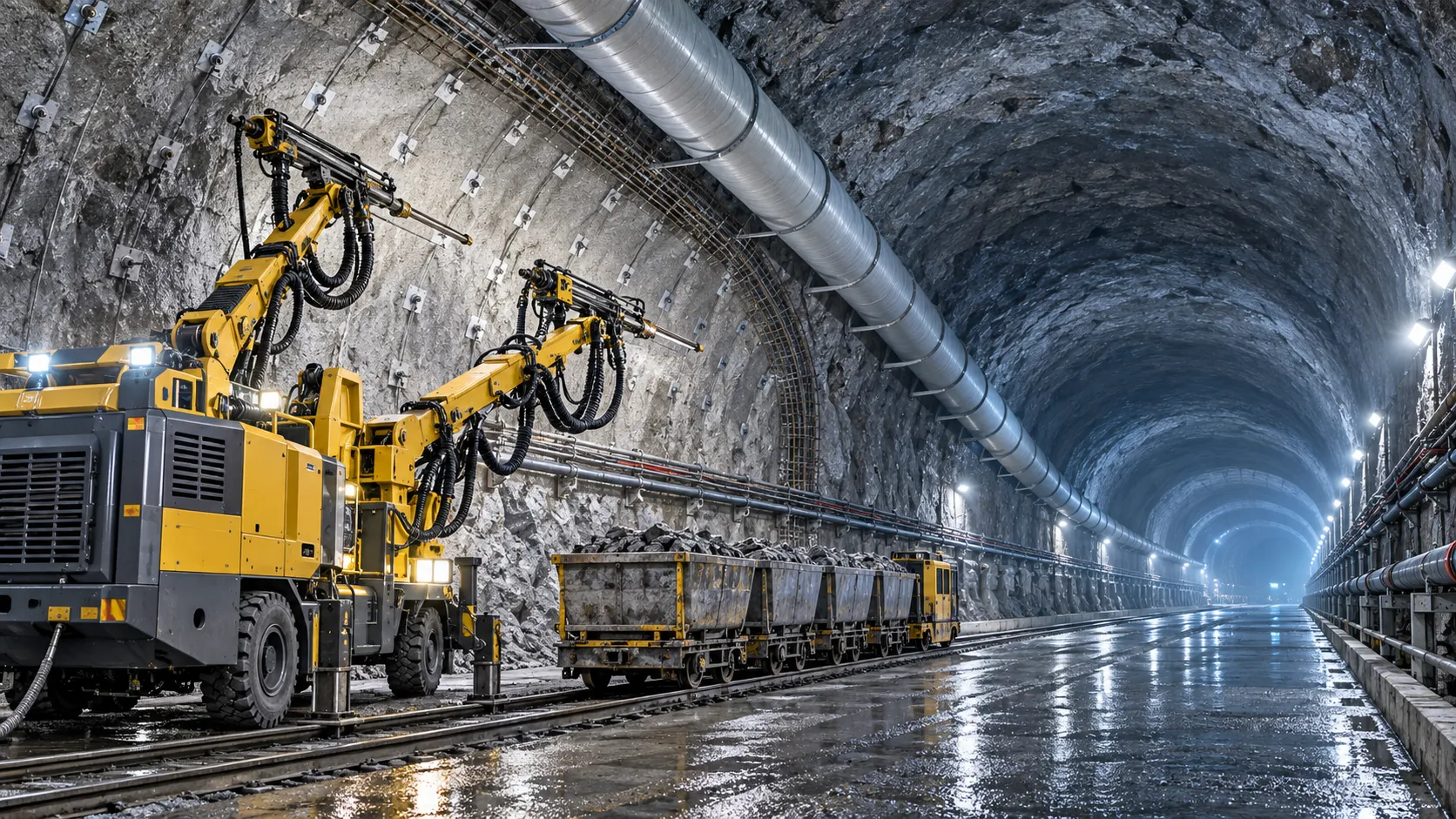
How to Evaluate European Drill-and-Blast Tunnelling Contractors for Complex Projects
Drill and blast tunnelling contractors Europe: learn how to assess geology expertise, blast control, equipment reliability, safety, and programme resilience for complex projects.
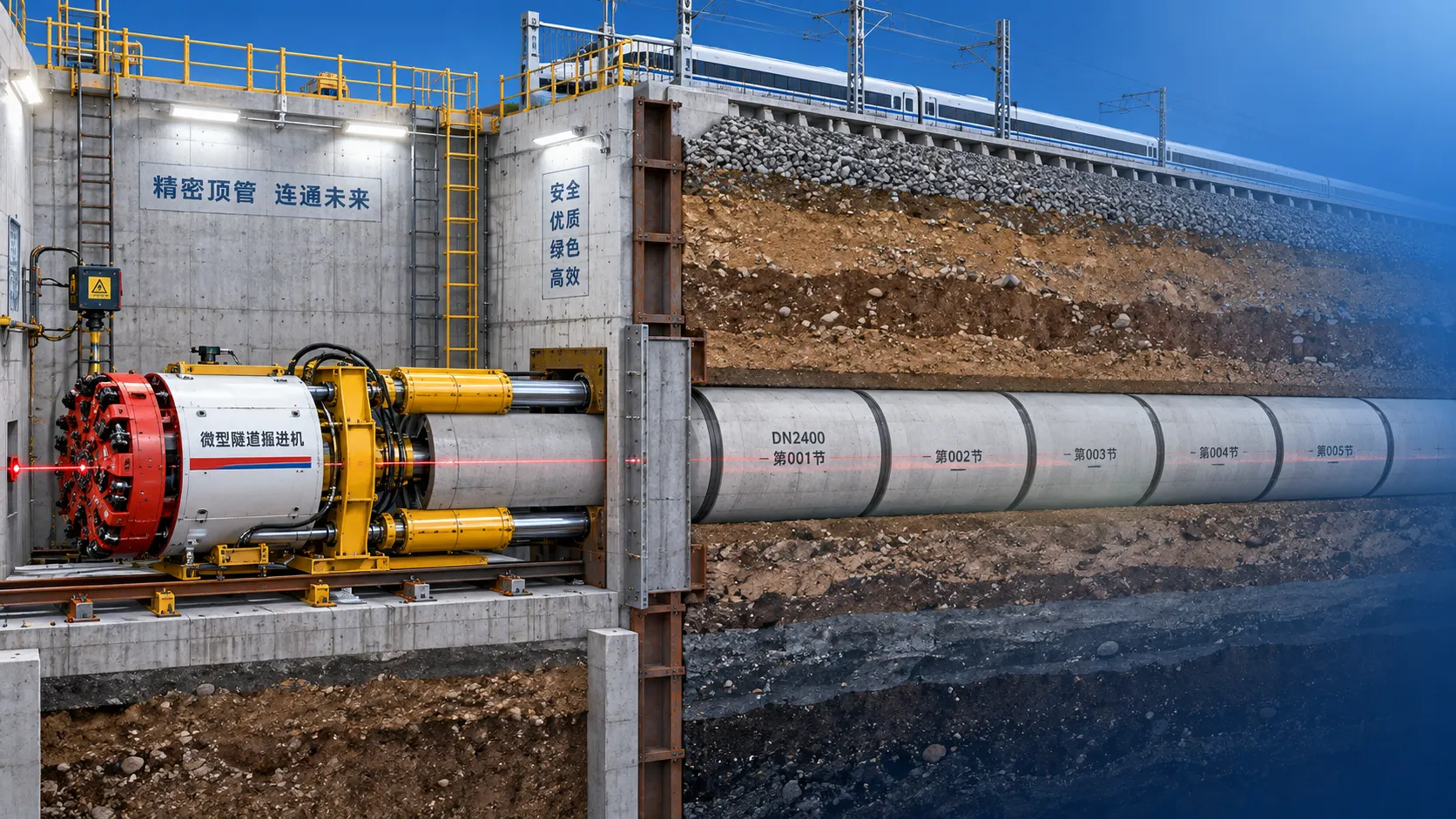
Which Trenchless Construction Technique Fits Your Utility Crossing Conditions?
Trenchless construction techniques compared for utility crossings: choose HDD, microtunnelling, pipe jacking, or auger boring based on ground, accuracy, access, and risk.
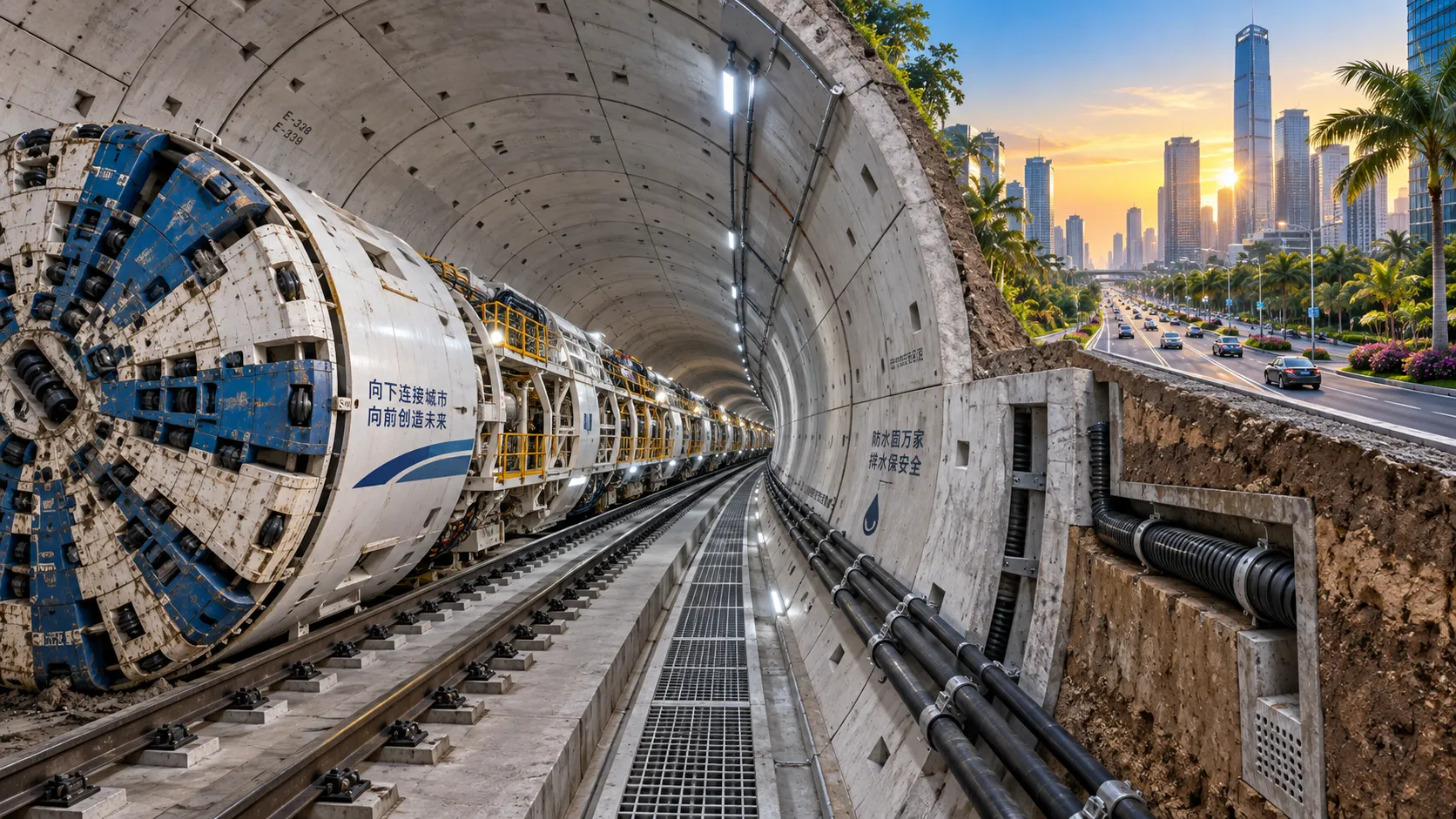
What Is Driving Metro Tunnelling Demand Across Southeast Asia’s Major Cities?
Metro tunnelling Southeast Asia is accelerating as major cities tackle congestion, flooding, and connectivity. Explore the market forces, technical risks, and opportunities shaping demand.
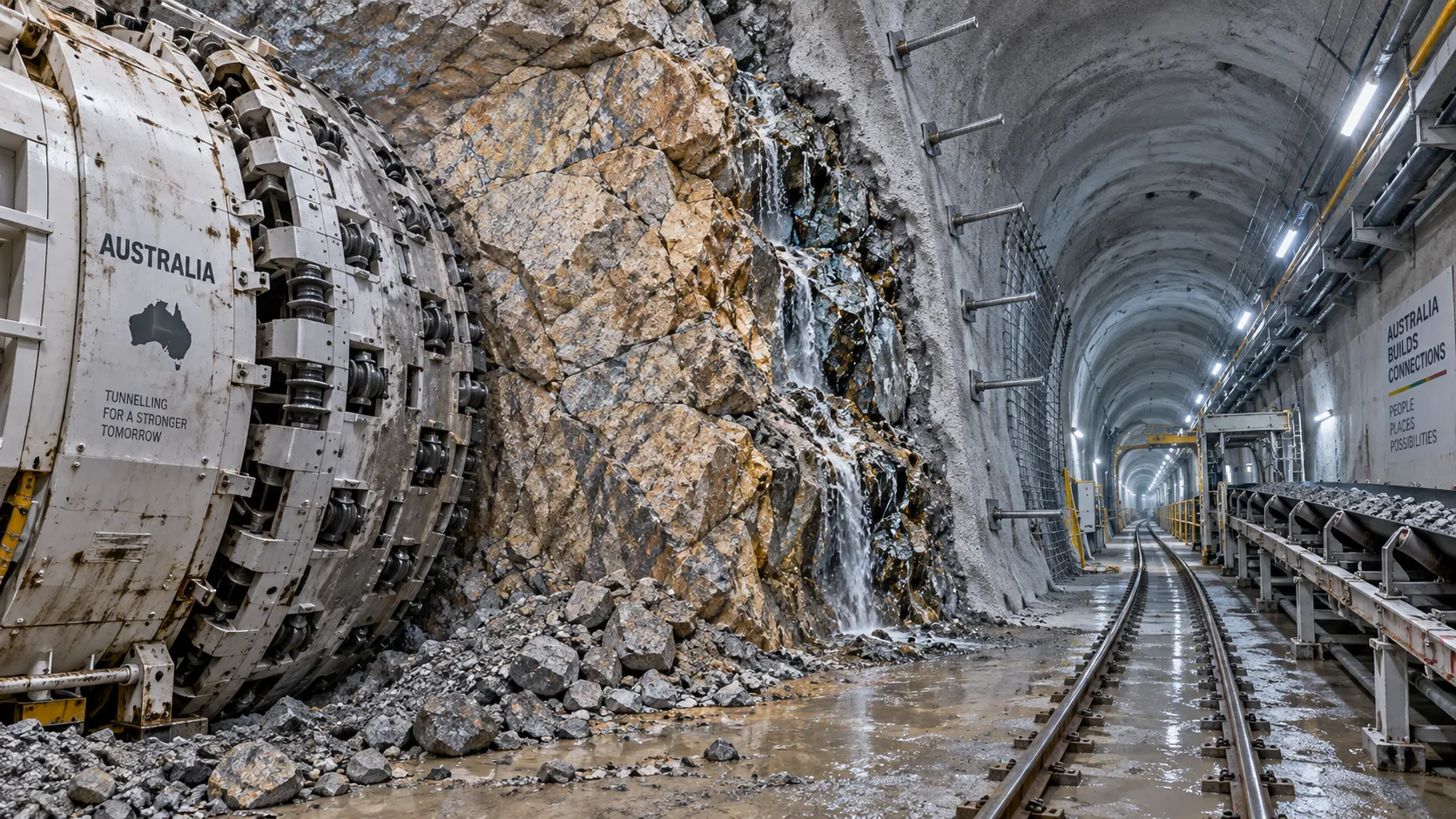
Hard Rock Tunnelling in Australia: Selecting Methods for Variable Ground Conditions
Hard rock tunnelling in Australia: compare TBM, drill-and-blast and hybrid methods to manage variable ground, reduce risk and protect project costs.
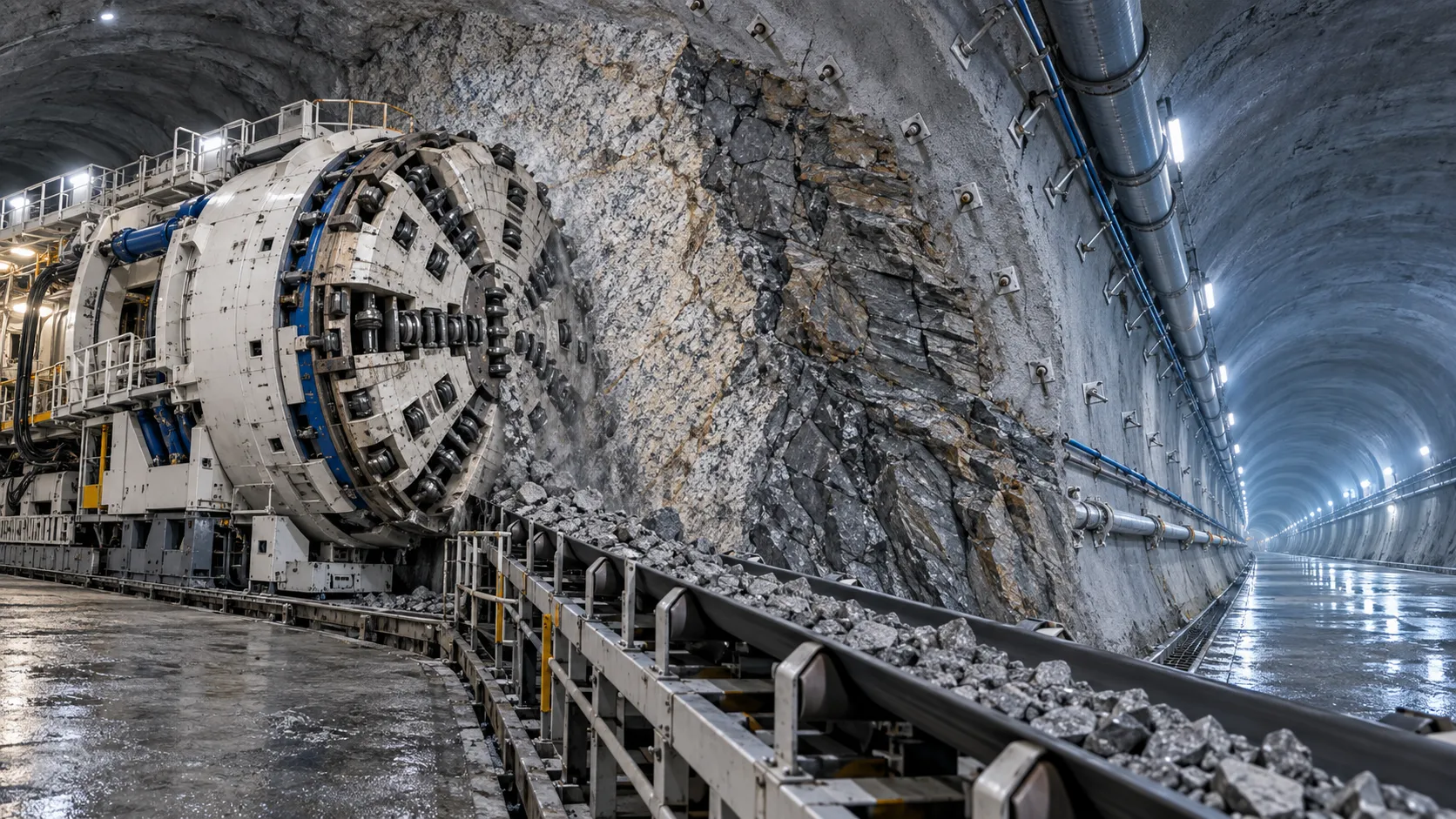
Hydropower Tunnel Excavation: Selecting Methods for Variable Rock Conditions
Hydropower tunnel excavation methods for variable rock conditions: compare TBM, drill-and-blast, and hybrid strategies to improve safety, progress, and project control.
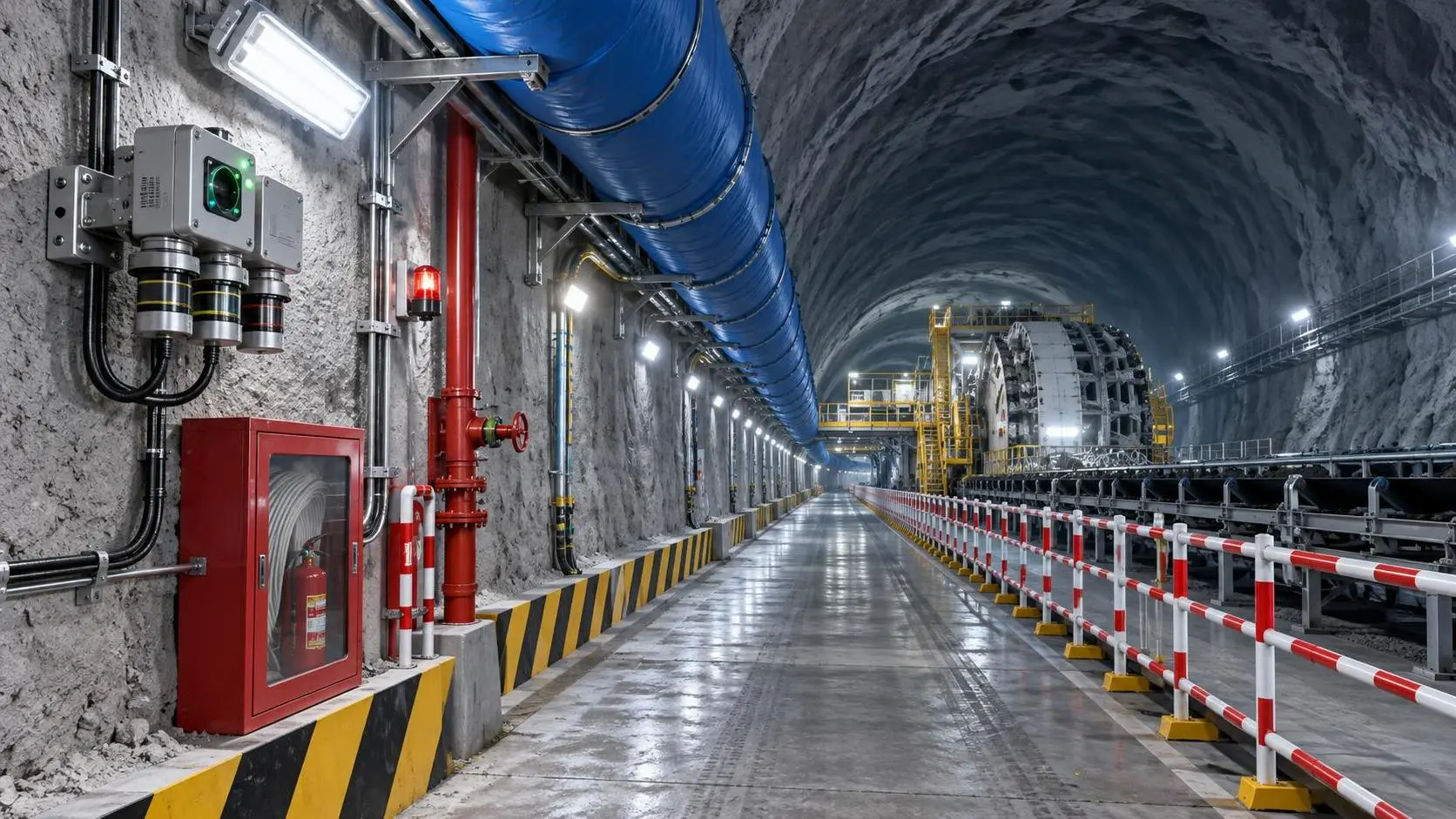
How to Select Underground Safety Equipment for Tunnelling by Hazard and Work Zone
Underground Safety Equipment for tunnelling: match protection to hazards, work zones, compliance, and emergency needs with this practical selection guide.
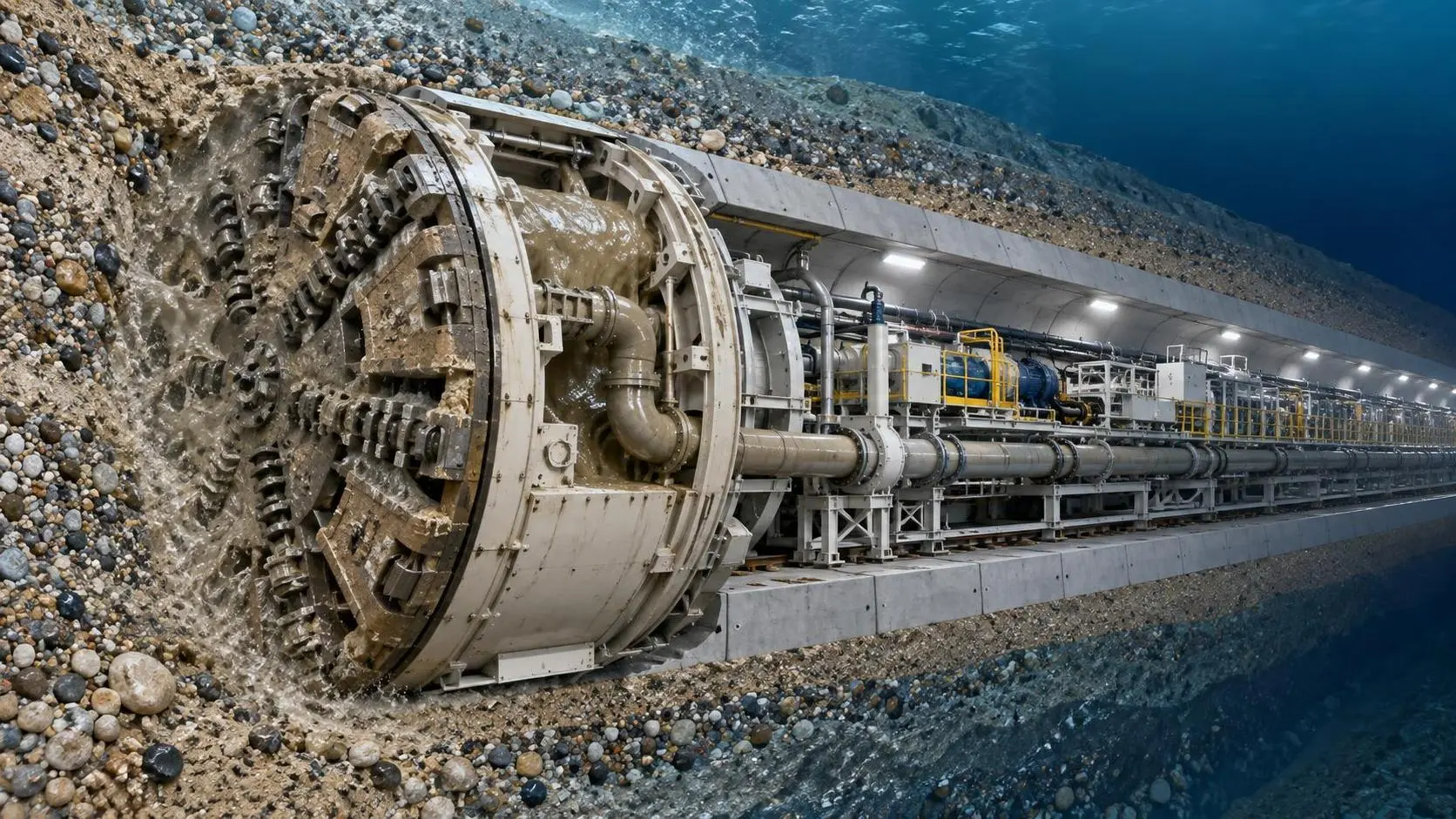
EPB or Slurry Shield? Selecting Soft-Ground Tunnelling Equipment by Soil Conditions
Tunnel Excavation Equipment for soft ground: compare EPB and slurry shields by soil, groundwater, settlement risk, and project logistics to choose confidently.
How to Specify TBM Backup System Parts for Reliable Long-Distance Tunnelling
TBM backup system parts: learn how to specify reliable spares for long-distance tunnelling, reduce downtime, ensure compatibility, and speed underground recovery.
How to Size Open Pit Mining Trucks for Haul Distance, Grade, and Payload?
Open Pit Mining Trucks: learn how to match payload, haul distance, grade, road resistance, and loading capacity for safer, lower-cost mine operations.
Related News
- 00
0000-00
How to Evaluate European Drill-and-Blast Tunnelling Contractors for Complex Projects - 00
0000-00
Which Trenchless Construction Technique Fits Your Utility Crossing Conditions? - 00
0000-00
What Is Driving Metro Tunnelling Demand Across Southeast Asia’s Major Cities? - 00
0000-00
Hard Rock Tunnelling in Australia: Selecting Methods for Variable Ground Conditions - 00
0000-00
Hydropower Tunnel Excavation: Selecting Methods for Variable Rock Conditions
Weekly Insights
Stay ahead with our curated technology reports delivered every Monday.