
Why underground conveyor systems beat trucks in long hauls





For business evaluators comparing underground haulage options, Underground Conveyor Systems often outperform trucks on long hauls by lowering operating costs, improving energy efficiency, and reducing ventilation demands in confined mines and tunnels. As mines go deeper, ramps get longer, and ESG pressure intensifies, the choice between conveyors and trucks is no longer a simple equipment comparison. It is a lifecycle decision affecting power use, labor intensity, uptime, emissions, and expansion flexibility.
Why long-haul underground transport needs a checklist approach
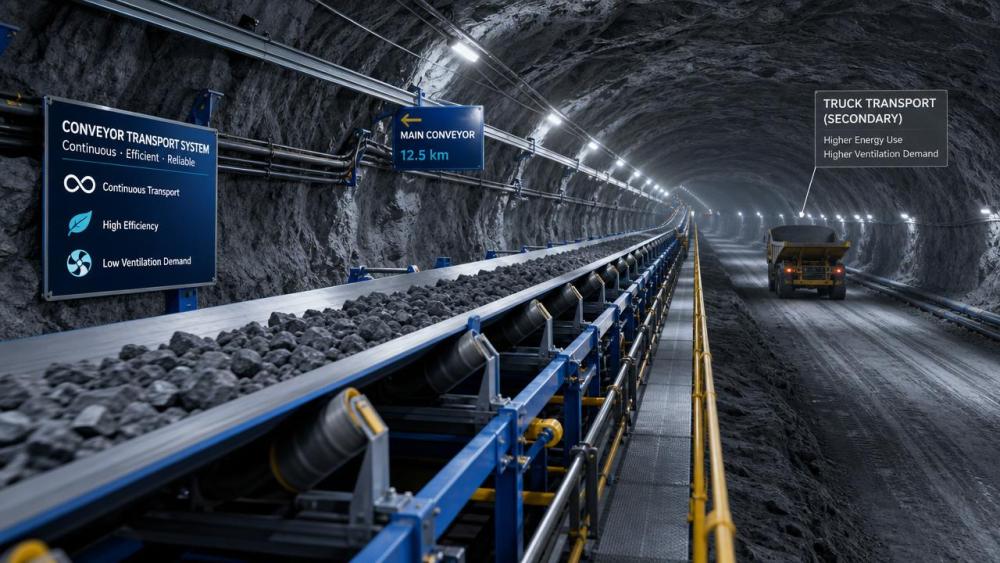
Long underground hauls create compounding costs. Every extra meter increases truck fuel or battery demand, tire wear, maintenance exposure, ventilation load, and traffic risk. By contrast, Underground Conveyor Systems spread these costs differently, with higher upfront installation but lower unit transport cost over distance.
That is why checklist-based evaluation works better than headline comparisons. It helps test where conveyors truly beat trucks, where hybrid systems make sense, and where project geometry still favors mobile haulage.
Core checklist: how to judge whether Underground Conveyor Systems beat trucks
- Measure haul distance first, because Underground Conveyor Systems gain a stronger economic advantage as fixed routes extend and repeated truck cycles consume more energy.
- Calculate tonnage stability, since conveyors perform best when ore flow is continuous, predictable, and large enough to justify fixed infrastructure and transfer points.
- Compare ventilation costs carefully, because diesel or battery truck fleets still require airflow for heat, dust, and traffic safety in confined headings.
- Review gradient and profile, as steep or lengthy ramps often make truck haulage slower, less efficient, and more maintenance-intensive than belt transport.
- Audit energy intensity per ton-kilometer, including power tariffs, regenerative opportunities, and peak load behavior across both conveyors and truck charging systems.
- Check availability targets, because Underground Conveyor Systems need robust splicing, belt condition monitoring, and redundancy planning to protect continuous output.
- Model expansion timing, since trucks offer early-stage flexibility, while conveyors usually deliver greater value after production rates and mine layouts stabilize.
- Include labor and automation factors, as conveyors reduce operator dependence and can integrate more easily with remote crushing, ore passes, and digital control.
- Assess material characteristics, because sticky, wet, oversized, or abrasive rock may demand feeders, crushers, liners, and belt protection systems.
- Test ESG impact quantitatively, including emissions, noise, heat load, and underground air quality improvements that support modern mine decarbonization strategies.
Where Underground Conveyor Systems deliver the strongest advantage
Deep hard-rock mines with long ramp hauls
In deep mines, truck cycles lengthen as extraction moves farther from shafts or crushers. This increases tire use, maintenance downtime, traffic interaction, and heat generation. In these settings, Underground Conveyor Systems often create a clear cost curve advantage.
The deeper the mine, the more ventilation becomes a strategic cost center. Even battery trucks reduce direct exhaust, but they still add heat and require moving equipment in narrow spaces. Conveyors reduce mobile traffic and usually simplify air management.
Block cave and high-throughput bulk material operations
Block cave and bulk mining methods depend on steady material flow. That operating pattern aligns well with Underground Conveyor Systems, especially when ore handling links drawpoints, crushers, ore passes, and shafts in a fixed sequence.
Where throughput consistency matters more than route flexibility, conveyors usually outperform trucks on unit cost, automation readiness, and total system controllability.
Long tunnel construction spoil removal
In long tunnel drives, spoil removal strongly affects cycle time. Trucks can become bottlenecks as tunnel length increases. Conveyor-based removal supports continuous muck evacuation and reduces traffic complexity around TBMs, jumbos, and service vehicles.
For tunnel projects with stable alignment and high output, Underground Conveyor Systems can also cut surface disturbance by reducing truck movements at portals and staging areas.
When trucks may still win
Not every project should install conveyors immediately. Early-stage mines, irregular ore bodies, and frequently changing headings often favor trucks because route flexibility is more valuable than transport efficiency.
Short hauls also weaken the conveyor case. If transport distance is limited, production is variable, or mine plans may change quickly, fixed infrastructure can become stranded capital. In these situations, hybrid planning is often smarter than a full conveyor commitment.
Commonly overlooked risks when comparing conveyors and trucks
Underestimating transfer-point design
A conveyor system is only as strong as its transfer points. Poor chute design causes blockages, dust, belt damage, and cleanup delays. Strong Underground Conveyor Systems planning must include rock flow modeling, wear lining selection, and maintenance access.
Ignoring availability during relocation or mine development
Trucks can be reassigned quickly. Conveyors cannot. If mine development sequencing is uncertain, installation timing matters. Premature conveyor investment may reduce flexibility during a critical expansion phase.
Focusing only on CAPEX
A high initial conveyor price can look unfavorable beside an incremental truck fleet purchase. However, that view often hides recurring costs in tires, labor, ramp maintenance, power, ventilation, and component replacement.
Overlooking digital monitoring requirements
Modern Underground Conveyor Systems depend on sensors for belt drift, temperature, splice health, loading balance, and motor condition. Without this monitoring layer, expected reliability gains may never be realized.
Practical execution steps for a better haulage decision
- Build a tonnage-versus-distance model for at least three mine plan scenarios, then compare truck and conveyor cost curves over five to ten years.
- Quantify ventilation savings separately, because lower heat and traffic loads can materially improve the business case for Underground Conveyor Systems.
- Map infrastructure interfaces early, including crushers, ore passes, substations, maintenance bays, and emergency egress requirements.
- Evaluate hybrid staging, starting with trucks during development and introducing conveyors once haul routes, throughput, and production zones become stable.
- Use reliability assumptions grounded in site conditions, not brochure values, especially where dust, moisture, abrasive ore, or tight access complicate maintenance.
Conclusion: choose lifecycle efficiency, not just equipment mobility
On long underground hauls, Underground Conveyor Systems often beat trucks because they move large volumes at lower operating cost, with stronger energy efficiency and lower ventilation burden. Their advantage grows with depth, distance, throughput stability, and decarbonization pressure.
The best next step is to test the decision with a structured checklist: haul distance, tonnage profile, ventilation cost, mine geometry, relocation risk, and digital maintenance capability. When those factors are modeled together, the conveyor-versus-truck answer becomes clearer, more bankable, and far more strategic.
Related News
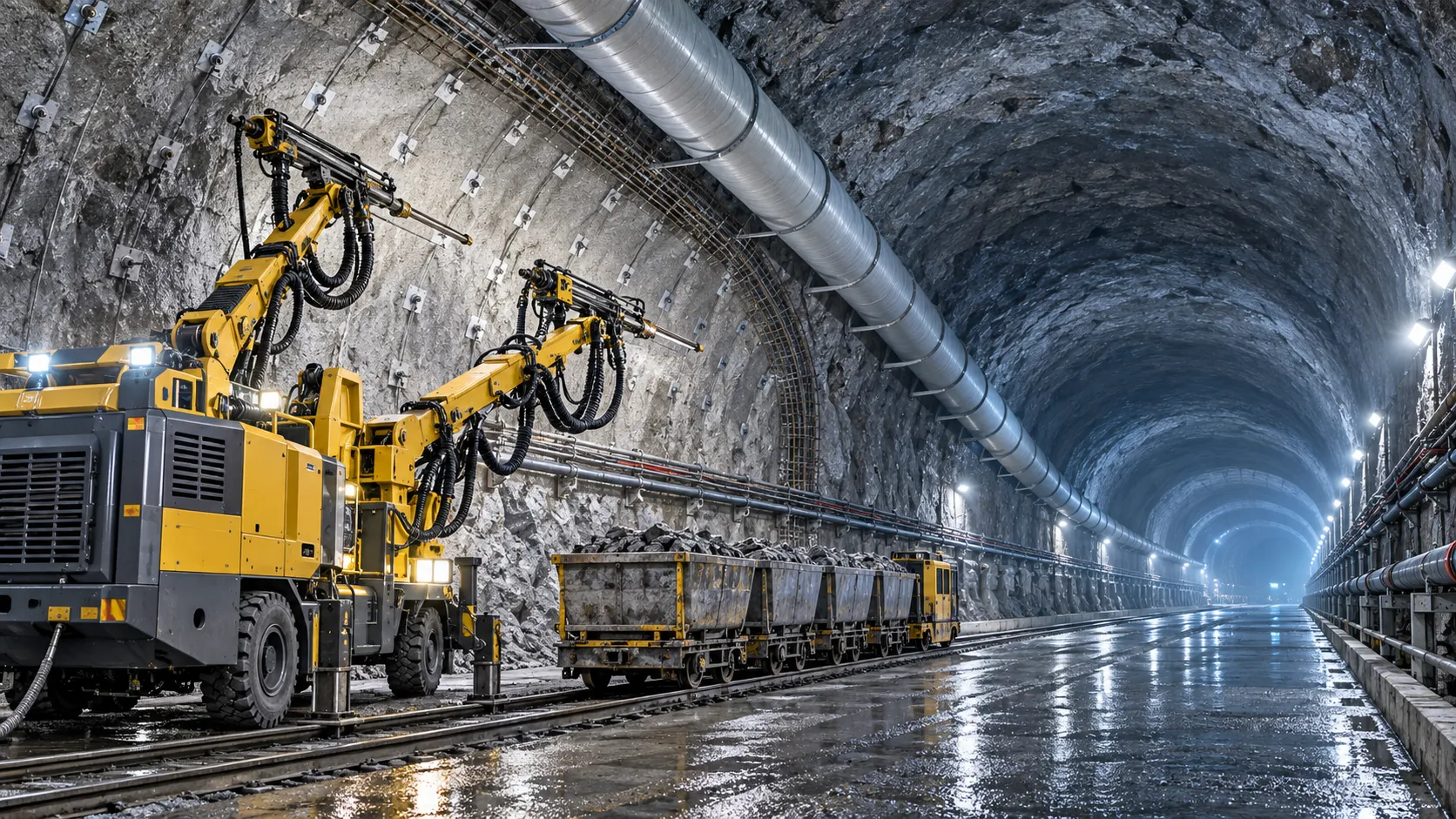
How to Evaluate European Drill-and-Blast Tunnelling Contractors for Complex Projects
Drill and blast tunnelling contractors Europe: learn how to assess geology expertise, blast control, equipment reliability, safety, and programme resilience for complex projects.
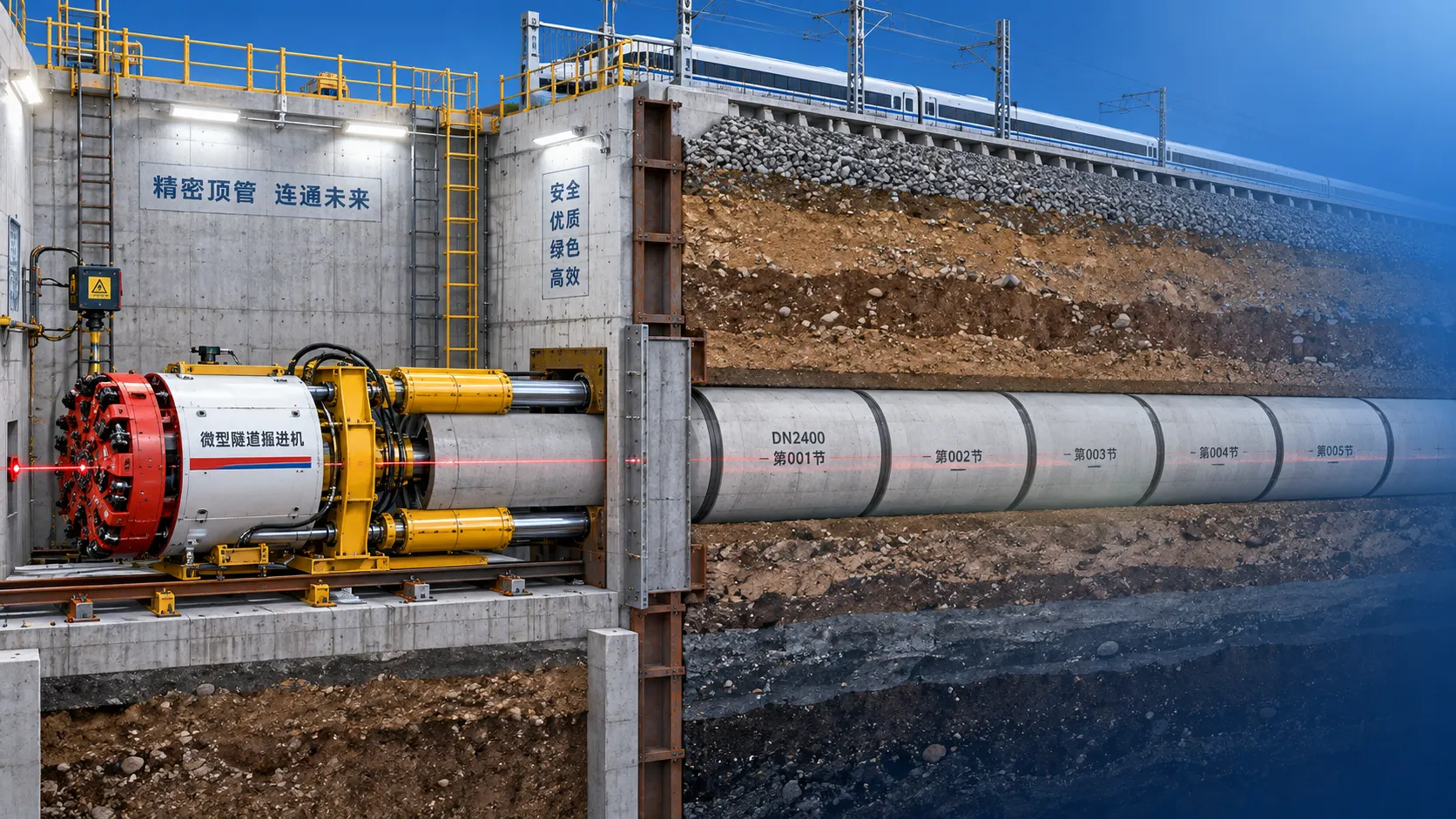
Which Trenchless Construction Technique Fits Your Utility Crossing Conditions?
Trenchless construction techniques compared for utility crossings: choose HDD, microtunnelling, pipe jacking, or auger boring based on ground, accuracy, access, and risk.
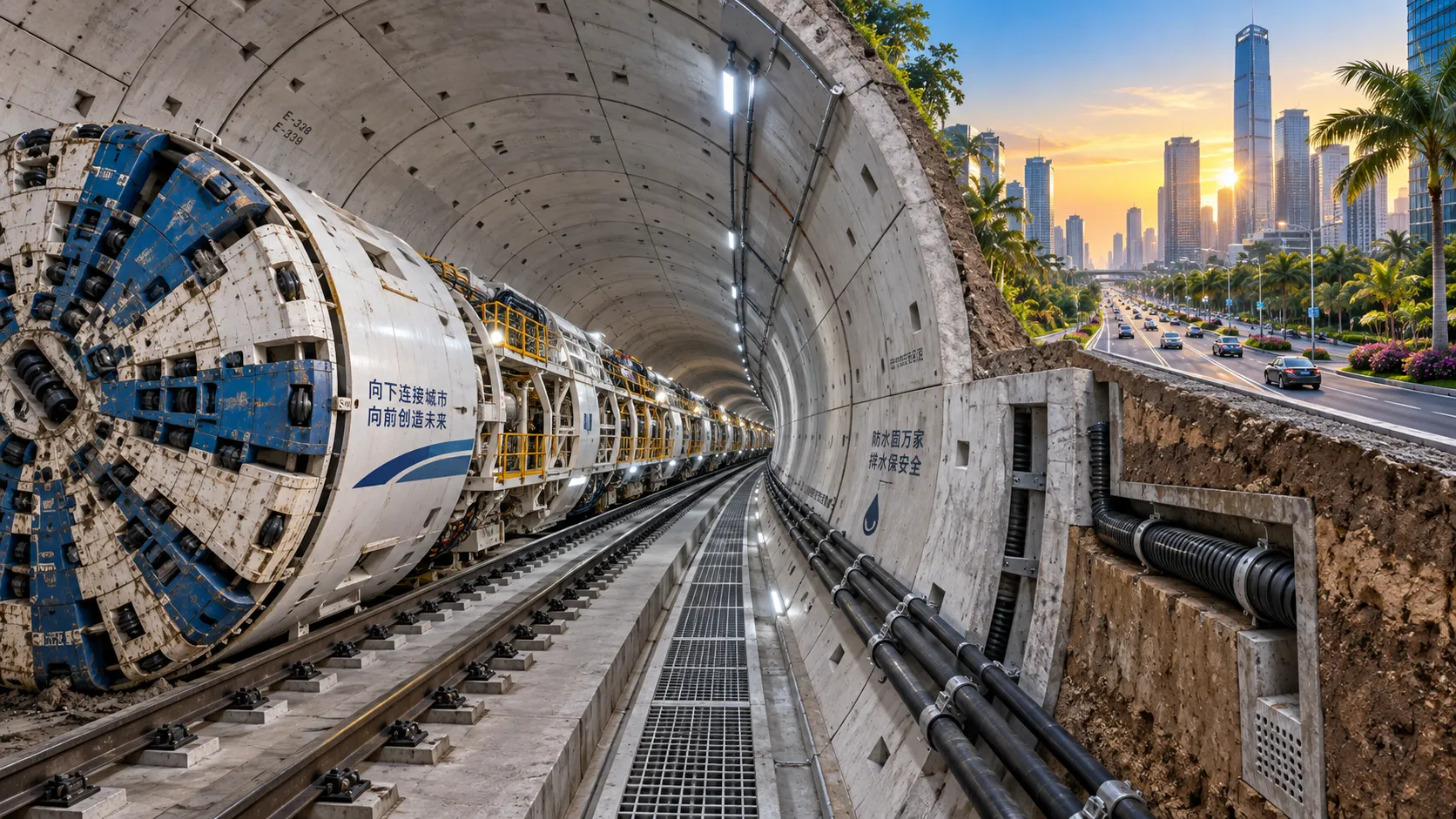
What Is Driving Metro Tunnelling Demand Across Southeast Asia’s Major Cities?
Metro tunnelling Southeast Asia is accelerating as major cities tackle congestion, flooding, and connectivity. Explore the market forces, technical risks, and opportunities shaping demand.
Hard Rock Tunnelling in Australia: Selecting Methods for Variable Ground Conditions
Hard rock tunnelling in Australia: compare TBM, drill-and-blast and hybrid methods to manage variable ground, reduce risk and protect project costs.
Hydropower Tunnel Excavation: Selecting Methods for Variable Rock Conditions
Hydropower tunnel excavation methods for variable rock conditions: compare TBM, drill-and-blast, and hybrid strategies to improve safety, progress, and project control.
How to Select Underground Safety Equipment for Tunnelling by Hazard and Work Zone
Underground Safety Equipment for tunnelling: match protection to hazards, work zones, compliance, and emergency needs with this practical selection guide.
EPB or Slurry Shield? Selecting Soft-Ground Tunnelling Equipment by Soil Conditions
Tunnel Excavation Equipment for soft ground: compare EPB and slurry shields by soil, groundwater, settlement risk, and project logistics to choose confidently.
How to Specify TBM Backup System Parts for Reliable Long-Distance Tunnelling
TBM backup system parts: learn how to specify reliable spares for long-distance tunnelling, reduce downtime, ensure compatibility, and speed underground recovery.
How to Size Open Pit Mining Trucks for Haul Distance, Grade, and Payload?
Open Pit Mining Trucks: learn how to match payload, haul distance, grade, road resistance, and loading capacity for safer, lower-cost mine operations.
Related News
- 00
0000-00
How to Evaluate European Drill-and-Blast Tunnelling Contractors for Complex Projects - 00
0000-00
Which Trenchless Construction Technique Fits Your Utility Crossing Conditions? - 00
0000-00
What Is Driving Metro Tunnelling Demand Across Southeast Asia’s Major Cities? - 00
0000-00
Hard Rock Tunnelling in Australia: Selecting Methods for Variable Ground Conditions - 00
0000-00
Hydropower Tunnel Excavation: Selecting Methods for Variable Rock Conditions
Weekly Insights
Stay ahead with our curated technology reports delivered every Monday.