
How to compare deep mining equipment beyond upfront price





When evaluating Deep Mining Equipment, upfront price is only the starting point. Real value emerges over years of underground work, not on the quotation sheet.
In modern mining, equipment must perform under tighter ventilation limits, stricter ESG expectations, and rising automation demands. A cheaper unit can become the most expensive option after downtime, energy loss, and delayed production.
This is why Deep Mining Equipment comparison now requires a broader view. Reliability, digital integration, service support, and total lifecycle economics matter as much as purchase cost.
Why Deep Mining Equipment comparison is changing fast
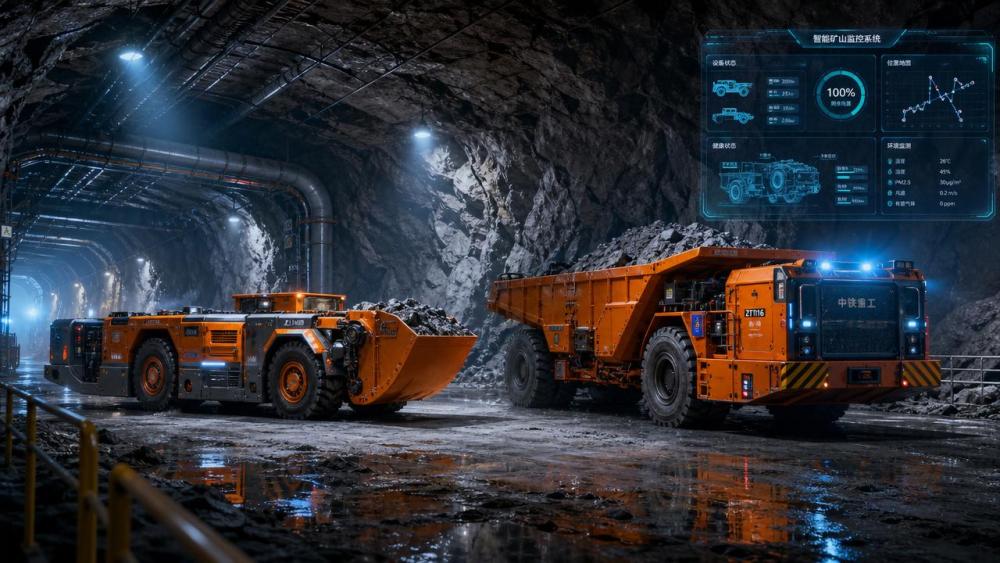
The underground mining environment is changing faster than many buying models. Mines are going deeper, haul routes are getting longer, and heat, dust, and geotechnical stress are increasing.
At the same time, electrification and automation are reshaping equipment specifications. Deep Mining Equipment is no longer judged only by mechanical output.
It is now judged by data quality, operator safety, remote-control readiness, battery strategy, and compatibility with mine-wide digital systems. These changes shift comparison from price-based thinking to capability-based evaluation.
For intelligence-focused platforms such as UTMD, this transition reflects a broader industry movement. Heavy underground assets are becoming connected productivity systems, not isolated machines.
The strongest market signals behind this shift
Several signals explain why Deep Mining Equipment assessments are becoming more strategic. These signals appear across hard rock mines, infrastructure-linked excavation, and smart underground transport systems.
These signals mean the best Deep Mining Equipment is often the option that protects output continuity. Lower breakdown exposure can outweigh a lower initial invoice.
What actually drives lifecycle value underground
A meaningful Deep Mining Equipment comparison should separate visible cost from operating reality. Underground conditions amplify every weakness in design, support, and integration.
1. Reliability under harsh duty cycles
Availability is a central value driver. Frequent stoppages reduce ore movement, disrupt blasting sequences, and create cascading delays across the mine plan.
Compare frame strength, drivetrain durability, hydraulic sealing, thermal resilience, and field-proven uptime. Reliability data should come from similar rock conditions and haul profiles.
2. Energy use and ventilation impact
Diesel consumption is only one cost line. Deep Mining Equipment also affects airflow demand, cooling loads, and heat rejection underground.
Battery-electric and efficient hydraulic systems can reduce total underground operating cost. In deep mines, ventilation savings can materially change the business case.
3. Maintenance intensity and parts access
Maintenance quality influences utilization more than sticker price. Hard-to-reach service points or long lead-time components increase downtime risk.
Review mean time to repair, consumable life, onboard diagnostics, and local parts coverage. Deep Mining Equipment with simpler service architecture often performs better financially.
4. Automation and digital compatibility
Autonomous readiness is no longer optional in many underground strategies. Equipment should support remote operation, fleet analytics, and future software upgrades.
Check sensor packages, telemetry quality, interface standards, and data export capability. Deep Mining Equipment that cannot connect may lose value faster than expected.
5. Safety performance in confined spaces
Safety design affects both direct risk and operational continuity. Better visibility, braking response, fire suppression, and collision avoidance reduce disruption and compliance pressure.
For underground fleets, safe equipment also supports smoother operator adoption and stronger trust in automation programs.
How these changes affect operations, planning, and asset strategy
The shift in Deep Mining Equipment evaluation affects more than buying decisions. It changes planning assumptions across production, maintenance, ventilation, and digital infrastructure.
A low-price machine with poor uptime can force excess standby capacity. It may also increase spare inventory, workshop pressure, and unplanned shift interruptions.
By contrast, efficient and connected Deep Mining Equipment can improve scheduling precision. It supports condition monitoring, better shift coordination, and more stable ore flow.
- Production planning becomes more predictable when uptime data is trustworthy.
- Ventilation planning improves when powertrain emissions and heat loads are lower.
- Maintenance planning becomes proactive with usable fault codes and remote diagnostics.
- Capital planning improves when upgrade paths extend useful equipment life.
This is especially relevant for mines aligning with smart operations. Equipment choices now shape future digital maturity, not only present mechanical output.
The most important checkpoints before comparing Deep Mining Equipment
A disciplined framework helps separate genuine value from attractive pricing. These checkpoints create a more accurate comparison baseline.
- Define duty conditions clearly, including ramp gradients, rock abrasiveness, heat, and cycle length.
- Request lifecycle cost models, not only acquisition cost and fuel assumptions.
- Verify uptime history in comparable underground mines and similar material handling conditions.
- Assess service network depth, technician response time, and critical spare availability.
- Check software support, remote diagnostics, and integration with mine management platforms.
- Compare safety systems, emergency features, and operator visibility in confined headings.
- Evaluate electrification readiness, including battery swapping, charging windows, and power infrastructure fit.
- Review residual value and future upgrade potential for autonomy packages.
These checkpoints reveal whether Deep Mining Equipment will strengthen the mine system as a whole. The cheapest machine rarely answers all of them well.
A practical comparison model for better long-term decisions
A weighted scorecard makes Deep Mining Equipment evaluation more transparent. It reduces bias toward headline price and highlights underground operating reality.
The exact weighting may vary by mine depth, electrification stage, and production model. Still, this structure keeps Deep Mining Equipment decisions aligned with long-term performance.
What deserves close attention over the next few years
Deep Mining Equipment will continue evolving toward electrified, connected, and semi-autonomous systems. That direction is unlikely to reverse.
Battery chemistry, charging logistics, underground connectivity, and AI-assisted diagnostics will increasingly shape equipment competitiveness. Mines that compare only on current price may miss strategic fit.
Another key watchpoint is interoperability. Deep Mining Equipment that shares clean data across fleets, software, and control rooms will create more operational leverage.
The market is also likely to reward modular design. Upgradeable machines can adapt more effectively to stricter emissions rules, deeper haul profiles, and new autonomy standards.
A stronger next step for evaluating Deep Mining Equipment
Start with a mine-specific comparison matrix based on uptime, energy, maintenance, safety, and automation readiness. Then test each option against real underground conditions, not brochure claims.
Use field evidence, lifecycle modeling, and digital compatibility checks to validate every shortlist. Deep Mining Equipment should be treated as a long-horizon operating platform.
For organizations tracking underground equipment shifts, UTMD-style intelligence can sharpen this process. Better insight into electrification, smart mining transport, and reliability trends supports more resilient decisions.
In the end, the best Deep Mining Equipment is not the lowest-priced machine. It is the asset that keeps rock moving, risk lower, and long-term mine value rising.
Related News

How to Evaluate European Drill-and-Blast Tunnelling Contractors for Complex Projects
Drill and blast tunnelling contractors Europe: learn how to assess geology expertise, blast control, equipment reliability, safety, and programme resilience for complex projects.

Which Trenchless Construction Technique Fits Your Utility Crossing Conditions?
Trenchless construction techniques compared for utility crossings: choose HDD, microtunnelling, pipe jacking, or auger boring based on ground, accuracy, access, and risk.

What Is Driving Metro Tunnelling Demand Across Southeast Asia’s Major Cities?
Metro tunnelling Southeast Asia is accelerating as major cities tackle congestion, flooding, and connectivity. Explore the market forces, technical risks, and opportunities shaping demand.

Hard Rock Tunnelling in Australia: Selecting Methods for Variable Ground Conditions
Hard rock tunnelling in Australia: compare TBM, drill-and-blast and hybrid methods to manage variable ground, reduce risk and protect project costs.

Hydropower Tunnel Excavation: Selecting Methods for Variable Rock Conditions
Hydropower tunnel excavation methods for variable rock conditions: compare TBM, drill-and-blast, and hybrid strategies to improve safety, progress, and project control.

How to Select Underground Safety Equipment for Tunnelling by Hazard and Work Zone
Underground Safety Equipment for tunnelling: match protection to hazards, work zones, compliance, and emergency needs with this practical selection guide.

EPB or Slurry Shield? Selecting Soft-Ground Tunnelling Equipment by Soil Conditions
Tunnel Excavation Equipment for soft ground: compare EPB and slurry shields by soil, groundwater, settlement risk, and project logistics to choose confidently.
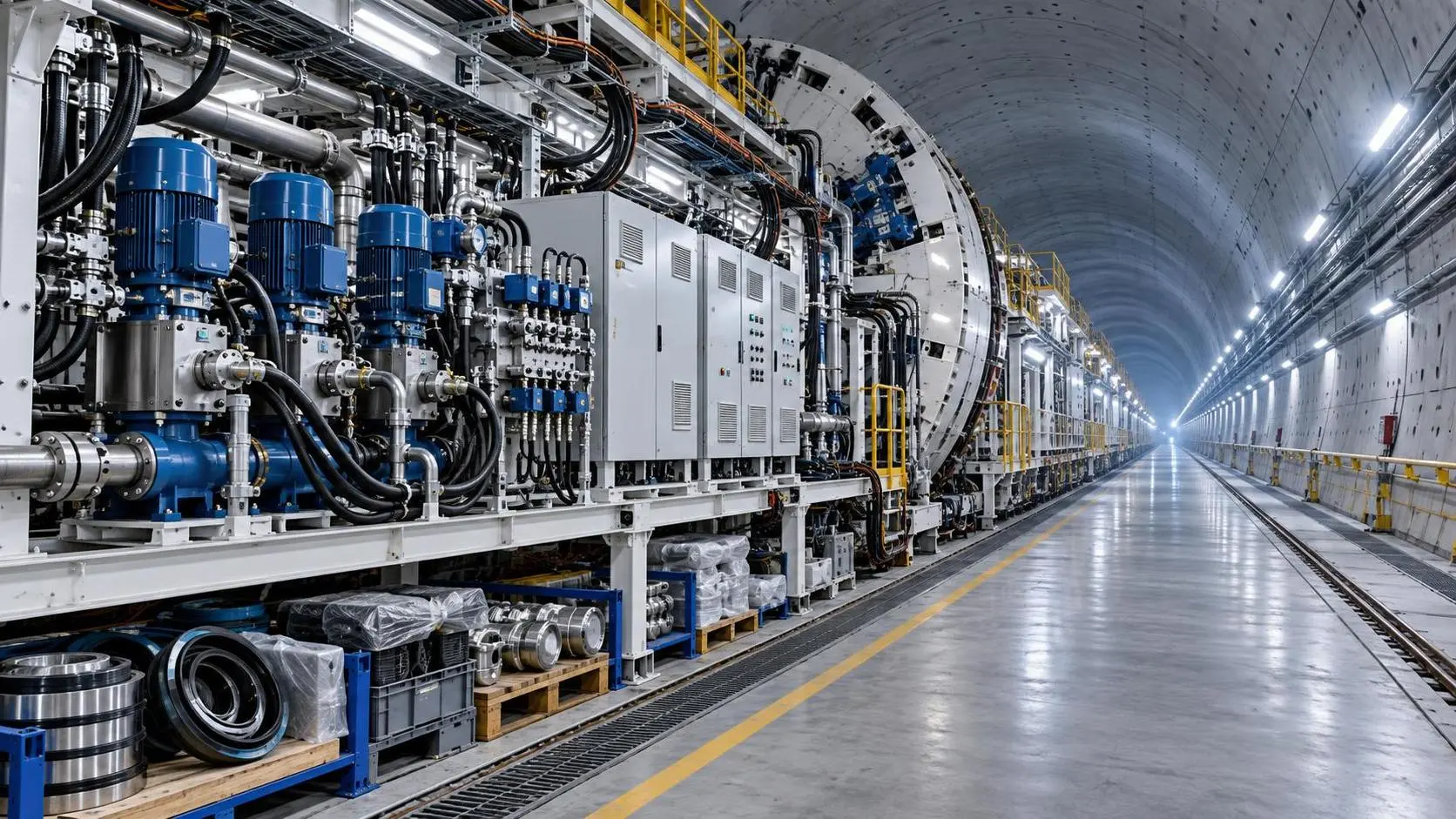
How to Specify TBM Backup System Parts for Reliable Long-Distance Tunnelling
TBM backup system parts: learn how to specify reliable spares for long-distance tunnelling, reduce downtime, ensure compatibility, and speed underground recovery.
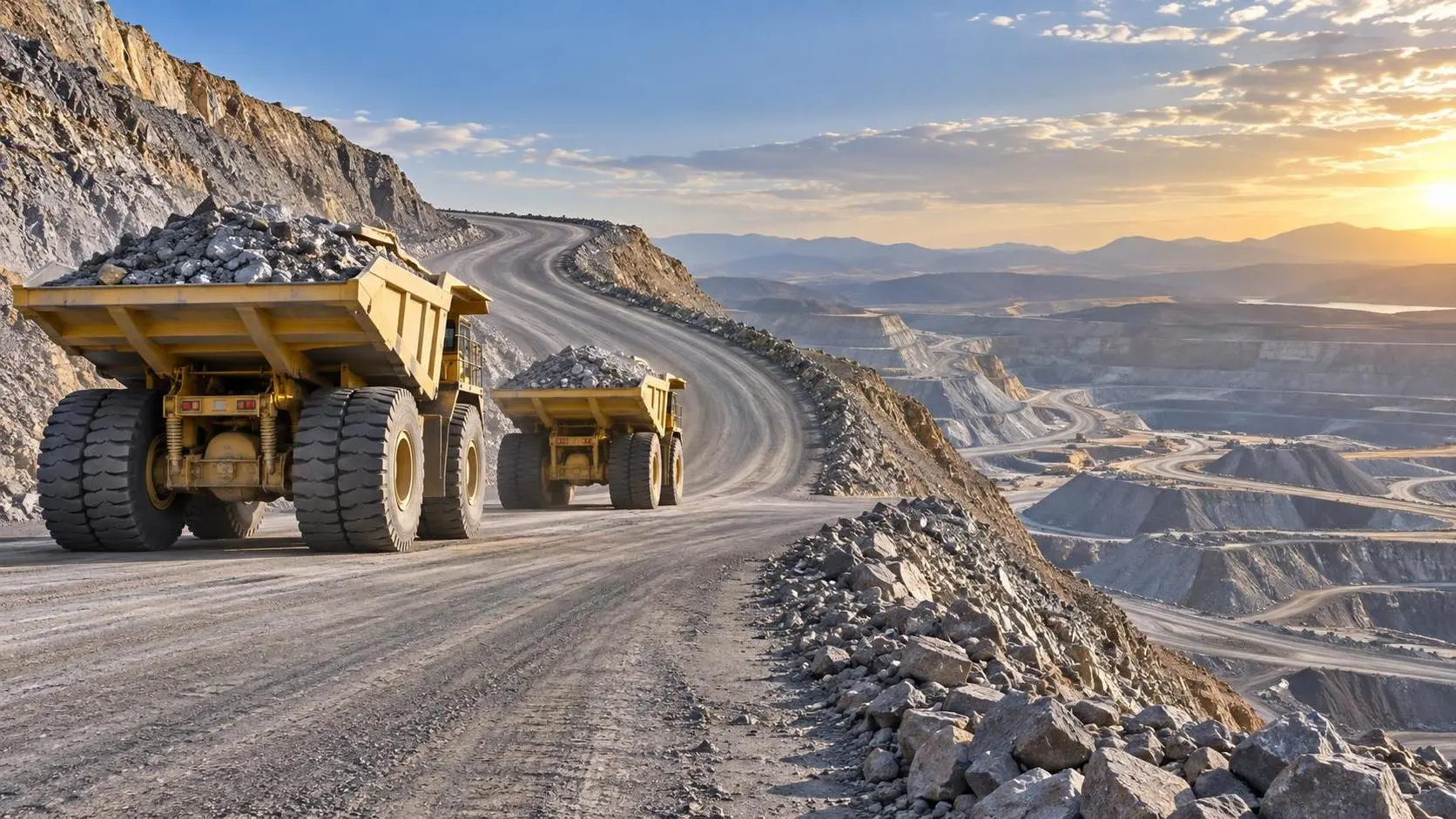
How to Size Open Pit Mining Trucks for Haul Distance, Grade, and Payload?
Open Pit Mining Trucks: learn how to match payload, haul distance, grade, road resistance, and loading capacity for safer, lower-cost mine operations.
Related News
- 00
0000-00
How to Evaluate European Drill-and-Blast Tunnelling Contractors for Complex Projects - 00
0000-00
Which Trenchless Construction Technique Fits Your Utility Crossing Conditions? - 00
0000-00
What Is Driving Metro Tunnelling Demand Across Southeast Asia’s Major Cities? - 00
0000-00
Hard Rock Tunnelling in Australia: Selecting Methods for Variable Ground Conditions - 00
0000-00
Hydropower Tunnel Excavation: Selecting Methods for Variable Rock Conditions
Weekly Insights
Stay ahead with our curated technology reports delivered every Monday.