
What delays mega tunnel construction most on complex urban jobs





Mega Tunnel Construction on complex urban jobs is rarely delayed by a single issue. More often, schedules slip when permits, buried utilities, uncertain ground, logistics bottlenecks, and stakeholder demands overlap in tight city corridors.
For underground engineering, the real question is not whether risk exists. It is which delay driver will dominate under a specific urban scenario, and how early teams can respond before float disappears.
This matters across the broader underground value chain, from TBM deployment and pipe jacking to digital construction intelligence. In Mega Tunnel Construction, delay control is ultimately a systems coordination challenge.
When urban complexity turns Mega Tunnel Construction into a schedule trap
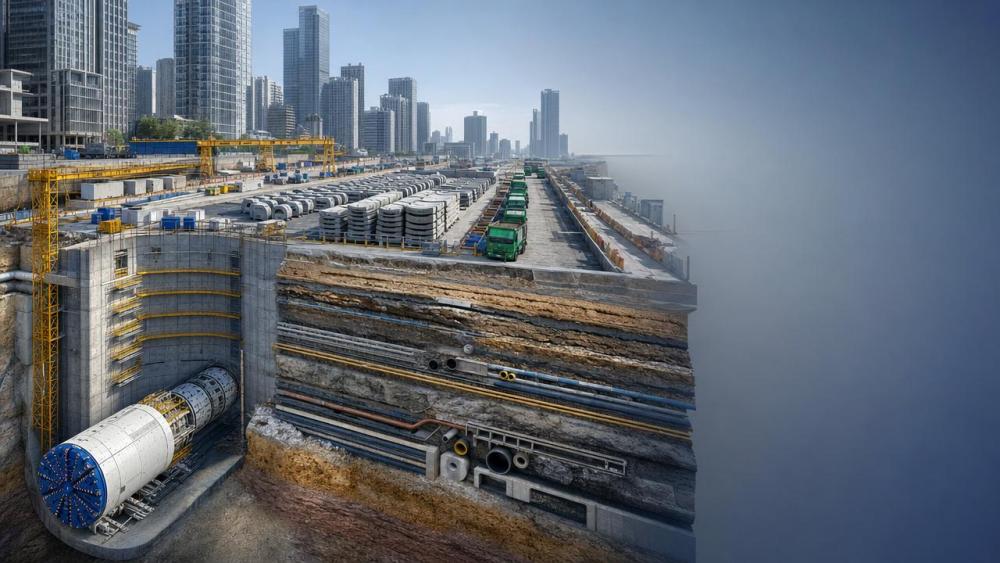
Not every city project fails for the same reason. A river crossing, CBD utility corridor, airport connection, and deep metro section all create different delay patterns.
Mega Tunnel Construction slows most where technical work is tied to approvals, surface access, and public sensitivity. The machine may be ready, yet the job still cannot move.
Urban tunnel schedules are especially vulnerable when five conditions combine:
- dense utility networks with incomplete records
- restricted launch or retrieval shafts
- mixed geology with limited investigation windows
- multi-agency permits and traffic obligations
- community and environmental constraints
In these settings, the biggest delay is often not excavation speed. It is interface failure between engineering, regulation, logistics, and urban operations.
Scenario 1: Utility-dense downtown corridors delay Mega Tunnel Construction the longest
In central business districts, buried assets often create the longest schedule drag. Water mains, power ducts, telecom banks, sewers, and unknown legacy lines can block shaft works and station access.
The delay does not come only from relocation. It comes from survey verification, ownership disputes, shutdown planning, and redesign after discoveries in the field.
Core judgment points
- Are utility records digitally reconciled or only archived on paper?
- Can relocations happen before shaft construction starts?
- Is there a single authority coordinating utility owners?
- Will protection works reduce excavation productivity?
Where these answers are weak, Mega Tunnel Construction should assume utility conflict is the primary delay driver, not a secondary risk item.
Scenario 2: Mixed ground and groundwater uncertainty stop progress below the surface
Complex urban geology can disrupt every stage of Mega Tunnel Construction. A tunnel may pass through fill, weathered rock, faulted zones, abrasive strata, or pressurized groundwater within a short alignment.
That uncertainty affects TBM selection, cutter wear, face pressure control, grouting demand, settlement risk, and intervention frequency. Small surprises underground become long pauses above ground.
Core judgment points
- Is ground investigation spaced tightly enough for urban variability?
- Are transition zones mapped with confidence?
- Does the excavation method allow flexible response?
- Are dewatering and settlement triggers realistic?
On many projects, geology does not create constant delay. It creates episodic delay, where one difficult zone consumes weeks that were never truly available.
Scenario 3: Permits and stakeholder approvals delay Mega Tunnel Construction before work even starts
Some of the worst delays occur before excavation begins. Environmental approvals, noise restrictions, traffic staging, spoil routes, work-hour limits, and heritage controls can all hold critical path activities.
In dense cities, one unresolved permit may delay power supply, shaft excavation, slurry treatment, or night deliveries. The tunnelling system then waits for a nontechnical decision.
Core judgment points
- Which approvals control site possession and access dates?
- Are review authorities aligned on documentation standards?
- Do permit conditions restrict logistics windows?
- Has stakeholder mapping included non-obvious veto points?
For Mega Tunnel Construction, permit risk is often underestimated because it sits outside traditional production metrics, yet it governs when production can legally happen.
Scenario 4: Tight shaft access and city logistics quietly erode tunnelling productivity
Urban jobs rarely have generous work zones. Limited laydown areas, narrow haul routes, crane restrictions, and peak-hour traffic rules can throttle segment supply, muck removal, and maintenance access.
This creates a hidden form of Mega Tunnel Construction delay. The TBM may not stop entirely, but cycle efficiency drops every shift until schedule loss becomes visible.
Core judgment points
- Can segments, slurry, spoil, and consumables move without route conflict?
- Are backup systems maintainable within the shaft footprint?
- Do shift plans match city delivery restrictions?
- Is contingency storage available near the tunnel portal?
Where logistics are constrained, delay accumulates through lost rhythm, not dramatic failure. That makes it harder to detect early and harder to recover later.
How delay drivers differ across urban Mega Tunnel Construction scenarios
Scenario-based recommendations to reduce Mega Tunnel Construction delay
- Treat utility mapping as a live engineering process, not a preconstruction formality.
- Link geotechnical data directly to TBM parameters, intervention plans, and cutter consumption models.
- Build permit schedules with authority review cycles, not internal optimism.
- Model logistics at shift level, including spoil, segments, maintenance, and emergency access.
- Use digital coordination rooms for design, field discoveries, and stakeholder decisions.
- Create scenario triggers that escalate before critical path loss becomes unrecoverable.
For advanced underground programs, intelligence quality often determines schedule quality. Better stitched data reduces the lag between field reality and management action.
Common misjudgments that make Mega Tunnel Construction delays worse
A frequent mistake is assuming the TBM is the main source of delay. On complex urban jobs, the machine is often downstream of unresolved access, approvals, and utility interfaces.
Another mistake is using average production rates to plan through exceptional zones. Urban Mega Tunnel Construction is shaped by bottlenecks, not averages.
Teams also underestimate the cost of fragmented information. If geotechnical findings, permit conditions, and logistics constraints sit in separate silos, response time becomes the hidden delay multiplier.
Finally, some programs react only after visible slippage. By then, recovery options are expensive, politically sensitive, and technically constrained.
The next practical step for better Mega Tunnel Construction decisions
Start by identifying which urban scenario best matches the alignment, shaft locations, and stakeholder environment. Then rank delay drivers by likely impact and decision lead time.
For Mega Tunnel Construction, the most effective control move is early scenario diagnosis. Once the dominant delay pattern is visible, mitigation can be targeted instead of generic.
UTMD’s underground intelligence perspective supports this approach by connecting tunnelling technology, field constraints, and strategic decision signals across the full project system.
In complex cities, faster excavation alone will not secure delivery. Better insight into the real cause of delay will.
Related News
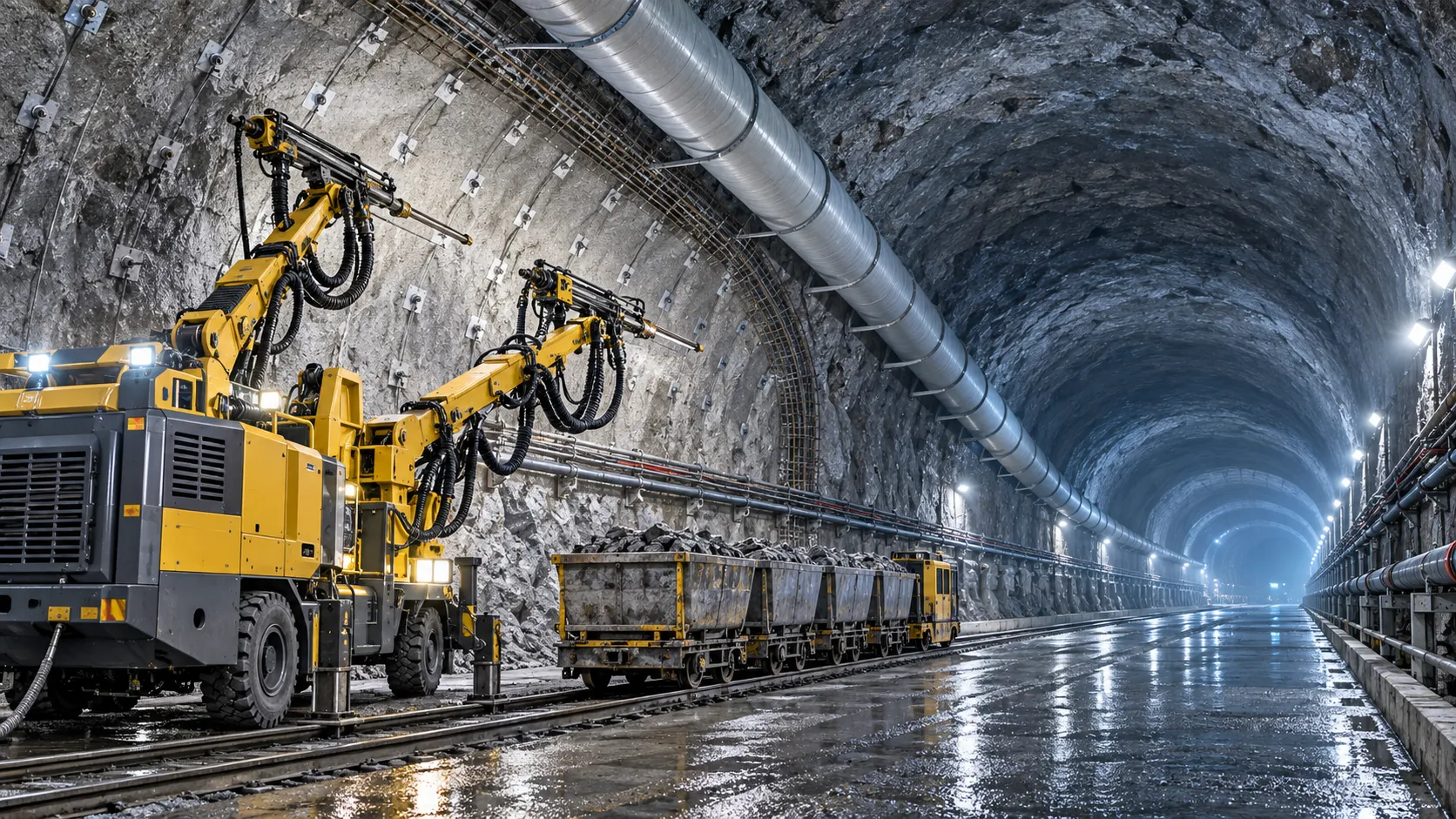
How to Evaluate European Drill-and-Blast Tunnelling Contractors for Complex Projects
Drill and blast tunnelling contractors Europe: learn how to assess geology expertise, blast control, equipment reliability, safety, and programme resilience for complex projects.
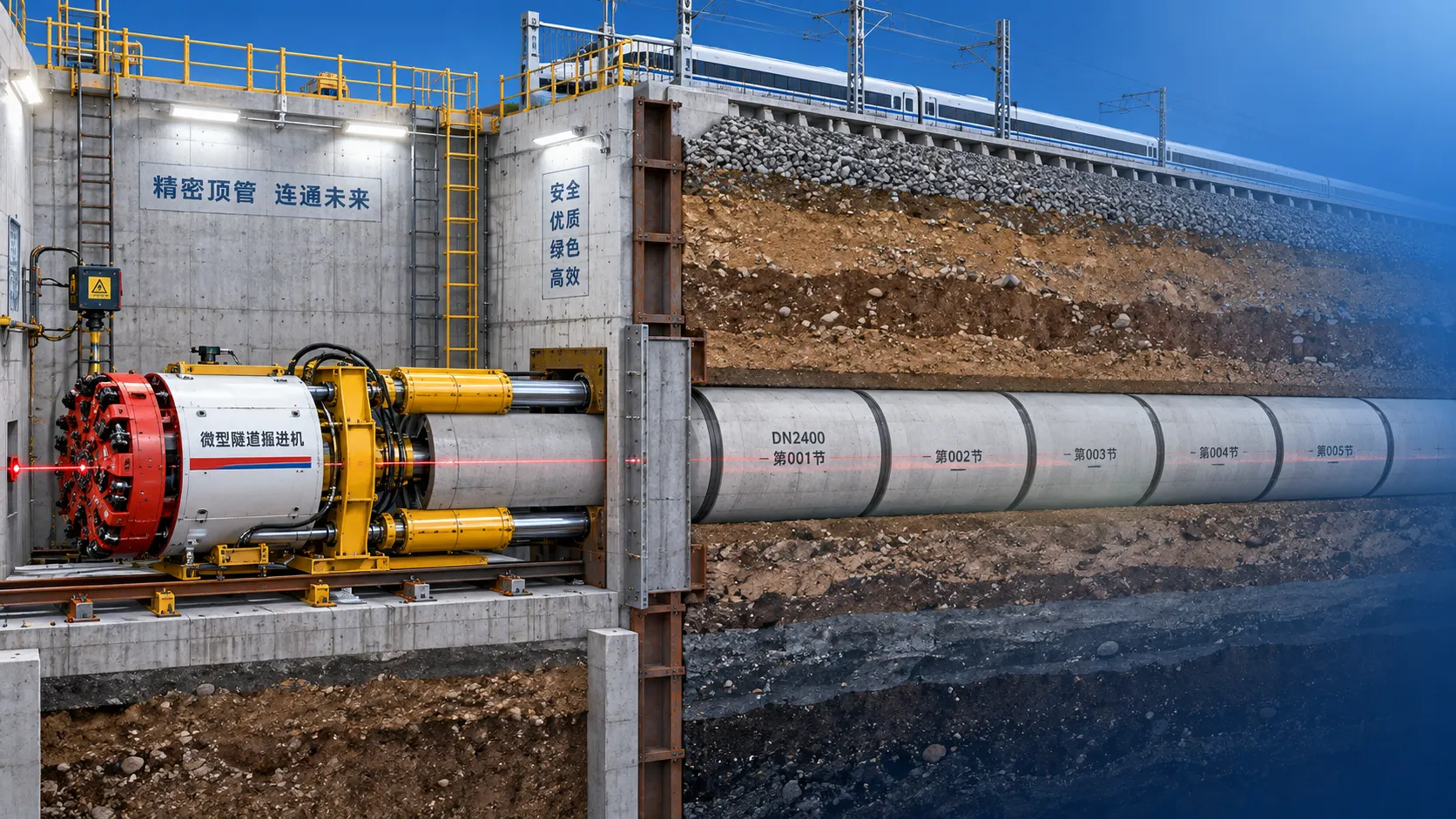
Which Trenchless Construction Technique Fits Your Utility Crossing Conditions?
Trenchless construction techniques compared for utility crossings: choose HDD, microtunnelling, pipe jacking, or auger boring based on ground, accuracy, access, and risk.
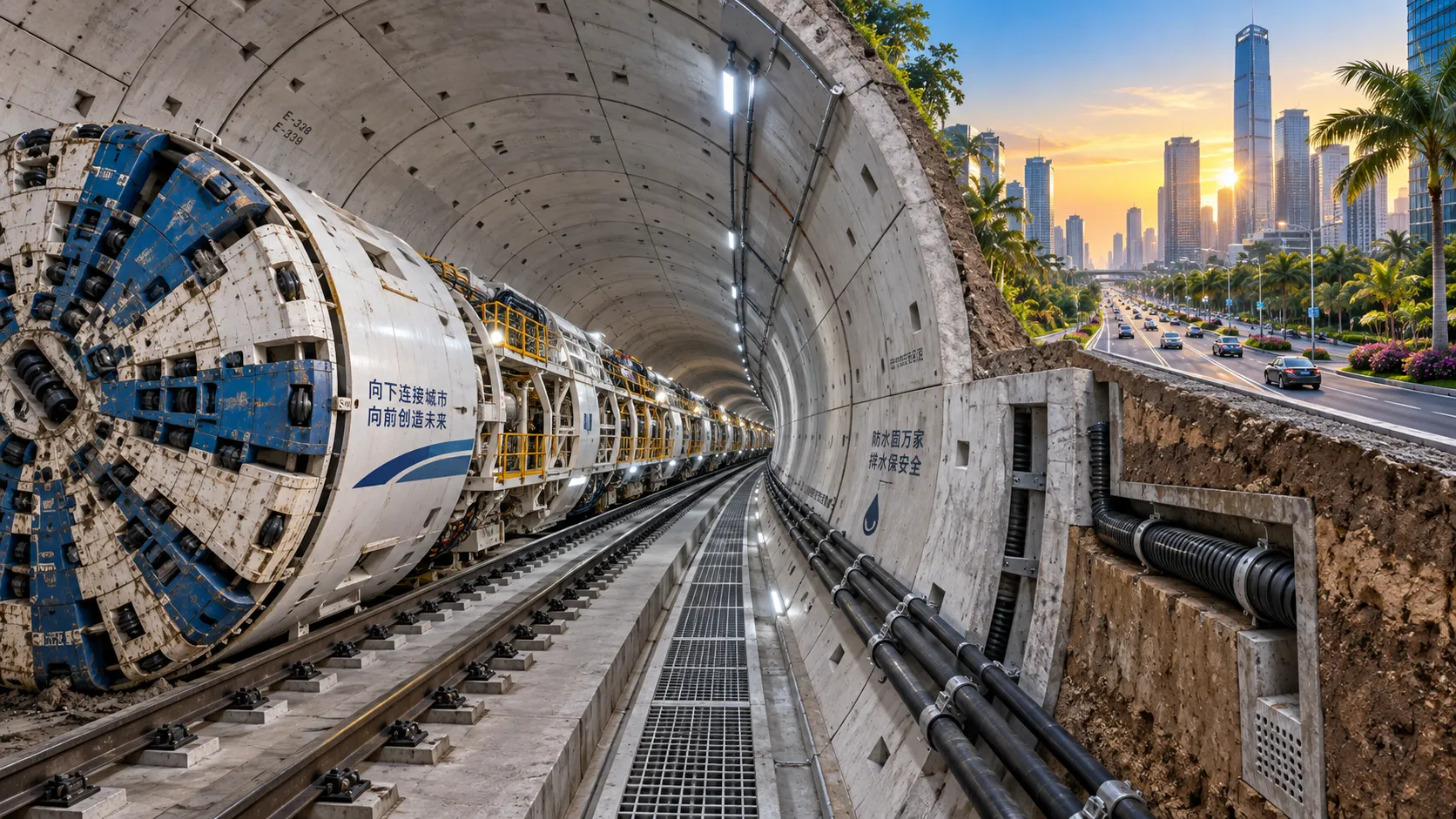
What Is Driving Metro Tunnelling Demand Across Southeast Asia’s Major Cities?
Metro tunnelling Southeast Asia is accelerating as major cities tackle congestion, flooding, and connectivity. Explore the market forces, technical risks, and opportunities shaping demand.
Hard Rock Tunnelling in Australia: Selecting Methods for Variable Ground Conditions
Hard rock tunnelling in Australia: compare TBM, drill-and-blast and hybrid methods to manage variable ground, reduce risk and protect project costs.
Hydropower Tunnel Excavation: Selecting Methods for Variable Rock Conditions
Hydropower tunnel excavation methods for variable rock conditions: compare TBM, drill-and-blast, and hybrid strategies to improve safety, progress, and project control.
How to Select Underground Safety Equipment for Tunnelling by Hazard and Work Zone
Underground Safety Equipment for tunnelling: match protection to hazards, work zones, compliance, and emergency needs with this practical selection guide.
EPB or Slurry Shield? Selecting Soft-Ground Tunnelling Equipment by Soil Conditions
Tunnel Excavation Equipment for soft ground: compare EPB and slurry shields by soil, groundwater, settlement risk, and project logistics to choose confidently.
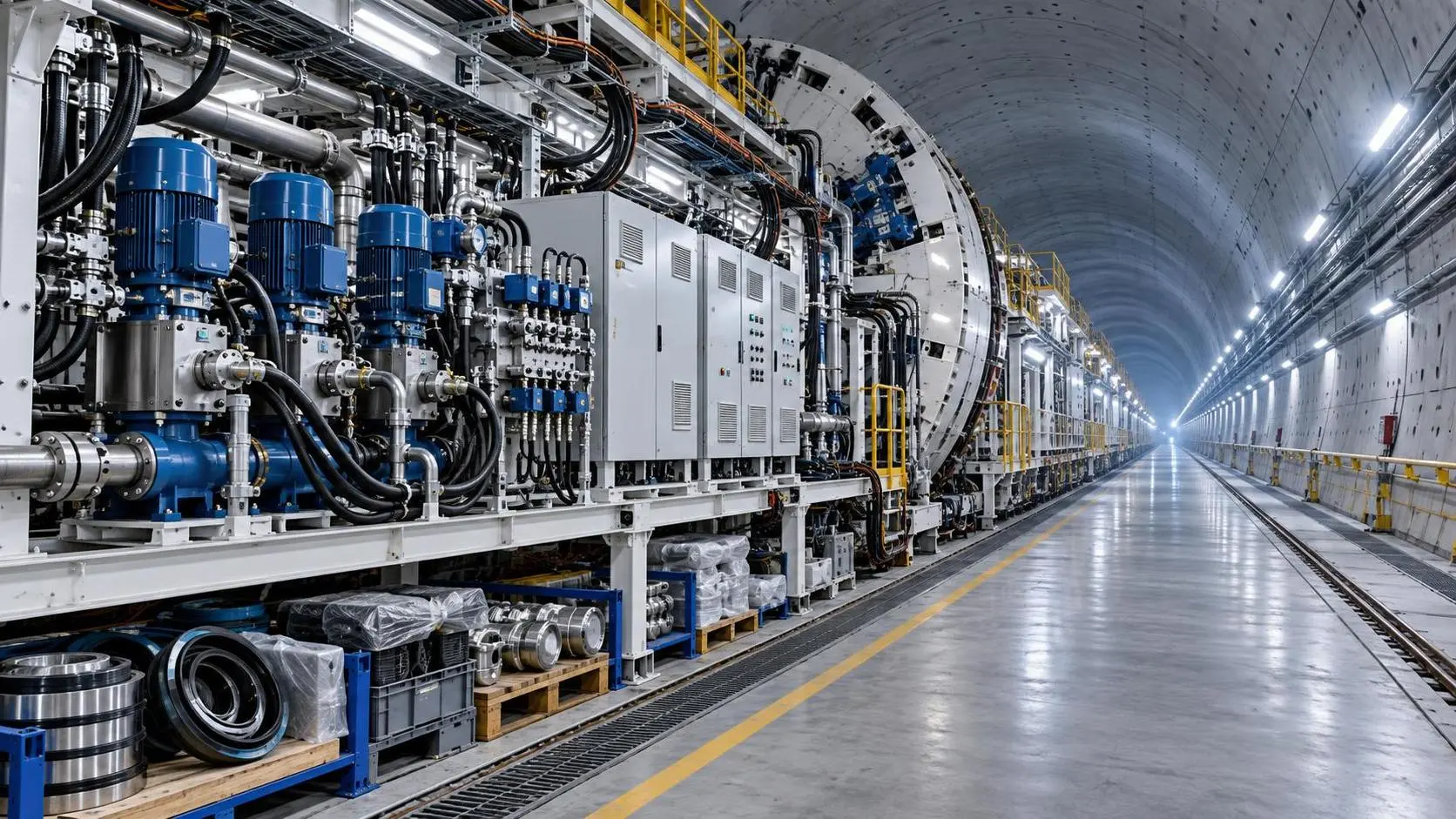
How to Specify TBM Backup System Parts for Reliable Long-Distance Tunnelling
TBM backup system parts: learn how to specify reliable spares for long-distance tunnelling, reduce downtime, ensure compatibility, and speed underground recovery.
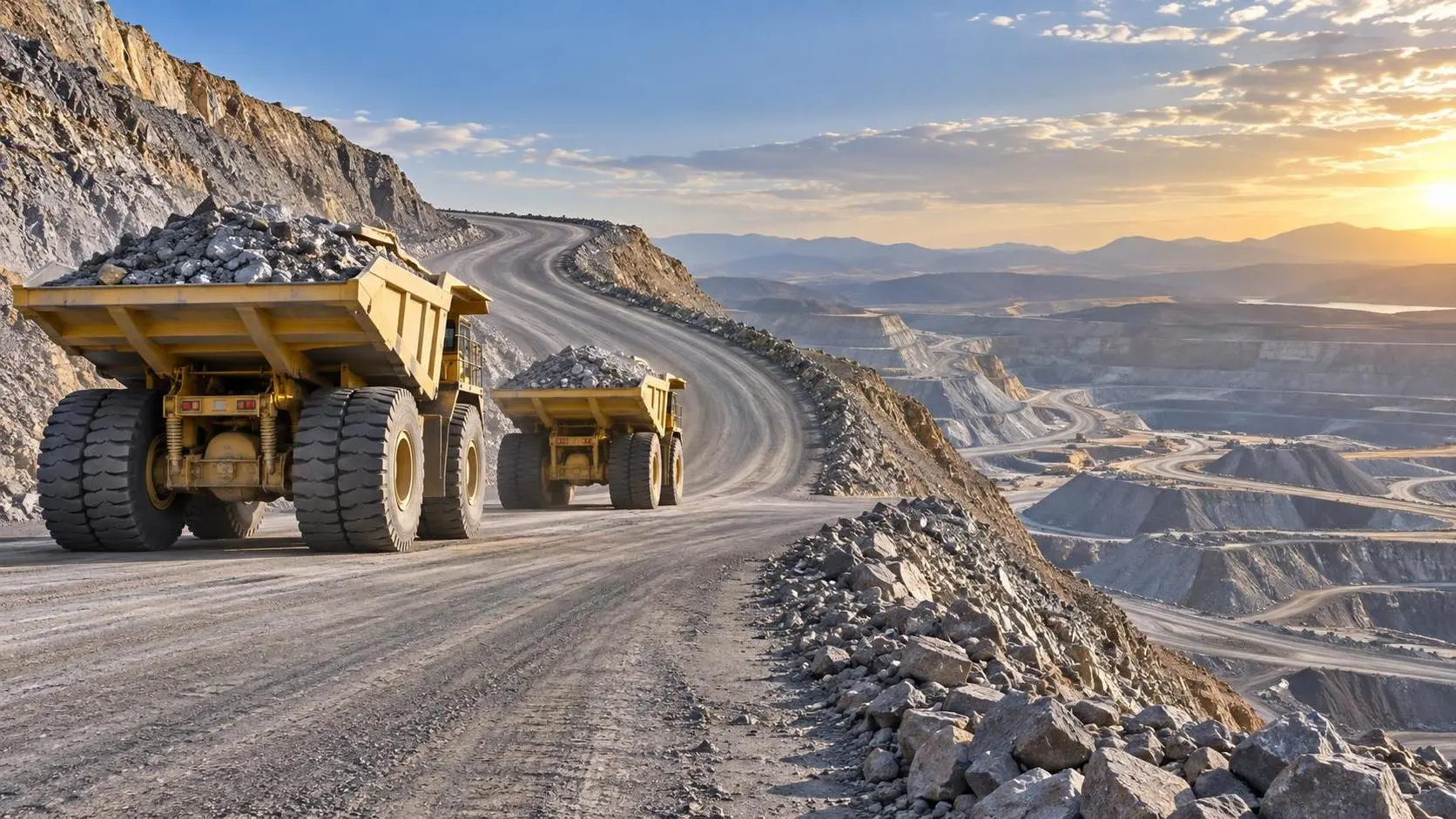
How to Size Open Pit Mining Trucks for Haul Distance, Grade, and Payload?
Open Pit Mining Trucks: learn how to match payload, haul distance, grade, road resistance, and loading capacity for safer, lower-cost mine operations.
Related News
- 00
0000-00
How to Evaluate European Drill-and-Blast Tunnelling Contractors for Complex Projects - 00
0000-00
Which Trenchless Construction Technique Fits Your Utility Crossing Conditions? - 00
0000-00
What Is Driving Metro Tunnelling Demand Across Southeast Asia’s Major Cities? - 00
0000-00
Hard Rock Tunnelling in Australia: Selecting Methods for Variable Ground Conditions - 00
0000-00
Hydropower Tunnel Excavation: Selecting Methods for Variable Rock Conditions
Weekly Insights
Stay ahead with our curated technology reports delivered every Monday.