
How to compare underground communication systems wisely





Choosing among Underground Communication Systems is not only a technical task. It shapes safety, uptime, automation readiness, and lifetime value across tunnels, mines, and trenchless operations.
A wise comparison starts with operating reality. Underground spaces block signals, create noise, limit maintenance access, and demand reliable communication during routine work and emergency events.
For organizations following heavy underground equipment trends, communication architecture also affects digitalization goals. It supports smart drilling, remote loading, autonomous haulage, and connected tunnel boring workflows.
Understanding what Underground Communication Systems include
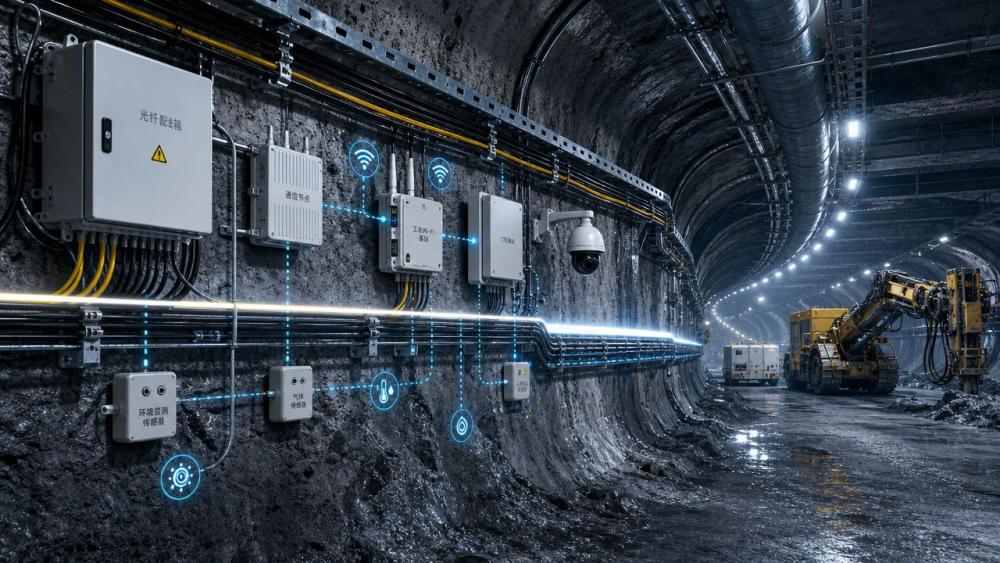
Underground Communication Systems are networks designed to transmit voice, data, video, alarms, and positioning information below ground. They must work where rock, dust, water, vibration, and steel structures interfere with normal connectivity.
These systems often combine several technologies instead of one. Common layers include leaky feeder radio, fiber backbones, Wi-Fi, LTE or private 5G, VoIP, tracking tags, and environmental monitoring links.
In tunnelling and mining, the right design depends on tunnel length, rock conditions, mobile fleet density, automation level, and emergency response obligations. Comparison should therefore focus on fit, not popularity alone.
A practical evaluation also separates core functions. Some networks mainly support voice and incident reporting. Others must handle telemetry, machine health data, video streams, and low-latency control commands.
Core system elements
- Backbone layer: fiber optic or high-capacity cable links
- Access layer: radio, Wi-Fi, LTE, or 5G coverage underground
- Endpoints: handheld radios, tablets, cameras, sensors, onboard gateways
- Software layer: dispatch, alarms, analytics, integration dashboards
- Resilience layer: backup power, redundancy, failover routing
Why comparison has become more important in underground operations
The underground industry is changing quickly. Electrification, automation, remote operations, and ESG pressure are raising expectations for communication reliability and digital visibility.
A mine or tunnel project no longer needs communication only for talking. It now needs data continuity for drilling jumbos, LHD loaders, mining dump trucks, TBMs, pipe jacking systems, and safety platforms.
UTMD’s market focus shows this clearly. Smart underground equipment depends on connected control loops, machine diagnostics, fleet coordination, and real-time location awareness under harsh physical constraints.
Current signals shaping selection
Key criteria for comparing Underground Communication Systems wisely
The best comparison framework combines technical performance, business resilience, and lifecycle economics. Looking at purchase price alone usually creates higher future cost and lower operational confidence.
1. Coverage reliability in real underground geometry
Check how each solution performs in declines, shafts, crosscuts, curves, wet zones, and shielded areas. Signal maps must reflect actual geology and support future tunnel extension.
2. Voice, data, and video capacity
Some Underground Communication Systems are excellent for voice but weak for machine telemetry or video. Others deliver broadband performance but need more complex planning and power support.
3. Latency for remote control and automation
Remote LHD operation, autonomous truck coordination, and TBM diagnostics need low latency and stable packet delivery. Ask for measured performance, not generic vendor claims.
4. Environmental durability
Underground equipment faces dust, humidity, blasting shock, vibration, heat, and corrosion. Compare enclosure ratings, cable protection, connector robustness, and maintenance intervals.
5. Integration with existing systems
Strong Underground Communication Systems should connect with dispatch software, tracking platforms, ventilation control, gas monitoring, fleet management, and asset health systems.
6. Scalability and future readiness
A short tunnel today may become a larger network tomorrow. Compare licensing, expansion cost, modular architecture, and readiness for private LTE or 5G migration.
7. Supplier support and lifecycle service
Local support, spare parts availability, commissioning expertise, and training quality matter greatly. Underground interruptions are expensive, so service capability has direct commercial value.
Common technology options and where each fits best
Different technologies solve different communication problems. In many projects, a hybrid network produces the best balance between safety, capacity, and investment efficiency.
Operational value across tunnelling, trenchless, and mining settings
Well-matched Underground Communication Systems create value beyond connectivity. They reduce incident risk, shorten delays, improve asset utilization, and support better coordination between equipment and control centers.
Typical application value
- TBM projects: continuous machine diagnostics, crew coordination, and segment logistics visibility
- Pipe jacking works: narrow-space communication without major surface disruption
- Drill-and-blast tunnels: safer blasting zone control and crew accountability
- Underground LHD fleets: remote operation, traffic awareness, and maintenance alerts
- Deep mines: worker tracking, gas alarm distribution, and emergency evacuation support
For intelligence platforms such as UTMD, this communication layer is the practical bridge between mechanical capability and digital transformation. Without stable data flow, automation strategies remain incomplete.
Practical comparison method before selection
A disciplined process helps compare Underground Communication Systems fairly. It also prevents overbuying on features that do not match the operating environment.
- Define critical use cases: voice, tracking, telemetry, video, or remote control.
- Map physical constraints: depth, tunnel geometry, interference sources, and utility access.
- Set measurable targets for uptime, latency, bandwidth, and expansion.
- Request proof from similar projects, not only laboratory data.
- Test integration with current software and mobile equipment.
- Calculate lifecycle cost, including maintenance, training, and upgrade paths.
- Review supplier service response and spare part resilience.
Questions worth asking during evaluation
- How does the network perform during tunnel extension or mine development?
- What happens if one access point, cable section, or node fails?
- Can the system support future autonomous equipment without redesign?
- How difficult is maintenance in wet, hot, or blast-prone zones?
- Which standards, certifications, and cyber protections are included?
Implementation cautions and next-step direction
The biggest mistake is treating communication as an isolated utility. In modern underground operations, it is shared infrastructure for safety, productivity, equipment intelligence, and strategic expansion.
Another common risk is choosing a high-capacity system without planning power redundancy, physical protection, and service access. Underground conditions can quickly erode expected performance.
The most effective next step is a site-specific comparison matrix. List use cases, environmental risks, equipment interfaces, and growth plans, then score each option against measurable criteria.
When comparing Underground Communication Systems wisely, the goal is not simply better signal. The goal is safer operations, stronger automation foundations, and more durable returns from every underground asset.
For organizations tracking tunnel boring, trenchless engineering, and smart mining evolution, a robust communication strategy is a decisive step toward electrified, autonomous, and data-driven underground performance.
Related News
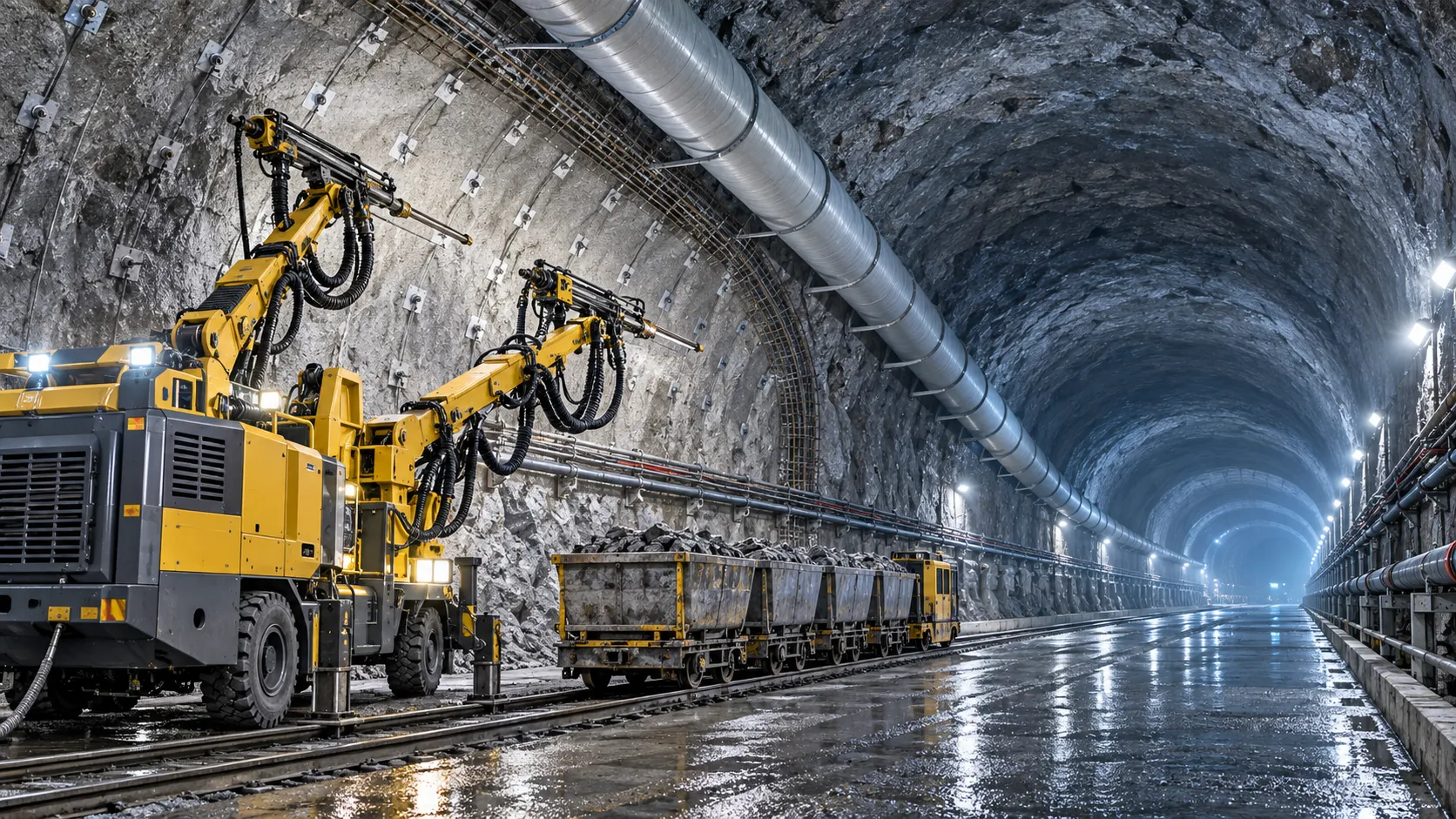
How to Evaluate European Drill-and-Blast Tunnelling Contractors for Complex Projects
Drill and blast tunnelling contractors Europe: learn how to assess geology expertise, blast control, equipment reliability, safety, and programme resilience for complex projects.
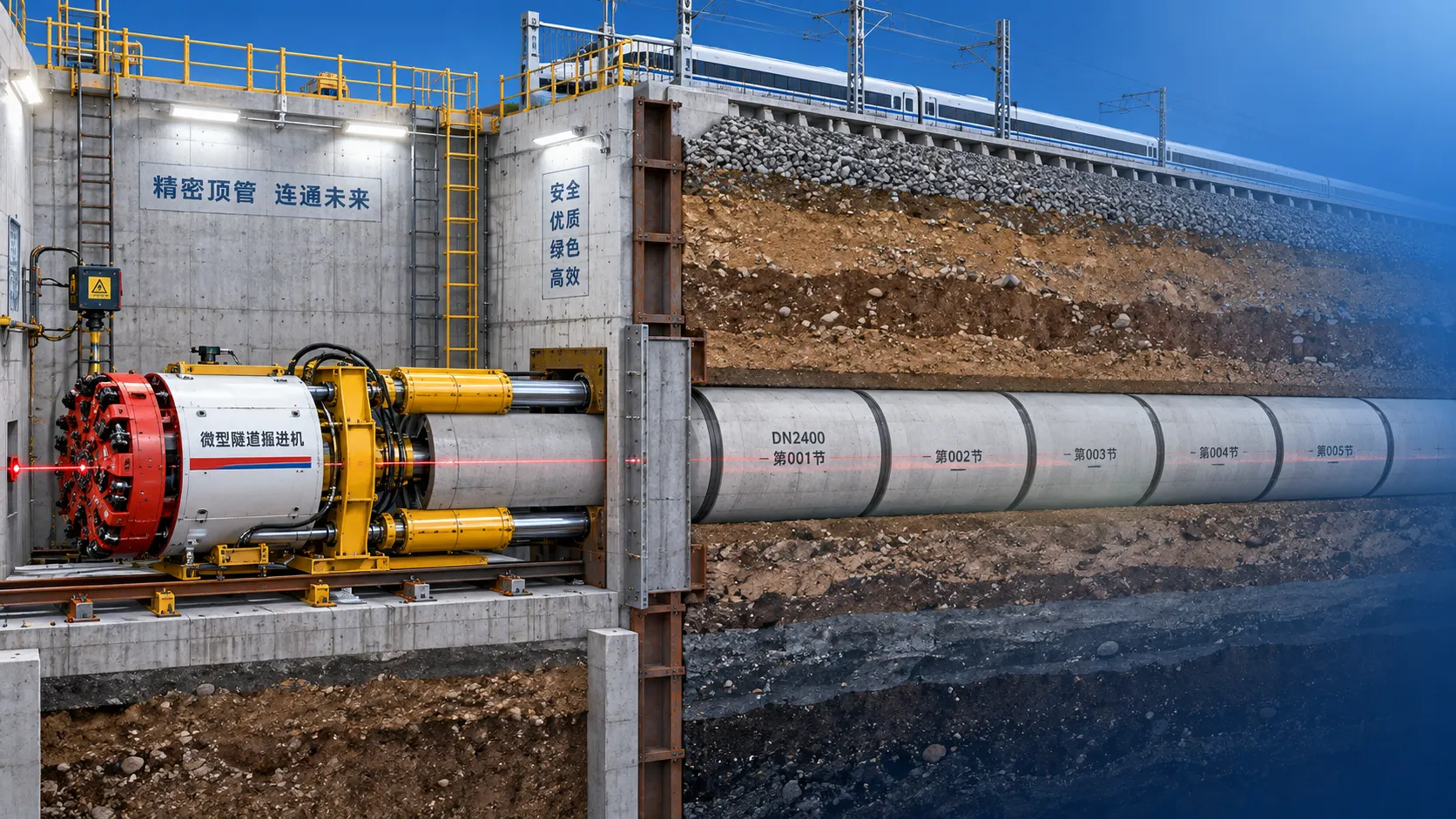
Which Trenchless Construction Technique Fits Your Utility Crossing Conditions?
Trenchless construction techniques compared for utility crossings: choose HDD, microtunnelling, pipe jacking, or auger boring based on ground, accuracy, access, and risk.
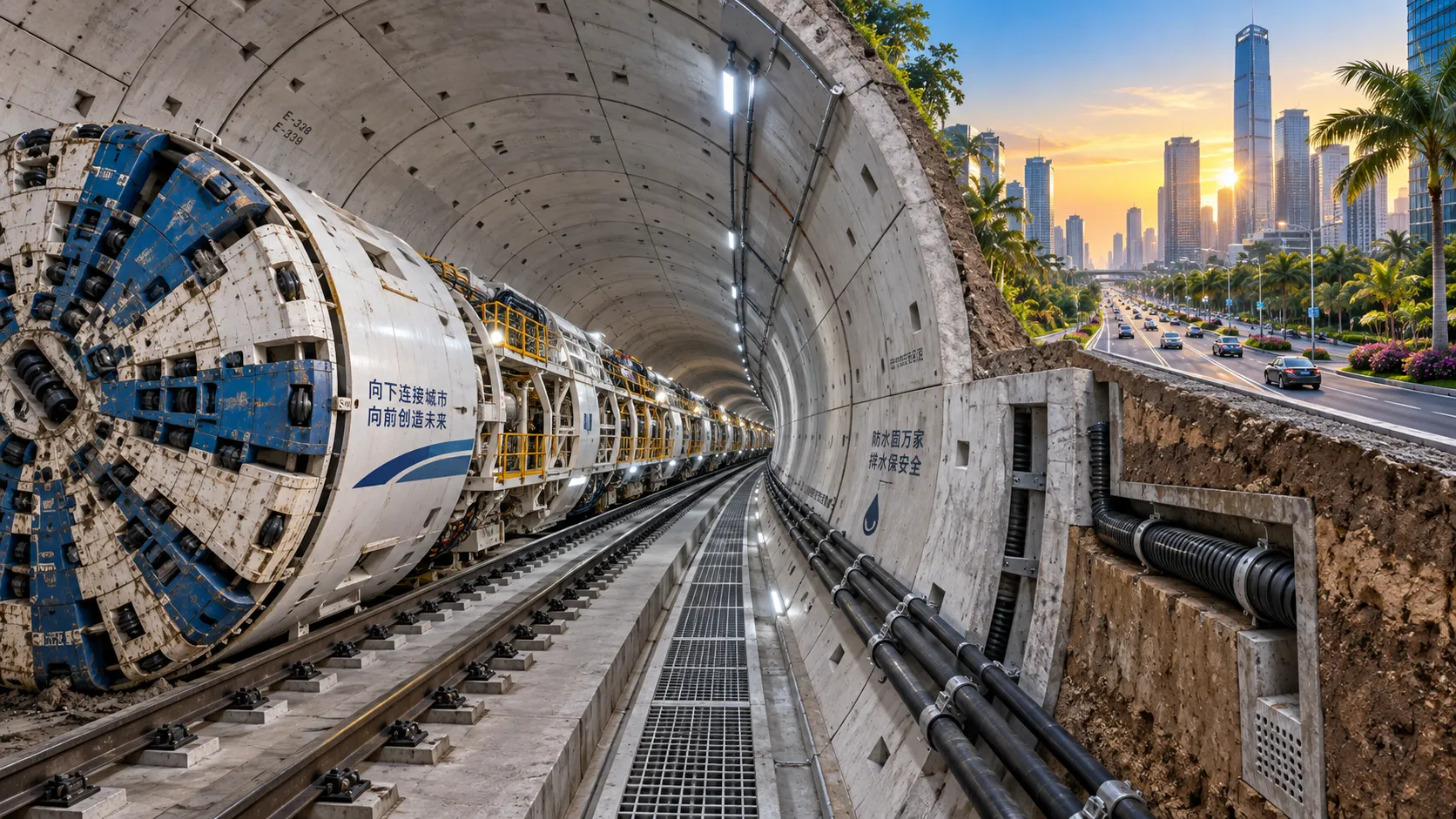
What Is Driving Metro Tunnelling Demand Across Southeast Asia’s Major Cities?
Metro tunnelling Southeast Asia is accelerating as major cities tackle congestion, flooding, and connectivity. Explore the market forces, technical risks, and opportunities shaping demand.
Hard Rock Tunnelling in Australia: Selecting Methods for Variable Ground Conditions
Hard rock tunnelling in Australia: compare TBM, drill-and-blast and hybrid methods to manage variable ground, reduce risk and protect project costs.
Hydropower Tunnel Excavation: Selecting Methods for Variable Rock Conditions
Hydropower tunnel excavation methods for variable rock conditions: compare TBM, drill-and-blast, and hybrid strategies to improve safety, progress, and project control.
How to Select Underground Safety Equipment for Tunnelling by Hazard and Work Zone
Underground Safety Equipment for tunnelling: match protection to hazards, work zones, compliance, and emergency needs with this practical selection guide.
EPB or Slurry Shield? Selecting Soft-Ground Tunnelling Equipment by Soil Conditions
Tunnel Excavation Equipment for soft ground: compare EPB and slurry shields by soil, groundwater, settlement risk, and project logistics to choose confidently.
How to Specify TBM Backup System Parts for Reliable Long-Distance Tunnelling
TBM backup system parts: learn how to specify reliable spares for long-distance tunnelling, reduce downtime, ensure compatibility, and speed underground recovery.
How to Size Open Pit Mining Trucks for Haul Distance, Grade, and Payload?
Open Pit Mining Trucks: learn how to match payload, haul distance, grade, road resistance, and loading capacity for safer, lower-cost mine operations.
Related News
- 00
0000-00
How to Evaluate European Drill-and-Blast Tunnelling Contractors for Complex Projects - 00
0000-00
Which Trenchless Construction Technique Fits Your Utility Crossing Conditions? - 00
0000-00
What Is Driving Metro Tunnelling Demand Across Southeast Asia’s Major Cities? - 00
0000-00
Hard Rock Tunnelling in Australia: Selecting Methods for Variable Ground Conditions - 00
0000-00
Hydropower Tunnel Excavation: Selecting Methods for Variable Rock Conditions
Weekly Insights
Stay ahead with our curated technology reports delivered every Monday.