
How underground mapping systems reduce rework underground





Underground Mapping Systems are becoming essential for project managers seeking to cut costly rework, improve coordination, and reduce risk in tunnelling and mining operations. In complex underground environments where every meter affects schedule, safety, and asset performance, accurate mapping helps teams make faster decisions, avoid clashes, and keep execution aligned with real conditions below the surface.
For sectors covered by UTMD, from TBM drives to drill-and-blast headings and battery-electric mine haulage, rework rarely comes from one mistake. It usually grows from outdated surveys, poor face updates, disconnected machine data, and weak handover between planning and execution.
That is why Underground Mapping Systems matter. They create a shared underground truth, linking geology, excavation progress, utilities, support installation, transport routes, and equipment movement into one decision-ready view.
Why Underground Mapping Systems Need a Checklist Approach
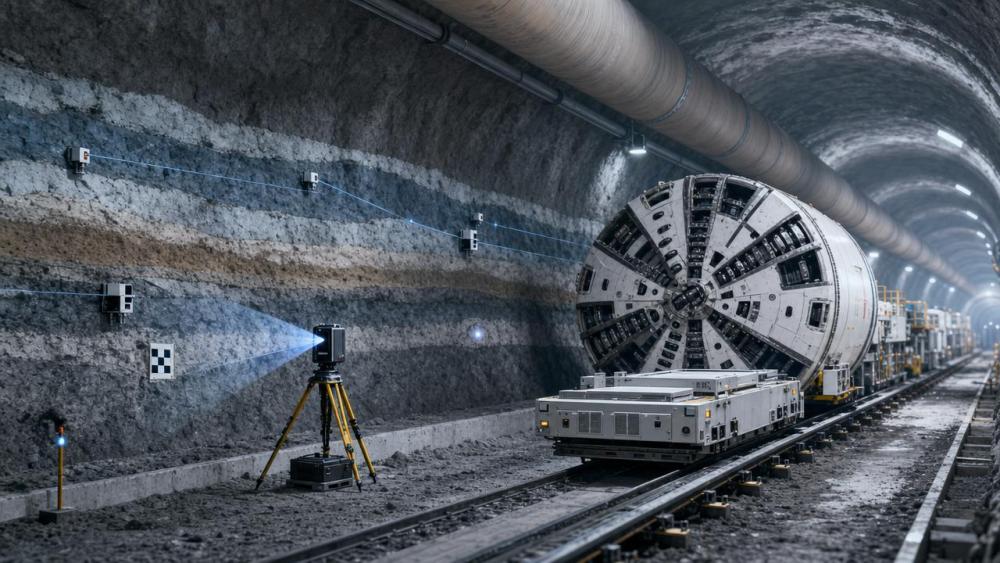
Underground jobs change daily. Ground conditions shift, line and grade drift, temporary works move, and production priorities get reset. Without a checklist, mapping quality becomes inconsistent and errors travel downstream into design updates, excavation plans, and maintenance work.
A structured review helps verify whether Underground Mapping Systems are capturing the right data, updating it at the right frequency, and distributing it to crews, planners, and control rooms fast enough to prevent rework.
Core Checklist to Reduce Rework Underground
Use the following checklist to evaluate whether Underground Mapping Systems are actually reducing field correction cycles and improving execution reliability.
- Verify survey control first. Confirm underground control points, laser references, and station tie-ins before excavation, drilling, lining, or service installation begins.
- Capture face conditions daily. Record overbreak, underbreak, fractures, water ingress, and unsupported spans so design assumptions stay aligned with actual ground response.
- Integrate machine positioning data. Connect TBMs, drilling jumbos, LHDs, and haulage fleets to the map layer for real-time location and path validation.
- Update utilities continuously. Track ventilation ducts, dewatering lines, power cables, refuge chambers, and communication lines to avoid accidental damage and relocation work.
- Check geotechnical overlays. Compare support patterns, probe drilling, seismic data, and rock mass zones against current headings before advancing equipment.
- Validate line and grade tolerance. Review deviation thresholds for tunnel alignment, pipe jacking route, rail installation, and ore pass access before errors compound.
- Synchronize design revisions. Ensure every shift works from the latest approved underground model, not outdated PDFs, markup screenshots, or verbal instructions.
- Link mapping to work permits. Use map-based permit checks for blasting zones, exclusion areas, energized equipment, and confined access restrictions.
- Record installed assets precisely. Log bolts, mesh, segments, pipes, pumps, and sensors at as-built coordinates to simplify maintenance and later expansion.
- Audit data latency. Measure how long it takes for scans, machine logs, and survey updates to appear in Underground Mapping Systems after capture.
How Mapping Cuts Rework in Different Underground Scenarios
TBM Tunnelling and Segment Installation
In TBM operations, small alignment errors can create major downstream consequences. Segment ring placement, annular gap control, and conveyor or slurry logistics all depend on precise position awareness.
Underground Mapping Systems reduce rework by comparing planned alignment with actual shield position, ring build data, and geology updates. This helps teams correct drift early rather than rebuilding sections or adjusting systems later.
Pipe Jacking and Trenchless Urban Work
Urban trenchless work carries high clash risk with legacy utilities and undocumented structures. Mapping is not just about route design. It is about continuously validating what exists against what the machine is approaching.
When Underground Mapping Systems combine bore data, utility surveys, and jacking telemetry, teams can detect mismatch early. That prevents emergency stoppages, retrieval work, and costly route corrections beneath live streets.
Drill-and-Blast Development and Ground Support
In drill-and-blast headings, rework often starts with poor face pickup or inaccurate blast hole layout. Overbreak creates extra scaling and support costs, while underbreak slows subsequent equipment access.
Underground Mapping Systems improve drilling accuracy by linking scanned face geometry with jumbo guidance and support plans. Crews can place holes, bolts, and mesh according to the latest ground interpretation, not yesterday’s assumptions.
Underground Mining Haulage and Loader Navigation
For LHD loaders, battery trucks, and autonomous fleets, route errors waste energy and create traffic conflicts. Rework appears as repeated roadway cleanup, stalled loading zones, and relocated charging or battery-swap points.
Underground Mapping Systems support better haulage planning by maintaining live route status, brow conditions, stockpile geometry, and exclusion areas. This is especially valuable where SLAM-based navigation must adapt to changing headings.
Commonly Missed Risks That Trigger Rework
Ignoring temporary works: Many teams map permanent assets well but miss temporary supports, bypass lines, vent bags, and mobile substations. These omissions create clashes during equipment moves and maintenance access.
Trusting low-frequency updates: A good map with poor refresh speed still causes errors. In fast-advancing headings, even a one-shift delay can make drilling layouts or support instructions obsolete.
Separating mapping from production systems: If scan data stays with survey teams while dispatch, maintenance, and planning use other tools, Underground Mapping Systems cannot prevent coordination failures.
Overlooking data standards: Inconsistent naming, layer structure, coordinate handling, and version control cause silent errors. Teams may think they are using one map while actually reading different datasets.
Missing equipment feedback loops: Machine telemetry, cutter wear signals, jumbo positioning, and haulage path records often reveal developing problems before visible field damage appears.
Practical Steps to Make Underground Mapping Systems Work
- Define one underground spatial standard for survey, geology, operations, and maintenance teams.
- Set update frequencies by activity, with high-risk headings refreshed every shift or in near real time.
- Use mobile scanners, total stations, machine sensors, and manual verification together.
- Flag deviations automatically when installed work exceeds tolerance bands.
- Push map changes directly into planning boards, dispatch tools, and permit workflows.
- Review rework events monthly and trace each one back to a mapping, timing, or coordination gap.
For intelligence-driven underground operations, this is where the broader UTMD perspective becomes relevant. Mapping should not be treated as a survey add-on. It is a digital control layer that connects excavation mechanics, zero-emission fleet movement, and underground asset utilization.
Whether the project involves a hard-rock TBM, a pipe jacking machine under dense infrastructure, or autonomous mining transport, the same principle applies: accurate underground visibility prevents avoidable field correction.
Conclusion and Next Action
Underground Mapping Systems reduce rework underground by turning scattered field data into a single operational reference. They help control alignment, support installation, utility placement, fleet routing, and design updates before mistakes become physical rework.
Start with a focused audit. Check survey control, update speed, machine integration, utility visibility, and as-built discipline across one active heading or route. Then expand the same checklist across the full underground network.
When Underground Mapping Systems are accurate, current, and connected to execution, underground projects move with fewer surprises, stronger safety control, and better asset performance from first cut to final handover.
Related News
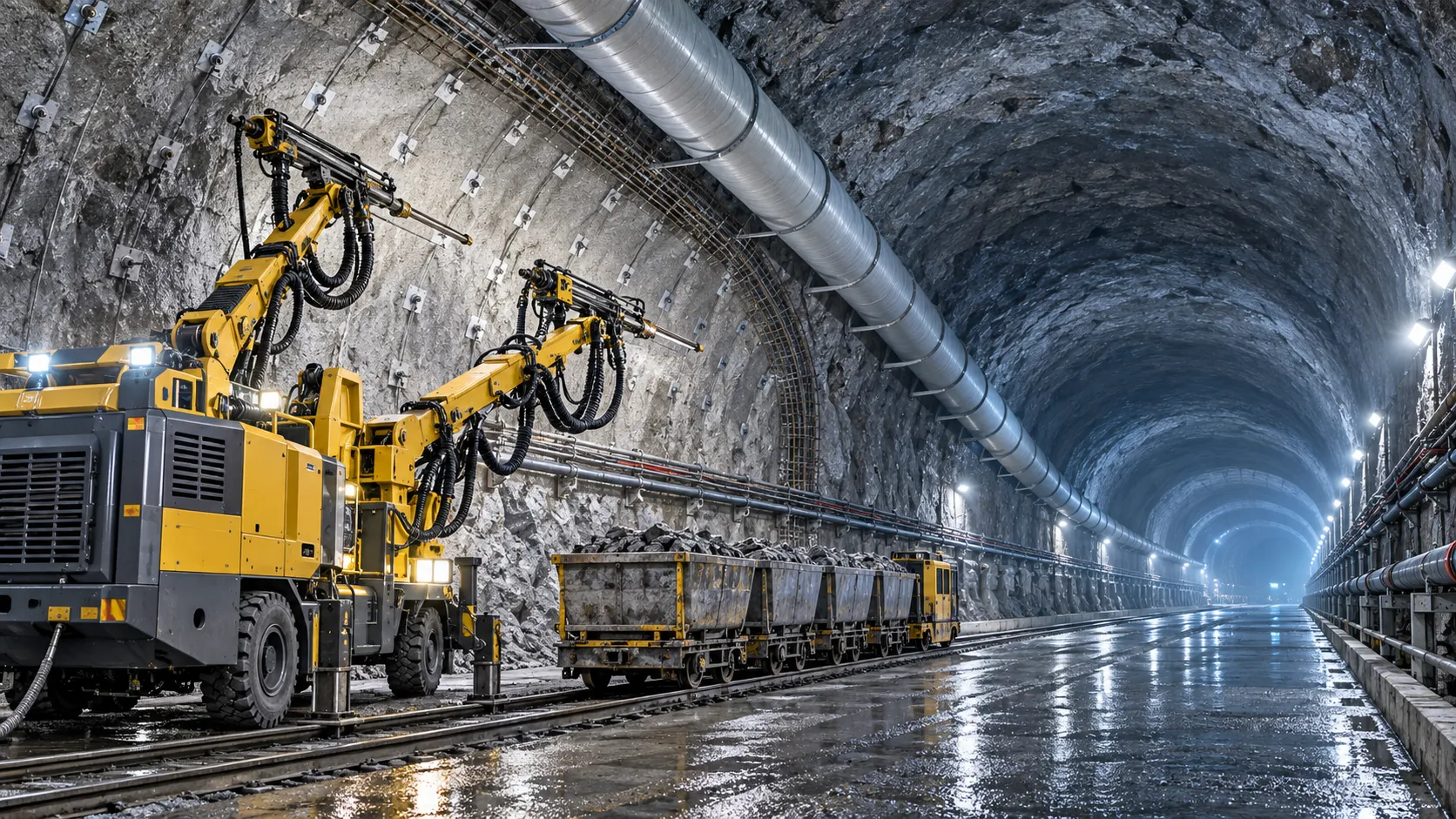
How to Evaluate European Drill-and-Blast Tunnelling Contractors for Complex Projects
Drill and blast tunnelling contractors Europe: learn how to assess geology expertise, blast control, equipment reliability, safety, and programme resilience for complex projects.
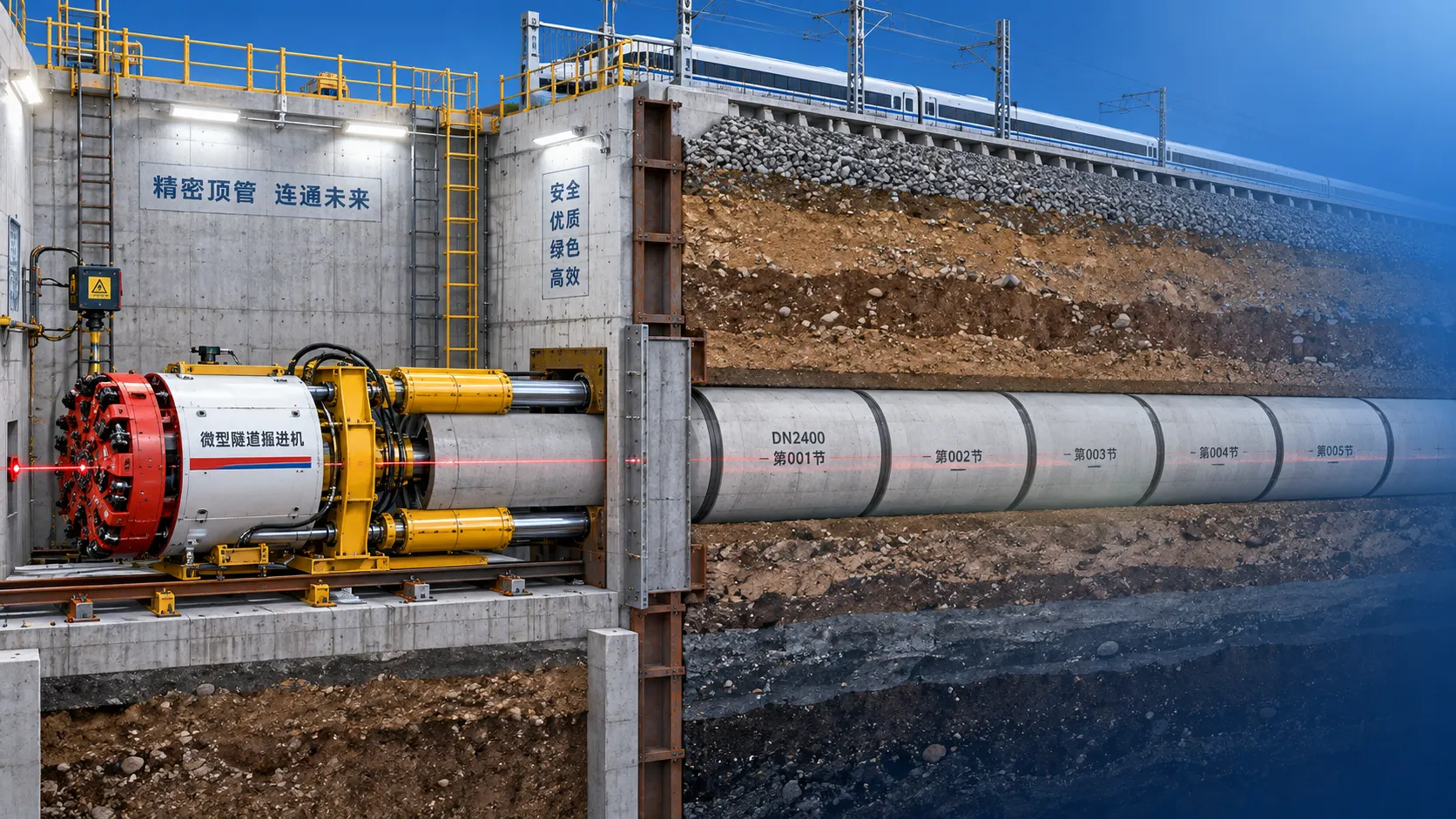
Which Trenchless Construction Technique Fits Your Utility Crossing Conditions?
Trenchless construction techniques compared for utility crossings: choose HDD, microtunnelling, pipe jacking, or auger boring based on ground, accuracy, access, and risk.
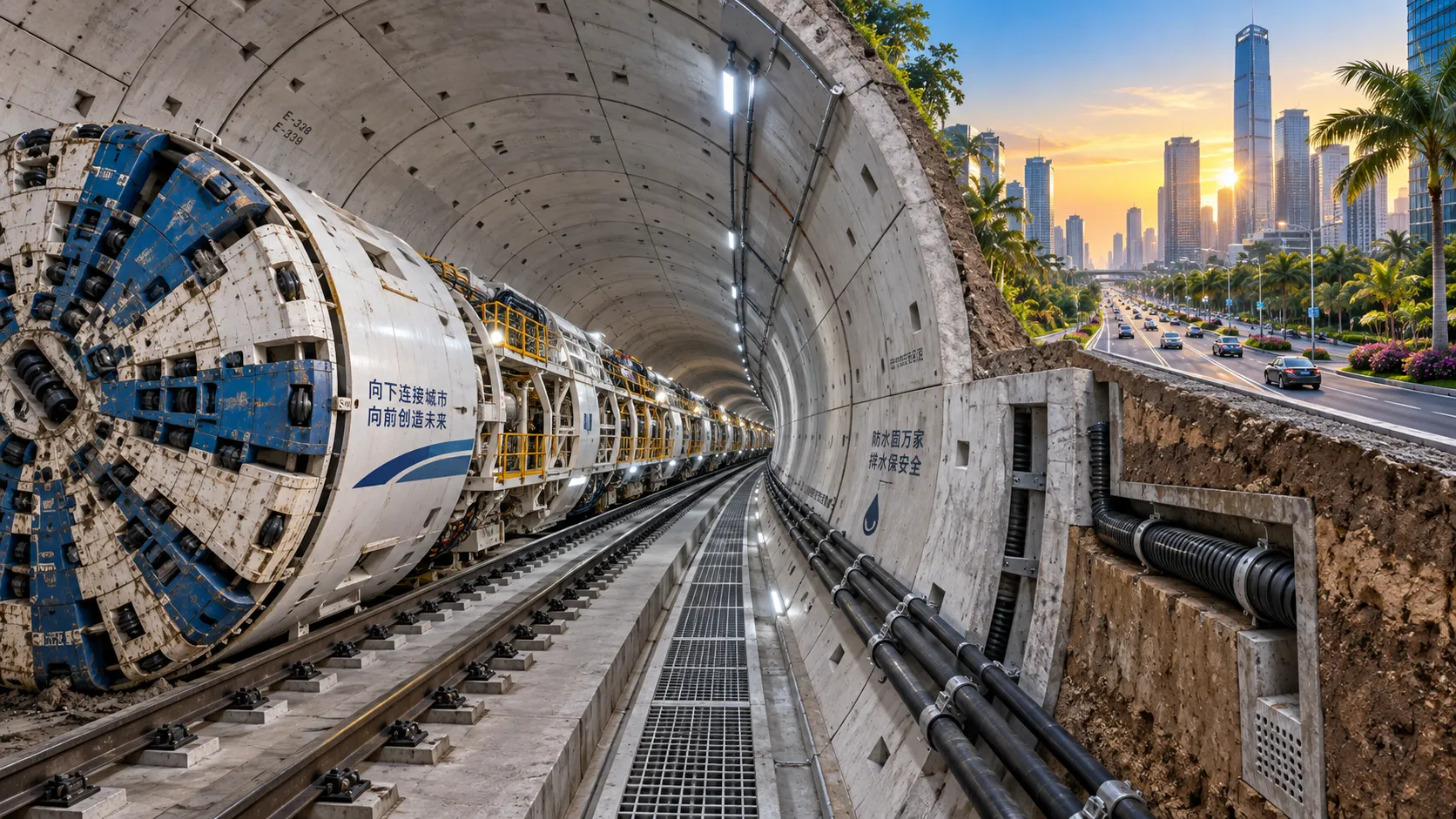
What Is Driving Metro Tunnelling Demand Across Southeast Asia’s Major Cities?
Metro tunnelling Southeast Asia is accelerating as major cities tackle congestion, flooding, and connectivity. Explore the market forces, technical risks, and opportunities shaping demand.
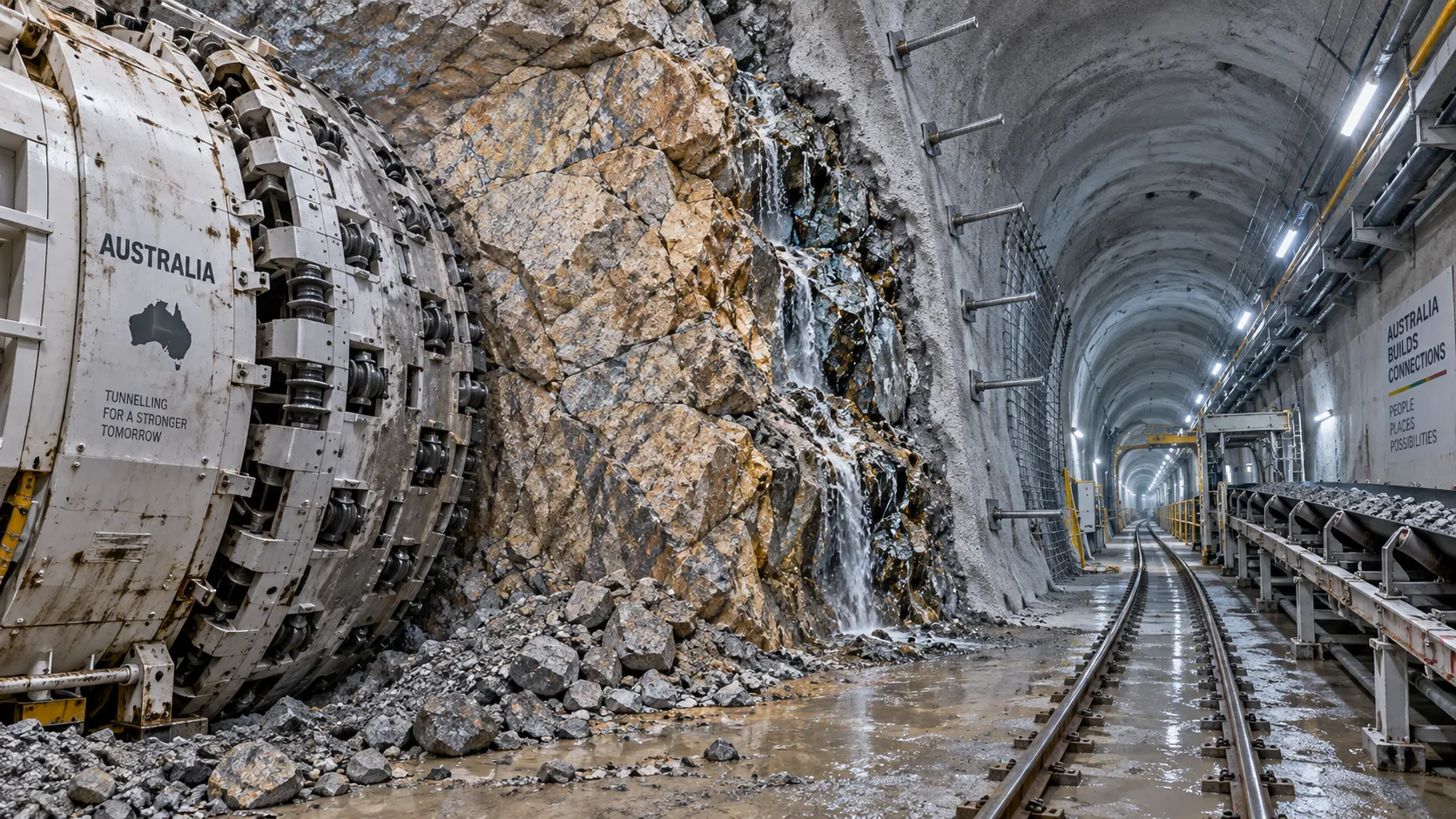
Hard Rock Tunnelling in Australia: Selecting Methods for Variable Ground Conditions
Hard rock tunnelling in Australia: compare TBM, drill-and-blast and hybrid methods to manage variable ground, reduce risk and protect project costs.
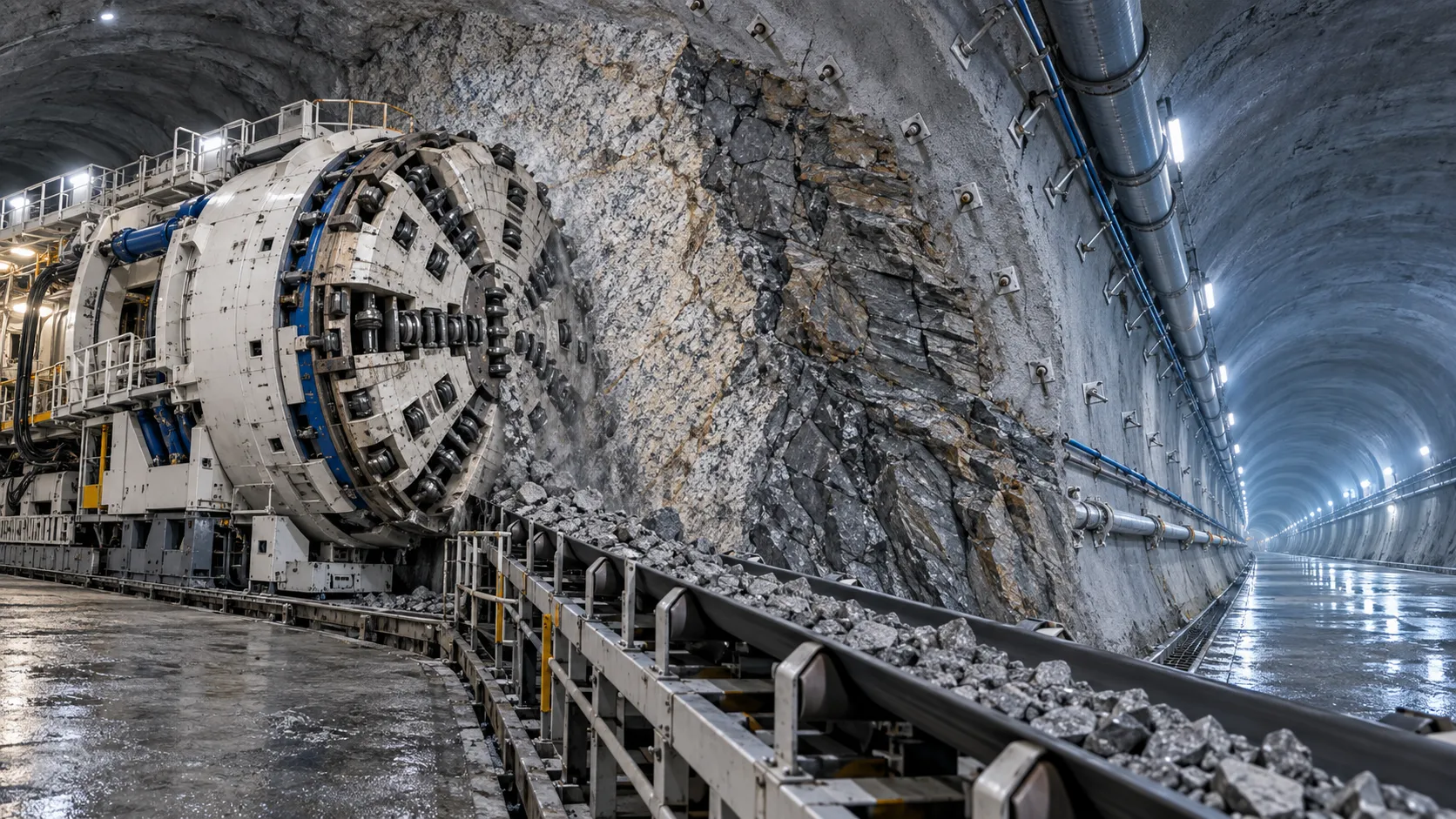
Hydropower Tunnel Excavation: Selecting Methods for Variable Rock Conditions
Hydropower tunnel excavation methods for variable rock conditions: compare TBM, drill-and-blast, and hybrid strategies to improve safety, progress, and project control.
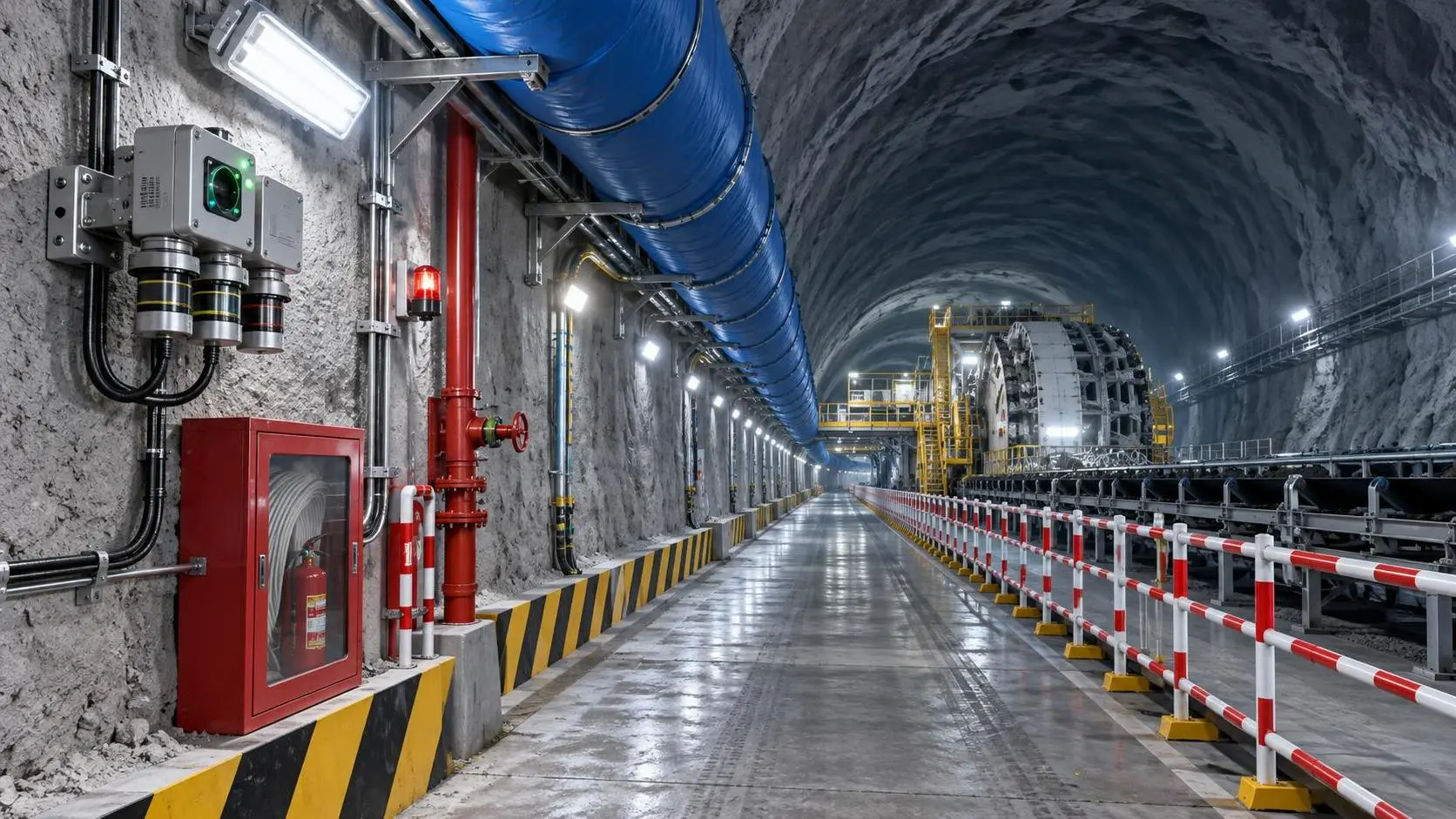
How to Select Underground Safety Equipment for Tunnelling by Hazard and Work Zone
Underground Safety Equipment for tunnelling: match protection to hazards, work zones, compliance, and emergency needs with this practical selection guide.
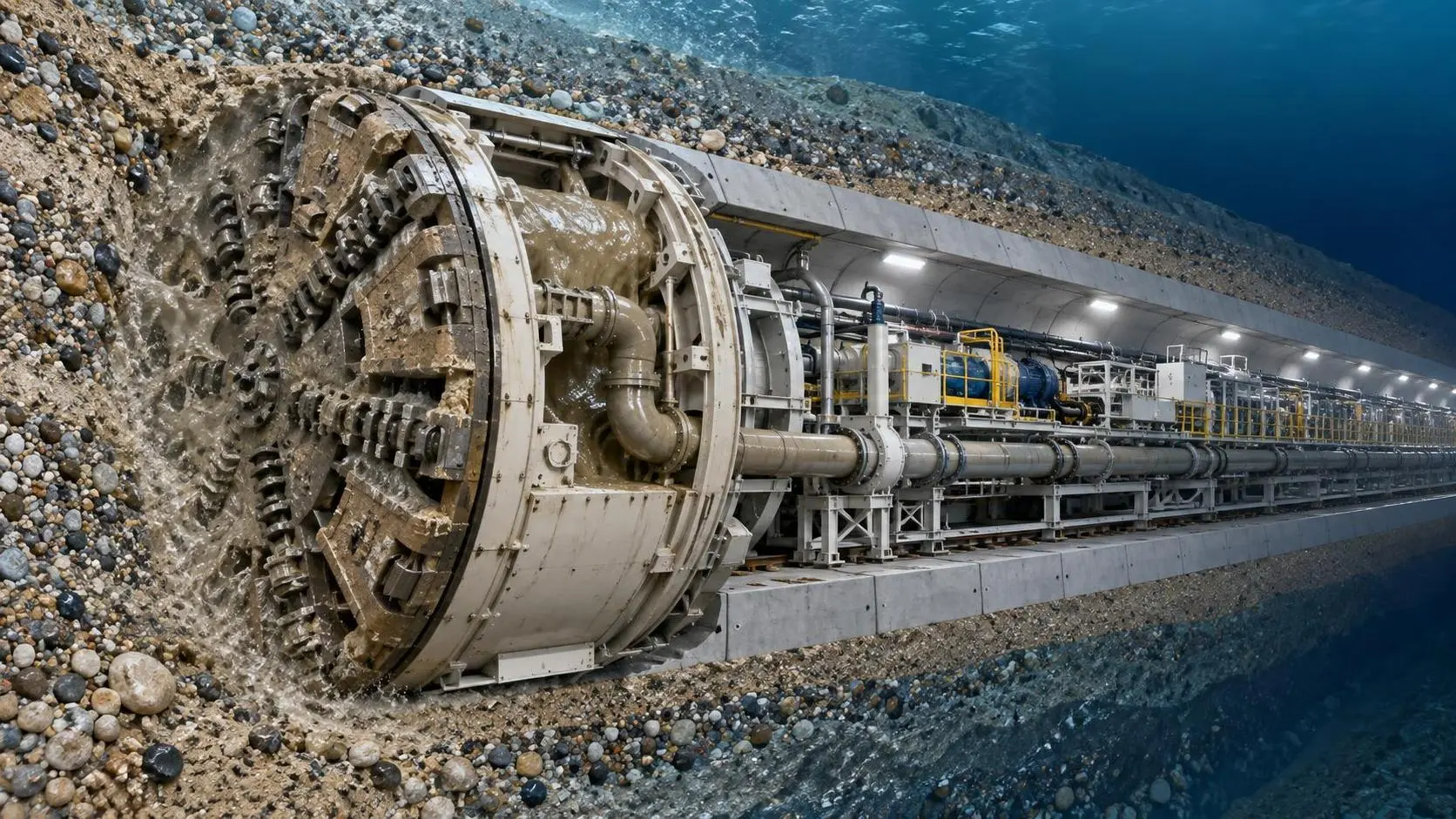
EPB or Slurry Shield? Selecting Soft-Ground Tunnelling Equipment by Soil Conditions
Tunnel Excavation Equipment for soft ground: compare EPB and slurry shields by soil, groundwater, settlement risk, and project logistics to choose confidently.
How to Specify TBM Backup System Parts for Reliable Long-Distance Tunnelling
TBM backup system parts: learn how to specify reliable spares for long-distance tunnelling, reduce downtime, ensure compatibility, and speed underground recovery.
How to Size Open Pit Mining Trucks for Haul Distance, Grade, and Payload?
Open Pit Mining Trucks: learn how to match payload, haul distance, grade, road resistance, and loading capacity for safer, lower-cost mine operations.
Related News
- 00
0000-00
How to Evaluate European Drill-and-Blast Tunnelling Contractors for Complex Projects - 00
0000-00
Which Trenchless Construction Technique Fits Your Utility Crossing Conditions? - 00
0000-00
What Is Driving Metro Tunnelling Demand Across Southeast Asia’s Major Cities? - 00
0000-00
Hard Rock Tunnelling in Australia: Selecting Methods for Variable Ground Conditions - 00
0000-00
Hydropower Tunnel Excavation: Selecting Methods for Variable Rock Conditions
Weekly Insights
Stay ahead with our curated technology reports delivered every Monday.