
Mine ventilation solutions that cut risk and energy loss





Mine Ventilation Solutions are no longer just a compliance tool—they are central to reducing operational risk, controlling airborne hazards, and cutting hidden energy loss across underground mining environments. For quality control and safety managers, the right ventilation strategy supports safer workflows, stronger equipment performance, and more reliable ESG-aligned operations in increasingly deep, automated, and zero-emission mine systems.
Why Mine Ventilation Solutions are becoming a strategic operating priority
Underground mining is entering a new phase of depth, automation, and electrification. That shift changes how air must move, be monitored, and be optimized.
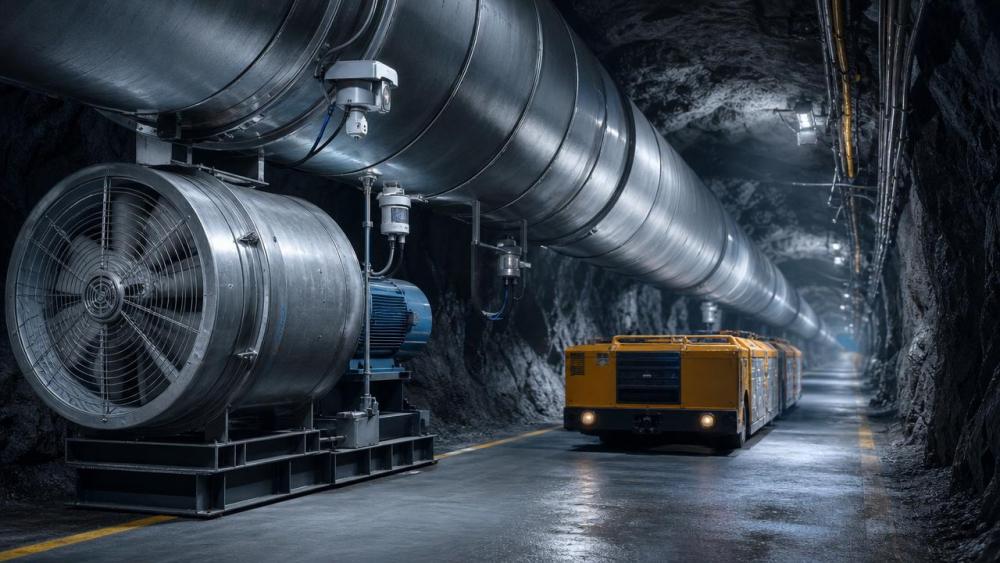
Traditional ventilation plans were often designed around diesel dilution and fixed airflow assumptions. Today, mines face more dynamic heat loads, variable occupancy, and stricter exposure expectations.
Mine Ventilation Solutions now influence safety, productivity, equipment uptime, energy spend, and environmental reporting. In many operations, ventilation has become one of the largest hidden operating costs.
For intelligence-driven platforms such as UTMD, this matters because ventilation intersects with smart underground transport, battery equipment deployment, drilling systems, and digital mine coordination.
The strongest signals show ventilation is shifting from static design to adaptive control
Several industry signals point to a clear transition. Ventilation is moving away from fixed-volume distribution toward condition-based, sensor-linked, energy-aware control.
Deeper headings increase virgin rock temperature. Longer haulage routes create localized heat and dust. Electrified fleets reduce diesel fumes but change thermal and charging profiles.
At the same time, automated LHDs, drilling jumbos, and smart transport systems require more reliable environmental stability. Air quality can no longer be managed as a separate utility layer.
- Real-time gas and dust monitoring is becoming standard, not optional.
- Ventilation-on-demand is replacing oversupply in low-activity zones.
- Energy management systems now track airflow efficiency alongside production metrics.
- Regulators and ESG frameworks increasingly expect measurable exposure control.
What is driving the rise of advanced Mine Ventilation Solutions
The trend is not caused by one factor. It is formed by operational, technical, and governance pressures that now overlap inside the same mine network.
How Mine Ventilation Solutions affect underground performance beyond safety
The first impact is obvious: better air reduces immediate risk. It lowers exposure to dust, diesel particulates, blast fumes, heat stress, and gas accumulation.
The second impact is less visible but often more expensive. Weak ventilation planning causes fan waste, unstable temperatures, slower cycle times, and unplanned equipment derating.
In connected operations, air management also shapes the performance of adjacent systems. Drilling accuracy, battery charging windows, maintenance intervals, and shift utilization all feel the effect.
Operational areas most influenced by ventilation quality
- Development headings with changing blast and dust cycles
- Loading zones used by LHDs and underground haulage units
- Battery charging or swap areas with localized heat release
- Deep transport drifts with extended travel distances
- Maintenance bays where air quality affects service conditions
For integrated underground intelligence, Mine Ventilation Solutions should be treated like a production enabler. They shape system resilience, not just regulatory readiness.
The biggest mistakes now creating risk and energy loss
Many sites still lose performance because ventilation assumptions lag behind actual mine behavior. As geometry changes, airflow plans often remain too static.
- Oversizing airflow everywhere instead of matching supply to active zones.
- Relying on periodic checks instead of continuous sensing.
- Ignoring leakage, damaged ducts, or fan inefficiency over time.
- Separating ventilation decisions from fleet planning and charging schedules.
- Treating electrification as a simple reduction in airflow demand.
These gaps can produce hidden cost escalation. The mine pays more for power while still carrying localized hazard exposure and unstable production conditions.
What deserves attention when evaluating modern Mine Ventilation Solutions
The best approach is not simply stronger fans. It is a coordinated architecture that links airflow, sensing, scheduling, and underground mobility patterns.
Core points worth tracking
- Airflow demand by zone, shift, and activity type
- Dust, gas, and temperature trends in real operating windows
- Fan performance versus actual delivered air volume
- Leakage points in ducts, doors, stoppings, and regulators
- Interaction between electric fleets, charging, and thermal peaks
- Digital integration with dispatch, telemetry, and maintenance systems
This is where UTMD-style intelligence becomes useful. Mines need stitched insight across drilling, haulage, electrification, and underground control layers, not isolated ventilation data.
A practical decision framework for the next stage of ventilation planning
A useful ventilation roadmap should compare present conditions with expected mine evolution. Planning only for current headings creates short-lived gains.
Where the next competitive advantage will likely emerge
The next advantage will likely come from combining Mine Ventilation Solutions with underground automation and electrification planning from the start, not after expansion begins.
Mines that model airflow, heat, dust, traffic, and equipment states together can cut both risk and energy loss more effectively than sites using separate engineering silos.
This approach supports stronger reliability in TBM support zones, drill-and-blast headings, battery LHD routes, and smart transport corridors across modern underground projects.
The next step is to treat ventilation data as operational intelligence
A useful first move is simple. Review where current air distribution no longer matches real mine activity, heat generation, or equipment movement.
Then compare exposure hotspots, fan energy use, and production bottlenecks in the same review cycle. That reveals where Mine Ventilation Solutions can create immediate value.
For deeper underground strategies, UTMD’s intelligence perspective shows why ventilation should be linked with smart mining transport, electrified fleets, and digital control systems. When those layers are stitched together, safer air also becomes a source of measurable efficiency.
Related News
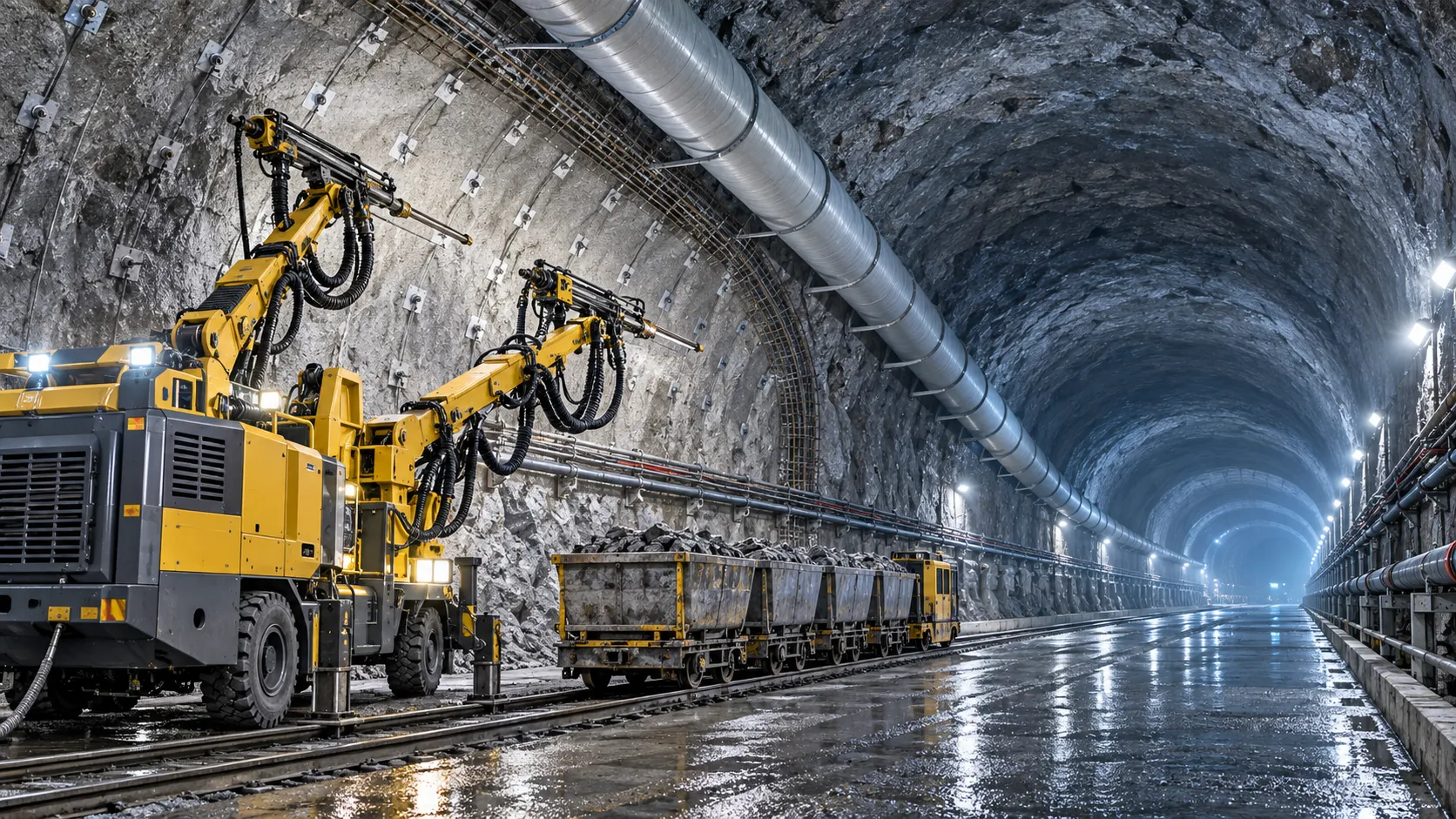
How to Evaluate European Drill-and-Blast Tunnelling Contractors for Complex Projects
Drill and blast tunnelling contractors Europe: learn how to assess geology expertise, blast control, equipment reliability, safety, and programme resilience for complex projects.
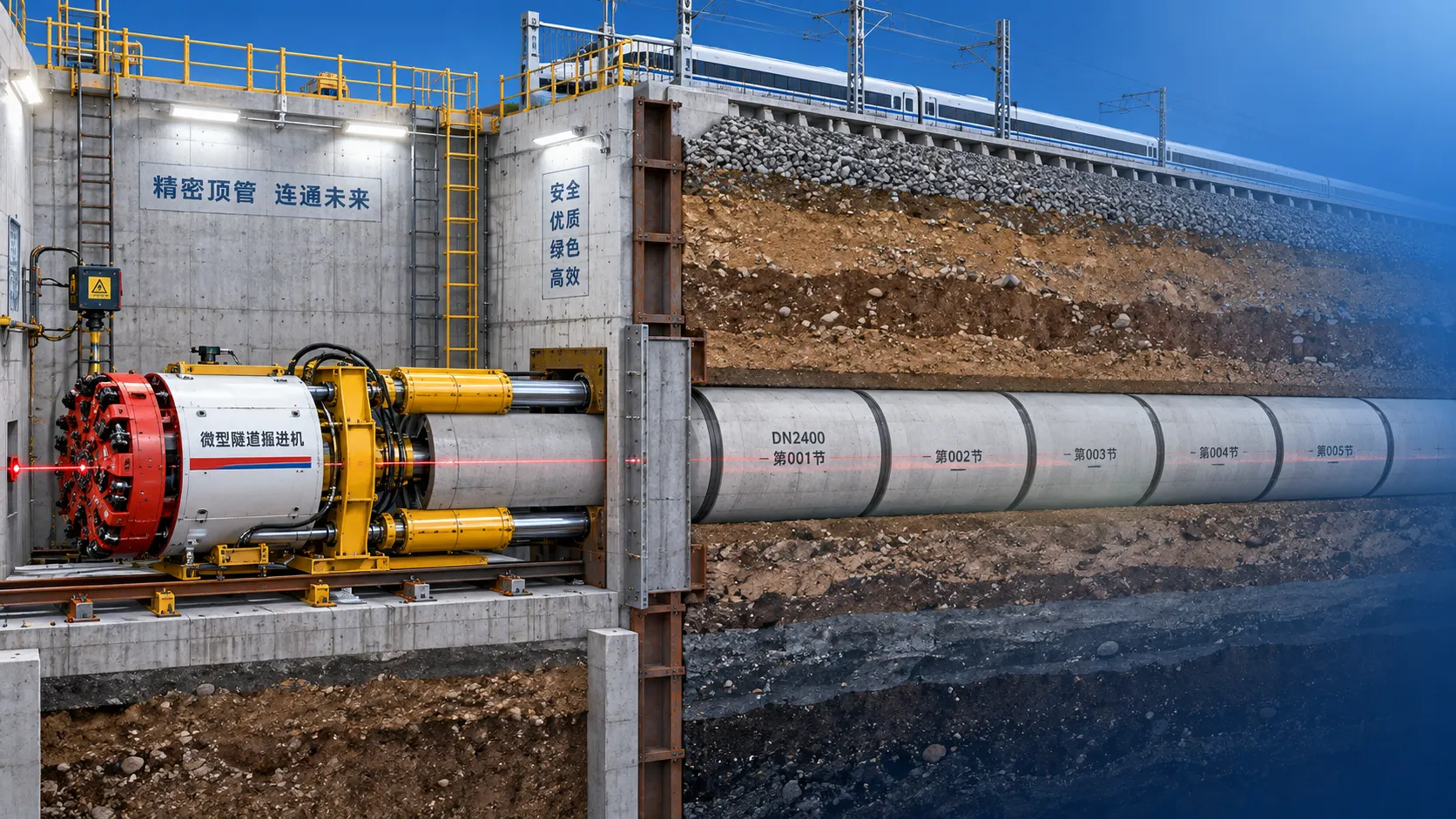
Which Trenchless Construction Technique Fits Your Utility Crossing Conditions?
Trenchless construction techniques compared for utility crossings: choose HDD, microtunnelling, pipe jacking, or auger boring based on ground, accuracy, access, and risk.
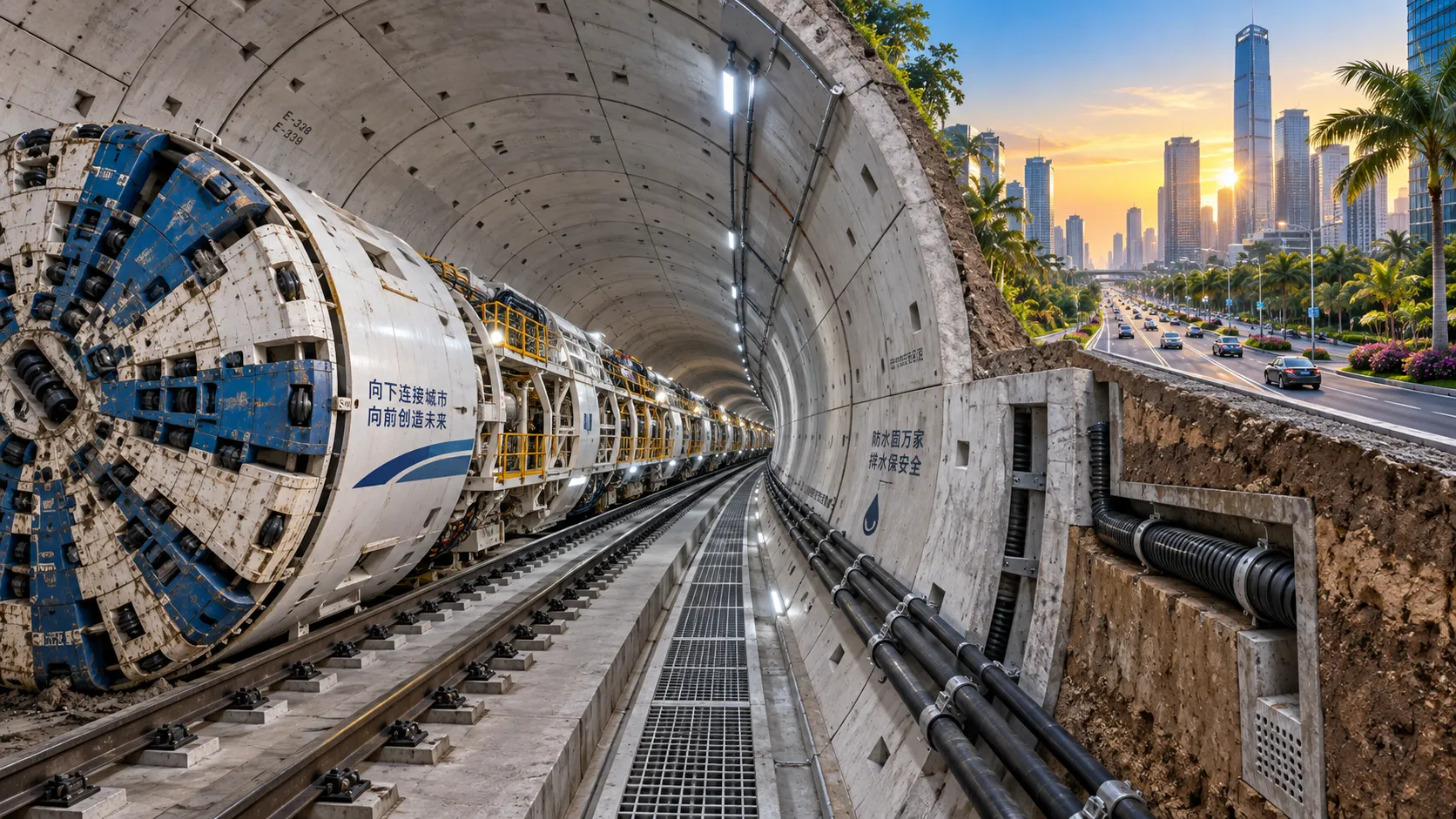
What Is Driving Metro Tunnelling Demand Across Southeast Asia’s Major Cities?
Metro tunnelling Southeast Asia is accelerating as major cities tackle congestion, flooding, and connectivity. Explore the market forces, technical risks, and opportunities shaping demand.
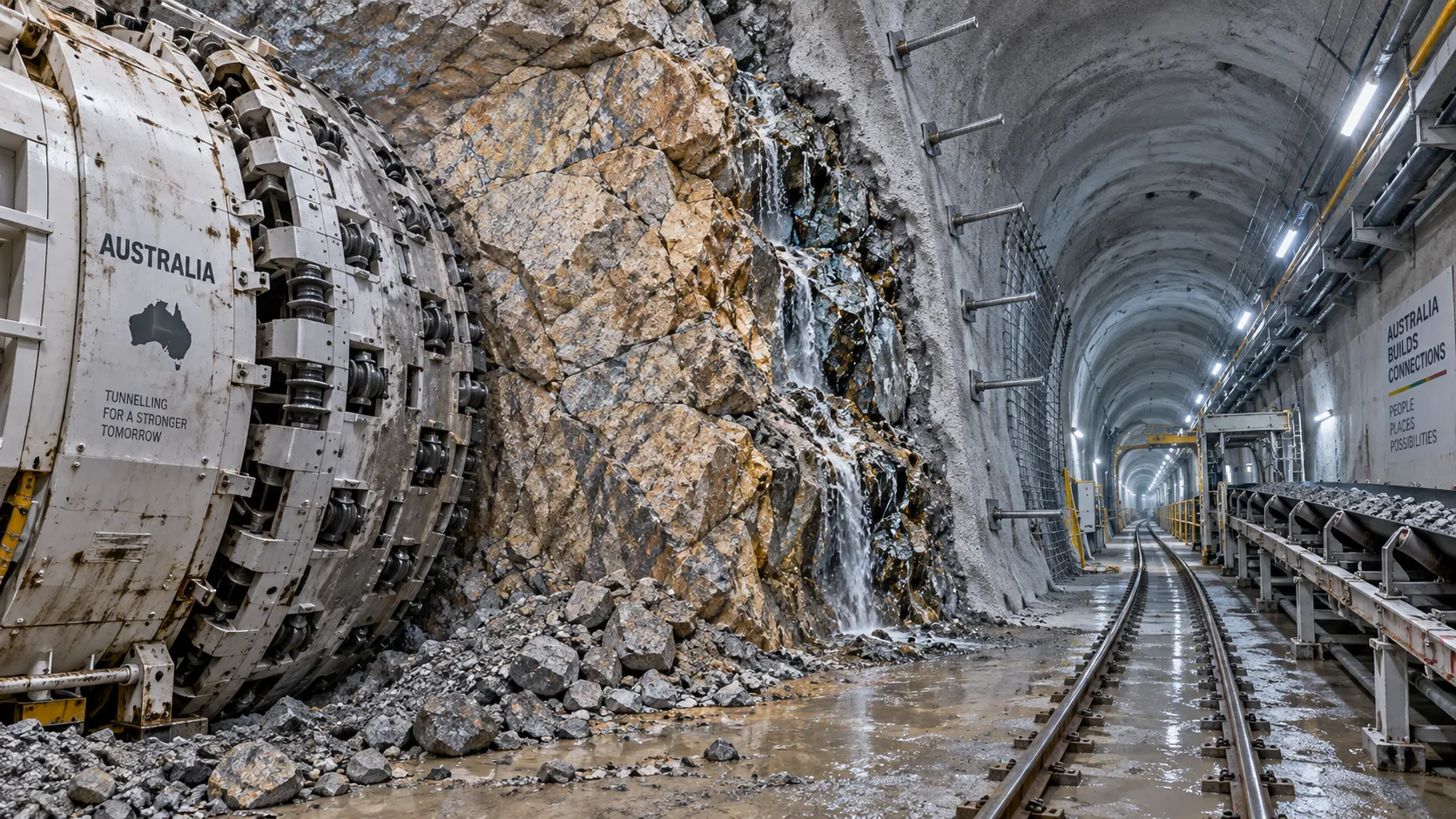
Hard Rock Tunnelling in Australia: Selecting Methods for Variable Ground Conditions
Hard rock tunnelling in Australia: compare TBM, drill-and-blast and hybrid methods to manage variable ground, reduce risk and protect project costs.
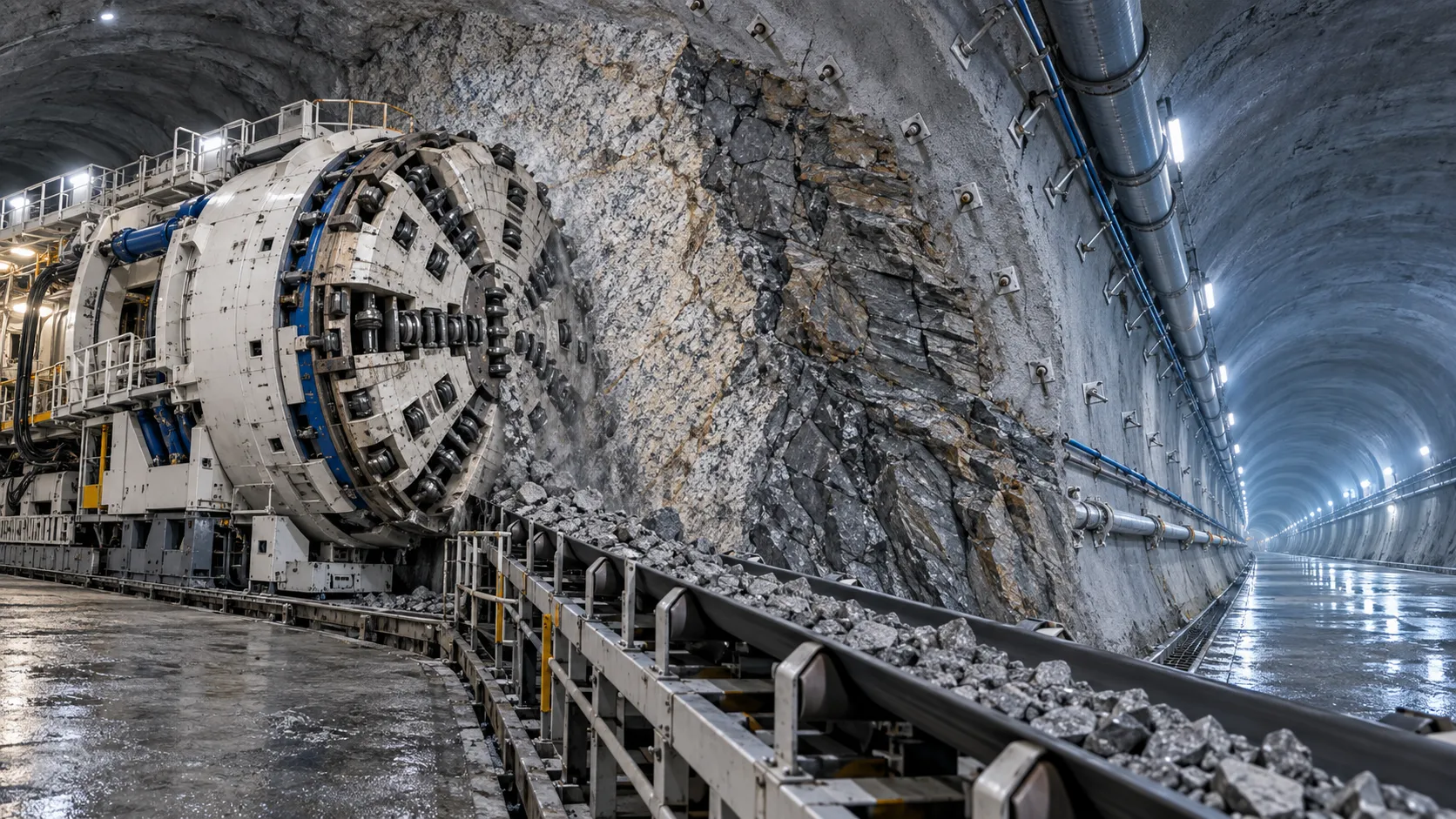
Hydropower Tunnel Excavation: Selecting Methods for Variable Rock Conditions
Hydropower tunnel excavation methods for variable rock conditions: compare TBM, drill-and-blast, and hybrid strategies to improve safety, progress, and project control.
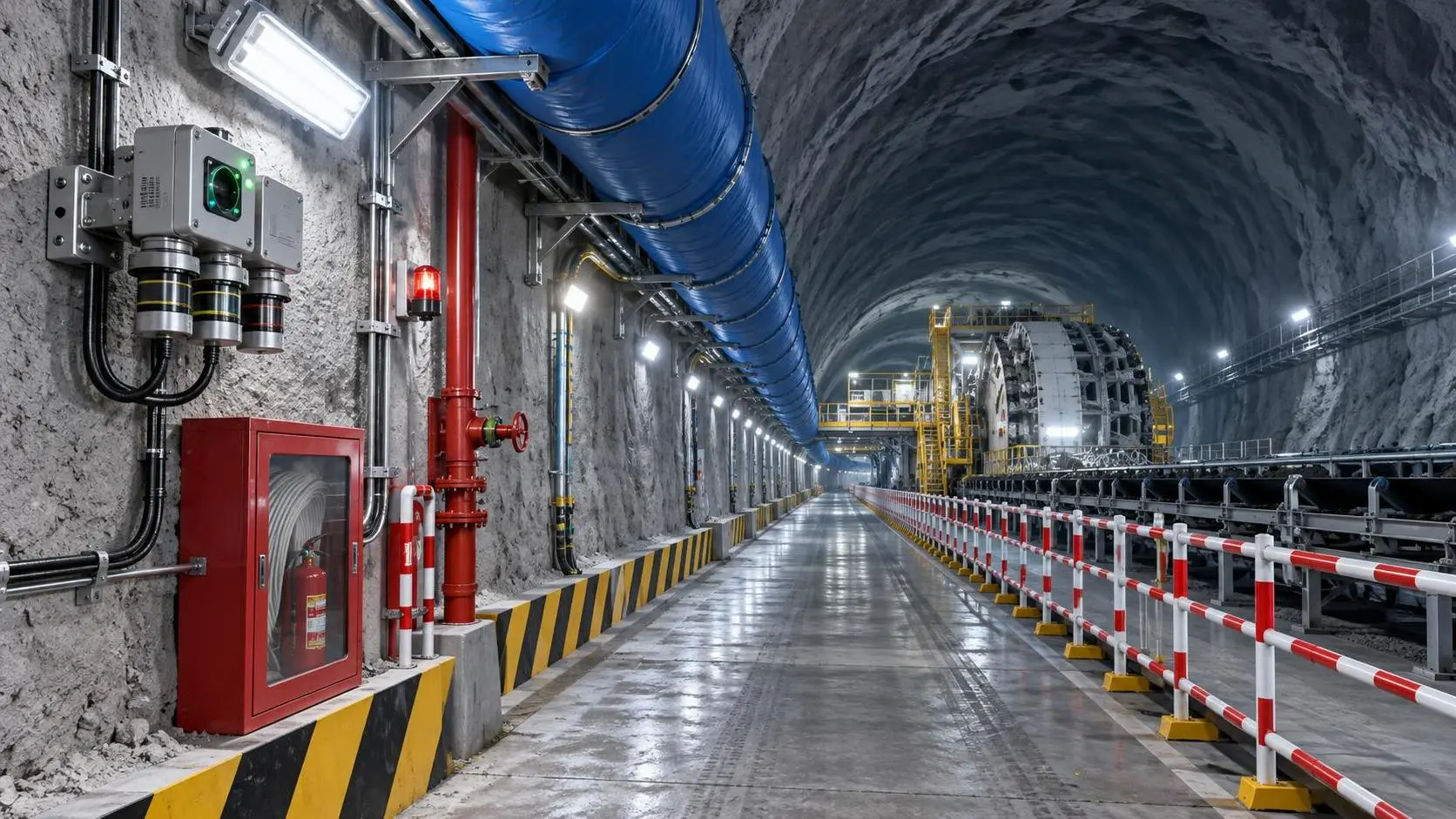
How to Select Underground Safety Equipment for Tunnelling by Hazard and Work Zone
Underground Safety Equipment for tunnelling: match protection to hazards, work zones, compliance, and emergency needs with this practical selection guide.
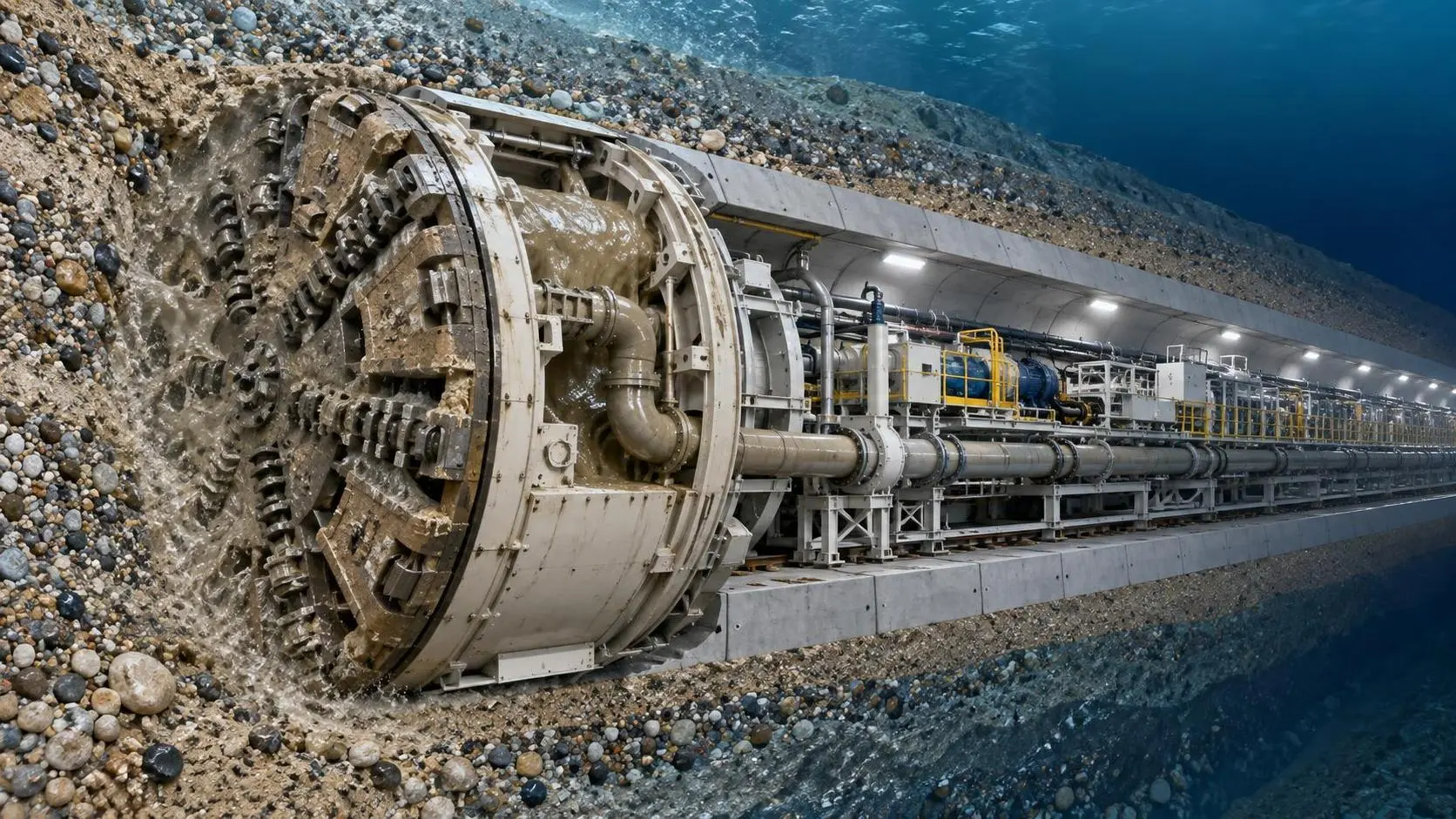
EPB or Slurry Shield? Selecting Soft-Ground Tunnelling Equipment by Soil Conditions
Tunnel Excavation Equipment for soft ground: compare EPB and slurry shields by soil, groundwater, settlement risk, and project logistics to choose confidently.
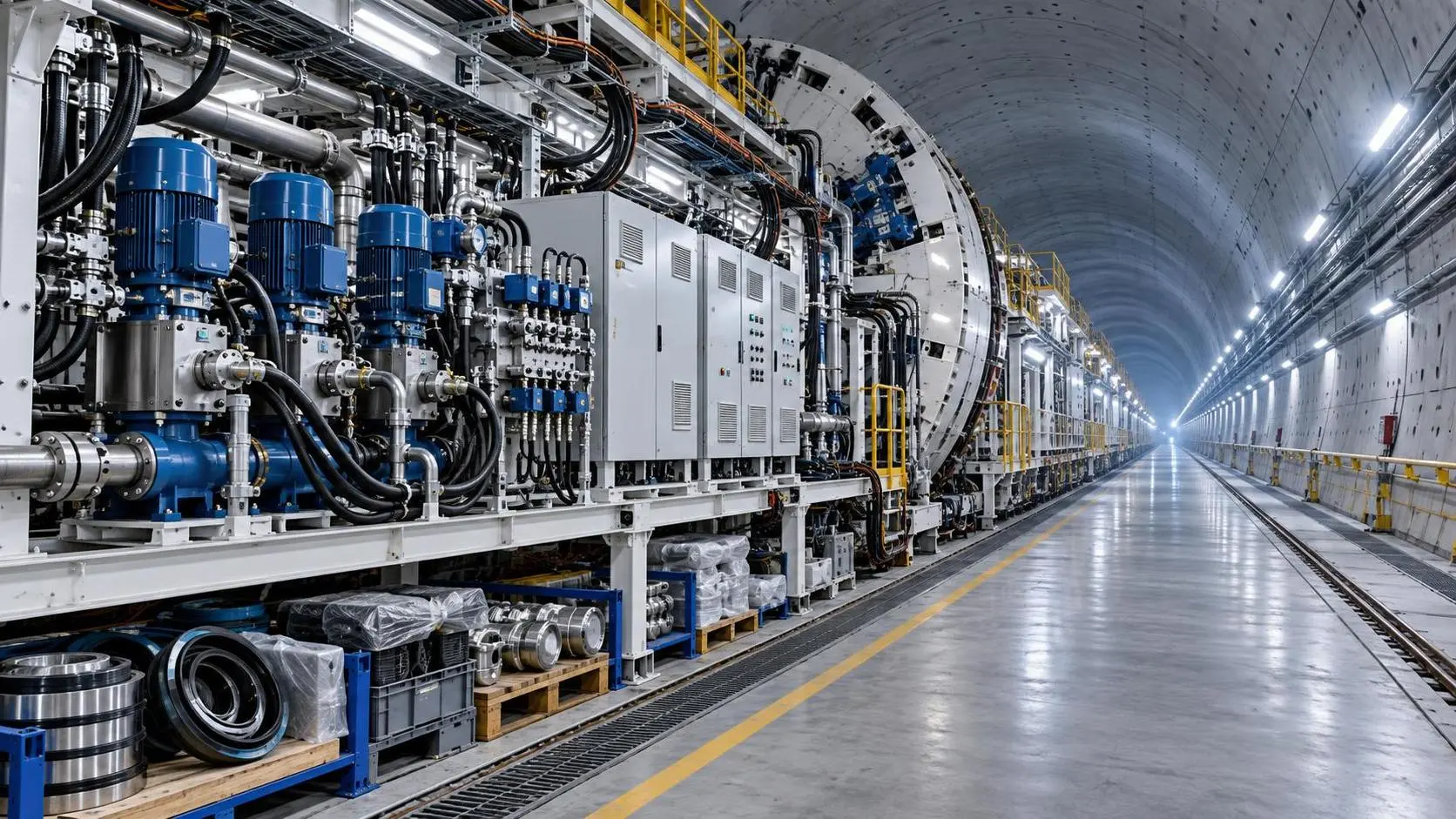
How to Specify TBM Backup System Parts for Reliable Long-Distance Tunnelling
TBM backup system parts: learn how to specify reliable spares for long-distance tunnelling, reduce downtime, ensure compatibility, and speed underground recovery.
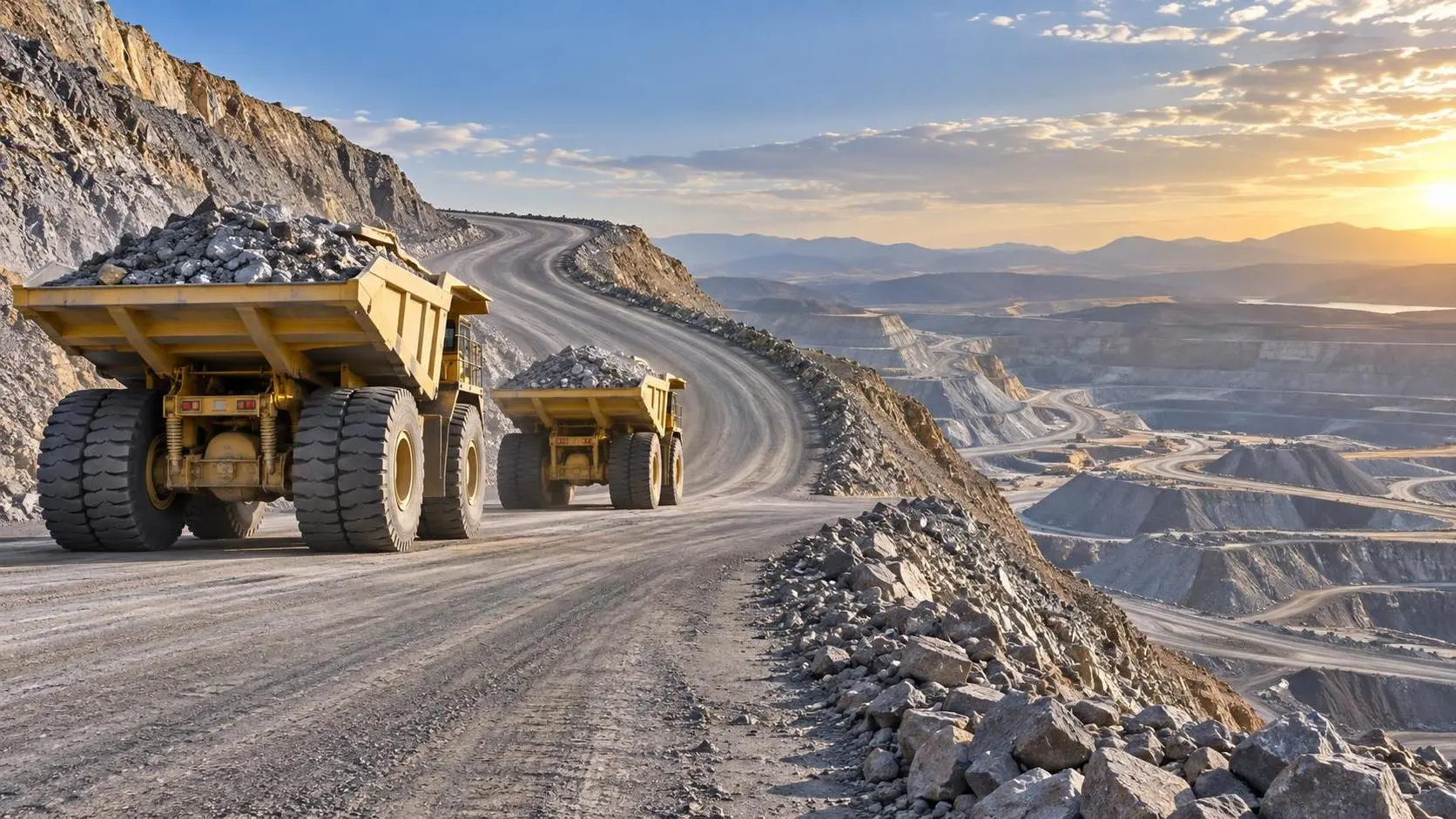
How to Size Open Pit Mining Trucks for Haul Distance, Grade, and Payload?
Open Pit Mining Trucks: learn how to match payload, haul distance, grade, road resistance, and loading capacity for safer, lower-cost mine operations.
Related News
- 00
0000-00
How to Evaluate European Drill-and-Blast Tunnelling Contractors for Complex Projects - 00
0000-00
Which Trenchless Construction Technique Fits Your Utility Crossing Conditions? - 00
0000-00
What Is Driving Metro Tunnelling Demand Across Southeast Asia’s Major Cities? - 00
0000-00
Hard Rock Tunnelling in Australia: Selecting Methods for Variable Ground Conditions - 00
0000-00
Hydropower Tunnel Excavation: Selecting Methods for Variable Rock Conditions
Weekly Insights
Stay ahead with our curated technology reports delivered every Monday.