
Real-Time Underground Mapping Explained: Methods, Accuracy Limits, and Site Use Cases





Real time underground mapping has moved beyond attractive subsurface graphics. In tunnelling, trenchless construction, and mining, it now acts as a live decision layer for alignment control, hazard recognition, and equipment coordination.
That shift matters because underground work is becoming more automated, more electrified, and less tolerant of uncertainty. When a TBM, pipe jacking machine, drilling jumbo, or underground loader operates with incomplete spatial awareness, schedule risk quickly turns into safety risk.
For platforms like UTMD, which track machine intelligence, rock mechanics, trenchless systems, and smart mine transport, the real value lies in understanding where live mapping truly improves confidence and where its limits still require caution.
What real time underground mapping actually includes
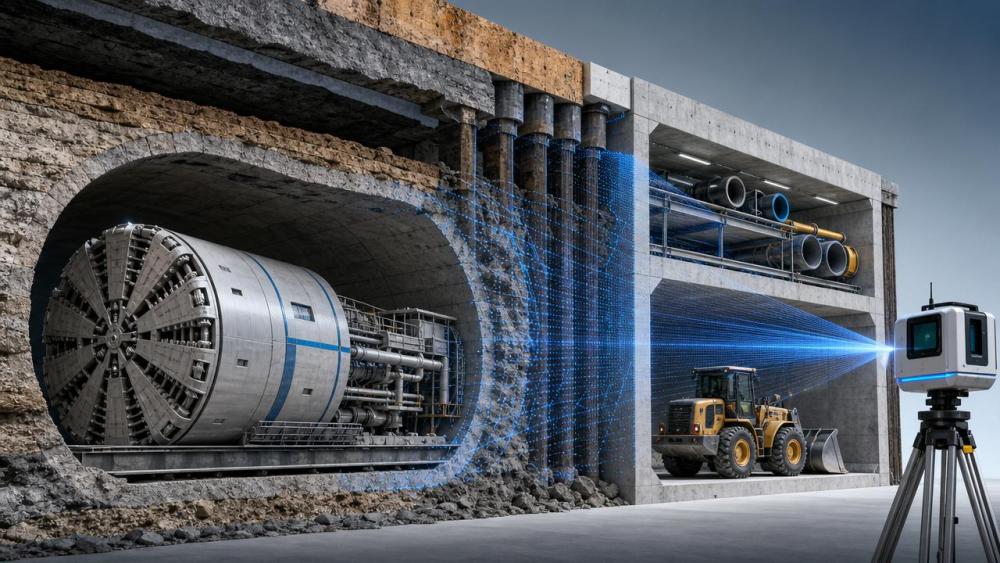
At its core, real time underground mapping combines positioning, sensing, processing, and visualization. The goal is not just to draw a map, but to update subsurface conditions quickly enough to influence active work.
In practice, the mapped target may be different from site to site. One project needs utility detection below a congested road. Another needs tunnel face geometry, void detection, or stope access conditions.
A useful distinction is between static subsurface records and live spatial intelligence. Static records describe what was believed to be underground. Real time underground mapping shows what sensors and machines are detecting now.
That difference becomes critical when geology changes abruptly, legacy utility drawings are incomplete, or autonomous vehicles rely on current tunnel geometry rather than old survey files.
The main methods behind live subsurface mapping
No single method covers every depth, material, and operating condition. Most effective systems blend several data sources, then filter them through software that estimates position, shape, and confidence.
Ground-penetrating and electromagnetic methods
Ground-penetrating radar is widely used for shallow utility mapping. It performs best in dry, less conductive ground and often struggles in clay-rich or water-saturated environments.
Electromagnetic locating supports metallic utility tracing and can work well when target lines are conductive. Its weakness appears when utilities are non-metallic, deeply buried, or crowded together.
Laser scanning and LiDAR
In tunnels and mine workings, LiDAR is central to real time underground mapping. It captures tunnel profiles, overbreak, convergence, and obstruction changes with high speed and useful spatial detail.
Mounted on TBMs, drilling rigs, or underground LHDs, laser systems help create a continuously updated geometric model. They do not see through rock, but they are excellent at tracking exposed space.
Inertial, SLAM, and machine-based positioning
GNSS fades underground, so live mapping often depends on inertial systems, odometry, beacons, and SLAM. These methods estimate position from motion, reference features, or repeated spatial landmarks.
This is especially relevant in smart mining fleets. An underground loader or drilling jumbo can use SLAM to maintain route awareness where visibility, dust, and tunnel repetition make navigation difficult.
Seismic and geophysical updates
For deeper interpretation, seismic or other geophysical methods can help identify anomalies, fractured zones, or ahead-of-face uncertainty. These are valuable, though usually less immediate than surface scanning methods.
The strongest systems fuse these inputs. That fusion matters more than any individual sensor because underground conditions rarely stay stable enough for one sensor type to remain trustworthy everywhere.
Why accuracy limits matter more than map speed
A fast map is useful only when its uncertainty is understood. Real time underground mapping can create false confidence if the visual output looks precise while the underlying measurements drift.
Accuracy is shaped by depth, material conductivity, moisture, sensor noise, line of sight, platform vibration, and reference control quality. Underground, every one of those variables can change over short distances.
In tunnelling, cumulative positional drift can affect segment placement, cross-passage tie-ins, or face interpretation. In trenchless work, a small error may be enough to miss a utility or misjudge a clearance window.
Mining operations face a different version of the same problem. If live maps underestimate wall change, brow instability, or haulage clearance, autonomous or remote equipment can inherit a hidden operating risk.
Usually, the better question is not whether the map is real time. The better question is whether the map carries a clear confidence envelope that operators and planners can actually use.
Where the strongest site value appears
The operational value of real time underground mapping varies by activity. It is highest where conditions change quickly, rework is expensive, and the cost of uncertainty is immediate.
TBM and conventional tunnelling
For TBM operations, live mapping helps align excavation records, segment installation checks, and geological response. It becomes more valuable when linked with cutterhead performance, torque, penetration, and wear patterns.
In drill-and-blast tunnels, updating cavity shape and face condition supports better blast design, scaling decisions, and support planning. That reduces the gap between survey data and field action.
Trenchless and utility corridors
Pipe jacking and microtunnelling projects gain from real time underground mapping when urban congestion leaves little tolerance for line-and-grade error. Utility conflict detection is often the strongest economic case.
A live subsurface picture also helps separate genuine conflict zones from low-risk sections. That can improve intervention timing and reduce unnecessary excavation or traffic disruption.
Underground mining and mobile fleets
Mining benefits extend beyond survey updates. Real time underground mapping supports ventilation route awareness, traffic management, brow monitoring, and autonomous haulage decisions in changing headings.
For zero-emission and remote-controlled fleets, spatial awareness becomes part of productivity. Battery swapping, routing, and dispatch logic all improve when the digital map reflects actual underground conditions.
How to evaluate a mapping system without overrating it
A strong assessment starts with the decision to be supported. If the task is collision avoidance, the tolerance level differs from utility strike prevention or final excavation reconciliation.
It also helps to judge the system as a workflow, not a sensor purchase. Data capture, registration, latency, operator interpretation, and integration with machine control all affect site performance.
- Check whether accuracy is stated by environment, not only under ideal test conditions.
- Ask how the system handles drift, missing data, and conflicting sensor inputs.
- Review latency from capture to decision, especially for active excavation zones.
- Look for confidence scoring rather than clean visuals alone.
- Confirm compatibility with fleet automation, survey software, and geological records.
This is where UTMD-style intelligence becomes useful. Mapping performance is easier to judge when it is connected to equipment behavior, rock conditions, energy transition demands, and the broader move toward automated underground operations.
What deserves attention over the next planning cycle
The next phase of real time underground mapping will be less about standalone scans and more about connected decision systems. Sensor fusion, machine telemetry, geological prediction, and autonomous navigation are moving closer together.
That matters across mega-tunnels, municipal trenchless programs, and smart mines. As electrified fleets and remote operations expand, the quality of underground mapping will influence utilization, maintenance planning, and risk control at the same time.
A practical next step is to define the highest-cost uncertainty on site, then test whether real time underground mapping reduces it measurably. In some cases, that means fewer utility surprises. In others, it means better heading control or safer fleet movement.
When the evaluation stays tied to operating decisions, confidence limits, and integration demands, real time underground mapping becomes easier to judge on substance rather than on software appearance alone.
Related News
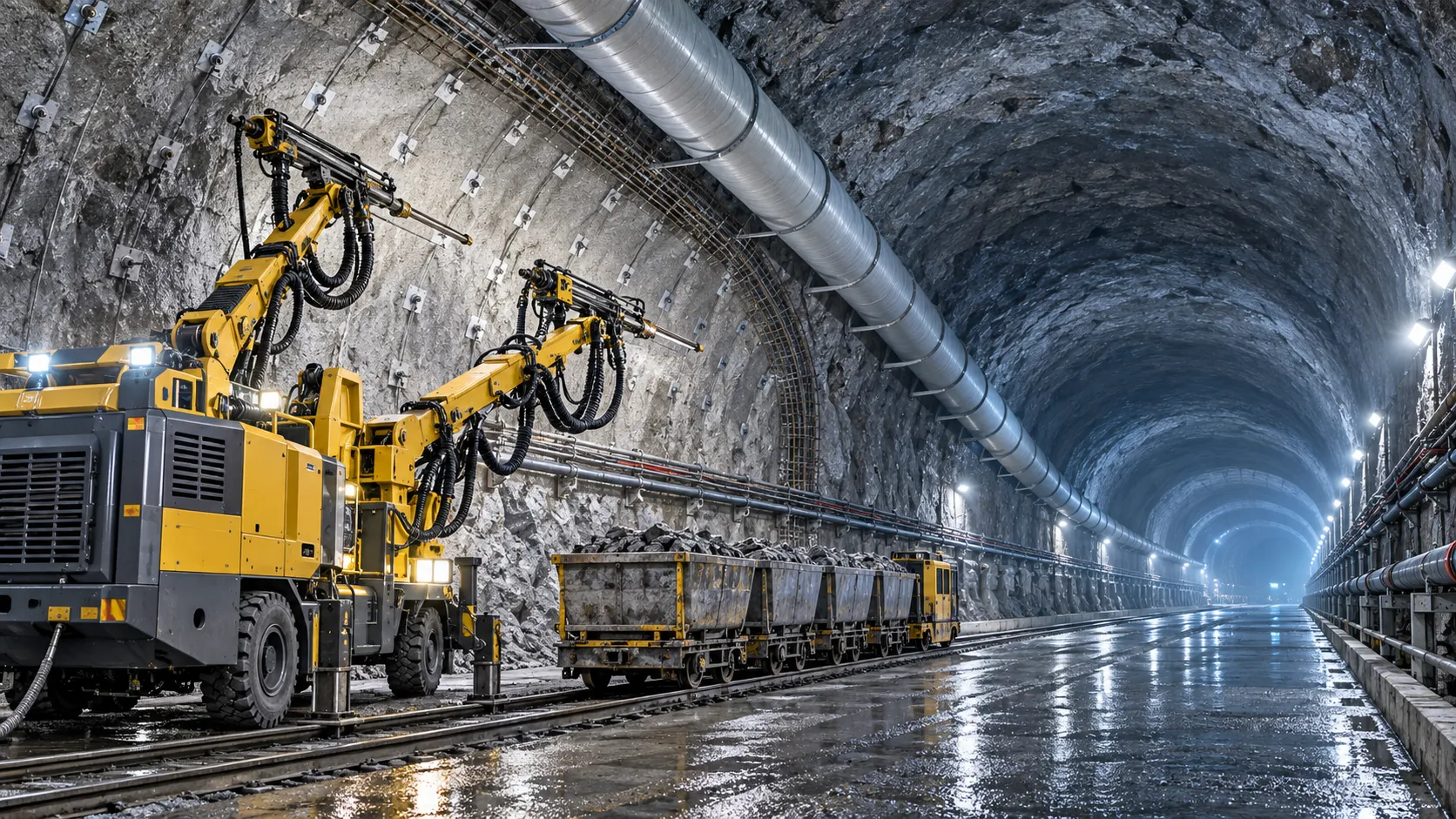
How to Evaluate European Drill-and-Blast Tunnelling Contractors for Complex Projects
Drill and blast tunnelling contractors Europe: learn how to assess geology expertise, blast control, equipment reliability, safety, and programme resilience for complex projects.
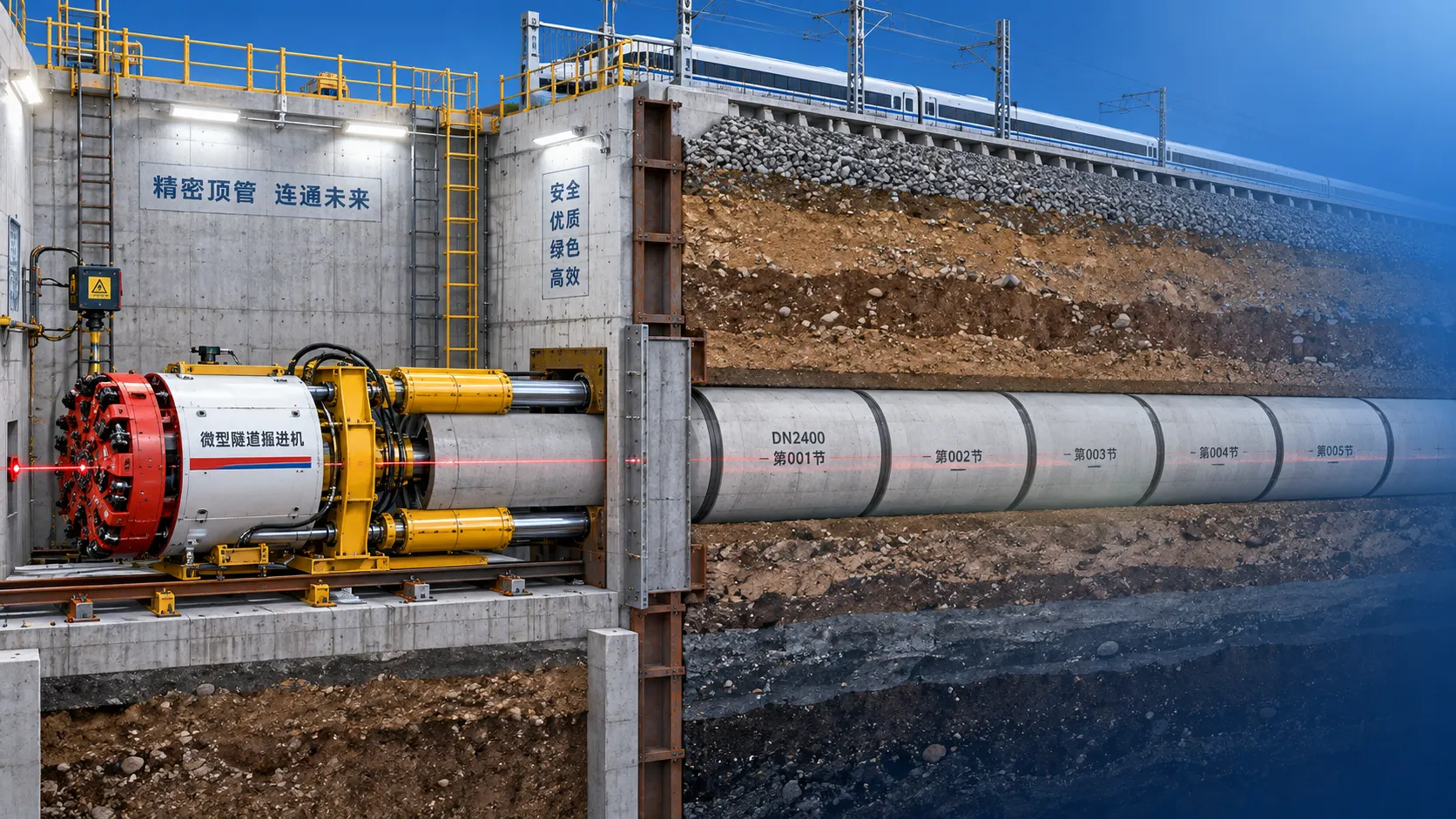
Which Trenchless Construction Technique Fits Your Utility Crossing Conditions?
Trenchless construction techniques compared for utility crossings: choose HDD, microtunnelling, pipe jacking, or auger boring based on ground, accuracy, access, and risk.
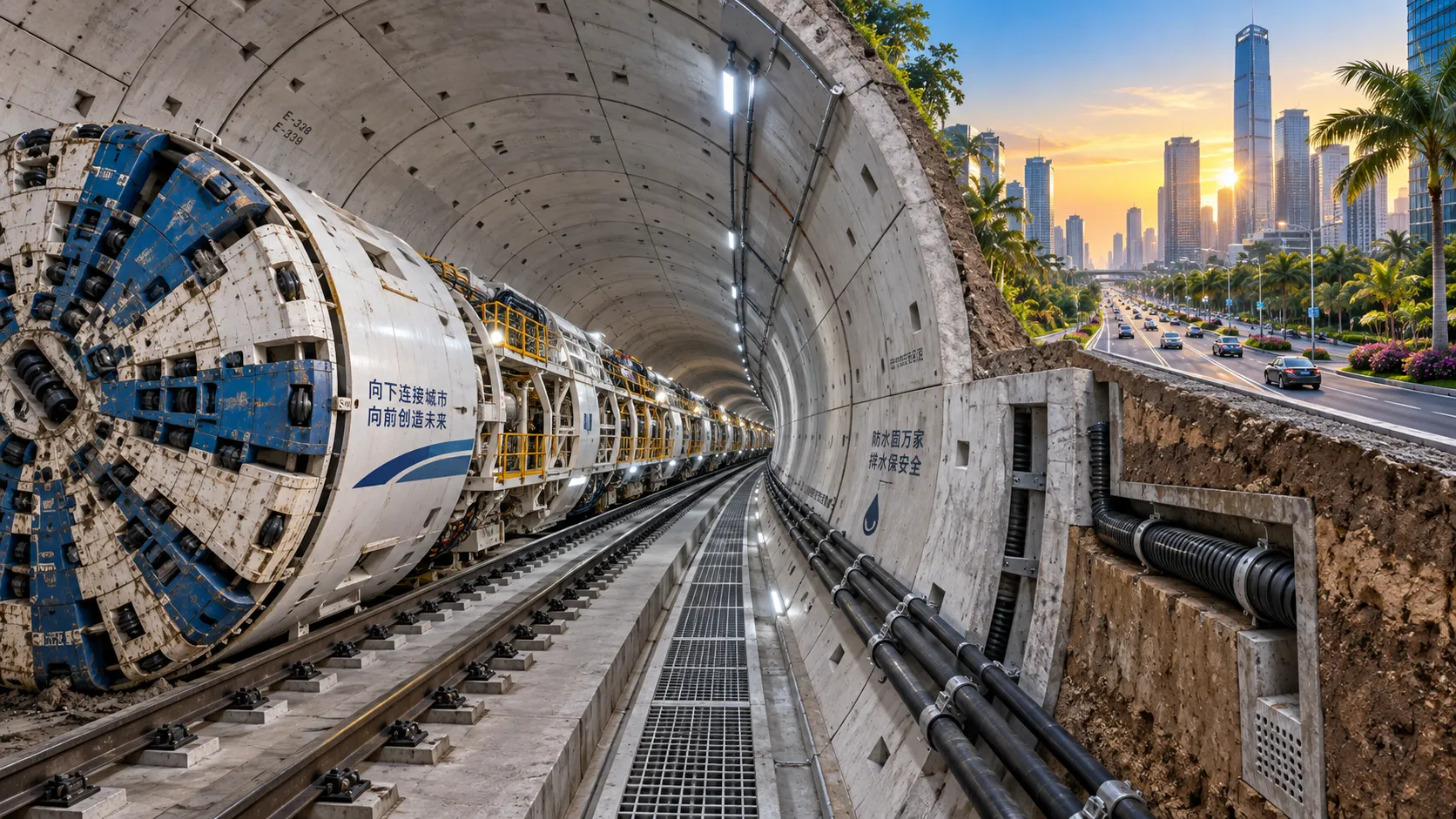
What Is Driving Metro Tunnelling Demand Across Southeast Asia’s Major Cities?
Metro tunnelling Southeast Asia is accelerating as major cities tackle congestion, flooding, and connectivity. Explore the market forces, technical risks, and opportunities shaping demand.
Hard Rock Tunnelling in Australia: Selecting Methods for Variable Ground Conditions
Hard rock tunnelling in Australia: compare TBM, drill-and-blast and hybrid methods to manage variable ground, reduce risk and protect project costs.
Hydropower Tunnel Excavation: Selecting Methods for Variable Rock Conditions
Hydropower tunnel excavation methods for variable rock conditions: compare TBM, drill-and-blast, and hybrid strategies to improve safety, progress, and project control.
How to Select Underground Safety Equipment for Tunnelling by Hazard and Work Zone
Underground Safety Equipment for tunnelling: match protection to hazards, work zones, compliance, and emergency needs with this practical selection guide.
EPB or Slurry Shield? Selecting Soft-Ground Tunnelling Equipment by Soil Conditions
Tunnel Excavation Equipment for soft ground: compare EPB and slurry shields by soil, groundwater, settlement risk, and project logistics to choose confidently.
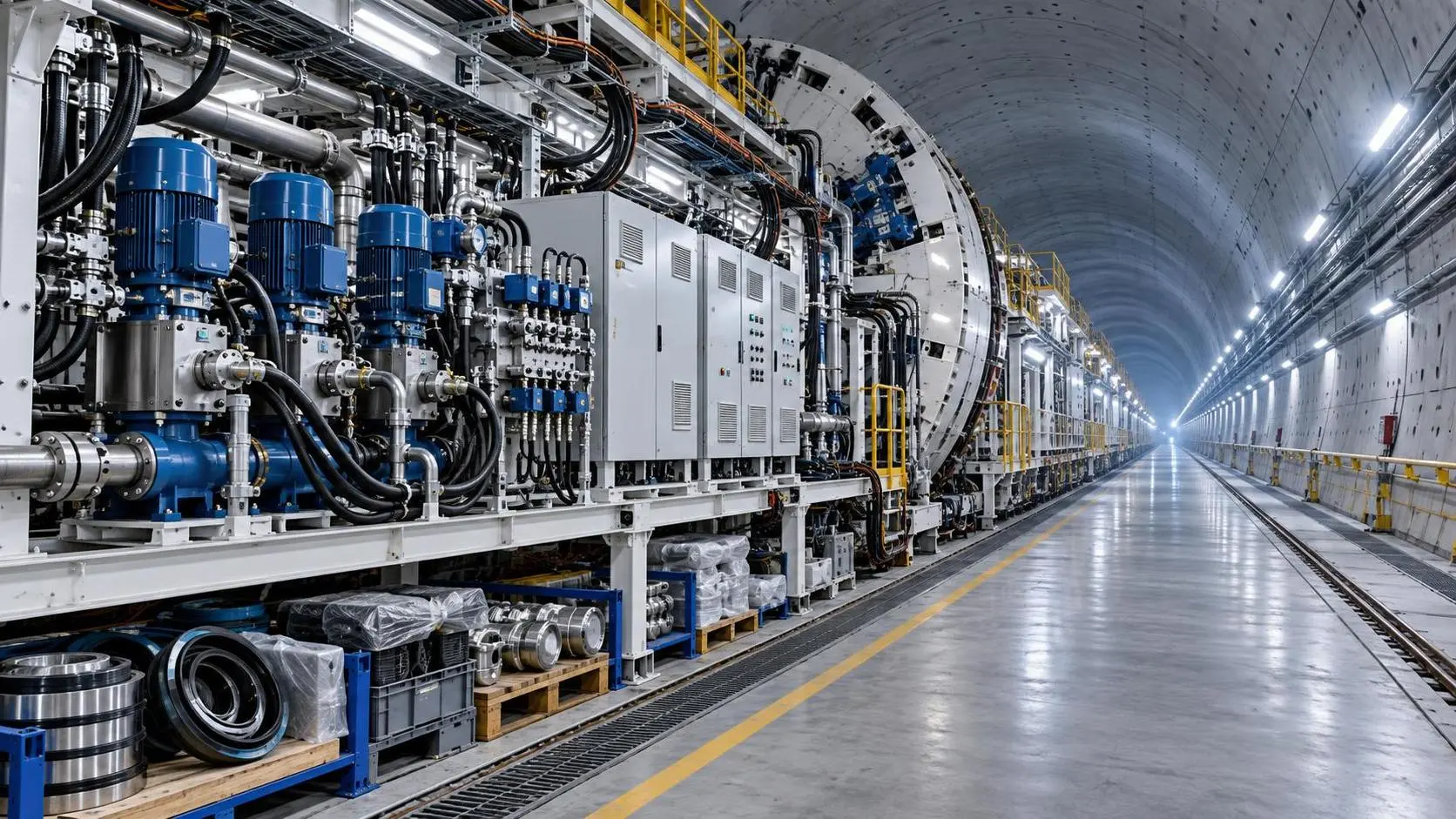
How to Specify TBM Backup System Parts for Reliable Long-Distance Tunnelling
TBM backup system parts: learn how to specify reliable spares for long-distance tunnelling, reduce downtime, ensure compatibility, and speed underground recovery.
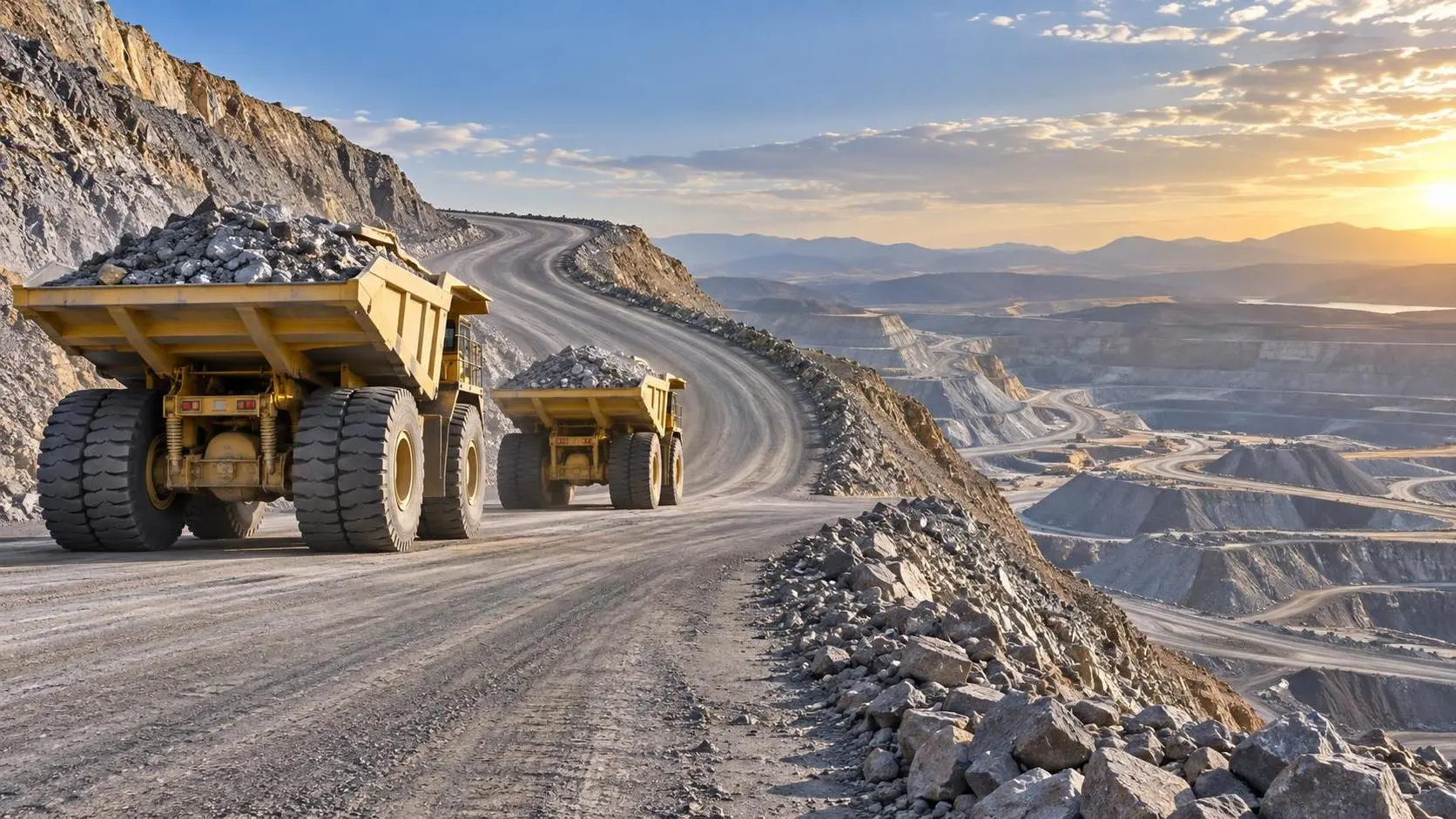
How to Size Open Pit Mining Trucks for Haul Distance, Grade, and Payload?
Open Pit Mining Trucks: learn how to match payload, haul distance, grade, road resistance, and loading capacity for safer, lower-cost mine operations.
Related News
- 00
0000-00
How to Evaluate European Drill-and-Blast Tunnelling Contractors for Complex Projects - 00
0000-00
Which Trenchless Construction Technique Fits Your Utility Crossing Conditions? - 00
0000-00
What Is Driving Metro Tunnelling Demand Across Southeast Asia’s Major Cities? - 00
0000-00
Hard Rock Tunnelling in Australia: Selecting Methods for Variable Ground Conditions - 00
0000-00
Hydropower Tunnel Excavation: Selecting Methods for Variable Rock Conditions
Weekly Insights
Stay ahead with our curated technology reports delivered every Monday.