
Is mining equipment remote control worth the added cost?





For finance decision-makers, the key question is not whether Mining Equipment Remote Control sounds advanced, but whether it delivers measurable returns. In underground mining, the added cost can translate into fewer safety incidents, less downtime, higher equipment utilization, and stronger ESG alignment. Understanding where remote control creates real operational and financial value is essential before approving the investment.
In most cases, the answer is yes—but only when the equipment, mine layout, labor model, and production bottlenecks support the investment case. Remote control is not automatically worth the premium everywhere.
For financial approvers, the real task is to separate high-return use cases from expensive overengineering. The strongest business cases usually appear in hazardous underground zones, ventilation-constrained operations, and mines losing time to shift changes or re-entry delays.
What finance decision-makers are really asking about Mining Equipment Remote Control
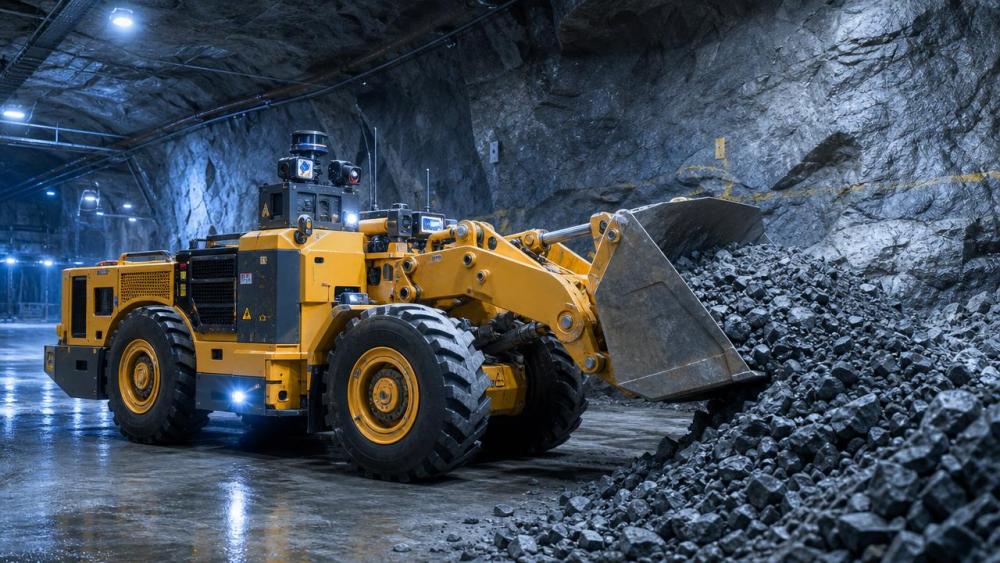
When someone searches whether Mining Equipment Remote Control is worth the added cost, they are rarely asking about the technology itself. They are asking whether it improves economics enough to justify capital and operating expenses.
That means four questions matter most. Will it reduce recordable incidents and exposure-related losses? Will it increase production time? Will it lower total operating cost per tonne? And how long will payback take?
For a financial audience, the discussion should not start with innovation language. It should start with cash flow, asset utilization, risk reduction, insurance implications, labor efficiency, and the mine-specific constraints limiting output today.
In underground mining, remote control often delivers value because the operating environment is unusually hostile. Heat, dust, fall-of-ground risk, diesel exposure, poor visibility, and blast-zone restrictions all make human proximity expensive.
If remote operation allows machines to work while operators remain outside higher-risk areas, the mine may gain not only safety benefits but also more consistent operating hours and fewer interruptions tied to access restrictions.
Where the added cost usually pays back fastest
Not every machine or site needs remote control. The strongest financial cases typically come from underground LHD loaders, drilling equipment, and specialty units working in narrow headings, drawpoints, production stopes, or post-blast zones.
In these environments, operator exposure is costly in both direct and indirect ways. Delayed entry after blasting, ventilation waiting time, geotechnical inspection pauses, and fatigue-related slowdowns all erode productive hours without always appearing clearly in purchase comparisons.
Mining Equipment Remote Control becomes more compelling when the mine already suffers from one of three issues: unsafe manual proximity, underutilized equipment due to access restrictions, or production delays caused by people rather than machine capability.
For example, a remotely operated underground LHD can start mucking sooner after blasting if personnel do not need to enter the area immediately. Even a modest gain in daily active hours can materially improve annual tonnage.
Likewise, in deep mines with tight ventilation budgets, remote operation can support fewer people in active headings. That does not eliminate ventilation demand, but it can help align manpower exposure with practical underground constraints.
The economics become even stronger when a mine is already investing in electrification, automation, or digital communications. In that case, remote control is not a standalone luxury; it is part of a broader productivity architecture.
How remote control creates measurable financial value
To judge whether the extra cost is justified, finance teams should focus on value channels that can be quantified. Safety is important, but approval often depends on whether safety benefits also connect to measurable operating performance.
The first value channel is reduced incident cost. Fewer personnel in high-risk zones can mean fewer injuries, fewer compensation events, lower disruption from investigations, and less unplanned shutdown time after serious safety incidents.
The second is improved equipment utilization. If a machine spends less time waiting for area clearance, operator transfer, or hazardous zone entry protocols, utilization rises. Higher utilization improves return on capital already committed to the asset fleet.
The third is cycle-time stability. Remote operation can smooth production in areas where manual driving is slowed by poor visibility, rockfall concern, or operator stress. Better consistency improves planning, fleet coordination, and downstream material flow.
The fourth is workforce efficiency. Remote control may allow one trained operator to work from a safer centralized station, reduce travel to active headings, and support more flexible shift coverage. In difficult labor markets, this can be highly valuable.
The fifth is ESG and regulatory alignment. Although this benefit is harder to model, reducing human exposure, diesel-related health risks, and unnecessary underground presence can strengthen compliance and support broader sustainability commitments.
Finance teams should also recognize a strategic value channel: resilience. Mines adopting remote-capable systems may be better positioned for later automation, tele-remote supervision, data integration, and mixed fleets of battery-electric equipment.
What costs should be included before approving the investment
A common mistake is comparing only the machine purchase premium against expected labor savings. That approach almost always understates both the true cost and the true potential benefit of Mining Equipment Remote Control.
The full cost stack usually includes onboard control hardware, cameras, sensors, communication infrastructure, control stations, software licenses, integration work, operator training, cybersecurity controls, and service support arrangements.
In underground mines, communications quality is especially important. If wireless coverage is weak, signal latency is inconsistent, or network redundancy is inadequate, remote control performance may disappoint and undermine the business case.
Maintenance implications also matter. More electronics and sensing components can increase troubleshooting complexity. Spare parts planning, technician capability, and vendor responsiveness should be included in total cost of ownership calculations.
There may also be hidden implementation costs. Standard operating procedures may need revision, supervisors may require new oversight tools, and production scheduling may need adaptation before the mine captures the expected utilization gains.
For this reason, a sound approval process should compare full lifecycle cost against full lifecycle value, not just upfront capex against an optimistic estimate of annual savings.
How to calculate whether the premium is worth it
For finance approvers, the most useful framework is a site-specific payback model built around current bottlenecks. Start with the problem the mine is trying to solve, not the vendor feature list.
First, quantify lost productive time tied to manual operation. Measure waiting time after blasting, delays from restricted access, operator travel time, shift-change idle time, and downtime linked to hazardous conditions or low visibility.
Second, estimate utilization improvement. Even a 5% to 10% increase in productive machine hours can have major impact if the equipment works in a constrained production chain or in a high-margin ore zone.
Third, include safety-related cost avoidance where credible. This may include lower injury exposure, fewer disruption events, reduced contractor access in hazardous zones, and potential insurance or compliance benefits.
Fourth, model labor effects carefully. The value is not always headcount reduction. In many mines, the real gain is better deployment of scarce skilled operators, less fatigue, improved retention, and more stable scheduling.
Fifth, stress-test the assumptions. Build base-case, upside, and downside scenarios. If payback works only under perfect utilization and zero implementation delay, the investment case is weak.
A practical benchmark is whether the remote-control premium can be repaid through a combination of recovered production hours, lower disruption, and risk reduction within an acceptable investment horizon for the operation.
When Mining Equipment Remote Control is not worth the added cost
There are also clear situations where the premium may not make sense. If the mine has stable access, low exposure risk, good visibility, minimal re-entry delays, and no meaningful utilization constraint, the return may be limited.
It may also be a poor fit when site communications are unreliable, management commitment is weak, or operators are not prepared to adopt new workflows. Technology that is technically installed but operationally underused destroys value.
Short mine life is another warning sign. If the remaining operational horizon is too limited, the site may not recover integration and training costs unless the equipment can be transferred easily to another suitable location.
Similarly, if the machine is not on a production-critical path, gains in that unit may not translate into higher throughput. A remote-controlled asset that does not relieve the real bottleneck may look impressive while delivering weak financial impact.
Finance leaders should also be cautious when the supplier business case depends heavily on vague language such as future readiness or innovation leadership without clear site-level numbers supporting near-term operational benefits.
Key questions finance teams should ask vendors and operations leaders
Before approving capital, finance teams should ask operations leaders one simple question: where exactly are we losing money today that remote control will fix? If the answer is unclear, the project is not ready.
Ask vendors for evidence from comparable mine conditions, not generic case studies. Orebody geometry, cycle profile, ground conditions, ventilation limits, and operator practices all affect whether claimed results are transferable.
Request a breakdown of required infrastructure, implementation timeline, training load, expected availability, and support obligations. Clarify what performance depends on site readiness versus what the supplier guarantees directly.
Ask how success will be measured in the first six and twelve months. Useful metrics include active operating hours, tonnes moved per shift, post-blast restart time, incident exposure hours, operator productivity, and maintenance-related downtime.
Finally, ask what happens if the mine later expands into tele-remote fleets, battery-electric machines, or semi-autonomous operation. A remote-control investment should ideally fit into a scalable technology roadmap rather than remain isolated.
Strategic value beyond immediate payback
Although immediate ROI is central, financial approvers should not ignore strategic upside. Remote control can act as a transitional step between conventional operation and more advanced automation in underground mining systems.
For organizations pursuing zero-emission fleets, smart mine programs, or centralized operations centers, Mining Equipment Remote Control can provide practical operating experience with digital workflows, sensor dependence, and human-machine coordination.
That strategic value should not override weak economics. But when the near-term business case is already positive, future compatibility with electrification, autonomous haulage, or integrated mine intelligence can strengthen the investment rationale.
This is especially relevant in modern underground operations where communications, machine data, and remote supervision are becoming part of competitive performance rather than optional experimentation.
Conclusion: worth it when it solves a real bottleneck
So, is Mining Equipment Remote Control worth the added cost? For many underground mining applications, yes—if it directly reduces exposure, unlocks productive hours, improves utilization, or supports a critical transition in how the mine operates.
For finance decision-makers, the right conclusion is not that remote control is universally valuable. It is that the investment becomes compelling when linked to measurable bottlenecks, realistic implementation assumptions, and site-specific cost modeling.
The strongest approvals come from disciplined analysis: identify where manual operation is expensive, quantify lost time and risk, include full lifecycle cost, and test whether the premium produces durable operational gains.
If the mine can clearly show safer production, more available machine hours, and improved asset productivity, remote control is not just added cost. It becomes a financially defensible lever for performance, resilience, and long-term competitiveness.
Related News
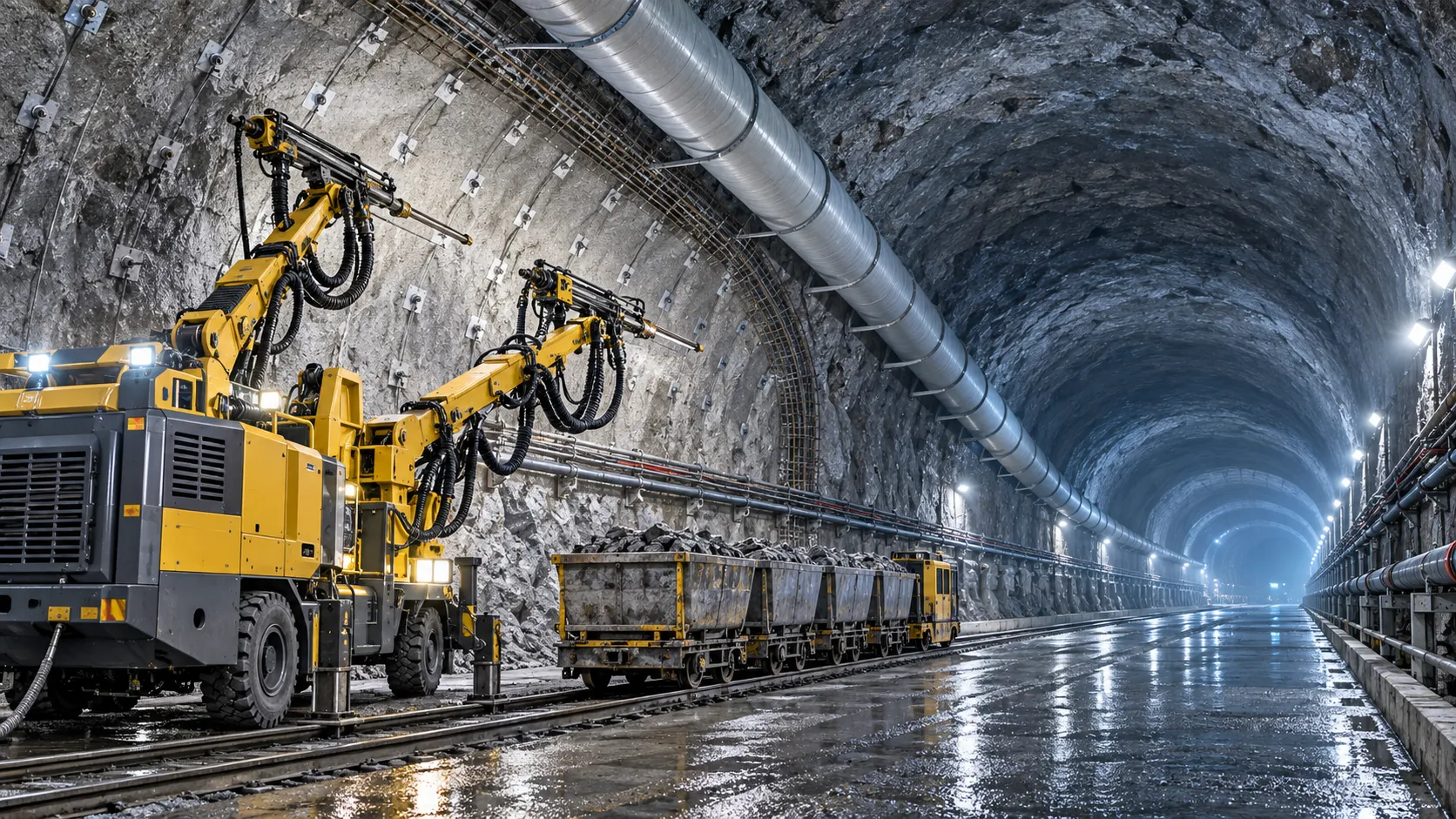
How to Evaluate European Drill-and-Blast Tunnelling Contractors for Complex Projects
Drill and blast tunnelling contractors Europe: learn how to assess geology expertise, blast control, equipment reliability, safety, and programme resilience for complex projects.
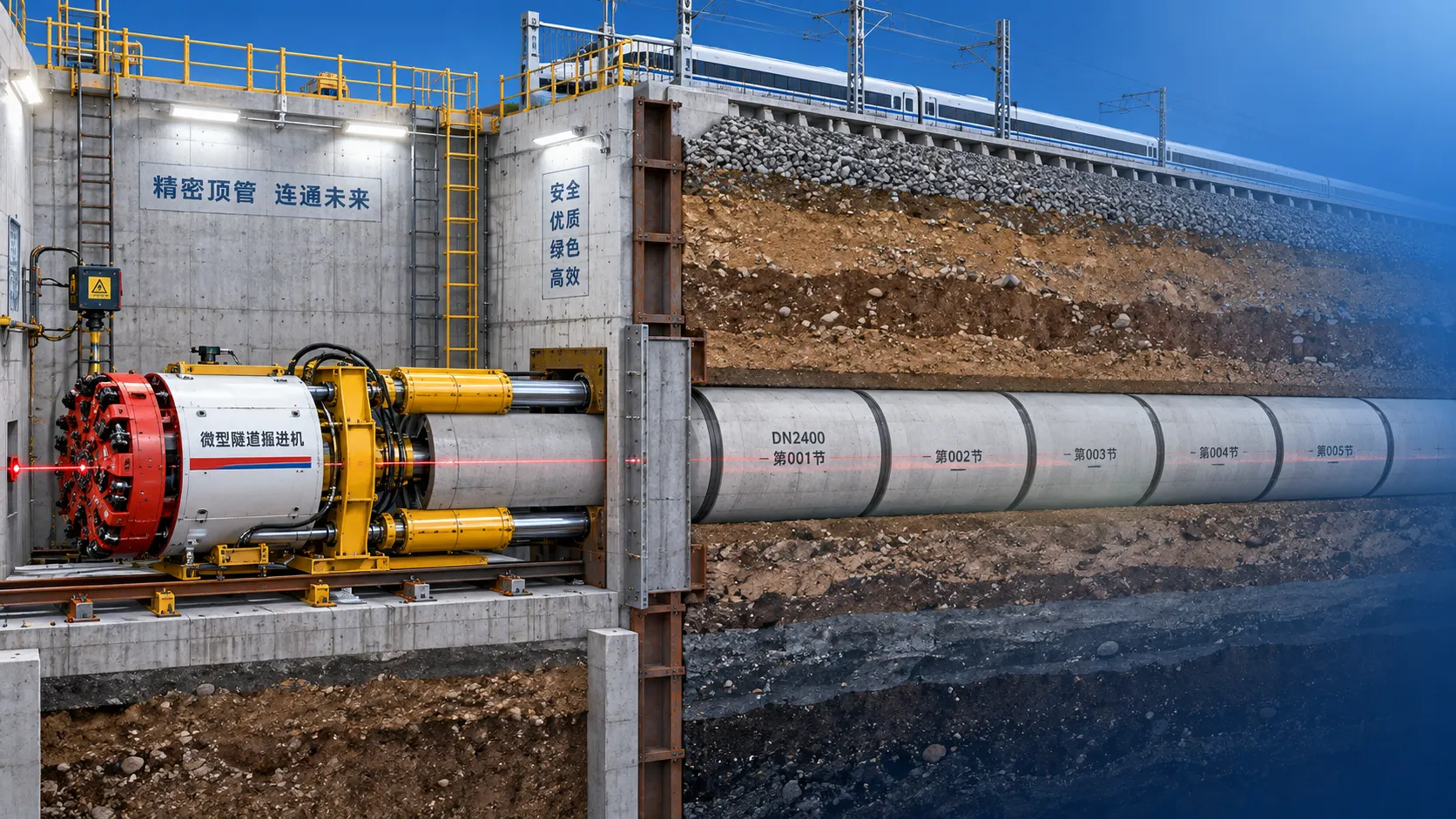
Which Trenchless Construction Technique Fits Your Utility Crossing Conditions?
Trenchless construction techniques compared for utility crossings: choose HDD, microtunnelling, pipe jacking, or auger boring based on ground, accuracy, access, and risk.
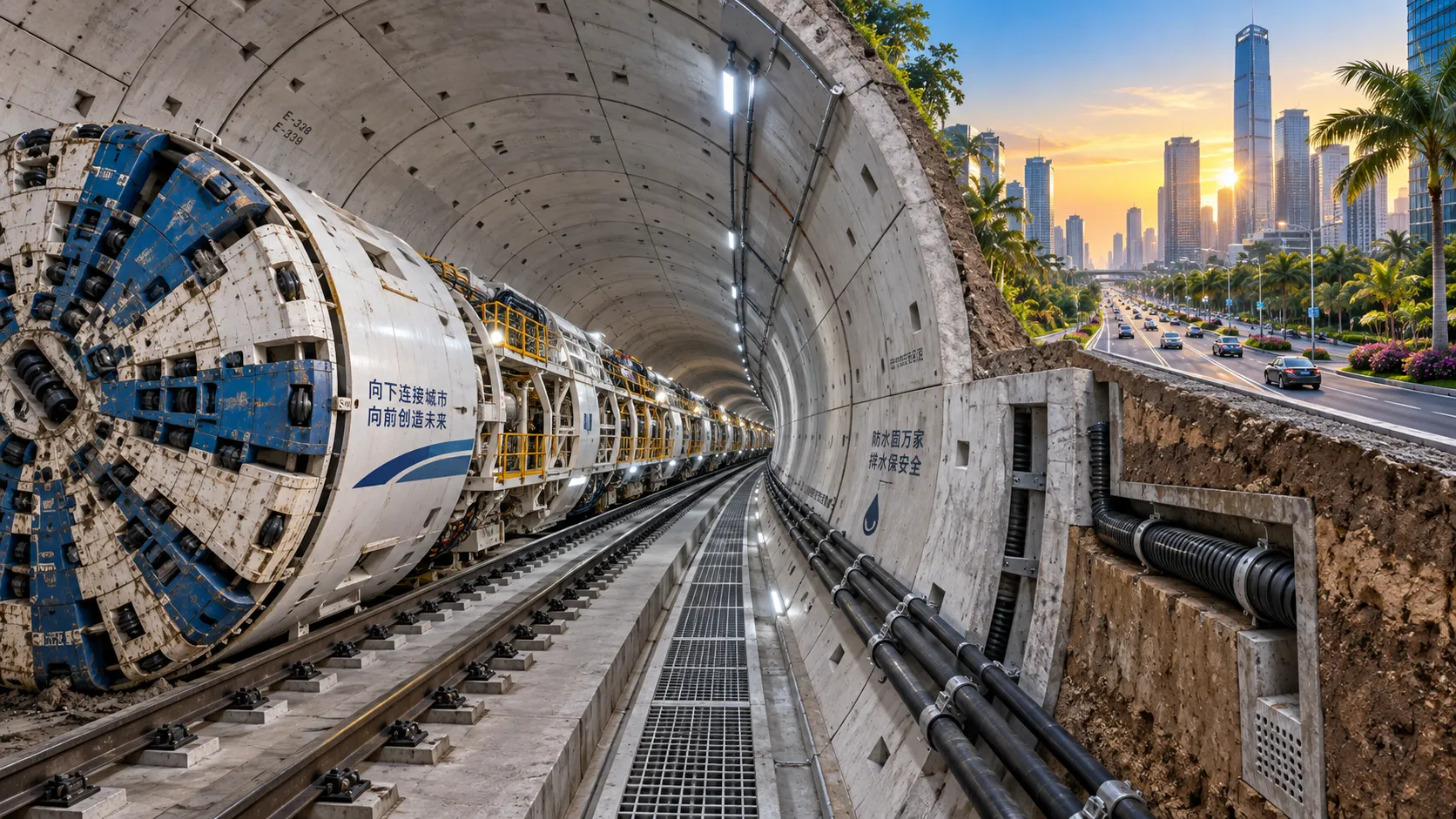
What Is Driving Metro Tunnelling Demand Across Southeast Asia’s Major Cities?
Metro tunnelling Southeast Asia is accelerating as major cities tackle congestion, flooding, and connectivity. Explore the market forces, technical risks, and opportunities shaping demand.
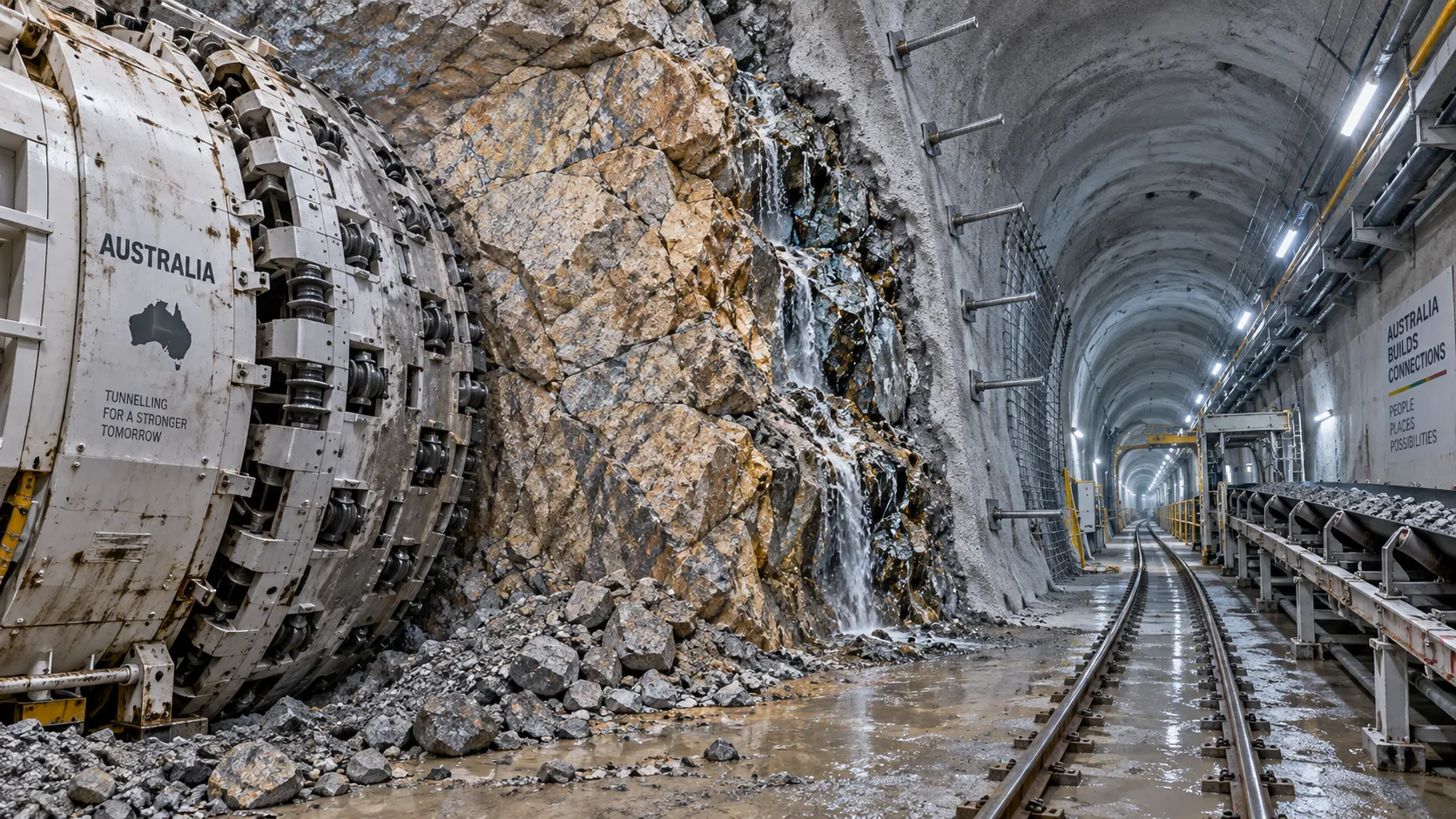
Hard Rock Tunnelling in Australia: Selecting Methods for Variable Ground Conditions
Hard rock tunnelling in Australia: compare TBM, drill-and-blast and hybrid methods to manage variable ground, reduce risk and protect project costs.
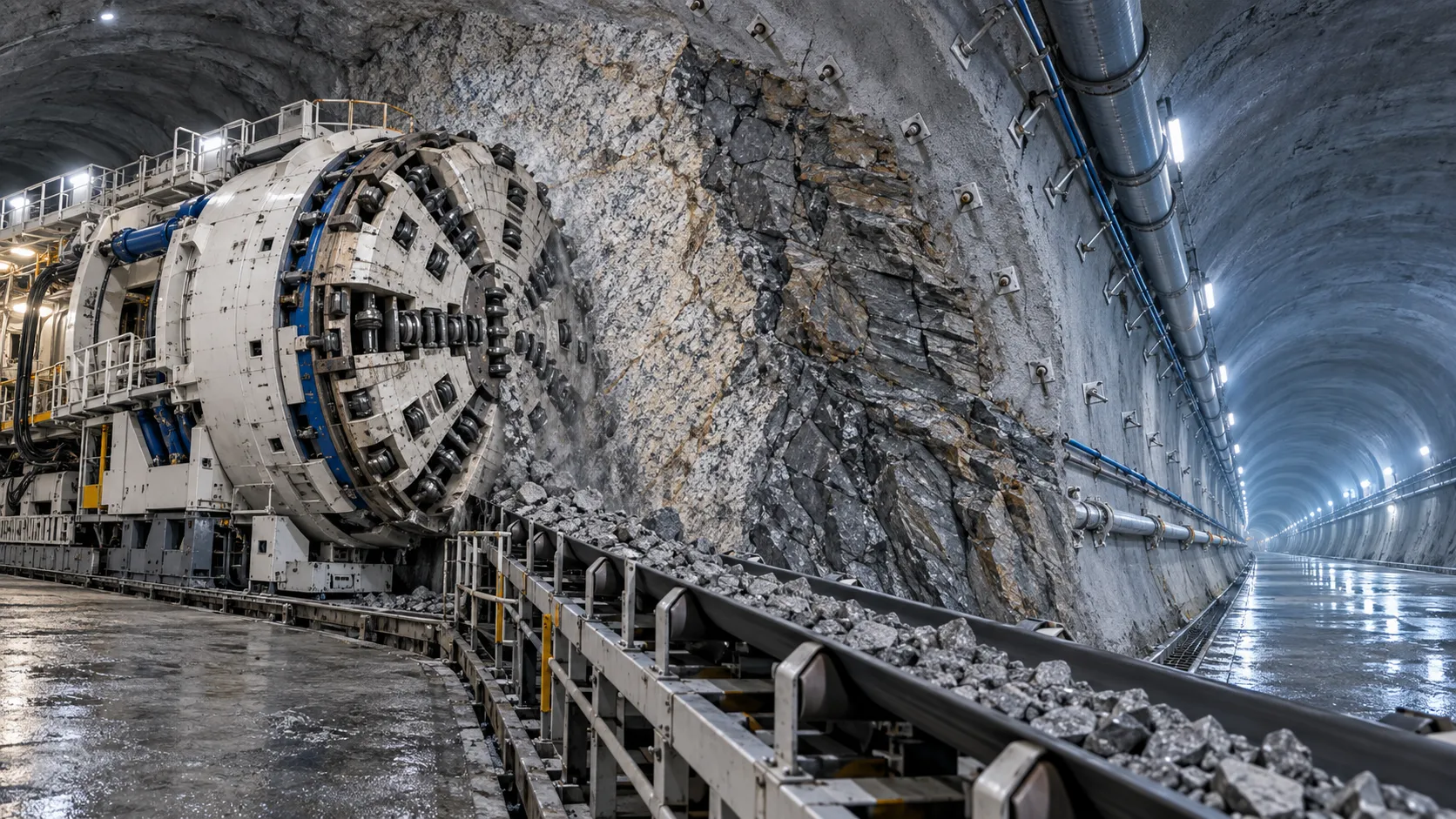
Hydropower Tunnel Excavation: Selecting Methods for Variable Rock Conditions
Hydropower tunnel excavation methods for variable rock conditions: compare TBM, drill-and-blast, and hybrid strategies to improve safety, progress, and project control.
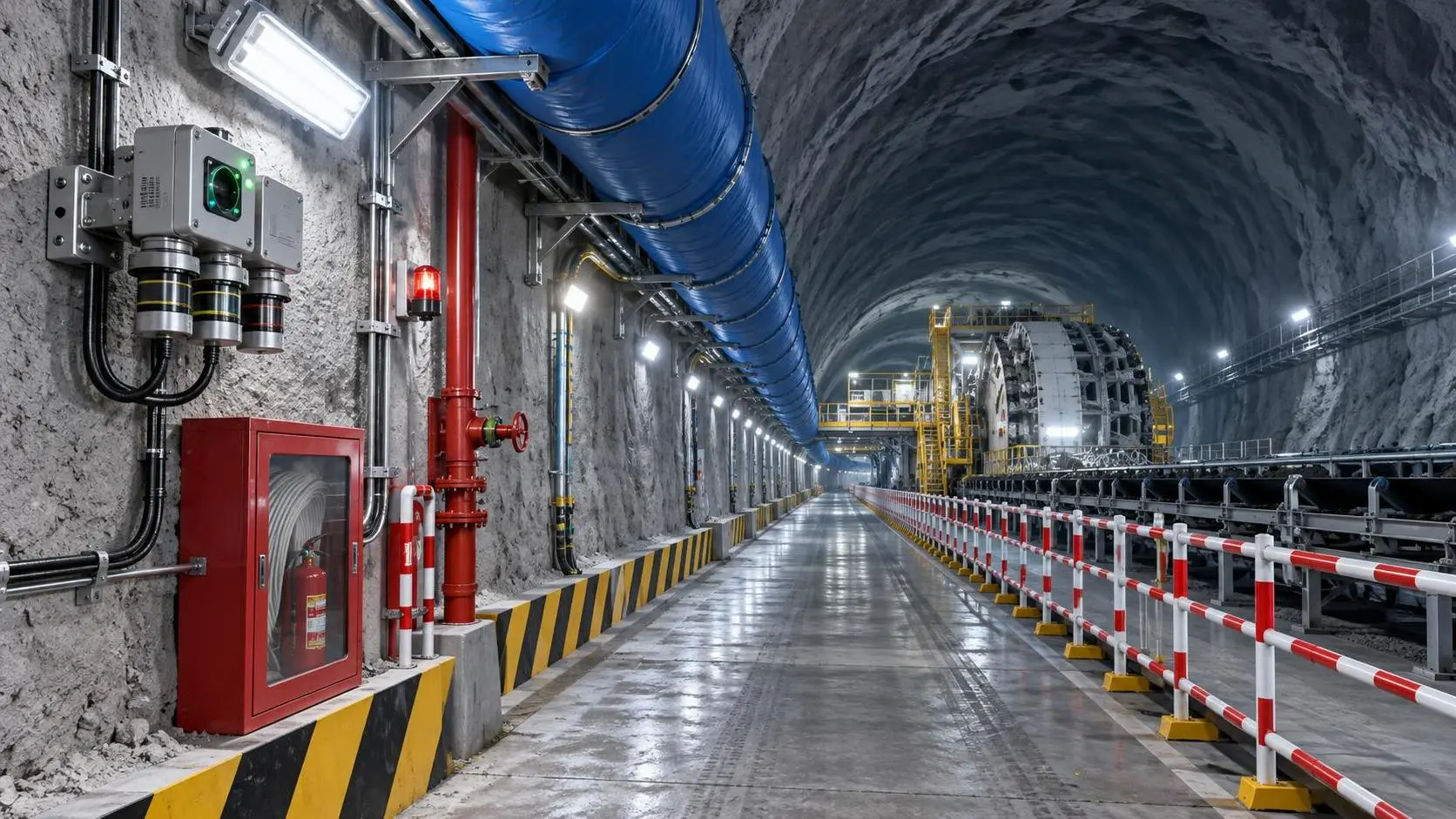
How to Select Underground Safety Equipment for Tunnelling by Hazard and Work Zone
Underground Safety Equipment for tunnelling: match protection to hazards, work zones, compliance, and emergency needs with this practical selection guide.
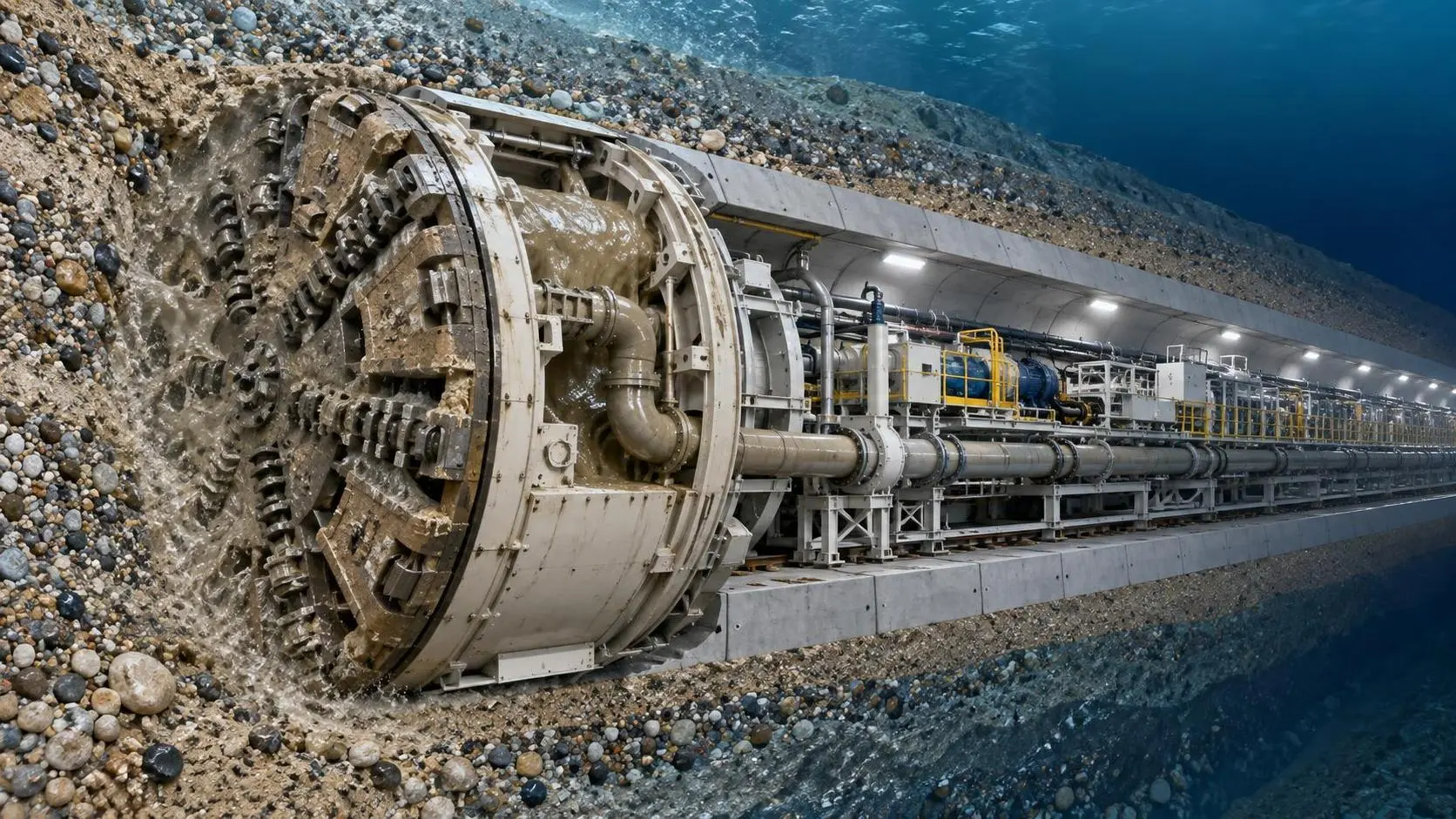
EPB or Slurry Shield? Selecting Soft-Ground Tunnelling Equipment by Soil Conditions
Tunnel Excavation Equipment for soft ground: compare EPB and slurry shields by soil, groundwater, settlement risk, and project logistics to choose confidently.
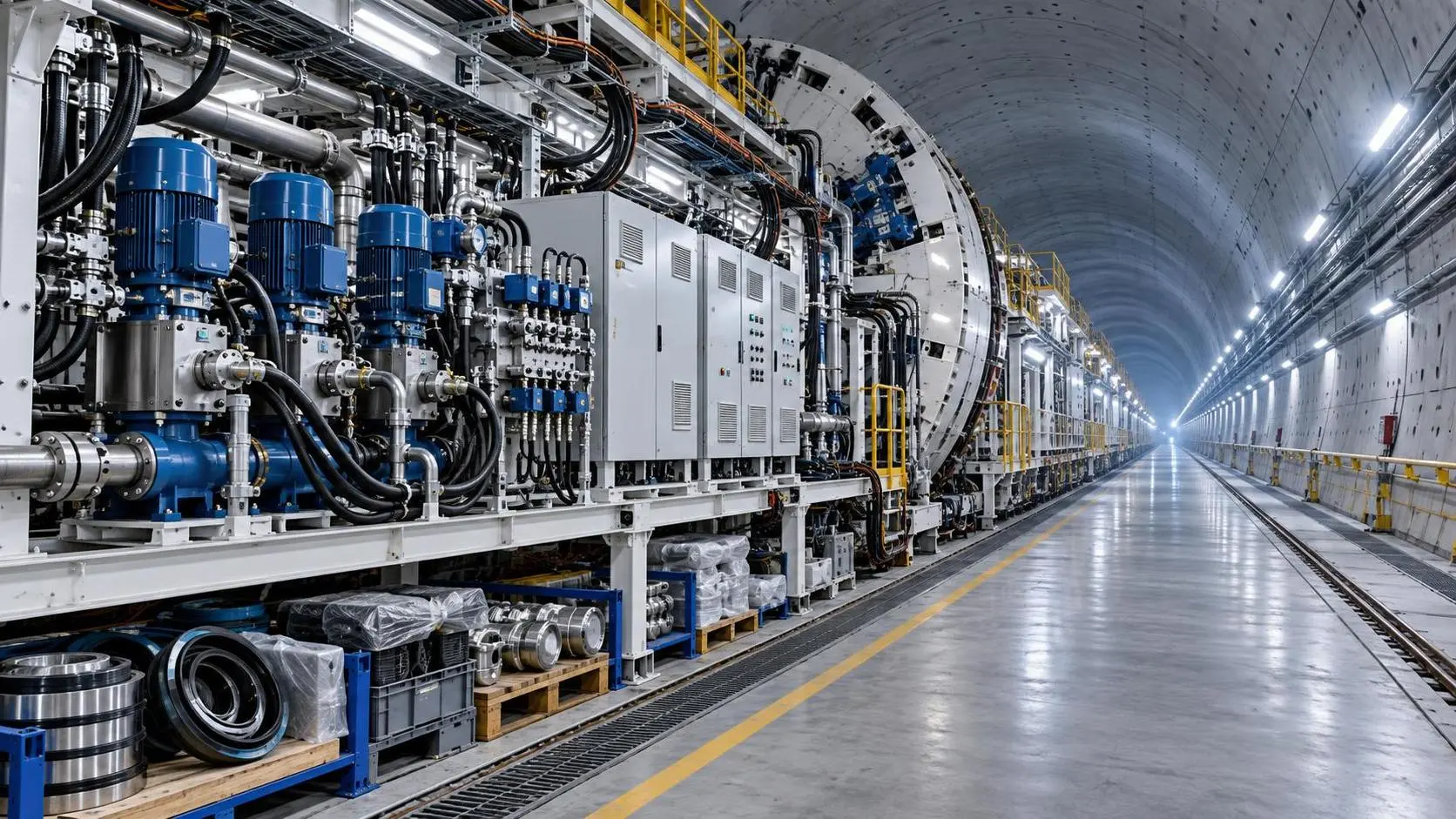
How to Specify TBM Backup System Parts for Reliable Long-Distance Tunnelling
TBM backup system parts: learn how to specify reliable spares for long-distance tunnelling, reduce downtime, ensure compatibility, and speed underground recovery.
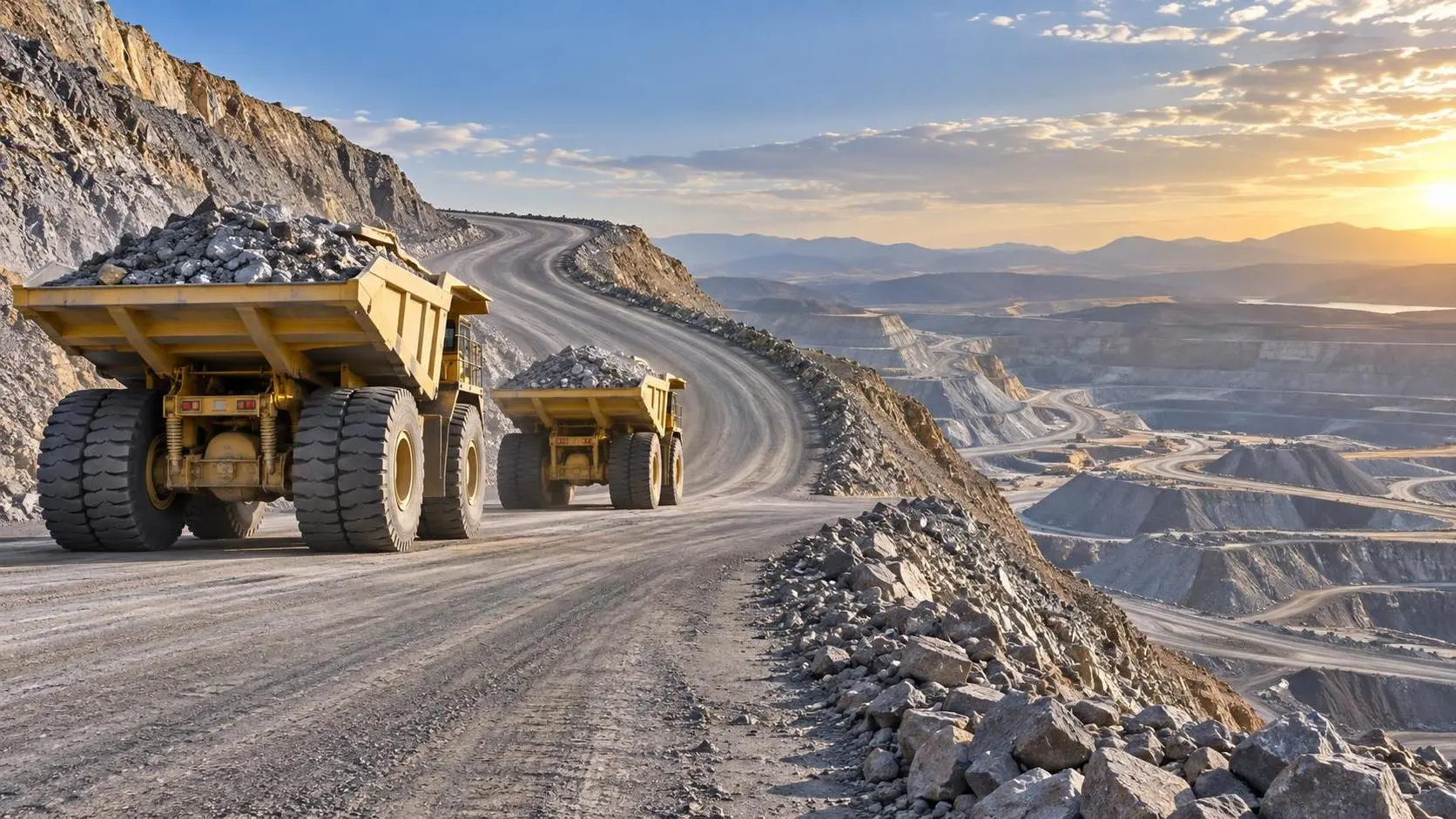
How to Size Open Pit Mining Trucks for Haul Distance, Grade, and Payload?
Open Pit Mining Trucks: learn how to match payload, haul distance, grade, road resistance, and loading capacity for safer, lower-cost mine operations.
Related News
- 00
0000-00
How to Evaluate European Drill-and-Blast Tunnelling Contractors for Complex Projects - 00
0000-00
Which Trenchless Construction Technique Fits Your Utility Crossing Conditions? - 00
0000-00
What Is Driving Metro Tunnelling Demand Across Southeast Asia’s Major Cities? - 00
0000-00
Hard Rock Tunnelling in Australia: Selecting Methods for Variable Ground Conditions - 00
0000-00
Hydropower Tunnel Excavation: Selecting Methods for Variable Rock Conditions
Weekly Insights
Stay ahead with our curated technology reports delivered every Monday.