
Underground lighting solutions that improve visibility fast





For project managers under pressure to improve safety, uptime, and compliance, Underground Lighting Solutions can deliver faster visibility gains across tunnels, shafts, and mining haulage zones. From TBM work fronts to underground LHD routes, the right lighting strategy reduces risk, supports automation, and improves crew efficiency in harsh, low-light environments—making it a critical part of modern underground engineering performance.
Why do Underground Lighting Solutions matter so much in fast-moving underground projects?
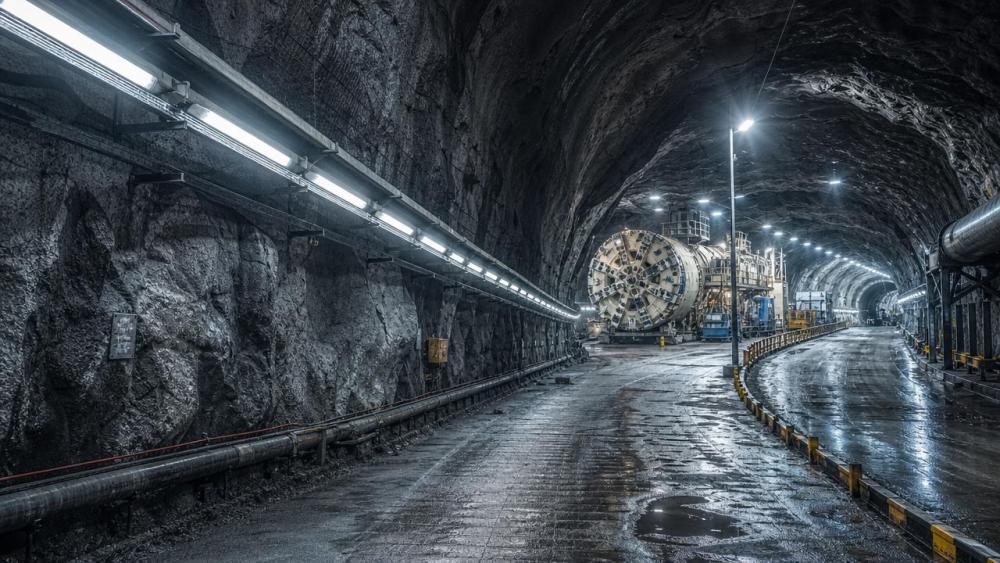
In underground engineering, poor visibility is rarely a minor inconvenience. It affects drilling accuracy, maintenance speed, traffic control, hazard recognition, and emergency response. For project managers, lighting failures often show up indirectly as downtime, incident exposure, slower cycle times, and inspection findings.
That is why Underground Lighting Solutions should be evaluated as operational infrastructure rather than as a basic electrical accessory. In tunnels, pipe jacking drives, mine headings, and underground haul roads, light quality influences how people, vehicles, cameras, and sensors interact in confined space.
UTMD tracks this issue through the lens of equipment-intensive underground operations. Whether the environment is shaped by TBM advance, jumbo drilling, LHD movement, or electrified mine transport, lighting must support safety, automation readiness, and reliable work continuity under dust, vibration, moisture, and restricted ventilation.
- Visibility affects manual work quality, especially scaling, bolting, cable handling, inspection, and segment assembly.
- Lighting affects machine-human interaction, including spotting pedestrians, reading markings, and judging clearance around mobile equipment.
- Lighting also affects digital performance because onboard cameras, monitoring systems, and remote operation stations need stable illumination.
Which underground scenarios need different Underground Lighting Solutions?
Not every underground zone has the same visibility demand. A project manager choosing one uniform setup for the whole site usually creates blind spots, excess energy consumption, or maintenance complexity. Matching lighting to the task area is a faster route to measurable improvement.
The table below compares typical underground scenarios and shows how Underground Lighting Solutions should differ by operating condition, movement pattern, and maintenance priority.
This comparison shows why project-wide lighting plans should be zoned. A TBM tunnel, a production mine drift, and a jacking launch shaft have different glare, dust, relocation, and emergency requirements. A zone-based strategy usually improves visibility faster than replacing fixtures one by one without a site map.
What should project managers evaluate before selecting Underground Lighting Solutions?
Procurement often becomes difficult because lighting vendors present lumen output, wattage, and housing claims without enough operational context. Project managers need a decision framework linked to workface conditions, maintenance access, and safety obligations, not just catalog numbers.
Key selection factors
- Ingress protection and sealing: water spray, slurry, mud, and fine dust can quickly degrade unsuitable luminaires.
- Impact and vibration resistance: headings, mobile plants, and rail or vehicle corridors create constant mechanical stress.
- Beam pattern and uniformity: over-bright hotspots and dark transitions increase fatigue and reduce hazard recognition.
- Power compatibility: fixed grid, generator supply, battery systems, and electrified fleet infrastructure may all be involved.
- Serviceability: if replacement requires shutdowns or difficult access, lifetime maintenance cost rises sharply.
- Emergency function: backup duration, escape-route illumination, and fail-safe switching should be checked early.
For UTMD audiences, one additional factor is increasingly important: compatibility with automation and digital operations. In smart mines and high-spec tunnel projects, lighting must not interfere with sensors and should support camera readability, equipment monitoring, and remote supervision workflows.
How do different Underground Lighting Solutions compare in performance and deployment speed?
Project teams usually balance two pressures at once: they need better visibility fast, but they also need durable systems that do not create another maintenance problem. The comparison below helps narrow the choice of Underground Lighting Solutions by installation method, response speed, and operational fit.
A fast visibility improvement program often combines these categories. Portable units can solve immediate dark spots, while fixed systems deliver long-term consistency. Vehicle-mounted packages improve operator field of view, but they work best when route lighting already defines edges, intersections, and refuge points.
How can Underground Lighting Solutions support electrification, automation, and zero-emission operations?
Underground projects are changing. Electrified mining trucks, battery LHDs, remote drilling, and digitally monitored TBM systems all place new demands on visibility. Underground Lighting Solutions now contribute to more than human sight. They influence thermal load, power efficiency, machine camera quality, and even maintenance planning.
In zero-emission or reduced-ventilation environments, efficient LED-based systems can lower waste heat and reduce the servicing burden associated with older light sources. That matters in confined spaces where every kilowatt has implications for ventilation load, power distribution, and operational cost.
Operational advantages in advanced underground fleets
- Improved route definition for battery-electric LHDs moving through narrow drifts with remote supervision.
- Better image consistency for onboard cameras, inspection systems, and digital recording tools.
- Lower replacement frequency in hard-to-access zones where maintenance interruptions are expensive.
- More predictable performance in wet and dusty environments where automation reliability depends on environmental control.
UTMD’s underground intelligence perspective is useful here because lighting decisions should align with wider system transitions. A project that is electrifying haulage, increasing autonomy, or tightening ESG-driven site controls should review lighting as part of the operating model, not as a standalone purchase.
What standards, compliance points, and risk controls should not be missed?
Compliance expectations vary by country, mine type, tunnel use, and electrical architecture. Still, project managers can use a core checklist to avoid common gaps when specifying Underground Lighting Solutions for critical underground spaces.
- Confirm the lighting design basis for task areas, traffic routes, emergency egress, and maintenance points.
- Check environmental ratings for dust, water ingress, corrosion exposure, and mechanical impact.
- Review electrical safety suitability, especially where wet conditions, mobile cables, or backup circuits are involved.
- Verify whether any explosive atmosphere, combustible dust, or restricted-zone requirement affects fixture selection.
- Align emergency lighting duration and inspection routines with site evacuation planning.
Managers should also watch for a practical compliance problem: lighting may meet nominal technical requirements on paper while still failing operationally because of glare, shadowing, poor mounting location, or excessive contamination on lenses. Site validation after installation is therefore essential.
How should budget, lifecycle cost, and replacement timing be judged?
Low purchase price can be misleading in underground conditions. The real cost driver is often intervention frequency. If a fixture fails in a heading, on a TBM backup gantry, or near a production haul route, replacement may require permits, access equipment, traffic control, and production disruption.
A useful budgeting approach is to separate spending into three layers: immediate risk correction, route and workface optimization, and long-horizon infrastructure improvement. This allows project managers to show quick safety gains while still building a business case for better lifecycle value.
Cost questions worth asking suppliers
- How often are drivers, seals, and lenses typically replaced in high-dust, wet-service operation?
- What tools and shutdown steps are required for replacement or cleaning?
- Can the lighting system be expanded in phases without rewiring large sections of the tunnel or mine?
- How does the solution affect energy draw and backup power requirements?
FAQ: what do project managers ask most about Underground Lighting Solutions?
How fast can Underground Lighting Solutions improve visibility on an active site?
The fastest gains usually come from a targeted audit of dark spots, intersections, workfaces, and emergency routes. Portable and retrofit-ready fixtures can improve critical areas quickly, while a phased fixed-lighting plan handles long-term consistency. Speed depends on cable access, shutdown windows, and the number of zones involved.
Which areas should be prioritized first?
Prioritize zones where visibility has the highest safety and production impact: active headings, vehicle crossing points, loading bays, maintenance stations, shaft landings, and escape routes. If the site uses remote equipment or camera-dependent monitoring, those areas should also move up the list.
Are brighter lights always better underground?
No. Excess brightness can create glare, eye fatigue, and poor contrast on wet rock, reflective steel, or dust-laden air. Good Underground Lighting Solutions balance output, beam control, mounting height, and uniformity. The goal is usable visibility, not just higher numeric intensity.
What is the most common procurement mistake?
A common mistake is buying by fixture price alone without considering environment, maintenance access, and application zoning. Another is failing to separate task lighting, route lighting, and emergency lighting into different specification groups. That often leads to uneven performance and costly retrofits.
How do Underground Lighting Solutions connect with smart mine and tunnel digitalization goals?
They support visibility for sensors, cameras, inspections, and remote workflows. In advanced underground operations, lighting influences not just human safety but also the quality of machine perception and digital supervision. That makes lighting part of the broader transition toward electrified, automated, and data-driven operations.
Why work with us when planning Underground Lighting Solutions?
UTMD brings a system-level view that many general suppliers do not. Our underground sector focus spans TBM operations, trenchless engineering equipment, drilling jumbos, autonomous and electric mine haulage, and underground LHD workflows. That means lighting is assessed in relation to real machine movement, confined-space constraints, ESG pressure, and operational continuity.
If you are evaluating Underground Lighting Solutions for a tunnel, shaft, mine drift, or haulage route, you can consult us on practical decision points instead of generic brochure language. We can help frame the right questions and comparison logic for your project team.
- Parameter confirmation for harsh underground environments, including moisture, dust, vibration, and route geometry.
- Product selection logic for fixed lighting, portable lighting, emergency backup, and vehicle-integrated visibility support.
- Delivery cycle discussion for phased upgrades, shutdown-window planning, and urgent dark-zone correction.
- Customized solution evaluation linked to TBM systems, pipe jacking sites, drill-and-blast headings, or battery-electric mine fleets.
- Certification and compliance review based on project environment and regional expectations.
- Quote communication structured around lifecycle cost, maintenance burden, and operational priorities rather than price alone.
When visibility needs to improve fast, the best results come from choosing Underground Lighting Solutions that fit the exact underground task, power conditions, and maintenance reality. Contact us to discuss your site parameters, selection path, delivery timing, and phased upgrade plan.
Related News
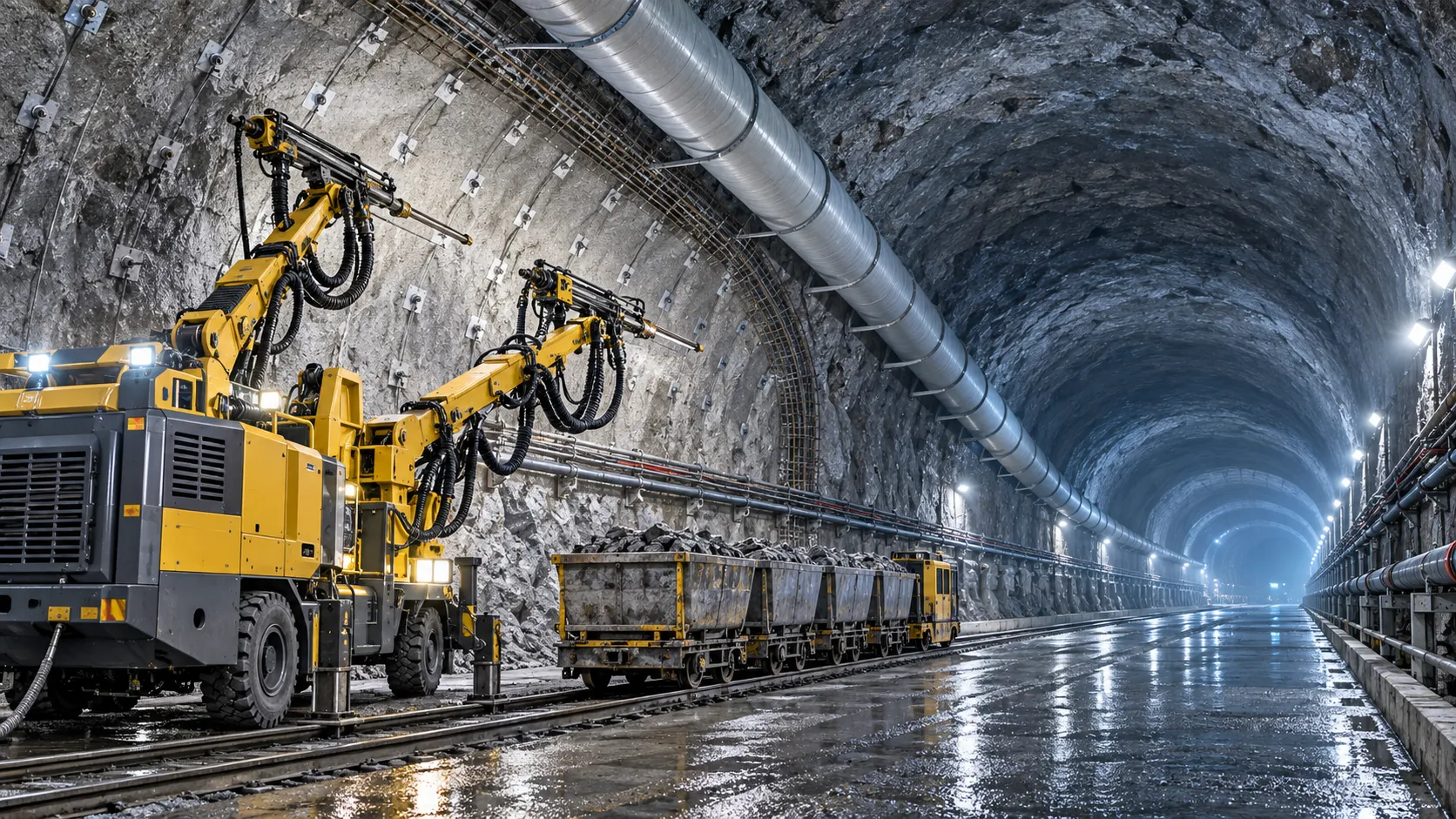
How to Evaluate European Drill-and-Blast Tunnelling Contractors for Complex Projects
Drill and blast tunnelling contractors Europe: learn how to assess geology expertise, blast control, equipment reliability, safety, and programme resilience for complex projects.
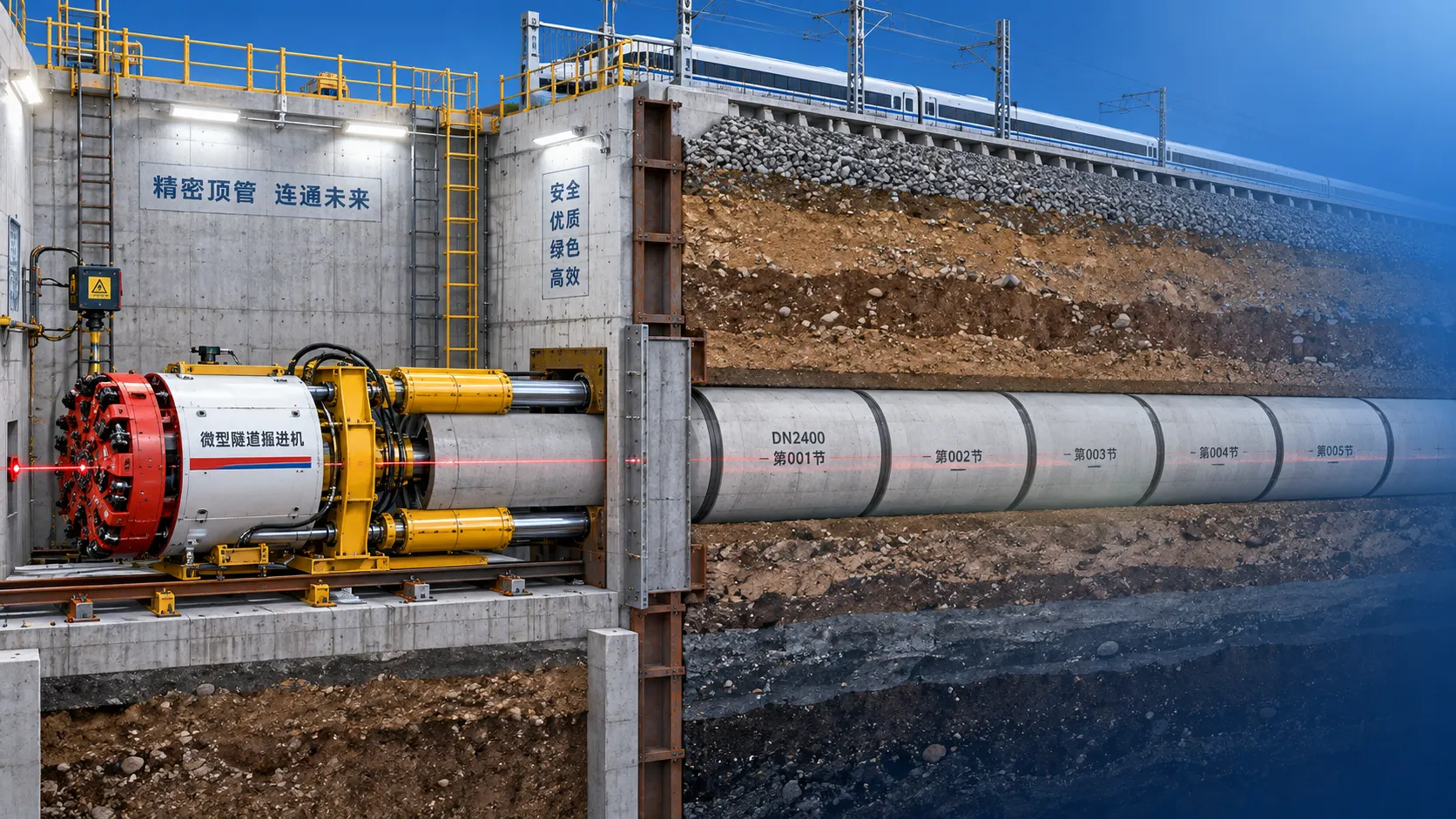
Which Trenchless Construction Technique Fits Your Utility Crossing Conditions?
Trenchless construction techniques compared for utility crossings: choose HDD, microtunnelling, pipe jacking, or auger boring based on ground, accuracy, access, and risk.
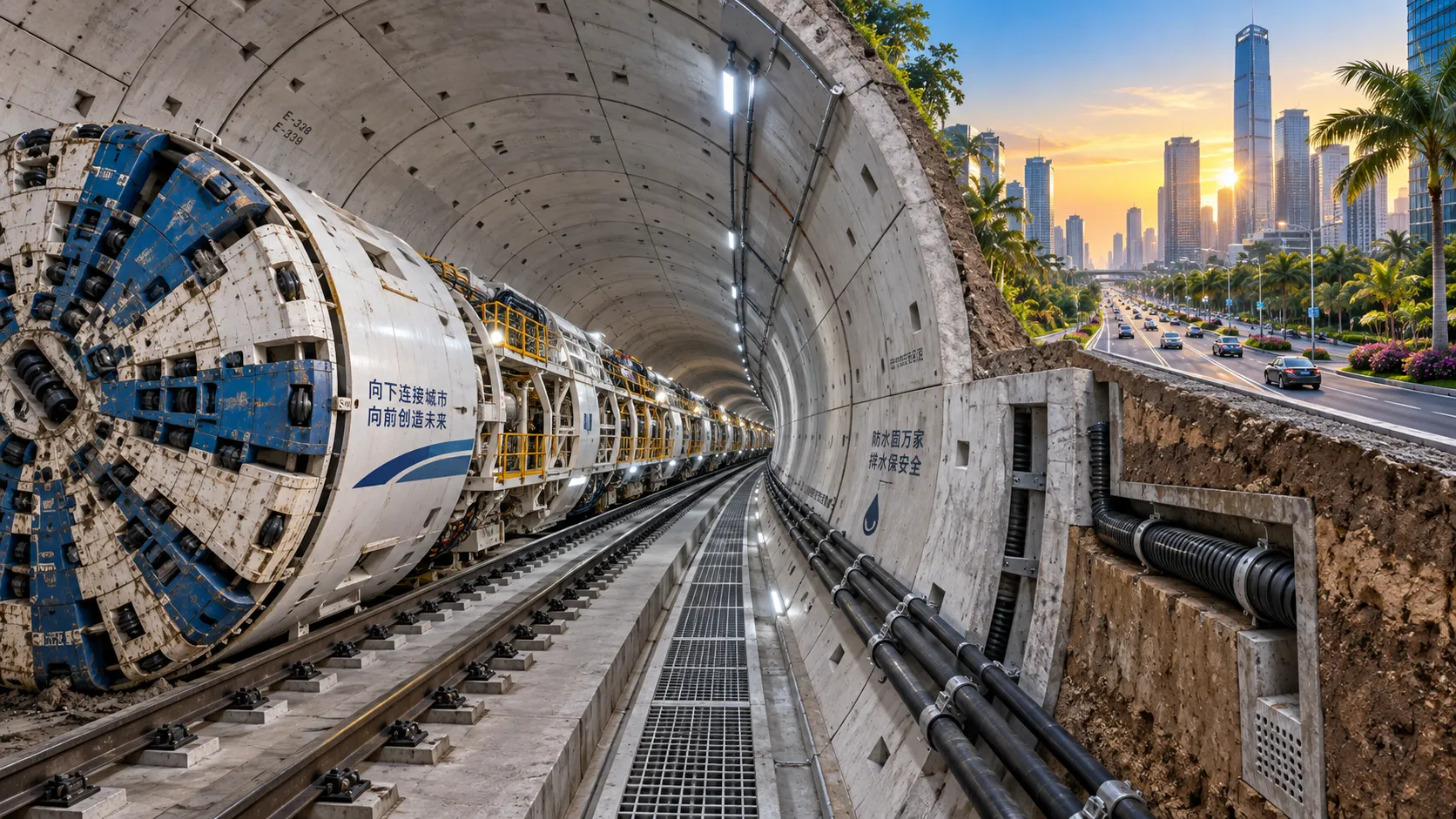
What Is Driving Metro Tunnelling Demand Across Southeast Asia’s Major Cities?
Metro tunnelling Southeast Asia is accelerating as major cities tackle congestion, flooding, and connectivity. Explore the market forces, technical risks, and opportunities shaping demand.
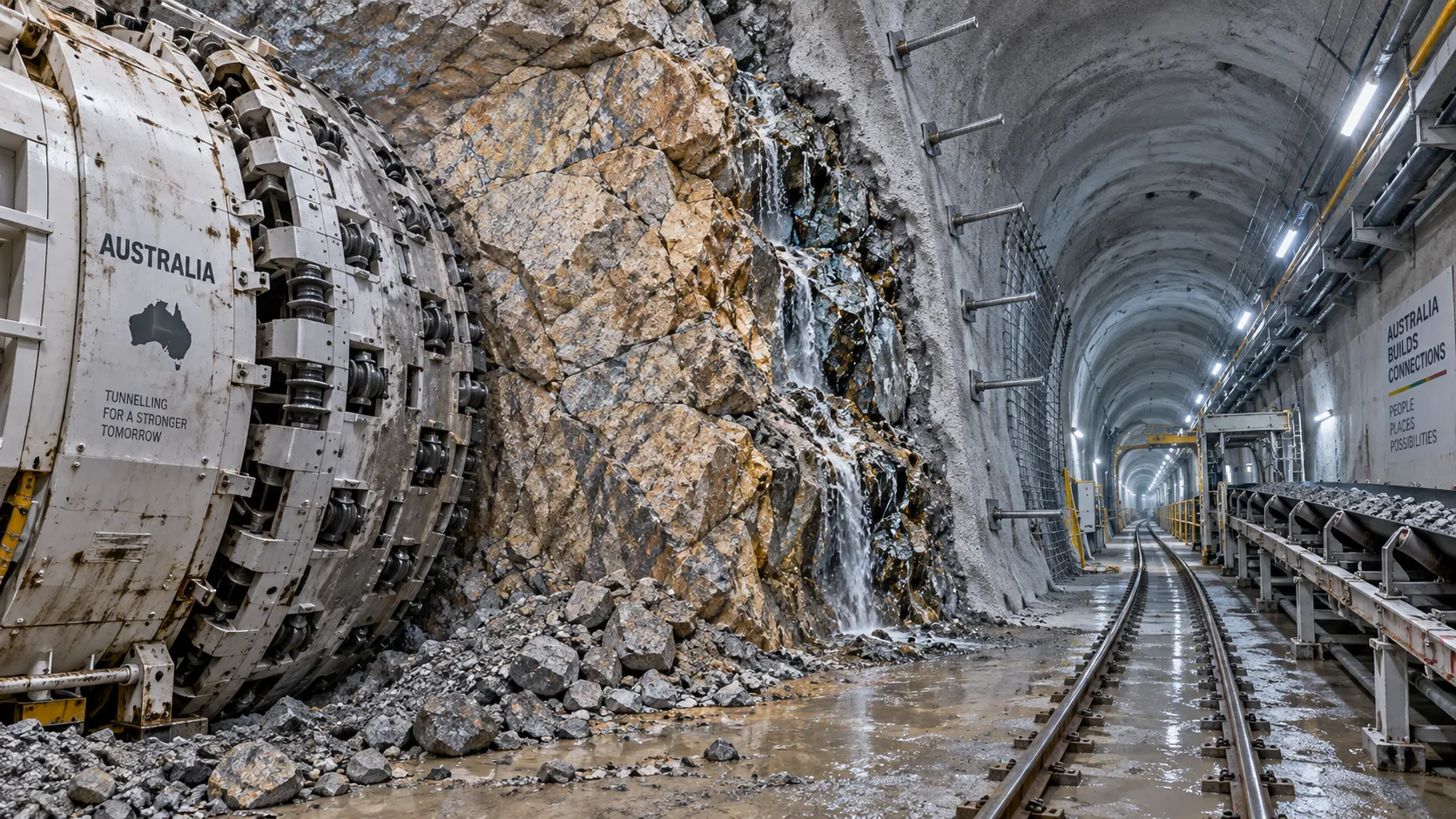
Hard Rock Tunnelling in Australia: Selecting Methods for Variable Ground Conditions
Hard rock tunnelling in Australia: compare TBM, drill-and-blast and hybrid methods to manage variable ground, reduce risk and protect project costs.
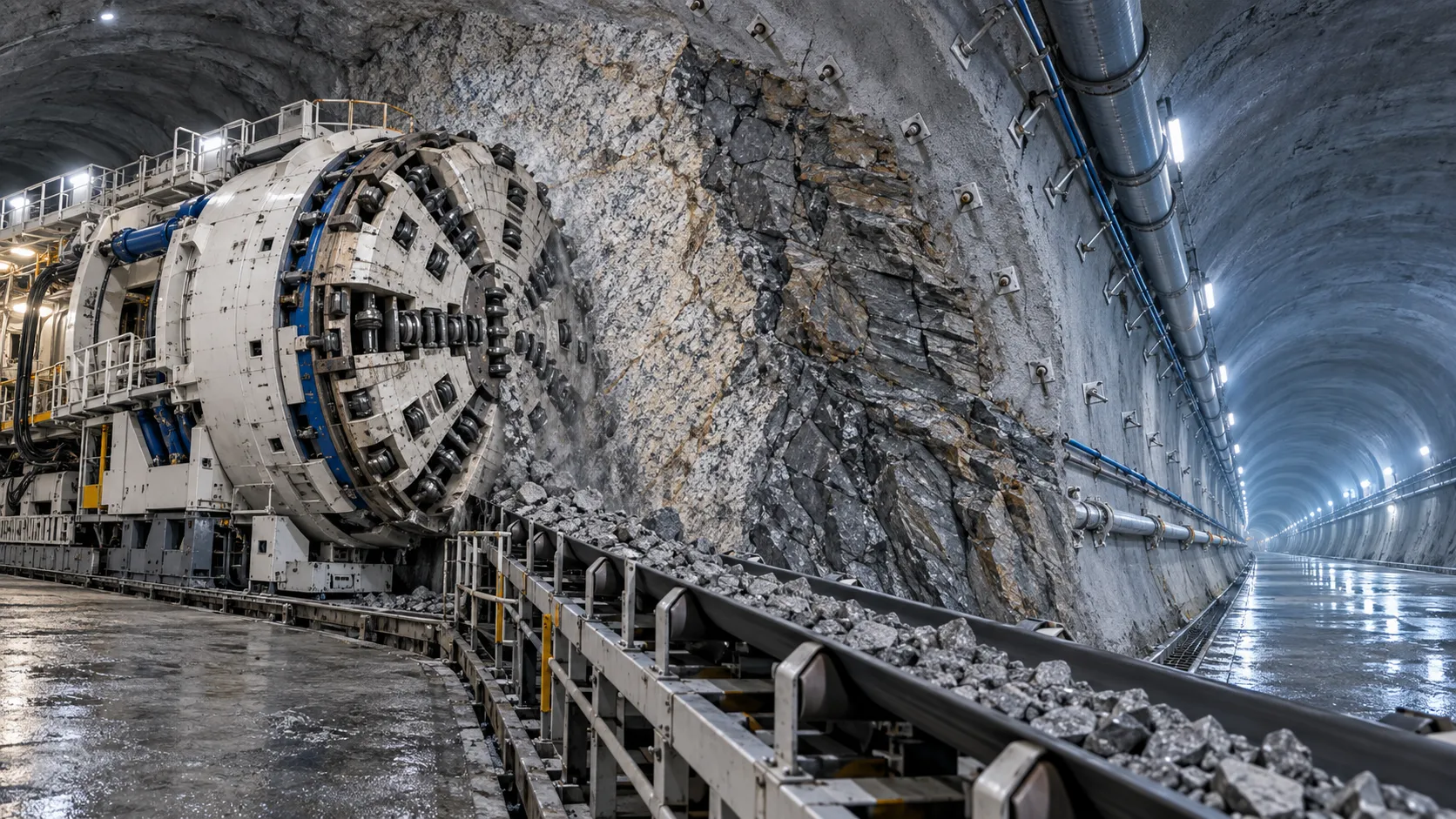
Hydropower Tunnel Excavation: Selecting Methods for Variable Rock Conditions
Hydropower tunnel excavation methods for variable rock conditions: compare TBM, drill-and-blast, and hybrid strategies to improve safety, progress, and project control.
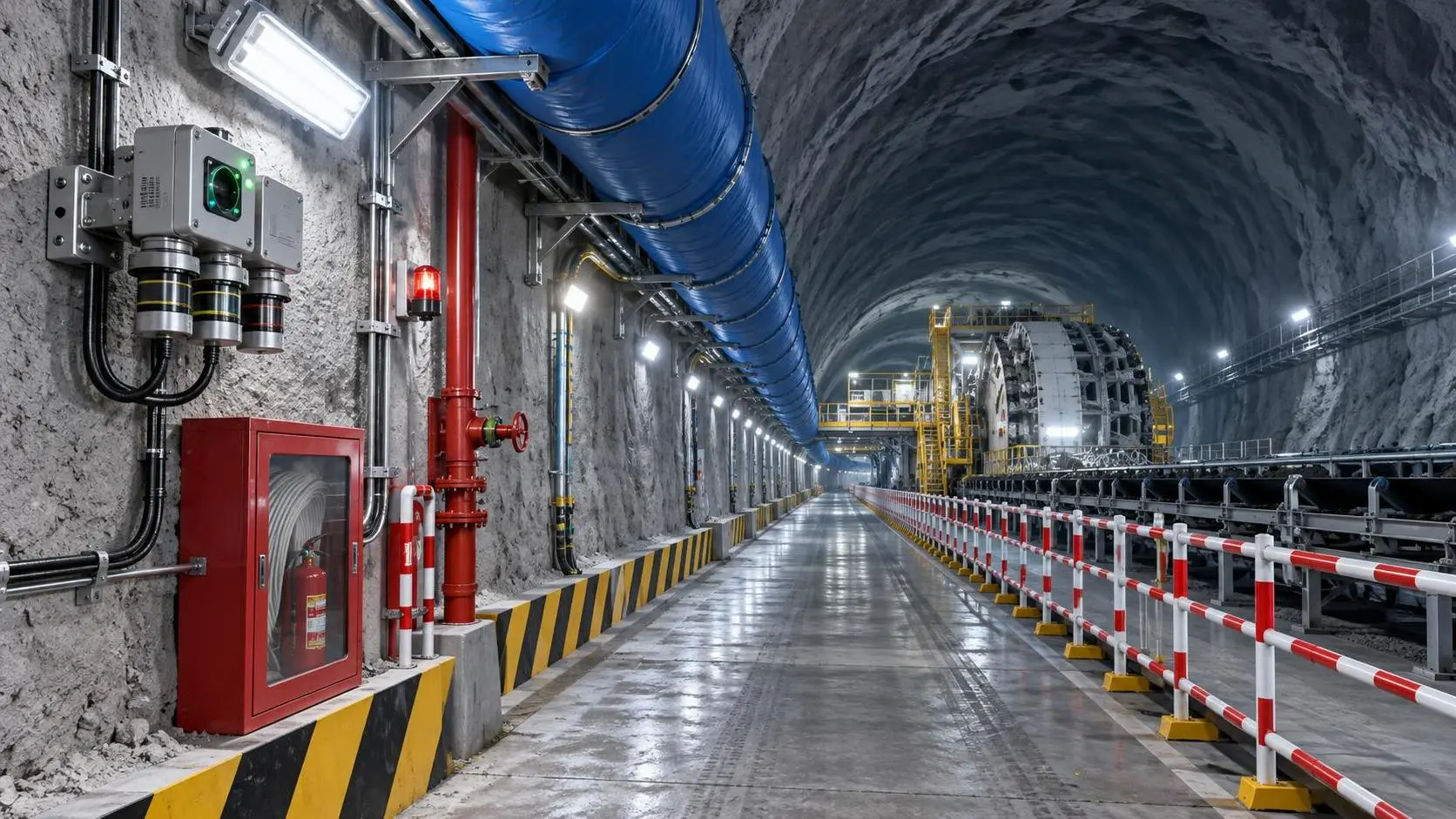
How to Select Underground Safety Equipment for Tunnelling by Hazard and Work Zone
Underground Safety Equipment for tunnelling: match protection to hazards, work zones, compliance, and emergency needs with this practical selection guide.
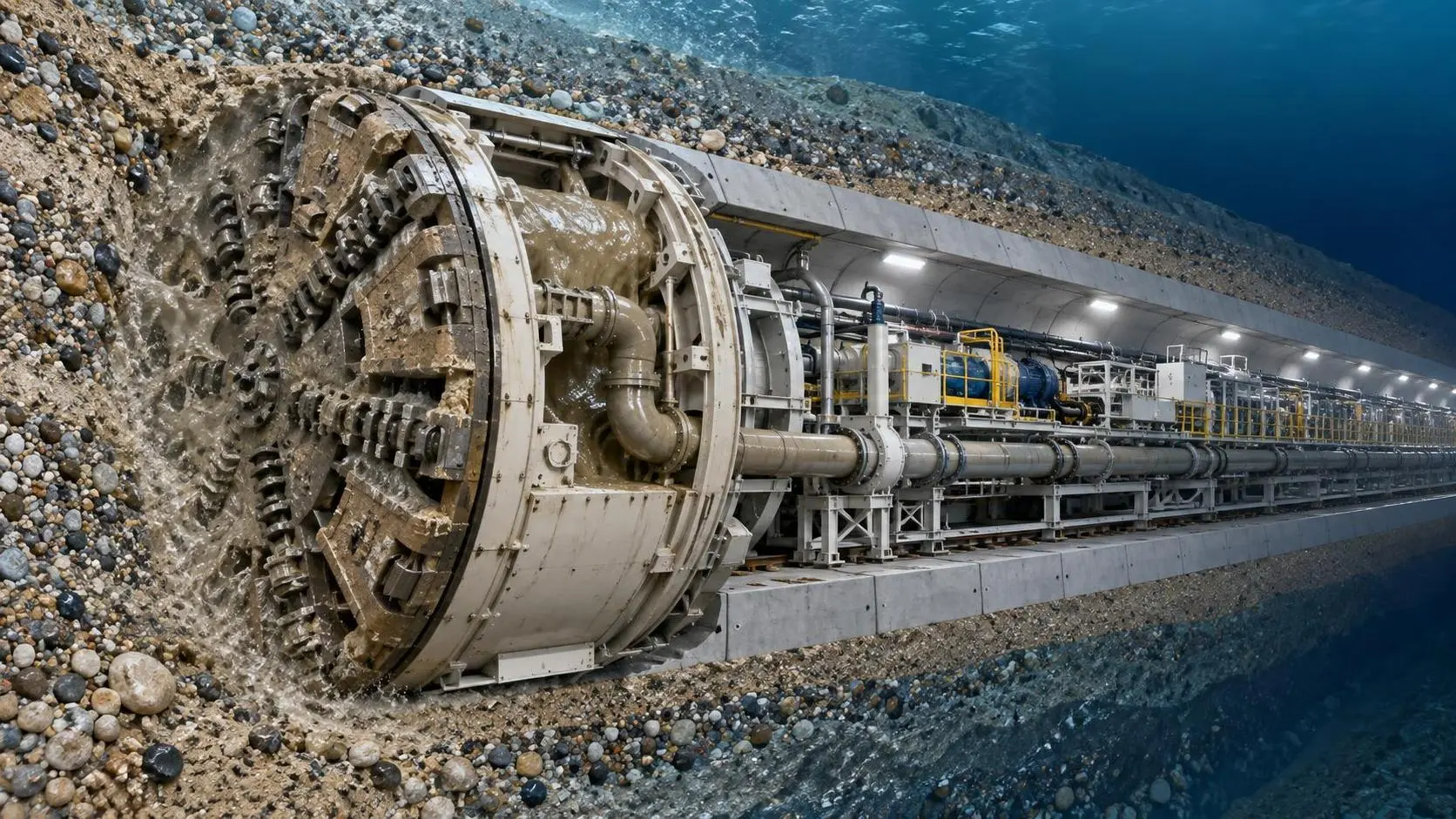
EPB or Slurry Shield? Selecting Soft-Ground Tunnelling Equipment by Soil Conditions
Tunnel Excavation Equipment for soft ground: compare EPB and slurry shields by soil, groundwater, settlement risk, and project logistics to choose confidently.
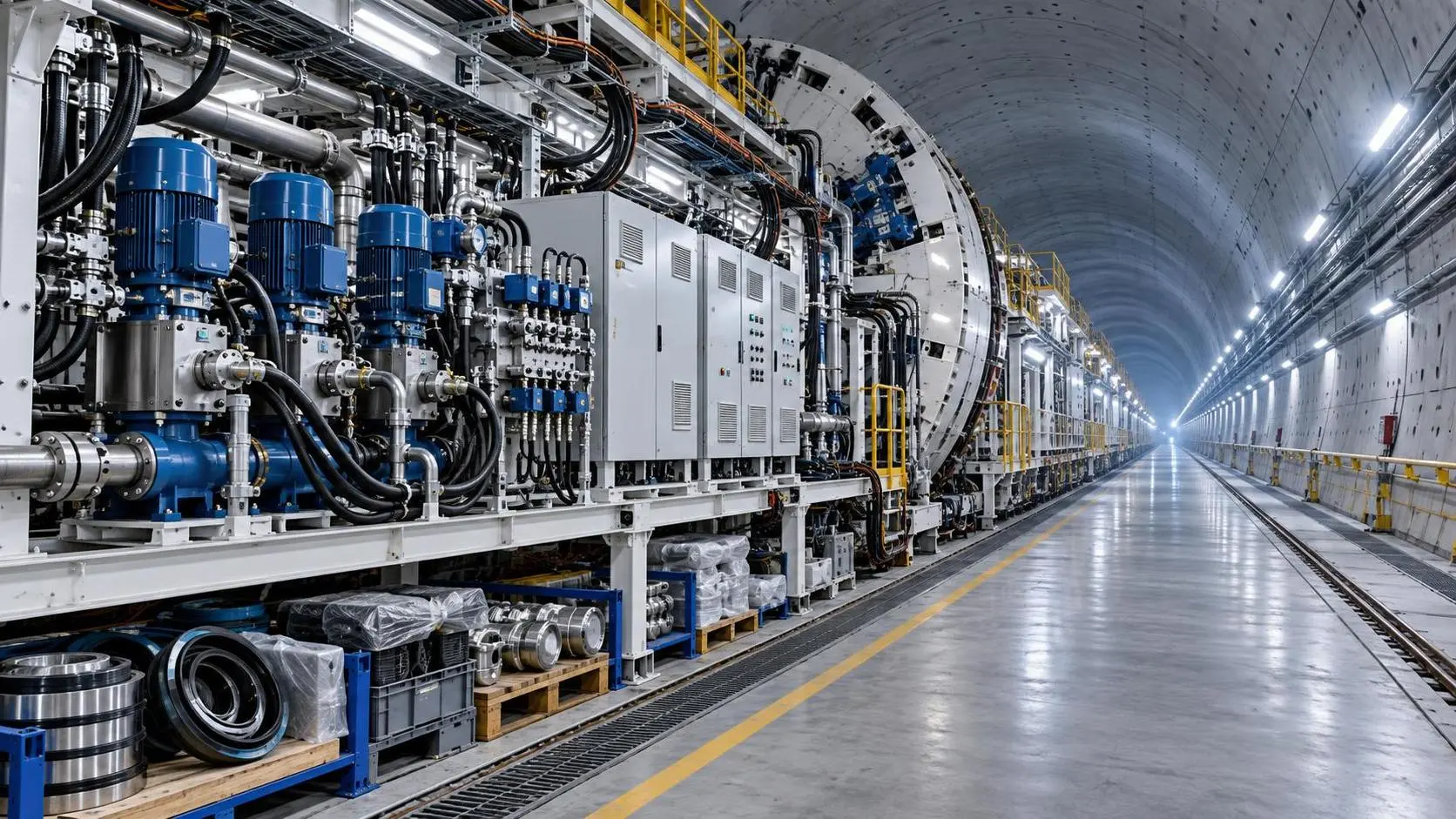
How to Specify TBM Backup System Parts for Reliable Long-Distance Tunnelling
TBM backup system parts: learn how to specify reliable spares for long-distance tunnelling, reduce downtime, ensure compatibility, and speed underground recovery.

How to Size Open Pit Mining Trucks for Haul Distance, Grade, and Payload?
Open Pit Mining Trucks: learn how to match payload, haul distance, grade, road resistance, and loading capacity for safer, lower-cost mine operations.
Related News
- 00
0000-00
How to Evaluate European Drill-and-Blast Tunnelling Contractors for Complex Projects - 00
0000-00
Which Trenchless Construction Technique Fits Your Utility Crossing Conditions? - 00
0000-00
What Is Driving Metro Tunnelling Demand Across Southeast Asia’s Major Cities? - 00
0000-00
Hard Rock Tunnelling in Australia: Selecting Methods for Variable Ground Conditions - 00
0000-00
Hydropower Tunnel Excavation: Selecting Methods for Variable Rock Conditions
Weekly Insights
Stay ahead with our curated technology reports delivered every Monday.