
When trenchless pipe installation cuts costs and when it does not





For finance approvers, Trenchless Pipe Installation can look like a clear cost saver—but the numbers only work under the right conditions. When traffic disruption, surface restoration, and schedule risk carry large cost exposure, trenchless methods often beat open-cut work. In short, shallow, and easily accessed corridors, however, the expected savings may narrow fast. Sound investment choices begin with knowing where trenchless value is truly created.
Why cost comparisons for Trenchless Pipe Installation are changing
Cost evaluation is no longer limited to excavation, pipe, and labor. Modern projects must also price disruption, carbon exposure, utility conflict, and public tolerance.
That shift is making Trenchless Pipe Installation more attractive in dense cities, industrial corridors, transport crossings, and environmentally sensitive zones.
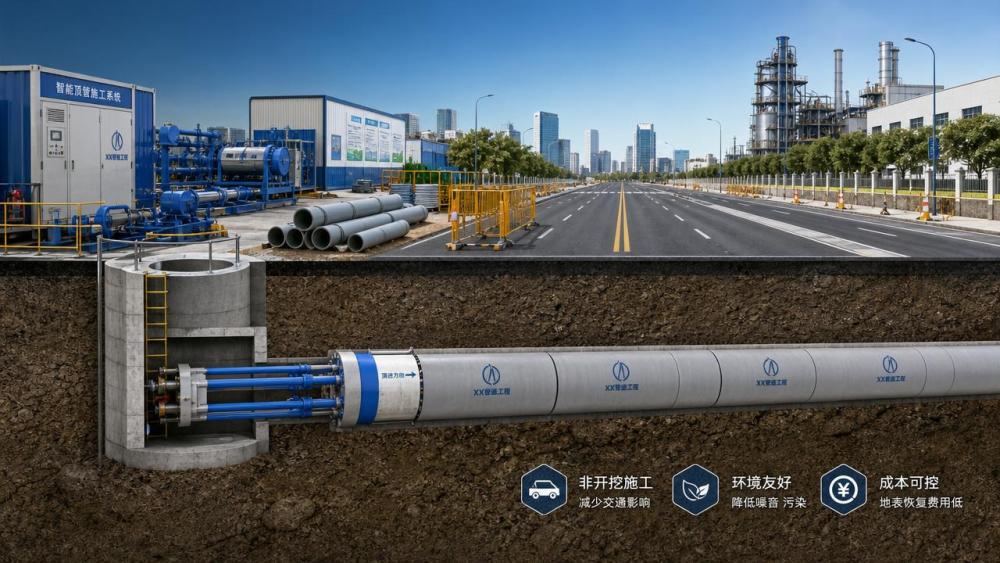
At the same time, not every trenchless method delivers savings. Ground uncertainty, launch shaft complexity, and specialist mobilization can quickly raise project cost.
For underground intelligence platforms such as UTMD, this change matters because pipeline decisions now sit inside a larger infrastructure risk framework.
The market is moving from simple unit-price comparison toward lifecycle cost judgment. That trend rewards better data, better planning, and better ground understanding.
The strongest signals showing where trenchless gains value
Several signals suggest when Trenchless Pipe Installation is likely to outperform open trench construction on cost and project certainty.
- High road occupancy cost, especially near major intersections or logistics routes.
- Expensive surface reinstatement, including asphalt, concrete, landscaping, and rail interfaces.
- Restricted work windows caused by traffic, hospitals, airports, ports, or campus operations.
- Crossings under rivers, highways, live utilities, or operational industrial sites.
- Tight environmental controls that penalize noise, dust, spoil haulage, and emissions.
- Longer pipe runs where fewer access points reduce total surface disturbance.
These signals do not guarantee savings. They simply indicate that direct construction cost is no longer the only number that matters.
The main drivers behind the trenchless cost advantage
The economics of Trenchless Pipe Installation become clearer when the cost drivers are separated and tested one by one.
When Trenchless Pipe Installation usually cuts costs
In the right setting, Trenchless Pipe Installation creates savings by preventing a chain of secondary costs rather than by lowering drilling cost alone.
Urban corridors with expensive disruption
Busy roads, downtown retail streets, and transit corridors often make open-cut work financially painful. Lane loss, detours, and public complaints all carry measurable cost.
Crossings beneath critical assets
Highways, railways, levees, airports, and active plants are classic trenchless zones. The avoided interruption often outweighs the specialist installation premium.
Projects with high restoration exposure
Decorative paving, mature landscaping, industrial slabs, and utility-dense streets are expensive to open and restore. Trenchless methods reduce that burden sharply.
Longer runs with limited access points
Where alignment length increases, fewer shafts may be more economical than repeated trench excavation, backfill, compaction, and reinstatement operations.
Sensitive environmental or social settings
Near rivers, wetlands, campuses, and hospitals, reduced noise, dust, and surface disturbance can protect both budget and approvals.
When the trenchless cost case becomes weak
There are many situations where Trenchless Pipe Installation does not produce the expected financial benefit.
- Very short pipe runs with simple access on both ends.
- Shallow installations in open land with low restoration cost.
- Ground with mixed obstructions, boulders, debris, or undocumented structures.
- Sites where launch and reception shafts are difficult or expensive to build.
- Projects with low disruption penalties and little public interface.
- Jobs requiring specialist mobilization for only a small scope.
In such cases, open-cut installation may still be the more efficient option. The lowest-risk method often becomes the lowest-cost method.
How different business functions feel the impact
The choice between open-cut and Trenchless Pipe Installation affects far more than the construction team. The impact spreads across planning, funding, operations, and reputation.
For capital planning, trenchless methods can improve lifecycle economics where future maintenance access is limited and disruption costs are persistent.
For operations, fewer surface interventions mean less downtime around active facilities, logistics routes, and public service areas.
For compliance, lower excavation volume can support environmental and ESG reporting, especially where emissions and waste movement are tracked.
For risk control, the main issue is subsurface uncertainty. If geotechnical and utility data are weak, trenchless cost confidence drops quickly.
What deserves the closest attention before approving budget
A reliable decision on Trenchless Pipe Installation depends on disciplined pre-project checks rather than broad assumptions.
- Compare total installed cost, not only direct construction cost.
- Quantify traffic, access restriction, and business interruption exposure.
- Verify ground conditions with enough detail for method selection.
- Map utility congestion and undocumented obstacles early.
- Model launch shaft, reception shaft, dewatering, and spoil handling costs.
- Assess schedule sensitivity and the value of avoiding surface delays.
- Test multiple trenchless options, not a single preferred technique.
A practical framework for deciding when trenchless pays
The following matrix helps organize whether Trenchless Pipe Installation is likely to cut costs or simply shift them.
The next step is better underground intelligence, not faster assumptions
The real question is not whether Trenchless Pipe Installation is cheaper in general. The right question is where, why, and under which constraints it becomes cheaper.
That is why high-quality subsurface intelligence matters. Ground behavior, utility density, access limitations, and restoration exposure should be priced before method selection is locked.
UTMD tracks the technologies, equipment trends, and underground engineering signals shaping these decisions across pipe jacking, tunnelling, and smart heavy infrastructure.
Use that perspective to challenge simple cost claims, compare full lifecycle outcomes, and choose the installation path that protects both budget and project certainty.
Related News
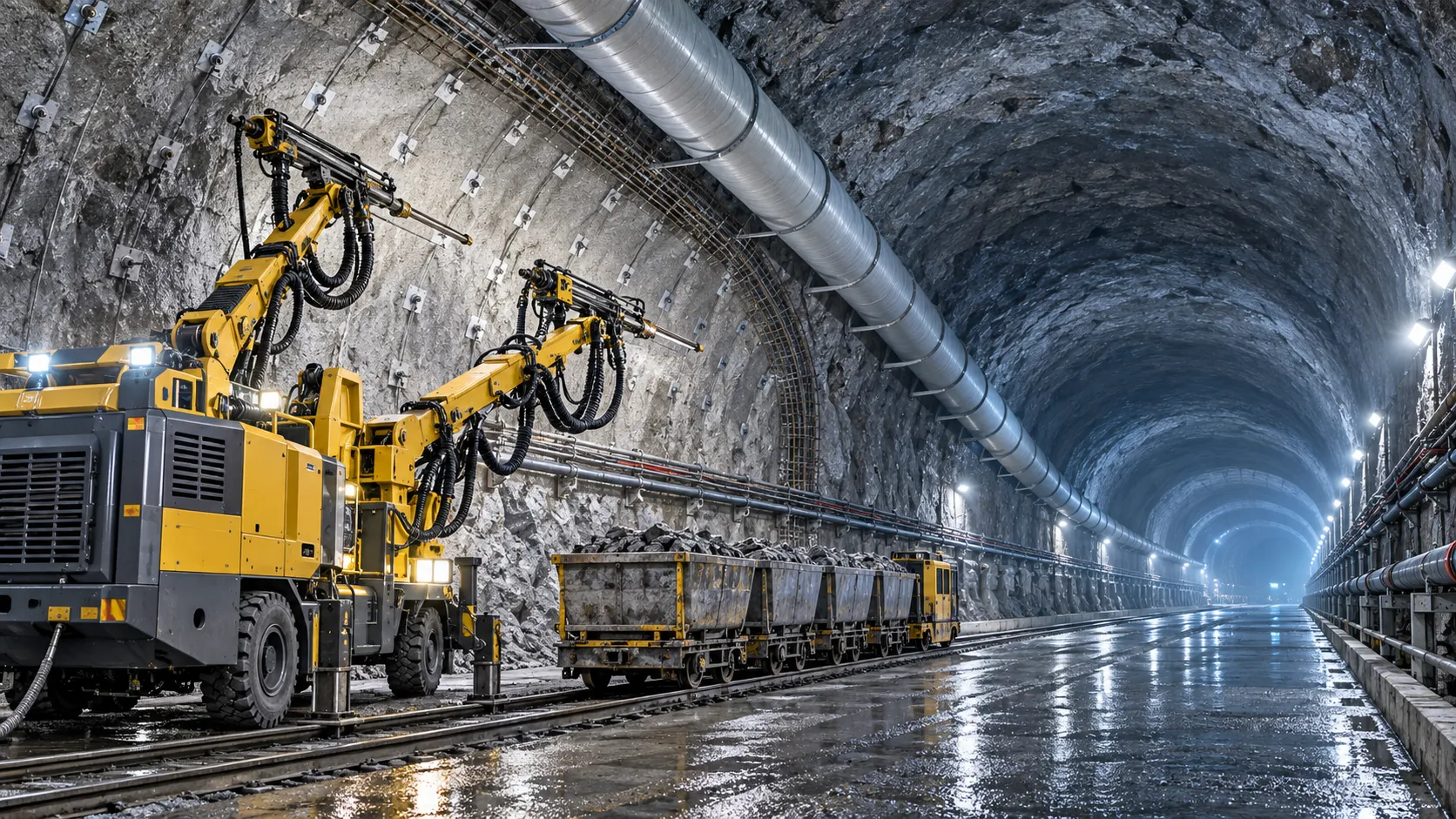
How to Evaluate European Drill-and-Blast Tunnelling Contractors for Complex Projects
Drill and blast tunnelling contractors Europe: learn how to assess geology expertise, blast control, equipment reliability, safety, and programme resilience for complex projects.
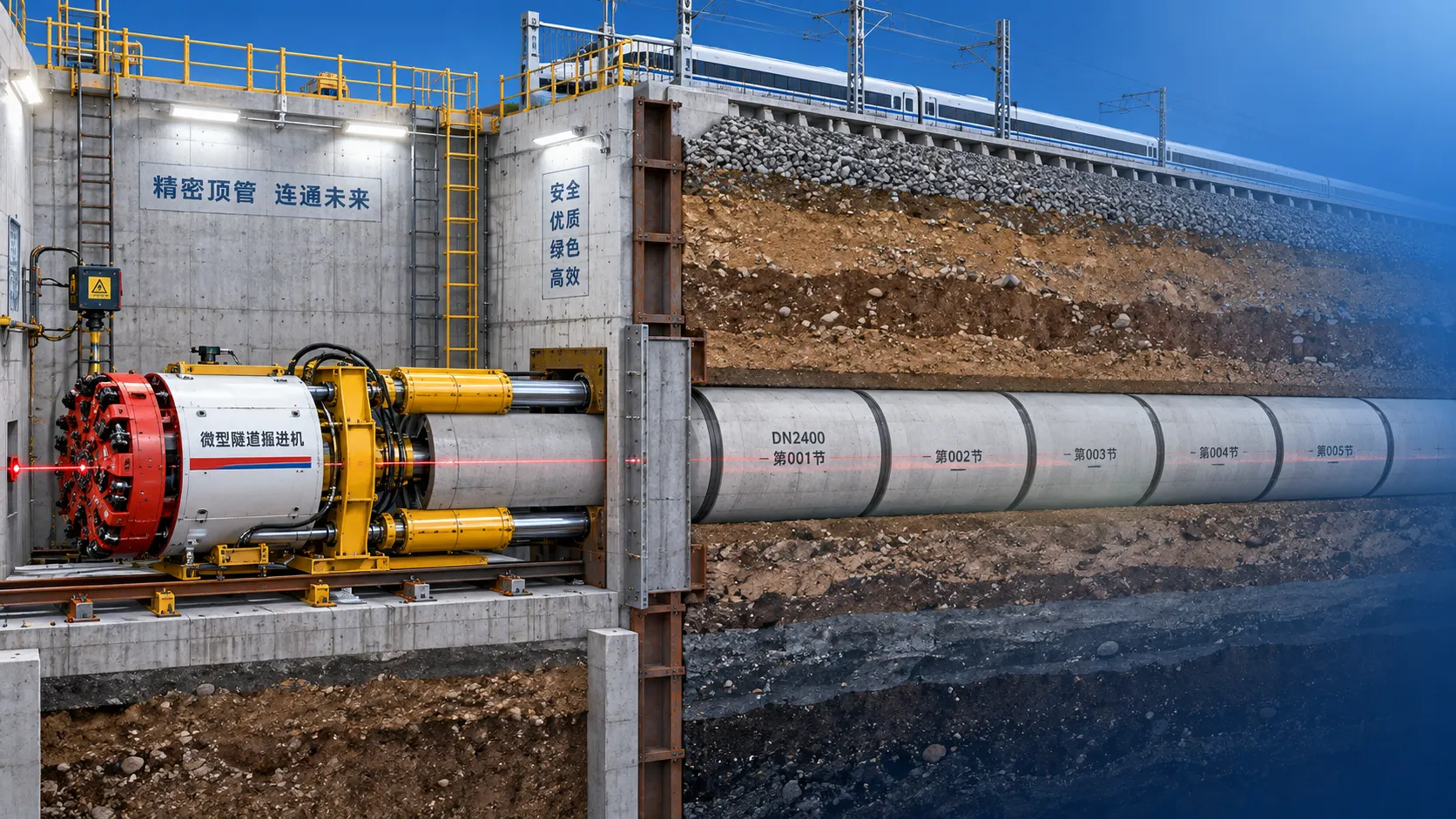
Which Trenchless Construction Technique Fits Your Utility Crossing Conditions?
Trenchless construction techniques compared for utility crossings: choose HDD, microtunnelling, pipe jacking, or auger boring based on ground, accuracy, access, and risk.
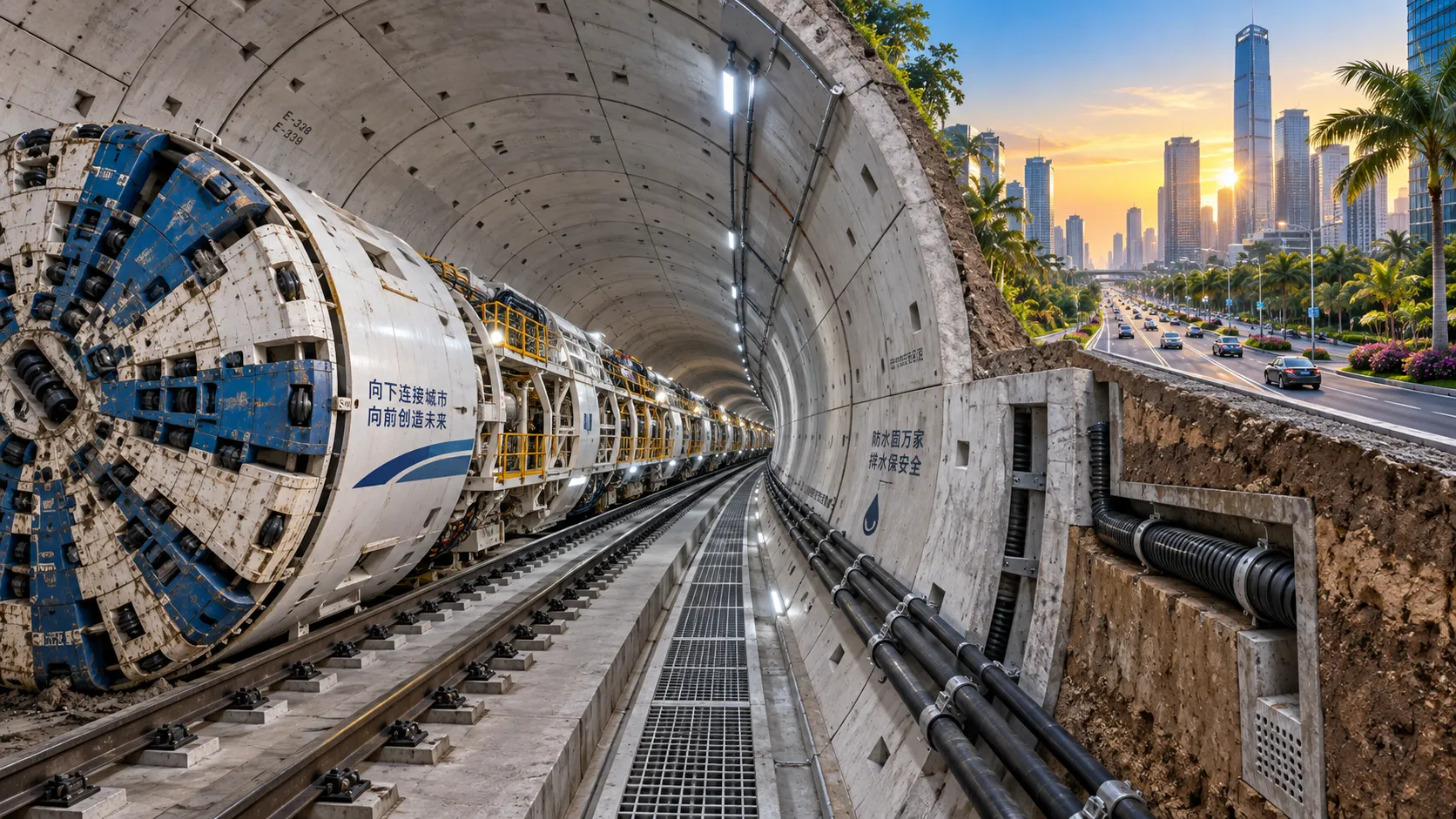
What Is Driving Metro Tunnelling Demand Across Southeast Asia’s Major Cities?
Metro tunnelling Southeast Asia is accelerating as major cities tackle congestion, flooding, and connectivity. Explore the market forces, technical risks, and opportunities shaping demand.
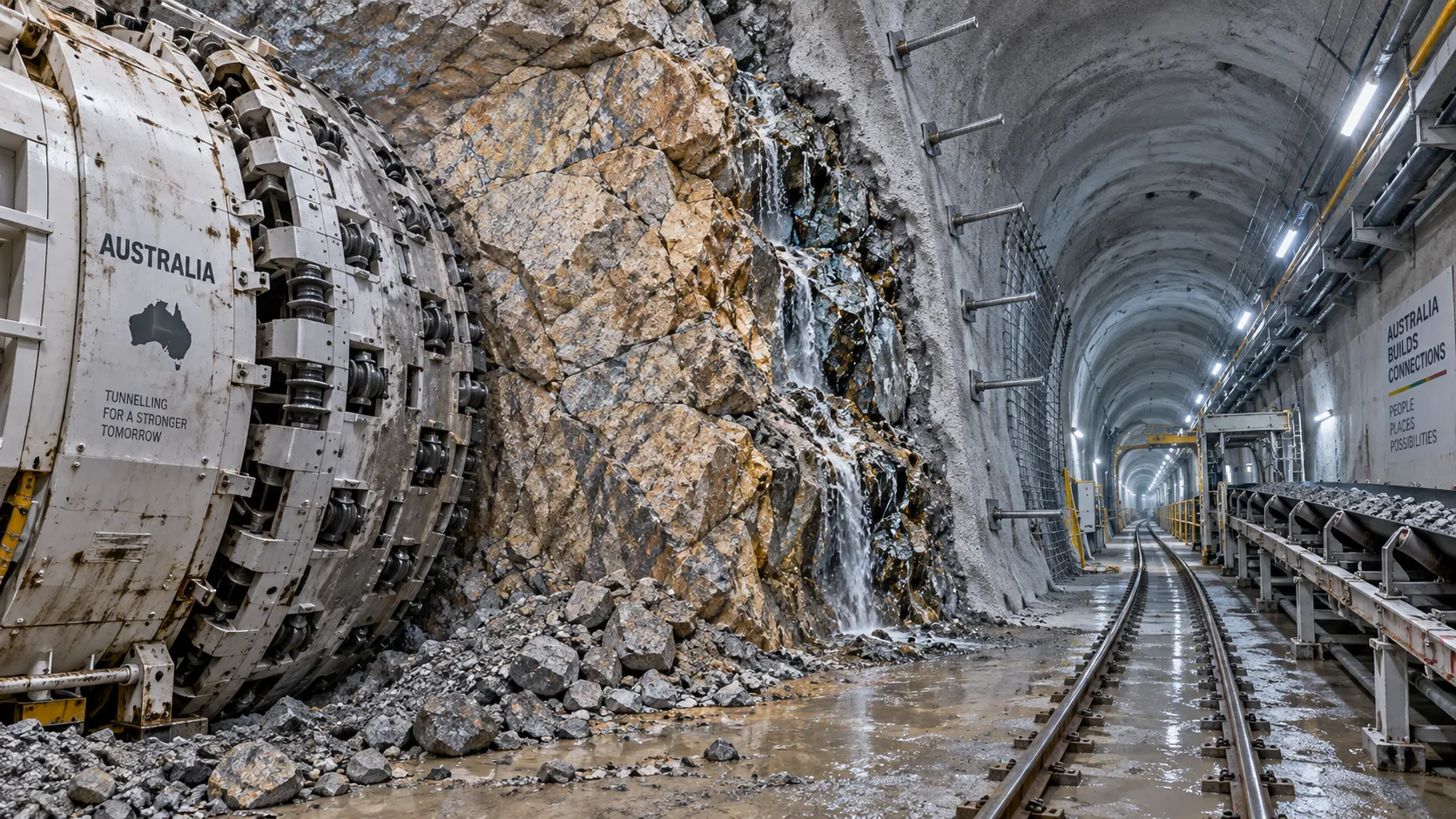
Hard Rock Tunnelling in Australia: Selecting Methods for Variable Ground Conditions
Hard rock tunnelling in Australia: compare TBM, drill-and-blast and hybrid methods to manage variable ground, reduce risk and protect project costs.
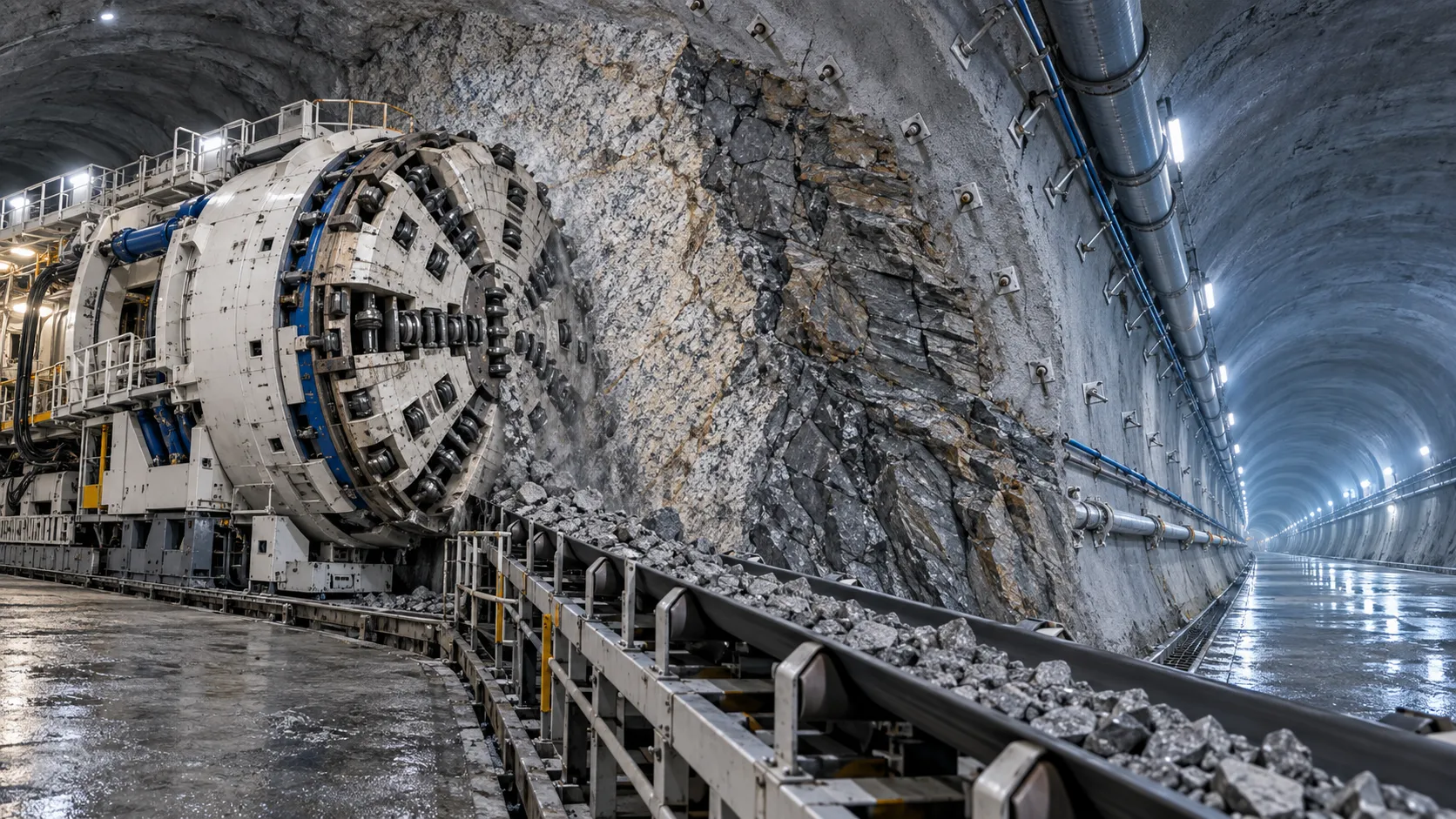
Hydropower Tunnel Excavation: Selecting Methods for Variable Rock Conditions
Hydropower tunnel excavation methods for variable rock conditions: compare TBM, drill-and-blast, and hybrid strategies to improve safety, progress, and project control.
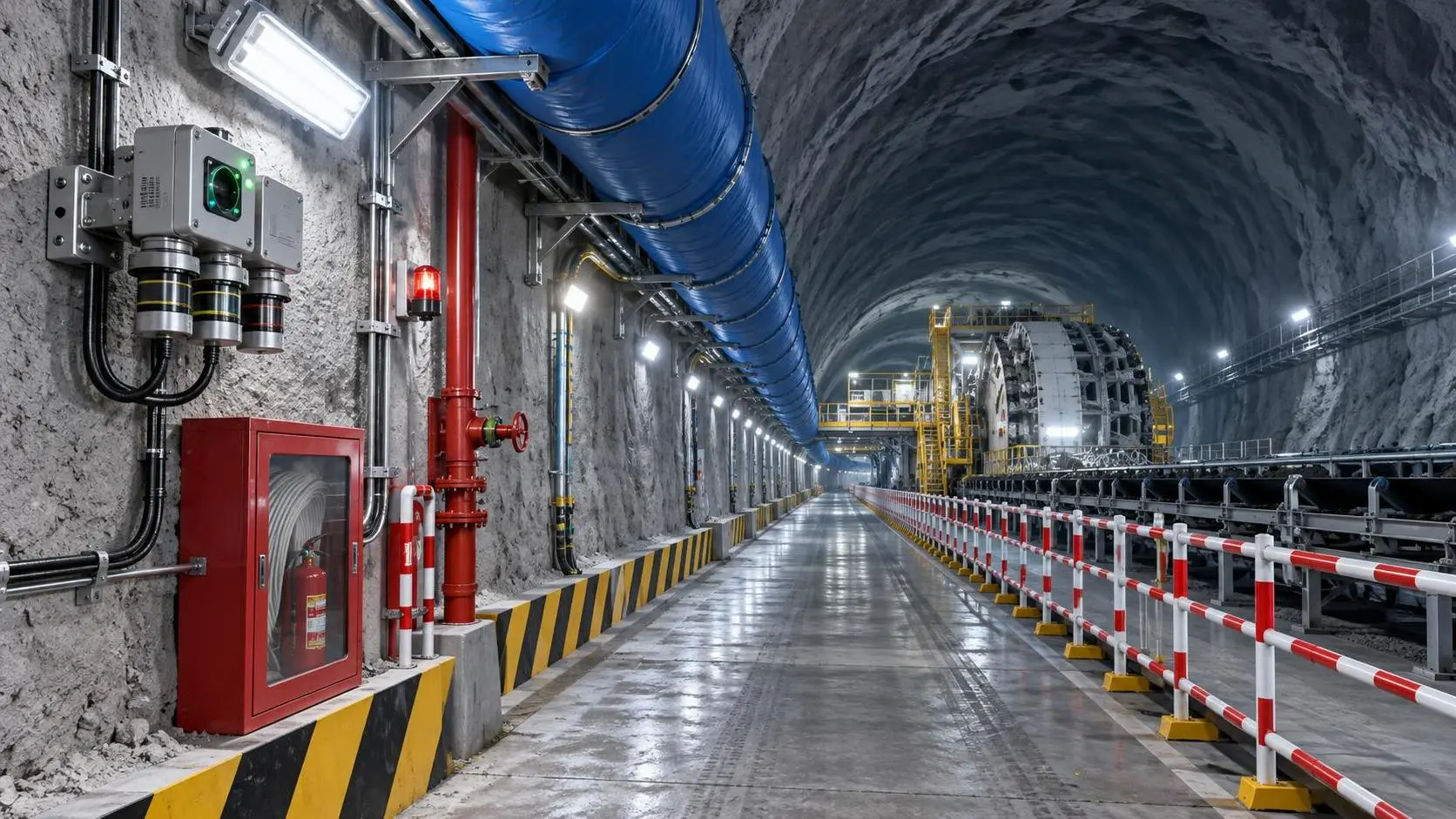
How to Select Underground Safety Equipment for Tunnelling by Hazard and Work Zone
Underground Safety Equipment for tunnelling: match protection to hazards, work zones, compliance, and emergency needs with this practical selection guide.
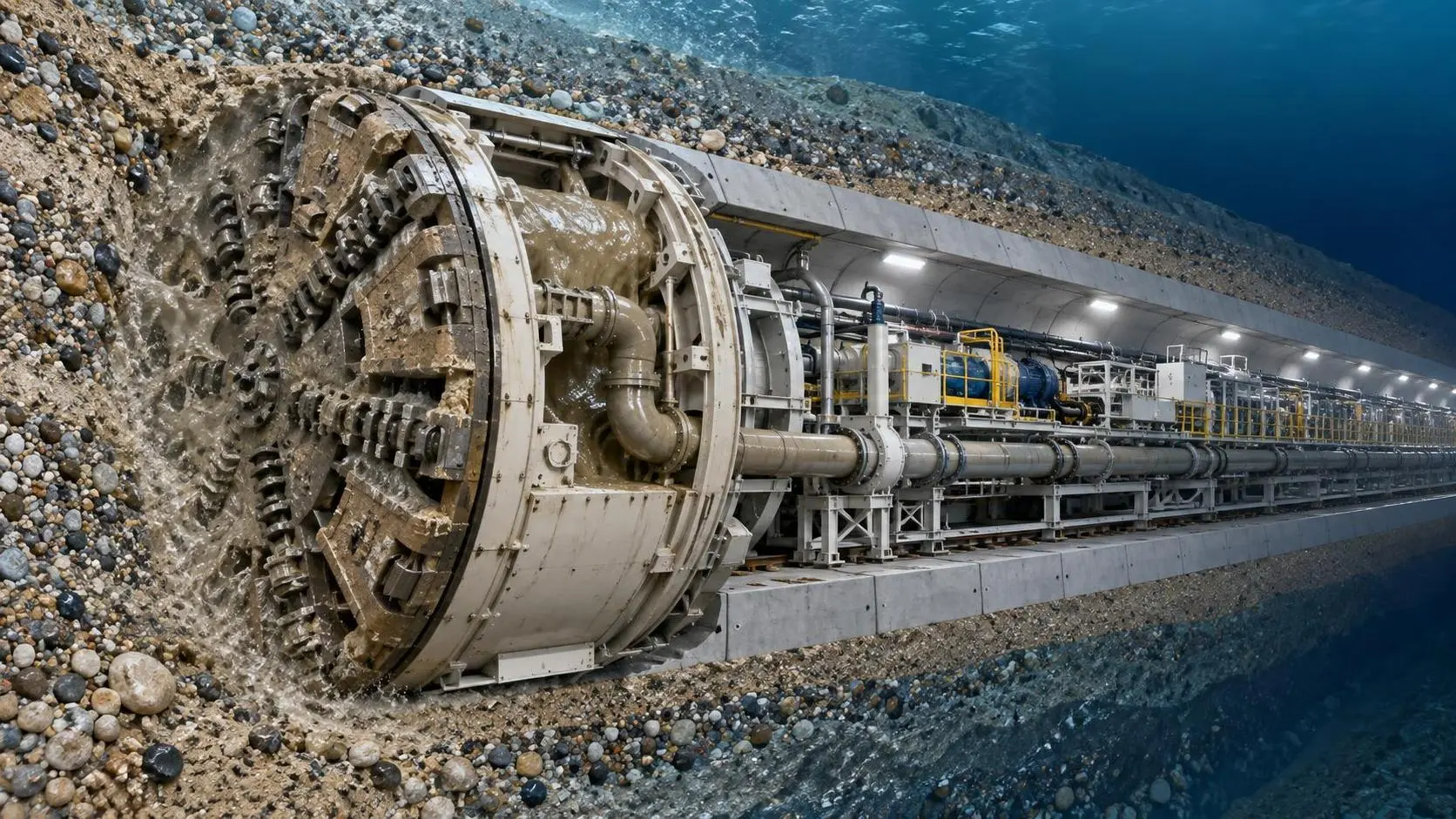
EPB or Slurry Shield? Selecting Soft-Ground Tunnelling Equipment by Soil Conditions
Tunnel Excavation Equipment for soft ground: compare EPB and slurry shields by soil, groundwater, settlement risk, and project logistics to choose confidently.
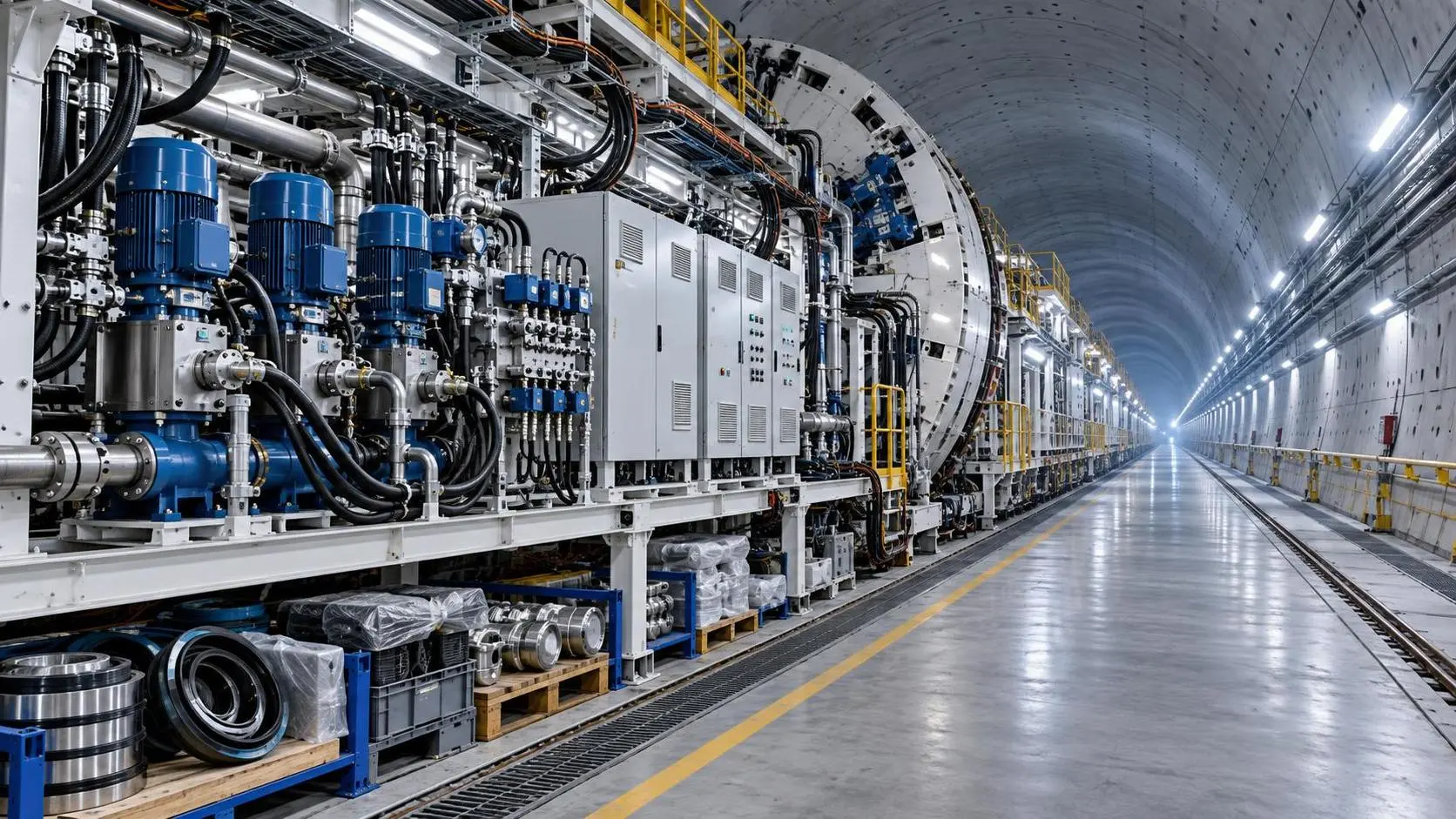
How to Specify TBM Backup System Parts for Reliable Long-Distance Tunnelling
TBM backup system parts: learn how to specify reliable spares for long-distance tunnelling, reduce downtime, ensure compatibility, and speed underground recovery.
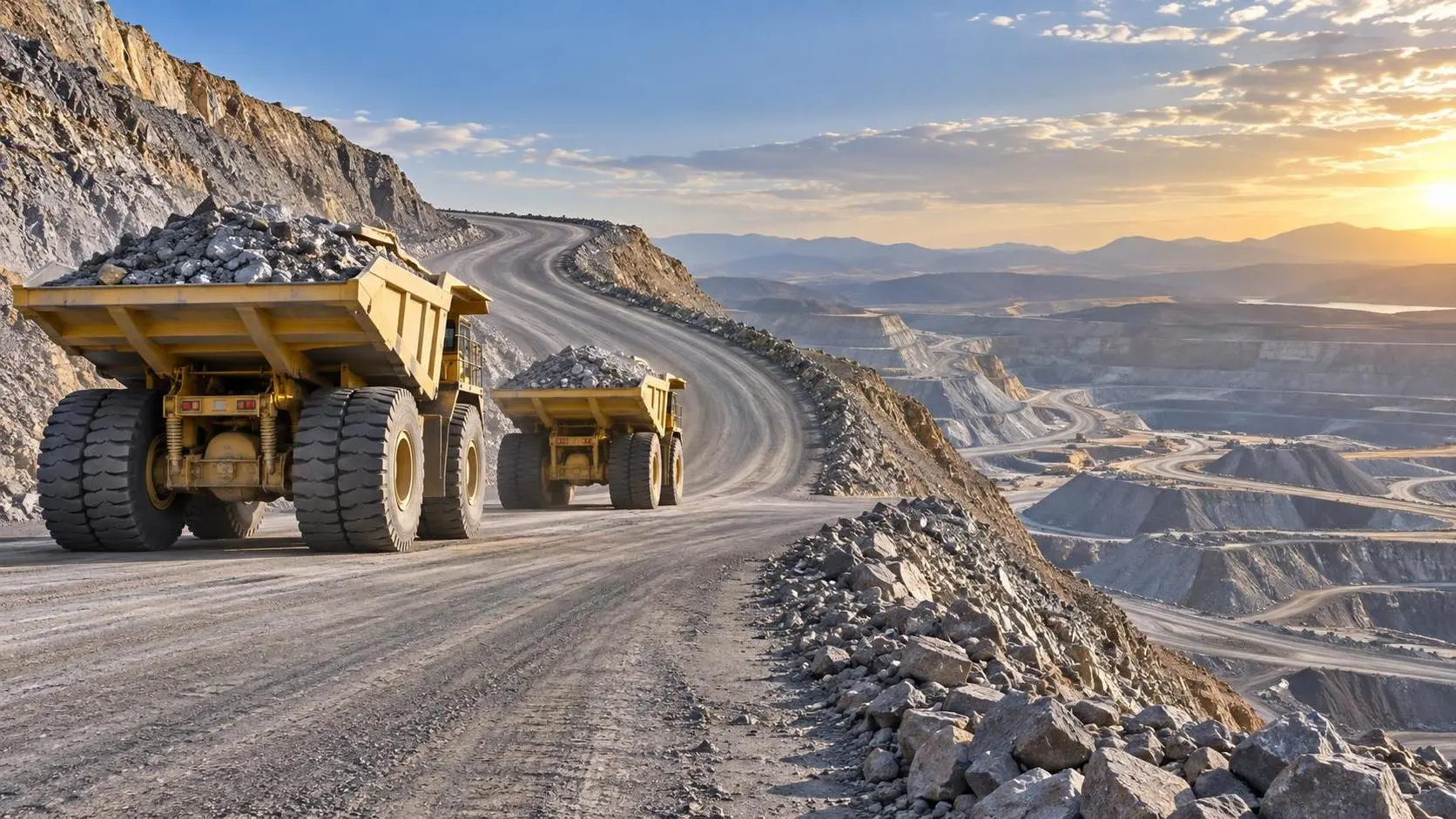
How to Size Open Pit Mining Trucks for Haul Distance, Grade, and Payload?
Open Pit Mining Trucks: learn how to match payload, haul distance, grade, road resistance, and loading capacity for safer, lower-cost mine operations.
Related News
- 00
0000-00
How to Evaluate European Drill-and-Blast Tunnelling Contractors for Complex Projects - 00
0000-00
Which Trenchless Construction Technique Fits Your Utility Crossing Conditions? - 00
0000-00
What Is Driving Metro Tunnelling Demand Across Southeast Asia’s Major Cities? - 00
0000-00
Hard Rock Tunnelling in Australia: Selecting Methods for Variable Ground Conditions - 00
0000-00
Hydropower Tunnel Excavation: Selecting Methods for Variable Rock Conditions
Weekly Insights
Stay ahead with our curated technology reports delivered every Monday.