
Underground Automation vs Remote Operation: Which Setup Fits Your Mine Better?





For technical evaluators comparing mine modernization paths, the choice between Underground Automation and remote operation is rarely straightforward. Each setup affects safety, ventilation demands, productivity, infrastructure investment, and long-term scalability in different ways. This article examines where each model performs best, helping you match technology adoption with orebody conditions, operational risk, and digital readiness.
In practice, the decision is not about picking the more advanced label. It is about defining which operating model can deliver measurable value across 12–36 months without creating hidden bottlenecks in communication, fleet utilization, or mine development sequencing.
For underground mining fleets such as LHDs, drilling jumbos, haulage units, and support vehicles, the comparison usually comes down to three technical questions: how much autonomy is needed, how stable the underground network is, and whether current operators, planners, and maintenance teams can support a more digital workflow.
For organizations tracking smart mine transitions, including intelligence platforms like UTMD, this distinction matters because automation maturity directly influences electrification strategy, ventilation planning, and the long-term business case for deeper, safer, and more data-driven extraction.
What Underground Automation and Remote Operation Actually Mean
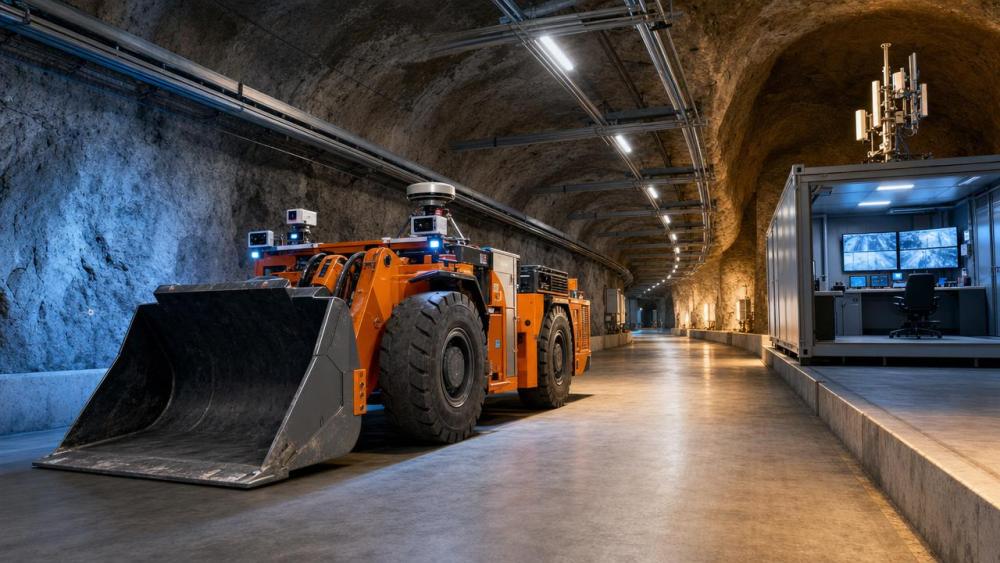
Although the two terms are often used interchangeably, Underground Automation and remote operation are not the same level of control architecture. Remote operation keeps a human in the loop for most motion decisions, while automation shifts selected or full task execution to onboard systems, control logic, and integrated sensors.
A remote-operated LHD may be controlled from a surface station 500 meters or 2 kilometers away, with the operator still steering, loading, and dumping in real time. An automated LHD, by contrast, can follow defined routes, manage traffic logic, and complete tramming cycles with limited human intervention.
Core difference in control philosophy
Remote operation reduces operator exposure to rockfall zones, blasting re-entry delays, and diesel particulates, but it still depends heavily on human reaction speed and continuous network responsiveness. Underground Automation aims to reduce both exposure and variability by standardizing repetitive tasks across every shift.
Typical task allocation
- Remote operation: operator controls steering, bucket positioning, and cycle timing.
- Assisted automation: machine handles speed limits, route guidance, and collision zones.
- Fuller automation: system performs load-haul-dump sequences, queue logic, and traffic coordination.
The table below clarifies how technical evaluators can separate these models during site assessments, procurement reviews, or pilot planning.
The key takeaway is that remote operation improves safety quickly with lower process redesign, while Underground Automation delivers more scalable productivity when the mine can support structured routes, reliable localization, and disciplined fleet rules.
Where Each Setup Performs Better Underground
Mine geometry, production method, and geotechnical variability have a direct impact on technology fit. A sublevel stoping mine with repeated haul cycles over 800–1,500 meter routes creates a very different automation case than a narrow-vein operation with highly variable headings and frequent manual decision points.
Best scenarios for remote operation
Remote operation is often the stronger first step when headings change frequently, drawpoints are visually inconsistent, and the site wants to remove people from high-risk zones without fully redesigning production logic. This is common in post-blast loading, rehabilitation areas, and development faces with irregular ground conditions.
- Frequent blasting windows with 30–90 minute exclusion periods
- Selective ore handling where operator judgment remains important
- Short production horizons where capital payback must be controlled
- Mixed fleets with different machine ages and digital capabilities
Best scenarios for Underground Automation
Underground Automation becomes more attractive when cycles are repetitive and traffic can be standardized. Examples include production stopes with defined loading points, battery-electric LHD routes, ore passes, crusher haul loops, and scheduled shift patterns where dispatch logic can optimize 10–20 cycles per machine per shift.
Automation also aligns well with zero-emission and ventilation-on-demand strategies. If a mine can reduce the number of people entering active production areas, it may be able to re-balance airflow priorities, shorten re-entry waiting time, and improve utilization of battery-electric fleets in deeper levels.
Operational fit indicators
- At least 3–5 repeatable routes per production area
- Reliable localization accuracy suitable for tunnel navigation
- Stable communications in critical intersections and loading zones
- Dispatch discipline across all shifts, not only day shift
The next comparison helps evaluators map each setup to practical underground conditions rather than abstract technology preferences.
The pattern is clear: remote operation usually wins in complexity and flexibility, while Underground Automation wins in repeatability and scaling potential. Mines rarely stay at one end forever; many successful roadmaps begin with remote control and then automate the most stable sections of the cycle.
Evaluation Criteria for Technical Teams
A sound decision requires more than a vendor feature list. Technical evaluators should score both options across at least five categories: safety impact, communication reliability, integration effort, productivity potential, and change-management readiness. A 1–5 scoring model is often enough to identify where hidden risk sits.
1. Safety and exposure reduction
If the mine’s priority is reducing operator exposure in unsupported ground, post-blast headings, or diesel-heavy zones, both models can help. However, remote operation typically delivers faster early safety gains because it can be deployed around specific hotspots without waiting for full fleet logic integration.
2. Communications and localization
Remote control performance depends heavily on low-latency, resilient network coverage. Underground Automation also needs strong connectivity, but some machine functions can continue locally for short periods. Evaluators should test dead zones, signal handovers, and latency spikes over at least 2–4 weeks across all active levels.
3. Cycle repeatability and process stability
Where loading points, routes, and dump points change every few days, automation complexity rises sharply. If more than 70% of the production cycle is repeatable, Underground Automation often has a stronger medium-term case. If repeatability is below 40%, remote operation may provide better value per unit of engineering effort.
4. Maintenance and software support model
Automation increases dependence on sensors, firmware, network diagnostics, and software updates. That does not make it weaker, but it does mean maintenance teams need different competencies. Sites should define who handles calibration, who validates route changes, and how quickly faults must be resolved during a production shift.
5. Workforce transition and control-room design
A remote operating station is not just a relocated cabin. Ergonomics, video quality, alarm prioritization, and operator workload all matter. Automation goes one step further by changing jobs from machine control to exception management, making training, trust, and SOP redesign critical over the first 6–12 months.
A practical five-step assessment sequence
- Map high-risk zones, travel routes, and delay causes by equipment type.
- Measure communication stability and localization performance on active levels.
- Classify production tasks into repeatable, semi-repeatable, and variable cycles.
- Estimate integration scope for fleet management, ventilation, and maintenance systems.
- Run a phased pilot with defined KPIs for safety, utilization, and cycle consistency.
Implementation Pathways, Risks, and Common Mistakes
Most mines do not move directly from manual operation to full autonomy. The safer pattern is staged adoption. A typical roadmap may start with tele-remote loading in 1–2 headings, expand to line-of-sight-free remote operation, and then automate tramming or production loops once route quality and traffic rules are validated.
A phased modernization model
Phase 1 usually lasts 3–6 months and focuses on communications, camera systems, operating stations, and baseline measurements. Phase 2 often covers 6–9 months of remote operation deployment with operator training and shift-level KPI monitoring. Phase 3 adds selected Underground Automation functions where repeatability and infrastructure are proven.
Common mistakes in technology selection
- Choosing automation before mapping process variability underground
- Underestimating communication upgrades in ramps, intersections, and ore passes
- Evaluating one machine in isolation instead of the full shift workflow
- Ignoring maintenance software and spare-parts planning
- Expecting immediate productivity gains before operators and planners adapt
Risk controls technical evaluators should insist on
For either setup, define fallback modes clearly. Machines need safe-stop logic, manual takeover procedures, and alarm priorities. Control rooms need tested response playbooks. Pilot programs should include at least 4–6 critical failure scenarios such as network loss, camera failure, route obstruction, and sensor misalignment.
For battery-electric underground fleets, the interaction between automation and charging or battery swapping also matters. Queue logic, charging windows, and traffic coordination can either improve utilization or create new delays if digital systems are added without process engineering.
Which Setup Fits Your Mine Better?
If your mine needs a fast safety intervention in hazardous zones, has variable headings, and wants a lower-disruption first step, remote operation is often the better fit. It can deliver measurable value early, especially where manual judgment remains central to loading and movement decisions.
If your operation has repeatable routes, a stable digital backbone, and a multi-year plan for electrification, ventilation efficiency, and fleet coordination, Underground Automation usually provides the stronger long-term platform. Its value grows as more machines, levels, and data streams are connected into one operating system.
For many technical evaluators, the smartest answer is not either-or. It is a hybrid roadmap: remote operation where ground conditions are variable, and Underground Automation where cycles are repetitive enough to justify higher integration. That approach limits risk while preserving expansion potential.
UTMD closely follows this transition across underground mining transport systems, battery-electric LHD deployment, and smart control architectures because the best modernization decisions are rarely about equipment alone. They are about how rock conditions, digital readiness, ventilation constraints, and production economics fit together underground.
If you are evaluating modernization pathways for your mine, now is the time to compare route repeatability, infrastructure readiness, and operator workflow in one framework. Contact us to discuss a tailored assessment, get a technology-fit roadmap, or explore more underground automation solutions built for real mining conditions.
Related News
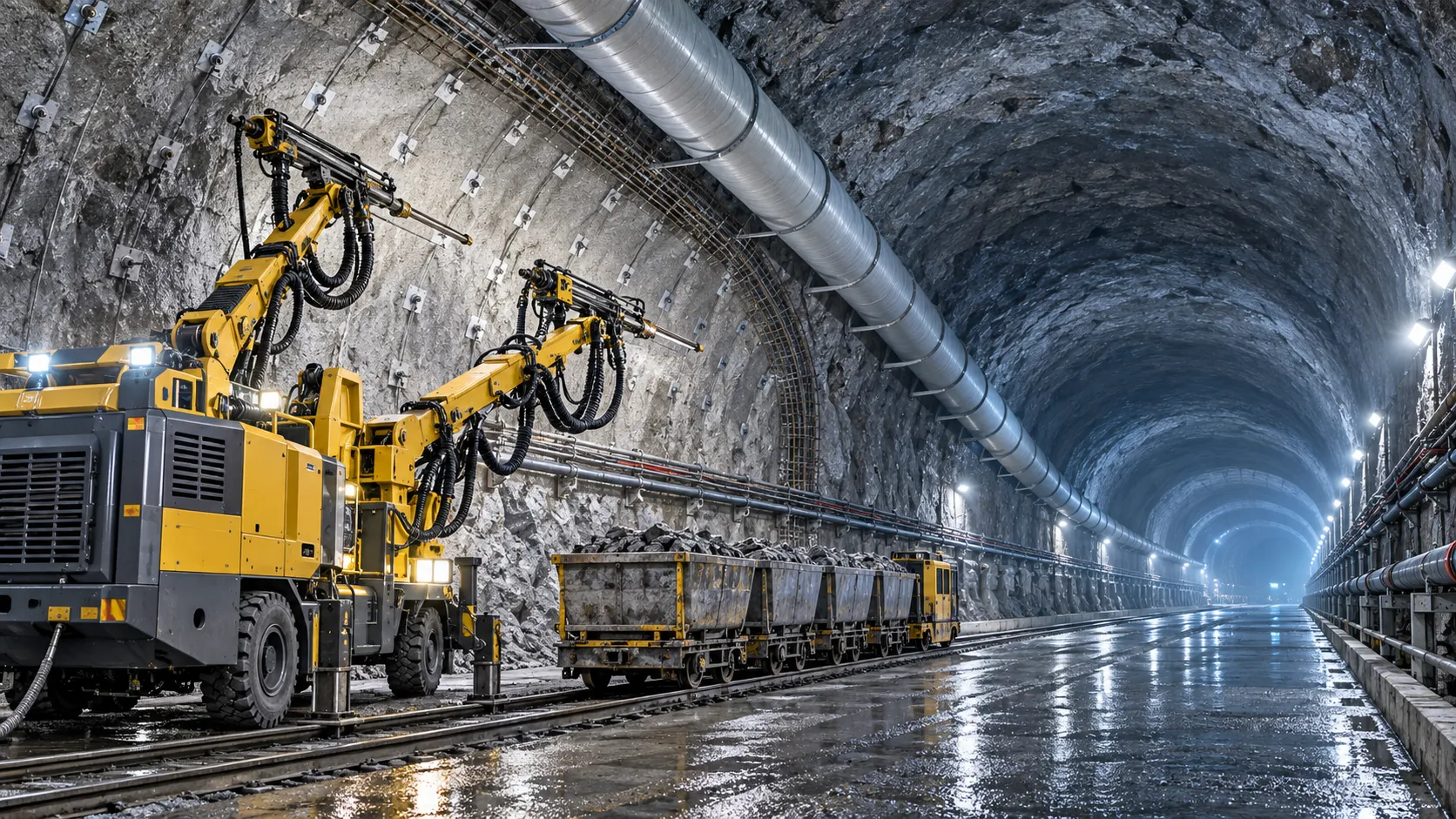
How to Evaluate European Drill-and-Blast Tunnelling Contractors for Complex Projects
Drill and blast tunnelling contractors Europe: learn how to assess geology expertise, blast control, equipment reliability, safety, and programme resilience for complex projects.
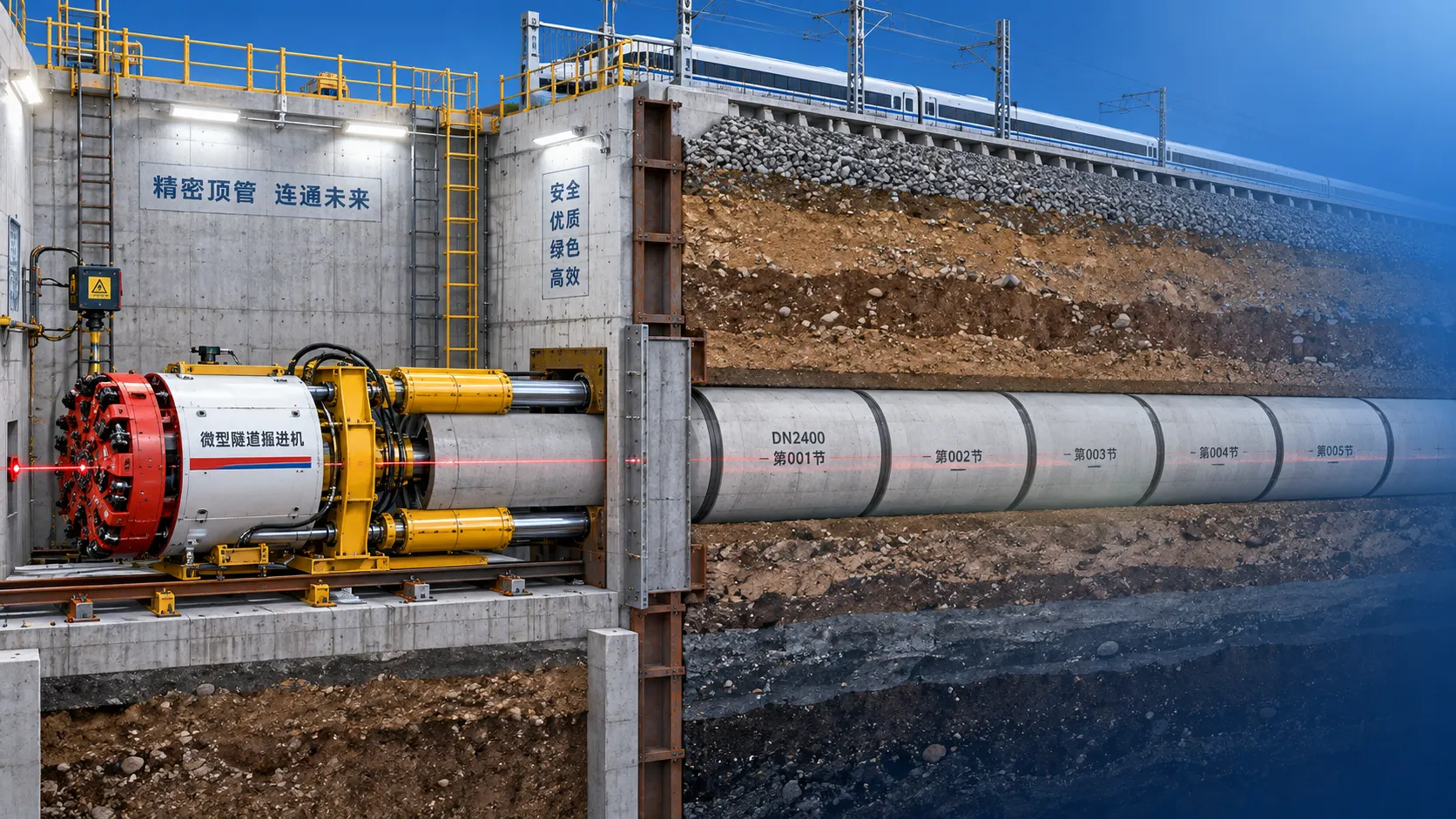
Which Trenchless Construction Technique Fits Your Utility Crossing Conditions?
Trenchless construction techniques compared for utility crossings: choose HDD, microtunnelling, pipe jacking, or auger boring based on ground, accuracy, access, and risk.
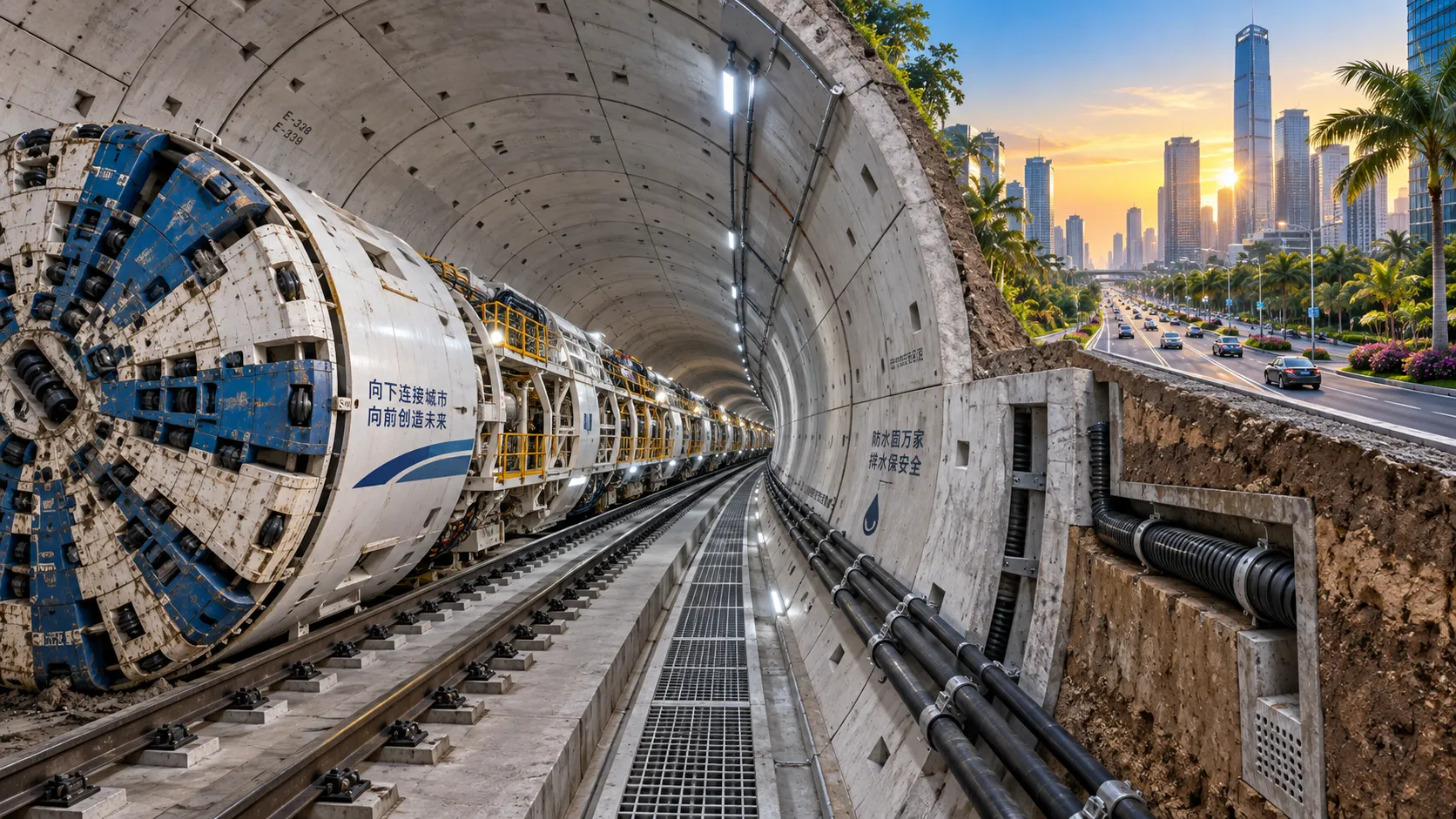
What Is Driving Metro Tunnelling Demand Across Southeast Asia’s Major Cities?
Metro tunnelling Southeast Asia is accelerating as major cities tackle congestion, flooding, and connectivity. Explore the market forces, technical risks, and opportunities shaping demand.
Hard Rock Tunnelling in Australia: Selecting Methods for Variable Ground Conditions
Hard rock tunnelling in Australia: compare TBM, drill-and-blast and hybrid methods to manage variable ground, reduce risk and protect project costs.
Hydropower Tunnel Excavation: Selecting Methods for Variable Rock Conditions
Hydropower tunnel excavation methods for variable rock conditions: compare TBM, drill-and-blast, and hybrid strategies to improve safety, progress, and project control.
How to Select Underground Safety Equipment for Tunnelling by Hazard and Work Zone
Underground Safety Equipment for tunnelling: match protection to hazards, work zones, compliance, and emergency needs with this practical selection guide.
EPB or Slurry Shield? Selecting Soft-Ground Tunnelling Equipment by Soil Conditions
Tunnel Excavation Equipment for soft ground: compare EPB and slurry shields by soil, groundwater, settlement risk, and project logistics to choose confidently.
How to Specify TBM Backup System Parts for Reliable Long-Distance Tunnelling
TBM backup system parts: learn how to specify reliable spares for long-distance tunnelling, reduce downtime, ensure compatibility, and speed underground recovery.
How to Size Open Pit Mining Trucks for Haul Distance, Grade, and Payload?
Open Pit Mining Trucks: learn how to match payload, haul distance, grade, road resistance, and loading capacity for safer, lower-cost mine operations.
Related News
- 00
0000-00
How to Evaluate European Drill-and-Blast Tunnelling Contractors for Complex Projects - 00
0000-00
Which Trenchless Construction Technique Fits Your Utility Crossing Conditions? - 00
0000-00
What Is Driving Metro Tunnelling Demand Across Southeast Asia’s Major Cities? - 00
0000-00
Hard Rock Tunnelling in Australia: Selecting Methods for Variable Ground Conditions - 00
0000-00
Hydropower Tunnel Excavation: Selecting Methods for Variable Rock Conditions
Weekly Insights
Stay ahead with our curated technology reports delivered every Monday.