
Mining Innovation for Haulage: Which Technologies Improve Fleet Efficiency?





Mining innovation for haulage is moving from pilot projects to fleet strategy
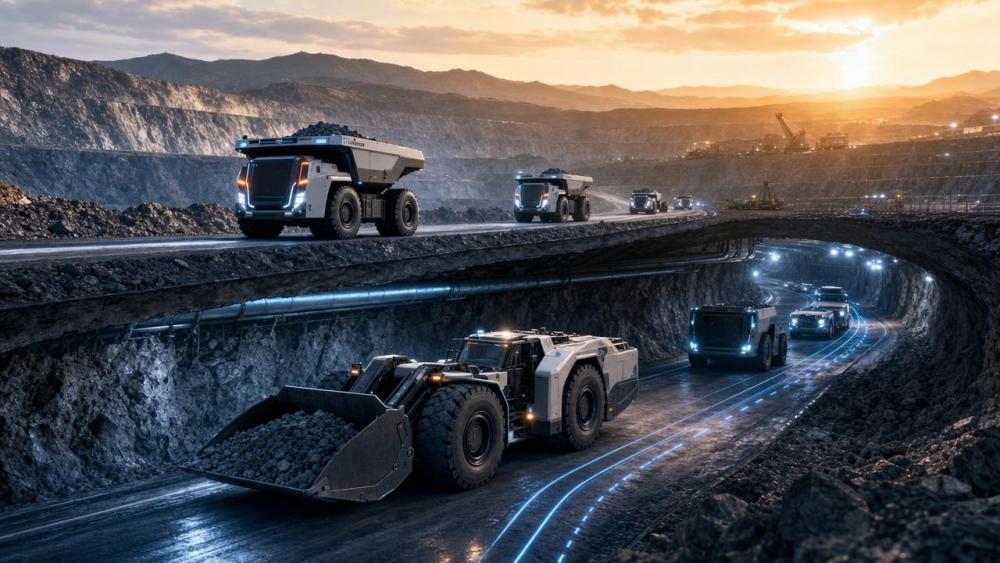
Mining innovation for haulage now sits at the center of productivity planning across underground and surface operations.
The shift is visible in battery-electric trucks, autonomous routes, connected LHD fleets, and smarter dispatch layers.
What changed is not only the technology base.
The economics of ventilation, labor exposure, energy use, and downtime now make older haulage models harder to defend.
For deep mines and large open pits, fleet efficiency is no longer measured by payload alone.
It is increasingly defined by cycle consistency, charge or fueling logic, traffic control, maintenance predictability, and data visibility.
This is where mining innovation for haulage becomes a strategic issue rather than a narrow equipment upgrade.
UTMD has tracked this pattern across tunnel engineering, underground transport, and heavy mining systems.
The same intelligence stitching used to interpret TBM reliability and trenchless automation now helps explain haulage transformation.
In both underground mines and mega-infrastructure corridors, operators want machines that cut delays, reduce emissions, and hold output under harsher conditions.
The clearest signal is that efficiency is being redesigned around the whole haul cycle
A few years ago, most improvement discussions centered on engine size, payload class, or isolated automation modules.
Now the market is looking at the full haul chain.
Loading time, queue length, grade performance, braking recovery, battery swaps, operator handoffs, and ore flow balancing are being analyzed together.
That broader view matters because many mines already extracted the easy gains.
The next efficiency step comes from reducing hidden losses between machines, shifts, and networked control points.
This is especially evident underground, where tunnel dimensions, heat, dust, and visibility restrict operational flexibility.
In open-pit settings, the pressure comes from fuel costs, ramp congestion, tire wear, and decarbonization targets.
Mining innovation for haulage is responding to both environments, but not with one universal answer.
Why this shift is accelerating now
- Energy transition metals are pushing mine expansions into deeper, hotter, and more complex operating zones.
- ESG commitments are forcing zero-exhaust and lower-carbon transport choices in confined spaces.
- Autonomy software has matured enough to manage repeatable haul routes with better accuracy.
- Sensor packages now support better location awareness, payload tracking, and condition monitoring.
- Labor availability and safety expectations are increasing interest in remote and semi-autonomous operation.
Taken together, these drivers explain why mining innovation for haulage is becoming capital planning logic, not just technical experimentation.
Electrification is gaining attention, but the bigger value lies in system efficiency
Battery-electric mining trucks and underground LHDs attract attention because they remove diesel exhaust and cut ventilation burdens.
That benefit is real, especially in deep workings.
Still, the stronger business case often comes from how electric haulage changes the operating system around the machine.
Electric drivetrains can provide higher torque response on ramps, smoother acceleration, and less mechanical complexity in selected subsystems.
Regenerative braking adds another layer of value on long downhill hauls, a topic UTMD has repeatedly highlighted in fleet performance tracking.
In underground operations, battery swapping can reduce idle time if the site layout supports it.
If layout planning is weak, the same technology can create new bottlenecks.
That is why mining innovation for haulage should be assessed as infrastructure design, traffic design, and maintenance design at the same time.
The pattern is clear.
The winning technologies are not always the most visible ones, but the ones that reduce repeatable friction across every trip.
Autonomy and intelligence are changing what “reliable output” actually means
Autonomous haulage systems were once framed mainly as labor substitution tools.
That view now feels too narrow.
The stronger operational gain comes from repeatability.
When truck speed profiles, stopping points, cornering behavior, and queue logic become predictable, planners gain tighter control over throughput.
In underground mines, smart LHDs equipped with remote control, telemetry, and SLAM-based navigation are pushing the same idea further.
They help keep material moving even when visibility is poor or blast clearance slows access.
This is one area where UTMD’s broader perspective matters.
The same digital discipline seen in TBM sensor fusion and trenchless guidance is shaping haulage intelligence underground.
Mining innovation for haulage increasingly depends on whether machines can see, decide, and coordinate within difficult geologies.
Where the impact spreads beyond transport alone
Haulage upgrades do not stay inside the fleet department.
They affect mine design, maintenance planning, energy procurement, ventilation strategy, and even project finance assumptions.
- Production planning becomes more precise when dispatch data and route behavior are visible in real time.
- Safety frameworks improve when fewer people are exposed to heat, diesel fumes, or unstable headings.
- Maintenance teams shift from reactive repair to component life forecasting and software-driven diagnostics.
- Capital models increasingly include ventilation savings, energy recovery, and infrastructure readiness.
That broader operational effect is why mining innovation for haulage is now discussed in boardrooms, not only in equipment yards.
The next decisions will favor technologies that fit the site, not the headline
A common mistake is to chase the most advanced fleet concept without checking site compatibility.
In practice, efficiency gains depend on route length, gradient, orebody geometry, ventilation cost, communication stability, and maintenance skill depth.
A battery-electric LHD can outperform diesel strongly in one mine and underperform in another if swap bays are badly positioned.
An autonomous truck fleet can raise output on repeatable ramps yet struggle in highly variable mixed-traffic zones.
This is why recent demand is shifting toward modular adoption.
Operators often start with selected routes, one loading zone, or a specific underground panel before scaling wider.
The market is rewarding technologies that prove measurable gains under constrained conditions, not only in showcase deployments.
Questions worth asking before the next fleet move
- Which part of the haul cycle loses the most time today: loading, travel, waiting, energy handling, or maintenance?
- Can the site support data quality high enough for autonomous or semi-autonomous decisions?
- Will electrification reduce ventilation and heat costs enough to offset infrastructure upgrades?
- Are current KPIs focused on asset utilization, or still too centered on nominal payload?
- Does the pilot design reflect real production conditions, not idealized test conditions?
These questions help separate meaningful mining innovation for haulage from expensive but shallow modernization.
What deserves close attention over the next cycle
The next wave will likely be less about single breakthrough machines and more about connected performance layers.
Expect tighter links between electrified drivetrains, dispatch platforms, digital twins, predictive maintenance, and route optimization.
Underground, remote control and autonomy will keep advancing where zero-exhaust requirements and labor exposure risks are highest.
Surface fleets will continue to push autonomous coordination, energy efficiency, and braking recovery on long-haul profiles.
UTMD’s view across TBMs, drilling systems, mining dump trucks, and underground LHD loaders suggests a common rule.
The most resilient fleets are built around reliability in extreme environments, not innovation theater.
Mining innovation for haulage delivers the strongest return when technology selection follows rock conditions, energy constraints, and operational discipline.
A practical next step is to map current fleet losses, compare them against electrification and automation pathways, and stage deployment by the most constrained haul segments first.
That approach creates a clearer basis for investment, avoids headline-driven decisions, and turns efficiency into a repeatable operating advantage.
Related News
How to Evaluate European Drill-and-Blast Tunnelling Contractors for Complex Projects
Drill and blast tunnelling contractors Europe: learn how to assess geology expertise, blast control, equipment reliability, safety, and programme resilience for complex projects.
Which Trenchless Construction Technique Fits Your Utility Crossing Conditions?
Trenchless construction techniques compared for utility crossings: choose HDD, microtunnelling, pipe jacking, or auger boring based on ground, accuracy, access, and risk.
What Is Driving Metro Tunnelling Demand Across Southeast Asia’s Major Cities?
Metro tunnelling Southeast Asia is accelerating as major cities tackle congestion, flooding, and connectivity. Explore the market forces, technical risks, and opportunities shaping demand.
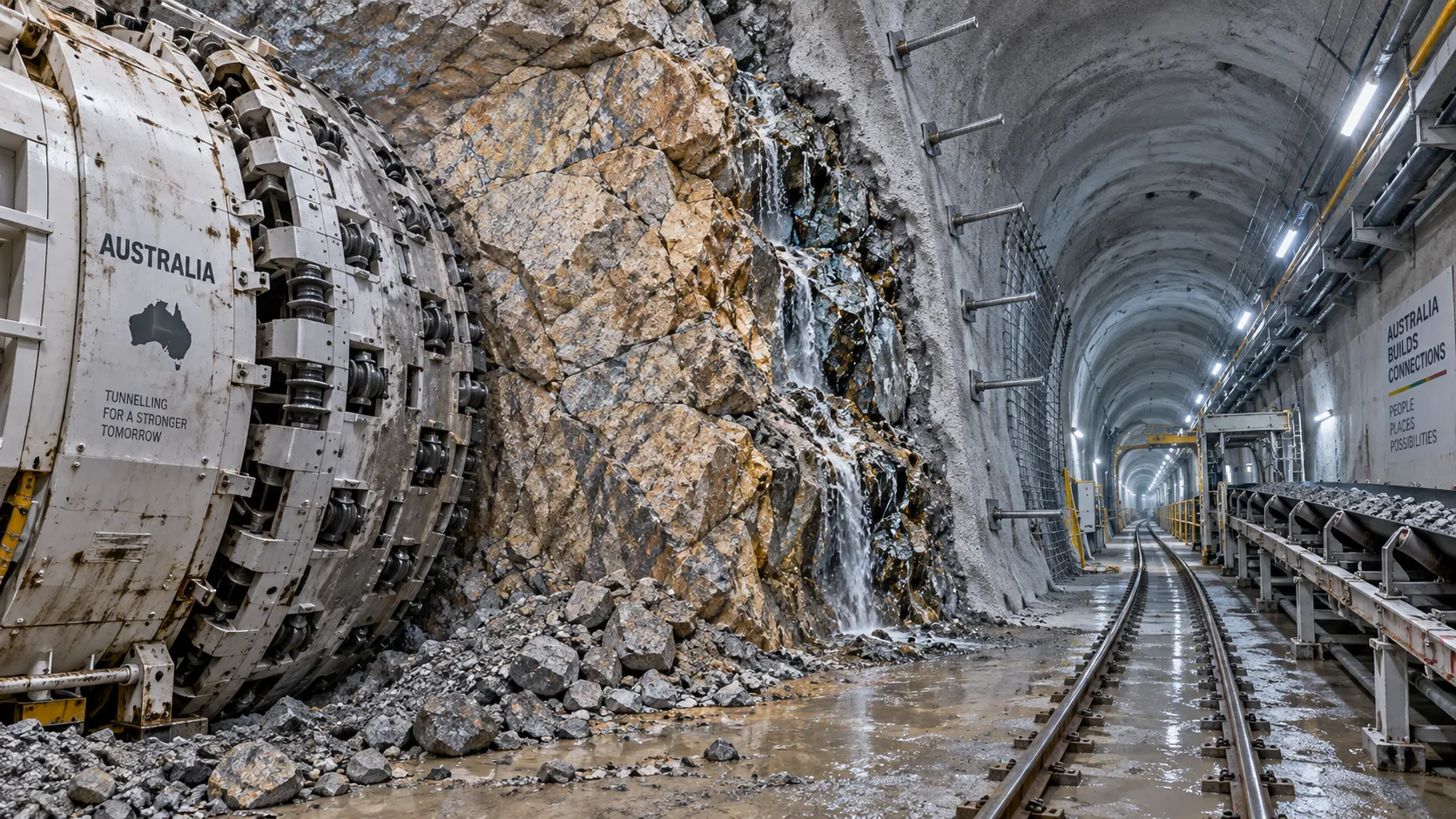
Hard Rock Tunnelling in Australia: Selecting Methods for Variable Ground Conditions
Hard rock tunnelling in Australia: compare TBM, drill-and-blast and hybrid methods to manage variable ground, reduce risk and protect project costs.
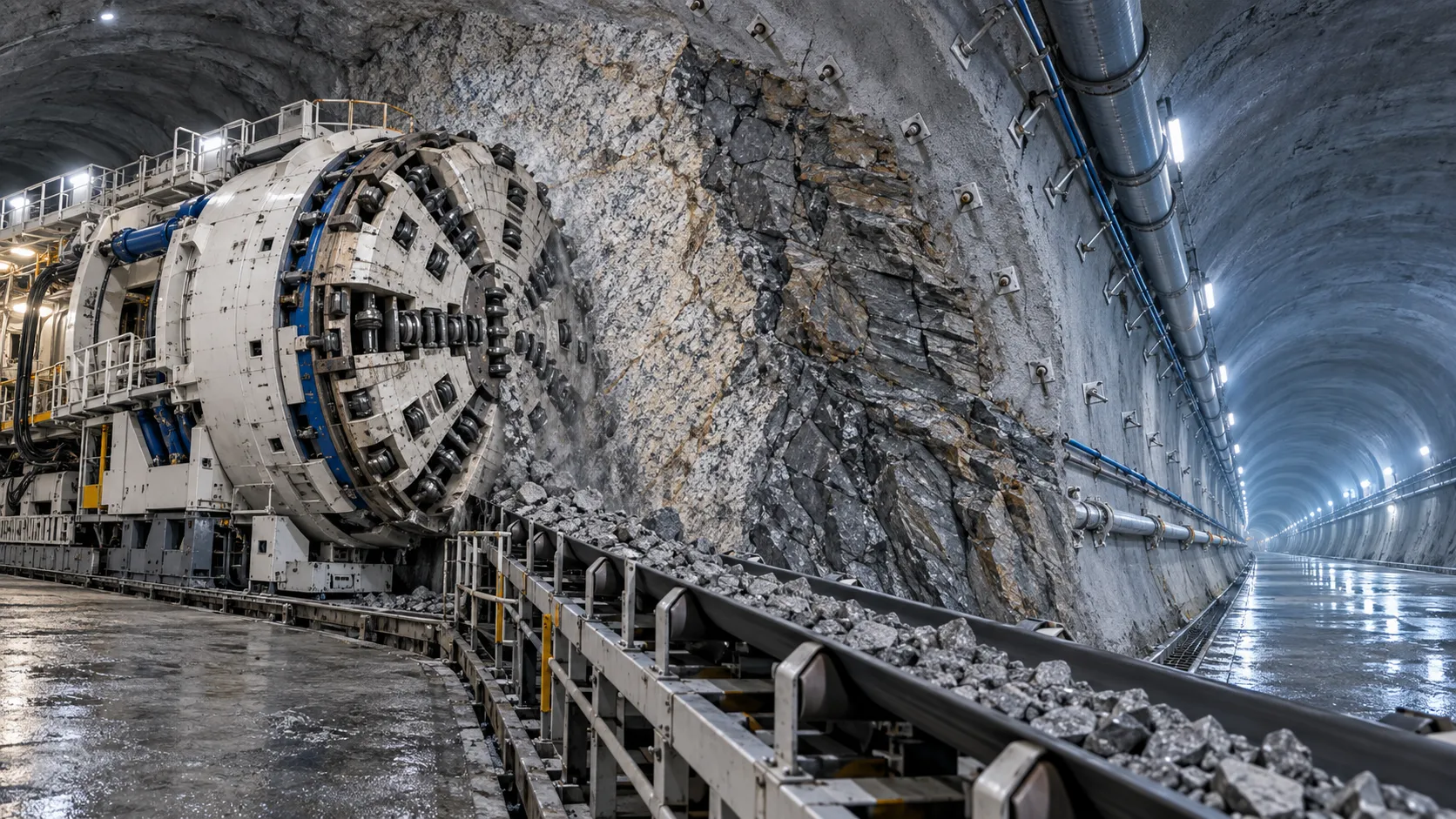
Hydropower Tunnel Excavation: Selecting Methods for Variable Rock Conditions
Hydropower tunnel excavation methods for variable rock conditions: compare TBM, drill-and-blast, and hybrid strategies to improve safety, progress, and project control.
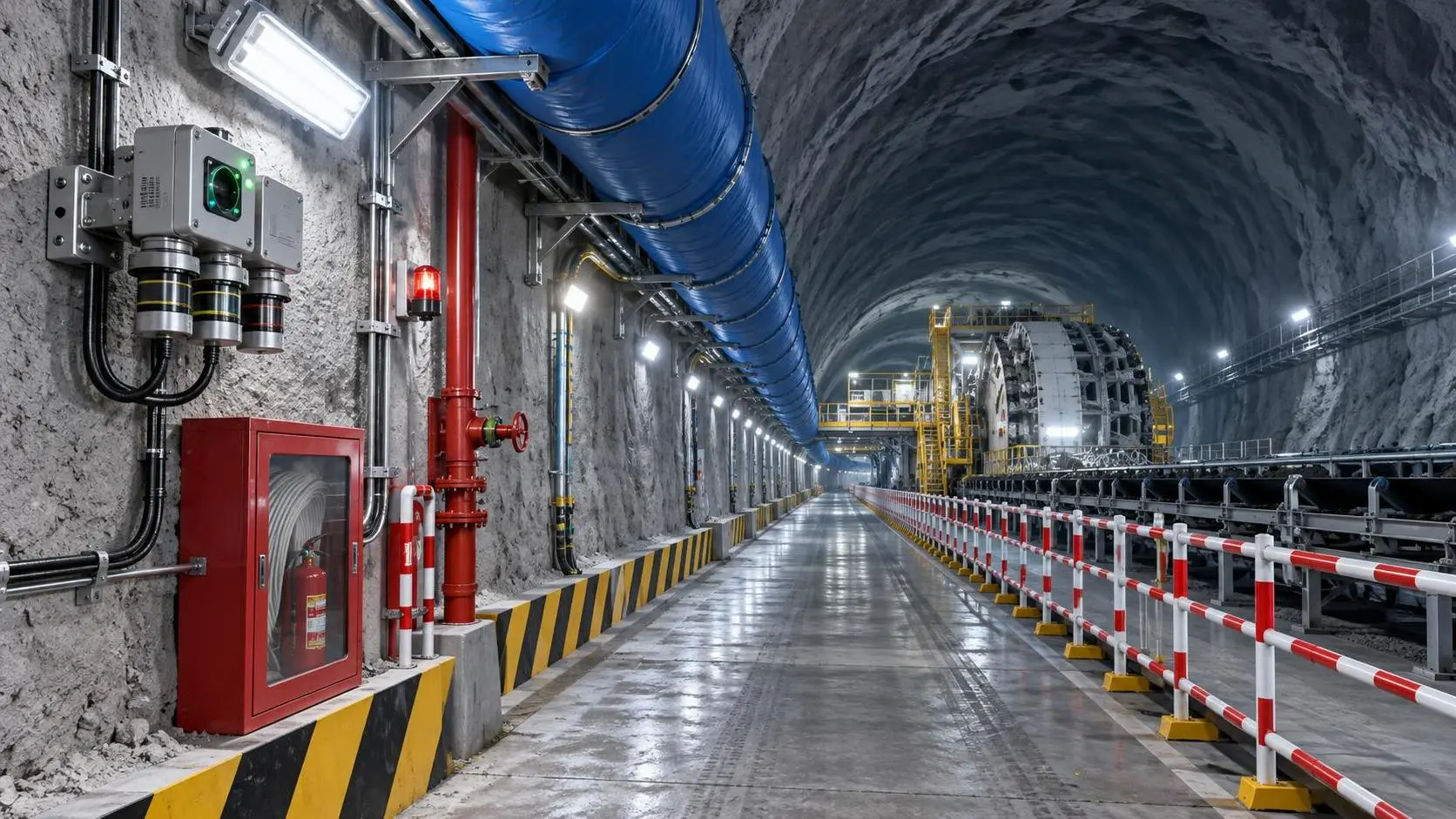
How to Select Underground Safety Equipment for Tunnelling by Hazard and Work Zone
Underground Safety Equipment for tunnelling: match protection to hazards, work zones, compliance, and emergency needs with this practical selection guide.
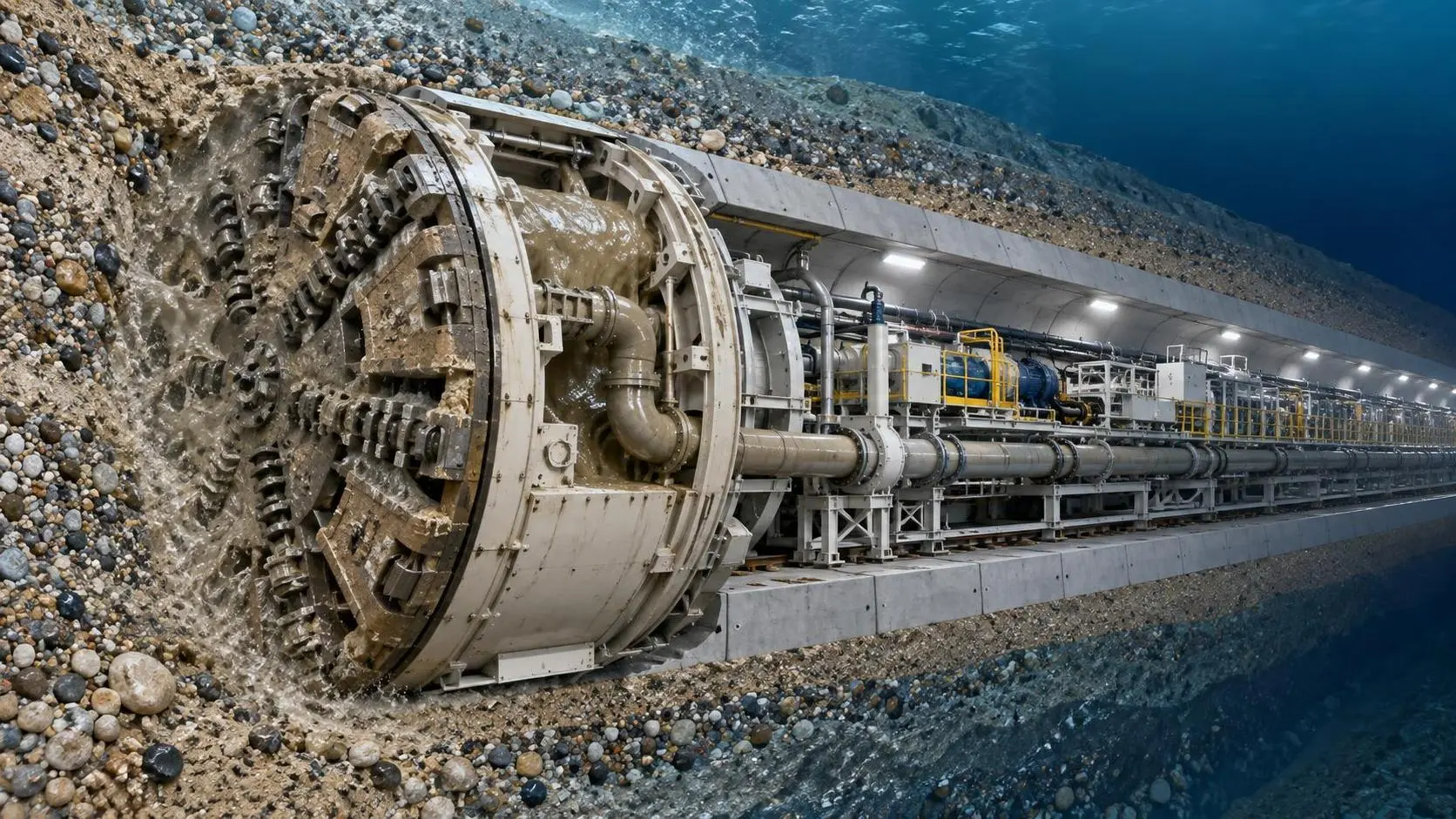
EPB or Slurry Shield? Selecting Soft-Ground Tunnelling Equipment by Soil Conditions
Tunnel Excavation Equipment for soft ground: compare EPB and slurry shields by soil, groundwater, settlement risk, and project logistics to choose confidently.
How to Specify TBM Backup System Parts for Reliable Long-Distance Tunnelling
TBM backup system parts: learn how to specify reliable spares for long-distance tunnelling, reduce downtime, ensure compatibility, and speed underground recovery.
How to Size Open Pit Mining Trucks for Haul Distance, Grade, and Payload?
Open Pit Mining Trucks: learn how to match payload, haul distance, grade, road resistance, and loading capacity for safer, lower-cost mine operations.
Related News
- 00
0000-00
How to Evaluate European Drill-and-Blast Tunnelling Contractors for Complex Projects - 00
0000-00
Which Trenchless Construction Technique Fits Your Utility Crossing Conditions? - 00
0000-00
What Is Driving Metro Tunnelling Demand Across Southeast Asia’s Major Cities? - 00
0000-00
Hard Rock Tunnelling in Australia: Selecting Methods for Variable Ground Conditions - 00
0000-00
Hydropower Tunnel Excavation: Selecting Methods for Variable Rock Conditions
Weekly Insights
Stay ahead with our curated technology reports delivered every Monday.