
Underground Mine Automation Equipment: What to Compare Before You Buy





Underground mine automation equipment: what matters before price tags do?
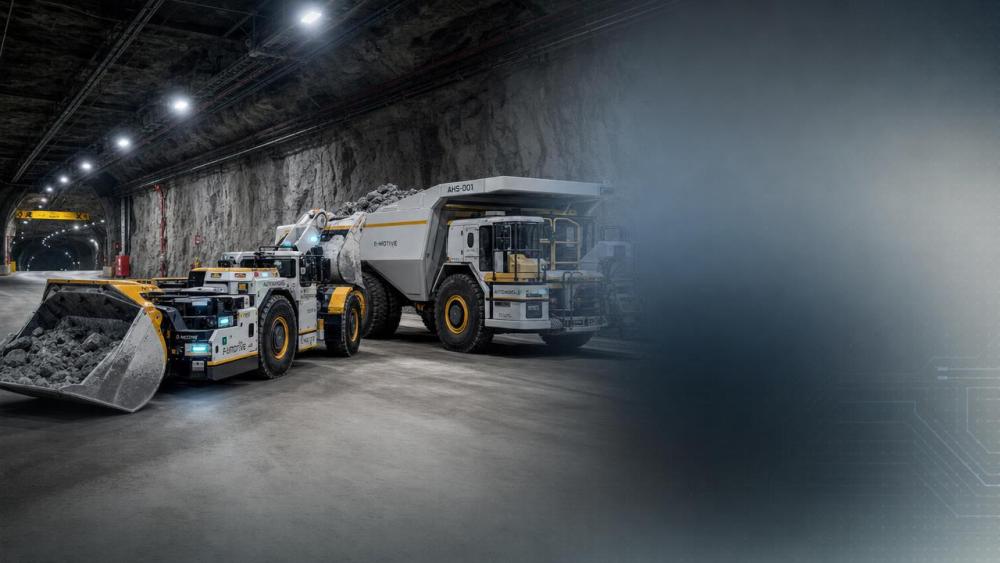
Underground mine automation equipment is now judged by far more than payload, engine size, or list price.
In real buying decisions, the harder questions involve autonomy depth, ventilation pressure, fleet data compatibility, and service resilience underground.
That shift is visible across mines, tunnels, and heavy underground infrastructure.
UTMD tracks this transition closely through its coverage of smart underground transport, drilling systems, TBM technologies, and electrified heavy equipment.
The bigger lesson is simple.
When automation moves underground, every technical choice affects safety, uptime, ESG compliance, and lifecycle cost at the same time.
So the practical comparison is not “Which machine looks stronger?”
It is closer to “Which system will still perform reliably after thousands of tight-cycle hours in hot, dusty, low-visibility headings?”
What exactly counts as underground mine automation equipment today?
The term covers more than one machine category.
It usually includes underground LHD loaders, haul trucks, drilling jumbos, guidance systems, onboard sensors, tele-remote stations, fleet management software, and charging or battery-swap support.
Some equipment is only remotely operated.
Other systems can handle route following, dumping, queueing, obstacle detection, and basic traffic logic with limited human intervention.
That distinction matters because many offers use similar language while delivering very different automation outcomes.
In practical terms, underground mine automation equipment should be evaluated as a working system, not as an isolated asset.
UTMD’s intelligence around underground LHDs, drilling jumbos, and zero-emission transport reinforces this point.
Automation becomes valuable only when sensing, machine control, ventilation limits, and site planning are aligned.
Should you compare automation level first, or powertrain first?
Most teams compare them together, because one can weaken the value of the other.
A battery-electric loader with poor automation integration may still create bottlenecks.
A highly automated diesel fleet may improve cycles but still struggle with heat, emissions, and ventilation costs.
A useful way to structure the comparison is shown below.
If the mine is moving toward electrification, battery-ready automation often deserves extra weight.
UTMD’s reporting on regenerative braking, underground zero-exhaust transport, and smart mine upgrades shows why this is no longer a niche issue.
Still, diesel may remain practical in longer ramps or sites without stable charging infrastructure.
The point is not ideology.
It is matching automation and energy architecture to real underground duty cycles.
Where do buyers most often misjudge underground mine automation equipment?
A common mistake is assuming advertised autonomy equals production autonomy.
In reality, some systems perform well in straight haul routes but struggle in changing headings, wet ground, or congested intersections.
Another blind spot is communications quality.
Underground mine automation equipment depends on stable network coverage, latency control, and positioning confidence.
Without that, advanced features may be switched off or underused.
There is also a maintenance misunderstanding.
Automated equipment can reduce operator variability, but it adds sensors, controllers, software dependencies, and calibration tasks.
- Check whether perception systems still work under dust, spray, glare, and uneven walls.
- Confirm how often software updates interrupt production windows.
- Ask whether battery packs, cameras, and control modules are field-replaceable underground.
- Review who owns operational data and who can export it into the mine’s core systems.
These checks are especially important in mixed fleets.
One automated loader can look impressive during trials, yet underdeliver once it must interact with older trucks, legacy dispatch software, or nonstandard ramps.
How should lifecycle cost be compared without oversimplifying?
The purchase price is only the visible part of the decision.
A stronger comparison uses cost per productive hour, cost per tonne moved, and downtime sensitivity.
That usually gives a clearer picture than headline capex alone.
For underground mine automation equipment, four cost layers deserve close review.
- Energy and ventilation costs, especially when comparing battery-electric and diesel units.
- Infrastructure costs for charging, battery swapping, network upgrades, and control rooms.
- Maintenance costs tied to sensors, drivetrain wear, software licenses, and spare parts logistics.
- Productivity effects from fewer delays, safer re-entry timing, and more stable cycle execution.
In actual projects, ventilation savings can materially change the economics.
So can reduced exposure in hazardous stopes, where tele-remote or autonomous loading keeps people farther from active risk zones.
UTMD often highlights this broader value chain.
Electrification, autonomy, and digitalization are not separate trends underground.
They increasingly shape one another’s return on investment.
What should be verified before shortlisting a supplier?
This is where decisions become less theoretical.
The most useful shortlist is built around proof, not promise.
Ask for evidence from underground conditions that resemble your own geometry, gradient, rock environment, and traffic density.
A quick verification table helps keep the process disciplined.
It also helps to ask how the supplier thinks beyond one machine class.
UTMD’s industry lens is useful here because underground performance often connects drilling, hauling, ventilation, and digital control into one operating model.
A vendor that understands only a single asset may miss the real bottleneck.
So, what is the smartest way to compare underground mine automation equipment now?
Start with the operating problem, not the brochure.
If ventilation costs are rising, compare zero-exhaust options and charging logistics first.
If re-entry delays and personnel exposure are the main pain points, examine tele-remote and autonomous cycle reliability under real heading conditions.
If the site already runs several brands, integration risk deserves top priority.
The best underground mine automation equipment is rarely the machine with the longest feature list.
It is the option that fits duty cycles, digital infrastructure, safety rules, and long-term mine planning with the fewest hidden compromises.
A sensible next step is to build a comparison sheet around autonomy level, powertrain, interoperability, service response, and lifecycle cost.
Then validate each claim against site conditions, not showroom conditions.
That approach usually leads to a lower-risk decision, and a more durable one.
Related News
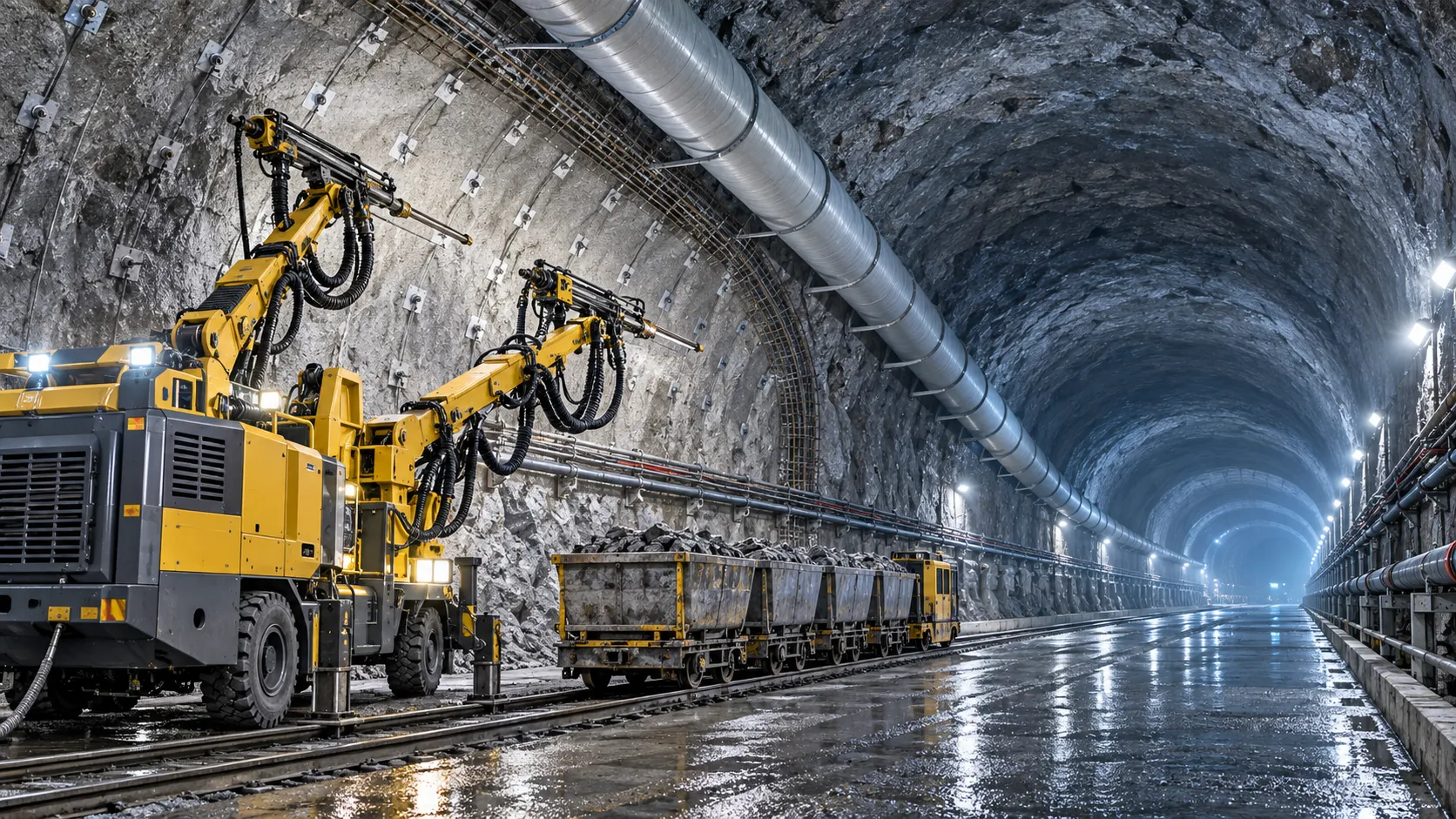
How to Evaluate European Drill-and-Blast Tunnelling Contractors for Complex Projects
Drill and blast tunnelling contractors Europe: learn how to assess geology expertise, blast control, equipment reliability, safety, and programme resilience for complex projects.
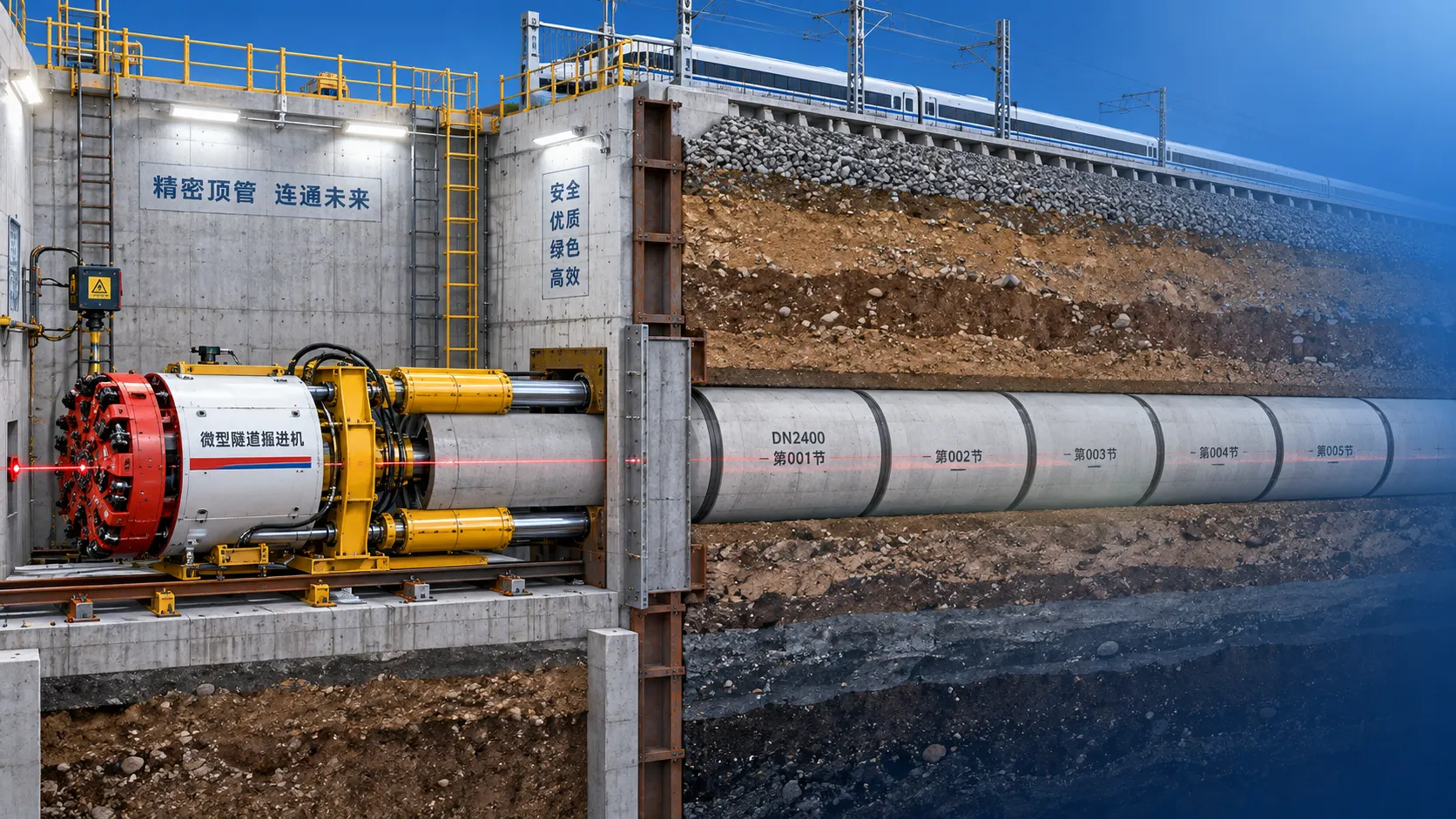
Which Trenchless Construction Technique Fits Your Utility Crossing Conditions?
Trenchless construction techniques compared for utility crossings: choose HDD, microtunnelling, pipe jacking, or auger boring based on ground, accuracy, access, and risk.
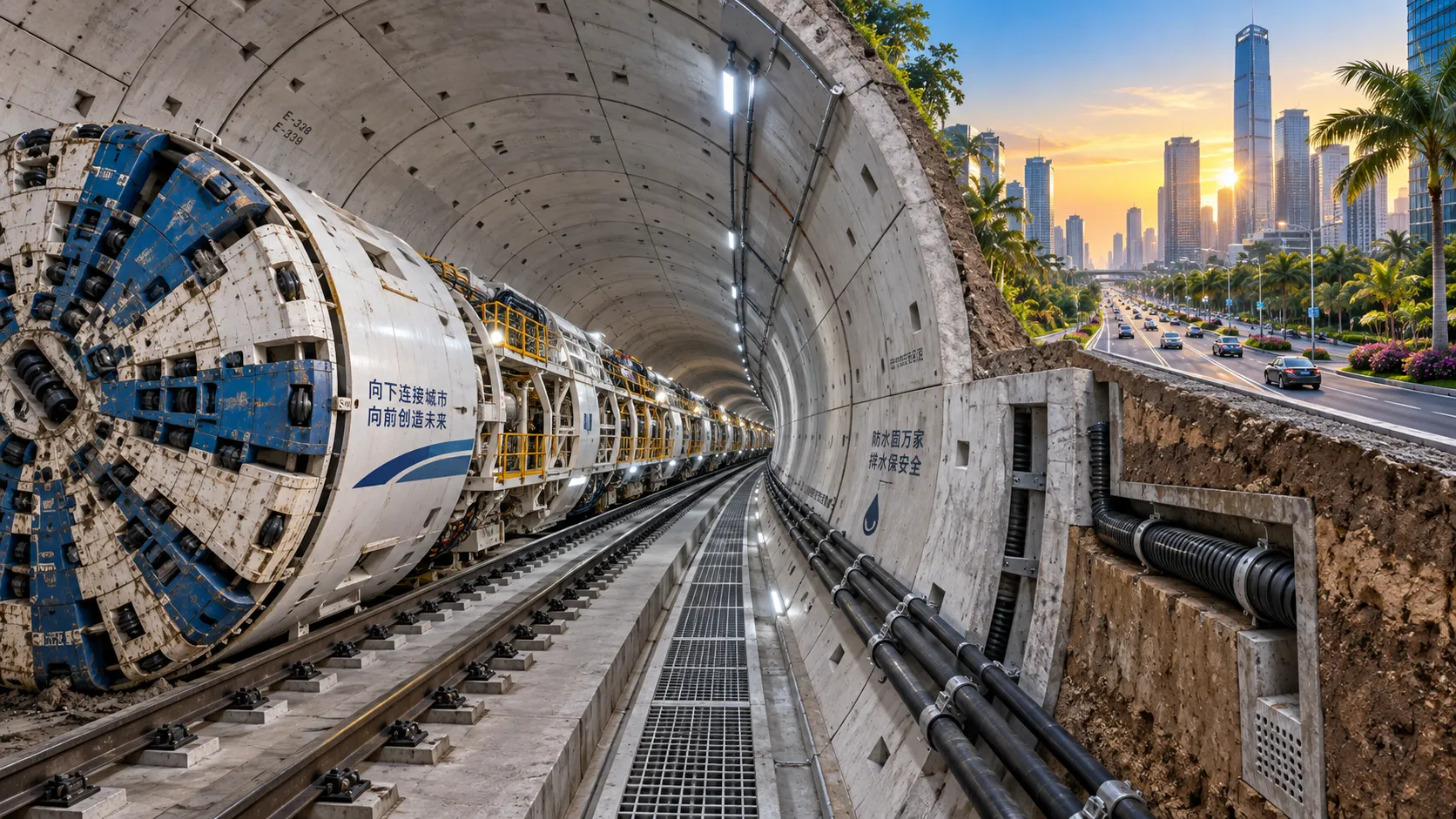
What Is Driving Metro Tunnelling Demand Across Southeast Asia’s Major Cities?
Metro tunnelling Southeast Asia is accelerating as major cities tackle congestion, flooding, and connectivity. Explore the market forces, technical risks, and opportunities shaping demand.
Hard Rock Tunnelling in Australia: Selecting Methods for Variable Ground Conditions
Hard rock tunnelling in Australia: compare TBM, drill-and-blast and hybrid methods to manage variable ground, reduce risk and protect project costs.
Hydropower Tunnel Excavation: Selecting Methods for Variable Rock Conditions
Hydropower tunnel excavation methods for variable rock conditions: compare TBM, drill-and-blast, and hybrid strategies to improve safety, progress, and project control.
How to Select Underground Safety Equipment for Tunnelling by Hazard and Work Zone
Underground Safety Equipment for tunnelling: match protection to hazards, work zones, compliance, and emergency needs with this practical selection guide.
EPB or Slurry Shield? Selecting Soft-Ground Tunnelling Equipment by Soil Conditions
Tunnel Excavation Equipment for soft ground: compare EPB and slurry shields by soil, groundwater, settlement risk, and project logistics to choose confidently.
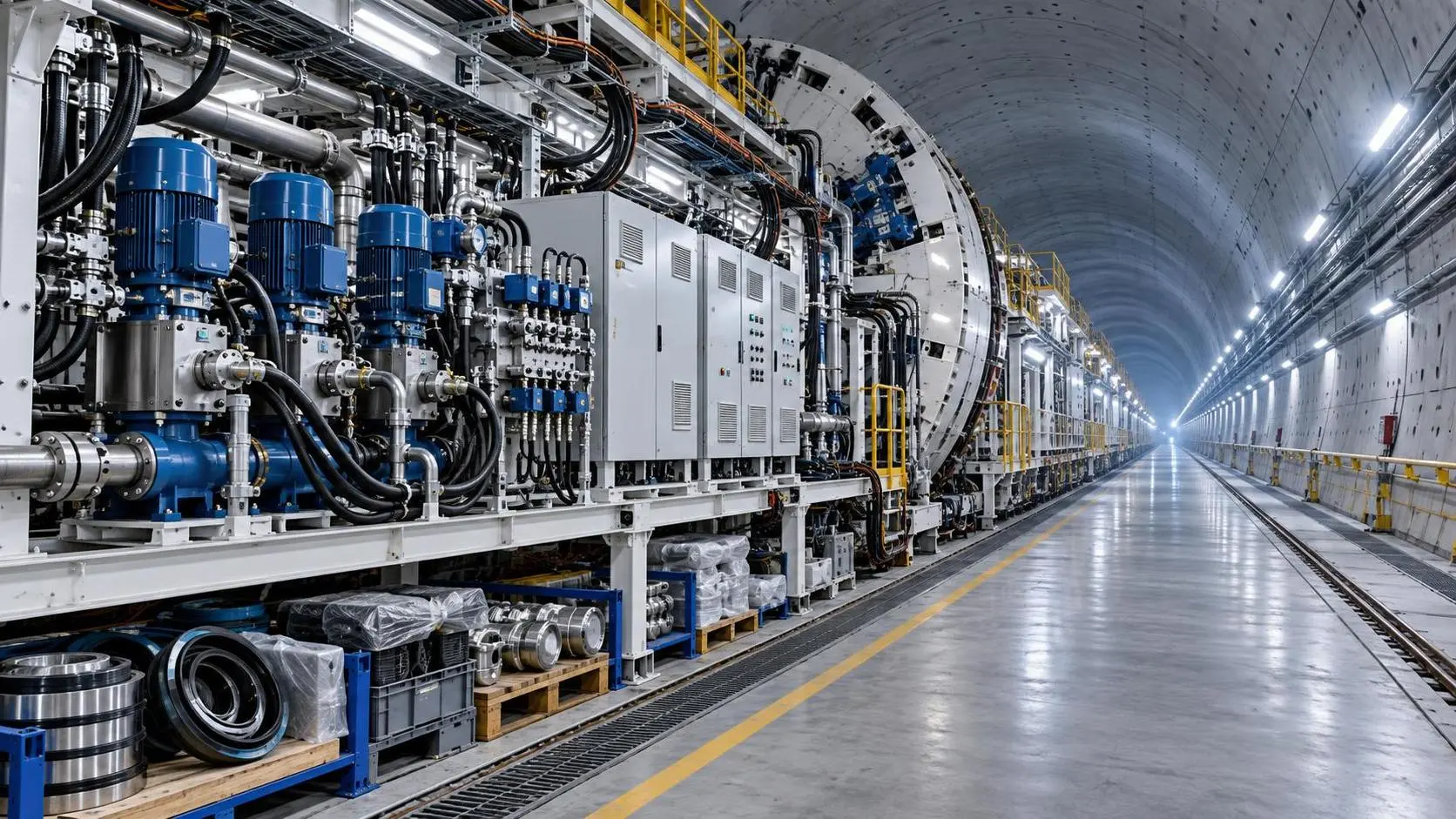
How to Specify TBM Backup System Parts for Reliable Long-Distance Tunnelling
TBM backup system parts: learn how to specify reliable spares for long-distance tunnelling, reduce downtime, ensure compatibility, and speed underground recovery.
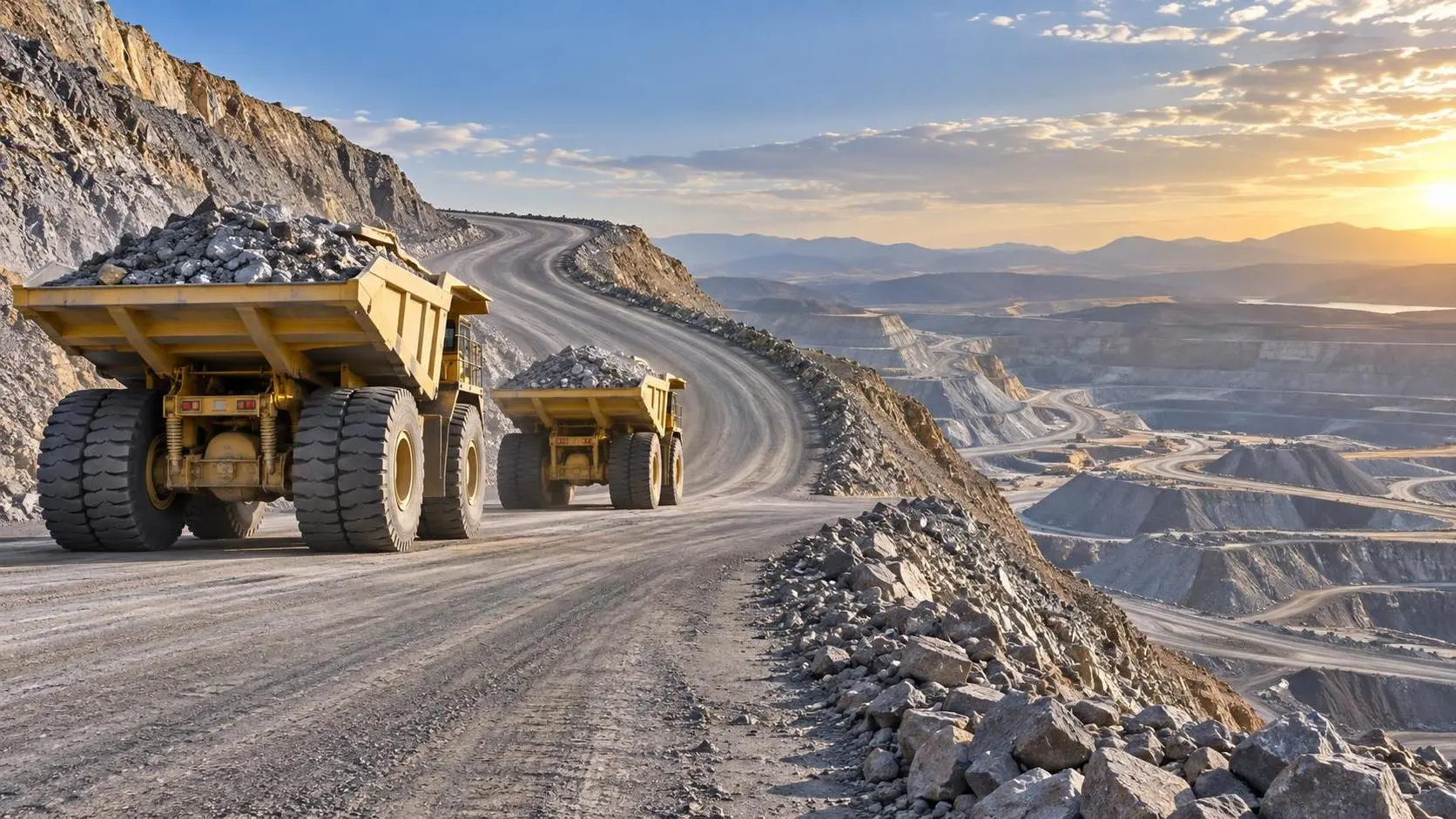
How to Size Open Pit Mining Trucks for Haul Distance, Grade, and Payload?
Open Pit Mining Trucks: learn how to match payload, haul distance, grade, road resistance, and loading capacity for safer, lower-cost mine operations.
Related News
- 00
0000-00
How to Evaluate European Drill-and-Blast Tunnelling Contractors for Complex Projects - 00
0000-00
Which Trenchless Construction Technique Fits Your Utility Crossing Conditions? - 00
0000-00
What Is Driving Metro Tunnelling Demand Across Southeast Asia’s Major Cities? - 00
0000-00
Hard Rock Tunnelling in Australia: Selecting Methods for Variable Ground Conditions - 00
0000-00
Hydropower Tunnel Excavation: Selecting Methods for Variable Rock Conditions
Weekly Insights
Stay ahead with our curated technology reports delivered every Monday.