
Tunnel Boring Equipment Market Analysis: Demand Drivers, Supplier Shifts, and Growth Segments





The Tunnel Boring Equipment market is moving into a more selective growth cycle. Urban rail expansion, water transfer schemes, cross-border transport corridors, and tighter construction efficiency targets are all raising demand. At the same time, project owners are no longer judging equipment by cutting power alone. They are comparing uptime, geology fit, digital control, lifecycle service, and supply resilience. That shift makes market analysis more useful than simple volume tracking.
Why the market matters now
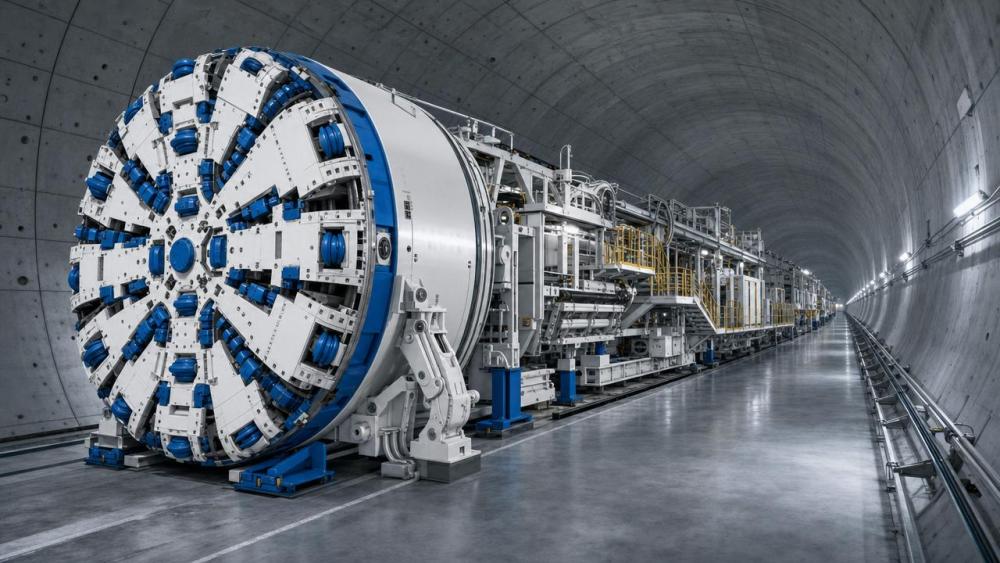
Underground construction has become a strategic layer of modern infrastructure. Cities need metro lines, utility tunnels, and drainage systems that reduce surface disruption. National programs need rail links, highway tunnels, and hydropower access routes that work across difficult terrain.
In this environment, the Tunnel Boring Equipment market sits between heavy industry, public investment, and engineering risk. Decisions in this market influence schedule certainty, financing confidence, labor deployment, and environmental compliance.
That is also why intelligence platforms such as UTMD have gained relevance. The value is not only in reporting project news. It is in connecting tender activity, cutter wear behavior, automation readiness, and underground electrification trends into a usable market picture.
What the Tunnel Boring Equipment market includes
The market covers more than complete tunnel boring machines. It includes system packages, cutterheads, disc cutters, backup trains, slurry handling units, guidance systems, segment erection systems, and after-sales support.
It also connects with adjacent underground equipment categories. Pipe jacking machines address smaller urban corridors. Drilling jumbos remain relevant where drill-and-blast methods outperform TBMs. In mining-linked tunnel development, loaders, haulage systems, and digital fleet tools shape the broader underground equipment economy.
So when reviewing the Tunnel Boring Equipment market, the useful question is not only how many machines are sold. A better question is which project types are expanding, which technical configurations fit them, and which suppliers can support operation through the full project cycle.
Demand drivers are becoming more complex
Several forces are pushing demand, but they do not affect all segments equally. Some favor large hard rock TBMs. Others support slurry and EPB systems for dense urban ground conditions.
Urban mobility and utility renewal
Metro construction remains a major engine for the Tunnel Boring Equipment market. Congested cities prefer underground routes because they preserve surface land use. Utility upgrades also increase demand for trenchless and shallow tunnelling systems.
Water, energy, and resilience investment
Water diversion, flood control, and hydropower tunnelling support long-cycle equipment demand. These projects often require high reliability in abrasive rock, remote terrain, and unstable access conditions.
Cross-border and national corridor programs
Rail and road connectivity programs are adding large tunnel packages to public infrastructure pipelines. Political alignment, export finance, and regional logistics strategies can strongly influence which suppliers gain position.
Efficiency and ESG pressures
Owners want lower downtime, safer underground working conditions, and stronger emissions performance across the jobsite. That does not always change the machine type, but it does change procurement criteria, service demands, and retrofit potential.
Supplier shifts are changing competitive balance
The supplier landscape is no longer defined only by established global brands and regional champions. It is now shaped by localized manufacturing, technology partnerships, public procurement rules, and service network depth.
Some buyers are reducing dependence on single-origin supply chains. Others are favoring suppliers that can assemble or maintain machines closer to project sites. This is especially important when spare parts lead times can affect tunnel progress for months.
Another shift involves software and sensing. Guidance systems, condition monitoring, cutter wear analytics, and remote diagnostics are becoming part of the competitive package. In practice, this means the Tunnel Boring Equipment market is moving from hardware comparison toward system capability comparison.
UTMD’s broader underground perspective is useful here. Tunnel equipment purchasing increasingly overlaps with digital mining, underground transport automation, and zero-emission design principles. Those adjacent transitions influence expectations in tunnelling as well.
Where growth segments are forming
Growth is not evenly distributed. The strongest opportunities usually appear where technical barriers are high and financing visibility is improving.
A notable feature of the Tunnel Boring Equipment market is the rising relevance of refurbishment. In tighter capital environments, reused or upgraded assets can become practical options, especially when project geology is well understood.
How to read business value beyond machine specifications
In actual evaluation work, the most expensive mistake is often a mismatch between machine configuration and project conditions. A high-output machine can still underperform if cutter consumption, segment logistics, or spoil handling are underestimated.
The Tunnel Boring Equipment market therefore needs to be read through a business lens, not only an engineering lens. Capital cost matters, but so do utilization rates, maintenance intervals, launch shaft constraints, crew learning curves, and contractual risk sharing.
This is where detailed intelligence adds value. Disc cutter wear in hard rock, digital guidance quality, and automation maturity may look like technical details, yet they directly affect cost predictability and project bankability.
Practical signals worth tracking
A grounded market view usually comes from a small set of recurring signals.
- Tender volume by region and by tunnel type, rather than headline infrastructure announcements alone.
- Supplier backlog strength and delivery timing for critical components.
- Evidence of local service capability, refurbishment facilities, and field response speed.
- Adoption of digital monitoring, remote diagnostics, and predictive maintenance tools.
- Policy signals linked to public transit funding, water security, and ESG-linked construction requirements.
When these signals align, the Tunnel Boring Equipment market usually shows more durable momentum. When they diverge, apparent demand can remain headline-deep and commercially uneven.
A workable approach for next-step assessment
A useful next step is to segment the Tunnel Boring Equipment market by geology, project owner type, and service model. That helps separate one-off demand spikes from repeatable opportunity.
It also helps to compare complete machine supply against lifecycle support strength. In many cases, supplier positioning is won after delivery, not at contract signature.
For deeper review, combine project pipeline data with equipment performance indicators, spare parts access, and adjacent underground technology trends. That method reflects how the market actually behaves. It also creates a stronger basis for comparing risk, timing, and long-term value across upcoming tunnelling opportunities.
Related News
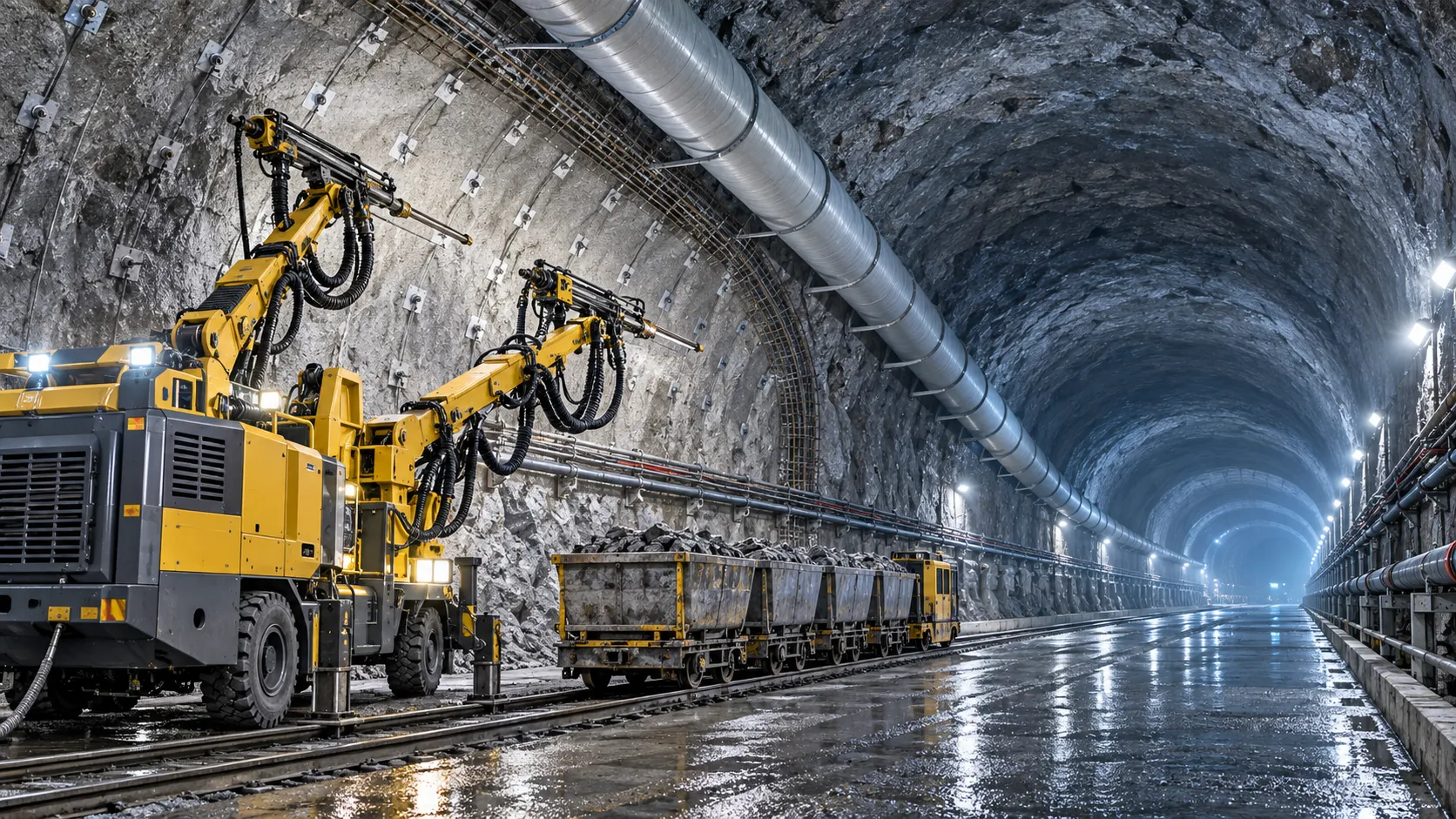
How to Evaluate European Drill-and-Blast Tunnelling Contractors for Complex Projects
Drill and blast tunnelling contractors Europe: learn how to assess geology expertise, blast control, equipment reliability, safety, and programme resilience for complex projects.
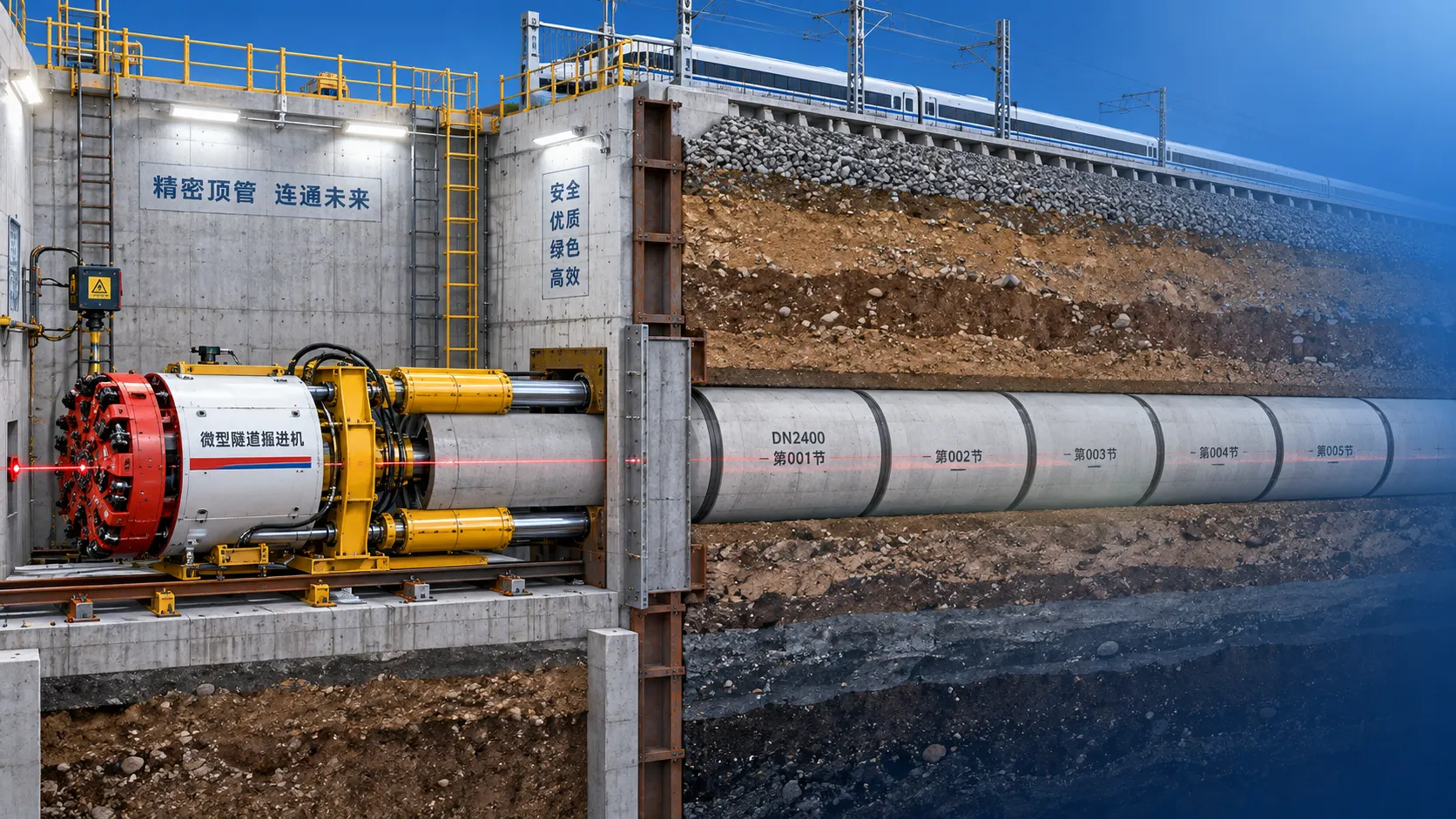
Which Trenchless Construction Technique Fits Your Utility Crossing Conditions?
Trenchless construction techniques compared for utility crossings: choose HDD, microtunnelling, pipe jacking, or auger boring based on ground, accuracy, access, and risk.
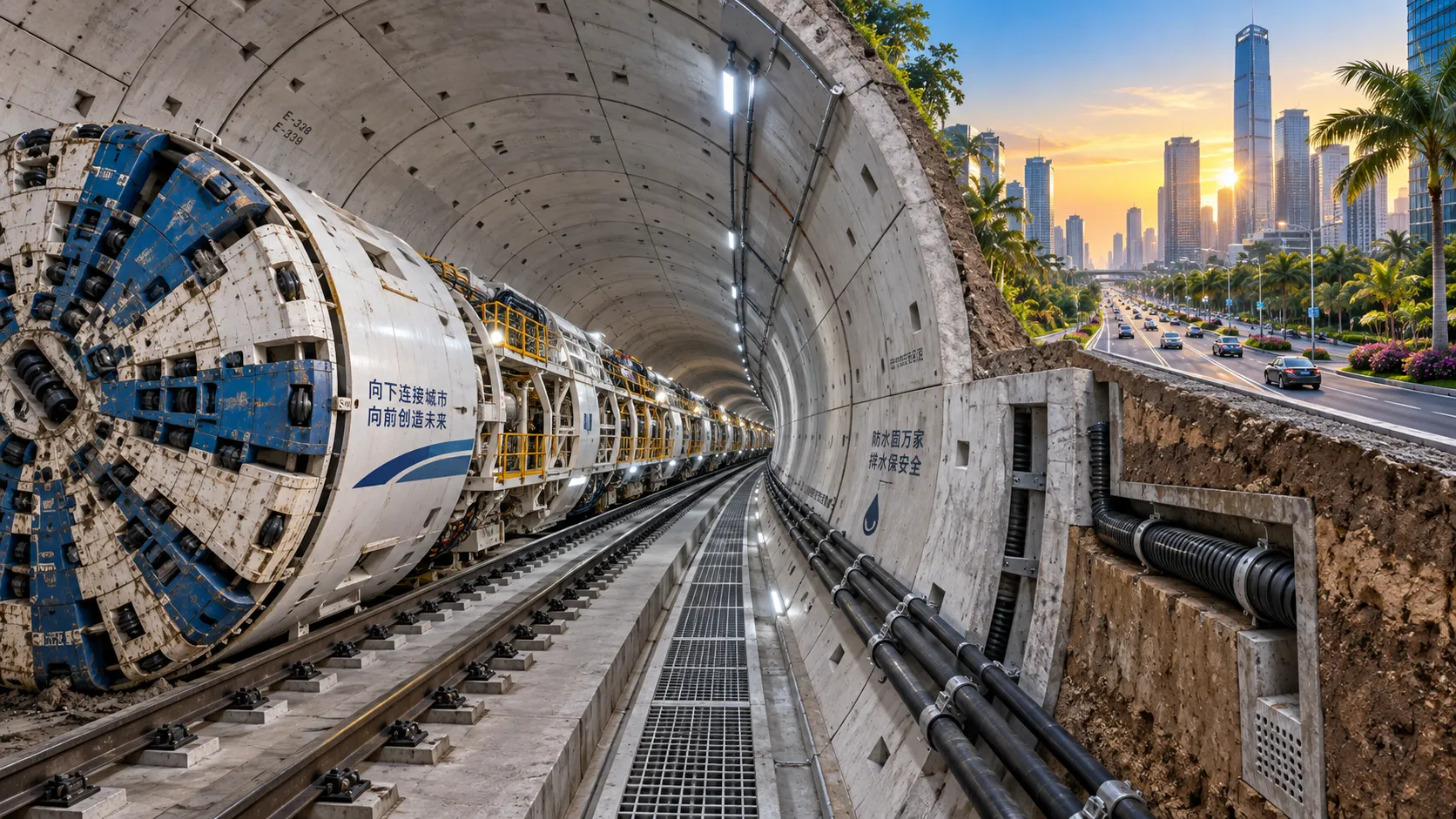
What Is Driving Metro Tunnelling Demand Across Southeast Asia’s Major Cities?
Metro tunnelling Southeast Asia is accelerating as major cities tackle congestion, flooding, and connectivity. Explore the market forces, technical risks, and opportunities shaping demand.
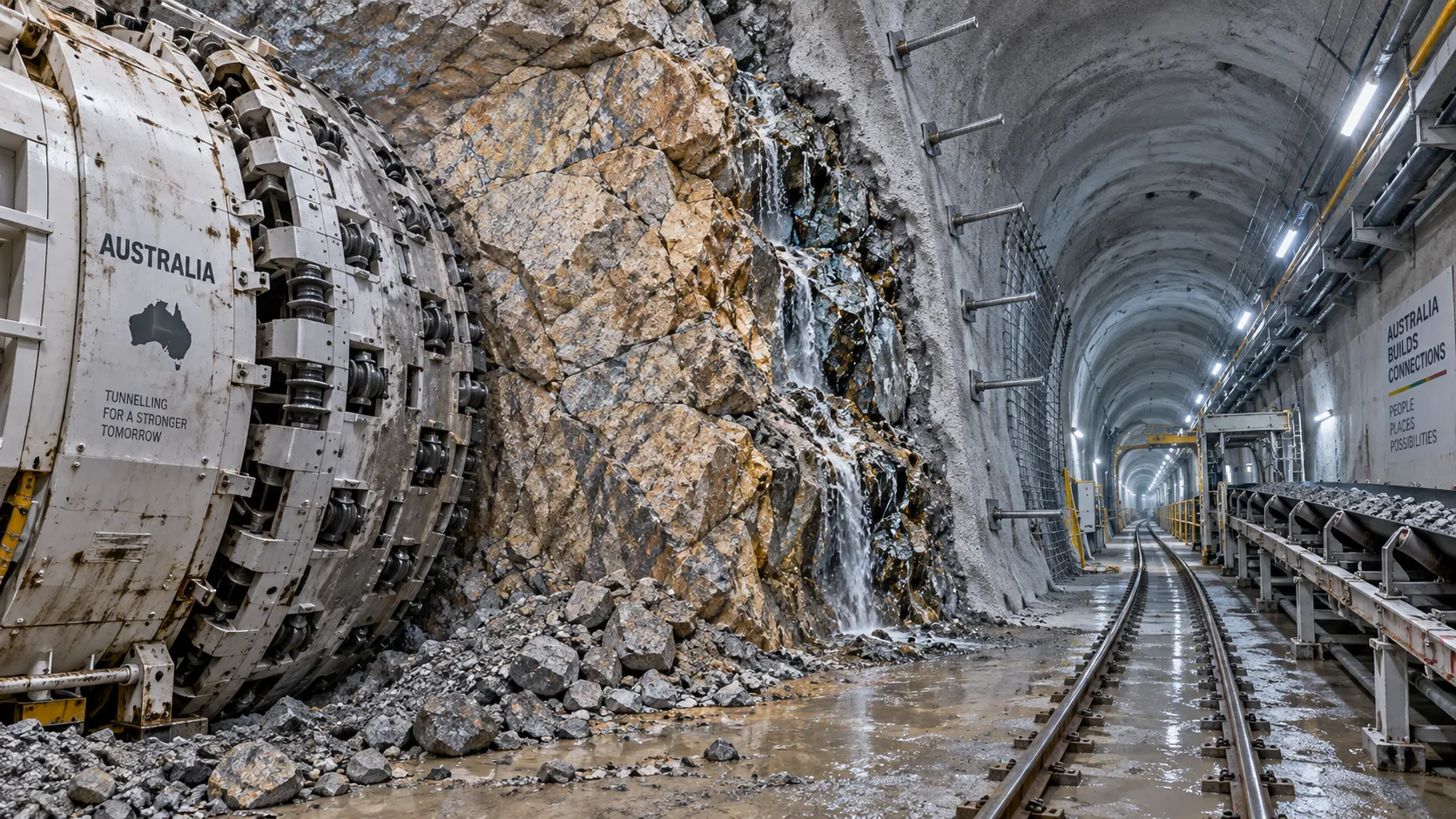
Hard Rock Tunnelling in Australia: Selecting Methods for Variable Ground Conditions
Hard rock tunnelling in Australia: compare TBM, drill-and-blast and hybrid methods to manage variable ground, reduce risk and protect project costs.
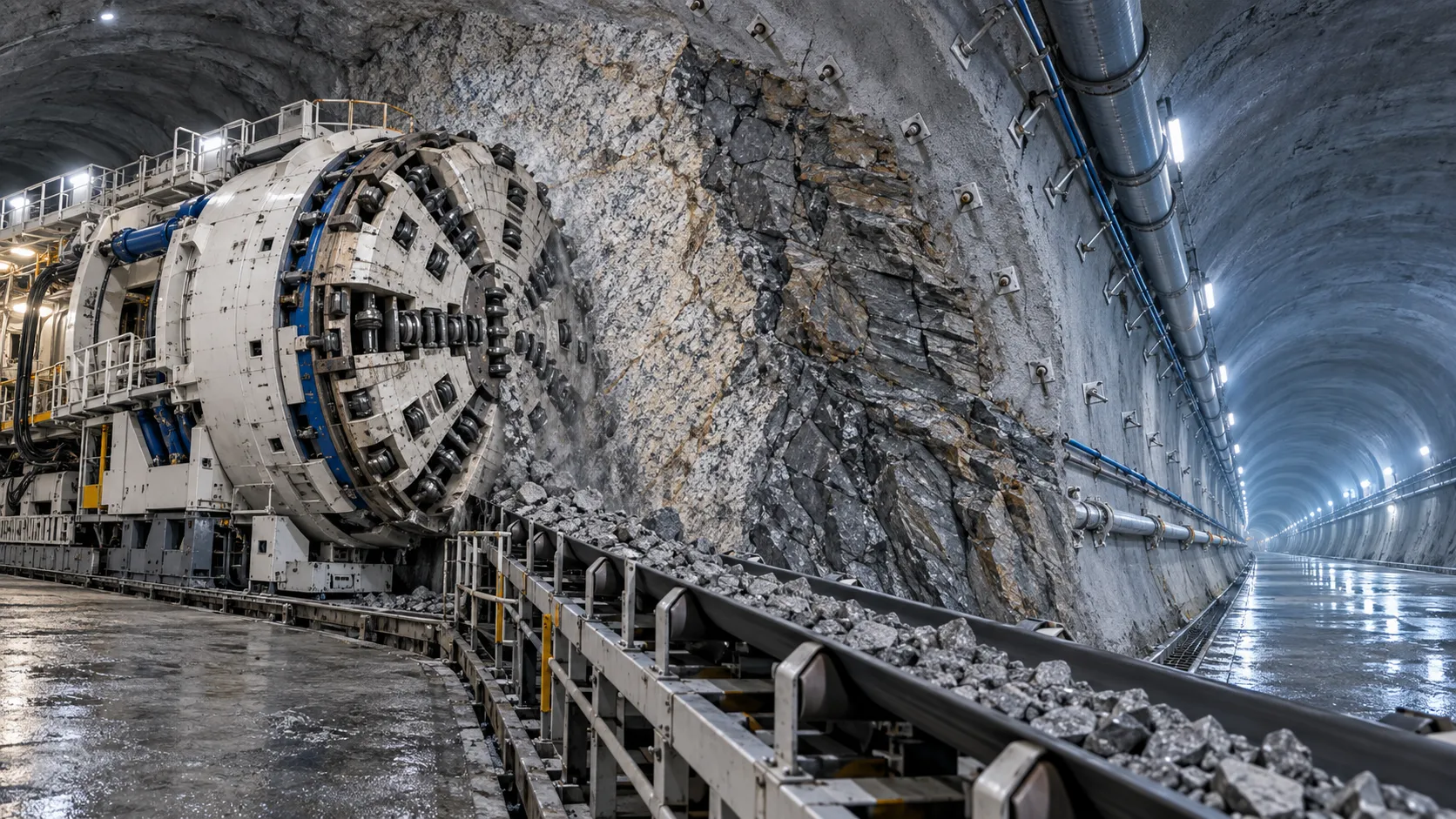
Hydropower Tunnel Excavation: Selecting Methods for Variable Rock Conditions
Hydropower tunnel excavation methods for variable rock conditions: compare TBM, drill-and-blast, and hybrid strategies to improve safety, progress, and project control.
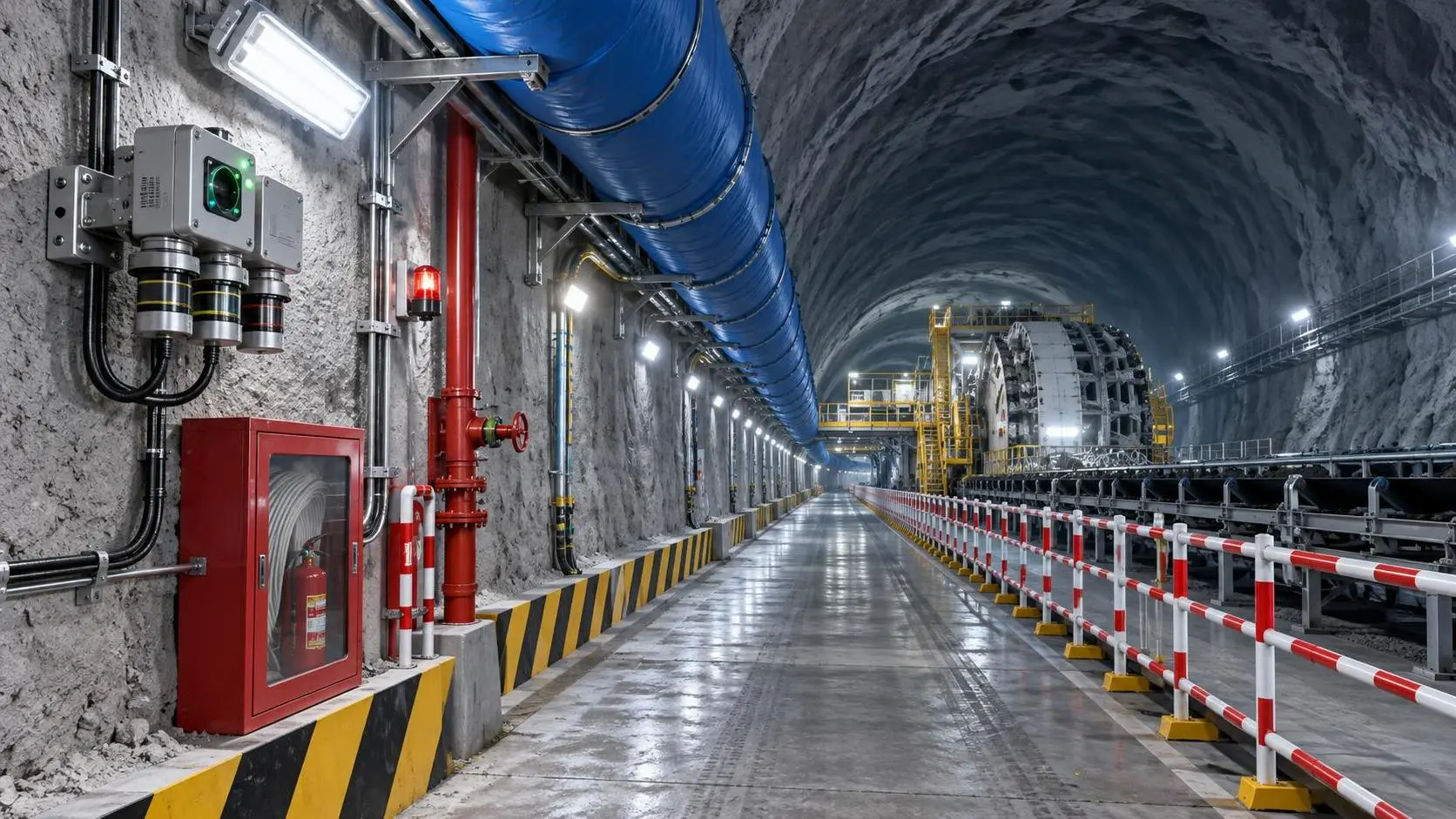
How to Select Underground Safety Equipment for Tunnelling by Hazard and Work Zone
Underground Safety Equipment for tunnelling: match protection to hazards, work zones, compliance, and emergency needs with this practical selection guide.
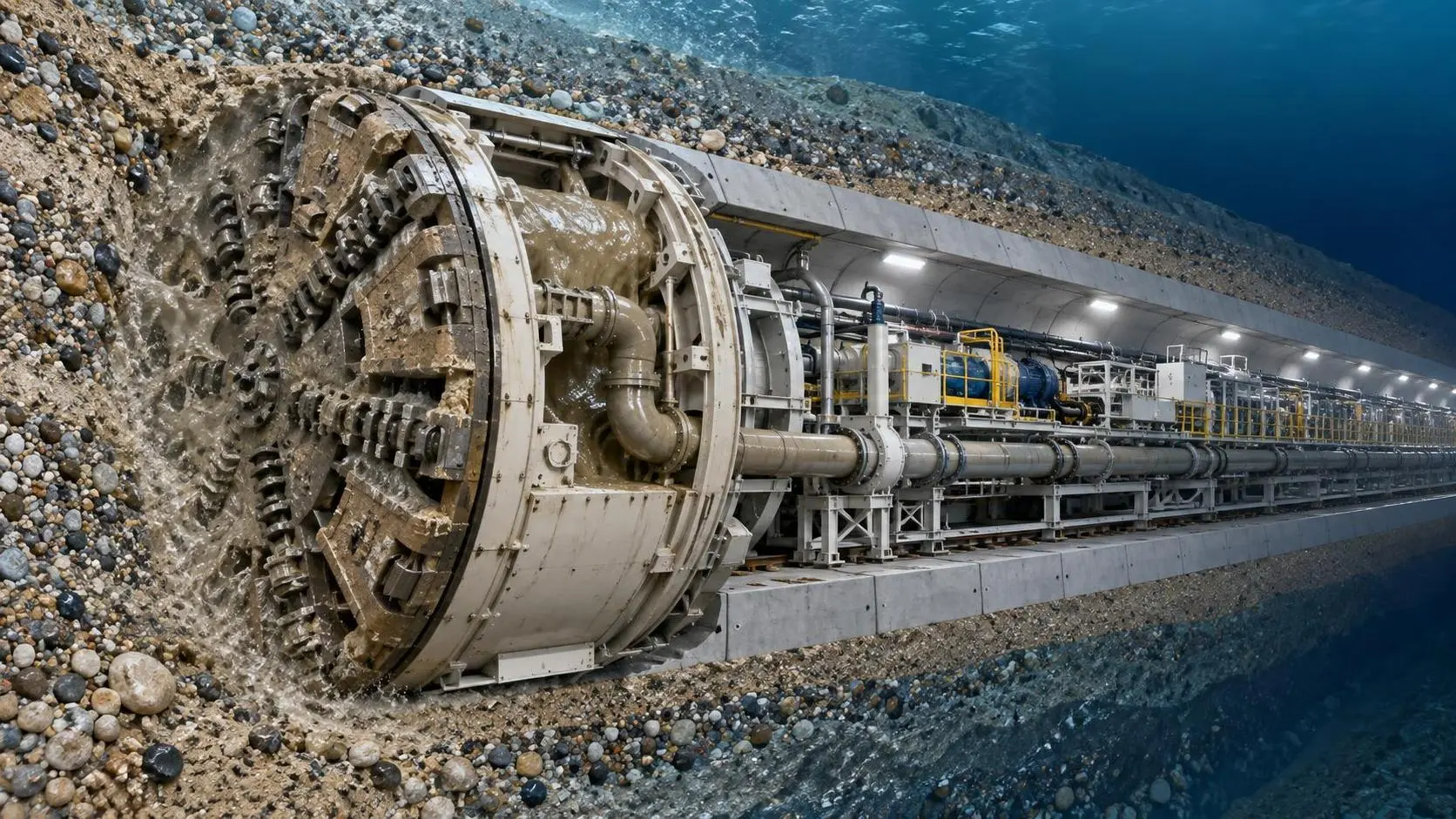
EPB or Slurry Shield? Selecting Soft-Ground Tunnelling Equipment by Soil Conditions
Tunnel Excavation Equipment for soft ground: compare EPB and slurry shields by soil, groundwater, settlement risk, and project logistics to choose confidently.
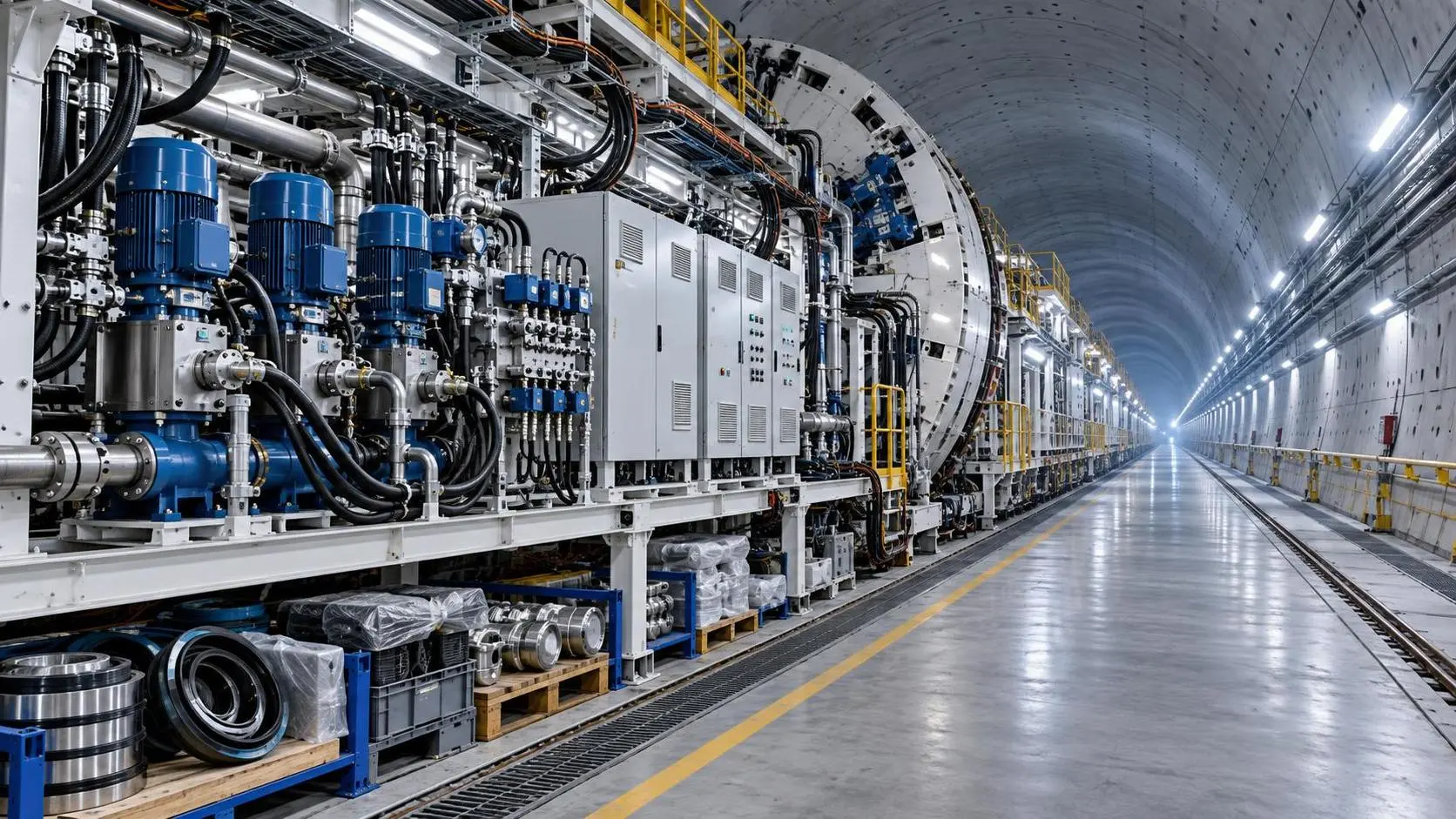
How to Specify TBM Backup System Parts for Reliable Long-Distance Tunnelling
TBM backup system parts: learn how to specify reliable spares for long-distance tunnelling, reduce downtime, ensure compatibility, and speed underground recovery.
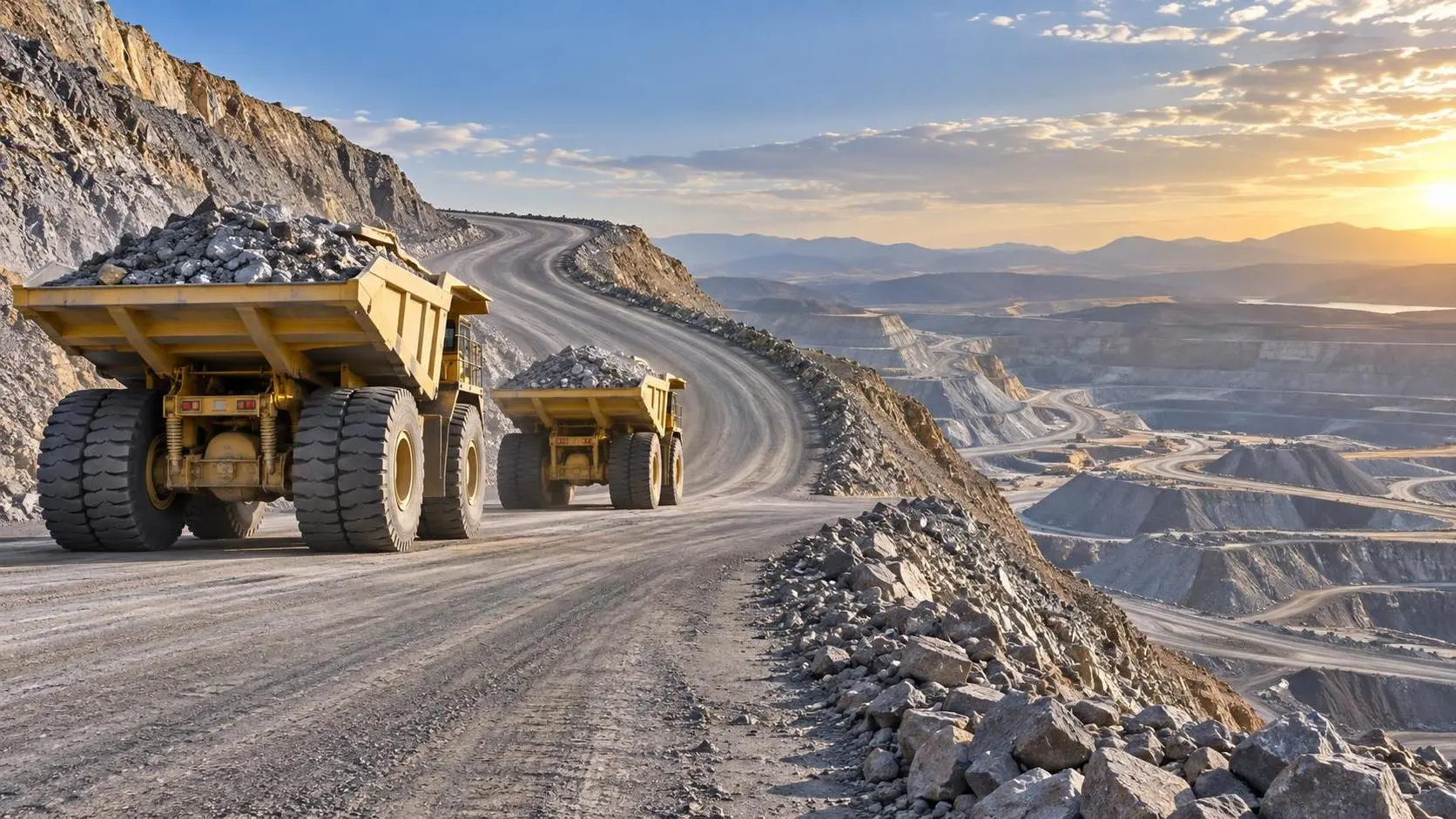
How to Size Open Pit Mining Trucks for Haul Distance, Grade, and Payload?
Open Pit Mining Trucks: learn how to match payload, haul distance, grade, road resistance, and loading capacity for safer, lower-cost mine operations.
Related News
- 00
0000-00
How to Evaluate European Drill-and-Blast Tunnelling Contractors for Complex Projects - 00
0000-00
Which Trenchless Construction Technique Fits Your Utility Crossing Conditions? - 00
0000-00
What Is Driving Metro Tunnelling Demand Across Southeast Asia’s Major Cities? - 00
0000-00
Hard Rock Tunnelling in Australia: Selecting Methods for Variable Ground Conditions - 00
0000-00
Hydropower Tunnel Excavation: Selecting Methods for Variable Rock Conditions
Weekly Insights
Stay ahead with our curated technology reports delivered every Monday.