
Underground Safety in Mining: Key Controls for Equipment and Crews





Underground Safety in mining depends on more than compliance checklists—it requires disciplined control of equipment condition, crew behavior, ventilation, traffic flow, and emergency readiness in confined, high-risk environments.
Every TBM, drilling jumbo, LHD loader, and underground haulage system is both a productivity asset and a potential hazard point.
As mines electrify, automate, and go deeper, Underground Safety is becoming a strategic measure of reliability, cost control, and operational continuity.
Underground Safety Is Shifting From Rule Compliance to System Control
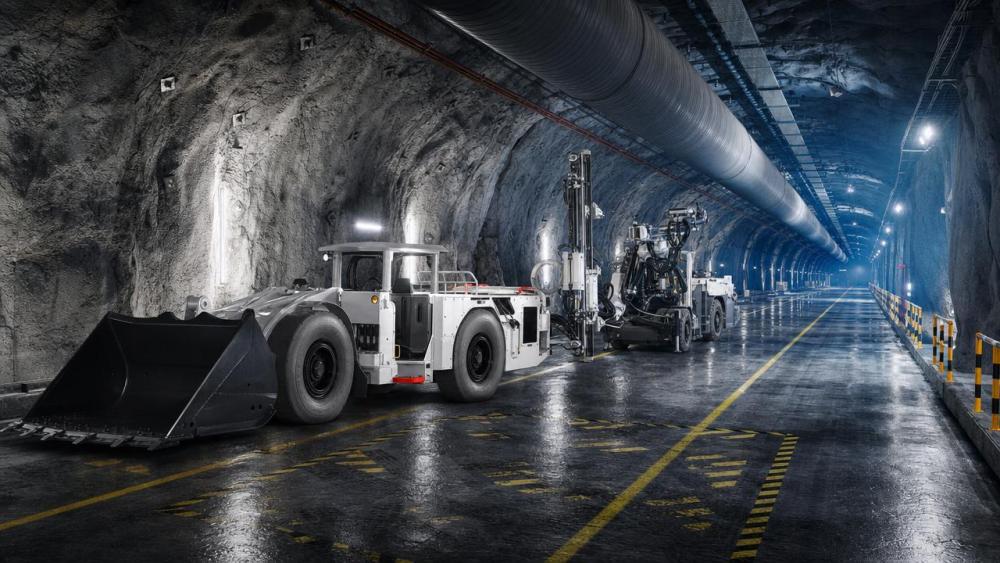
The underground mining environment is changing fast. Deeper ore bodies, larger fleets, and tighter emission targets are reshaping daily risk exposure.
Traditional safety programs often focused on personal protective equipment, permits, and incident reporting. These remain important, but they are no longer sufficient.
Modern Underground Safety requires connected controls across machines, crews, ventilation, geotechnical conditions, and digital monitoring systems.
A single weak control can trigger cascading consequences. Brake failure, poor visibility, or delayed communication may quickly become a serious incident underground.
The strongest operations treat Underground Safety as a dynamic operating model, not a document stored for audits.
Trend Signals Reshaping Mining Risk Underground
Several signals show why Underground Safety is moving higher on the mining agenda. These signals affect equipment selection, mine design, and crew deployment.
- Battery-electric LHD loaders reduce diesel particulates but introduce charging, fire, and energy isolation risks.
- Autonomous haulage improves traffic consistency but requires reliable localization and communication coverage.
- High-capacity drilling jumbos accelerate development but increase exposure to hydraulic pressure and moving booms.
- Deeper mines face greater heat, stress, rockburst risk, and ventilation complexity.
- Real-time sensors create more data, but also demand disciplined response protocols.
These trends do not reduce the need for basic controls. They expand the definition of Underground Safety into equipment intelligence and operational governance.
Why Equipment Controls Now Define Underground Safety Performance
Heavy underground machines operate in narrow drifts, low visibility, uneven ground, and high humidity. Mechanical integrity must be verified continuously.
A safe LHD loader, truck, or drilling jumbo is not only well maintained. It is correctly configured for the operating heading.
Effective Underground Safety controls should cover braking, steering, boom movement, guarding, fire suppression, lighting, alarms, batteries, and emergency shutdowns.
Equipment checks must be short enough for daily use, yet detailed enough to reveal deterioration before failure.
Underground Safety improves when defects are ranked by consequence, not only by repair convenience.
Crew Behavior Remains the Decisive Control Layer
Technology can detect hazards, but crews still make many critical decisions under pressure, noise, fatigue, and limited visibility.
Underground Safety depends on consistent behaviors during travel, drilling, scaling, charging, mucking, maintenance, and emergency withdrawal.
The most effective behavior controls are specific. “Be careful” is weak. “Stop at refuge bay before radioing clearance” is measurable.
High-value crew controls
- Use positive communication before entering active headings.
- Keep separation from moving LHD loaders and haul trucks.
- Confirm ground support before working under exposed backs.
- Apply lockout before maintenance on energized equipment.
- Report abnormal vibration, heat, smell, noise, or visibility loss.
Supervision should reinforce the safest practical method, not only the fastest cycle time. That balance is central to Underground Safety.
Ventilation and Energy Transition Are Becoming Interdependent
Ventilation has always shaped Underground Safety. It controls diesel emissions, heat, dust, blasting fumes, and survivability during emergencies.
Electrification changes the equation. Battery-electric machines reduce exhaust load, but they introduce charging infrastructure and thermal management requirements.
Ventilation-on-demand can save energy, yet it must never reduce airflow below the needs of crews and equipment operating in the zone.
Underground Safety programs should link ventilation plans with equipment schedules, blast re-entry rules, sensor calibration, and battery charging areas.
- Map airflow against active headings and haulage routes.
- Monitor carbon monoxide, nitrogen dioxide, oxygen, heat, and dust.
- Separate charging zones from combustible storage and hot work.
- Validate fan status after power interruptions or network failures.
The practical goal is not simply more air. It is verified airflow where risk is actually present.
Traffic Flow Is a Leading Indicator of Underground Safety
Collisions and vehicle-personnel interactions remain major underground hazards. Larger electric fleets and autonomous units add new control demands.
Safe traffic flow begins with mine design. Drift width, passing bays, refuge chambers, intersections, and signage must match actual fleet behavior.
Underground Safety improves when traffic rules are visible, enforced, and supported by proximity detection or geofencing systems.
Traffic data also reveals hidden pressure. Frequent near misses often signal poor scheduling, weak communication, or inadequate road maintenance.
Ground Control Must Keep Pace With Faster Development
Faster drilling, blasting, mucking, and bolting cycles can compress decision time around ground conditions.
Underground Safety depends on disciplined ground assessment before crews enter unsupported or newly exposed areas.
Drilling jumbos and bolters improve precision, but machine capability cannot replace geotechnical verification.
- Inspect backs, walls, faces, and intersections before work starts.
- Use scaling procedures suited to rock condition and access limits.
- Track deformation, seismic events, water inflow, and support damage.
- Match bolts, mesh, shotcrete, and cables to the ground model.
A strong ground control plan protects people and preserves production stability. It is a foundation of Underground Safety.
Digital Monitoring Is Useful Only When Response Is Defined
Connected sensors now monitor equipment health, gas levels, worker location, ventilation status, and vehicle movement.
This digital layer strengthens Underground Safety when alerts trigger clear actions, escalation paths, and accountability.
Data without response design creates alarm fatigue. Crews may ignore alerts if thresholds are poorly tuned or responsibilities are unclear.
Practical response framework
- Define each critical alarm and its operational meaning.
- Assign the first responder, escalation owner, and shutdown authority.
- Set maximum response time for high-consequence alerts.
- Review false alarms and missed detections after each shift.
- Use trends to plan maintenance before unsafe failure develops.
Underground Safety gains value from digital systems when decisions become faster, more consistent, and better documented.
Emergency Readiness Must Reflect Real Underground Constraints
Emergency plans must work in smoke, darkness, damaged communications, blocked routes, and psychological stress.
Underground Safety planning should consider fire, inundation, ground fall, equipment entrapment, toxic gas, and power loss scenarios.
Refuge chambers, self-rescuers, escapeway markings, backup communications, and trained response teams must be maintained like production equipment.
- Run drills under realistic visibility and communication limits.
- Verify refuge chamber capacity against active crew numbers.
- Check self-rescuer condition, location, training, and compatibility.
- Keep evacuation maps updated after layout changes.
The best emergency control is prevention. The second best is practiced, simple, and trusted response.
Impacts Across Operations, Maintenance, and Mine Planning
Stronger Underground Safety controls influence more than incident statistics. They reshape productivity, maintenance planning, and equipment strategy.
Operations gain from fewer interruptions, clearer traffic discipline, safer re-entry decisions, and reduced unplanned downtime.
Maintenance teams gain earlier fault detection, better lockout routines, and stronger planning for high-risk repairs in confined areas.
Mine planning benefits when ventilation capacity, refuge locations, charging bays, and equipment routes are evaluated together.
In this sense, Underground Safety is not a cost center. It is an operating condition for reliable underground production.
Key Priorities for Safer, Smarter Underground Mining
The next stage of Underground Safety will be shaped by integration. Separate controls must become one operating picture.
- Machine integrity: Treat brakes, fire systems, batteries, and sensors as critical controls.
- Human performance: Convert safety expectations into observable actions and shift routines.
- Ventilation intelligence: Link airflow decisions to fleet movement and work location.
- Traffic separation: Reduce interaction between pedestrians, manual vehicles, and autonomous machines.
- Emergency resilience: Practice response under conditions close to real underground emergencies.
These priorities also support ESG goals, asset utilization, and the transition toward zero-emission underground fleets.
A Practical Roadmap for Better Underground Safety
Improvement should be staged. Trying to solve every underground hazard at once often weakens execution.
The roadmap should remain practical. Each step must produce visible control improvement, not only new documentation.
Moving From Awareness to Operational Discipline
Underground Safety improves when hazards are controlled at the point where people, machines, and geology interact.
The strongest programs combine reliable equipment, trained crews, verified ventilation, disciplined traffic flow, and practiced emergency response.
As underground mining becomes more electric, autonomous, and data-driven, safety leadership must become more integrated and evidence-based.
A useful next step is to audit the highest-risk headings, machines, and routes against critical controls.
Then close the gaps that could cause severe harm, production loss, or emergency escalation.
That disciplined approach turns Underground Safety from a compliance requirement into a durable advantage for modern underground operations.
Related News
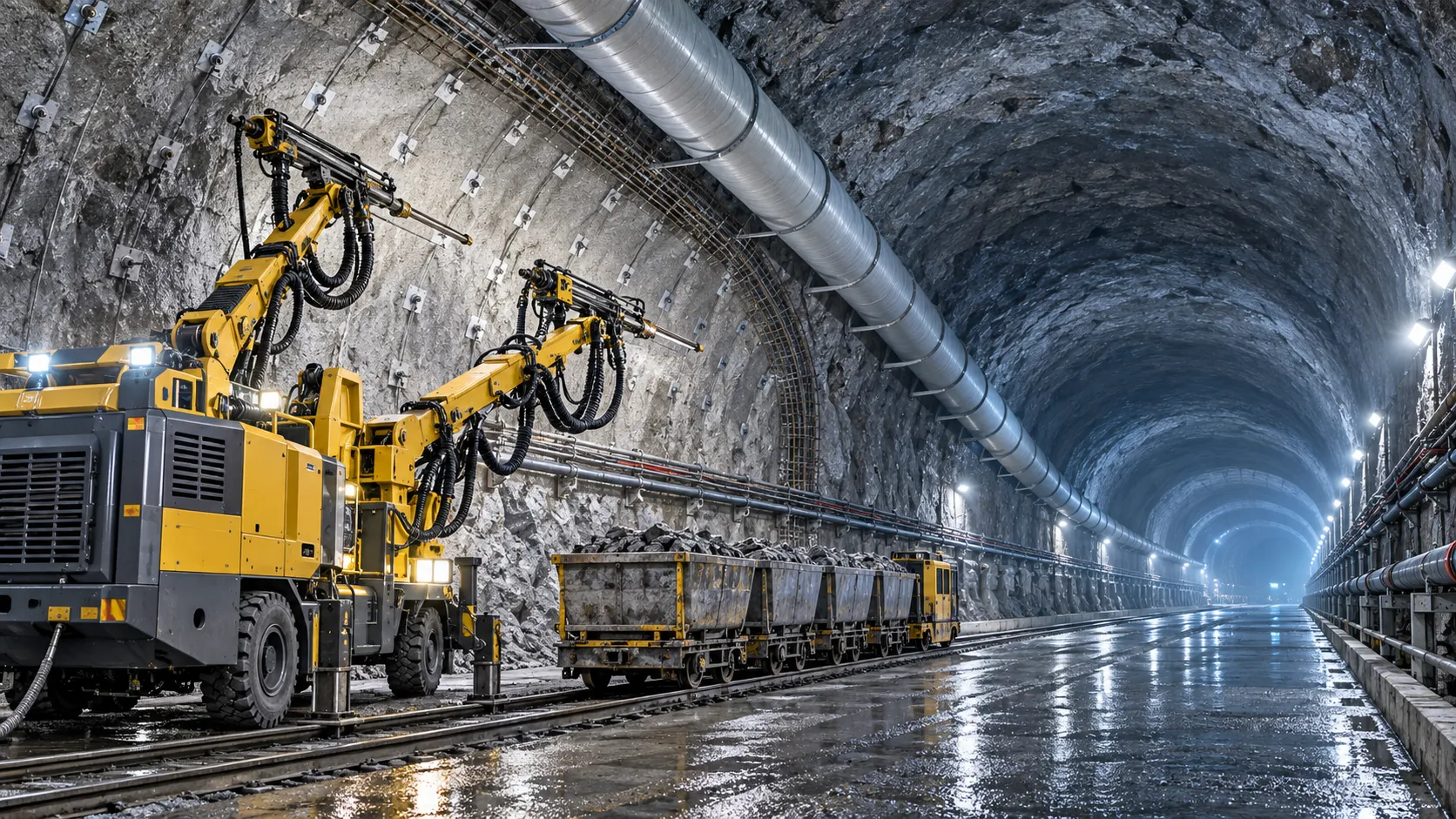
How to Evaluate European Drill-and-Blast Tunnelling Contractors for Complex Projects
Drill and blast tunnelling contractors Europe: learn how to assess geology expertise, blast control, equipment reliability, safety, and programme resilience for complex projects.
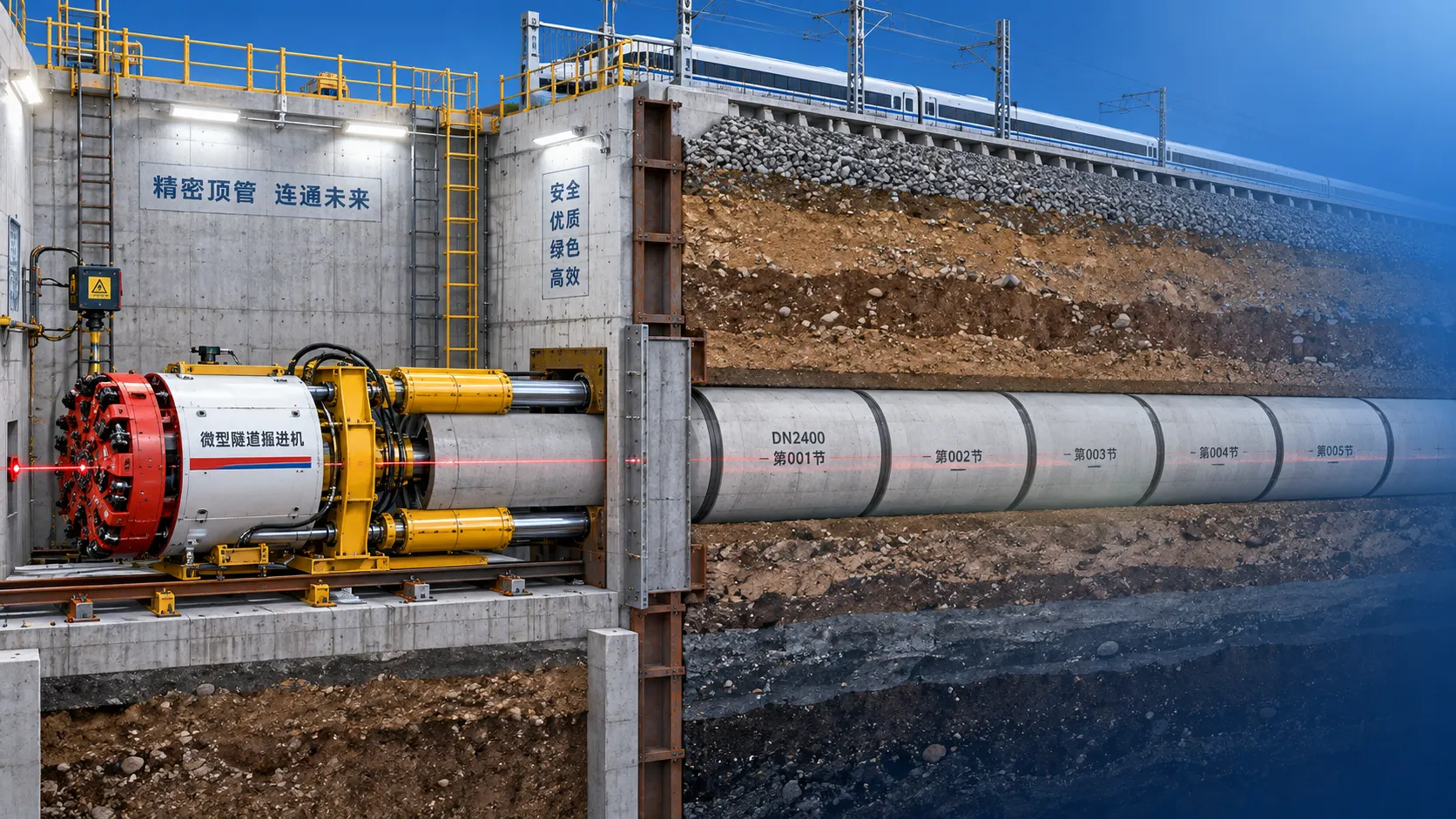
Which Trenchless Construction Technique Fits Your Utility Crossing Conditions?
Trenchless construction techniques compared for utility crossings: choose HDD, microtunnelling, pipe jacking, or auger boring based on ground, accuracy, access, and risk.
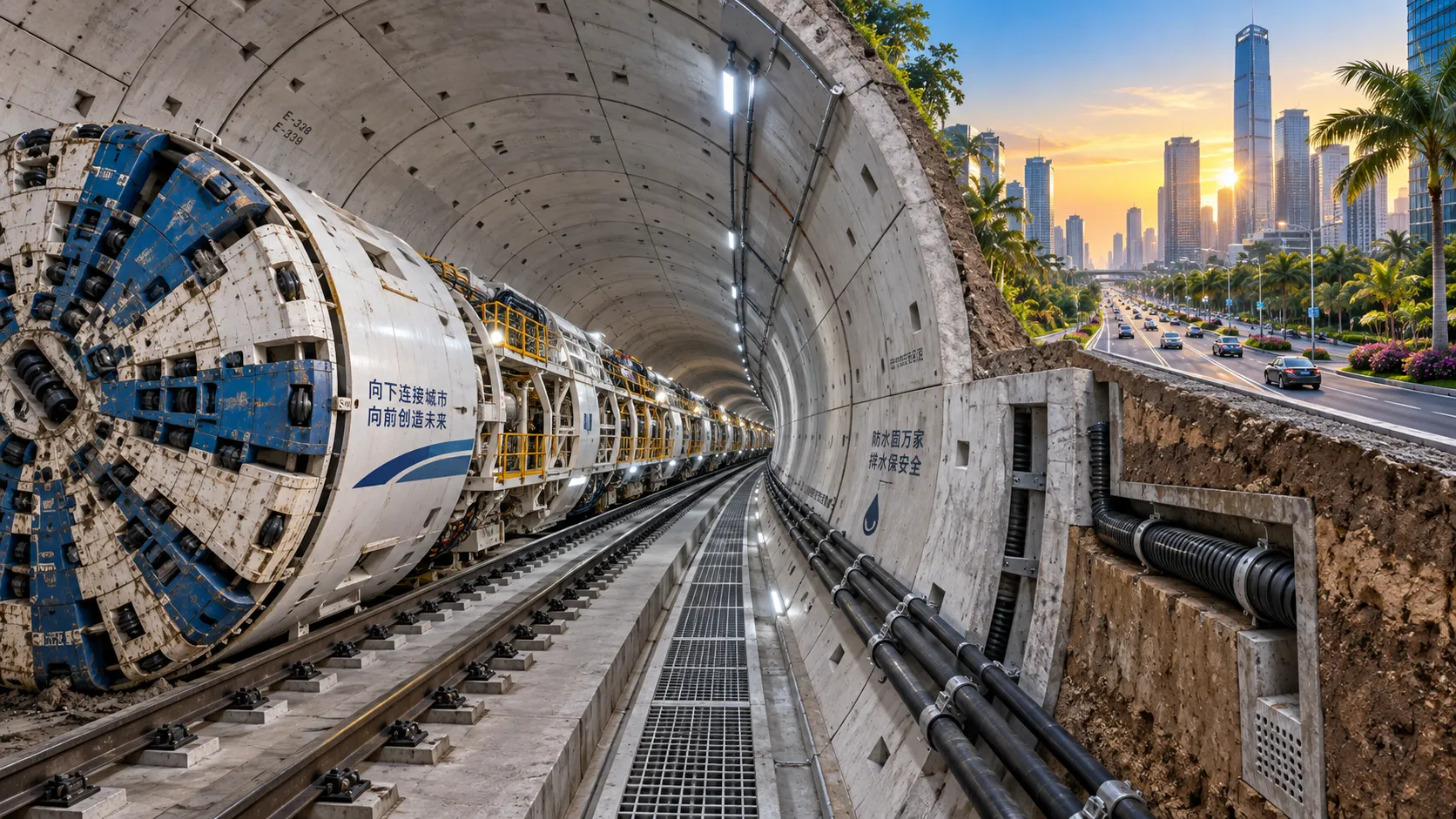
What Is Driving Metro Tunnelling Demand Across Southeast Asia’s Major Cities?
Metro tunnelling Southeast Asia is accelerating as major cities tackle congestion, flooding, and connectivity. Explore the market forces, technical risks, and opportunities shaping demand.
Hard Rock Tunnelling in Australia: Selecting Methods for Variable Ground Conditions
Hard rock tunnelling in Australia: compare TBM, drill-and-blast and hybrid methods to manage variable ground, reduce risk and protect project costs.
Hydropower Tunnel Excavation: Selecting Methods for Variable Rock Conditions
Hydropower tunnel excavation methods for variable rock conditions: compare TBM, drill-and-blast, and hybrid strategies to improve safety, progress, and project control.
How to Select Underground Safety Equipment for Tunnelling by Hazard and Work Zone
Underground Safety Equipment for tunnelling: match protection to hazards, work zones, compliance, and emergency needs with this practical selection guide.
EPB or Slurry Shield? Selecting Soft-Ground Tunnelling Equipment by Soil Conditions
Tunnel Excavation Equipment for soft ground: compare EPB and slurry shields by soil, groundwater, settlement risk, and project logistics to choose confidently.
How to Specify TBM Backup System Parts for Reliable Long-Distance Tunnelling
TBM backup system parts: learn how to specify reliable spares for long-distance tunnelling, reduce downtime, ensure compatibility, and speed underground recovery.

How to Size Open Pit Mining Trucks for Haul Distance, Grade, and Payload?
Open Pit Mining Trucks: learn how to match payload, haul distance, grade, road resistance, and loading capacity for safer, lower-cost mine operations.
Related News
- 00
0000-00
How to Evaluate European Drill-and-Blast Tunnelling Contractors for Complex Projects - 00
0000-00
Which Trenchless Construction Technique Fits Your Utility Crossing Conditions? - 00
0000-00
What Is Driving Metro Tunnelling Demand Across Southeast Asia’s Major Cities? - 00
0000-00
Hard Rock Tunnelling in Australia: Selecting Methods for Variable Ground Conditions - 00
0000-00
Hydropower Tunnel Excavation: Selecting Methods for Variable Rock Conditions
Weekly Insights
Stay ahead with our curated technology reports delivered every Monday.